-
Average rating
50
Games
0
Votes cast
Heartbeat
Shipped Titles
Games (50)

Super Real Mahjong Love 2~7!
SETA Corporation2020
The "Super Real Mahjong" series has an extraordinary passion. During school days, he joined the official fan club "P's CLUB" and spent his days improving his abilities as a character creator of the series, Ryo Tanaka. After the professional manga artist's debut, a person named "Akira" appeared in his work many times in respect of "Akira Hayasaka" who came across a crossroads that turned to a manga artist. Super Real Mahjong Love 2~7! includes console ports of the following titles: Super Real Mahjong PII, Super Real Mahjong PII, Super Real Mahjong PIII, Super Real Mahjong PIV, Super Real Mahjong PV, Super Real Mahjong PVI, and Super Real Mahjong P7.
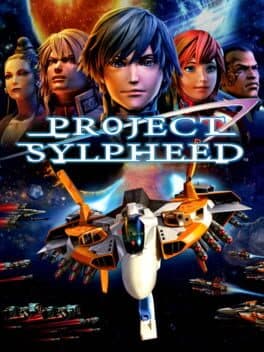
Project Sylpheed
Game Arts2006
Project Sylpheed is an arcade-style shooter and is the follow-up to Silpheed: The Lost Planet on the PlayStation 2. The game's story takes place in the year 2632, five hundred years after humanity left the solar system. Under Earth's rule, 11 different star systems have now been terraformed and colonized. However, there are a number of groups who object to Earth's rule and desire independence; four of them have joined forces and formed a rebel group called the ADAN Freedom Alliance. The main characters in the story are Katana Faraway, Ellen Bernstein, and Margras Mason; all are young pilots having just joined the Earth's military, the Terra Central Armed Forces (TCAF). Following a suspicious accident, Margras joins the opposing ADAN forces to fight against his former friends and home planet. You control Katana in the game, and as missions are completed the story progresses. While previous Silpheed games utilized a top down view of the action, Project Sylpheed features a fully 3-D view from either just behind your ship, or a first person view from within it. During the game you'll need to complete a series of missions; these are varied and include having to destroy all opponents in an area or defend an allied ship from attack. Initially there are fewer enemies and you don't have powerful weaponry, but as the game progresses the enemy increases in count and abilities and you can upgrade your ship with more powerful weapons. During a mission several sub-objectives may also become available which can be completed (some of the sub-objectives also unlock Xbox 360 Achievements when completed).
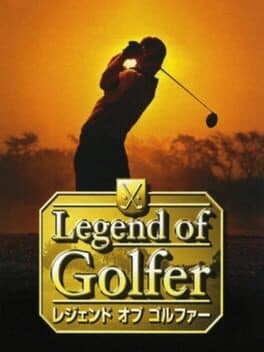
Legend of Golfer
SETA Corporation2004
A Nintendo published arcade golf game released only in Japan for the Nintendo GameCube
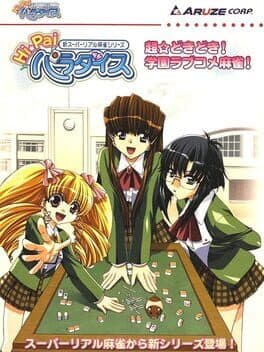
Hi Pai Paradise
Aruze2003
An anime style Mahjong game for the arcades, a spin off of the Super Real Mahjong Series
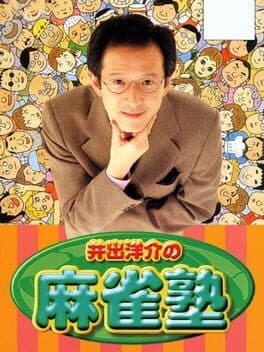
Ide Yousuke no Mahjong Juku
SETA Corporation2000
Ide Yousuke no Mahjong Juku is a Miscellaneous game, developed and published by Seta Corporation, which was released in Japan in 2000.
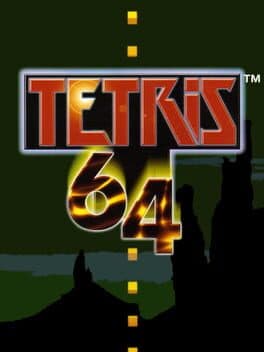
Tetris 64
Amtex1998
Tetris 64 is a puzzle game for the Nintendo 64. It was released only in Japan in 1998 despite the whole game being in English. It is the only Nintendo 64 game that can make use of the Nintendo 64's bio-sensor which was included with the game.
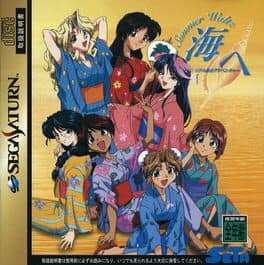
Real Mahjong Adventure Umi he: Summer Waltz
SETA Corporation1998
Real Mahjong Adventure: Umi he Summer Waltz is a video game published in 1998 on SEGA Saturn by SETA Corporation. It's an adventure game, set in an anime / manga and visual novel themes.
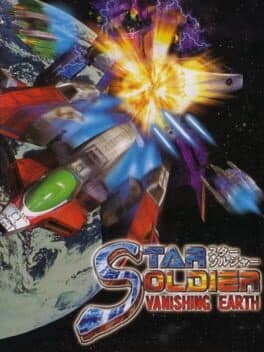
Star Soldier: Vanishing Earth
Hudson Soft1998
In the year 2098 mankind had been critically attacked by a military force from Zeograd, a hostile planet in a far off galaxy. Commander Parker Deehan of Special Interception Airforce (SIA) decided to deploy and pilot the F98 Star Soldier fighter craft into the front line of battle against Zeograd. Losing the battle meant the extinction of mankind and the total annihilation of Earth!
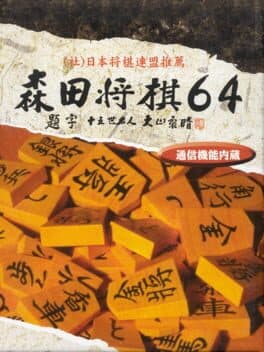
Morita Shogi 64
SETA1998
Morita Shogi 64 is a Japanese virtual board game for the Nintendo 64. It was released only in Japan in 1998. It is the sequel to Saikyō Habu Shōgi, a launch game for the Nintendo 64. The cartridge has a built-in RJ-42 Modem Connection port with which players were able to connect to (now defunct) servers to play against other players all around Japan.
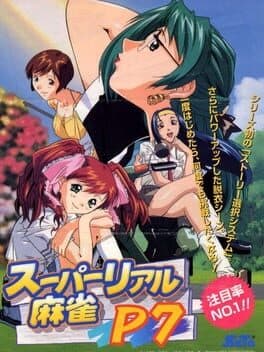
Super Real Mahjong P7
SETA1997
Super Real Mahjong P7 (スーパーリアル麻雀P7) is an mahjong video game developed and published by SETA Corporation and released for arcades on December 1997 in Japan only and it is the seventh game of the Super Real Mahjong series.
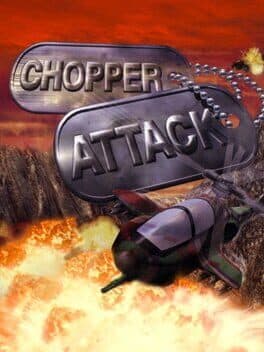
Chopper Attack
SETA Corporation1997
ACES NEEDED! Join an elite group of international chopper pilots with one objective... hunt down and destroy a renegade terrorist group bent on world domination! Engage and destroy the enemy in 8 different intense missions. Blow up strategic enemy radar. Shoot ground troops and enemy aircraft as you rescue hostages or escort friendly aircraft from dangerous enemy territory. Cash rewards give way to an explosive arsenal of ground and air missiles. Transform enemy installations into explosive fireballs with devastating ground and air target lock-on cluster bombs. Fly one of 8 different choppers, each one with different weapon and flying capabilities.
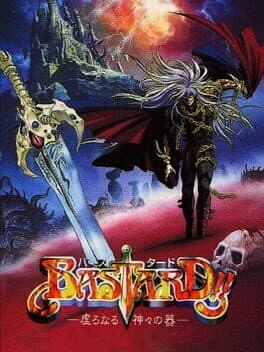
Bastard!! Utsuro Naru Kamigami no Utsuwa
1996
Bastard!! is a game based on the popular manga of the same name. You take on the role of Dark Schneider, an evil wizard who parts on a quest to regain back his memory. The gameplay isn’t really deep, you just go from one boss to another. You have tons of magic moves to use in battle and you can even combine them to create devastating spells. One major disadvantage is that the game was only aimed at the readers of the manga, so if you haven’t read the manga, you won’t understand anything of the characters and the background story. Bastard? Destructive God of Darkness is a manga by Kazushi Hagiwara. It first appeared in Weekly Shonen Jump, in 1988, and continues to be published irregularly today in Ultra Jump. Currently, it spans 25 volumes. In Bastard?, the Kingdom of Meta-Rikana is attacked by four armies. This prompts Dark Schneider, a wizard, to awaken within the body of 14-year old Lucian Lenren. Bastard?'s history is about sorcery, revenge, and other power struggles in a Dungeons & Dragons-like world. It is a dystopian world, where people need magic to survive against wild beasts, and evil monsters. There are endless rulers, each one with his own army of knights and mages, who fight for survival against those beasts and the armies of multiple evil sorcerers. In the anime, the six episodes tell of the awakening of Dark Schneider (also called Darsh or Darshu by those who know him well) and his subsequent attempts to destroy his old allies (The Four Lords of Havoc) and take over the world, whilst winning over multiple love interests. Dark Schneider had been imprisoned fifteen years earlier, trapped inside the body of Yoko's friend Lucien following a failed attempt to take over the world. In the meantime, his four generals attempted to resurrect the god Anthrasax, who would bring about an apocalypse and create the Sorcerer's Kingdom from the ashes of the old world. The story takes place in the future, a post-apocalyptic time following the release of Anthrasax at the height of Modern Civilization. Technology is gone and magic has asserted itself as a force in the world. Shortly after the fall of the modern world, demonic creatures began to appear en masse and forced humans to revert to a feudalistic, city-state based society. The episodes are rather disjointed, with scenes missing in between episodes making it hard to follow, but taken at face value it makes enough sense. Manufacturer's description: Hagiwara Hazime solstitial popular comic "BASTARD!!" based on an original story developed in RPG. And the battle system with a highly strategic position is reflected in the war situation and the compatibility of the character. Dark Schneider is working with the hero lost memory, to return to the real world back memories, let our adventure with friends.
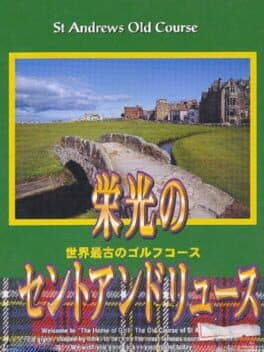
Eikou no Saint Andrews
SETA1996
Eikō no Saint Andrews is a golf video game for the Nintendo 64 set in the Royal and Ancient Golf Club of St Andrews. It was released only in Japan in 1996 and was the first golf game for the Nintendo 64 console.
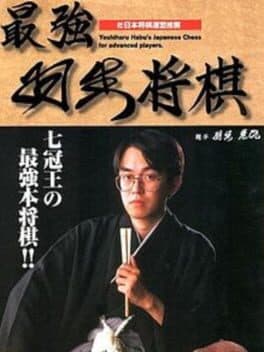
Saikyou Habu Shogi
SETA1996
Saikyou Habu Shogi is the premiere shogi game on the Nintendo 64, and one of 3 Japanese launch titles alongside Super Mario 64 and Pilotwings 64.
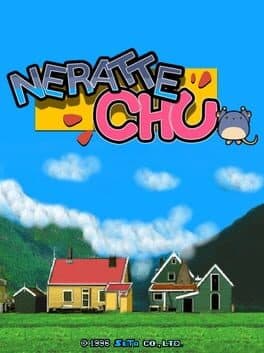
Neratte chu
SETA Co. Ltd.1996
A one or two player puzzle game published and developed by SETA Corporation in 1996
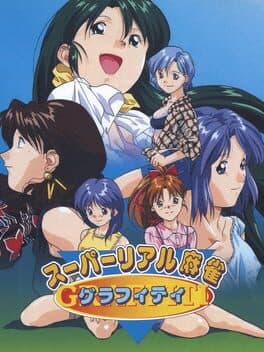
Super Real Mahjong Graffiti
SETA Corporation1995
A compilation with Super Real Mahjong PII, Super Real Mahjong PII & Super Real Mahjong PIV for Sega Saturn.
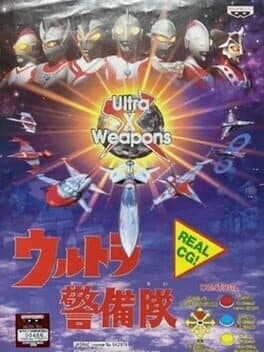
Ultra X Weapons
SETA1995
An Ultraman vertically scrolling shooter where you have to fight strange looking monsters. You play as one of the Defense Teams, defending the Earth from various Kaiju and aliens. At certain points, you can summon an Ultra Warrior to help you in this top down shooter.
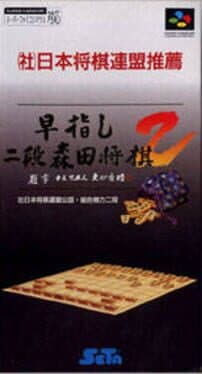
Hayazashi Nidan Morita Shogi 2
Random House1995
Hayazashi Nidan Morita Shogi 2 is a Miscellaneous game, developed by Random House and published by Seta Corporation, which was released in Japan in 1995.
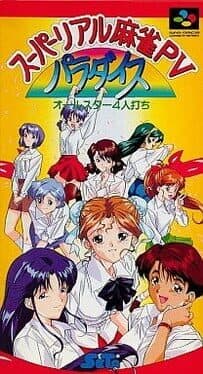
Super Real Mahjong PV Paradise: All-Star 4-nin Uchi
SETA Corporation1995
Part of SETA Corporation's series of mahjong games featuring a recurring cast of anime women. PV Paradise is a Super Famicom-exclusive entry.
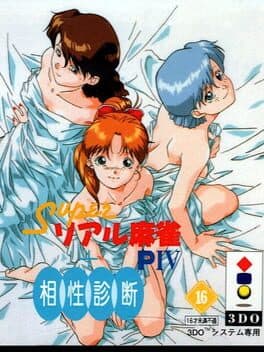
Super Real Mahjong PIV + Aishou Shindan
SETA Corporation1995
Super Real Mahjong PIV + Aishou Shindan is a mahjong board game originally released for the 3DO Interactive Multiplayer. It offers traditional mahjong gameplay with additional modes and diagnostics for player matching and strategy analysis.
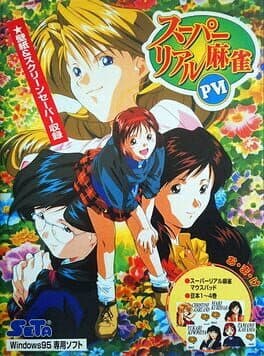
Super Real Mahjong PVI
SETA Corporation1995
Super Real Mahjong PVI is an mahjong video game developed and published by SETA Corporation and released for arcades on March 1995 in Japan only and it is the sixth game of the Super Real Mahjong series.
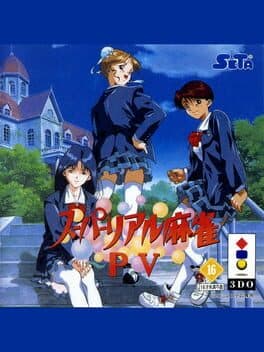
Super Real Mahjong PV
SETA Corporation1994
Super Real Mahjong P.V is an mahjong video game developed and published by SETA Corporation and released for arcades on November 1994 in Japan only and it is the fifth game of the Super Real Mahjong series.
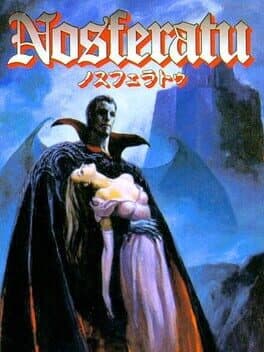
Nosferatu
SETA1994
The player controls a young man known as Kyle, who rides to the vampire Nosferatu's castle in order to defeat him and save his beloved girlfriend Erin from his clutches.

Super Real Mahjong PII & PIII Custom
SETA Corporation1994
A compilation of Super Real Mahjong PII & Super Real Mahjong PIII for PC Engine.
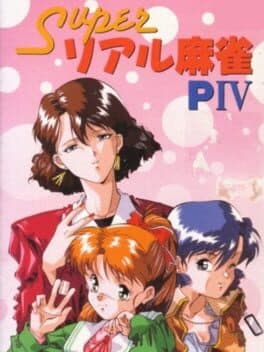
Super Real Mahjong PIV
Affect1994
Super Real Mahjong PIV is a Miscellaneous game, developed by Affect and published by Seta Corporation, which was released in Japan in 1994.

A.S.P.: Air Strike Patrol
Opus1994
Playing as a jet pilot of the "Coalition" force, players take control of either an F-15 Eagle, or an A-10 Tankbuster jet. The mission is to neutralise the offensive forces of the Zarak army, who have recently invaded a smaller neighbouring country. The Zarak army has many ground units, including tanks, stinger-missile launchers, SCUD missiles and armored vehicles. To accomplish the ultimate goal of defeating the Zarak army, players venture out on numerous missions (called "sorties") that have varied and specific objectives. Typically, various installations such as radar sites, air bases or ground units are the target. Other missions include disabling an oil-pipeline and destroying SCUD launchers before they fire. Pre-mission screens ask the player to select from the two planes. Then, the player can specify the armament to carry into the sortie. Air-to-ground and air-to-air missiles are available for each of the planes. Here, a strategic choice between countering either air units or ground units has to be made, as each area (of which there are eight) is patrolled by opposing enemy F-15 jets.
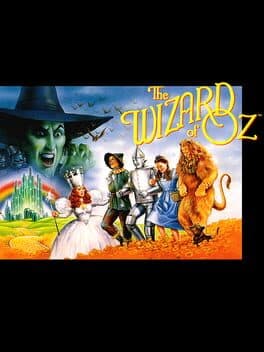
The Wizard of Oz
Manley & Associates1993
A SNES platformer loosely based on the movie The Wizard of Oz. The game allows the player to play as all three of Dorothy's friends, as well as Dorothy herself.
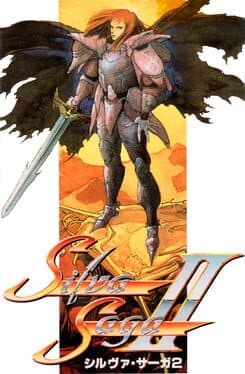
Silva Saga II: The Legend of Light and Darkness
SETA1993
A fantasy turn-based RPG sequel developed by Seta for the Super Famicom, which allows for multiple parties. It is the third game in the Minelvaton Saga.
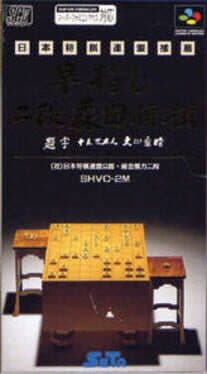
Hayazashi Nidan Morita Shogi
Random House1993
Hayazashi Nidan Morita Shogi is a Miscellaneous game, developed by Random House and published by Seta Corporation, which was released in Japan in 1993.
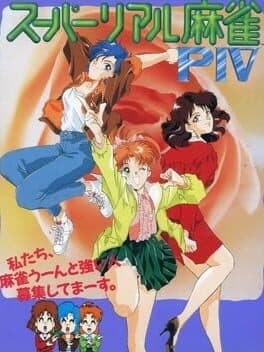
Super Real Mahjong PIV
SETA Corporation1993
Super Real Mahjong PIV (スーパーリアル麻雀PIV) is an mahjong video game developed and published by SETA Corporation and released for arcades on April 1993 in Japan only and it is the fourth game of the Super Real Mahjong series.

F1 ROC II: Race of Champions
SETA1993
OK race fans, you've seen the rest, now here's the best' Seta's new super DSP chip separates the men from the boys in this high speed Formula One racing tour. Drive real cars, like the FW14B Williams, McLaren's MP4/7, the F92 Ferrari, the V8 Ford-powered Benettion B192, and other Formula One racing machines. You'll start out in a prototype Group C car and must win on all 8 tracks to move up. Next you race in F3000 cars to develop the lightning-fast reflexes needed to survive Formula One racing. Finally, you face the real 1992 Formula One season drivers and their cars. On the 16 international courses, it's a duel of nerves, skill, grit and nitro. This game blows the competition away. A new standard in racing simulation is born and F1-ROC II is it.
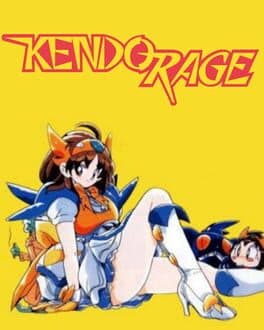
Kendo Rage
Affect1993
Join Jo on the world's weirdest summer vacation. Jo is into Kendo, Japanese fencing, so her parents sent her to Japan to study under Osaki sensei. Osaki is the greatest sword master of all time, but he looks like a green haired cyberpunk. Just to crank up the strangeness Osaki gives you a talisman that transforms you into a seventies super hero. You've never seen action this crazy or fun. Kendo Rage is the rage.
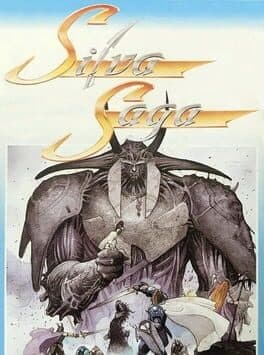
Silva Saga
Yuto Ramon1992
Silva Saga is a Role-Playing game, developed by Yuto Ramon and published by Seta Corporation, which was released in Japan in 1992.
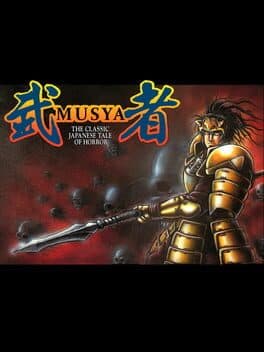
Musya: The Classic Japanese Tale of Horror
Jorudan1992
Action platformer developed by Jorudan and published by Datam Polystar for the Super Nintendo Entertainment System. The game was translated into English by Seta U.S.A.. Musya was released in Japan on April 21, 1992 and in North America in December 1992. The name Musya is romanized by the English translators in the Kunrei-shiki style (Musya) instead of the Hepburn romanization style (Musha).
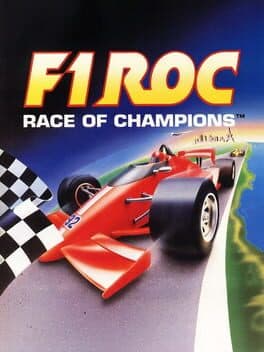
F1 ROC: Race of Champions
SETA1992
Strap yourself in the cockpit, step on the gas and take a turbo-charged ride through the high-speed world of Formula One racing with F1 900. You’ll test your skill on the famed hairpins of Monte Carlo. Steel your nerves on the legendary straights of Monza. Race to win on a total of 16 thrilling international courses. Best of all, you can customize your racer millions of different ways. If you’re ready for the winner’s circle, get ready to ROC!
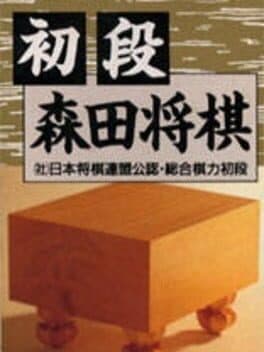
Shodan Morita Shogi
1991
Shodan Morita Shogi is a Miscellaneous game, published by Seta Corporation, which was released in Japan in 1991.
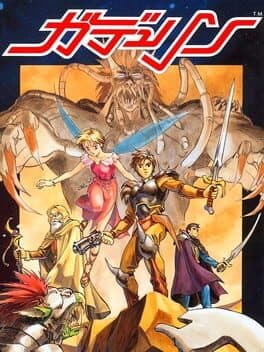
Gdleen
Jorudan1991
Gdleen is a Role-Playing game, developed by Jorudan and published by Seta Corporation, which was released in Japan in 1991.
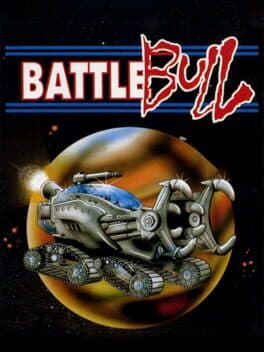
Battle Bull
Jorudan1990
The player controls a driver of an excavation vehicle as he competes in a 48-level tournament of drilling things. Players have to kill rival drivers only by pushing huge stones at them. Most of the other stones are a permanent part of the underground cavern; while others can be used to eliminate the opponents. Money is earned after each level for the purpose of upgrading the player's vehicle. Players can improve their engines, purchase extra lives, shovels that can dig better, and weapons to improve the odds on the playing field. A kill ratio is required to be met in order to reach the next stage. Otherwise, the player remains in the current level. After finishing all 48 levels, the game proclaims that the "battle is over" and that the player becomes "the new champion." The final scene in the game is where the player looks over the sunset with his girlfriend along with the closing credits.
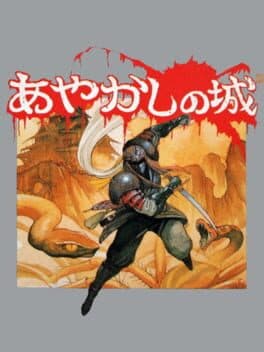
Ayakashi no Shiro
SETA1990
Ayakashi no Shiro is a Role-Playing game, published by Seta Corporation, which was released in Japan in 1990. Ayakashi no Shiro is a turn-based dungeon crawl. Players move the protagonist through first-person dungeons where randomly occurring battles happen. When combat begins, the player is given several options through a menu system to fight the enemies.
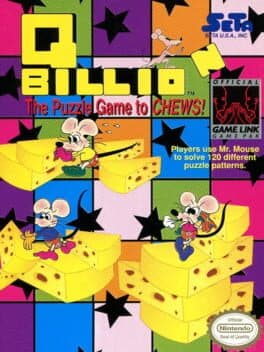
Q Billion
1990
Q Billion is a Puzzle game, developed and published by Seta Corporation, which was released in 1990.
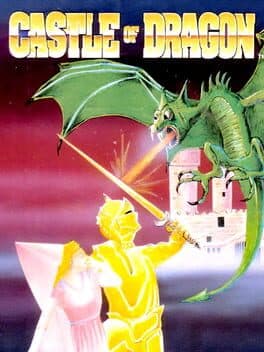
Castle of Dragon
Athena1989
It's a 2D action game focused on hack & slash with occasional platforming sections. Castle of Dragon contains eight stages and after the first three stages the game allows the player to choose from five levels at will while all the five stages must be completed to beat the game.
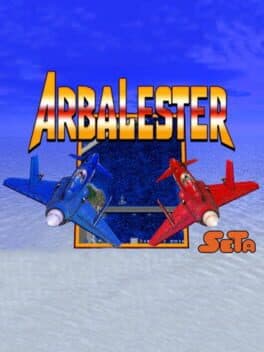
Arbalester
SETA Co. Ltd.1989
Arbalester is a scrolling shoot 'em up arcade game released by SETA in 1989, licensed to Taito and Romstar. The player controls a fighter jet and shoots enemies in the air and on the ground, collects power-ups, and defeats bosses to advance levels.
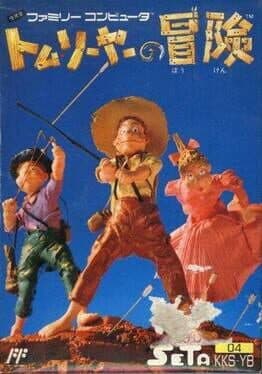
Tom Sawyer no Bouken
Winkysoft1989
The original Japanese version of The Adventures of Tom Sawyer. The level order is changed in the English version (perhaps so as not to confuse players by starting with the rafting stage). The Japanese original's level 5, the pirate ship, is the English version's level 1, both making the beginning of the game much more difficult, and making the plot non-coehesive.
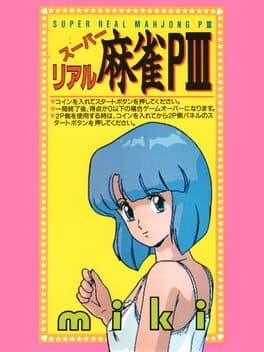
Super Real Mahjong PIII
SETA Corporation1988
Super Real Mahjong Part 3 (or Super Real Mahjong PIII) is an mahjong video game developed and published by SETA Corporation and released for arcades on June 1988 in Japan only and it is the third game of the Super Real Mahjong series.
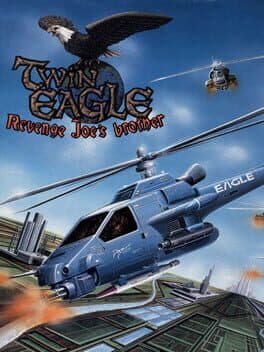
Twin Eagle
SETA Corporation1988
A helicopter vertical shoot 'em up that debuted in the Arcades in 1988 before being ported to the NES the following year.
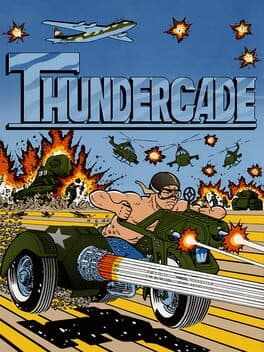
Thundercade
SETA Corporation1987
A nuclear powerplant has fallen into the hands of terrorists and you pilot a motorcyle equipped with machine guns that can be improved along the way. Make your way through difficult terrain and battle against loads of terrorists on foot, in cars, tanks and submarines who will try to stop you. Reach the plant and shoot all the terrorists to save the day.
Super Real Mahjong PII
SETA Corporation1987
Super Real Mahjong PII is an mahjong video game developed and published by SETA Corporation and released for arcades on June 1987 in Japan only and it is the second game of the Super Real Mahjong series.
Morita Kazuo no Shogi
Random House1987
A Famicom Shogi game developed by Random House and published by Seta. Morita Kazuo no Shogi ("Kazuo Morita's Shogi") is a Shogi game from Random House. The game's namesake, Kazuo Morita, is a famous Japanese Shogi player that had previously been attached to several Shogi games prior to this one. Furthermore, Random House (not to be confused with the famous book publisher) is his development company. As well as playing regular Shogi against an AI opponent, the player has a few options regarding the set-up of the pieces. There is a mode where they place all the tiles on the board themselves, in case they wish to continue an existing game or maybe replay a famous match at its turning point.
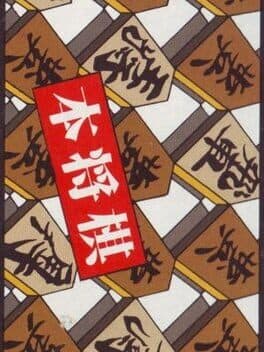
Hon Shogi: Naitou Kudan Shogi Hiden
SETA1985
A video game biased off of the board game Shogi (Japanese Chess). It was developed and published by SETA Corporation to be released August 10, 1985, exclusively in Japan for the Nintendo Entertainment System. The game is named for Naito Kunio Kudan, a famous Shoji player from Japan. Born November 15, 1939, Naito has been a professional Shoji player since he was 18 years old. In addition to helping with this video game, Naito Kudan is a published author, having 13 books written about Shoji and running a column in the sports section of the newspaper. He is also a published singer but mostly does it as a hobby. In 2010 Naito was honored with the Order of the Rising Sun, twin Mitsuaki, the fifth highest honor a citizen can receive in Japan. Honshogi: Naitou Kudan Shogi Hiden, follows the standard rules of Shoji (Japanese Chess). There is no ability to change the difficulty or handicap. Most of the screen is the Shoji board, but there is also a representation of the player and computer playing Shoji in a Japanese setting, which moves as the game moves. The player always starts first, with the fastest possible way to beat the computer set at 15 hands/turns. Honshogi: Naitou Kudan Shogi Hiden was entered into the first annual World Computer Shoji Championship in 1990. It was the only NES entrant out of the six entrant, software versus software competition. The game finished in forth place, with a record of two wins and three losses.