-
Average rating
15
Games
0
Votes cast
Heartbeat
Shipped Titles
Games (15)

Soshite Kono Sora ni Kirameku Kimi no Uta XXX
Datam Polystar2007
A fandisc to Soshite Kono Sora ni Kirameku Kimi no Uta.

Soshite Kono Sora ni Kirameku Kimi no Uta
Datam Polystar2006
Soshite Kono Sora ni Kirameku Kimi no Uta is an adventure otome game, developed and published by Datam Polystar, which was released in Japan in 2006.

North Wind: Eien no Yakusoku
2005
North Wind is a dating-sim game, is published for PC (Windows) and PlayStation 2. The PC version has three chapters, but the PlayStation 2 version has two chapters. The structure is somewhat unique. Usually, the mystery in chapter 1 is revealed in chapter 2, but in this game, chapters 1 and 2 are on the same time line. Some cut scene are added to PlayStation 2 version.

Double Reaction! Plus
Datam Polystar2004
Double Reaction! PLUS for PlayStation 2 is an otome visual novel, and a port of the PC version called Double Reaction. However, the PS2 version has the hentai content removed, but adds more CG events and play modes not included in the PC version.

Roommate: Asami - Oku-sama wa Joshikousei
VRIDGE2002
As the newlywed husband of your student Onohara Asami, you live with your student bride and help her with homework as well as the rigors of living together and keeping the marriage a secret in school.
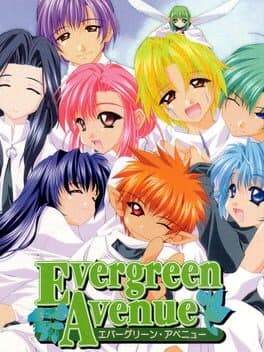
Evergreen Avenue
VRIDGE2001
Evergreen Avenue is a Visual Novel released on PlayStation in 2001. Choosing either a male (Catan) or female (Ira) character, you must help each of the seven spirits learn the ways of human life by scheduling sessions with them each week and playing mini-games to determine your effectiveness. Events will pop up from time to time, where you have personal conversations with the various spirits or with your rival. At the end of each month, you are graded in comparison with your rival, and you must sufficiently educate the spirits by the time six months have passed.
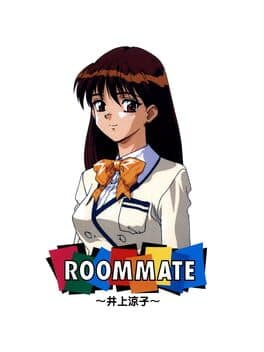
Roommate: Inoue Ryoko
Fupac1997
Roommate: Inoue Ryōko is a love-simulation adventure game and the first title in the Roommate series. The player can freely move about the apartment, and the game mostly consists of voiced dialogue sequences where the player interacts with Ryōko and can respond to her via multiple-choice answers. Unlike many such games, the two weeks of the in-game story progress in real time using the Saturn's internal clock (or the PocketStation in the PlayStation version), and the time and frequency of the player's visits will affect the events that occur and the protagonist's relationship with Ryōko, leading to several different endings. In Roommate Ryoko you have three years to develop a relationship with her. Using a truly innovative real-time feature, the Saturn's internal clock affects how the game plays out. If you play during the day, she isn't around at times. Most of your "interfacing" with her occurs at night (welcome to the next level, indeed). Bad Three's Company allusions aside, there is a good bit of social interaction that goes on - you actually get to know her and have to reveal a lot about yourself. What is most impressive, though, is that the conversation is never recycled - there are thousands of things that Ryoko can say. Seasonal changes affect the game, and although it isn't played in real time, you must adjust your schedule in the game to hers to catch her (this is done by leaving her notes on your shared white board). Don't get antsy and set the Playstation clock ahead though; the Playstation reads that "skipped" time as time you didn't spend talking to Ryoko, and by the time you get to the "future," she'll have moved out. The graphics in Roommate look pretty good - forget polygons or texture mapping though; everything here is drawn two-dimensionally with special attention to detail. The sound is also pretty sharp because Ryoko actually speaks a lot of her dialogue (while it is correspondingly displayed onscreen). Unfortunately though, the gameplay almost entirely consists of listening to your new roommate and picking an appropriate thing to say (a lot like your freshman year of college really).
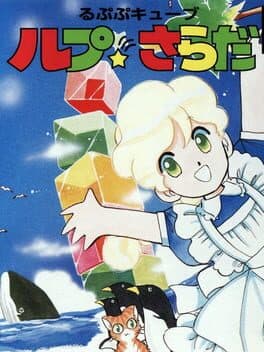
Rupupu Cube: Lup Salad
Fupac1996
Rupupu Cube: Lup Salad is a block-pushing puzzle game developed by Fupac for the PlayStation in Japan only until it offered in the US through PSN Import Classic. It has been ported to both the DS and the PSP in Japan as well. The characters were designed by Izumi Takemoto.

Madara Saga: Youchien Senki Madara
Nexus Interact1996
A comedic adaptation of the Madara anime and manga that reimagines the demon hunter heroes as rambunctious kindergartners.
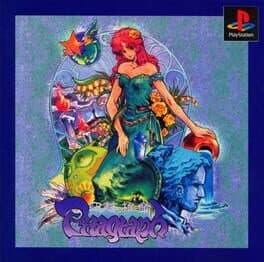
Shichu Suimei Pitagraph
Ontsu Soft1995
Pitagraph is not a game at all, is just a fortune teller simulator.
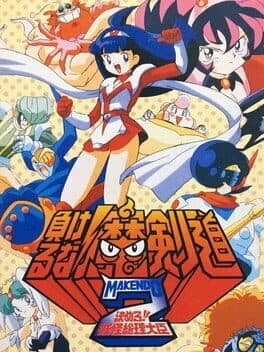
Makeruna! Makendo 2: Kimero Yokai Souri
Success1995
Makenko used to be a normal boy—until he was kidnapped by the brain monster Dr. Mud and transformed into a cyborg capable of destroying both the monster and human worlds! On his quest for vengeance, he is inadvertently joined by Makendo, a fellow monster hunter who would prefer not to be, and her little sister Hikari who would like nothing better! Dastardly demons and wacky monsters abound as the trio fight the bad guys to kick some monster butt, and get Makenko's body back!
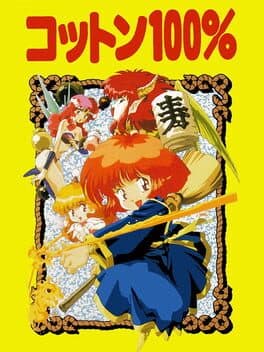
Cotton 100%
Success1994
Cotton 100% is a side scrolling shooter by Success and Datam Polystar, and likely sequel to the arcade game Cotton originally released in 1989. Previously only available in Japan under the title of Märchen Adventure Cotton 100%, It received an aftermaket release in the West under the new title.
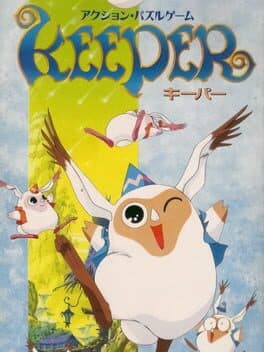
Keeper
Fupac1993
Keeper is an action/puzzle game developed by Fupac and published by Bullet-Proof Software, and released only in Japan for the Super Famicom.
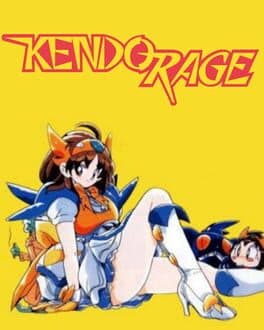
Kendo Rage
Affect1993
Join Jo on the world's weirdest summer vacation. Jo is into Kendo, Japanese fencing, so her parents sent her to Japan to study under Osaki sensei. Osaki is the greatest sword master of all time, but he looks like a green haired cyberpunk. Just to crank up the strangeness Osaki gives you a talisman that transforms you into a seventies super hero. You've never seen action this crazy or fun. Kendo Rage is the rage.
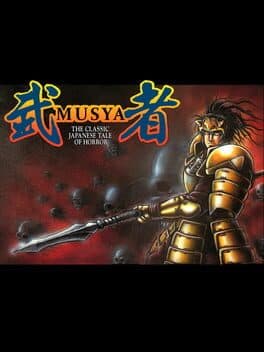
Musya: The Classic Japanese Tale of Horror
Jorudan1992
Action platformer developed by Jorudan and published by Datam Polystar for the Super Nintendo Entertainment System. The game was translated into English by Seta U.S.A.. Musya was released in Japan on April 21, 1992 and in North America in December 1992. The name Musya is romanized by the English translators in the Kunrei-shiki style (Musya) instead of the Hepburn romanization style (Musha).