-
Average rating
82
Games
0
Votes cast
Heartbeat
Shipped Titles
Games (82)
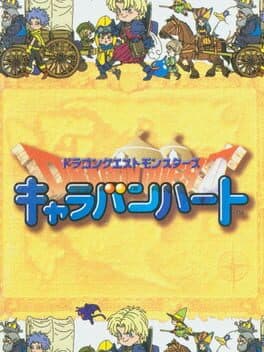
Dragon Quest Monsters: Caravan Heart
Tose2003
Dragon Quest Monsters: Caravan Heart acts as a prequel to Dragon Quest 7 and was never released outside of Japan but there is a fan-translation patch. You play Kiefer from Dragon Quest VII who ends up in the world of Dragon Quest II. You can use a group of 3 people or monsters to fight but enemies can show up in larger numbers. There is a job system for human characters with 20 classes.
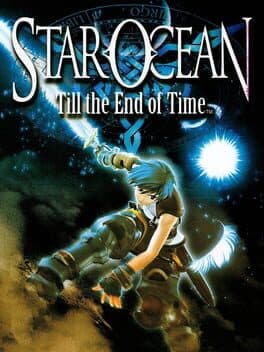
Star Ocean: Till the End of Time
tri-Ace2003
Released as "Star Ocean 3: Till the End of Time" in 2003 by Enix before they merged with Squaresoft, the game was re-released under the name "Star Ocean: Till the End of Time" as a remastered version by Square Enix in 2004.
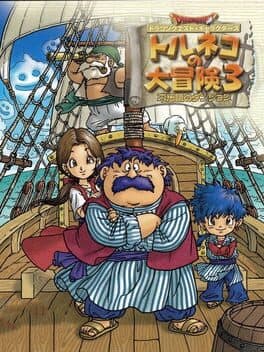
Dragon Quest Characters: Torneko no Daibouken 3
Matrix Software2002
Dragon Quest Characters: Torneko no Daibouken 3 Advance - Fushigi no Dungeon is a Role-Playing game, developed by ChunSoft and published by Square Enix, which was released in Japan in 2004.
Robot Alchemic Drive
Sandlot2002
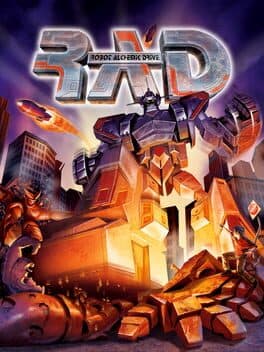
Robot Alchemic Driver is a Big Robot/Monster fight in a modern city with a twist. There is a story and training mode and a 2 player vs. mode. In a nut shell, alien's attack the last city on earth. The big robot comes up, and here is where the twist come in, you have to control the robot from the perspective of the "hero" (three to choose from) and you can switch between the robot/hero mode. This forces you to make sure you have a strategic position to move the hero around in the city to see the battle without getting too close. As the game goes on you have the option to update/customize the mech(s) to improve them. You can end up destroying whole building/terrain as you battle the alien monster.
Zoku Segare Ijiri
Enix Corporation2002
Zoku Segare Ijiri is a Puzzle game, developed and published by Enix Corporation, which was released in Japan in 2002.
Dragon Quest Monsters 1+2
Tose2002
Dragon Quest Monsters 1+2 is a compilation of the 3 DQM games released on the Game Boy Color. The games have updated graphics and a new interface. The game was released on the PlayStation but only in Japan.
Itadaki Street 3
Tamsoft2002
The third sequential version of the popular Japanese board game from Enix.
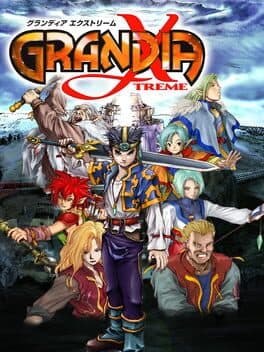
Grandia Xtreme
Game Arts2002
Grandia Xtreme is the first Grandia game to be originally released for Playstation 2. Its combat system is virtually the same as in the previous two games, a mixture of strategic planning and combo attacks. Your party members can run around, avoid enemy attacks, and their attack power depends on their distance from the enemies. Grandia Xtreme is heavily based on combat, with more dungeons, more fighting, and less story than the two previous installments of the series.
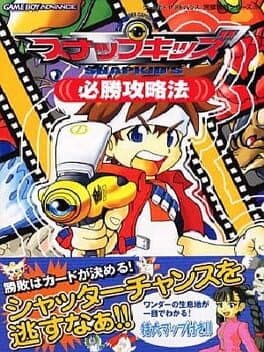
Snap Kid's
2002
Snap Kid's is a TCG / RPG hybrid that involves photographing monsters.
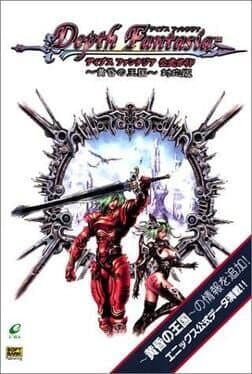
Depth Fantasia
Headlock2001
Depth Fantasia, Enix's latest massively multiplayer online PC RPG, has had its official Japanese release date set for December 12th of this year. The game follows on the heels of Cross Gate, another MMORPG released by Enix this summer. Depth Fantasia will continue Cross Gate's excellent standards, and will help to further open the online RPG market in Asia. Depth Fantasia allows up to four players to join a party. The party will travel to Ritos Island where they will slay demons, collect Life Gems, and restore order to the cursed land. Players will build their characters based on a class system. As with any other class system, characters learn abilities and then pass them on to more advanced classes. To gain levels, one will need to find Life Gems, or fight another player in a duel. Players will interact with a number of NPCs. These characters all have a unique niche in the world; some examples of these roles include fearsome warriors, mystic sorceresses, and holy clergymen. Each NPC will give the player advice and assistance in completing their quest.
Star Ocean: Blue Sphere
tri-Ace2001
Star Ocean: Blue Sphere is a Role-Playing game, developed by Tri-Ace and published by Enix Corporation, which was released in Japan in 2001. It is the direct sequel to Star Ocean: The Second Story.
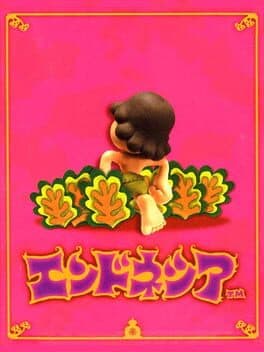
Endonesia
Vanpool2001
In Endonesia, the player takes the role of a boy who went into the park and suddenly found himself in another world. A mysterious voice contacts him and says that this world is called Endonesia, and if he wants to return home, he has to call upon its fifty gods. In order to find the gods, the hero has to communicate with the inhabitants of Endnesia by transferring his own emotions to others. Created by Taro Kudo and Kazuyuki Kurashima of Love-de-lic fame, Endnesia is one of the spiritual descendants (along with Giftpia and Chulip) of their seminal game Moon: Remix RPG Adventure. Like those other games, Endnesia is a puzzle-solving adventure with RPG elements such as statistics, item-gathering, and character growth. The theme of the game is sharing emotions; gameplay-wise, it translates into puzzle-solving which involves using the right emotion on the right characters at the right time. For example, using the Hunger emotion on an animal will make it hungry, urging it to find food, which will clear the path for the hero. Similarly to Moon and its descendants, Endnesia has a day-night cycle. The hero's health meter is depleted due to exhaustion; though the game's world is quite large, the player always has a time limit for his daily activities. The player should also feed the hero; hunger makes his vision blurry and slows down his pace.
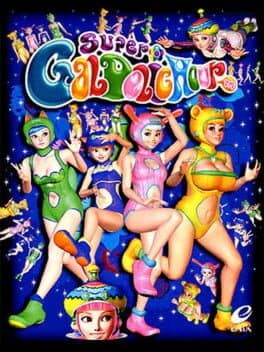
Super Galdelic Hour
Exrays2001
4 animals turned into busty women, who then go on to play mini-games.
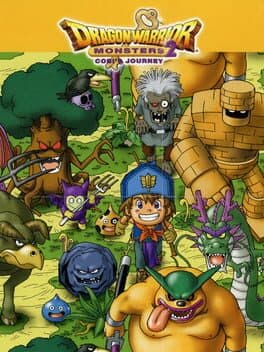
Dragon Warrior Monsters 2: Cobi's Journey
Tose2001
Dragon Quest Monsters 2 followed Pokemon's strategy of releasing 2 games with exclusive monsters that would need to be traded between versions to collect them all. The games were later re-released along with the first Dragon Quest Monsters as a compilation for the PlayStation and the games were later remade for the 3DS, but only in Japan.
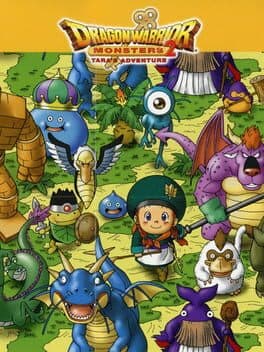
Dragon Warrior Monsters 2: Tara's Adventure
Tose2001
Dragon Quest Monsters 2 followed Pokemon's strategy of releasing 2 games with exclusive monsters that would need to be traded between versions to collect them all. The games were later re-released along with the first Dragon Quest Monsters as a compilation for the PlayStation and the games were later remade for the 3DS, but only in Japan.
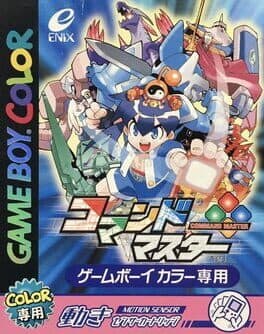
Command Master
2000
Command Master is a Japanese only Game Boy Color game.
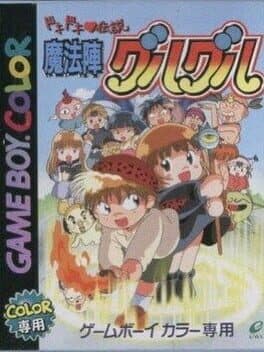
Doki-doki Densetsu: Mahoujin Guru-guru
Enix2000
Doki Doki Densetsu: Mahoujin Guruguru is a Role-Playing game, published by Enix Corporation, which was released in Japan in 2000.
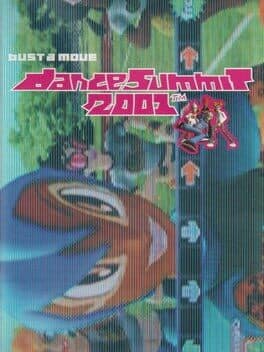
Dance Summit 2001: Bust a Move
Metro Graphics2000
A dancing rhythm-matching & button recognition game with up-beat Japanese music. PS2 update to the classic Bust a Groove series.
Blade Arts: Tasogare no Miyako R'lyeh
2000
An earthquake with epicenter in the South Pacific, causing a massive tidal wave, Peru and Chile, causing a considerable damage in neighboring New Zealand and other South American countries and Ecuador. Missing people died with over two million people, the disaster was unprecedented. On the other hand, the earth's crust associated with earthquakes, many of the islands that are emerging. New islands are being developed in the territory of the country's emergence, the discovery of the island, not a description of the geological occurrences. The Island is named SEIREMU Island, was found in the ruins of the island in the subsequent investigation. The purpose was to investigate the ruins of a mission dispatched by SEIREMU ruins.
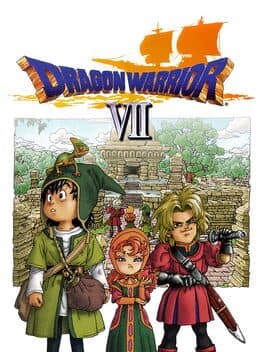
Dragon Warrior VII
Heartbeat2000
Dragon Quest VII is the seventh installment of the popular Dragon Quest series of role playing games and the first in the series to not be a part of a larger trilogy. It was the first main series Dragon Quest title to be released outside of Japan since the release of Dragon Quest IV: Chapters of the Chosen in North America in 1992, and the last DQ title to be released in North America with the Dragon Warrior name.
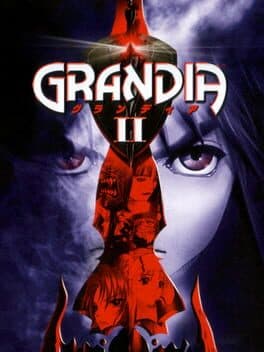
Grandia II
Game Arts2000
Grandia 2 is a 3D RPG, viewed from a top-down perspective for most of the game and a 3rd person view during battle. Controlling Ryudo, the player will explore various locations, locating townspeople and objects within an area to interact with. Towns and dungeons are displayed in the same manner, though dungeons tend to be mazes filled with monsters and towns tend to be friendly areas filled instead with conversation and shops. Any monsters present in these areas will be shown walking around. Walking over to and touching the monster in any way will activate a battle. If the monster notices the player approaching it is considered a normal battle, if Ryudo is able to approach undetected the player's party will gain the initiative in battle, if any party member besides Ryudo is approached by the enemy then the party loses initiative.

Suzuki Bakuhatsu
Sol2000
A bomb-disposal puzzle game released exclusively in Japan.
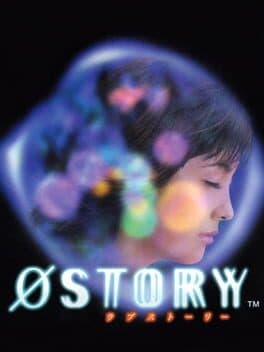
Love Story
General Entertainment2000
ØSTORY (Love Story) is a full-motion video adventure about a dead man after a motorcycle accident. Then appears the Japanese Angel of Love, who gives them a second chance, so long as Rina falls in love with them in 6 days. Developed by General Entertainment and published by Enix in 2000.
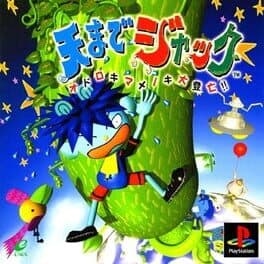
Ten made Jack: Odoroki Mamenoki Daitoubou!!
2000
Ten Made Jack: Odoroki Manenoki Daitoubou!! is an Action game, developed by Exrays and published by Enix Corporation, which was released in Japan in 2000.
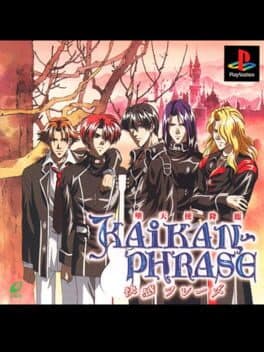
Kaikan Phrase: Datenshi Kourin
Enix2000
Kaikan Phrase is a music simulation game, much like the Beat Mania series. The story goes around a band called Aucifer in their road to stardom.
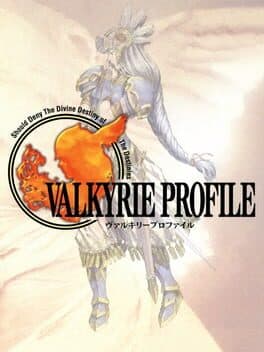
Valkyrie Profile
tri-Ace1999
Valkyrie Profile is a role-playing video game developed by tri-Ace and published by Enix (now Square Enix) for the PlayStation. It was released on December 22, 1999 in Japan and on August 29, 2000 in North America. An enhanced port of the game was later released for the PlayStation Portable under the name Valkyrie Profile: Lenneth on March 2, 2006 in Japan, July 18, 2006 in North America, and April 27, 2007 in Europe.

Planet Laika
Quintet1999
Planet Laika is a Japan-exclusive RPG for the Playstation. It was developed by Quintet, a team responsible for several highly regarded SNES-era RPG's.
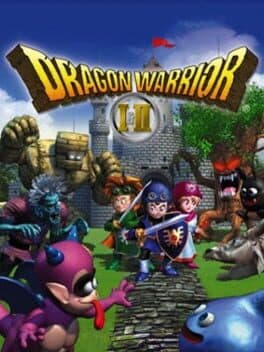
Dragon Warrior I & II
Tose1999
Dragon Warrior I & II is an enhanced remake of the first two Dragon Warrior games. It has a few modifications to gameplay, but the interface and graphics have been enhanced to be on a par with the 1998 Dragon Quest Monsters: Terry's Wonderland.
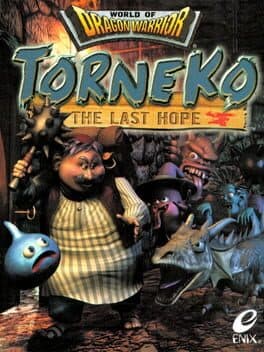
World of Dragon Warrior: Torneko - The Last Hope
Matrix Software1999
Torneko: The Last Hope is a single player RPG title that revolves around the chubby merchant from Dragon Warrior IV as he sets out on an adventure to rid the town of all the monsters. The story unfolds in the village as you interact with the town's inhabitants and gather information to help you in your quest. The action mode will have you fighting monsters and collecting items while traveling through the dungeon. Dungeon floor plans change every time they are revisited, and other changes may occur depending on actions taken by Torneko and the monsters. After you get past the first few dungeons, you'll be able to store items you've found in your storage shed. Find arrows, clubs, swords, shields, staves, safes, scrolls, pots, herbs, bread and rings so that Torneko can heal and defend himself, and make sure to keep Torneko well fed with bread or he'll lose strength. Torneko: The Last Hope also features claymation full motion video sequences, turn-based combat, and over 100 items to find.
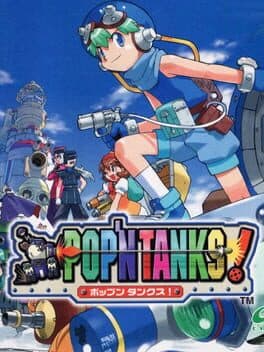
Pop'n Tanks
Symbio Systems1999
Pop'n Tanks! is a 1999 Japanese video game released for the PlayStation. It was developed by Symbio Systems and published by Enix. The game was directed by Jun Matsumoto, while manga artist Mine Yoshizaki provided character designs. The game is a tank combat game, featuring one on one battles between tanks. The game has never been released outside of Japan.
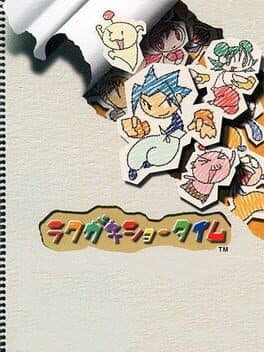
Rakugaki Showtime
Treasure1999
Rakugaki Showtime is a game along the same vein as Poitter's Point (also known as Poy Poy) where in you try to defeat the opponents by throwing things at them.
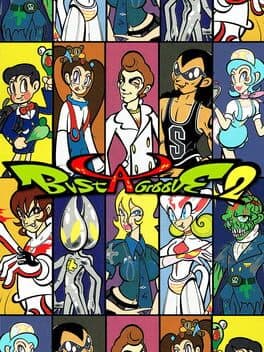
Bust A Groove 2
Metro Graphics1999
Bust a Groove 2 is a hybrid music/fighting game released in 2000 for the Sony PlayStation and is the sequel to Bust a Groove. The game was originally released in Japan as Bust a Move 2: Dance Tengoku Mix, and was never released in Europe.
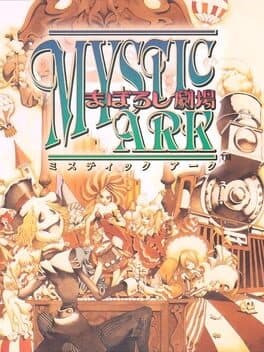
Mystic Ark: Maboroshi Gekijo
Produce!1999
Sequel to Mystic Ark from the SNES. This is a pure adventure game, shedding all the JRPG elements the series had up to that point, eliminating all random encounters, making combat an afterthought, and uses the Arks in two iterations for solving puzzles: their Fairy Form and fully awakened Ark Form. They can utilize their powers through cards which can be found or won through games which you'll need to activate different powers from elemental abilities to manipulating a character's thoughts, changing their mind by making them braver or changing their perspective, etc. Subtle differences aside, the rest of the gameplay is fairly standard and includes using items and interacting with objects to progress.
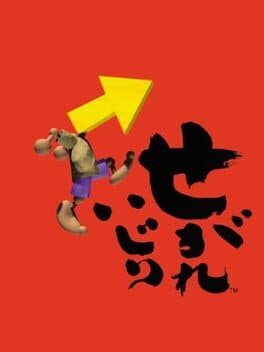
Segare Ijiri
Enix1999
In Segare Ijiri, the player takes control of a young boy with an arrow-size head that her mother (a giraffe) send him through a strange world to make him learn different things.
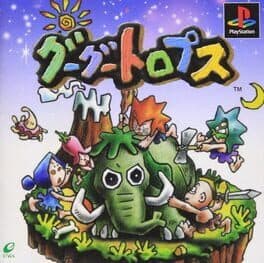
Googootrops
Produce!1999
Googootrops is a simulation game in which the player takes the role of a prehistoric man. The goal is to discover new items and use them to advance in the game.
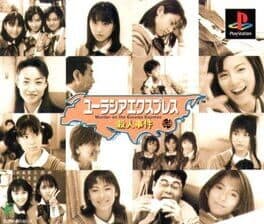
Murder on the Eurasia Express
System Sacom1998
Murder on the Eurasia Express is a Japanese adventure game published by Enix and Developed by System Sacom, released exclusively for the PlayStation
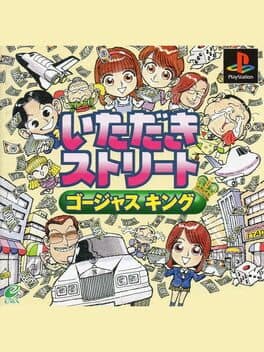
Itadaki Street: Gorgeous King
Tomcat System1998
The sole release of Itadaki Street for the original PlayStation.
Astronoka
MuuMuu1998
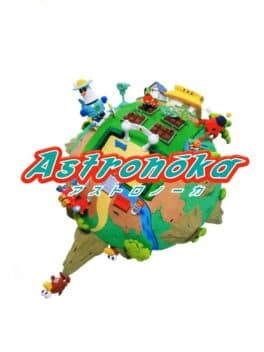
Astronoka is officially described as a "space vegetable production and pest control game". The game revolves around the player cultivating vegetables on a fictional, futuristic star system. The objective is to win vegetable contests and eventually the All-Universe Vegetable Competition, while setting traps and defense to protect the farm against a species of pest called Baboo.
Star Ocean: The Second Story
tri-Ace1998
The first "Star Ocean" released outside of Japan. It was later re-released on the PSP under the name "Star Ocean: Second Evolution".

Eggs of Steel: Charlie's Eggcellent Adventure
Rhythm & Hues Studios1998
Eggs of Steel: Charlie’s Eggcellent Adventure is a platform game released in 1998 for the PlayStation. Players control an anthropomorphic egg named Charlie as he explores a surreal, industrial world filled with traps, enemies, and puzzles. Gameplay combines platforming with light exploration and combat elements. The game features dark humor and stylized environments across interconnected levels.
Ninpen Manmaru
Tamtam1997
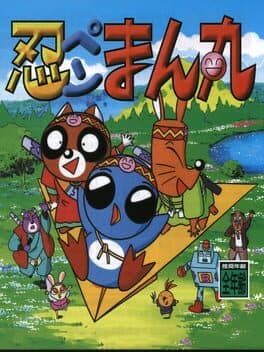
Help Ninja Penquin Manmaru out on a danger filled training quest to receive golden origami paper
Nanatsu Kaze no Shima Monogatari
Buddy Zoo1997
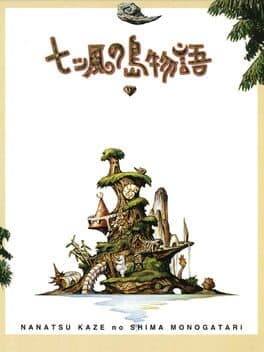
Tales of the Seven Wind Islands is a fantasy adventure game exclusively for the SEGA Saturn by Enix.
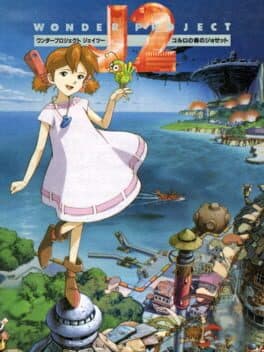
Wonder Project J2: Corlo no Mori no Josette
Givro1996
Wonder Project J2 takes place 15 years after the events of the first Wonder Project J game and focuses on a gijin (robot) girl named Josette. The game begins with Josette leaving her home on Corlo Island and traveling to Blueland, where she must learn to behave like a human and ultimately stop an empire from destroying the world.
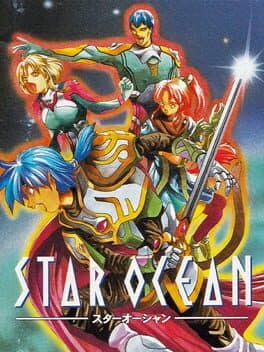
Star Ocean
tri-Ace1996
The first game from tri-Ace released on the Super Famicon published by Enix. A huge scale role playing game with beautiful graphics and sound that were impossible on the regular Super Famicon, that includes skills, talents, special move system, item creation, private action and full motion active battles.
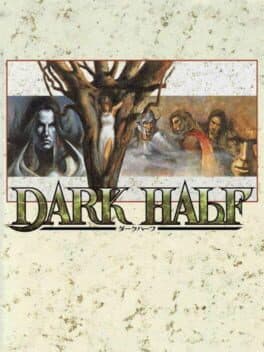
Dark Half
West One1996
Through the Light came the Darkness, and through the Darkness came the Light. They were inseparable in the beginning, and gave birth to each other. Rukyu appeared before all the other creatures, the great demon of darkness, later to be known as the Satan. The divine hero-god Roda went up to his dark realm to defeat him, but was struck down, and presumed dead. But the hero couldn't die so easily: he swore to defeat Rukyu once and for all. Meanwhile, Rukyu doesn't just stay in his realm, waiting for Roda: he goes out to the world as a death-bringing sorcerer, and he is out for Roda... The game is quite different from most other RPGs, because it lets you play as both the "good" hero and the villain. The game is divided into chapters, and each chapter is played by either Roda or Rukyu. You switch the two heroes chapter-after-chapter, and lead them to their ultimate battle from two opposite sides. The entire game, including the battles, is viewed from an isometric perspective. The battles are random and turn-based, and the battle field is divided into squares you can position and move your characters on. Both Roda and Rukyu can have party members join them, and both attack mostly with magic. Rukyu uses a special energy called "Soul Power", while Roda cast one-time spells from scrolls he receives after battles.
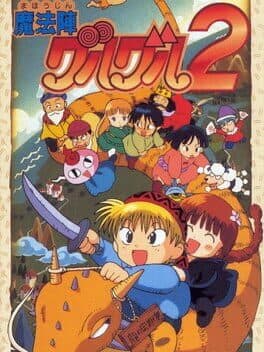
Mahoujin Guru-guru 2
Tamtam1996
Mahoujin GuruGuru 2 is a Role-Playing game, published by Enix Corporation, which was released in Japan in 1996.
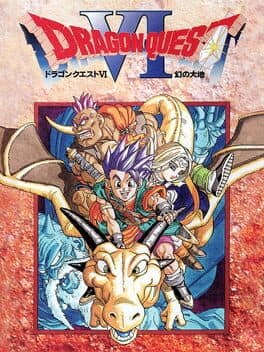
Dragon Quest VI: Maboroshi no Daichi
Heartbeat1995
Dragon Quest VI is the sixth installment in the Dragon Quest series. It is the penultimate title for the Nintendo Super Famicom as well as the last game in the Zenithia trilogy, and the first game in the series to be developed by Heartbeat, rather than Chunsoft. Like every other Dragon Quest game, the setting in Dragon Quest VI is very medieval, complete with castles, knights, and magic. The main world is divided into the Lower World and the Upper World, each with a separate but similar map. To get from one world to the other, the party uses special warps (such as in wells) or by ascending/descending colossal stairs on the world map.
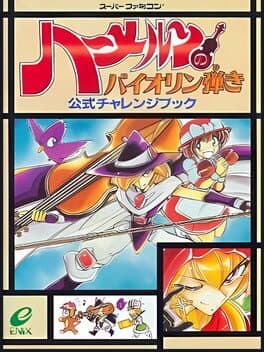
Hameln no Violin Hiki
Daft1995
Hameln no Violin Hiki is a platform game based on the manga/anime series of the same name. You play the role of Hamel who is an adventurer with a violin as his trusty weapon. Hamel and his mascot Oboe arrives at Staccato, a small town attacked by monsters, and drives them away with his power. Impressed, a cute little girl named Flute decides to go with Hamel in order to find and destroy the evil power behind the attacks.
Joushou Mahjong Tenpai
Game Arts1995
Joushou Mahjong Tenpai is a Miscellaneous game, developed by Game Arts and published by Enix Corporation, which was released in Japan in 1995.
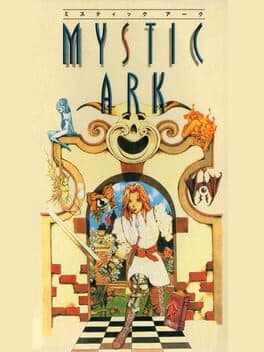
Mystic Ark
Produce!1995
Seven heroes from seven different Worlds. Seven heroes who were brought to a mysterious temple on a remote island and transformed into statues. Seven heroes who are chosen to bring harmony back to the universe: Miriene the witch (wizard), Lux the tetsujin (a race of iron people), Reeshina the grappler (monk), Tokio the ninja, Kamio the ogre, and Mesia the priestess. The seventh hero is you, the protagonist of the game - the knight Remeer or the female warrior Ferris. Your first task will be to release your companions from the statues they are locked in. You must travel to the Cat World and to retrieve an important artifact. But your main objective is to visit all the seven Worlds and to find seven mystic arks - the items that will re-unite those Worlds and bring peace to them. "Mystic Ark" is a RPG closely connected to 7th Saga. You travel on overworld map, visit towns, buy equipment, and descend into dungeons. The combat is turn-based and viewed from a third-person "over-the-shoulder" perspective. The battles are not random: the enemies can be seen as white dots on your radar, and if you don't want to fight, you can sometimes outrun or avoid them. The game also contains elements of pure adventure: often you must investigate objects closely and use items from your inventory on them.
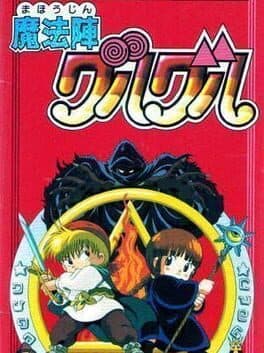
Mahoujin Guru-guru
Tamtam1995
Mahoujin Guru Guru is a Role-Playing game, developed by TamTam and published by Enix Corporation, which was released in Japan in 1995.
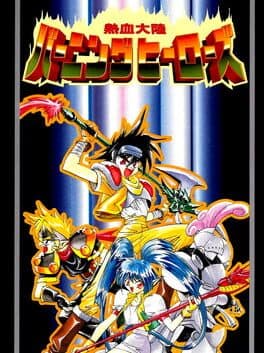
Nekketsu Tairiku: Burning Heroes
J-Force1995
The young fighter Ryu was thrown out of his father's home, and this childhood trauma has been dominating his life ever since. His only wish is to surpass his father and to show him he has become a better fighter than him. Laila is a cheerful treasure hunter. She dreams only of valuable things, adventure, travels, and life in the capital city. Gaou is experiencing a personal tragedy: he wants to discover the mystery of the disappearance of a woman he loved, Asuka, aided by his best friend Froz. Naaga is a girl who wears a heavy armor, which - as she thinks - will prevent her from losing any battle. At present, she has problems since she owes a million gold pieces to her guild. What do those heroes have in common? As their ways cross, they will find out they are in fact pursuing one and the same goal...
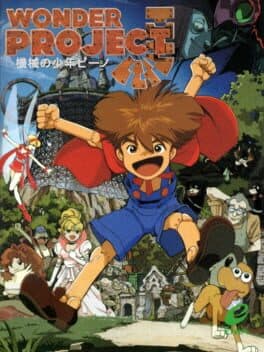
Wonder Project J: Kikai no Shounen Pino
Almanic1995
In this simulation/role-playing game, you must use the robotic pixie Tinker to educate a robot boy named Pino. You can move Tinker around, examining objects and collecting them in an adventure-like fashion. Pino will automatically follow you to the direction you are facing, but will continue walking until you stop him. He will also pick objects and make his own "experiments" with them. Your goal is to train Pino in various disciplines. His stats can be raised in a RPG style: reading books increases his intelligence, throwing a ball increases his dexterity, and so on. By praising or scolding Pino you will gradually make him understand what should be done and what not. The game features animations by Anime studios Mint and Omnibus Promotions. With direction from Takashi Yoneda and late anime director Umanosuke Iida.
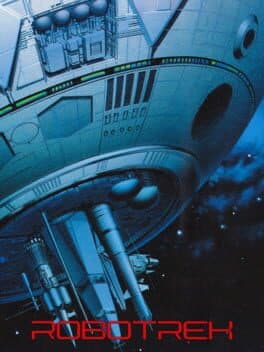
Robotrek
Quintet1994
Robotrek is a science-fiction roleplaying game in which you get to control a budding robotics expert who is the son of a famous inventor.
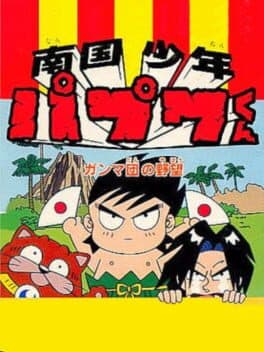
Nangoku Shounen Papuwa-Kun: Ganmadan no Yabou
Enix1994
Welcome to Papuwa Island, where the wildlife is strange and the locals are even weirder! This is a solid little Action Puzzle game based on an old comedy manga/anime series that doesn’t seem to be very well known outside of Japan. The title may ring a bell thanks to the Super Famicom game of the same name (with its own fan translation provided by Frank Hughes), which, while both looking and playing completely differently to this game, was actually released on the exact same day! The aim of this game is to destroy all of the blocks in a level in one punch (after charging the strength of the punch with the A button). The blocks will regenerate after a couple of seconds if you didn’t manage to take them all out at the same time. By pushing and pulling barrels into the correct position - while avoiding enemies - you can force the shockwave from Papuwa’s punch to split off into different directions. By failing to destroy all of the blocks with the first punch, you do actually get the opportunity to collect some items, which can come in handy for boss battles. Those take place on every 5th stage.
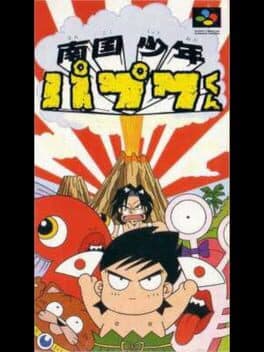
Nangoku Shounen Papuwa-kun
Daft1994
Once, on an unknown southern island, a battle was waged over two mysterious stones, one red and one blue. The blue stone controls desire, and its power created the blue clan. And the red clan that inherited the power of the red stone was filled with the light of hope. Finally, the battle came to an end, and the young one who possessed the power of the blue stone fell into a deep sleep. The one with the power of the red stone flew off far across the sky. Desire and hope... until the day these two powers meet each other again...
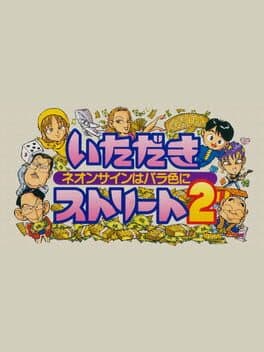
Itadaki Street 2: Neon Sign ha Bara Iro ni
Tomcat System1994
Itadaki Street 2 is the second game in the Itadaki Street series, and the only entry on Super Famicom. It has 14 new boards and 1 returning board, as well as new features such as the casino. This was the first entry published by Enix, and the first to feature elements from the Dragon Quest series.
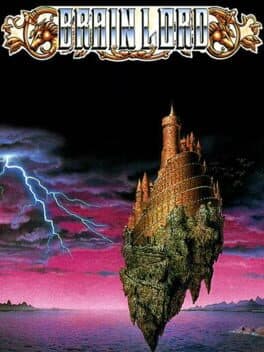
Brain Lord
Produce!1994
ARE YOU THE BRAIN LORD? Beyond your memory lies a time filled with Dragons and men riding the skies together. The Dragon Warrior blood flows deeply through your family. Now. you are the only one left. Your father has spent a life time searching for the Ancient Dragons, a life lived in vain. It is up to you to find the Dragons. Before you lies a world filled with puzzles and riddles, enough to drive even the most 'rational insane. There are too many unanswered questions in your mind. What lies ahead? Where do I start? What will I find? There is a Dark Presence that awaits you. Can you unlock the secret? Are you strong enough to survive? ARE YOU A BRAIN LORD? We shall see...
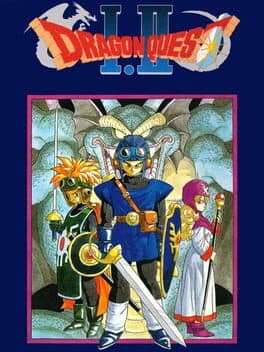
Dragon Quest I.II
Chunsoft1993
Dragon Quest I.II is an enhanced remake of the first two Dragon Quest games. It has few modifications to gameplay, but the interface and graphics have been enhanced to be on a par with the 1992 Dragon Quest V, and the games have been rebalanced to make them slightly easier.
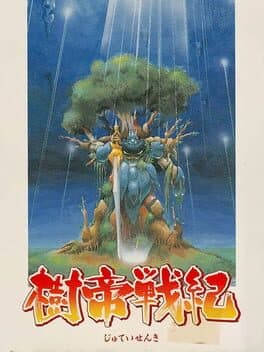
Jutei Senki
Tamtam1993
Jutei Senki is a turn-based strategy game, never released outside of Japan. The game takes place in an alternate universe where centuries ago humanity and their tree soldiers called Junei fight against Letum, a race of robots powered by magic. The player commands the human army. The mission in each battle is to defeat the enemy army or take their headquarters in a limited amount of turns. In the human army's main building, the player can recruit new soldiers, but their number is limited. Each unit has its own statistics, including range, speed and attack power. Battles are carried out automatically, with animations on a separate screen. There are three mission modes which include Campaign, Tutorial, and Expert modes and there is also a two-player versus mode.
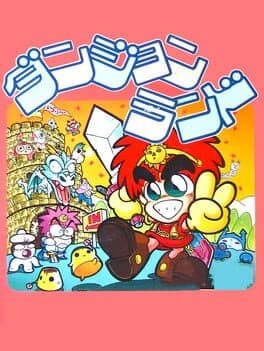
Dungeon Land
Random House1992
Dungeon Land is a Role-Playing game with board game/strategy elements for the Nintendo Game Boy. It was developed and published by Random House and published by Enix Corporation on December 15, 1992. It was never officially released outside of Japan.
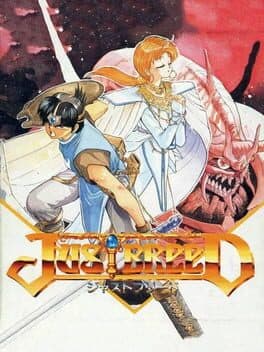
Just Breed
Random House1992
Just Breed is a strategy RPG released only in Japan for the Nintendo Famicom.
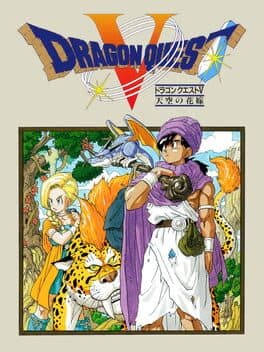
Dragon Quest V: Tenkuu no Hanayome
Chunsoft1992
Dragon Quest V: Tenkuu no Hanayome is a role-playing video game and the fifth installment in the Dragon Quest video game series, second of the Zenithian Trilogy. Originally developed by Chunsoft and published by Enix Corporation, Dragon Quest V was the first title in the series to be released for the Super Famicom video game console in Japan in September 1992. Dragon Quest V was the first game in the series to not be released outside Japan due to programming issues at the time.
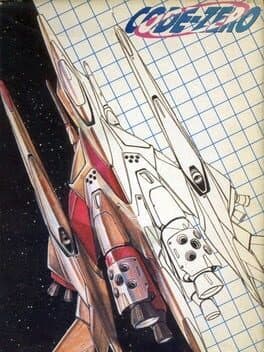
Code-Zero
Random House1991
In the 21st century, Tokyo is attacked by an unidentified force. At first, it is thought to be a military coup d'état because all the weapons and personnel involved belonged to the forces of Earth, though investigations can uncover no motive from the participants nor connect them to each other. After ten more years of seemingly-random attacks on Earth cities by Earth forces, a researcher discovers the existence of an alien species which has been monitoring the planet and using telepathy to seize control of groups of humans in order invoke chaos. Soon thereafter, the aliens increase their assault by turning more of Earth's weapons on each other, seeking the planet's destruction. With few humans left able to act normally under the aliens' power, our protagonist climbs into an experimental ship, codenamed 'Zero', and departs in search of victory...
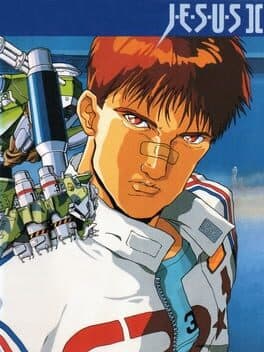
Jesus II
Enix1991
The sequel to Enix's classic PC adventure game.
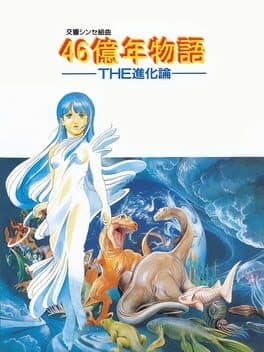
46 Okunen Monogatari: The Shinka Ron
Almanic Corporation1990
46 Okunen Monogatari: The Shinka Ron (fan translated as E.V.O.: The Theory of Evolution) is an RPG, about one step more primitive than the Dragon Quest games published by the same company. You control one character as they progress through the different eras of life on planet Earth, fighting turn-based battles with damage being based on stats that you control directly. Once you’ve pushed a stat to its uppermost limit, your character evolves into a completely different creature with different abilities in battle. The story itself is somewhat similar to Search for Eden, but much more fleshed out with a lot of different stories for each era that the game explores. And while Search for Eden ends with humanity as the pinnacle of evolution, The Theory of Evolution goes a bit further into the future…
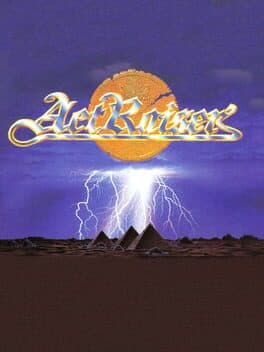
ActRaiser
Quintet1990
ActRaiser is a 1990 platform and city-building simulation game for the Super Nintendo, combining traditional side-scrolling platforming with urban planning god game sections. In 2007, ActRaiser became available on the Wii's Virtual Console download service. A version of the game was also released for European mobile phones in 2004.

Misty Blue
Enix1990
A mystery adventure game by Enix from 1990. Players control a musician named Kazuya Mizukami, who returns to Japan and, following the death of a music producer, becomes a prime murder suspect. To clear his name, he will need the help of friends in the music and modelling industries.
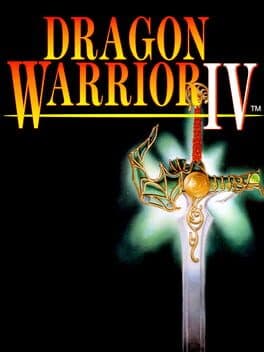
Dragon Warrior IV
Chunsoft1990
Dragon Warrior IV differs from the rest of the series by breaking up the game into five distinct chapters, each of which focuses on a different protagonist or protagonists. The first four are told from the perspective of the Hero's future companions and the fifth one, from the hero's perspective, brings all the characters together as they begin their journey to save the world.

Burning Point
Enix1989
An adventure visual novel with detective and mystery themes.
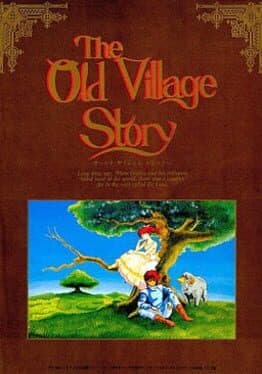
The Old Village Story
Enix1988
An adventure game developed by Enix that follows the stories of Shion and Lisa Lisa in a small village town.
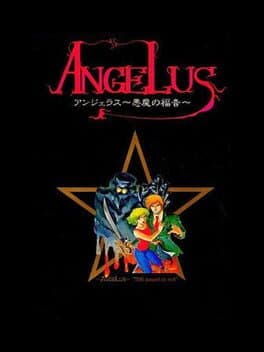
Angelus: Akuma no Fukuin
Enix1988
Akuma no Fukuin (Japanese for Devil's Gospel) is a Japanese-style adventure game. The player chooses menu commands ("Look", "Talk", etc.) that are displayed under a still picture that represents the location. Most of these command have their own context-dependent sub-menus, i.e. it is possible (and sometimes necessary) to look at different things and talk about different topics. There are no puzzles, and the story usually advances when the player has triggered a necessary conversation or event. A business man in Peru and a girl visiting Japan both suddenly fall victim to a strange disease that turns the skin green and partially disfigures the face. The most unusual thing is that these two incidents occurred at the same time. Brian Pall, a journalist from the London Post, was on a flight to London when suddenly one of the passengers is struck with the same disease. These series of outbreaks have lead Brian and his partner, Eris Miler, to start their own investigation. Their discoveries eventually lead them going up against a mysterious religious group.
Dragon Warrior III
Chunsoft1988
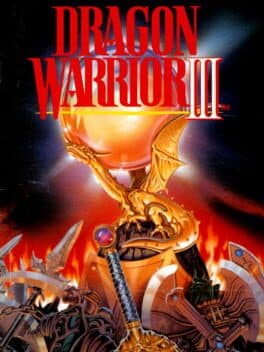
Dragon Warrior III is a top-down role-playing game where you travel around the overworld, caves, castles, cities and other locations while battling random encounters, buying equipment, and talking to people. You and your party members receive experience when they beat up monsters and level up with enough experience, increasing their stats. The game features a day/night cycle - as you travel, day slowly changes to night and vice versa; shops are typically closed at night. You begin with control of just the main character but can quickly recruit three more members to your party. During the game you can choose to drop your current characters and recruit others at any time. The recruitable characters are divided into six classes: soldier, fighter, merchant, goof-off, pilgrim and wizard. The game has a unique job system, giving you the ability to switch your hired characters' classes after they have achieved at least level 20 in their base class. Characters can switch to the other beginning classes, as well as the sage class, which is not available at the beginning. When a character switches classes, they lose all earned experience points, and half of their stats, but retain all the abilities of the previous class. In this way, you can create powerful combination characters that are able to cast spells and fight effectively.
Animal Land Satsujin Jiken
Enix Corporation1987
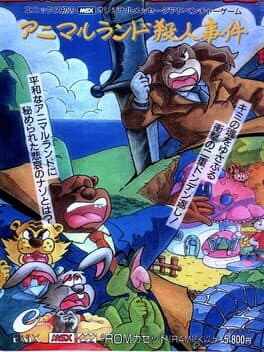
There used to be a small island beyond the south of the town where you live. The name of the island is animals paradise Animal Land. One day, a murder case occurred in this quiet and peaceful village of peace. The victim is the owner of the Concon Jewelry Store, the fox Gonkichi. You received a report and started investigating with the police dog Oidon. The game plays out similarly to Portopia Satsujin Renzoku Jiken and others similar detective games. You select various commands in the menu to investigate crime scenes and quiz suspects.
Jesus
Enix1987
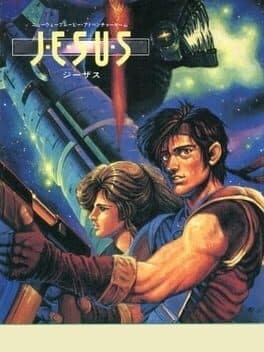
Jesus is a graphic adventure game developed and published by Enix.
Dragon Warrior II
Chunsoft1987
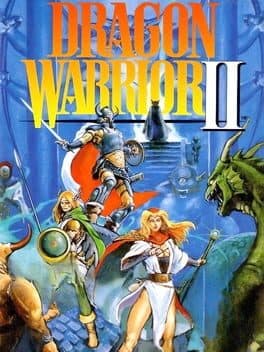
Dragon Warrior II is an early top-down RPG that expands and improves on its predecessor. Unlike the first game, Dragon Warrior II allows the player to join forces with two other characters, a magic-using princess and a wizard-warrior prince. Also including expanded monster battles involving up to 6 creatures and a much larger world, Dragon Warrior II is an important step in the evolution of the Dragon Warrior series.
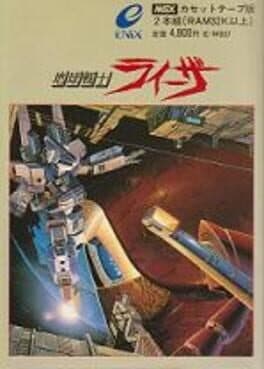
The Earth Fighter Rayieza
1985
The Earth Fighter Rayieza is a role-playing game.

Karuizawa Yuukai Annai
Enix1985
Adventure game created by Yuji Horii and released by Enix in 1985.
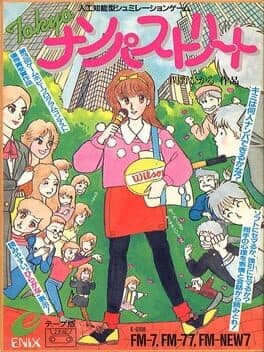
Tokyo Nampa Street
Enix1985
Dating simulation game released by Enix in 1985. Considered somewhat revolutionary for its time, this game helped lay the foundations for the dating sim genre.
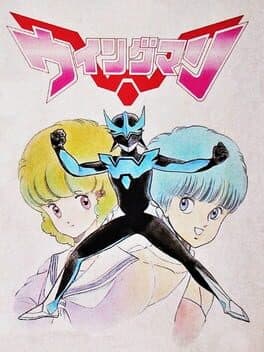
Wing-Man
Tamtam1984
Adventure / visual novel game developed by TamTam and published Enix in 1983.
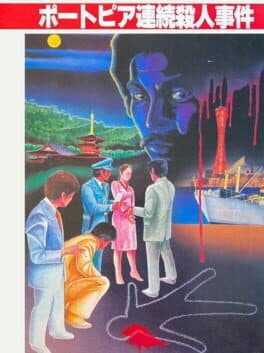
The Portopia Serial Murder Case
Yuji Horii1983
An investigation adventure in which the player, acting as an unnamed Japanese detective, is called to solve the murder of a bank executive by searching for clues, exploring different areas, interacting with characters, and solving item-based puzzles. The game, especially its Famicom version, was received positively in Japan, where it was an influential title that defined the visual novel genre, as well as inspiring future designers such as Hideo Kojima and paving the way for creator Yuji Horii to go on to make Dragon Quest series of role-playing games.
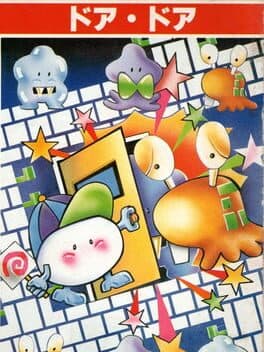
Door Door
Chunsoft1983
Door Door is a single-screen platformer first released in 1983 for the NEC PC-6001.