-
Average rating
43
Games
0
Votes cast
Heartbeat
Shipped Titles
Games (43)
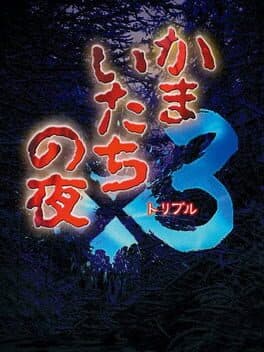
Kamaitachi no Yoru x3
Chunsoft2024
サウンドノベル「かまいたちの夜」シリーズ30周年を記念して、『かまいたちの夜×3』がSteamに登場! シリーズ3作目にして完結編となる本作には、『かまいたちの夜』『かまいたちの夜2』のメインストーリーも収録。 初めてシリーズを遊ぶ方でも登場人物たちの関係性や過去にあった事件を知ることができるので、安心してプレイできる。

Zero Escape: Virtue's Last Reward
Chunsoft2012
The second game in the Zero Escape series. Zero Escape: Virtue's Last Reward is a mystery/thriller visual novel. It is story focused with multiple endings that use player choices and puzzle rooms to progress. Additions to the game include an 'auto-advance text' mode, so players can listen to the voice acting without clicking through dialog, a memo function that allows players to note anything they feel is useful, and a flow chart that shows how alternate choices unfold. The in-game calculator has been removed.

Shin Kamai-tachi no Yoru: 11nin-me no Suspect
Chunsoft2011
A murder mystery sound novel developed by Chunsoft and the fourth entry in the Kamaitachi no Yoru series. This title attempted to reboot the franchise by returning to a setting similar to the first game, with a group of people trapped in a cabin during a snowstorm, while also introducing new elements such as a real-time polygonal presentation, voice acting and investigative gameplay mechanics, all firsts for the franchise.
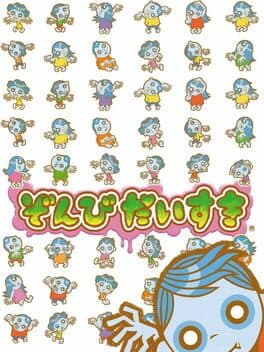
Zombie Daisuki
Chunsoft2011
Real-time strategy game where you must command a hord of zombies to complete each stage.
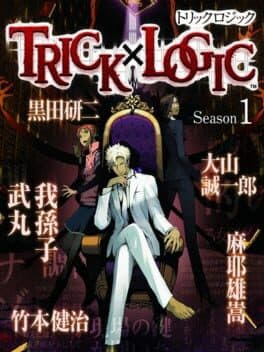
Trick x Logic Season 1
Chunsoft2010
After being pushed off of a building, prodigy prosecutor Yoshikawa Itsuki wakes up in Hell. Where the judge of human souls, Yama, asks Yoshikawa for his help with some unsolved cases. Yama usually reads a record of human deeds, the Akasha, to pass judgement on human souls, but in some cases he can't figure out whodunnit just by reading the Akasha. Hence the need for Yoshikawa's mind. He is to read the Akasha and figure out the culprit. If he cooperates, Yama promises to return him to the land of the living.
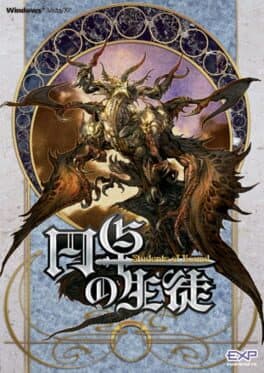
Entaku no Seito
Experience Inc.2010
The Title is mostly referred to as "Students of the Round" in English instead of a more direct translation because an English version of the game was never made and the name is a better match for the English subtitle on the cover. It is a dungeon crawling JRPG featuring a bonding system, a trapping mechanic with the ability to lure enemies, and a rivalry system to fight over and steal treasure. It was original released on PC in Japan and was later remade for Xbox 360, under the same name, and Playstation Portable under the name "Entaku no Seito: The Eternal Legend". The Xbox 360 version of the game has extra content that includes new monsters, items, dungeons, background music, as well as new story segments and accompanying artwork. The later PSP version is likely to have the new features but I was unable to find information about it. The re-release of the PC version doesn't appear to have the new features but I couldn't find much information for it. Both consoles had a special edition released a year after the console ports launch titled "Entaku no Seito (DRPG Selection)" on the Xbox 360 and "Entaku no Seito: The Eternal Legend (Kadokawa Game Collection)" on the PlayStation Vita.
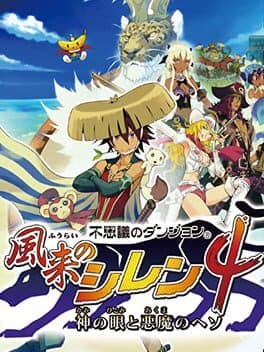
Fushigi no Dungeon: Fuurai no Shiren 4 - Kami no Hitomi to Akuma no Heso
Chunsoft2010
Shiren the Wanderer 4: The Eye of God and the Devil's Navel is a role-playing video game. It is the fourth main entry in the Shiren the Wanderer series, which itself is a part of the larger Mystery Dungeon series.
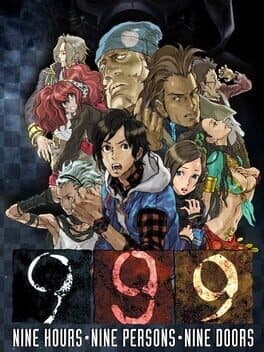
Nine Hours, Nine Persons, Nine Doors
Chunsoft2009
The game is a murder mystery visual novel with a heavy story focus that requires multiple playthroughs to figure out and involves puzzle rooms used to progress through the story with dialogue choices to be made inbetween them.
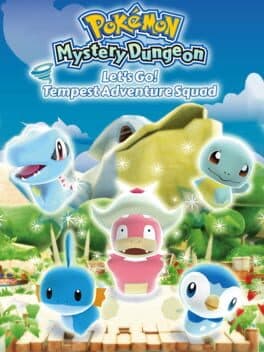
Pokémon Mystery Dungeon: Let's Go! Tempest Adventure Squad
Chunsoft2009
Pokémon Mystery Dungeon: Let's Go! Tempest Adventure Squad is a Role-Playing game, developed by ChunSoft and published by The Pokemon Company, which was released in Japan in 2009.

Pokémon Mystery Dungeon: Keep Going! Wildfire Adventure Squad
Chunsoft2009
Pokémon Mystery Dungeon: Keep Going! Wildfire Adventure Squad is a Role-Playing game, developed by ChunSoft and published by The Pokemon Company, which was released in Japan in 2009.
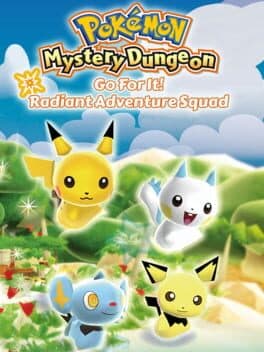
Pokémon Mystery Dungeon: Go For It! Radiant Adventure Squad
Chunsoft2009
Pokémon Mystery Dungeon: Go For It! Radiant Adventure Squad is a Role-Playing game, developed by ChunSoft and published by The Pokemon Company, which was released in Japan in 2009.
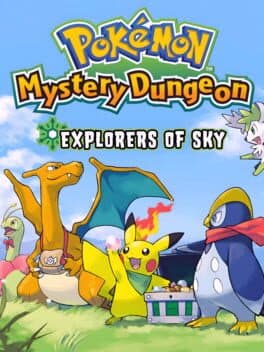
Pokémon Mystery Dungeon: Explorers of Sky
Chunsoft2009
Embark on a journey after you get turned into a Pokémon as a result of a freak accident, causing you to lose your memory as well as contact with and knowledge of your previous adventuring partner, with whom you were on a secret mission to save the world. Watch your story unfold in a dungeon crawling rogue-lite experience as you form your very own rescue team with a new partner of your choosing.

428: Shibuya Scramble
Chunsoft2008
A kidnapping on the streets of Shibuya brings together a hot-blooded detective, hard-hitting journalist, former gang leader, the head researcher of a big pharma manufacturer and a part-timer stuck in cat costume for a series of events each more unexpected and outrageous than the last.
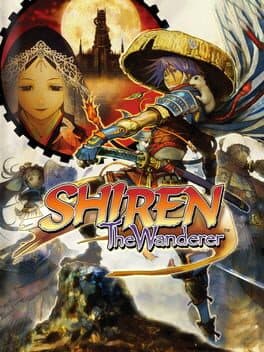
Shiren the Wanderer
Chunsoft2008
Our story begins in the capital, where Shiren the Wanderer and his sidekick Koppa encounter an old friend. Known as "Sensei" he is both Shiren's uncle and his master, having taught him the way of the blade. Sensei offers Shiren a key that is said to unlock the legendary Karakuri Mansion, a labyrinth of dangerous traps, fell beasts, and treasure untold. Shiren excepts the key, the wanderlust inside him striking his heart like lightning as he holds it in his hand. But this is only the calm before the storm...
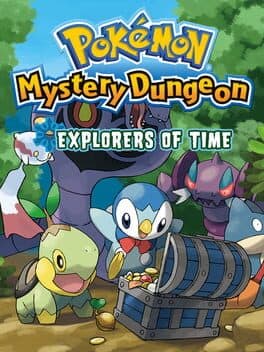
Pokémon Mystery Dungeon: Explorers of Time
Chunsoft2007
Embark on a journey after you get turned into a Pokémon as a result of a freak accident, causing you to lose your memory as well as contact with and knowledge of your previous adventuring partner, with whom you were on a secret mission to save the world. Watch your story unfold in a dungeon crawling rogue-lite experience as you form your very own rescue team with a new partner of your choosing.
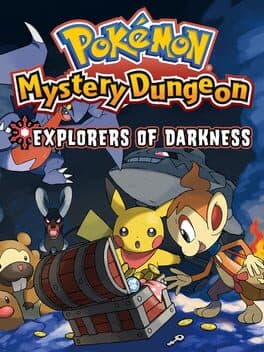
Pokémon Mystery Dungeon: Explorers of Darkness
Chunsoft2007
Embark on a journey after you get turned into a Pokémon as a result of a freak accident, causing you to lose your memory as well as contact with and knowledge of your previous adventuring partner, with whom you were on a secret mission to save the world. Watch your story unfold in a dungeon crawling rogue-lite experience as you form your very own rescue team with a new partner of your choosing.
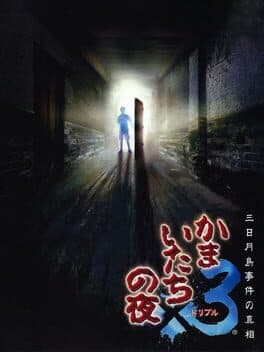
Kamaitachi no Yoru Triple: Mikazukishima Jiken no Shinsou
Chunsoft2006
Toru Yajima and Mari Kobayashi return to Mikazuki Island. They stay at the cursed "prison" mansion once again and are joined by a cast of characters including Yosuke Mikimoto, Toshio Kubota, Seiichi Kayama, Keiko Kitano and a woman named Haruko. A murder mystery is afoot where gamers go through the story from the viewpoint of four characters who look at events from different perspectives (both literally and figuratively) in order to deduce the identity of the killer.

Machi: Unmei no Kousaten - Tokubetsu-hen
Chunsoft2006
This game is an adventure game released by Chunsoft.
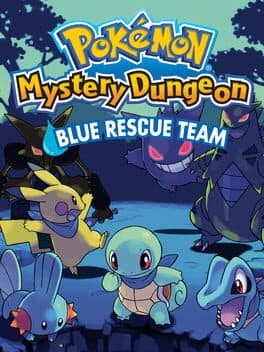
Pokémon Mystery Dungeon: Blue Rescue Team
Chunsoft2005
You, a regular human, find yourself trapped in the body of a Pokémon in a world inhabited by Pokémon. Without any other choice, you go on rescue missions through randomly generated dungeons with your newly-acquired partner and friend to save the world and get back to your human life.
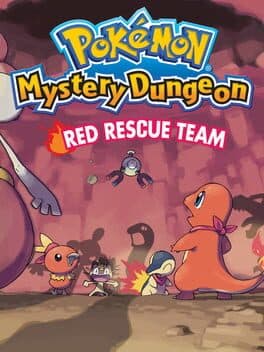
Pokémon Mystery Dungeon: Red Rescue Team
Chunsoft2005
You, a regular human, find yourself trapped in the body of a Pokémon in a world inhabited by Pokémon. Without any other choice, you go on rescue missions through randomly generated dungeons with your newly-acquired partner and friend to save the world and get back to your human life.
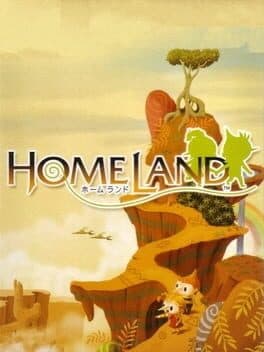
Homeland
Chunsoft2005
The ancient Darkness has awakened, a black abyss of madness opened up in the mythical and real world.. Our protagonist's girlfriend has been kidnapped by strangers without reason, why they did this? You need to deal with these creatures!

Shiren Monsters: Netsal
2004
A soccer game developed by Chunsoft for the GBA.
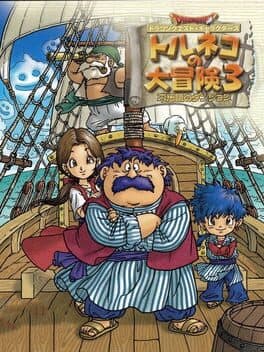
Dragon Quest Characters: Torneko no Daibouken 3
Matrix Software2002
Dragon Quest Characters: Torneko no Daibouken 3 Advance - Fushigi no Dungeon is a Role-Playing game, developed by ChunSoft and published by Square Enix, which was released in Japan in 2004.
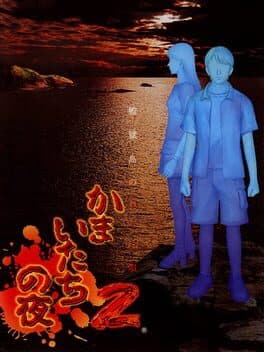
Kamaitachi no Yoru 2: Kangokujima no Warabe Uta
Chunsoft2002
Kamai Tachi no Yoru 2: Jail Island no Warabe Uta is a video game published by Chunsoft and released on July 18, 2002 as an adventure game for the PlayStation 2. It is Chunsoft's fourth sound novel. The previous game, "Night of the Kamai Tachi", is used as a Story within a story. The sequel is "Kamaitachi no Yoru x3: Crescent Moon Island Case no Shinsou".
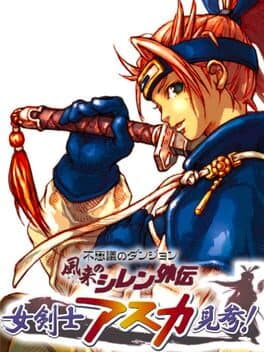
Fushigi no Dungeon: Fuurai no Shiren Gaiden - Onna Kenshi Asuka Kenzan!
Neverland Co.2002
Fushigi no Dungeon: Fuurai no Shiren Gaiden - Onna Kenshi Asuka Kenzan! is a roguelike role-playing video game developed by Neverland. It is part of the Mystery Dungeon series, and is a side story based on the Shiren the Wanderer series. It was originally released for the Dreamcast by Sega on February 7, 2002. A Microsoft Windows port would be later released on December 20, 2002 and re-released later with internet compatibility on February 27, 2004, both published by Chunsoft.
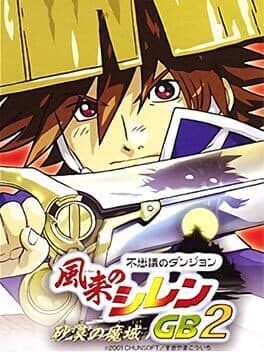
Fushigi no Dungeon: Fuurai no Shiren GB2 - Sabaku no Majou
Chunsoft2001
Shiren the Wanderer GB2: Magic Castle of the Desert is a roguelike role-playing video game developed by Chunsoft. It is part of the Mystery Dungeon series, and is a sequel to Shiren the Wanderer GB: Moonlight Village Monster. It was originally released for the Game Boy Color by Chunsoft in 2001. A Nintendo DS remake was released by Sega later in 2008.
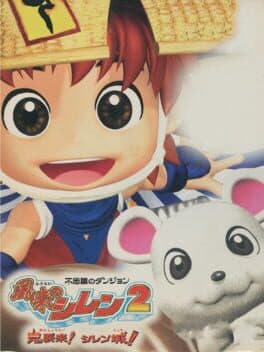
Fushigi no Dungeon: Fuurai no Shiren 2 - Oni Shuurai! Shiren-jou!
Chunsoft2000
Fushigi no Dungeon: Fuurai no Shiren 2 - Oni Shuurai! Shiren-jou! is a role-playing video game developed by Chunsoft and published by Nintendo for the Nintendo 64. It is the second main entry in the Shiren the Wanderer series, which is part of the larger Mystery Dungeon series, and was originally released in Japan on September 27, 2000. The game follows Shiren, a boy who aims to defend a village from attacking demons by building a castle; he finds building materials and other items by exploring dungeons.
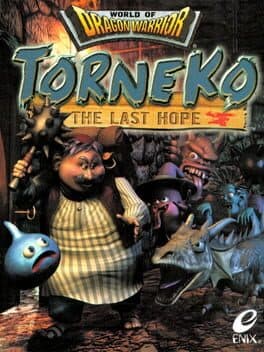
World of Dragon Warrior: Torneko - The Last Hope
Matrix Software1999
Torneko: The Last Hope is a single player RPG title that revolves around the chubby merchant from Dragon Warrior IV as he sets out on an adventure to rid the town of all the monsters. The story unfolds in the village as you interact with the town's inhabitants and gather information to help you in your quest. The action mode will have you fighting monsters and collecting items while traveling through the dungeon. Dungeon floor plans change every time they are revisited, and other changes may occur depending on actions taken by Torneko and the monsters. After you get past the first few dungeons, you'll be able to store items you've found in your storage shed. Find arrows, clubs, swords, shields, staves, safes, scrolls, pots, herbs, bread and rings so that Torneko can heal and defend himself, and make sure to keep Torneko well fed with bread or he'll lose strength. Torneko: The Last Hope also features claymation full motion video sequences, turn-based combat, and over 100 items to find.
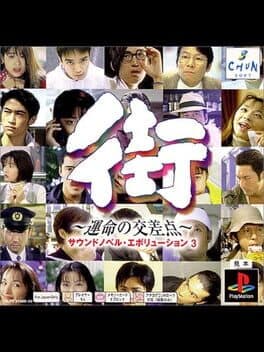
Machi: Unmei no Kousaten
Chunsoft1998
Set in the city of Shibuya, this ensemble drama depicts the intricately intertwined stories of the eight main characters and the characters surrounding them.

Sound Novel: Machi
Chunsoft1998
Machi is a story of 8 unrelated protagonists, all with their own problems and objectives, all living in the Shibuya district of Tokyo, Japan. The story spans 5 in-game days and is told through a huge number of live-action still photographs. Each of the protagonists lead a completely different story that even defies genres. The player must play all of the stories in parallel, jumping across different protagonists, and backtracking to re-select branches which not only affect the active protagonist, but also other protagonists through often bizarre twists of causality.
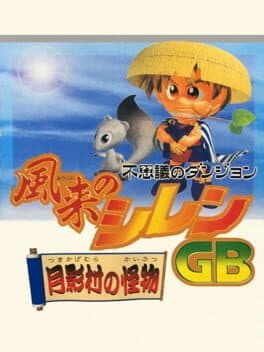
Fushigi no Dungeon: Fuurai no Shiren GB - Tsukikage-mura no Kaibutsu
Aquamarin1996
Shiren the Wanderer GB: Moonlight Village Monster is a roguelike role-playing video game developed by Aquamarine, part of the Mystery Dungeon series. It was originally released for the Game Boy by Chunsoft in 1996.
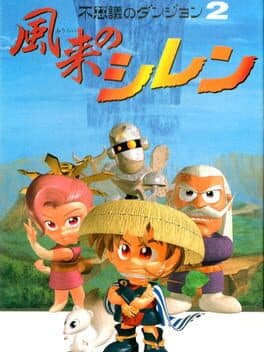
Fushigi no Dungeon 2: Fuurai no Shiren
Chunsoft1995
The player takes the role of the rōnin Shiren, who travels through thirty areas on his way to the Land of the Golden Condor. The game is turn-based, with all enemies and characters in an area moving whenever the player performs an action, such as attacking or moving. If the player falls in battle, they lose all their progress and are forced to restart from the beginning of the game: to counter-act this, they can choose to store powerful items in warehouses, and pick them up again on further playthroughs.

Kamaitachi no Yoru
Chunsoft1994
Kamaitachi no Yoru is a sound novel developed and published by Chunsoft. The game was first released on November 25, 1994 for the Super Famicom. It was also ported to the Playstation and Gameboy Advance It became available on the Virtual Console in February, 2007 for 800 Wii Points. The story-line was written by Takemaru Abiko and production was directed by Kazuya Asano and Koichi Nakamura. Kamaitachi no Yoru was the second sound novel developed by Chunsoft, and its popularity brought a myriad of other companies to develop similar games. The term "sound novel" was originally a registered trademark of Chunsoft, but is now regarded as a whole genre of its own. The game revolves around Toru and his girlfriend Mari, who are suddenly drawn into a horrible murder mystery while on vacation at a skiing lodge. The first part of the games develops as a crime-solving adventure.
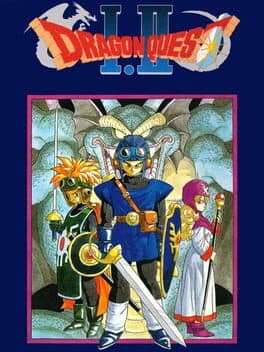
Dragon Quest I.II
Chunsoft1993
Dragon Quest I.II is an enhanced remake of the first two Dragon Quest games. It has few modifications to gameplay, but the interface and graphics have been enhanced to be on a par with the 1992 Dragon Quest V, and the games have been rebalanced to make them slightly easier.
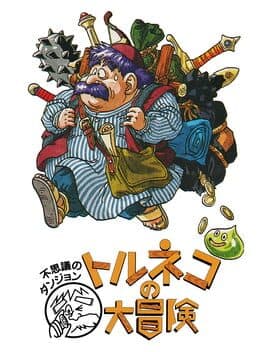
Fushigi no Dungeon: Torneko no Daibouken
Chunsoft1993
Torneko No Daibouken is a overhead view game similar to Hack, what might be called a "dungeon crawl". Torneko must venture into the mysterious dungeon gathering treasure. He may equip any weapons and shields he finds there, as well as gather up items such as spell scrolls, staffs and herbs with a variety of effect. A variety of enemies, familiar to the Dragon Quest series, await him. If Torneko successfully exits the dungeon, he is able to sell any of the items he has collected. This money then goes to improve the quality of his shop and living quarters. As the game progresses, Torneko is able to store special items in the vault, which he is then able to bring with him on subsequent trips to the dungeon.
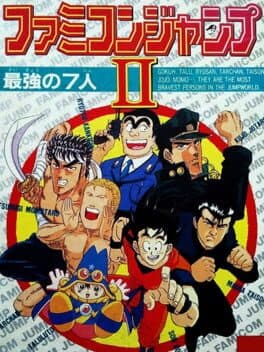
Famicom Jump II: Saikyou no 7-nin
Aquamarin1992
Famicom Jump II: Saikyou no 7-nin is a 1991 RPG for the Nintendo Family Computer published by Bandai. The sequel to Famicom Jump: Hero Retsuden, the game features seven main characters (as the subtitle indicates) from different Weekly Shōnen Jump manga serialized at the time. Only four of the 16 represented titles from the original are brought back, while the remaining three are new to the sequel. There would not be another crossover game until the release of Jump Super Stars and Jump Ultimate Stars. (of which six of these series would be represented, the only one not being Magical Tarurūto-kun.)
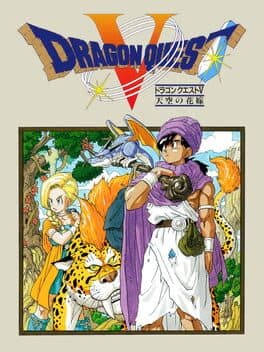
Dragon Quest V: Tenkuu no Hanayome
Chunsoft1992
Dragon Quest V: Tenkuu no Hanayome is a role-playing video game and the fifth installment in the Dragon Quest video game series, second of the Zenithian Trilogy. Originally developed by Chunsoft and published by Enix Corporation, Dragon Quest V was the first title in the series to be released for the Super Famicom video game console in Japan in September 1992. Dragon Quest V was the first game in the series to not be released outside Japan due to programming issues at the time.

Otogirisou
Chunsoft1992
One summer evening, a young man and a woman were driving down a winding mountain road. You take the role of the young man. The young woman is named Nami. The two of you attend the same college. While driving back home from an out-of-town date, you got into an accident. The car's brakes suddenly stopped working, leaving the car totaled and the two of you clueless about where to go, until you spotted the mailbox of a nearby home. Together, you trudged through the woods, struck by the rain and trembling from the lightning. Nami was looking more and more displeased. Emerging from the woods, you found an old western-style mansion gated off with high walls.
Dragon Warrior IV
Chunsoft1990
Dragon Warrior IV differs from the rest of the series by breaking up the game into five distinct chapters, each of which focuses on a different protagonist or protagonists. The first four are told from the perspective of the Hero's future companions and the fifth one, from the hero's perspective, brings all the characters together as they begin their journey to save the world.
Dragon Warrior III
Chunsoft1988
Dragon Warrior III is a top-down role-playing game where you travel around the overworld, caves, castles, cities and other locations while battling random encounters, buying equipment, and talking to people. You and your party members receive experience when they beat up monsters and level up with enough experience, increasing their stats. The game features a day/night cycle - as you travel, day slowly changes to night and vice versa; shops are typically closed at night. You begin with control of just the main character but can quickly recruit three more members to your party. During the game you can choose to drop your current characters and recruit others at any time. The recruitable characters are divided into six classes: soldier, fighter, merchant, goof-off, pilgrim and wizard. The game has a unique job system, giving you the ability to switch your hired characters' classes after they have achieved at least level 20 in their base class. Characters can switch to the other beginning classes, as well as the sage class, which is not available at the beginning. When a character switches classes, they lose all earned experience points, and half of their stats, but retain all the abilities of the previous class. In this way, you can create powerful combination characters that are able to cast spells and fight effectively.
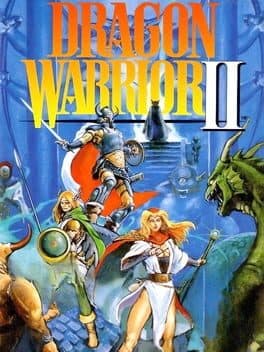
Dragon Warrior II
Chunsoft1987
Dragon Warrior II is an early top-down RPG that expands and improves on its predecessor. Unlike the first game, Dragon Warrior II allows the player to join forces with two other characters, a magic-using princess and a wizard-warrior prince. Also including expanded monster battles involving up to 6 creatures and a much larger world, Dragon Warrior II is an important step in the evolution of the Dragon Warrior series.
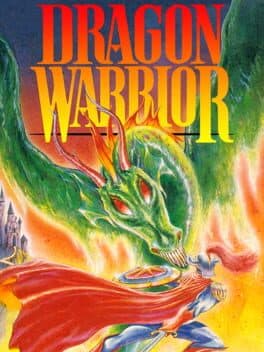
Dragon Warrior
Chunsoft1986
All is darkness. The Dragonlord has captured the Princess and stolen Erdrick's powerful ball of light. You are Erdrick's heir. To you has fallen the most dangerous task— to rescue the King's daughter and recover the mystical ball of light. Your mission is deadly, but it is your fate. Prophets have foretold your coming. Three keepers await your journey, each ready to aid you with a mystic item of great power. Gather the three objects. Scribes will record your deeds. Use cunning and wisdom to choose your commands. Gain experience, weapons and armor as you battle your way through the world. Rest if you must. Search out the Dragonlord's lair and face your destiny. In this role-playing adventure, you are the Dragon Warrior!
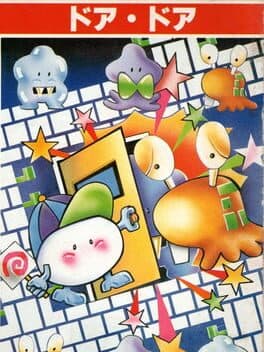
Door Door
Chunsoft1983
Door Door is a single-screen platformer first released in 1983 for the NEC PC-6001.