-
Average rating
202
Games
0
Votes cast
Heartbeat
Shipped Titles
Games (202)
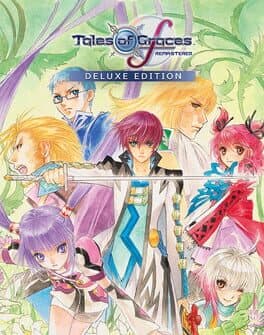
Tales of Graces F Remastered: Deluxe Edition
Tose2025
Tales of Graces f Remastered is an action RPG with high-speed battles that allow you to switch between fighting styles to match your play style. The remastered title adds more than 80 DLC packs and items release for the original and features stunning visuals, newly localized scenes available in English for the first time, and notable quality of life enhancements such as auto-save. The Deluxe Edition includes: • Tales of Graces f Remastered • Battle BGM pack • Digital Artbook & Soundtrack • Super Growth Support Herb Set
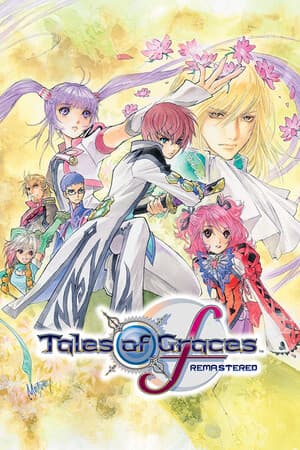
Tales of Graces f Remastered
TOSE CO., LTD.2025
Tales of Graces f is back with a beautiful and easier-to-play version! The game also includes Lineage and Legacies, an after-story to the main scenario!
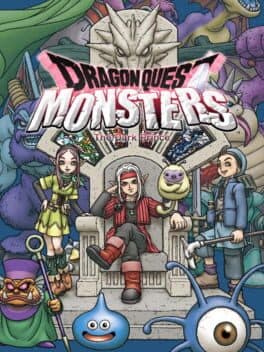
Dragon Quest Monsters: The Dark Prince
Tose2023
DRAGON QUEST MONSTERS: The Dark Prince comes to Steam®! Recruit monsters from the DQ series, synthesize new creatures and compose your ideal team.
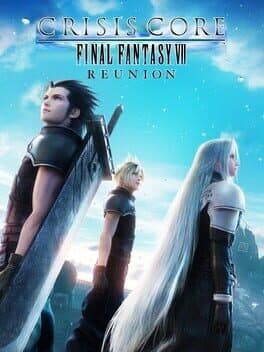
Crisis Core: Final Fantasy VII - Reunion
Tose2022
Crisis Core: Final Fantasy VII - Reunion is an HD remaster of the smash hit prequel to Final Fantasy VII. In addition to all graphics being remastered in HD, fully voiced dialogue and new soundtrack arrangements make for a dynamic new retelling of a beloved classic.
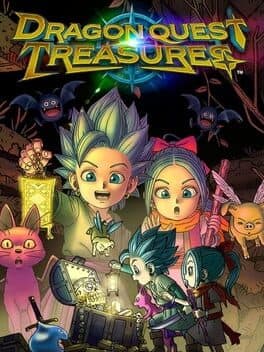
Dragon Quest Treasures
Tose2022
Dragon Quest Treasures is an all-new RPG spinoff starring Erik and Mia from Dragon Quest XI.
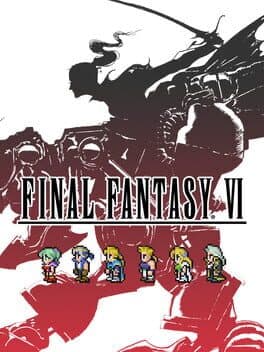
Final Fantasy VI
Tose2022
The original Final Fantasy VI comes to life with completely new graphics and audio! A remodeled 2D take on the sixth game in the world-renowned Final Fantasy series! Enjoy the timeless story told through charming retro graphics.
Scarlet Nexus: Season Pass
Bandai Namco Studios2021
The SCARLET NEXUS Season Pass is a set of additional content which includes new costume sets and weapon designs for all characters, new Bond Episodes to enjoy your connections with companions, and a Bond Level Expansion. Season Pass includes: • Bond Enhancement Pack 1 and 2 - Sets of newly designed costumes for all characters - Sets of newly designed weapons for all characters - New Bond Episodes - Additional SAS abilities from Bond Level Expansion (Bond Level EX), and more! • Brain Eater Pack - Newly designed costume sets for all characters - New Bond Episodes and more!
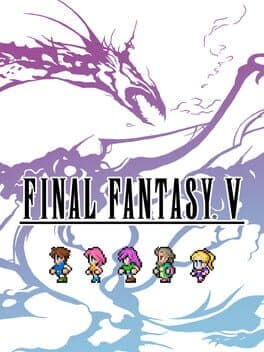
Final Fantasy V
Tose2021
The original FINAL FANTASY V comes to life with completely new graphics and audio as a 2D pixel remaster! A remodeled take on the fifth game in the world-renowned FINAL FANTASY series! Enjoy the timeless story told through charming retro graphics.
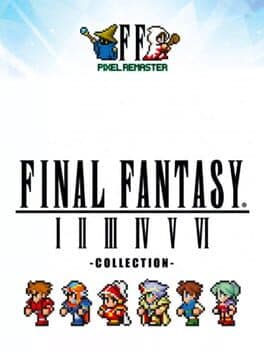
Final Fantasy: Pixel Remaster Collection
Tose2021
The Final Fantasy: Pixel Remaster series will comprise FINAL FANTASY I through FINAL FANTASY VI, with each game releasing individually. For long-term fans that will be hugely exciting news - a chance to revisit some of their most beloved RPGs of all time in a way that perfectly captures the spirit of those original game.
Dragon Quest Rivals Ace
Square Enix Business Division 62017
Dragon Quest Rivals Ace is a digital collectible card game. Was known as Dragon Quest Rivals but changed name during its August 2020 update when they added a Solo Battle Adventure.
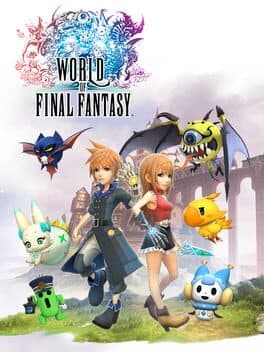
World of Final Fantasy
Tose2016
CAPTURE, CUSTOMISE AND EVOLVE! Embark on a magical journey with siblings Reynn and Lann as they explore the vast land of Grymoire to rediscover their past and save the future.
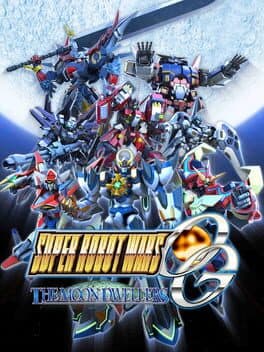
Super Robot Wars OG: The Moon Dwellers
Tose2016
An "Original Generation" entry of the Super Robot Taisen series for PlayStation 3 and 4.
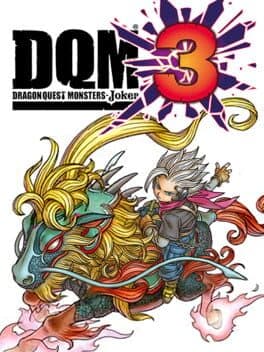
Dragon Quest Monsters: Joker 3
Tose2016
Dragon Quest Monsters: Joker 3 is a role-playing video game developed by Square Enix and Tose and published by Square Enix for the Nintendo 3DS. It is the sequel to Dragon Quest Monsters: Joker 2, and is the sixth game in the Dragon Quest Monsters series. It was released in Japan on March 24, 2016. The top screen of the Nintendo 3DS shows a third-person perspective of the main character and the world around him, called "Break World", while the bottom screen shows a map of the nearby area, with the current goal circled in red. The protagonist carries a device known as a Reactor, which can be used to discover hidden objects or paths. Some paths require the player to be riding a monster to traverse. Players will be able to ride on the 500 different monsters that populate the game world. The monsters come in either land, sea, or sky varieties, meaning that different types monsters are required to traverse different paths. Players can also equip them with accessories and level them up. Leveling up a monster can give it new abilities, such as the ability to do more jumps in a row and therefore access areas previously out of reach. The Reactor device can also be used to scan monsters to discover information about them. If the player attacks a monster while riding, the other monster begins the battle stunned or knocked out. A competitive mini-game is included called "Great Riders Cup" that uses the monster riding system of the main game and allows up to four players to compete either with the game AI or with local players or others over Wifi. The games protagonist can be visually customized with different color for hair, scarf, boots, pants, and gloves. Monsters can also be color customized by finding and rescuing a monster called Color Fondue who can perform "Color Fusion" on monsters a player controls. As with the previous game, Square Enix released Joker 3 Professional, an expanded version of the game, on February 9, 2017. Professional is the final entry in the Joker series.
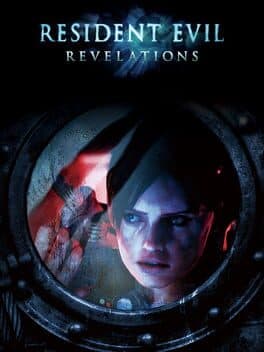
Resident Evil: Revelations
Capcom2013
Resident Evil® Revelations returns redefined for PC complete with high quality HD visuals, enhanced lighting effects and an immersive sound experience.
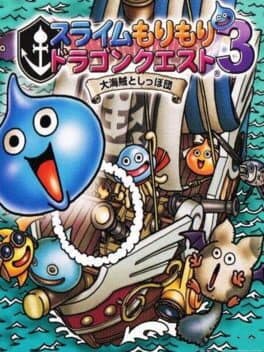
Slime Mori-mori Dragon Quest 3: Daikaizoku to Shippo-dan
Tose2011
A spinoff video game to the Dragon Quest series, and the third entry in the Slime subseries. It was released in Japan for the Nintendo 3DS on November 2, 2011. The story follows Surarin, a slime, who goes on a quest to retrieve his countries prized jewels, known as "Rainbow Orbs", from a group of pirates who have stolen them.

Champion Jockey: G1 Jockey & Gallop Racer
Tose2011
"Champion Jockey: G1 Jockey & Gallop Racer" is the newest horse racing simulation title from Koei-Tecmo. While not the first title to do so, the game combines creative input from the Tecmo and Koei development teams. The producer notes that the development team wants to present a "refreshing and real" game. Therefore, members of the team traveled globally to visit horse racing tracks in Europe. Japan's Nakayama Race Track, for instance, will be recreated as close as possible in the game. As the title suggests, players can enjoy traits found in either racing series. Gallop Racer stands as the Tecmo side while G1 Jockey forms the Koei side. Curiously, the naming for the intellectual properties are switched for the Japanese version, the title instead being "Champion Jockey: Gallop Racer & GI Jockey".
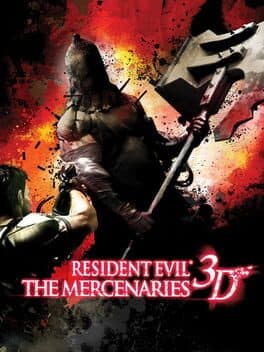
Resident Evil: The Mercenaries 3D
Tose2011
Resident Evil: The Mercenaries 3D is an action-oriented title where players can choose any of eight playable characters to shoot, explode and melee their way through swarms of enemies. Featuring re-mastered stages from Resident Evil 4 and Resident Evil 5, the game is a race against time as players try to defeat as many enemies as possible before the countdown reaches zero. The experience is available both as solo and multiplayer, where gamers across the world can team up and enjoy two-player co-op.
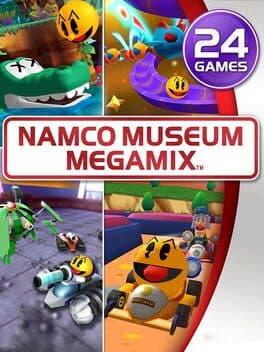
Namco Museum Megamix
Tose2010
Includes Cutie Q, Galaxian, Pac-Man, Rally-X, King & Balloon, New Rally-X, Bosconian, Galaga, Dig Dug, Super Pac-Man, Xevious, Mappy, Pac & Pal, Gaplus, Grobda, Motos, Dig Dug II and Pac-Mania, as well as five remade "remix" versions of Rally-X, Galaga, Grobda, Motos, Gator Panic and Pac 'n Roll.
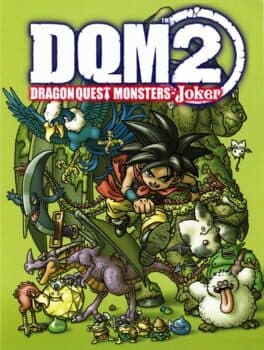
Dragon Quest Monsters: Joker 2
Tose2010
As Monster Scouts, players can recruit wild monsters to build a team and battle against other players in this turn-based role-playing game. Each year, monster scouts from around the world gather to compete for the title of world's greatest scout. Players crash-land on a mysterious island after their airship is struck by lightning. They must rescue their missing passengers and crew members by fighting various enemies using their own monster parties. The only way off the island is to solve its many mysteries.

Puzzle Iroiro: Gekkan Crossword House Vol.1
Tose2009
Crossword puzzle game by Nintendo for DSiware
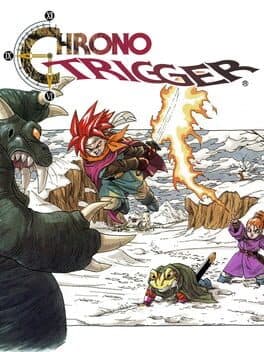
Chrono Trigger
Square Enix Product Development Division 52008
When a newly developed teleportation device malfunctions at the Millennial Fair, young Crono must travel through time to rescue his misfortunate companion from an intricate web of past and present perils. The swashbuckling adventure that ensues soon unveils an evil force set to destroy the world, triggering Crono's race against time to change the course of history and bring about a brighter future.

The Legendary Starfy
Tose2008
He may be the prince of a kingdom in the clouds, but Starfy's not afraid to get his pointy hands dirty pummeling bad guys. Watch out, villains - Starfy and his gruff-talking sidekick clam, Moe, are setting out on another astonishing adventure: to help a mysterious, bunny-eared visitor find his lost memory. There's nothing he can't handle! Jetting through powerful ocean currents, gliding over bottomless pits, swimming straight up glittering rainbows, plowing into packs of shadowy evildoers, it's all in a day's work for the legendary Starfy. And when danger strikes, Starfy can team up with his friend to shape shift into four unstoppable forms. Is a tangle of overgrown bushes blocking the way? Starfy can transform into Monster and torch it with his scorching Fire Belly ability! Is a small army of baddies guarding a treasure? He can shape shift into Rooster and let out a Super Gawk! Mix it up with some mini-games! Hook up with your friends over local wireless (existing connection is required) and face off in fabulous mini-games, Race to the ocean floor in Depth Chargers, hook the big one in Fishing Derby, rush to trace shapes in Sand Tracer, and shoot some change in Coin Slinger, or challenge yourself to see how many tasty octopus snacks you can cook up in Dumpling Master! You can also team up with a friend over Local Wireless and play levels from the main adventure together as Starfy and his sister, Starly.
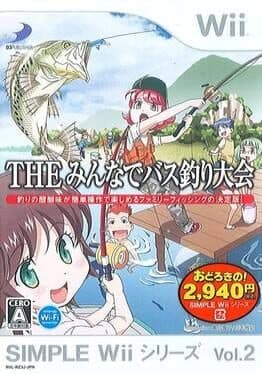
Simple Wii Series Vol. 2: The Minna de Bass Tsuri Taikai
Tose2007
The Minna de Bass Tsuri Taikai is a Sports game, developed by TOSE and published by D3Publisher, which was released in Japan in 2007.
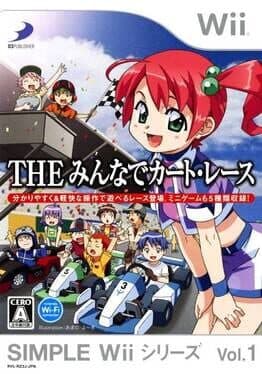
Simple Wii Series Vol. 1: The Minna de Kart Race
Tose2007
The Minna de Kart Race is a Racing game, developed by TOSE and published by D3Publisher, which was released in Japan in 2007.

Gator Panic Remix
Tose2007
A remixed version of Gator Panic, originally a redemption game, later ported for Wii in the Namco Museum Remix compilation.
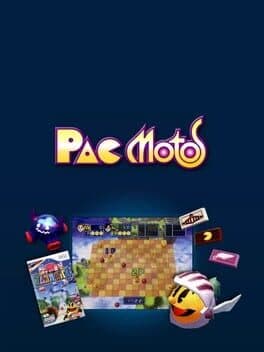
Pac-Motos
Tose2007
The player controls Pac-Man and must knock all of the enemies off of the stage in order to complete the level, much like the original Motos. The player must traverse through five different worlds, each comprised of seven stages. The seventh stage features a boss piloted by either member of the Ghost Gang and must be defeated in order to proceed to the next world.
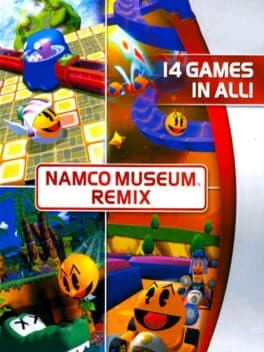
Namco Museum Remix
TOSE Co., Ltd.2007
Namco Museum Remix is a video game compilation for the Wii, featuring a wide array of classic and updated Namco arcade games. Featured in the compilation are the original versions of nine arcade games from the 1970s and 1980s. Includes Cutie Q, Galaxian, Dig Dug, Super Pac-Man, Xevious, Mappy, Pac & Pal, Gaplus and Pac-Mania, as well as five remade "remix" versions of Rally-X, Galaga, Motos, Gator Panic and Pac 'n Roll.
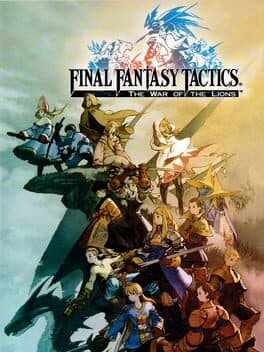
Final Fantasy Tactics: The War of the Lions
Square Enix Product Development Division 42007
An updated version of the PlayStation game Final Fantasy Tactics, released on PlayStation Portable and later released on iOS and Android. "The stage is set for what history would one day record as the War of the Lions. Experience new CG cinematics. Meet new Characters. Explore new jobs & missions. Wage new multiplayer battles. Behold a new legend!"
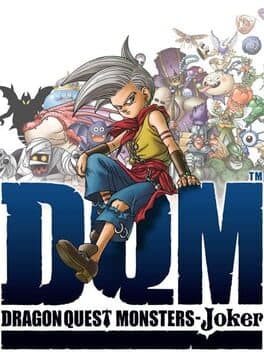
Dragon Quest Monsters: Joker
Tose2006
Players assume the role of a monster hunter as they capture, train and breed a powerful army from more than 200 classic Dragon Quest creatures in order to become the world's greatest monster trainer. Joker is a breakout title that combines the depth of a classic Dragon Quest RPG with the addictiveness of a monster catching adventure.
Final Fantasy VI Advance
Tose2006
Final Fantasy VI Advance is more than a simple port of the SNES classic: every aspect of the games has been reviewed and enhanced. Additionally, a host of brand-new elements has been seamlessly merged with the original game, providing unexpected surprises for longtime fans. With new dungeons, new job classes, and other exciting features, both old-school players and newcomers can enjoy this genre-defining FINAL FANTASY title in a portable format.
Final Fantasy V Advance
Square Enix Product Development Division 72006
The winds fail. Ships stand still, unable to fill their sails. The world races to its end. Unless a handful of heroes can protect the remaining crystals, the world will fall into ruin. Set off on a grand adventure in the finest version of FINAL FANTASY V ever released!
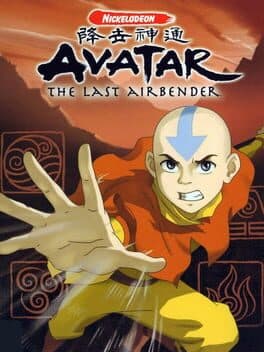
Avatar: The Last Airbender
Tose2006
Play as Aang, Katara, Haru, and Sokka as you build your team into an unstoppable force in Avatar: The Last Airbender. Utilize your amazing bending powers and explore the mystic Avatar universe. Experience an adventure of intrigue, deception, and revelation that exposes an even greater threat than the Fire Nation as you battle against new enemies and master your bending skills
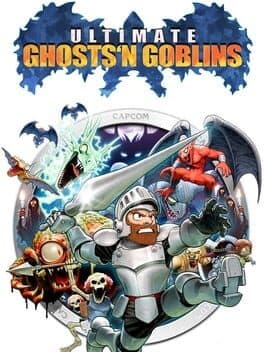
Ultimate Ghosts 'n Goblins
Tose2006
Ultimate Ghosts 'n Goblins is the first game in the series to employ 3D graphics, while maintaining much of the 2D gameplay mechanics of the earlier games. It also marks the return of the series' project head, Tokuro Fujiwara. The game still follows the classic scenario of the heroic knight Arthur battling with demons, but includes a large number of changes.
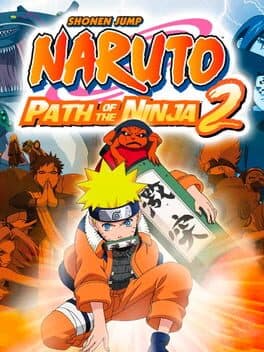
Naruto: Path of the Ninja 2
Tose2006
TOMY Corporation and D3Publisher present NARUTO: Path of the Ninja 2, the latest in the popular RPG videogame series this fall as Naruto and his friends take on a brand-new mission. The completely original storyline will test the resolve of aspiring ninja everywhere as they use the DS Touch Screen to explore the world, solve puzzles, and unleash devastating jutsu attacks. The expanded roster features 30 playable characters from VIZ Media's hit television series NARUTO, currently running on Cartoon Network. Improvements to the battle system will give players more options than ever before as they make use of the newly-added Squad Leader and Ninja Tag systems.
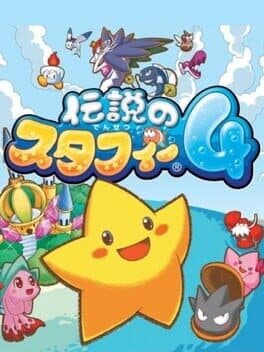
Densetsu no Starfy 4
Tose2006
Densetsu no Starfy 4 is a platforming video game developed by TOSE and published by Nintendo for the Nintendo DS. It is the fourth game in the The Legendary Starfy series, which first started on the Game Boy Advance. As with the other games in the series, Densetsu no Starfy 4 features Starfy as the main character. He is joined by his sister Starpy and his friend Kyorosuke the clam. The three of them help out other undersea creatures and fights numerous villains.
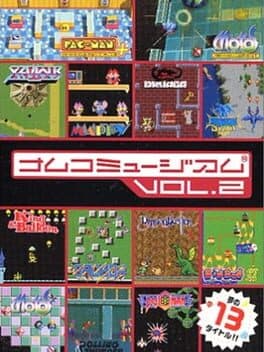
Namco Museum Vol. 2
Tose2006
Includes King & Balloon, Bosconian, Xevious, Mappy, The Tower of Druaga, Grobda, Dragon Buster, Dig Dug II, Motos, Rolling Thunder and Dragon Spirit Two new "arrangement" games are included, Pac-Man Arrangement Plus and Motos Arrangement
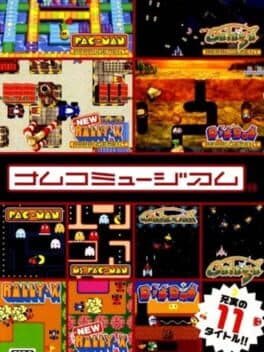
Namco Museum Vol. 1
Tose2005
The original Japanese versions of Namco Museum Battle Collection were released in two volumes.
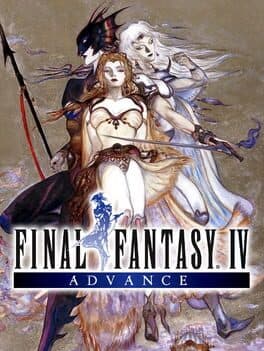
Final Fantasy IV Advance
Tose2005
Final Fantasy IV Advance is largely based on the WonderSwan Color version. Some changes include the addition of character portraits in text boxes, the ability to switch party members, increased difficulty, and new dungeons with new items and weapons along with new bosses. The script received a re-translation more faithful to the original material. The Quicksave, which allows the player to save the current position (regardless of where) in a file that is deleted upon loading, is featured.
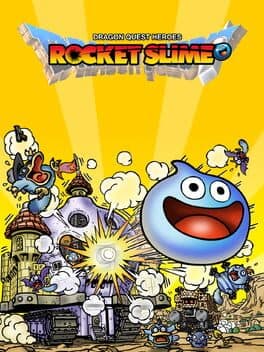
Dragon Quest Heroes: Rocket Slime
Tose2005
Dragon Quest Heroes: Rocket Slime is based in the fictional world of Slimenia, specifically in the capital city of Boingburg. It begins with four Slimes, Rocket, Hooly, Bo, and Swotsy, who are playing in front of the castle. Hooly has gotten his hands on a valuable flute, and in response to the flute being blown by Rocket, his father comes running over, forcing Hooly to stick the flute in Rocket's mouth. Afterward, an organization known as the Plob invades Boingburg, capturing 100 of its 101 inhabitants. Because he was distorted and long, the Plob mistakenly believed Rocket was not a Slime but a worm, and discarded him into Forewood Forest. There, Rocket begins his journey to rescue his fellow slimes, who have been locked up in large treasure chests.
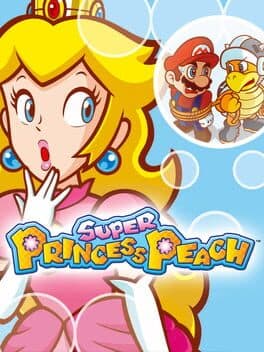
Super Princess Peach
Tose2005
Princess Power! Bowser's up to no good again...but this time, it's Princess Peach to the rescue! When Mario, Luigi, and the Mushroom Castle Toads get kidnapped it's up to Peach and her magical umbrella to save them.
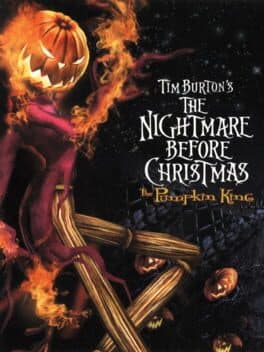
Tim Burton's The Nightmare Before Christmas: The Pumpkin King
Tose2005
Much to the dismay of Jack Skellington and the citizens of Halloween Town, unusual bugs have started to infest their township. At the root of this ever-increasing bug invasion is Oogie Boogie, a former holiday king who is determined to take over Halloween. With help from his friends Sally, the mayor, and Dr. Finklestein, Jack and his trusted pal Zero embark on a quest to rid the town of bugs and stop Oogie Boogie from carrying out his evil plot. As Jack, you must battle Oogie's creepy henchmen using an arsenal of different weapons and navigate through booby traps, mazes, and puzzles.
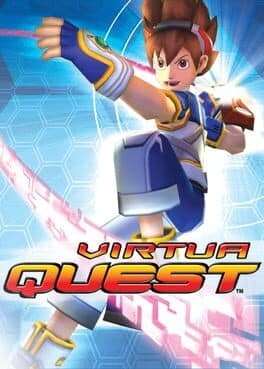
Virtua Quest
Tose2004
In Virtua Quest, you play the role Sei, a young boy. As you explore each stage, you'll discover Virtua Souls, data clusters that contain information about the martial arts abilities of the legendary Virtua Fighter characters. With each cluster, you gain the ability to perform complex fighting moves. As the story progresses, you discover that only you can unlock the potential of the Virtua Souls--a discovery that soon gains the attention of Judgement 6, an evil syndicate.
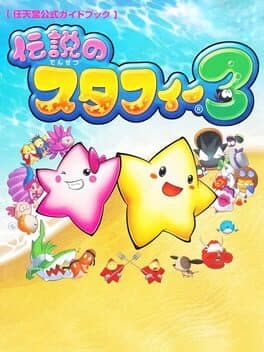
Densetsu no Starfy 3
Tose2004
A short time after Densetsu no Starfy 2, everything was calm and everyone including Stafy was happy again, until another severe thunderstorm came and shook Pufftop Palace. This time, it is more severe than the ones in the past. A lightning struikes the Magic Jar, destroys it and Ogura is free again.
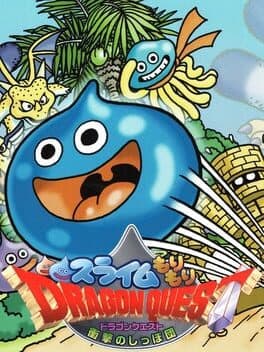
Slime Mori-mori Dragon Quest: Shougeki no Shippo-dan
Tose2003
Slime Mori-mori Dragon Quest: Shougeki no Shippo-dan is a Japanese action-adventure video game published by Square Enix in 2003 for Game Boy Advance.
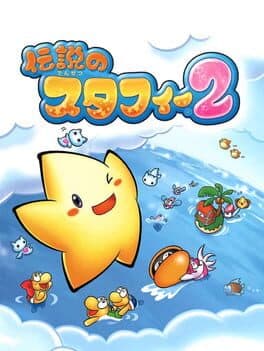
Densetsu no Starfy 2
Tose2003
Stafy is now back at Pufftop Palace, playing with his friend Moe. Ogura, imprisoned inside the Magic Jar, unleashes his children into the sky. Ogura's children cause a series of thunderstorms and earthquakes that shake Pufftop Palace, causing the Magic Jar to shatter and release Ogura.
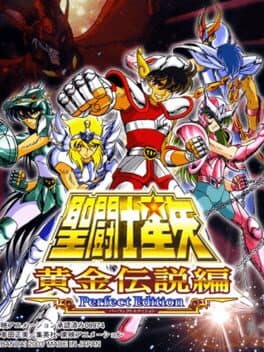
Saint Seiya: Ougon Densetsu-hen - Perfect Edition
Tose2003
Saint Seiya: Ougon Densetsu-hen - Perfect Edition is a Role-Playing game, developed by TOSE and published by Bandai, which was released in Japan in 2003. It is a remake of the two NES games in the Saint Seiya: Ougon Densetsu series. It is an adaptation of the anime more faithful and complete than its original versions, although various functions and combats were also excluded from it.
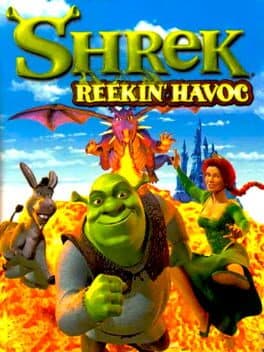
Shrek: Reekin' Havoc
Tose2003
In an effort to seek revenge on Shrek, Princess Fiona and all of the fairy tale characters, The Ghost of Lord Farquaad has cast an evil spell! It is now up to you to play as Shrek or Princess Fiona and save your fairy tale friends!
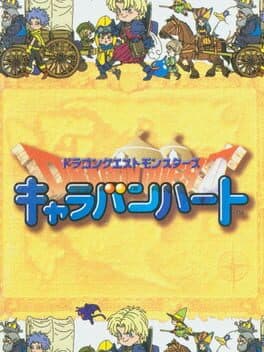
Dragon Quest Monsters: Caravan Heart
Tose2003
Dragon Quest Monsters: Caravan Heart acts as a prequel to Dragon Quest 7 and was never released outside of Japan but there is a fan-translation patch. You play Kiefer from Dragon Quest VII who ends up in the world of Dragon Quest II. You can use a group of 3 people or monsters to fight but enemies can show up in larger numbers. There is a job system for human characters with 20 classes.
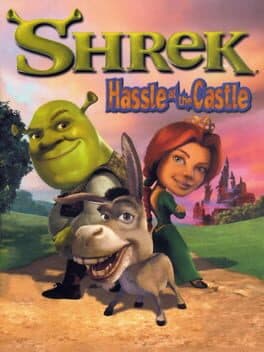
Shrek: Hassle at the Castle
Tose2002
Shrek is on a mission to rescue his beloved swamp from those pesky little fairy tale characters. With a little help from his friends, Shrek is in for the biggest adventure of his life! Journey as Shrek, Donkey or Princess Fiona on a wild adventure through seven chapters of Fairy Tale Land. Based on the award-winning movie!
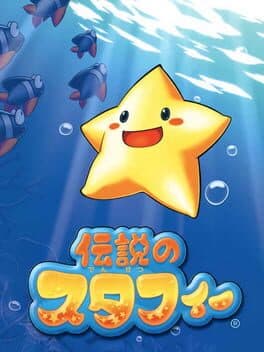
Densetsu no Starfy
Tose2002
In the beginning, Starfy was moving things around Pufftop Palace, until he tripped and dropped some things he was moving. One of them fell into the ocean, which was the Magic Jar, an object that seals the evil being known as Ogura.
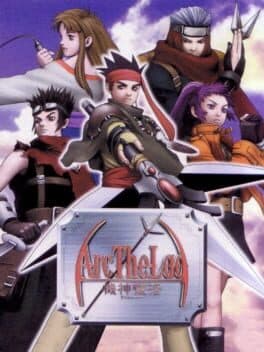
Arc the Lad: Kijin Fukkatsu
Tose2002
A spin-off story in the Arc the Lad series featuring Elc form the second game. Was only released in Japan.
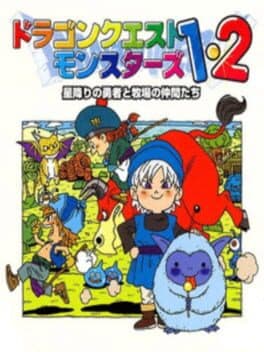
Dragon Quest Monsters 1+2
Tose2002
Dragon Quest Monsters 1+2 is a compilation of the 3 DQM games released on the Game Boy Color. The games have updated graphics and a new interface. The game was released on the PlayStation but only in Japan.
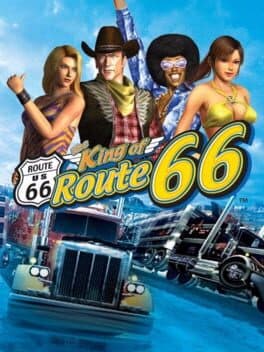
The King of Route 66
Tose2002
The King of Route 66 is the arcade racing game sequel to 18 Wheeler: American Pro Trucker. It was later brought to the PlayStation 2 by Tose. This game features a story mode in which the Evil Tornado Corporation has taken over all the trucking jobs along Route 66. You play a hero trucker who challenges Tornado drivers all along the route and puts them in their place by getting your cargo to the destination first.
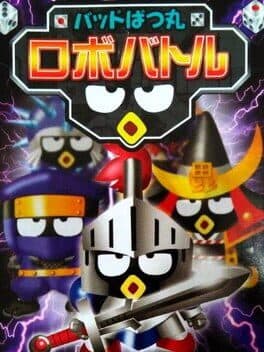
Bad Badtz-Maru Robo Battle
Tose2001
A video game published by Imagineer for the Game Boy Color, with board-game, dice and role-playing game elements
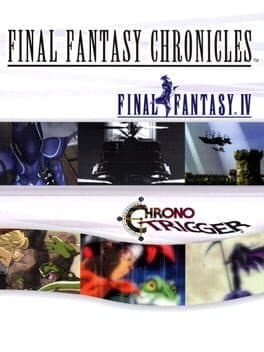
Final Fantasy Chronicles
Tose2001
Final Fantasy Chronicles is a compilation that includes Final Fantasy IV, and another Square production, Chrono Trigger, released for the Sony PlayStation. Both games were ports of titles originally released for the Super Nintendo Entertainment System. Although both games differ little from the original versions in terms of gameplay, graphics and sound, a number of additional bonus/extra sequences are included, including art galleries, bestiaries and full motion video cutscenes.
Final Fantasy II
Tose2001
The WonderSwan Color version of Final Fantasy II included completely redone graphics in the manner of the 16-bit generation Final Fantasy games and includes larger character sprites, remixed music by Tsuyoshi Sekito, and full graphical backgrounds in battle mode. It is from this base that the international version of Final Fantasy II began to take shape.
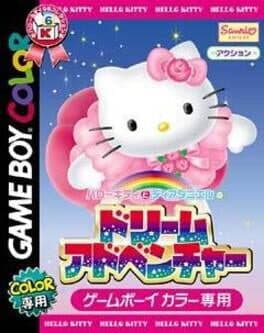
Hello Kitty to Dear Daniel no Dream Adventure
Tose2001
Platformer game starring Hello Kitty and Dear Daniel.
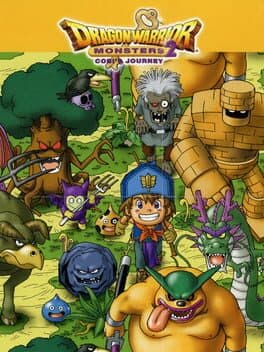
Dragon Warrior Monsters 2: Cobi's Journey
Tose2001
Dragon Quest Monsters 2 followed Pokemon's strategy of releasing 2 games with exclusive monsters that would need to be traded between versions to collect them all. The games were later re-released along with the first Dragon Quest Monsters as a compilation for the PlayStation and the games were later remade for the 3DS, but only in Japan.
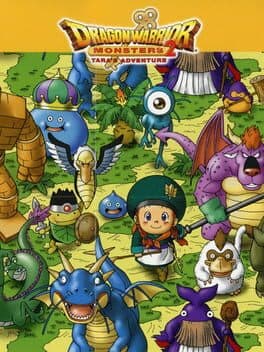
Dragon Warrior Monsters 2: Tara's Adventure
Tose2001
Dragon Quest Monsters 2 followed Pokemon's strategy of releasing 2 games with exclusive monsters that would need to be traded between versions to collect them all. The games were later re-released along with the first Dragon Quest Monsters as a compilation for the PlayStation and the games were later remade for the 3DS, but only in Japan.
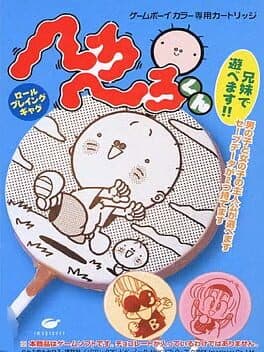
Herohero-kun
Tose2001
Herohero-kun is a role-playing game for Game Boy Color released by Imagineer in 2001. It is based on the manga "Herohero-kun," but the main character is not Herohero but the original game's main character. The main character's name can be up to four characters, and the gender can also be selected. The purpose is to rescue the townspeople of Ukiuki who were put to sleep by Suyasuya.
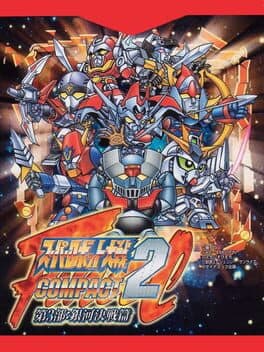
Super Robot Taisen Compact 2 Dai-3-bu: Ginga Kessen-hen
Tose2001
Super Robot Taisen Compact 2 Dai-3-Bu: Ginga Kessen-hen is a Strategy game, developed by TOSE and published by Banpresto, which was released in Japan in 2001.
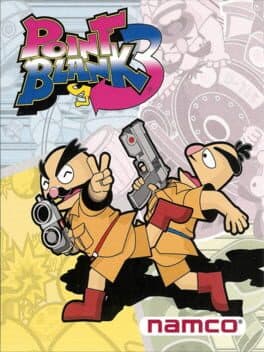
Point Blank 3
Namco2000
The escapades of Namco's Dr. Dan and Dr. Don continue in Point Blank 3, the third edition of the irreverent, mini-game based light-gun series. A selection of 80 events are offered, many of which thrust the hapless duo into situations that require timely intervention by the player on their behalf, testing your reflexes and shooting accuracy at the same time. The myriad of events present the player with basic tasks that range in both scope and difficulty. A plethora of mini-game formats are provided that include shooting color-coded targets to protecting the two numbskulls from threatening objects, to those that require the player to perform rudimentary mathematics calculations before shooting the correct answer. Cameo appearances by Tekken characters, classic Namco franchises and other such in-jokes abound in the many scenarios players will find themselves embroiled.
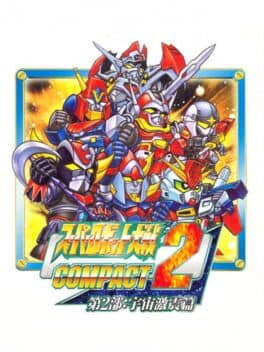
Super Robot Taisen Compact 2 Dai-2-bu: Uchuu Gekishin-hen
Tose2000
Super Robot Taisen Compact 2 Dai-2-bu: Uchuu Gekishin-hen is a Strategy game, developed by TOSE and published by Banpresto, which was released in Japan in 2000.

Hello Kitty no Sweet Adventure: Daniel-kun ni Aitai
Tose2000
A Hello Kitty franchise video game featuring Dear Daniel. It is paired with Dear Daniel no Sweet Adventure: Kitty-chan o Sagashite, which was released on the same day.
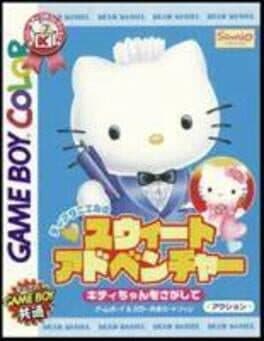
Dear Daniel no Sweet Adventure: Kitty-chan wo Sagashite
Tose2000
Dear Daniel no Sweet Adventure: Kitty-chan wo Sagashite is a Japan-only Game Boy Color game.
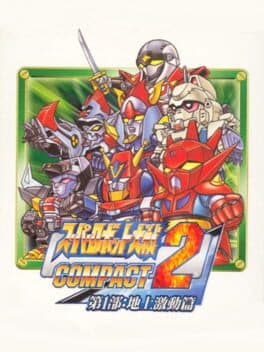
Super Robot Taisen Compact 2 Dai-1-bu: Chijou Gekidou-hen
Tose2000
Super Robot Taisen Compact 2 Dai-1-Bu: Chijou Gekidou-hen is a Strategy game, developed by TOSE and published by Banpresto, which was released in Japan in 2000.
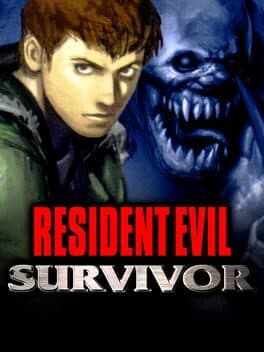
Resident Evil Survivor
Tose2000
Resident Evil Survivor is the first Resident Evil title to be rendered in real time as opposed to making use of pre-rendered backdrops. Levels are explored in first person, and when enemies are encountered the press of a button will bring up a targeting reticle for shooting. As with most light-gun games there is infinite pistol ammunition available, but limited ammunition for more powerful weapons. At the end of each level two doors are presented which both lead to different levels, although all paths eventually lead to the same ending.
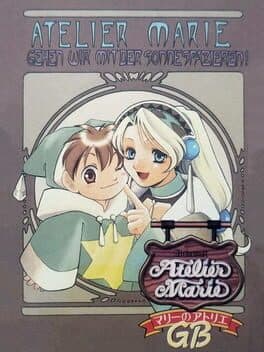
Atelier Marie GB
Tose2000
A spin-off game of the Atelier: Salburg series with 2 versions, the other being "Atelier Elie GB", that takes place after the main character graduates from the academy and opens an alchemy shop. Was only released in Japan.
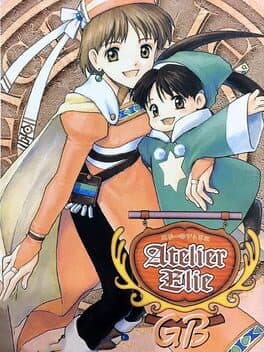
Atelier Elie GB
Tose2000
A spin-off game of the Atelier: Salburg series with 2 versions, the other being "Atelier Marie GB", that takes place after the games main character graduates from the academy and opens an alchemy shop. Was only released in Japan.
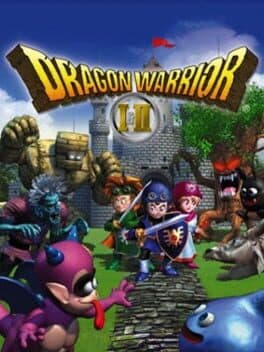
Dragon Warrior I & II
Tose1999
Dragon Warrior I & II is an enhanced remake of the first two Dragon Warrior games. It has a few modifications to gameplay, but the interface and graphics have been enhanced to be on a par with the 1998 Dragon Quest Monsters: Terry's Wonderland.
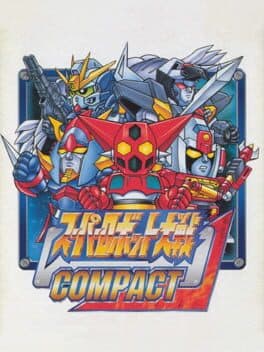
Super Robot Taisen Compact
Banpresto1999
Super Robot Taisen Compact is a Strategy game, developed by TOSE and published by Banpresto, which was released in Japan in 1999.
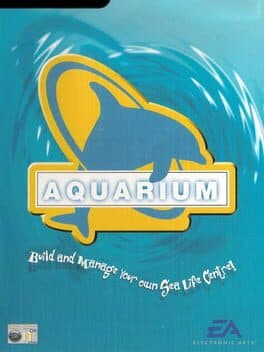
Aquarium
Bullfrog Productions1998
Theme Aquarium is a simulation video game in which the player creates and controls a sea life aquarium. It was originally released on 17 December 1998 for PlayStation only in Japan. The game was later ported to Microsoft Windows under the name Aquarium and was released in Europe. It was developed by Bullfrog production after the acquisition by Electronic Arts, since at the time Bullfrog was one of the most successful developer at breaching the Japanese market (with Populous and Theme Park). EA then decided to developed a Theme game exclusive to the Japanese Market. The western release did not have the Bullfrog branding.

Fairy Kitty no Kaiun Jiten: Yousei no Kuni no Uranai Shugyou
Tose1998
A Hello Kitty game for the Game Boy Color.
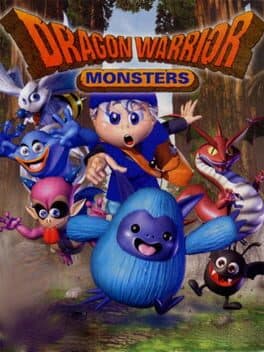
Dragon Warrior Monsters
Tose1998
Dragon Quest Monsters is a turn-based RPG that involves recruiting monsters to fight for you in random encounters. Two recruited monsters can be fused together for a better one and extra monsters can be stored on a farm while not in your party. It was released in Japan for the Game Boy Color before the system was released.
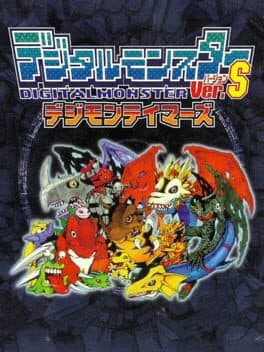
Digital Monster Ver. S: Digimon Tamers
Tose1998
The first video game adaptation of the Digimon virtual pet. In this particular version, you can raise up to four different Digimon at the same time. In addition, you can battle other Digimon through an in-game Arena mode.
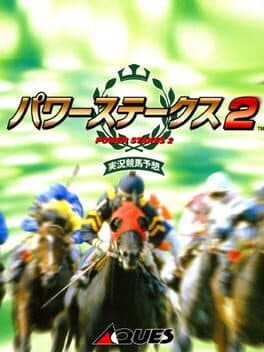
Power Stakes 2
Tose1998
Power Stakes 2 is the third (and last) game in Tose Software game series featuring the new data of the new season over the previous game. The game again features the 3d engine to watch the race in different camera angles that the player select in the game main menu. As new features the game now features the pedigree data and other things.
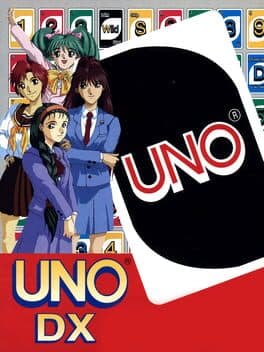
Uno DX
Tose1998
Uno DX is a video game interpretation of the card game Uno. It was released for the Sega Saturn and PlayStation exclusively in Japan.
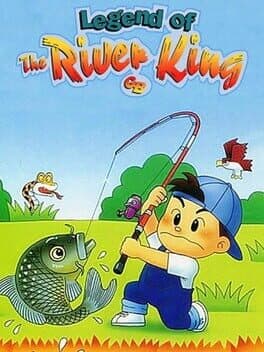
Legend of the River King GB
Tose1997
You'll need all your angling and survival skills to succeed in this unique fishing RPG. On a perilous quest to capture a mysterious and mystical fish, you'll deploy a variety of tackle in both quiet lakes and raging rapids. Along the shores, dangerous animals are a constant threat. To get supplies, you'll sell some of your catch at village markets. You can also try your hand at raising a pet fish from embryo to adult and watch as it grows and even changes species!
Jissen Pachi-Slot Hisshouhou! Twin 2
Tose1997
Jissen Pachi-Slot Hisshouhou! Twin 2 is a Miscellaneous game, developed by TOSE and published by Sammy Studios, which was released in Japan in 1997.
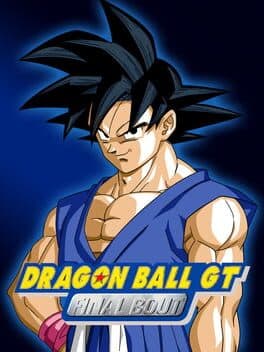
Dragon Ball GT: Final Bout
Tose1997
After achieving cult hit status around the globe, Dragon Ball GT has finally arrived in the U.S. This polygon rendered fighting game features 10 of the best warriors from the animated television series going head-to-head in a no-holds-barred tournament. Each player has devastating finishing moves, including the infamous "Meteor Smash", which can be countered by an opponent, resulting in some of the most incredible power struggles you'll ever see! There are also 8 playable hidden characters and a practice mode that lets you build up the skills of each fighter. Now, you can find out what gamers around the world already know -- Dragon Ball GT is the ultimate fighting game!
Namco Museum Vol. 5
Tose1997
Volume 5 for the PlayStation features: Metro-Cross (1985) Baraduke (1985) Dragon Spirit (1987) Pac-Mania (1987) Valkyrie no Densetsu (1989) – renamed Legend of the Valkyrie outside of Japan.
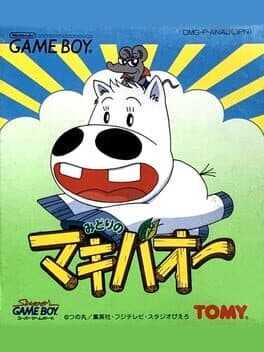
Midori no Makibaoo
Tose1996
Midori no Makibao is a Racing game, developed by TOSE and published by Tomy Corporation, which was released in Japan in 1996.
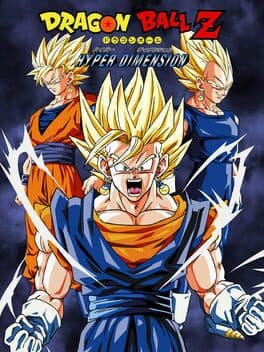
Dragon Ball Z: Hyper Dimension
Tose1996
Dragon Ball Z: Hyper Dimension is a 2D fighting game and the last DBZ game made for the Super Famicom (SNES). It is based around the most memorable battles from DBZ and introduces more traditional and fluid combat mechanics.
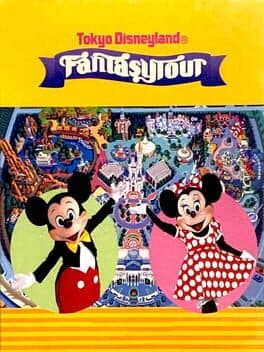
Tokyo Disneyland: Fantasy Tour
Tose1996
Take a trip through wonderland, as Mickey visits Disneyland! Search for Minnie and explore the entire fantasy land!
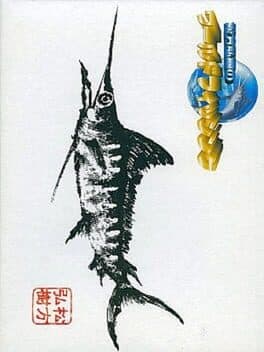
Matsukata Hiroki no World Fishing
Tose CO., LTD1996
Matsukata Hiroki no World Fishing is a Sports game, published by BPS and Media Quest, which was released in Japan in 1996.01.19 and 1996.02.02 .
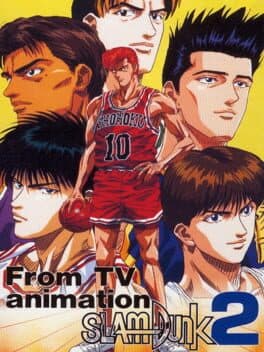
Slam Dunk 2: IH Yosen Kanzenban!!
Tose1995
Anime/Manga-based basketball video game developed by TOSE and published by Bandai in 1995.
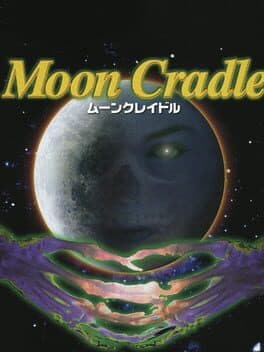
Moon Cradle
Tose1995
Moon Cradle is a mystery adventure game which uses live-action video for cut-scenes and fixed isometric perspective during actual gameplay. The player controls the character directly while actions such as "search", "talk" or "use" are presented in a menu-selected manner.
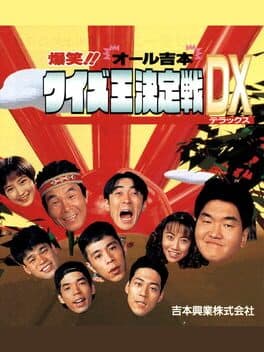
Bakushou!! All Yoshimoto Quiz Ou Ketteisen DX
Tose1995
Bakushō!! All Yoshimoto Quiz Ou Ketteisen DX is a quiz game based on the popular TV show Yoshimoto Club. There are two different modes. The first mode has the player going on a fantasy quest to rescue a princess and the player has to answer questions correctly to bypass monsters. The second mode is a classic game show in which the player must answer as many questions correctly as possible to get the highest number of points.
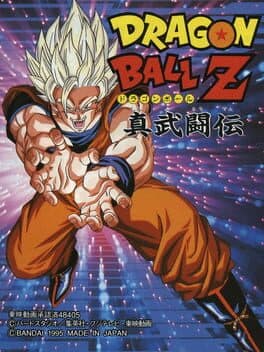
Dragon Ball Z: Shin Butouden
Tose1995
It is the fourth installment in the Butouden series. It features 27 playable characters, their sprites being those used in the earlier game "Dragon Ball Z - Ultimate Battle 22" for the Sony PlayStation. Also, the game's introduction is made with scenes recycled from the introduction of Ultimate Battle 22. The game also features two other exclusive modes: Group Battle and Mr. Satan mode. In Group Battle, players gets to create a team of five characters and fight against either another player or an AI-controlled character. In Mr. Satan mode, Mr. Satan is trying to raise enough money to pay off his debt to Android 18, and the player places bets on matches and cheats by using several items, such as banana peels, guns, and dynamite.
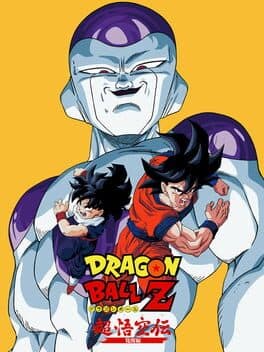
Dragon Ball Z: Super Goku-den - Kakusei-hen
Tose1995
Dragon Ball Z: Super Goku-den: Kakusei-hen is the second and last video game of the Super Goku-den series. It was released only in Japan on September 22, 1995, for the Super Nintendo.
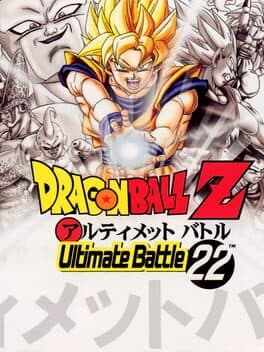
Dragon Ball Z: Ultimate Battle 22
Tose1995
Dragon Ball Z: Ultimate Battle 22 gives you 22 playable characters, each with an arsenal of unique moves, kicks, spins, slashes, and specialties, an additional five bonus characters can be unlocked with one command, including Master Roshi, Kid Goku, Super Saiyan 3 Goku, Vegeto, and Mr. Hercule Satan.
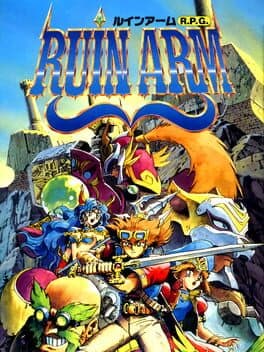
Ruin Arm
Tose1995
Ruin Arm is a 1995 Japan-exclusive Action role-playing video game for the Super Famicom.
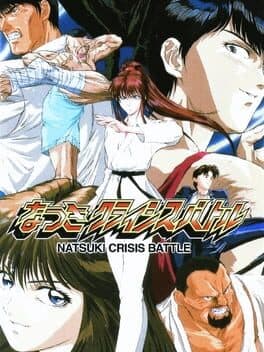
Natsuki Crisis Battle
Tose1995
isumi Natsuki is a member of the karate club at Goujyu High School. Strong and very skilled, only the captain of the group, Masaoki Yanagisawa, is a match for her. Her life starts to get really complicated when a student named Rina Takaoka is transferred to her school and becomes her classmate. Takaoka's former colleagues are set to punish her for having left Jotoh Academy, a school famous for it's martial arts.
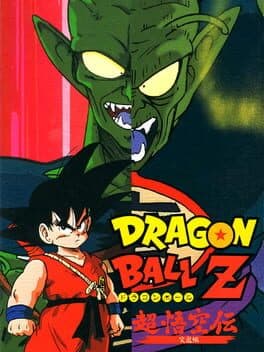
Dragon Ball Z: Super Goku-den - Totsugeki-hen
Tose1995
Meet a naive young monkey-tailed boy named Goku, whose quiet life changes when he meets Bulma, a girl who is on a quest to collect seven "Dragon Balls." If she gathers them all, an incredibly powerful dragon will appear and grant her one wish. But the precious orbs are scattered all over the world, and Bulma needs Goku's help (and his super-strength)! With a magic staff for a weapon and a flying cloud for a ride, Goku sets out on the adventure of a lifetime...
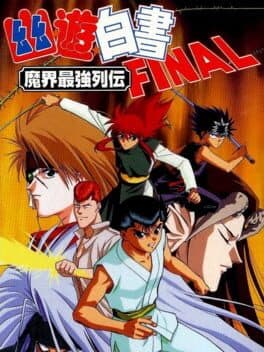
YuYu Hakusho Final: Makai Saikyou Retsuden
Tose1995
Yū Yū Hakusho Final: Makai Saikyō Retsuden is a 2D fighting game based on the Yu Yu Hakusho anime. The game features storyline & characters from season 3 & 4 of the anime. 13 Characters are available (Yusuke, Kurama, Kuwabara, Hiei, Sensui, Super Sensui, Shigure, Shura, Demon Yusuke, Demon Fox Kurama, Raizen, Yomi, Mukuro) and one extra hidden character Yakumo (The main antagonist in "Yu Yu Hakusho the Movie: Poltergeist Report") can be unlocked by entering a secret code. The player can choose among the various game modes (Story Mode, Demon world tournament, Elimination Match, Team Battle, 2 Player Battle) and a training mode in which player can train for unlimited or limited energy and can also select the location for the fight. Each character has 2 styles of punches and kicks (Light and Hard) and can perform special moves upon a specific input which can also be viewed before the starting of a fight.
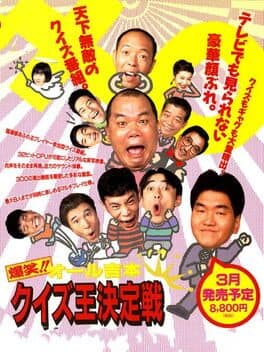
Bakushou!! All Yoshimoto Quiz-Ou Ketteisen
Tose1995
Taking on the theme of the popular Japanese TV quiz show of the popular "Yoshimoto Club", the player participates in a quiz game with multiple choice answers, the goal being to earn as many points as possible to win a prize.
Super Bombliss
Tose1995
Super Bombliss is a Puzzle game, developed by TOSE and published by Bullet Proof Software, which was released in Japan in 1995.
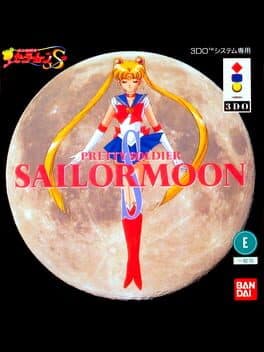
Pretty Soldier Sailor Moon S
Tose1995
With the world at peace, the nine senshi challenge each other for supremacy. The player chooses one of the five Inner Senshi, the four Outer Senshi or Chibiusa. The fighting takes place in various scenes in Tokyo, with the player required to beat the senshi opponent two times out of three. The camera zooms in and out, depending on how far the opponents are from each other. The player can use special control combinations to invoke the senshi's special powers. After beating the other eight senshi, the player must defeat Super Sailor Moon to claim the title of Super Senshi.
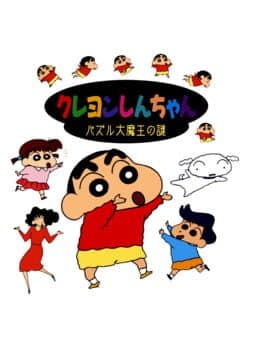
Crayon Shin-chan: Puzzle Daimaou no Nazo
Tose1995
It's a puzzle game similar to Puyo Puyo with the theming of Crayon Shin-Chan, and lots of little animations and a ton of voice acting.
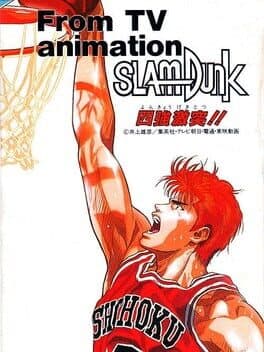
Slam Dunk: Yonkyou Gekitotsu!!
Tose1994
Basketball video game developed by TOSE and published by Bandai for the Super Famicom in 1994. First game of the "Slam Dunk" franchise.
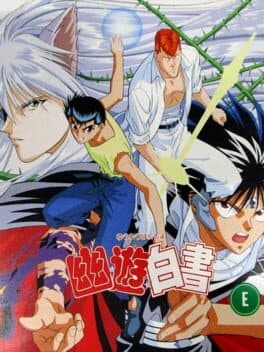
YuYu Hakusho
Hudson Soft1994
YuYu Hakusho is a fighting game based on the YuYu Hakusho anime. The player can choose from 15 characters, each of which has their own special and hyper moves. The animation for the characters was modeled by the animation studio Pierrot who also did the TV animation.
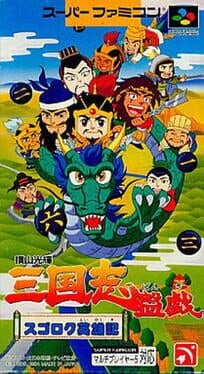
Yokoyama Mitsuteru Sangokushi Bangi: Sugoroku Eiyuuki
Tose1994
Yokoyama Mitsuteru Sangokushi Bangi: Sugoroku Eiyuuki is a sugoroku board game spin-off of the Yokoyama Mitsuteru Sangokushi strategy series. It plays similarly to the Dokapon series: the player, as one of the major warlords of the Romance of the Three Kingdoms (called Sangokushi in Japan), must move around a board taking territory and fighting in one-on-one battles with NPC bandits and soldiers. Other squares on the board lead to various events that change the player's status or help/hinder them in other ways. Yokoyama Mitsuteru Sangokushi Bangi is based on manga artist Mitsuteru Yokoyama's acclaimed historical manga that retells the Romance of the Three Kingdoms story. However, characters are drawn in a more comedic super deformed style to highlight that the game is a less serious offshoot.
Super Tetris 3
Tose1994
Super Tetris 3 is yet another version of the famous soviet puzzle game. However, despite what the title may suggest, contained within are actually four different versions of Tetris: Tetris Classic, Familiss, Sparkliss, and Magicaliss. Tetris Classic, of course, is the basic version of the game, which comes with an endless mode and a 25-line "standard" mode. Familiss, as the name might suggest, is a family mode for up to four players simultaneously. Sparkliss, meanwhile, is very similar to Bombliss from Super Tetris 2, only with a medieval fantasy theme and different explosion patterns. Sparkliss includes both a stage mode and a puzzle mode. The most unique mode is Magicaliss, which has never shown up on any other version of Tetris. In Magicaliss, pieces come in three basic colors, and by rotating the piece, the player can choose between them. Creating a line entirely out of one color will clear all blocks on the screen of that color. There are also grey pieces, which can only be cleared by creating a line made entirely from one color, which will cause all grey blocks on screen to become that color. There are also rare rainbow pieces which will act as any color. Besides these additions, the game itself is basic Tetris. Tetris Classic, Sparkliss, and Magicaliss can also be played in a two-player battle mode, besides the four-player Familiss mode.
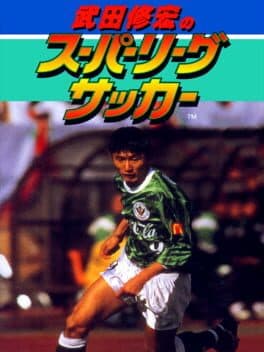
Takeda Nobuhiro no Super League Soccer
Tose1994
Takeda Nobuhiro no Super League Soccer ("Nobuhiro Takeda's Super League Soccer") is a soccer simulation video game licensed/endorsed by Takeda Nobuhiro, published by Jaleco Entertainment for the Super Famicom console, which was released exclusively in Japan in 1994. This game is a sequel to Takeda Nobuhiro no Super Cup Soccer. It features club teams based on the top division of Japan Professional Football League J. League Division 1 (though unlicensed) instead of national teams. While it kept largely the same structure of the original game, some new options were added.
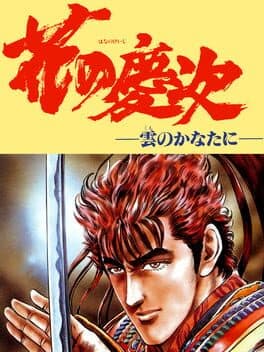
Hana no Keiji: Kumo no Kanata ni
Tose1994
Hana no Keiji: Kumo no Kanata ni is a weapon-based versus fighting game based on the manga of the same title (created by Tetsuo Hara). There are two playable modes, in one you can follow the manga story, while in other you can fight against the computer or player two. There are eight different characters and scenarios to choose from. When following the manga story, there are different paths depending on the choice that the player makes. The most significant thing about the versus battle is that the characters can lose their weapons as much as recover them. Also, a special trick can be executed when the player has enough energy.
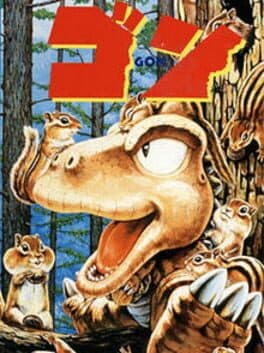
Gon
Tose1994
Gon is a Japan-exclusive side-scrolling action video game with platforming elements for the Super Famicom published by Bandai. The game is an adaptation of the manga series Gon by Masashi Tanaka, about the daily life of a super-deformed orange carnosaur named Gon.
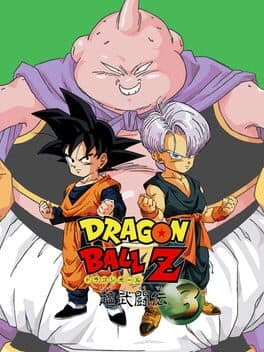
Dragon Ball Z: Super Butouden 3
Tose1994
The third and final installment of the original Super Butouden trilogy brings the series to the Majin Buu Saga of the Dragon Ball Z story.
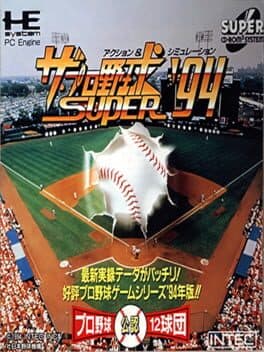
The Pro Yakyuu Super '94
Tose1994
The Pro Yakyū Super '94 is a follow-up to The Pro Yakyuu Super. With the exception of a new mode, different music, commentary, and slight interface changes, the gameplay is largely identical to that of the previous entry. Rosters of the licensed professional Japanese baseball teams have been updated to the current season. The new mode is called "Home Run Contest"; the player controls a batter against a computer-controlled pitcher, trying to score a home run.
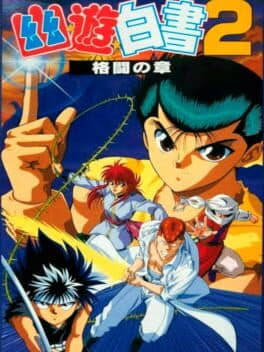
YuYu Hakusho 2: Kakutou no Sho
Tose1994
The second of four Namco Super Famicom adaptations of the YuYu Hakusho manga and anime, featuring the delinquent student Yusuke who becomes a spirit world investigator after he passes away. While its predecessor, YuYu Hakusho, featured a combat system that was turn-based and tactical, Kakutou no Sho is instead a standard example of the four-button fighter game model that became popular after the success of Capcom's Street Fighter II.
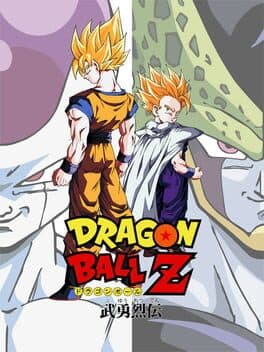
Dragon Ball Z: Buyuu Retsuden
Tose1994
Dragon Ball Z: Buyu Retsuden is a fighting video game based upon Akira Toriyama's Dragon Ball franchise. It is the only game in the series released for the Mega Drive, following the Frieza and Cell sagas. Its gameplay has been described as a combination of the original Super Butōden and Super Butōden 2, consisting of one-on-one fights using a three-button configuration, featuring special moves and two playable modes.
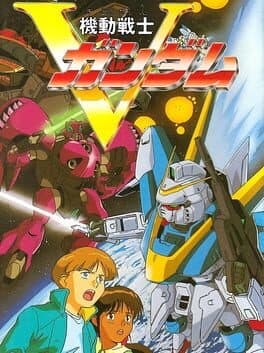
Kidou Senshi V-Gundam
Tose1994
Kidou Senshi V-Gundam is an Action game, developed by TOSE and published by Bandai, which was released in Japan in 1994.
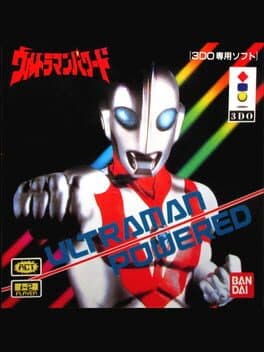
Ultraman Powered
Tose1994
The player is cast as Ultraman, a Japanese masked super hero who has to fight the weirdest creatures that arrived from somewhere to destroy everything. Some of them looks like giant dinosaurs and the others are too odd to describe. This title is a one-on-one fighting game. The player has the option to fight in versus mode or story mode. Also, a two-player mode is included, to battle against human opponents.
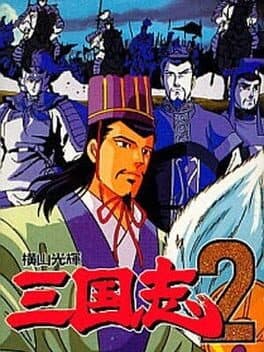
Yokoyama Mitsuteru Sangokushi II
Tose1993
Yokoyama Mitsuteru Sangokushi II ("Mitsuteru Yokoyama's Romance of the Three Kingdoms II") is a strategy game and the sequel to the original Yokoyama Mitsuteru Sangokushi. Both games were adapted from the eponymous manga artist's graphic novel adaptation of the ancient Chinese novel. Specifically, they were based on an anime adaptation of the manga, released close to the same time.
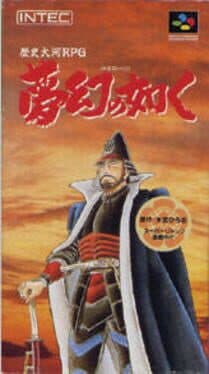
Yume Maboroshi no Gotoku
Tose1993
A Super Famicom RPG set in a version of feudal Japan. It was developed by TOSE and published by Intec. Yume Maboroshi no Gotoku ("A Dreamlike Illusion", roughly) is an RPG set in a version of Sengoku era Japan. It otherwise plays like a standard JRPG, with a turn-based system that uses large enemy sprites in the center of the screen a la Phantasy Star or Dragon Quest. The game was one of two games ever published by Intec for the Super Famicom. They usually worked with the Turbo CD/PCE-CD system. It was never localized into English or released outside of Japan.
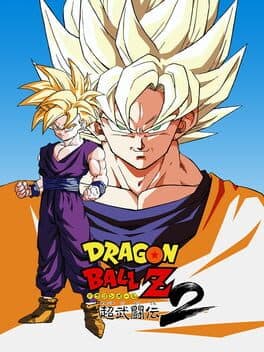
Dragon Ball Z: Super Butouden 2
Tose1993
The second installment of the Super Butoden series focuses on the battles during (and shortly after) the "Cell Saga" arc of the Dragon Ball series. It is one of the few games in the series to focus on stories from the series's animated films. Although having a French release, the first time the game was released in North America was when it was distributed as a bonus digital copy for the consumers who pre-ordered Dragon Ball Z: Extreme Butouden. This version was untranslated from Japanese and still with the Japanese title.
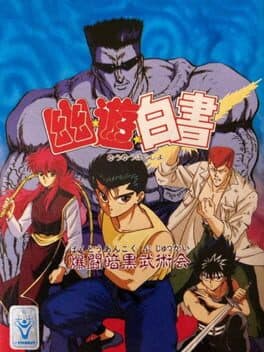
YuYu Hakusho: Bakutou Ankoku Bujutsu Kai
Tose1993
YuYu Hakusho: Bakutou Ankoku Bujutsu Kai is an Action game, developed by TOSE and published by Bandai, which was released in Japan in 1993.
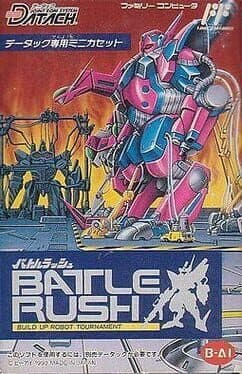
Battle Rush: Build Up Robot Tournament
Tose1993
The player has to build his own combat robot to use in a fighting tournament. These robots are built in factories that assign the robot a name in addition to installing its head, body, shoulder, and feet. The player has a pre-game lobby to get ready for the robot combat action. All matches have rounds of 60 seconds (unlike the 99-second round of most modern fighting video games). Both robots have a separate gauge for energy and damage. Standard punches and kicks can be thrown in addition to special moves (which look like ammunition).
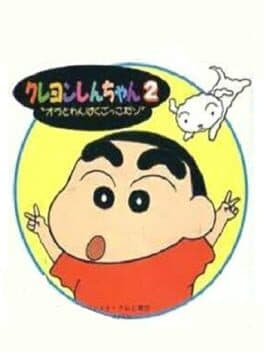
Crayon Shin-Chan: Ora to Wanpaku Gokko dazo
Tose1993
An action platformer for the Game Boy starring the popular anime character "Shin-chan". This is the second installment of the Game Boy Crayon Shin-Chan series.
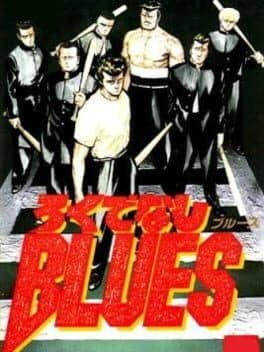
Rokudenashi Blues
Tose1993
An RPG brawler released for the Family Computer and Super Famicom based on the anime and manga of the same name. Both were developed by TOSE and published by Bandai. Rokudenashi Blues ("Good-for-Nothing Blues") is a RPG brawler based on the manga of the same name, which also saw two anime movie adaptations close to its release. The player character, Taison Maeda, is a delinquent student who is training to be a professional boxer. He has a reputation as a powerful fighter among delinquent gangs as a result, though despite being violent he has a code of honor. The Famicom and Super Famicom versions of the game are subtly different due to console differences, but both share their genre, developer and publisher. The Famicom game was released in October 1993, with the Super Famicom version following in April 1994. Characters from this game have appeared in Jump crossover games, specifically Famicom Jump II and Jump Ultimate Stars.
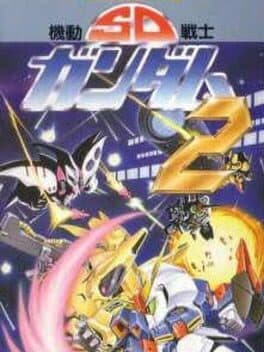
SD Kidou Senshi Gundam 2
Tose1993
SD Kidou Senshi Gundam 2 is a shoot 'em up game featuring characters from the Gundam universe in a super deformed format. It is the sequel to the Super Famicom game SD Kidou Senshi Gundam: V Sakusen Shidou. The player can select between three SD Gundam characters to play as, including the previous game's Knight Gundam. The game also has both co-operative and competitive two-player modes.
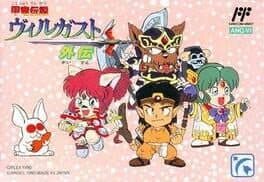
Kouryu Densetsu Villgust Gaiden
Tose1993
Kouryu Densetsu Villgust Gaiden is a Role-Playing game, developed by TOSE and published by Angel (Bandai), which was released in Japan in 1993.
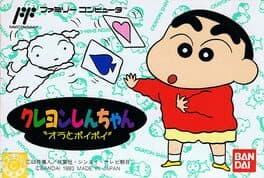
Crayon Shin-Chan: Ora to Poi Poi
Tose1993
The game is a simple card game with a Tetris element. The layout is similar to a Tennis court with both players on either sides defending their goal, while stacks of cards are positioned in the center. Players must move Shin up and down sliding cards, in two's, to the center pile matching up symbols and push each stack back to the opponent's side in an attempt to over take their goal.
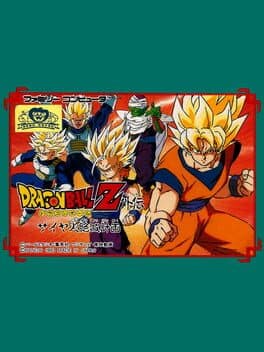
Dragon Ball Z Gaiden: Saiya-jin Zetsumetsu Keikaku
Tose1993
You control five various Dragon Ball characters in this game: Son Goku, Son Gohan, Piccolo, Vegeta, and Future Trunks. The game is based on training your characters, and fighting with them. The outcomes of the fights are determined by the player choosing different cards he has at his disposal, and combining them to create various attacks.
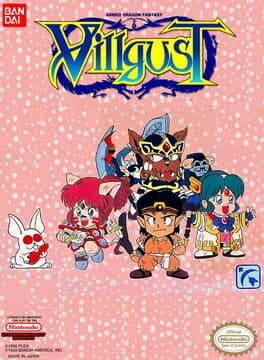
Armed Dragon Fantasy Villgust
Tose1993
Armed Dragon Fantasy Villgust is a Role-Playing game, developed by TOSE and published by Angel (Bandai), which was released in Japan in 1993. This game is based off the anime of the same name that was released many years ago.
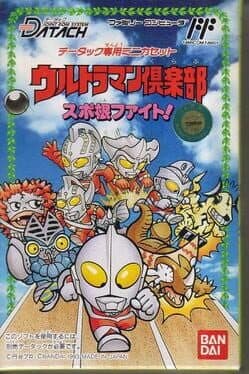
Ultraman Club: Supokon Fight!
Tose1993
Ultraman Club: Supokon Fight! is a Sports game, developed by TOSE and published by Bandai, which was released in Japan in 1993.
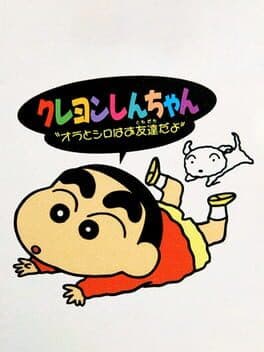
Crayon Shin-Chan Ora to Shiro ha Otomodachi Da yo
Tose1993
Crayon Shin-Chan: Ora to Shiro ha Otomodachi Dayo is a platforming game based off the Crayon Shin-Chan manga, mostly popular in Japan although translated and published in a couple of other countries. The game is heavily oriented towards platforming, with only a couple of blow bubbles-based weapons littered throughout the game's short four levels. Shin-chan can hop onto the heads of the enemy humans that are interspersed around each stage, as well as use the bubbles to knock them out. He can also hop onto hooks and branches, and scale telephone poles and trees. There are also three mini-games in Crayon Shin-Chan along with a fourth kind-of mini-game. Although all four mini-games are encountered in the course of your playthrough, you can also access them from the title screen using the second option presented to you. Also of note is a timer in each of the level. For some weird reason, if you try to collect everything in a level, there simply is not enough time, at least in Level 2. Fortunately, you are given checkpoints throughout each of the levels. Timing out will simply throw you back to one of the checkpoints.
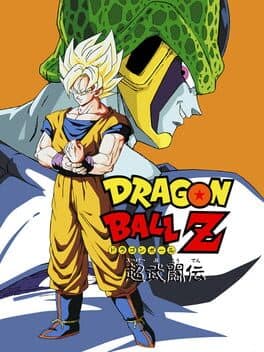
Dragon Ball Z: Super Butouden
Tose1993
The first fighting game bearing the Dragon Ball license, Super Butouden covers some of the series's key battles (from Goku's battle with Piccolo to the Cell Games).
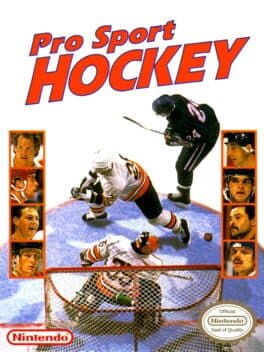
Pro Sport Hockey
Tose1993
Pro Sport Hockey is an Ice Hockey game, developed by TOSE and published by Jaleco Entertainment, which was released in 1993.
Namcot Open
Tose1993
Namco Open is a Sports game, developed by TOSE and published by Namco, which was released in Japan in 1993.
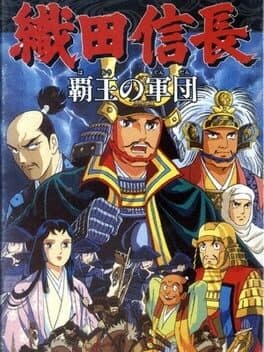
Oda Nobunaga: Haou no Gundan
Tose1993
Oda Nobunaga: Haou no Gundan is a Strategy game, developed by TOSE and published by Angel (Bandai), which was released in Japan in 1993.
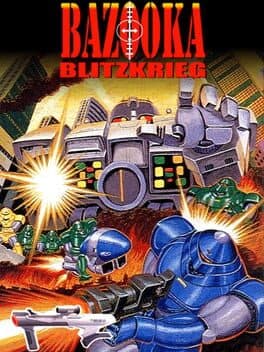
Bazooka Blitzkrieg
Tose1992
Bazooka Blitzkrieg game made for the SNES Super Scope. It featured a bleak modern setting filled with cyborgs and various bosses including a large flying warship a tank, and various others. The primary button fired regular machine gun rounds, and the thumb button fired rockets. Released in 1992 by Bandai.
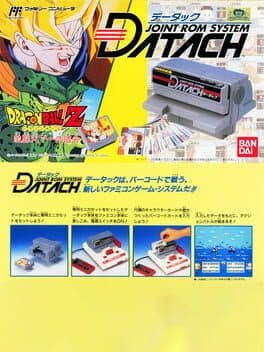
Dragon Ball Z: Gekitou Tenkaichi Budoukai
Tose1992
Dragon Ball Z: Gekitou Tenkaichi Budoukai is the first fighting video game based on Dragon Ball Z. The game was unique in that it came with a special card reader attachment, the Datach Joint Rom System, which requires several special cards to be swiped in order to add characters and items in the game.
SD Gundam Gaiden 2: Entaku no Kishi
Tose1992
Role-Playing video game published by Yutaka for the Super Famicom, in 1992.
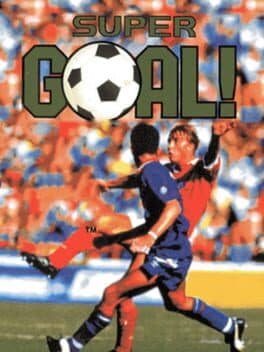
Super Goal!
Tose1992
A soccer game from TOSE, which is known as Goal! in the US and Super Cup Soccer in Japan. It's part of the Goal! series of soccer games which originally came out for the NES. Goal! Two is the NES version of this game.
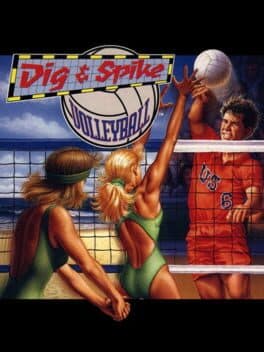
Dig & Spike Volleyball
Tose1992
Two Volleyball Games In One! Run to the net for a last-second block - drive in the sand for an unbelievable save - launch a power-serve that aces right past your opponents - and smash the ball into the hardwood floord with a killer spike! All this and more is yours in Dig & Spike Volleyball! Take to the courts with a 6-man team and compete against teams from around the world - each one willing to sacrifice all for the hold! Or, pick the hottest babes in 2-man teams and play for the ultimate glory on the Beach Volleyball Circuit! Either game offers the thrillers and challenges of Pro-Volleyball! Master the multiple serving techniques to keep your opponent guessing. Play close to the net to block a spike right back at the other team! Choose the exact moment to sail the return into the far corner of the other side. Strategy, timing and and a little luck will take you all the way to the top in Dig & Spike Volleyball!
SD Gundam Gaiden: Knight Gundam Monogatari 3 - Densetsu no Kishi-dan
Tose1992
SD Gundam Gaiden: Knight Gundam Monogatari 3 - Densetsu no Kishi-dan is a Role-Playing game, developed by TOSE and published by Bandai, which was released in Japan in 1992.
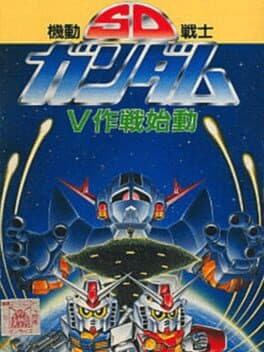
SD Kidou Senshi Gundam: V Sakusen Shidou
Tose1992
SD Kidou Senshi Gundam: V Sakusen Shidou is a 2D side-scrolling shooter/brawler featuring characters from the Gundam universe. Specifically, it draws from the SD (Super Deformed) Gundam continuity in which all the Gundam mech suits are sentient robotic creatures. The player must pass through various waves of enemies, either on the ground or in flight, in order to proceed to the end of the stage, where occasionally a boss must be fought.
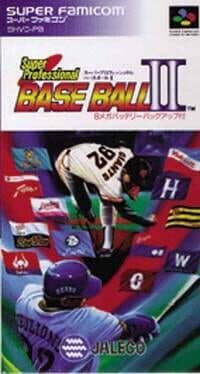
Super Professional Baseball II
Tose1992
Super Professional Baseball II is a Sports game, developed by TOSE and published by Jaleco Entertainment, which was released in Japan in 1992.
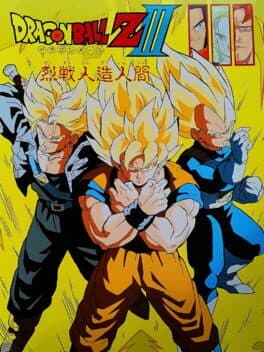
Dragon Ball Z III: Ressen Jinzou Ningen
Tose1992
Dragon Ball Z III: Ressen Jinzou Ningen is the sequel of Dragon Ball Z II: Gekishin Freeza. The game starts off in the Frieza Saga as Super Saiyan Goku fighting Frieza, and it ends in the Imperfect Cell Saga in the battle of Piccolo against Imperfect Cell. The game also features characters from the movie Dragon Ball Z: Cooler's Revenge. It is the first game in the Gokuden series where power levels are not stated.

Super Play Action Football
Tose1992
The 16-bit sequel to NES Play Action Football. Graphics are from the same three-quarters perspective as the original. There are now three levels of play to choose from: high school, college, or professional. All 28 real NFL teams are included, but Nintendo did not secure the NFLPA or NCAA licenses, so there are no real player names or real universities. College play features weekly poll rankings, conference schedules, and bowl games. NFL play includes both the regular season and playoffs.
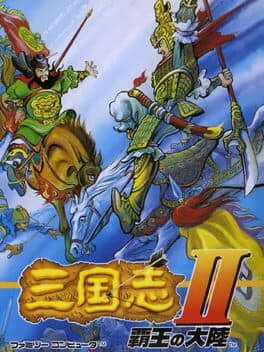
Sangokushi II: Haou no Tairiku
Tose1992
Sangokushi II: Haou no Tairiku is a Strategy game, developed by TOSE and published by Namco, which was released in Japan in 1992.
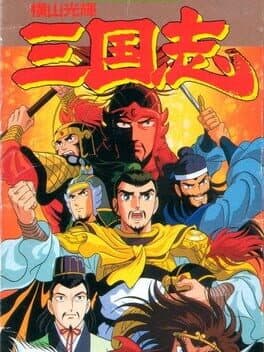
Yokoyama Mitsuteru: Sangokushi
Tose1992
Yokoyama Mitsuteru Sangokushi is a strategy game based on the anime and manga of the same name by manga artist Yokoyama Mitsuteru. The name simply means "Yokoyama Mitsuteru's version of Sangokushi", Sangokushi being the Japanese name for the Chinese literary classic Romance of the Three Kingdoms. The manga and anime retell the story of the book, with the game focused on this retelling. During the game's development the anime adaptation was in full swing, so the game was intended to be a companion piece. This was a standard practice of Bandai at the time (Angel was a game publisher subsidiary of the toy giant), as was hiring freelance developers like TOSE to develop for them. The game is a standard turn-based strategy war sim in the vein of Koei's much more prolific Romance of the Three Kingdoms series. The player and the AI-controlled rival kingdoms select actions that include diplomacy, combat and domestic matters such as farming and trade, with the ultimate goal being to wrest control over the rest of China from the other two kingdoms. The game was followed up with two sequels: a standard sequel in Yokoyama Mitsuteru Sangokushi II and the board game spin-off Yokoyama Mitsuteru Sangokushi Bangi.
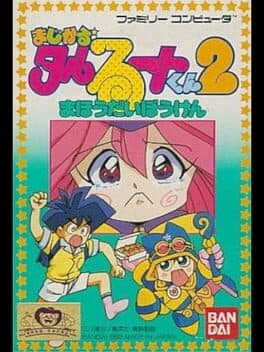
Magical Taluluto-kun 2: Magical Adventure
Tose1992
To save the kidnapped Iyona-chan, Talututo-kun teams up with Mimora and Honmaru and go on a magical adventure. Each character has their own special abilities, so they must work together to overcome the challenges they face.
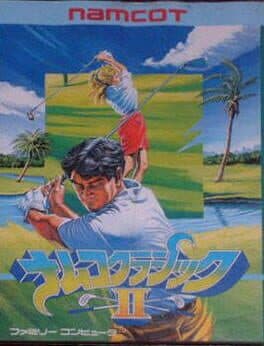
Namco Classic II
Tose1992
Namcot Classic II is a Sports game, developed by TOSE and published by Namcot, which was released in Japan in 1992.
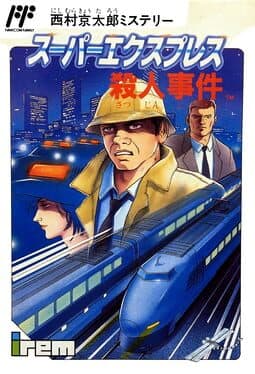
Nishimura Kyoutarou Mystery: Super Express Satsujin Jiken
Tose1992
Nishimura Kyoutarou Mystery: Super Express Satsujin Jiken is an Adventure game, developed by TOSE and published by Irem, which was released in Japan in 1990. Sequel to the previous Nishimura Kyoutarou Mystery game, Blue Train Satsujin Jiken.
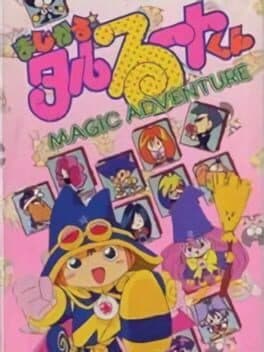
Magical Taluluto-kun: Magic Adventure
Tose1992
Taluluto must cross levels in five worlds to reach and defeat Raivar to save Honmaru's girlfriend Iyona. Use the many powerups and the assistance from Magical Taluluto's friends to overcome all obstacles.
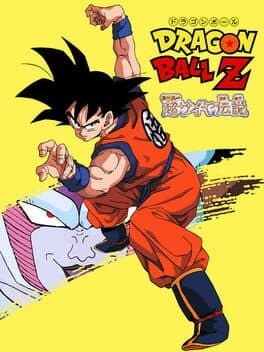
Dragon Ball Z: Super Saiya Densetsu
Tose1992
Dragon Ball Z: Super Saiya Densetsu is a role playing video game and the first Dragon Ball game for the Super Famicom. It was released only in Japan on January 25, 1992. Super Saiya Densetsu is a remake combining two earlier Famicom games of the Gokuden series: Dragon Ball Z: Kyōshū! Saiyan and Dragon Ball Z II: Gekishin Freeza, but without the movie characters and anime filler elements that were featured in them.
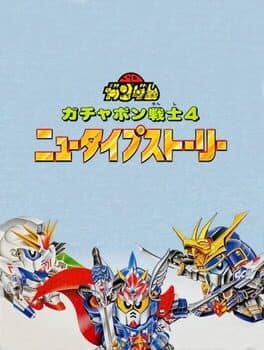
SD Gundam World: Gachapon Senshi 4 - New Type Story
Tose1992
SD Gundam: Gachapon Senshi 4: New Type Story is a Strategy game, developed by TOSE and published by Yutaka, which was released in Japan in 1991.
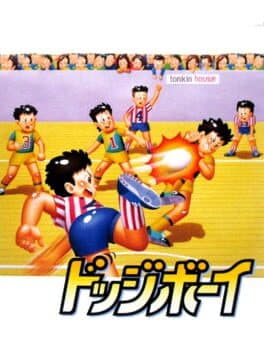
Dodge Boy
Tose1992
Dodge Boy features six selectable teams. Each of the six teams are represented by a different country. -Japan -Germany -U.S.A -U.S.S.R -Australia -China
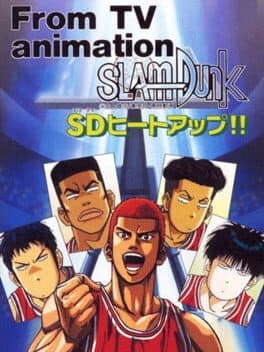
Slam Dunk: SD Heat Up!!
Tose1991
An anime license basketball sim, developed by TOSE and published by Bandai, which was released in Japan in 1995.
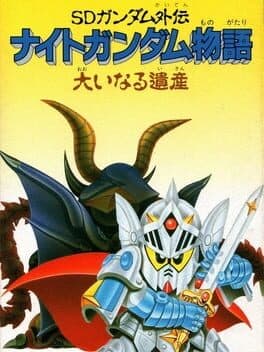
SD Gundam Gaiden: Knight Gundam Monogatari - Ooinaru Isan
Tose1991
Role-Playing video game released by Angel in 1991 for the Super Famicom. It is based in the SD Gundam universe, a spin-off of the popular mecha anime franchise.
Taiheiki
Tose1991
Taiheiki is a turn-based strategy game, based on the television drama of the same name, which in turn is based on a famous 14th-century historical epic which chronicles the fall of the Hōjō clan during the Kamakura period of Japanese history. The game is a grid-based strategy game in the tradition of Fire Emblem or Langrisser. Each side has multiple units, which can move depending upon the terrain. Conflicts between units are shown as animated sequences, and the player can determine formations, as well as issue and change orders to different troops at any time. Battles between enemy commanders take the form of a side-scrolling 1-on-1 action sword battle. There are two scenarios available. The first casts the player as Takauji Ashikaga as he attempts to oust Godaigo and establish a new government, while the second follows Masashige Kusunoki and Yoshisada Nitta, who must try to protect Emperor Godaigo and his imperial rule. The two scenarios intertwine at various points, and graphical story sequences between each battle drive the story.
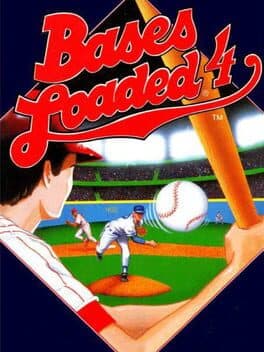
Bases Loaded 4
Tose1991
Bases Loaded 4 is the fourth installment in the Bases Loaded series, published by Jaleco exclusively for the Nintendo Entertainment System. The game continued the popular series with fairly similar gameplay, and a more concrete ending with a credits screen revleaing the five faces of the game designers.
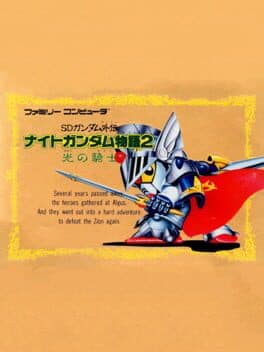
SD Gundam Gaiden: Knight Gundam Monogatari 2 - Hikari no Knight
Tose1991
SD Gundam Gaiden: Knight Gundam Monogatari 2 - Hikari no Knight is a Role-Playing game, developed by TOSE and published by Bandai, which was released in Japan in 1991.

Super Bases Loaded
Tose1991
Another baseball game in the Bases Loaded series. The game features a 1 and 2 player game plus a watch mode that allows the player to watch two computer players play each other. During the 1 player game the player selects 1 of 13 fictional teams and plays the other 12 teams in a row. The overall goal, instead of just merely winning baseball games, is to play the perfect game and get a perfect rating. During a game, players start with an overall rating of a 100, and then after the game is finished game points are added or subtracted in 13 different rated categories such as number of errors made, the number of walks, pitched, number of times struck out, etc... The players final game points determines the difficulty level of their next opponent. The game has up to 5 difficulty rankings. Scoring a perfect 100 game points on a level 5 rated team will complete the game.
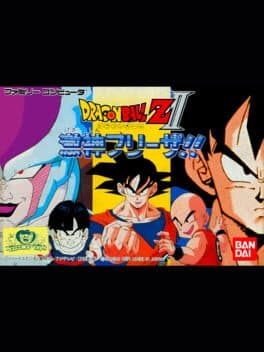
Dragon Ball Z II: Gekishin Frieza!!
Tose1991
Dragon Ball Z II: Gekishin Frieza!! is a role playing video game released only in Japan by Bandai on August 10, 1991, for the Nintendo Famicom. Gekishin Freeza!! is also one of the games downloadable in the game compilation J Legend Retsuden for Nintendo 3DS.
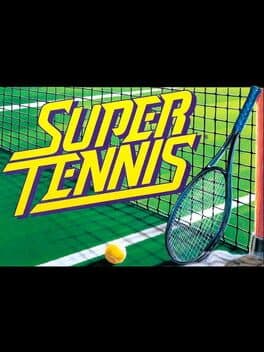
Super Tennis
Tose1991
Super Tennis is a 1991 tennis video game for the Super NES. It released at early points in the Super Nintendo's shelf lives and utilized mode 7.
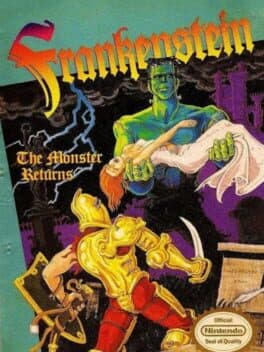
Frankenstein: The Monster Returns
Tose1991
For years the monster lay in the grave, and the villagers went peacefully about their business trying to forget the horrible nightmare days when HE had spread terror throughout the countryside. For years the sun seemed to shine brighter and the crops grew taller than anyone could ever remember. Surely, their troubles were far behind them, and life was one blissful long walk through paradise. But, their wonderful world would be shattered in one mighty flash from the heavens. For lightning had struck the old tombstone that lay battered and overgrown with weeds in a dark corner of the ancient cemetary. And just as fiendish life had once been given to the dead, it would be given again. First a twitch of a finger, a flutter of a heartbeat, then a powerful surge of energy to the twisted criminal brain that so long ago had terrorized the land in the powerful body of the hideous monster. The horror was about to begin again... Frankenstein had risen from the dead!
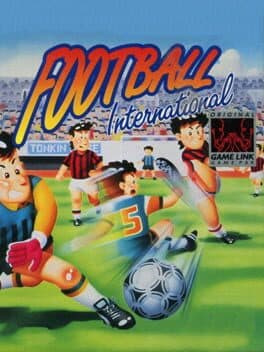
Football International
TOSE Co., Ltd.1991
Football International is a top-down soccer game with eight national teams to choose from. The player can either participate in an exhibition match or in a knockout championship. Other options which can be set is the time a half-time lasts and if the own team uses a more defensive or offensive lineup. The game itself consists of the usual dribbling, passing and shooting. Normally the camera closely follows the ball carrier, but when a wide shot is performed it zooms out and shows the whole playfield.
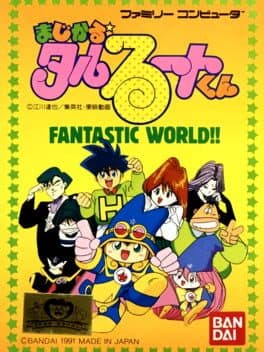
Magical Taluluto-kun: Fantastic World!!
Tose1991
Fifth grader Edojou Honmaru is one of the most trodden-upon losers in his class, until he meets Magical Taluluto-kun. Taluluto's powers help him deal with all his hardships, such as girls, bullies, and numerous other challenges.
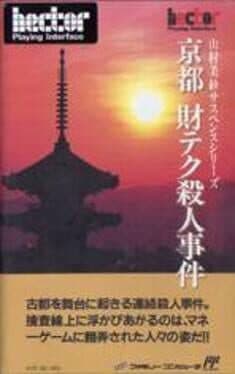
Yamamura Misa Suspense: Kyoto Zaiteku Satsujin Jiken
Tose1990
The third and final Yamamura Misa Suspense game, published for the NES in 1990. Yamamura Misa Suspense: Kyouto Zaiteku Satsujin Jiken is the third and final Japanese murder-mystery game in the Yamamura Misa Suspense series of video games developed for the Nintendo Entertainment System by TOSE and published by HectorSoft in 1990. The player takes the role of a detective as they attempt to solve a murder case by travelling across a city, interrogating suspects and witnesses. Gameplay mostly comprises of selecting actions through menus or selecting items shown on screen to interact with similar to many point-and-click adventure games.
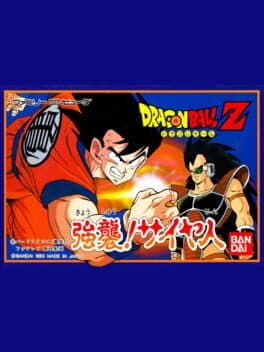
Dragon Ball Z: Kyoushuu! Saiya-jin
Tose1990
Dragon Ball Z: Kyoushuu! Saiya-jin is a role playing video game and the first Dragon Ball Z console game. It was released only in Japan by Bandai on October 27, 1990, for the Nintendo Famicom. There was a limited edition gold cartridge of the game released. Kyoushuu! Saiyan is also one of the games included in the game compilation J Legend Retsuden for Nintendo 3DS.
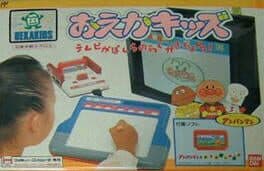
Oeka Kids: Anpanman to Oekaki Shiyou!!
Tose1990
Tablet-based drawing game. Oeka Kids: Anpanman to Oekaki Shiyou!! is a Miscellaneous game, developed by TOSE and published by Bandai, which was released in Japan in 1990.
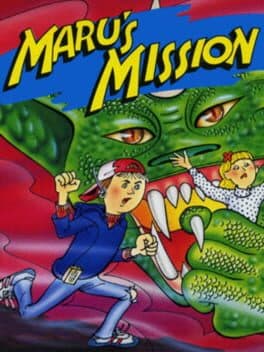
Maru's Mission
Tose1990
The Master Traveler takes on the Monsters of the World. Play as the ninja Maru in this action-packed side-scrolling game that will take you on a journey across the world. While Maru is out for a walk with his girlfriend Cori, an evil samurai named Muramasa suddenly appears and kidnaps her. In Maru's efforts to track her down and rescue her, he must face a number of mythological monsters while gaining new and powerful weapons in order to defeat them. Using the hints that are left behind by his enemies, Maru will follow a trail that will lead him across six different locations - including the bug-infested forests of America and the scorching deserts of Egypt. Help our hero on his mission as he fights to rescue Cori.
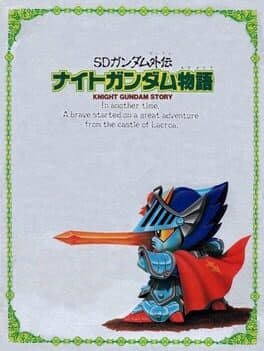
SD Gundam Gaiden: Knight Gundam Monogatari
Tose1990
SD Gundam Gaiden: Knight Gundam Monogatari is a Role-Playing game, developed by TOSE and published by Angel (Bandai), which was released in Japan in 1991.
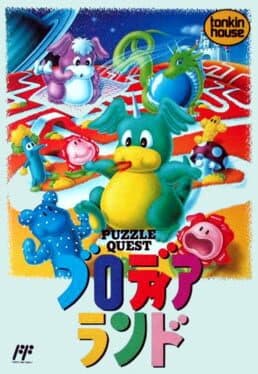
Blodia Land
Tose1990
Blodia Land is a Puzzle game, developed by TOSE and published by Tonkin House, which was released in Japan in 1990.

Bases Loaded 3
Tose1990
Bases Loaded 3 is the third entry in the Bases Loaded series published by Jaleco for the Nintendo Entertainment System. It was released in 1990 in Japan, and 1991 in North America and was exclusively on the NES. The game departed from the two previous installments by removing seasonal play, focusing instead simply on individual exhibition games. It was noteworthy due to the endorsement of Ryne Sandberg, the famed baseball player.
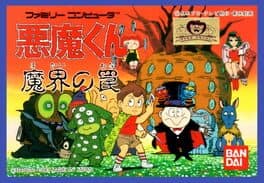
Akuma-kun: Makai no Wana
Tose1990
Akuma-kun: Makai no Wana is a Role-Playing game, developed by TOSE and published by Bandai, which was released in Japan in 1990.
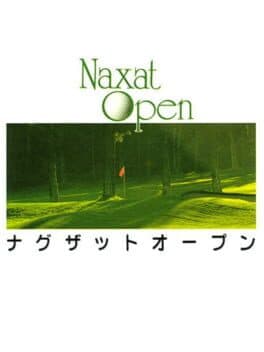
Naxat Open
Tose1989
Naxat Open is a golf simulator from Naxat Soft. Naxat Soft hired contract developers TOSE to develop the game. Released the same week as Power Golf, Naxat Open aimed for the more serious simulation crowd whereas Power Golf appealed more to those looking for a more casual golfing video game experience. Besides a harsher level of challenge - the acceptable window of error is greatly diminished - Naxat Open plays much like other golf sims for console games: the gameplay chiefly focuses on hitting a power gauge just right to maximize the effect of each swing.
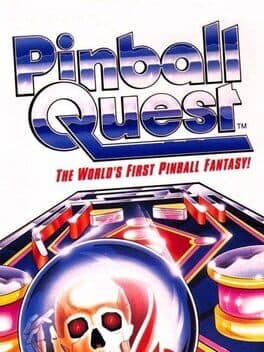
Pinball Quest
Tose1989
Don't let the name fool you - Pinball Quest is much more than video pinball. In fact, it's the first-ever multi-screen fantasy in a pinball format! Every move you make tells a story; every shot takes you another step closer in your quest to rescue the captive princess of the castle. Along the way you'll meet ghosts, goblins, witches and demons, in an endless labyrinth of treacherous passages and deadly doorways. It takes a fearless heart and a fast mind to conquer Pinball Quest. It also takes the skills of a true pinball wizard... which you can hone on the three other video pinball games included on this cartridge! So before you pour any more money into your NES library, get the one title that's a library all by itself! No matter how hard you try, you can't get enough of Pinball Quest!
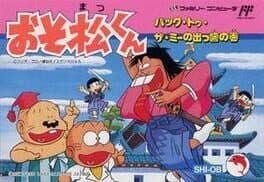
Osomatsu-kun: Back to the Me no Deppa no Maki
Tose1989
The second game based on the Osomatsu-kun anime and manga, released in 1989 for Famicom. Osomatsu-kun: Back to the Me no Deppa no Maki is an Adventure game, developed by TOSE and published by Bandai Shinsei, which was released in Japan in 1989.
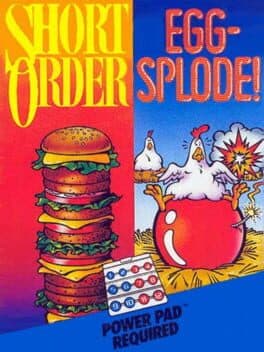
Short Order / Egg-splode!
Tose1989
This cartridge used the power pad and contained two games: "Short Order", is a Simon-like game in which you are given an order and need to make the burger exactly as the order says. "Eggsplode" is a game in which you must destroy bombs that a fox is placing underneath chicken nests before they explode without destroying the chickens or their eggs.
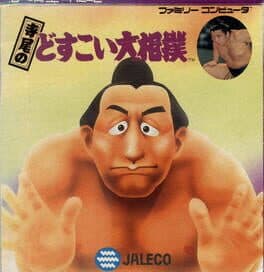
Terao no Dosukoi Oozumou
Tose1989
Terao no Dosukoi Oozumou is a Sports game, developed by TOSE and published by Jaleco Entertainment, which was released in Japan in 1989.
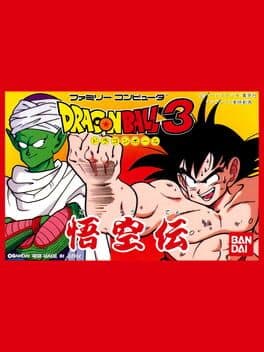
Dragon Ball 3: Goku-den
Tose1989
Dragon Ball 3: Goku-den is a role playing video game released only in Japan by Bandai. It is the third Dragon Ball video game for Famicom (its predecessors being Dragon Ball: Shenron no Nazo and Dragon Ball: Daimaou Fukkatsu). Its sequel is Dragon Ball Z: Kyoushuu! Saiyan. You control Son Goku and his friends Krillin and Yamcha in this game. The gameplay is mostly based on training your characters and then taking them to fight enemies, advancing the plot. All the activities in the game (including walking around on the world map) are performed through choosing one of the available cards. Depending on the value of the card, you can move a certain amount of squares on the map, have an advantage in a battle, etc.
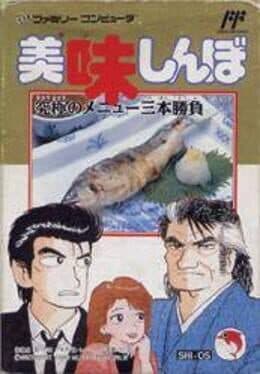
Oishinbo: Kyuukyoku no Menu 3-bon Shoubu
Tose1989
Oishinbo: Kyuukyoku no Menu 3-bon Shoubu is an Adventure game, developed by TOSE and published by Bandai Shinsei, which was released in Japan in 1989.
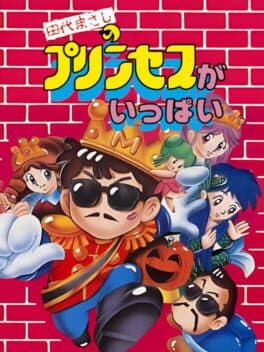
Tashiro Masashi no Princess ga Ippai
Tose1989
The story is about the hero Masashi Tashiro who has to rescue the four princesses in distress. One happy ending and four unhappy endings were used in the game; becoming one of the first video games to have multiple endings. The game was not very successful, but it started appearing frequently and getting high prices on online auction sites like Yahoo! after 2000, when Masashi Tashiro was arrested and convicted several times in connection with voyeurism and drug abuse.
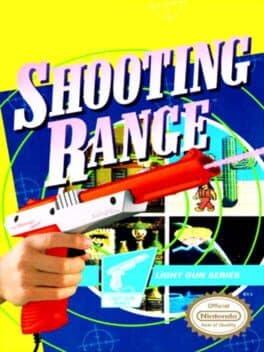
Shooting Range
Tose1989
The aim is to shoot the discs on the screen so that you can acquire enough points to pass the clearing point score of that particular stage without your time or energy running out. You can choose between different difficulty levels. They affect the time you have to complete the stages. For difficulty level 1 you get 300 game time, difficulty level 2 gives you 250 and the 3rd difficulty level only 200. Items you can shoot during the game include an hourglass which extends time by 50, an E which gives you 100 points + 1 Energy bar, an E in a white square which gives you 100 points + 2 Energy bars, a Reverse E which gives you 1 Energy bar and C or W symbol which both give only 100 points each. Each disc you shoot above an enemy is worth between 100-500 points. The game contains three stages that involve a western, ghost house, and a space theme. There is also a bonus stage where you try to shoot as many bottles as possible. In the party game mode, you compete to have the highest score.
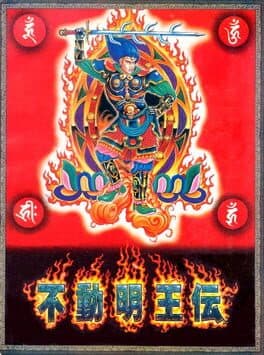
Fudou Myouou Den
Quest1989
In a land of impossible evils... all paths lead to the Dark Lord! A beautiful princess cries out in terror, and a world despairs in darkness. Only you, the hero warrior Victar, can traverse chasms of fire and mountains of doom to battle the fiendish gatekeeper and confront the Dark Lord. In your cunning and skillful hands, the Demon Sword grows with a magical power more lethal than all the wretched weapons of the Dark Lord's legions. Gather your courage, grasp your blade and release the power that is yours to control!
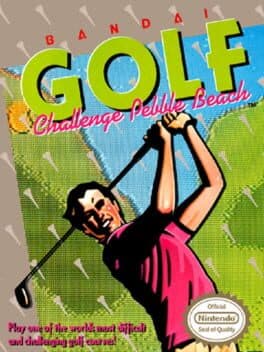
Bandai Golf: Challenge Pebble Beach
Tose1989
Bandai Golf Challenge Pebble Beach was developed and released by Bandai for the Nintendo Entertainment System in 1989. It is named after the famous California golf course, Pebble Beach-which has since played a prominent roll in a number of golf games, including the Tiger Woods line.

Akira
Tose1988
Akira is a 1988 adventure video game by TOSE for the Family Computer console exclusively in Japan. It is based on Akira, the 1988 animated film version of Katsuhiro Otomo's manga of the same name.
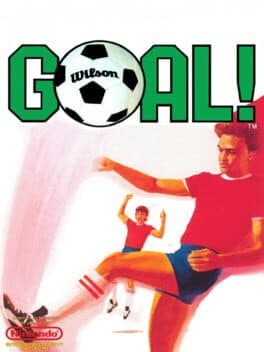
Goal!
Tose1988
Goal! is a soccer game from an angled overhead point of view, with the screen scrolling to follow the action. You play with a full team of 11 players, each one rated in 7 different skill categories. You can match them against a team controlled by the computer or another player. You can even team up with a friend and match your combined skills against the best computer team. Several game modes are available, including tournament mode, world cup mode, and a goal shooting competition.
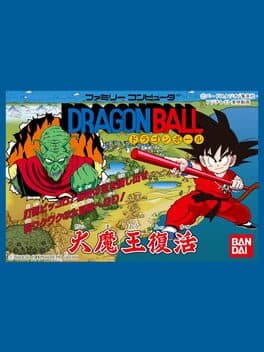
Dragon Ball: Daimaou Fukkatsu
Tose1988
Dragon Ball: Daimaou Fukkatsu is a role playing video game released only in Japan by Bandai on August 12, 1988. It is the second Dragon Ball video game released for the Nintendo Famicom. Daimaō Fukkatsu is the first role playing game based on the Dragon Ball series. Its gameplay was reused in the Goku-den video game series. Daimaou Fukkatsu is also one of the games included in the game compilation J Legend Retsuden for Nintendo 3DS.
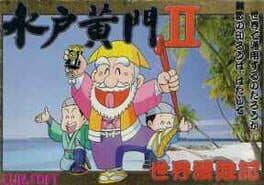
Mito Koumon II: Sekai Manyuu Ki
Tose1988
A NES action game developed by SunSoft and the sequel to Mito Koumon. It was never released outside of Japan. Mito Koumon II: Sekai Manyuuki is the sequel to Mito Koumon and is very similar in appearance and gameplay. As in that game, the player controls one of Mitsukini Tokugawa's retainers as they gather clues and evidence of crimes in the area while either avoiding or fighting off hostile NPCs. Unlike the first game, which was set entirely within Japan, Tokugawa is crossing the world solving issues instead. The first stage is America (specifically the Wild West, as would be chronologically accurate for the 17th century) though there are plenty of other locations to visit across the world as well, including even Transylvania.

Bases Loaded II: Second Season
Tose1988
Bases Loaded II: Second Season was released by Jaleco in 1988 as the second in the Bases Loaded series. It was only ever released for the Nintendo Entertainment System, and continued where Bases Loaded had finished as a successful baseball game on the NES console.
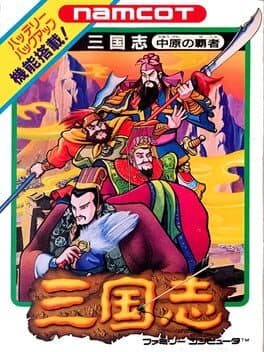
Sangokushi: Chuugen no Hasha
Tose1988
A war strategy game that focuses on the Ancient Chinese Three Kingdoms conflict. It was developed by TOSE and published by Namco for the NES.
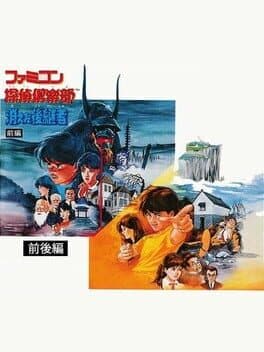
Famicom Tantei Club: Kieta Koukeisha
Nintendo1988
Famicom Tantei Club: Kieta Koukeisha is a text adventure game. The protagonist is found on the ground near a cliff by a man named Amachi. The protagonist can't remember anything, and finds that he has amnesia. After some rest, he returns to the cliff and meets a young girl, who informs him that he is an assistant detective investigating the death of someone named Kiku Ayashiro. He heads over to the Ayashiro estate, learning that in the village there is a saying that the dead will com back to anyone who attempts to steal the Ayashiro family's fortune. As he keeps investigating, he learns that there may be a connection between this legend and the serial killings in the village. The game has a horror movie-like atmosphere. Actions are controlled by selecting text commands like interrogate, examine, or move. The Famicom Disk System version comes on two disks released on different dates. All later releases have both parts in one release.
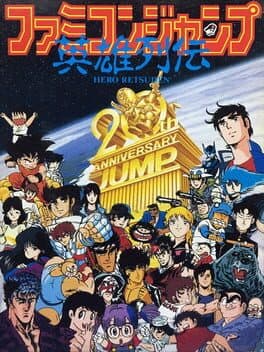
Famicom Jump: Hero Retsuden
Tose1988
Famicom Jump: Hero Retsuden is a 1989 role-playing video game for the Family Computer published by Bandai. The game commemorates the 20th anniversary of Shueisha's manga anthology Weekly Shōnen Jump. Set in a world that brings together many of the long-running titles that had appeared in the magazine, both of the past and present at the time of its release. The game consists of a main character wandering and encountering the many Jump heroes as they try to save the world from an alliance of many of the most powerful and evil of the Jump villains.
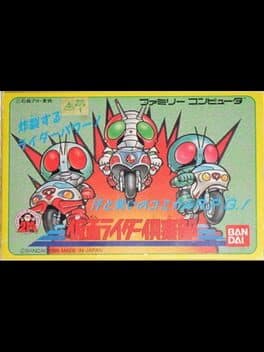
Kamen Rider Club: Gekitotsu Shocker Land
Tose1988
Kamen Rider Club: Gekitotsu Shocker Land is an action adventure game developed for the Famicom and published by Bandai in Japan on February 3, 1988. It is based on Bandai's Kamen Rider franchise, a weekly science fiction story created by Japanese manga artist Shotaro Ishinomori which was published in Shōnen Magazine, as well as being aired on television.
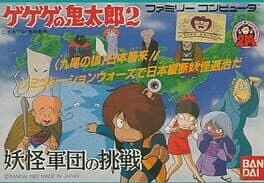
GeGeGe no Kitaro 2: Yokai Gundan no Chousen
Tose1987
GeGeGe no Kitaro 2: Youkai Gundan no Chousen is a RPG game based on a manga and anime from Japan about a boy who is a youkai, a class of spirit-monster to which all of the main characters belong. The main character, Kitarou, is the last living member of a Ghost tribe. He is missing his left eye, but his hair usually covers the empty socket. He fights for peace between humans and yōkai, which generally involves protecting the former from the wiles of the latter. While the game follows the release of GeGeGe no Kitaro: Youkai Daimakyou (released in the U.S as Ninja Kid), it is not a direct sequel to the original game, which is an action side-scroller. GeGeGe no Kitaro 2 plays very much like a simplified traditional RPG. Fights are turn-based, where the player must input his command, and then watch the sequence of event play out until the round is over and the next round begins. However, even though it is simplified, it is actually a rather difficult and challenging game. In the very beginning of the game, Kitarou struggles to survive more than two fights against monsters before needing to return home and rest until he reaches level 2. A majority of the enemies only provide experience points in the single digits until much later in the game, although to compensate, the amount of experience needed to reach each level is low by comparison as well. Kitarou maxes out at Level 10 when he reaches 999 experience points. The map of the game's overworld is a fairly faithful representation of Japan, along with part of Korea and a small unidentified island. Kitarou must explore the island nation to rescue his girlfriend and the rest of the world from the onslaught of evil Youkai that threaten to take over the world of the living. He must locate several homes, castles, and cave entrances to make his way through Japan, which suffers from spirit storms that prevent him from exploring new regions on the island until some task has been completed first.
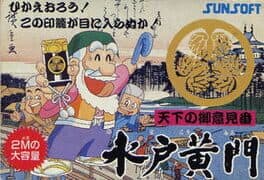
Tenka no Goikenban: Mito Koumon
Tose1987
This is an adventure game based on a TV show about a retired governor and his retainers going around solving problems in Edo period Japan. The game allowd players to assume the role of one of the retainers as they go around investigating the town. Occasionally this involves fights with corrupt officials, evil samurai and gangsters. There's also a female ghost that will drain the player character's life if it comes into contact with them. The game is noted for its many instances of speech samples. It also has a considerable amount of text. The game consists of seven stages. Players control Kaku-san (Kakunoshin), a jujutsu user, in the odd-numbered stages and Suke-san (Skesaburo), a katana user, in the even-numbered stages, and go around the action stages to collect evidence of evil deeds. The use of certain items allows the player to switch to a ninja or a servant for a certain period of time. The ninja can go undercover and the servant can interview the townspeople. In every stage, there is evidence that can only be obtained by ninjas or servants, and they must take turns. Each time evidence of wrongdoing is collected, the clue gauge rises, and when it reaches its maximum, the stage is cleared by presenting the evidence to their lord, Mitsukuni Tokugawa (Mitokomon), who is waiting for them at the inn. If the time limit is exceeded without collecting all the evidence, the player is forced to proceed to the next stage, but the final stage cannot be completed until all the stages have been cleared.
Karaoke Studio
Tose1987
The first ever karaoke video game.
Youkai Club
Tose1987
Youkai Club is an Action game, developed by TOSE and published by Jaleco Entertainment, which was released in Japan in 1987.
Lost Word of Jenny: Ushinawareta Message
Birthday1987
Jenny’s on her way to the theater to practice for an upcoming role. Her script gets stolen though and has to track the pages down in different stages which are entered through the hub world. Once you collect a key and memorize letters and numbers, you go to the theater and use them to unlock the combination lock. Jenny has 2 abilities: punching and kicking, and after picking up powerups, throwing stars and bug spray
Dragon Ball
Tose1986
Dragon Ball (also known as Dragon Ball: Le Secrets du Dragon and Dragon Ball: Shenron no Nazo) is the second video game based on the Dragon Ball series (its predecessor being Dragon Ball: Dragon Daihikyou) and the first Dragon Ball game produced and distributed by Bandai. It is an action game developed by TOSE Software Company. It was released for the Family Computer on November 27, 1986 in Japan. Outside Japan, a graphically altered version released for the North American market in March 1988 under the title of Dragon Power, which divorced the game from the Dragon Ball licensing. A European version which retained the license, simply titled Dragon Ball, was also released in 1990 primarily for the French market. Shenron no Nazo is included as a bonus feature in the Japanese release of Dragon Ball: Origins 2 for Nintendo DS, and it is one of the games included in the game compilation J Legend Retsuden for Nintendo 3DS.
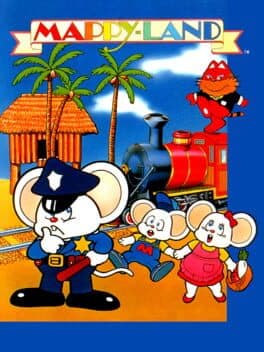
Mappy-Land
Tose1986
Mappy, who is a policeman, prepared all kinds of wonderful birthday presents for his girlfriend, Mapico. But, Nyamco and his child Mukies have hidden them in the eight towns of Mappyland. What a pity! Mappy must hurry to get the presents back before Mapico's birthday party. The problem is that there are so many mysterious towns where Mappy must search, while fighting off his enemies. Can you accept the challenge and help Mappy to succeed?
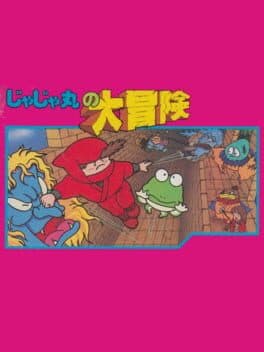
JaJaMaru no Daibouken
Tose1986
JaJaMaru no Daibouken is a Family Computer video game that was released exclusively for a Japanese market in 1986. The concept of the game is that the player controls a red ninja as he progress through a series of Japanesque levels defeating evil spirits that have spread across the land. The player can even ride his faithful frog if he can recover it from hiding.
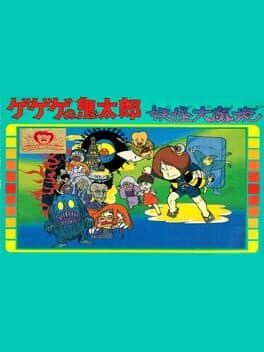
GeGeGe no Kitaro: Yokai Daimakyou
Tose1986
GeGeGe no Kitaro: Yokai Daimakyou, known as Ninja Kid in the West, is an NES game developed by TOSE and published by Bandai. It was based on the manga series GeGeGe no Kitaro. This game was followed by a sequel titled Gegege no Kitarou 2: Youkai Gundan no Chousen, which was released the following year only in Japan also by Bandai. It was the eighth best selling Famicom game of 1986, selling 1,250,000 copies. The original Japanese version is notably different from the American version (Ninja Kid). The main character is Kitarō, and his main weapon is his hair rather than darts. His sub-weapons are a flying finger instead of shuriken, his vest instead of the feather, and a geta instead of a boomerang. All of these weapons function the same as the ones of the protagonist of the American version, Kyo; they just use different sprites. The fireball sub-weapon remains the same. Certain levels are inhabited by "western" film monsters like Frankenstein's Monster and Count Dracula; the boss of these levels is the character Buckbaird, the leader of the "western youkai". The scroll which unlocks the fortress is a crystal ball in the original version. The familiars are also different, being characters from the manga: the Pegasus was originally Nurikabe, the Eagle was Konaki Jiji, and the Mirror was Sunakake Babaa. Finally, a few of the minor enemies are different; most notably the "Pirate Ninja" found in some of the Guerilla Warfare levels was originally Nezumi Otoko, and Kitaro rides on Ittan Momen during the Dog Fight levels.
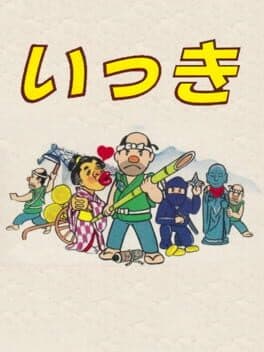
Ikki
Tose1985
Ikki is a Japanese arcade game developed by Sunsoft. It was also released for the Nintendo Famicom.
Tag Team Match M.U.S.C.L.E.
Tose1985
One of the first Wrestling games released on the NES, based on Yudetamago's manga and Kinnikuman anime.
Vanguard
Tose1981
Vanguard is a thrilling multiplayer party game that blends arcade-style visuals and gameplay with a diverse array of competitive modes. Perfect for gamers of all skill levels, it offers fast-paced action, strategic depth, and whimsical fun for an inclusive and dynamic gaming experience.