Dispatch
This Day In Gaming - August 21: BioShock

game
BioShock
Dispatch
game
BioShock
Keep Reading
 Bombjack
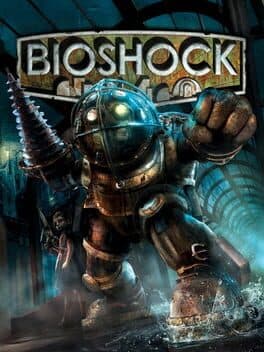
On August 21, 2007, a game arrived that quietly changed the argument about whether video games could be art. BioShock launched that day in North America for Windows and the Xbox 360, with Europe and Australia following on August 24. Nineteen years on, it is still held up as one of the most important releases of its era, a shooter that trusted players to think as much as shoot.
A city under the sea
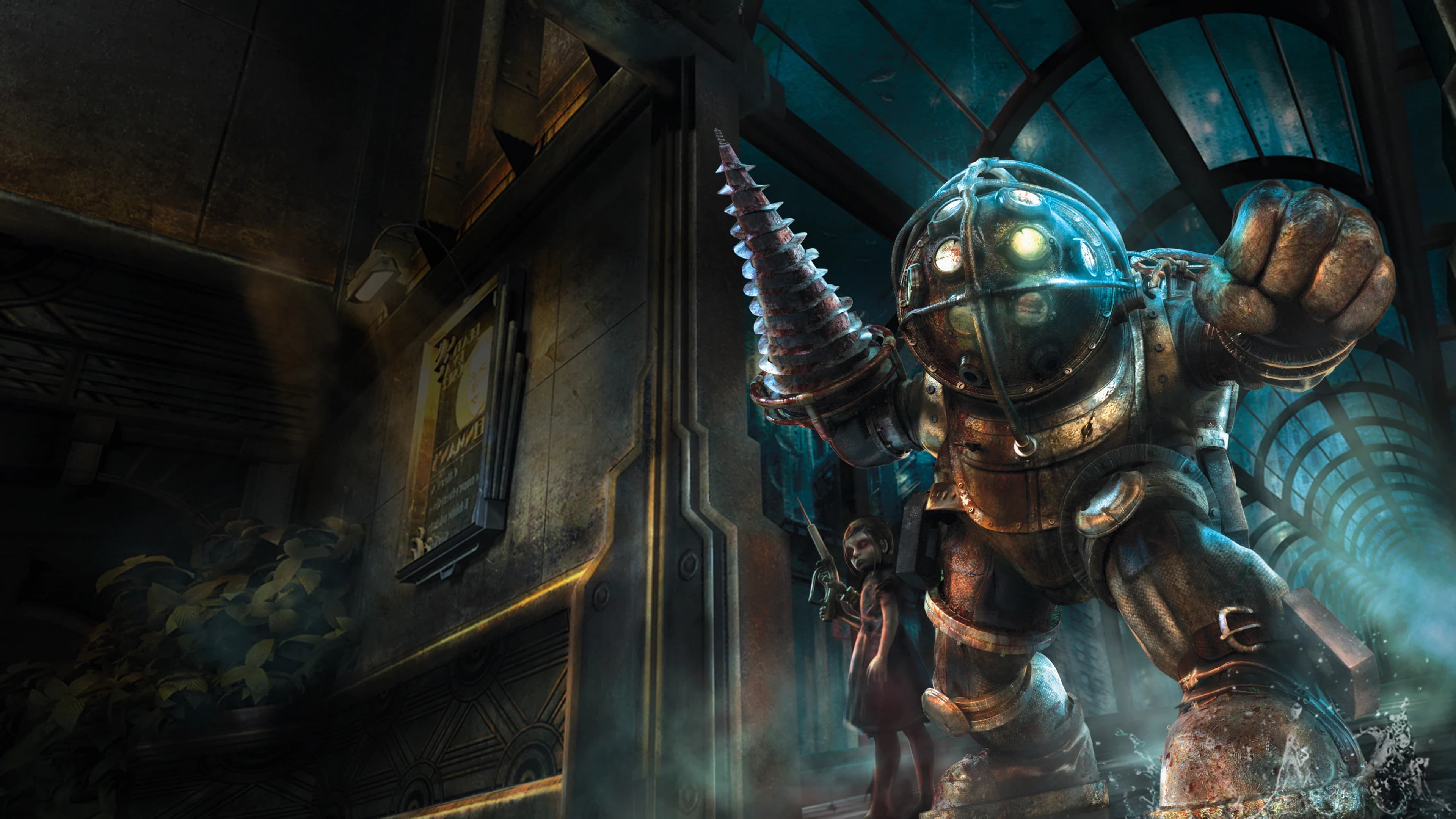
BioShock drops you into Rapture, a secret underwater city built in the 1940s by the industrialist Andrew Ryan as a refuge from government, religion, and what he saw as the parasitism of ordinary society. It was meant to be a utopia for the exceptional. By the time your character, a plane-crash survivor named Jack, descends into it in 1960, that dream has rotted. The discovery of a gene-altering substance called ADAM sparked an arms race of self-modification, then a civil war, and Rapture is now a leaking, art-deco tomb patrolled by mutated citizens, hulking Big Daddies, and the eerie little girls known as Little Sisters.
The game was directed by Ken Levine, who poured a startling range of influences into it. The philosophy of Ayn Rand sits at the heart of Ryan's fallen paradise, alongside echoes of George Orwell and Aldous Huxley and the real-world ambitions of figures like John D. Rockefeller Jr. and Walt Disney. The result is a first-person shooter that doubles as a meditation on free will, ideology, and the stories we tell ourselves about greatness.
The making of a landmark
BioShock grew out of Irrational Games' wish to make a spiritual successor to their 1999 cult classic System Shock 2. When publishers passed on a straightforward System Shock 3, the team reinvented the idea around three roles that would become the drones, protectors, and harvesters of Rapture. 2K agreed to publish in 2004, and after 2K acquired Irrational in 2006, a much larger budget of roughly 25 million dollars allowed the team to finish the game.
Development was not smooth. The studio ballooned from six people to sixty, and communication frayed as it grew. Playtests early in 2007 revealed real problems. Players found the world too dark and confusing, so the team reworked the lighting and added quest markers. Another test showed players felt no connection to Jack, which led the developers to write the now-famous opening plane crash to ground the player in the moment before Rapture swallows them. Those late changes turned a promising game into a memorable one.
Why it is remembered
Critics responded with something close to reverence. BioShock earned a 96 out of 100 on Metacritic for both PC and Xbox 360, with perfect scores from outlets including Game Informer, Eurogamer, and Destructoid, and a 9.7 from IGN. Reviewers singled out its suffocating atmosphere, its handcrafted art direction, and a level of narrative ambition rarely seen in a mainstream shooter. It swept the 2007 award season, taking Game of the Year at the Spike TV Video Game Awards and Best Game at the BAFTAs, among many others.
The moment most people remember is a plot twist. Midway through, the game reveals that Jack has been obeying commands all along, triggered by the innocuous phrase "Would you kindly." It reframes every corridor you have walked and every order you have followed, and it turns the basic grammar of a video game, the compulsion to press forward and do as you are told, into the subject of the story itself. That single stroke made BioShock a fixture in discussions of player agency, and it helped popularize the term ludonarrative dissonance among critics debating whether its selfish gameplay rewards clashed with its moral themes.
Legacy
Commercially, the game was a steady success, shipping over 2.2 million copies by mid 2008 and passing 4 million by 2010. Its cultural footprint ran deeper still. In 2011 the Smithsonian included BioShock in its exhibition on the art of video games after a public vote, and Time named it among the greatest games ever made. Two sequels followed, BioShock 2 in 2010 and Ken Levine's own BioShock Infinite in 2013, and a remaster arrived in 2016 as part of BioShock: The Collection.
Rapture was built as a monument to one man's certainty. Fittingly, the game set there endures as a monument to something more generous: the idea that a shooter could be beautiful, literate, and genuinely unsettling all at once.
Also on this day: August 21 has been a busy date for PC releases in more recent years, including a wave of 2023 indie titles, but none carry the weight of BioShock's 2007 debut.
Sources:
No comments yet. Be the first.