This Day In Gaming, November 23: World of Warcraft
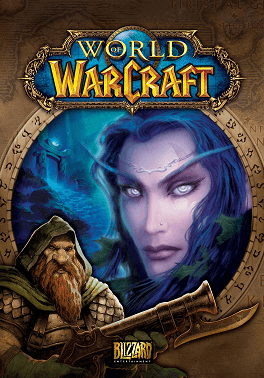
On November 23, 2004, Blizzard Entertainment opened the gates to Azeroth, and gaming was never quite the same again. World of Warcraft arrived in North American stores that Tuesday, and within a few years it would become the most recognisable name in online gaming, a cultural phenomenon that pulled millions of people into a shared virtual world and kept them there for the better part of two decades.
A decade of Warcraft
The launch arrived a full decade after the series began. Warcraft had started back in 1994 with the real-time strategy game Warcraft: Orcs & Humans, and the 2004 release of World of Warcraft marked the franchise's tenth anniversary. By then the series had three strategy titles behind it and a devoted following, and Blizzard handed that following an entire living world to inhabit rather than another set of battles to command.
Getting there took years. The project grew out of the ashes of a cancelled science-fiction game known internally as "Nomad," which Blizzard abandoned around the end of 1999. The studio turned instead to the idea of a massively multiplayer online role-playing game set in the Warcraft universe, openly inspired by the success of EverQuest. World of Warcraft was first shown to the public in September 2001, and it spent roughly four to five years in development, built on technology that traced back to the engine behind Warcraft III. A public beta ran in 2004 before the servers finally went live in November.
Modest hopes, enormous reality
What makes the launch so striking in hindsight is how cautious Blizzard's own expectations were. Co-founder Mike Morhaime had reportedly hoped for around half a million subscribers in the first year, while Frank Pearce estimated the game might reach a million. The reality blew past both. By December 2004 the game had roughly 400,000 subscribers, a figure that climbed to about 1.5 million by March 2005 and around 5 million by the end of that first year.
Demand was so fierce that Blizzard struggled to keep up. The opening weeks were marked by login queues, strained servers and a company scrambling to build out the technology and customer support needed to hold a world together for a population it had never anticipated. For players at the time, waiting in a queue just to log in became a strange badge of honour, proof you were part of something that had clearly caught its own creators by surprise.
Why it mattered
World of Warcraft did not invent the MMORPG, but it refined the formula until it felt effortless. Where earlier games in the genre could be punishing and obtuse, WoW was approachable, polished and generous with its sense of adventure. Quests guided you, the world rewarded curiosity, and the blend of solo play and large group raiding gave people a reason to keep logging in night after night. Critics responded in kind. The game holds a Metacritic score of around 93 out of 100, and it swept up awards across 2004 and 2005, including recognition as the best massively multiplayer game of its year.
Its influence spread far beyond its own servers. The game reached over 10 million subscribers by January 2008 and peaked at roughly 12 million around October 2010, numbers that reshaped how publishers thought about subscriptions, long-term support and online communities. It seeped into wider culture too, from a famous South Park episode to the moment in 2005 when an in-game plague known as Corrupted Blood escaped its intended boundaries and ran wild through the game's cities. Epidemiologists later studied that accidental outbreak as a model for how real diseases might spread through a population.
A lasting legacy
Two decades on, World of Warcraft is still running, still receiving expansions, and still holding a place near the centre of the online gaming world. It was inducted into the World Video Game Hall of Fame in 2015, a fitting acknowledgement of a game that did not just succeed but genuinely changed the shape of its medium. Few titles can claim to have defined a genre, built a community of millions and endured long enough to welcome the children of its original players. World of Warcraft can, and it all began on this day in 2004.
Also on this day
November 23 has been a busy date for gaming. In 2001, European players received the PlayStation 2 version of the landmark survival horror game Silent Hill 2, along with the Dreamcast release of the cult favourite Shenmue II. In 2010, Pac-Man Championship Edition DX arrived on PlayStation 3 in North America. But for sheer scale and lasting impact, none of them quite match the day Azeroth opened for business.
Sources