-
Average rating
469
Games
0
Votes cast
Heartbeat
Shipped Titles
Games (469)

Aikatsu On Parade!
h.a.n.d. Inc.2019
Aikatsu On Parade! is an arcade collectible card game in Bandai's Data Carddass line of machines. It is the successor to Aikatsu Friends! and a crossover with the past generations of the Aikatsu series.
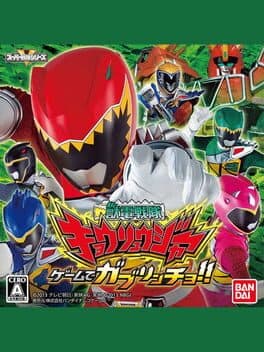
Zyuden Sentai Kyoryuger: Game de Gaburincho!!
2013
Zyuden Sentai Kyoryuger: Game de Gaburincho!! is a 3DS game based on the 2013-2014 incarnation of Super Sentai
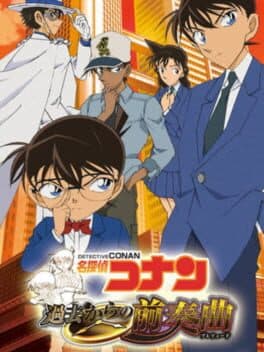
Detective Conan: Kako Kara no Zensoukyoku - Prelude
2012
A Detective Conan game published by Bandai. It's the fifth one to be released on the Nintendo DS, the first and only to be ono the PlayStation Portable. The game was later also made available on Android and iOS.
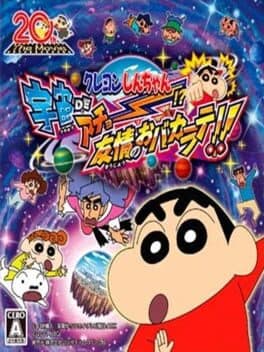
Crayon Shin-Chan: Uchuu de Achoo!? Yuujou no Oba-Karate!!
Inti Creates2011
A 3DS game based on the Crayon Shin-Chan anime.
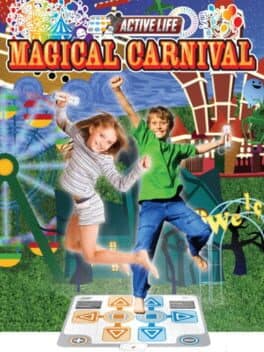
Active Life: Magical Carnival
Ganbarion2011
Active Life: Magical Carnival is a multiplayer, family-friendly Action-Party game that allows families and friends to visit an amazing and active theme park without leaving home. The game is a part of the popular Active Life franchise exclusively for play on Wii and utilizes the Active Life mat controller (not included). Designed for multiplayer fun, Active Life: Magical Carnival supports up to 10 players in cooperative and competitive play. Additional features include: dozens of themed carnival attractions, four multiplayer modes and multiple difficulty levels. Trapeze gameplay from Active Life: Magical Carnival An exclusive carnival party for Wii. View larger. An Exclusive, Active Multiplayer Carnival Experience for Wii Grab your friends and family and experience a virtual theme park like no other with Active Life: Magical Carnival. Explore an array of dozens of vividly imagined carnival attractions, including haunted houses, a lively circus tent, a pirate ship on the high-seas, a colorful parade and exciting fantasy zone. A veritable thrill-ride of activities will keep you moving as you tame lions, steer pirate ships, explore game areas, ride a flying carpet and much more, all from the comfort of home. Combined mat and Wii Remote control example from Active Life: Magical Carnival Simple, clear controls. View larger. Load of Modes Active Life: Magical Carnival contains a play mode to suit every player. 'Party at the Park' mode lets up to 10 players play in a series of individual or team-based activities that gives everyone a chance to get in on the action, while 'Dream Attraction' mode allows one to four players to experience dozens of themed carnival attractions including: Circus, Parade, Horror, Pirate and Fantasy attractions. The versatile 'Free Play' mode offers easy access to individual attractions. Finally, invite a friend to the carnival in the two-player 'Let's Go Out' mode. In this option you can send an invite to a Mii on your Mii Plaza to spend some quality time with that special someone.
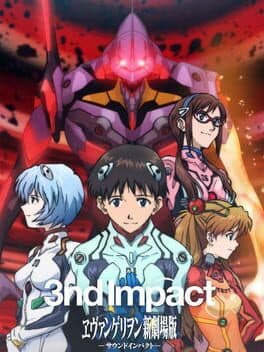
Evangelion Shin Gekijouban: 3nd Impact
Grasshopper Manufacture2011
Evangelion New Theatrical Edition: 3nd Impact (with "3nd" being pronounced as "sound", it is pun on Third Impact) is a rhythm-action video game for the PlayStation Portable console. It is an adaptation of the anime Neon Genesis Evangelion`s Rebuild of Evangelion movie series, namely 1.0 and 2.0, and was designed by Grasshopper Manufacture.
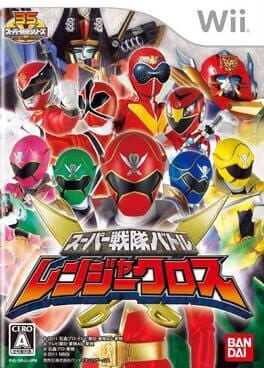
Super Sentai Battle: Ranger Cross
BANDAI NAMCO Games Inc2011
Super Sentai Battle: Ranger Cross is a video game developed by Paon and published by Bandai Namco Games Inc. in September of 2011, as part of the 35th anniversary celebration of Super Sentai. The game follows a musou-style formula in which you are pitted against hordes of enemies on a playing field and must defeat all enemies to advance, with battles in the mechas interspersed here and there. This game is technically a Gokaiger game, but as they are not the only ones you can play as, this is why the game is called Super Sentai Battle and not Kaizoku Sentai Gokaiger. The teams you can play as are: Kaizoku Sentai Gokaiger (2011) Samurai Sentai Shinkenger (2009) Tensou Sentai Goseiger (2010) Engine Sentai Go-Onger (2008) Himitsu Sentai Goranger (1975-1976) This would be the first time a non-Heisei era team would be playable in any Super Sentai game that was not a crossover with other franchises, as Goranger was the first season of Super Sentai. The other teams up to Go-Onger make appearances through the Gokai keys, but they are an extension of the Gokaiger team, and therefore are not truly playable.
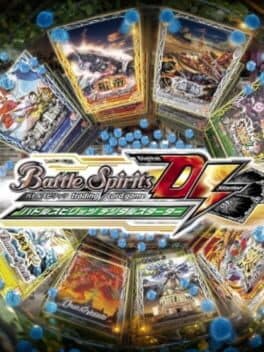
Battle Spirits Digital Starter
Bandai2010
Battle Spirits Digital Starter (バトルスピリッツ デジタルスターター) is the third Battle Spirits video game, and the first to appear on the Nintento DS. It was released August 5, 2010 in Japan, and is not licensed elsewhere.
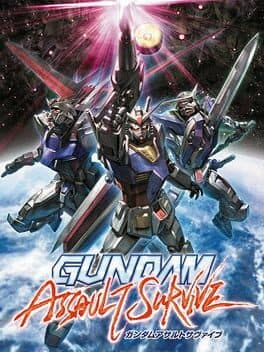
Gundam Assault Survive
Artdink2010
Gundam Assault Survive is the fifth game in the Gundam Battle series. Unlike its predecessors, it expands beyond the Universal Century and into Gundam series from alternate universes. Mobile Suit Gundam F91, Mobile Suit Gundam SEED and the first season of Mobile Suit Gundam 00 all become part of the campaign, while Mobile Suit Victory Gundam contributes MS. The game was released on March 18, 2010 in Japan.
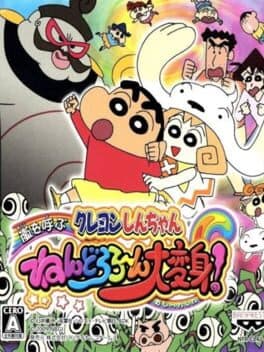
Crayon Shin-chan: Arashi wo Yobu Nendororoon Daihenshin!
Bandai2009
Crayon Shin-chan - Arashi o Yobu Nendororoon Daihenshin! is a Action/Platformer 2D video game published by Bandai Namco Games released on March 19th, 2009 for the Nintendo DS.
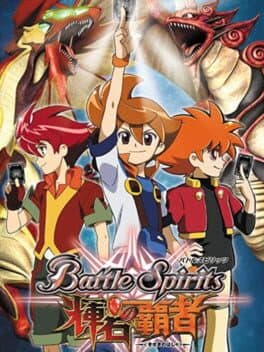
Battle Spirits: Kiseki no Hasha
Bandai2009
Battle Spirits Kiseki no Hasha was the first Battle Spirits video game, and the first to appear on the PSP console. It was released November 12th, 2009.
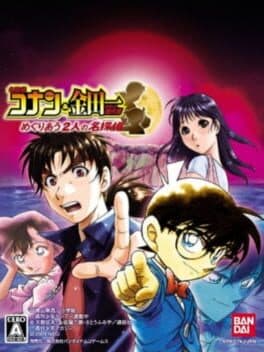
Meitantei Conan & Kindaichi Shounen no Jikenbo: Meguri au Futari no Meitantei
Spike2009
After receiving a distressing correspondence from a former classmate requesting his presence, high school detective Hajime Kindaichi travels to Twilight Island to investigate the anguish behind the letter. Meanwhile, as fate would have it, Conan Edogawa has been introduced to a modern folktale by Professor Agasa, on an island in the south that serves as a premiere tourist resort, inhabitants have been mysteriously disappearing for extended periods of time before suddenly returning without explanation. What's more: When they disappear, they are transported to an alternate version of that very same island. Intrigued, Conan consents to investigate the case while his companions go on a vacation at the tourist trap known as Twilight Island. As the mystery deepens and it becomes clear their two cases are more related than it first seemed, a grand case unfolds that requires the unmatched reasoning powers of both young detectives.
Dragon Ball Z: W Bakuretsu Impact
2008
Data Carddass Dragon Ball Z W Bakuretsu Impact was released only in Japan in 2008 as the fourth DCDBZ game, in arcade. It is based on Dragon Ball Z.
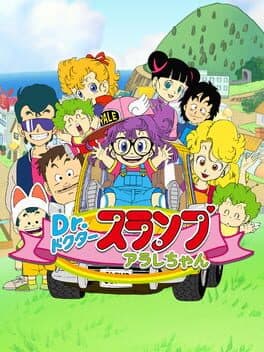
Dr. Slump: Arale-chan
bitstep2008
A third-person adventure game themed around the anime Dr. Slump.
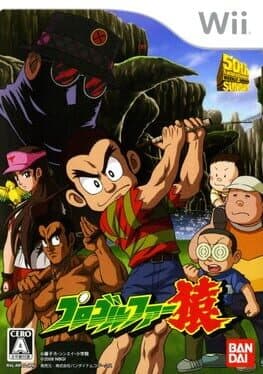
Pro Golfer Saru
Eighting2008
The Wii version of Golfer Ape is a golf game that reproduces the content of the original manga and animation. The original is a golf manga produced by Japanese cartoonist Fujiko Fujio A. The protagonist is often called "ape" because he looks like a monkey. In the game version, players have to compete with assassins organized by Shadow Golf in the natural environment. The various nirvana skills that appeared in the original work also have a very gorgeous performance in the game. Using the somatosensory operation of the Wii remote control, players will be able to experience a very realistic feeling of hitting the ball during the game.
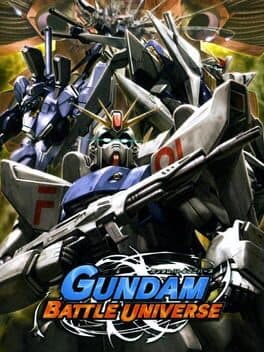
Gundam Battle Universe
Artdink2008
The fourth sequel of Gundam Battle series was released on July 17, 2008 in Japan. It features over 200 MS units (including F91 in Mobile Suit Gundam F91 and Ξ Gundam in Mobile Suit Gundam: Hathaway's Flash) can be selected; two UC stories (Mobile Suit Gundam ZZ and Mobile Suit Gundam: Char's Counterattack) become as a part of the campaign. On the other hand, every characters have 2 personal abilities (passive which is activated for all times and additional which is activated when player's HP gauge is at 30%). This game can inherit the Gundam Battle Chronicle's save data. The game also let players use the adhoc function to help each other in the normal campaign mode, unlike the previous games, which multiplayer mode is only available in the main menu.
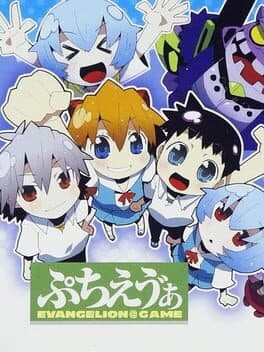
Puchi Eva: Evangelion@Game
Bandai2008
Puchi Eva: Evangelion@Game is a video game based on the Puchi Eva: Evangelion@School manga series.
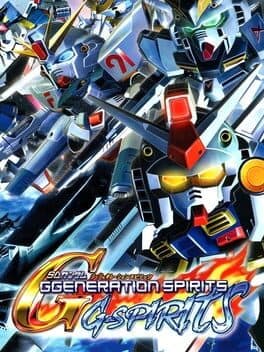
SD Gundam G Generation Spirits
Bandai2007
SD Gundam G Generation Spirits is a Strategy game, developed by Tom Create and published by Bandai, which was released in Japan in 2007.
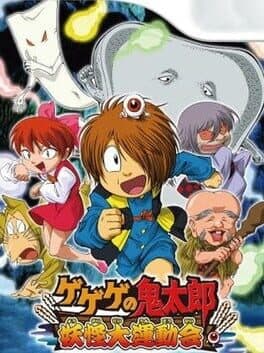
GeGeGe no Kitaro: Yokai Daiundoukai
2007
A GeGeGe no Kitaro video game based on the 2007 anime adaptation.
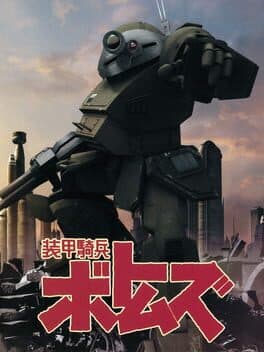
Soukou Kihei Votoms
Yuke's2007
Soukou Kihei Votoms (装甲騎兵ボトムズ) is a Action video game published by Bandai released on November 15, 2007 for the Sony PlayStation 2.
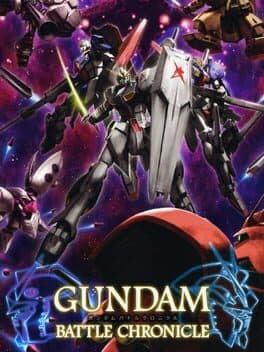
Gundam Battle Chronicle
Artdink2007
Gundam Battle Chronicle is the sequel to Gundam Battle Royale and Gundam Battles series. It features over 140 Mobile units including the 80 units in Gundam Battle Royale and improved the multi-player gaming system so that the single-player missions could be played in multi-player's mission mode. New additional missions are from Stardust Memory, and MSs from Gundam ZZ, Gundam Sentinel, and Char's Counterattack.

Gintama: Together with Gin! My Kabuki District Journal
Bandai2007
A video game based on the Gintama anime series.
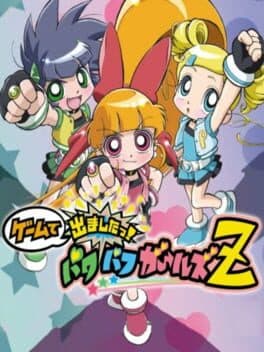
Game de Demashita! Powerpuff Girls Z
Infinity2007
Game de Demashita! Powerpuff Girls Z was developed by Infinity and published by Bandai for the Nintendo DS (now known as Bandai Namco) on June 14, 2007. It has board-game style gameplay similar to Mario Party and features Blossom, Bubbles and Buttercup competing with Mojo Jojo to get to the center of the board, competing in minigames along the way. The game received a Cero A rating in Japan which is the equivalent of an E rating in the United States.
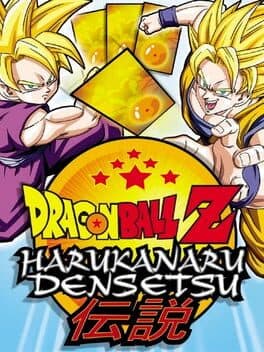
Dragon Ball Z: Harukanaru Densetsu
Namco Bandai Games2007
Dragon Ball Z: Harukanaru Densetsu is a card based role-playing video game for the Nintendo DS. The game takes place from the beginning of the Saiyan Saga to the end of the Cell Saga. Players choose from one of the four main character, Goku, Gohan, Piccolo, and Vegeta. Other characters also appear, but only as either enemies or support cards.
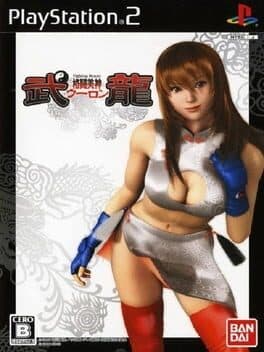
Kakutou Bijin Wulong
Dream Factory2006
Kakutou Bijin Wulong (Fighting Beauty Wulong) is an action fighting game based on the manga and anime series created by Yugo Ishikawa and TMS Entertainment. The single-player story follows the plot of the anime unchanged, giving the player a chance to take part in many of the fights from the original series. The game itself is a full-3D beat-'em-up style brawler, and the goal of each stage is to simply defeat every enemy. Ran has a wide variety of different fighting techniques available to her, and can even switch between several different fighting styles on the fly. Items can also be collected that will let the player use extra-damaging special moves. In addition to the main story mode, there is also a two-player versus mode.
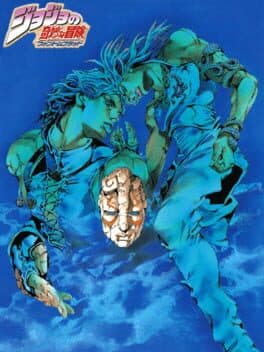
JoJo's Bizarre Adventure: Phantom Blood
Anchor Inc2006
JoJo's Bizarre Adventure: Phantom Blood is an action-adventure video game adaptation of Phantom Blood released for the PlayStation 2 by developer Anchor Inc. and publisher Bandai Namco Games on October 26, 2006. This is the second game for the PS2 that is based on JoJo's Bizarre Adventure. It was released to coincide with the 20th anniversary of the series.
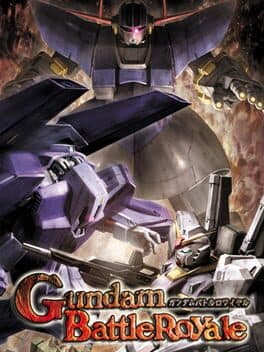
Gundam Battle Royale
Artdink2006
Gundam Battle Royale is a game released for the PlayStation Portable. The game was released only in Japan and South Korea on October 5, 2006. The game features many mobile suits and mobile armors from the Universal Century up to and including Zeta Gundam. It is the sequel to Gundam Battle Tactics. A sequel called Gundam Battle Chronicles has been released on 25 October 2007.
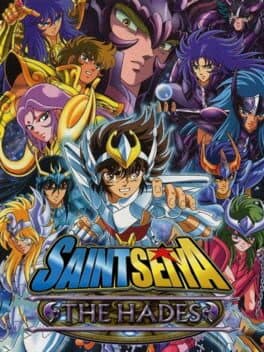
Saint Seiya: The Hades
Dimps2006
Saint Seiya: The Hades is a three-dimensional fighting video game developed by Dimps and published by Bandai for PlayStation 2. A direct sequel to Saint Seiya: The Sanctuary, and developed by the same team, it utilizes the same graphics engine as its predecessor, as well as a significant portion of its storyline, while addressing certain criticisms of gameplay and introducing a new narrative arc.

Gintama DS: Odd Jobs Grand Riot!
Bandai2006
The game is based around the daily life of a character doing odd jobs for people throughout the town to earn money and pay back a huge debt. The game is played on the bottom screen using the Nintendo DS stylus to control the characters and finish the mini-game style jobs. The top screen shows the character portrait and dialogue of the people you talk to.
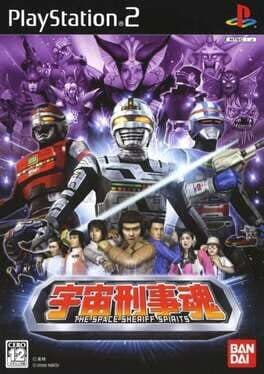
The Space Sheriff Spirits
Namco Bandai Games2006
The Space Sheriff Spirits, is an action game for the PlayStation 2. This game is based on the popular Japanese live-action TV series Space Sheriff trilogy produced by Toei Company.

Style Book: Cinnamoroll
Bandai2006
Style Book: Cinnamoroll is a Nintendo DS game released on March 23, 2006. It can be used as an electronic diary or alarm, or for scheduling events. When the software is used the player may gather "Smile Points". The player can obtain coloured pencils and stickers.
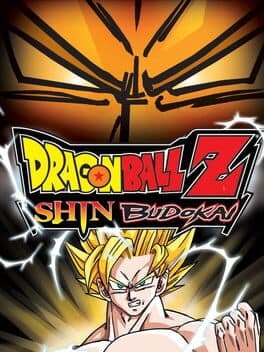
Dragon Ball Z: Shin Budokai
Dimps2006
The wildly popular Dragon Ball Z series makes its first appearance on the PlayStation Portable with Dragon Ball Z: Shin Budokai. Play as the good guys or the bad guys in this high-energy fighting game. You can use flight and energy abilities, transformations, and counterattacks, as well as character-specific attacks featured in the Dragon Ball Z TV show. There are 18 playable characters and seven story modes to choose from. Challenge other gamers to multiplayer duels via the PSP Wi-Fi connection.
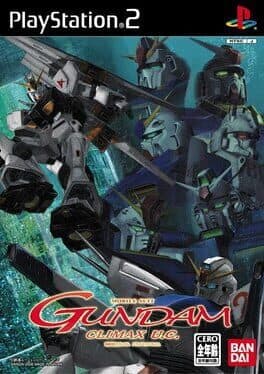
Mobile Suit Gundam: Climax U.C.
BEC2006
Climax U.C. is a game that allows the player to relive several battles throughout Gundam's "Universal Century" timeline.
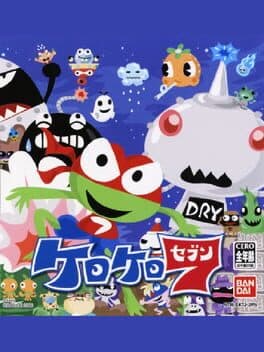
Kero Kero 7
Jamsworks2006
Kero Kero 7 features an assortment of spy tools for players to use. Record a voice sample and save it or send it to friends. Use your built-in stopwatch or set an alarm. Scribble away with your very own drawing tools! Annoy your friends with your own personal sound effect generator! Or share your secret agent data card with friends who have a copy of the game!
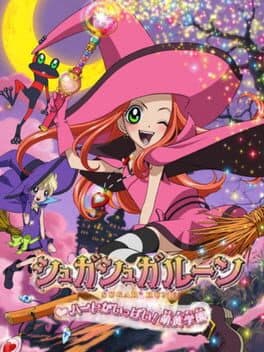
Sugar Sugar Rune: Heart Ga Ippai! Moegi Gakuen
2006
Sugar Sugar Rune: Heart Ga Ippai! Moegi Gakuen is an Action game, developed by Open Sesame and published by Bandai, which was released in Japan in 2005.
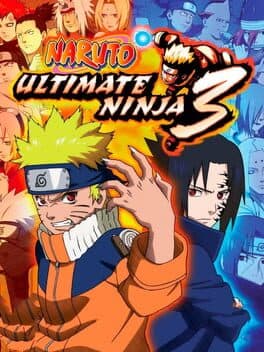
Naruto: Ultimate Ninja 3
CyberConnect22005
NARUTO: Ultimate Ninja 3 makes leaps in the franchise with a host of “firsts” for the series. Players can now live through and be a part of all the major events that defined Story Arc 1 in Heroes History mode. Also, ninja-in-training can customize their characters with the Ultimate Jutsu which gives them that extra bit of edge during battle and allows them to earn points towards upgrading their strength, defense, chakra, agility and other special abilities. Turn playable characters into more powerful ninja of unprecedented size or summon giant creatures as allies with the new Summoning mode. In addition, NARUTO fans throughout North America can experience the game in both English and original Japanese voice over. In keeping with the tradition of the series, an exclusive and original story has players exploring the massive 3D rendered Hidden Leaf Village, participating in battle royale matches and completing more than 55 missions. The experience doesn’t stop there as tons of unlockable content are available to offer loads of replay value including movies, music and cards
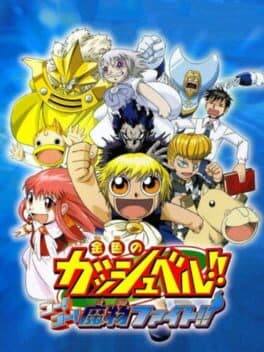
Konjiki no Gash Bell!! Go! Go! Mamono Fight!!
Bandai2005
Konjiki no Gash Bell!! Go! Go! Mamono Fight!! Konjiki no Gasshu Beru!! Gō! Gō! Mamono Fight!!, "Golden Gash Bell!! Go! Go! Demon Fight!!") is a video game for PlayStation 2 and GameCube which was developed by Eighting and was published by Bandai on December 15, 2005. The fighting gameplay style is similar to Super Smash Bros. with four-player multiplayer, as well as few other video games like Konjiki no Gash Bell!! Unare! Yūjō no Zakeru Dream Tag Tournament.
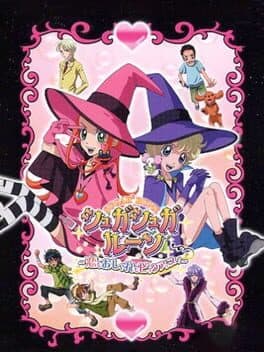
Sugar Sugar Rune: Koimo Osharemo Pick Up!
Dimps2005
Based on the anime adaption of the manga by Moyoco Anno. Aim to become a popular witch! Raise your charm and 'pick up' the boys' hearts! Make-up, exercise, making sweets and studying at the Dollhouse will all raise your charm. Use the hearts you capture to purchase clothes from the "Makai Mail Order Book", including outfits from the anime. Includes new original illustrations and full voice over by the anime cast.
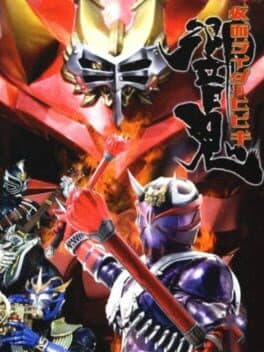
Kamen Rider Hibiki
Digifloyd Co.,Ltd.2005
A Bandai developed PlayStation 2 action game entry into the longrunning series of Kamen Rider video games, featuring the characters from the 2005 TV series "Kamen Rider Hibiki".
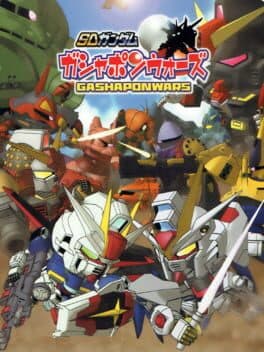
SD Gundam Gashapon Wars
BEC2005
A whimsical, Gundam-based strategy game with real-time combat. It features characters and Mobile Suits from the original, Zeta, SEED and SEED Destiny series.
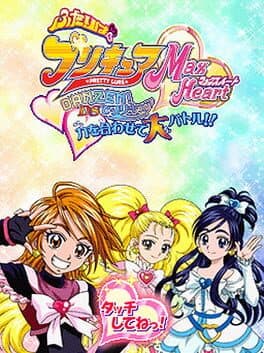
Futari wa Precure Max Heart: Danzen! DS de Precure - Chikara wo Awasete Dai Battle
Matrix Software2005
Nintendo DS side-scrolling fighting game starring the characters of Futari wa Pretty Cure Max Heart. It was released on December 1st, 2005, and was the second game for that season, and the first Pretty Cure game for the DS.
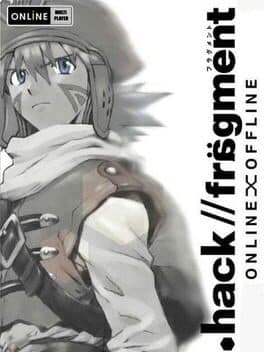
.Hack//Frägment
CyberConnect22005
The commercial success of the Project .Hack franchise led to the production of .hack//frägment—a remake of the series with online capabilities. The game uses the same engine as the .hack series with an online multiplayer component.
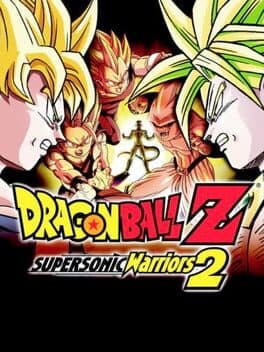
Dragon Ball Z: Supersonic Warriors 2
Cavia2005
Supersonic Warriors 2 is the DS sequel to the GBA fighting game Dragon Ball Z: Supersonic Warriors, based on Akira Toriyama's Dragon Ball series. The game features one-on-one battles between over 30 characters with their own movement and combos. There is a main path in the story mode that coincides with Toriyama's story for every character and some other paths played out as "what if?" scenarios, adding replayability to the game. Next to the story mode, there is the Z battle, the VS battle, Maximum, Free battle and Practice mode. The game has three difficulty levels. In team battles the player can tap the touchscreen to select another fighter. Touch can also be used to perform a powerful combined attack when it is available. The sequel moves away from the level system of the first game, where reaching a new character level led to upgraded statistics, or new sprites and attacks. This is replaced by individual characters that become available when a sufficient amount of Dragon Points is available.
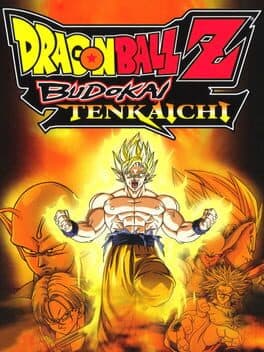
Dragon Ball Z: Budokai Tenkaichi
Spike2005
Dragon Ball Z: Budokai Tenkaichi lets you play as more than 60 characters from the Dragon Ball Z TV series. You can battle using authentic special attacks of each character as you run, fly, and swim through fully destructible and free-roaming levels. Design your own character by assigning and upgrading 10 different attributes. Dragon Ball Z: Budokai Tenkaichi has multiple game modes for both one and two players.
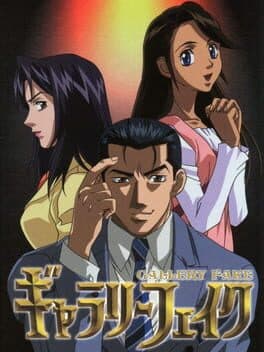
Gallery Fake
Bandai2005
Gallery Fake is a mystery adventure visual novel based on the manga with the same name, in which you play as Fujita Reiji and must solve the mysterious events surrounding a few priceless pieces of artwork.
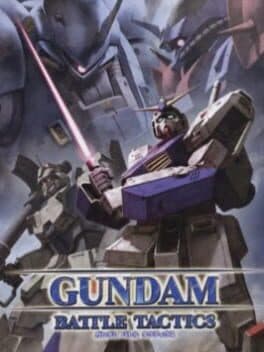
Gundam Battle Tactics
Artdink2005
Action game developed by BEC. Set in the One Year War period, Gundam Battle Tactics lets players pilot machines from either the Zeon army or the Federation. Characters are being pulled from the original Gundam series as well as all the games and original video animations that have dealt with the time period. The game is split into missions, with story sequences, voiced with the same lines from the original Gundam, spliting up the action. As you clear missions, new missions appear with older missions opening up for free play sessions. Prior to heading out to a mission, you chose your pilot and Mobile Suit. Depending on the pilot that you've chosen, your mission objective and the available Mobile Suits change.
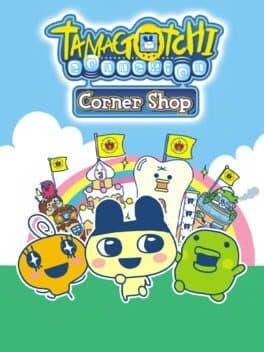
Tamagotchi Connection: Corner Shop
NanaOn-Sha2005
Tamagotchi Connection: Corner Shop lets you assist your virtual pet in building a business. Ten different shops act as unique minigames in which you must control your Tamagotchi character and assist customers. Three different playable characters are available, all with different personalities. The game also features stylus support to let you take advantage of the touch-screen features of the DS. Also, the multiplayer mode lets players swap in-game items.
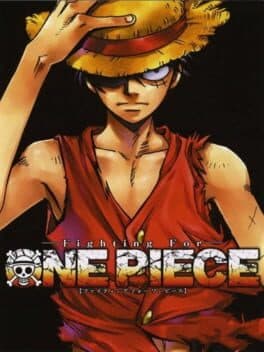
Fighting For One Piece
Flat-Out2005
Fighting For One Piece is a fighting game for the Playstation 2 console inspired by the successful One Piece anime. The game is different from many other One Piece games which used chibi versions of the characters, like One Piece Grand Adventure, instead the characters are modelled after their anime counterparts. It was released on September 6, 2005.
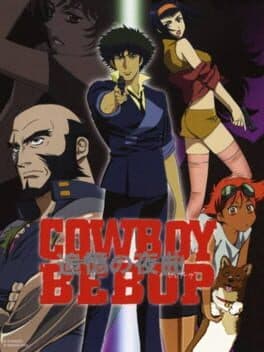
Cowboy Bebop: Tsuioku no Serenade
Chime2005
The Bebop crew go in search of criminal outlaws to capture for bounties when they get caught up in the story of a mysterious organization, space pirate treasure, and a song called "Diamonds".
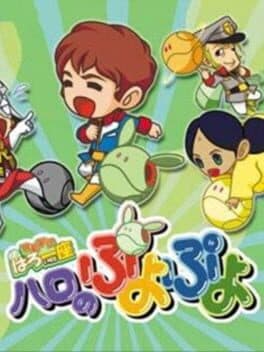
Kidou Gekidan Haro Ichiza: Haro no Puyo Puyo
Arowana2005
Gundam-flavored Puyo Puyo. Kidou Gekidan Haro Ichiza: Haro no Puyo Puyo is a Puyo Puyo game based on the Mobile Suit Gundam franchise, the original TV series in particular. Puyos are replaced by Haros, and several Gundam characters are playable. The game features a story mode, a verses mode, and a survival mode where random characters throw garbage Haros into the player's field. Whenever a chain is completed, the chosen character will shout a famous phrase from the anime series; the game provides a large number of phrases that can be assigned to each character by the player.
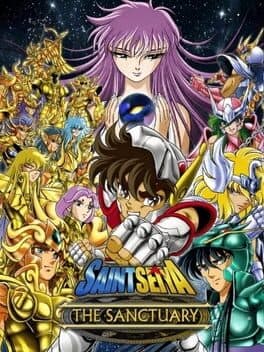
Saint Seiya: The Sanctuary
Dimps2005
Based on the popular anime series of the same name Saint Seiya: Chapter Sanctuary brings the legendary conflict between the Knights of Athena and the Knights of Ares home to the PlayStation 2. Battling over the Golden Cloth of Sagittarius, more than 20 different fighters square off against one another across several different modes including those of the Story, Versus, and Practice variety. As an added bonus, several of the show's most memorable moments have been recreated using the latest in CG cinematics as well, with licensed voice-overs specifically re-recorded for the videogame version of the story. Available only in Japan.
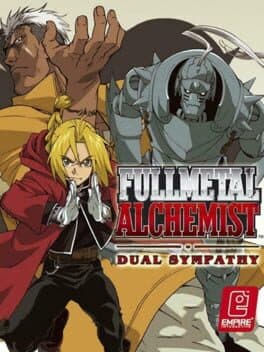
Fullmetal Alchemist: Dual Sympathy
Natsume Co., Ltd.2005
Hagane no Renkinjutsushi: Dual Sympathy (Fullmetal Alchemist: Dual Sympathy as it is known in English) is the first in a series of Fullmetal Alchemist games to be released on Nintendo DS. A side scrolling action game, Dual Sympathy has the player manipulate alchemy skills using the stylus as you fight enemies, making use of standard attacks and special attacks based on the surrounding environment and items items located in the area. The story of the game follows the fifty one episode anime series with the same name. Connectivity bonuses can be unlocked by having the GBA Fullmetal Alchemist games in the GBA slot of the DS.
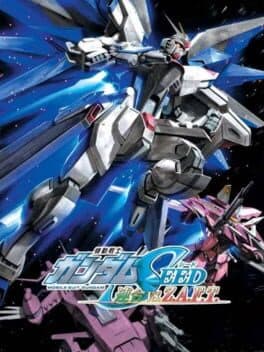
Mobile Suit Gundam Seed Destiny: Rengou vs. Z.A.F.T.
Capcom2005
Gundam SEED: Rengou (Alliance) vs Z.A.F.T. is the fourth game of the "Gundam vs" series. It covers the plot of Gundam SEED.
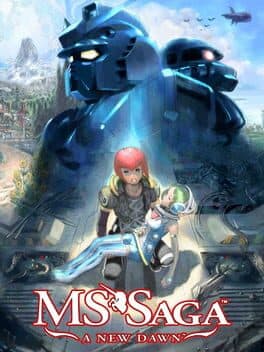
MS Saga: A New Dawn
BEC2005
MS Saga is a console-style role-playing adventure, featuring an original storyline, setting, and characters, along with fan-familiar "mobile suit" 'mechs from the G Gundam, Gundam Wing, and Mobile Suit Gundam series. Most battles are fought using mobile suits, and the game allows extensive customization of them, encouraging players to collect and use more powerful parts. The story takes place on a world emerging in the aftermath of a great war. Inhabitants must harness the power of their former enemies, but danger comes as this power begins to slip into the wrong hands.
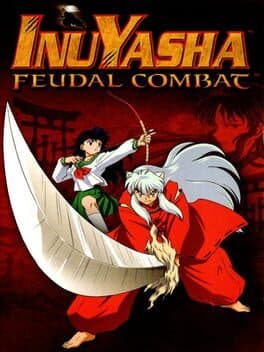
Inuyasha: Feudal Combat
Eighting2005
Featuring all your favorite characters from the hit TV show, the first Inuyasha fighting game for the PlayStation 2 features a mission mode, a battle mode for versus gameplay, practice mode and a story mode. Featuring an original battle system, the game allows you to partner with another character, select the best formation system and develop and strengthen your fighting partnership, and destroy objects around you as you battle to take out the opposition.
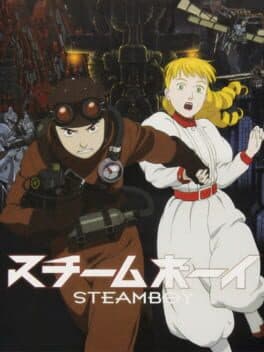
Steamboy
Cavia2005
Action game based off the 2004 film by Katsuhiro Otomo.
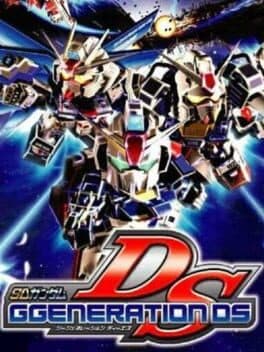
SD Gundam G Generation DS
Bandai2005
G Generation makes its way to the Nintendo DS. This game is based on the Wonderswan game Monoeye Gundams.
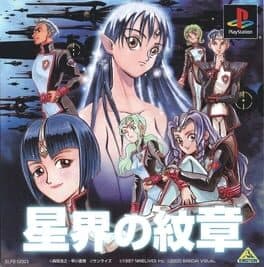
Seikai no Monshou
Ninelives2005
Seikai no Monshou is a Role-Playing game, developed by NineLives and published by Bandai, which was released in Japan in 2000.
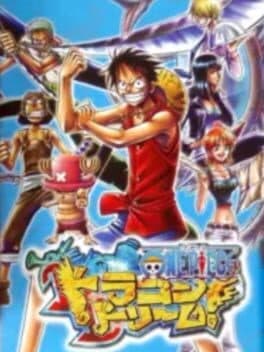
One Piece: Dragon Dream!
Bandai2005
One Piece: Dragon Dream is a Japanese action board game for the Game Boy Advance console featuring characters from the popular anime and manga series One Piece. This game is a sequel to the Playstation game One Piece Ocean's Dream. The games had also been made into a filler arc called the Ocean's Dream arc, which has a similar storyline as the games. The game was developed and released in April 28th, 2005 by Bandai.
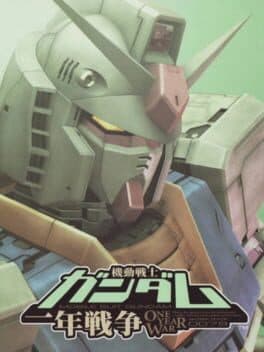
Mobile Suit Gundam: One Year War
Namco2005
One Year War is a third-person action shooting game based on the original Mobile Suit Gundam television series from 1979. Following the events of the "One Year War", the player takes the role of young pilot Amuro Ray through 28 missions that recreate key events from the original series. The game includes both ground and space battle stages, and there are a wide variety of different weapons and machines to use. One notable feature is the so-called "Memorial Actions" system, where completing special requirements that match events in the series will unlock additional bonus content.
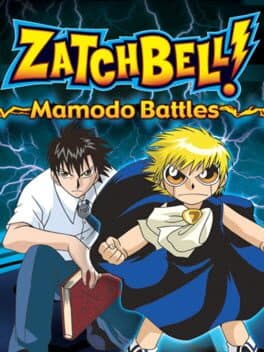
Zatch Bell! Mamodo Battles
Eighting2005
Zatch Bell! Mamodo Battles is a 3D fighting video game for the PlayStation 2 and GameCube that was published by Bandai in 2005 and is the third game of the Yūgō Tag Battle series. It was the first Zatch Bell! video game released outside of Japan.
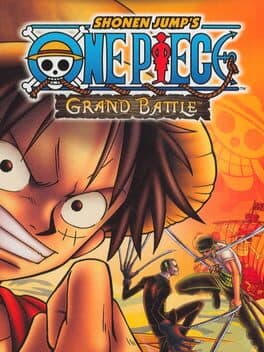
One Piece: Grand Battle
Ganbarion2005
You can try to grab the greatest treasure of them all, the "one piece," in One Piece: Grand Battle. This pirate action game is based on the TV series One Piece, and it lets you play as Monkey D. Luffy and more than 16 other playable characters. There are six game modes for you to play with either one or two players. You can unlock new characters, costumes, and minigames and collect powerful items as you progress through the game and explore the interactive environments from the TV show.
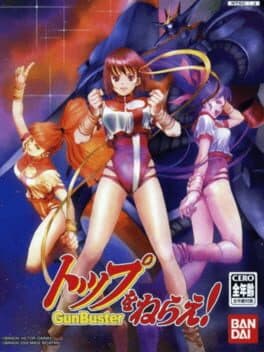
Aim for the Top! Gunbuster
Shade2005
A Japanese only PlayStation 2 adventure game which follows the story of the classic Gainax 1988 anime OVA. Top o Nerae! GunBuster is a video game released in Japan for the Playstation 2 on February 3, 2005. The game does not follow the events of the series, but instead tells a new story which builds on the themes of the original. The game is divided into roaming adventure scenes in which Noriko must converse with characters and collect items to advance the story, and action segments in which Noriko and Kazumi pilot the Gunbuster mecha.
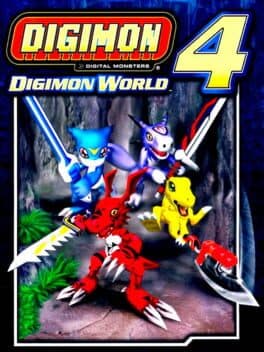
Digimon World 4
Bandai2005
"It's up to you to save the Digital World!" Digimon World 4 is an action role-playing game which is loosely based on the movie, "Digital Monster X-Evolution" which only saw a release in Japanese. You start as either Agumon, Veemon, DORUmon or Guilmon and can digivolve to 12 others by doing missions for the beings called "Digi-Elves" and recieving them as reward for your work for a total of 16 playable Digimon. Defeat enemies, earn bits and equip your Digimon for combat.
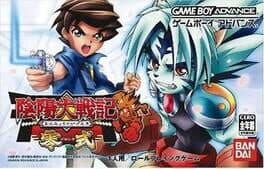
Onmyou Taisenki: Zeroshiki
Bandai2004
Onmyou Taisenki: Zeroshiki is a Role-Playing game, developed by Kamui and published by Bandai, which was released in Japan in 2004.
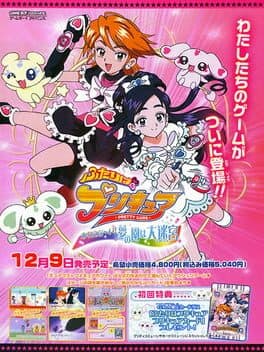
Futari ha Precure: Arienai! Yume no Sono ha Daimeikyuu
Open Sesame2004
The first ever video game based on the anime of the same name, this is a puzzle platforming game in which the player guides Cure Black and Cure White through a series of puzzle stages. There are nine regular stages and one boss battle stage per world. The player needs to switch from one character to the other in order to bypass obstacles or reach parts of each stage.
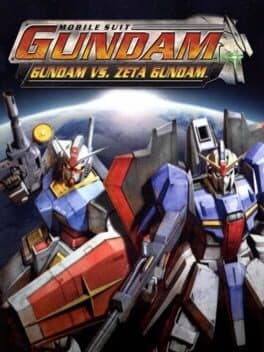
Mobile Suit Gundam: Gundam vs. Zeta Gundam
Capcom2004
Mobile Suit Gundam: Gundam vs. Zeta Gundam takes place seven years after the end of the devastating One-Year War, with the Titans police force assuming dictatorial powers. As the A.E.U.G. rebel group struggles to defeat the Titans, the heroes and villains of the original Mobile Suit Gundam series find themselves on the same side of this new conflict. You can choose whether to play as a member of the A.E.U.G. or Titans, and strap yourself into one of 31 new mobile suits. Practice your maneuvering skills in single-player story mode or take on a friend in multiplayer battles.
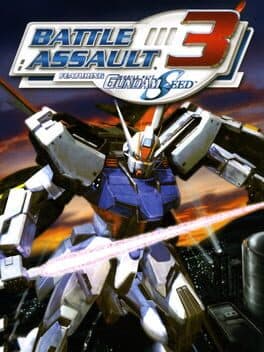
Battle Assault 3 featuring Gundam Seed
Natsume Inc.2004
Battle Assault 3 featuring Gundam Seed is the fifth game in the series. It was released on the PlayStation 2, four months after the GBA installment. It was the first to feature full 3D graphics and it also focused on units from the Gundam Seed anime, including grunt mobile suits like GINNs. However, the Wing Gundam Zero Custom, Tallgeese III, Burning (God) Gundam and Master Gundam appear as unlockable secret characters. It was only released in the US. It was built off of the original Gundam Seed game for the PlayStation 2, but modified from an action game into a 3D fighting game.

Kiss x Kiss: Seirei Gakuen
Kamui2004
Kiss x Kiss: Seirei Gakuen is a Strategy game, developed by Kamui and published by Bandai, which was released in Japan in 2004.
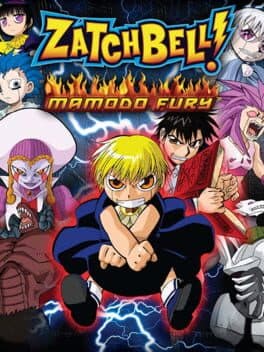
Zatch Bell! Mamodo Fury
Mechanic Arms2004
Zatch Bell! Mamodo Fury is a fighting game released by Bandai in 2004. In 2006 the game was released in North America by Namco Bandai Games, and a GameCube port was released exclusively there.
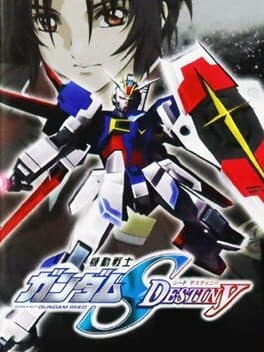
Mobile Suit Gundam SEED Destiny
Natsume Inc.2004
A follow-up to Gundam SEED Battle Assault that was only released in Japan. It is a fighting game based on the Gundam SEED Destiny anime.
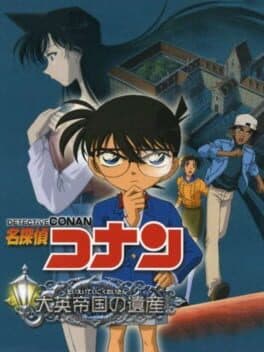
Detective Conan: Daieiteikoku no Isan
Bandai2004
The only Detective Conan game developed by Bandai for the PlayStation 2. It was the final Detective Conan game to be released on a PlayStation system for a span 8 years and as of 2017 it is also the final one to be a Sony exclusive.
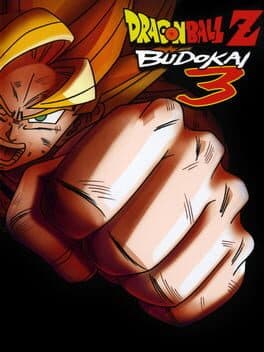
Dragon Ball Z: Budokai 3
Dimps2004
The third installment in the Dragon Ball Z: Budokai series begins another tournament of champions where only one fighter can prevail. As one of the characters from the Dragon Ball Z animated series, you can master an all-new fighting system that lets you teleport, juggle opponents, fly, and attack in a variety of ways. As you progress through the tournament, you can unlock up to 40 bonus characters from the DBZ universe. You can also post and retrieve character profiles from the Internet.
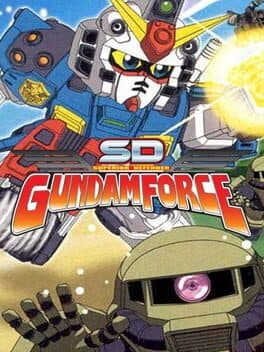
SD Gundam Force
2004
Play as your favorite Gundam Force character from the animated series and save the peaceful capital Neotopia from a mysterious ancient force. You can play the role of Captain Gundam, Zero the Winged Knight, or Musha Bakunetsumaru; equip your characters with weapons and items; and then head into battle. The journey spans three worlds and ends with a final showdown with the evil berserker Abigor. It's up to you to rescue Shute from the Dimension Halo and destroy the evil empire.
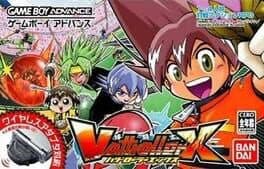
Vattroller X
Ganbarion2004
A Ganbarion and Bandai Japanese style role playing game released exclusively on Game Boy Advance in Japan
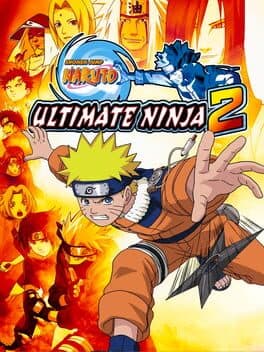
Naruto: Ultimate Ninja 2
CyberConnect22004
"The ultimate ninja battle returns! Battle the best in the land with intense, anime-style head-to-head ninja fighting with over 30 playable characters and 16 unique stages. Choose from more than 60 exciting missions, test your skills with challenging mini-games or play through the anime storyline - and even unlock an original story - in the all-new mode, Ultimate Road. Earn money and points to unlock tons of bonus content as you unleash your chakra and ascend the ranks on your way to becoming the greatest ninja of all!"
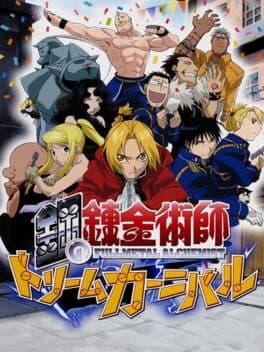
Fullmetal Alchemist: Dream Carnival
Eighting2004
Fullmetal Alchemist: Dream Carnival is the first Fullmetal Alchemist fighting game for the PlayStation 2 and is the second Fullmetal Alchemist video game for the PlayStation 2. It was released in Japan in 2004, but was never translated or sold in North America or Europe.

Gunslinger Girl Volume III
Bandai2004
Gunslinger Girl Volume III is an Adventure game, published by Bandai, which was released in Japan in 2004.
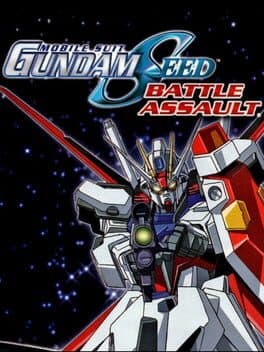
Mobile Suit Gundam SEED: Battle Assault
Natsume Co., Ltd.2004
Gundam Seed: Battle Assault, a great new action game, is the first Gundam game to become available on the Game Boy Advance. Gundam Seed is the next big thing to hit the world of Gundam. Based on the anime aired in Japan in 2003 and in the US on Cartoon Network TV in 2004, the game features 12 playable mobile suits from the show. Also included are seven gameplay modes including a two-player VS mode that allows gamers to link up to four Game Boy Advance systems using a Game Boy Advance Game Link Cable (sold separately) for head to head action. To make the game accessible to wide audience, the game includes a difficulty level for all players: choose automatic or manual mode, and then adjust armor, HP and energy gauges to maximize the challenge.
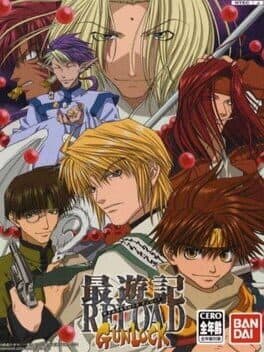
Saiyuki Reload: Gunlock
Bandai2004
Saiyuki Reload: Gunlock is an Action game, published by Bandai, which was released in Japan in 2004.
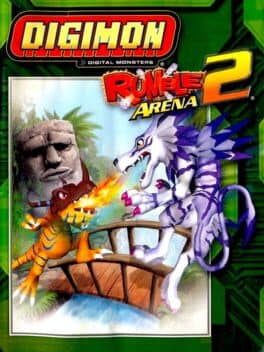
Digimon Rumble Arena 2
Bandai2004
Digimon Rumble Arena 2 (Digimon Battle Chronicle in Japan) is a Digimon fighting game released in 2004 by Bandai Games for the GameCube, PlayStation 2, and the Xbox.
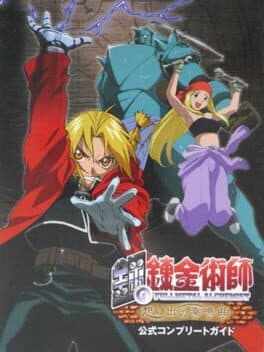
Fullmetal Alchemist: Omoide no Sonata
Tom Create2004
Fullmetal Alchemist: Sonata of Memories is a role-playing game for the Gameboy Advance published by Bandai. It is one of two FMA games for the GBA that were only released in Japan. It's a direct sequel to Stray Rondo.
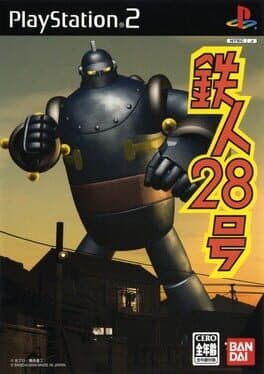
Tetsujin 28-Gou
Sandlot2004
A game set in the Tetsujin/Gigantor universe where you control gigantic robots with a remote control.
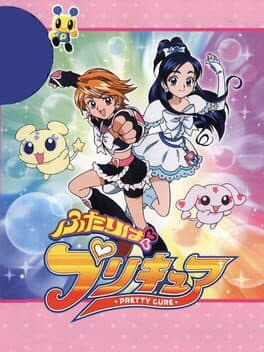
Futari ha Pretty Cure
Bandai2004
Futari wa Pretty Cure is a game for the Sega Pico kids' computer. Aimed at young children aged 3-5, the game does not have a story mode, and has very little text. The various mini-games are short and fairly simple.
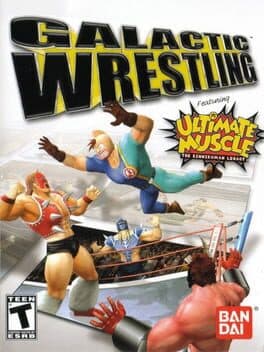
Galactic Wrestling featuring Ultimate Muscle: The Kinnikuman Legacy
AKI Corporation2004
Galactic Wrestling: Featuring Ultimate Muscle puts you in the fast and exciting wrestling action of the Ultimate Muscle cartoon. You can choose from more than 45 characters--each with unique moves--plus hidden wrestlers that you can unlock. Go toe-to-toe against unusual opponents in modes such as Tag Team and Battle Royal. Slam up to three of your friends in seven different rings. Easy to learn, yet difficult to beat, Galactic Wrestling: Featuring Ultimate Muscle lets you exercise your fighting skills.
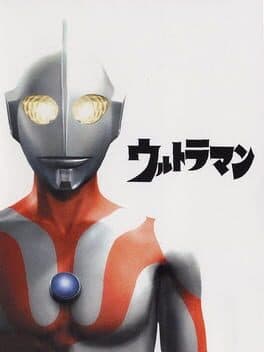
Ultraman
2004
Ultraman is an action video game that follows the story of the original Ultraman and Return of Ultraman.
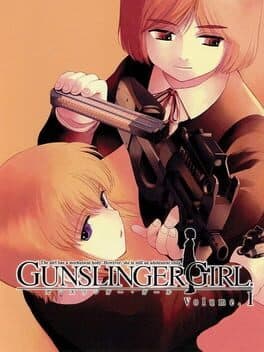
Gunslinger Girl Volume I
2004
Gunslinger Girl Volume I is an Adventure game, published by Bandai, which was released in Japan in 2004.
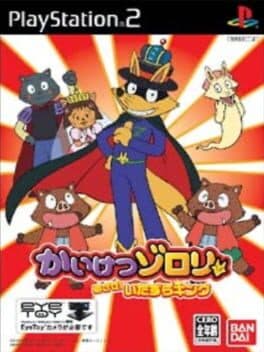
Kaiketsu Zorori: Mezase! Itazura King
Bandai2004
Kaiketsu Zorori: Mezase! Itazura King is a Miscellaneous game based on the popular Japanese children's book character Kaiketsu Zorori, developed and published by Bandai. Released exclusively in Japan in 2004. Using the EyeToy camera, you can put yourself in the game and appear alongside Zorori, Ishishi and friends. There are nine different types of mischief you can cause -- the ultimate objective is to outdo Zorori himself. There is also a party mode where up to four players compete consecutively to become the King of Pranks.
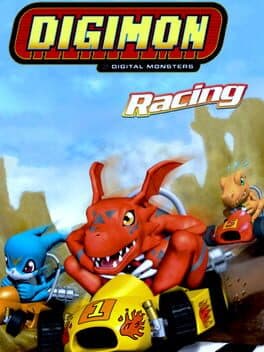
Digimon Racing
Griptonite Games2004
If you thought Digimon didn't drive cars, you're wrong. In Digimon Racing, the Digimon crew just got their first set of wheels, and they're ready to tear up more than 15 tracks. As your favorite Digimon character from the animated TV series, you'll drive a kart through lava fields, jungles, and cities in a variety of game modes, including Single Race, Cup Race, Boss Challenges, and Time Trial. Link Game Boy Advance systems with a Game Link Cable for head-to-head action for up to four players.
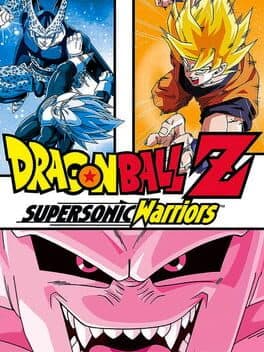
Dragon Ball Z: Supersonic Warriors
Arc System Works2004
The Aerial Assault Begins! Pick your DBZ Dream Team and shake the Dragon Ball Z universe with free-flight combat! Bombard opponents with punishing attacks on the ground and in the air. It's thunderous DBZ fighting unlike anything you've ever seen before! -Fight as one of 15 characters -Uncover alternate endings to famous DBZ storylines -Survive tag team mayhem for 2 players via Game Boy Advance Game Link Cable -Upgrade fighting skills as you advance
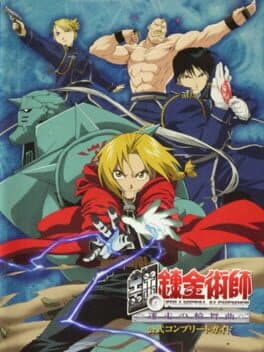
Fullmetal Alchemist: Stray Rondo
Tom Create2004
Fullmetal Alchemist: Stray Rondo is a role playing game for the Game Boy Advance published by Bandai. It is one of two FMA games for the GBA that were only released in Japan. This is the first game chronologically out of the two, the second being Sonata of Memories.
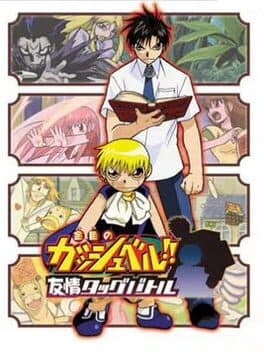
Konjiki no Gash Bell!! Yuujou Tag Battle
Eighting2004
Konjiki no Gash Bell!! Yūjō Tag Battle is a 3D fighting game. This is the first game in the Yuujou Tag Battle series, where Zatch Bell! Mamodo Battles is part of.
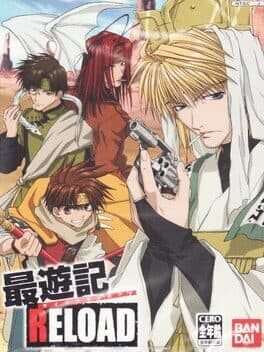
Saiyuki Reload
Bandai2004
Saiyuki Reload is a Role-Playing game, published by Bandai, which was released in Japan in 2004.
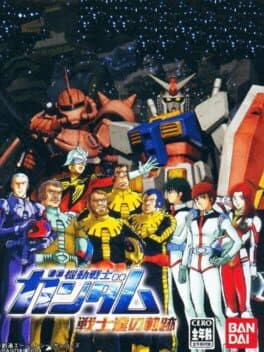
Kidou Senshi Gundam: Senshi-tachi no Kiseki
BEC2004
Mobile Suit Gundam: The Ace Pilot is an Action game, developed and published by Bandai, which was released in Japan in 2004.
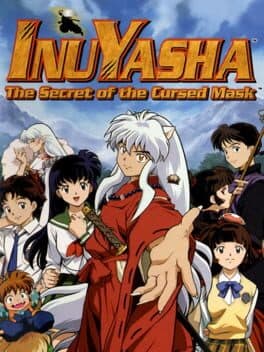
InuYasha: The Secret of the Cursed Mask
Quintet2004
Inuyasha: The Secret of the Cursed Mask is based on an anime series of the same name. You can play either as a teenager boy or a teenager girl, named by the player. The two scenarios are very similar and basically follow the same story: you live in modern-day Tokyo and one day discover a strange symbol in an old storehouse. As a result, you are transported to medieval Japan. You encounter the half-demon Inuyasha, who introduces you to Kagome Higurashi, the heroine of the anime series. Together you embark on a journey to retrieve scattered pieces of the Sacred Jewel and to find a way to get back home. This is a fairly traditional Japanese-style RPG with random encounters and turn-based combat viewed from over-the-shoulder perspective. You can attack physically, use special techniques, and power up to combo attacks with multiple characters.

One Piece: Going Baseball - Kaizoku Yakyuu
NOW Production2004
One Piece: Going Baseball is a Japanese only game released for the GameBoy Advance in 2004. The controls are simple and the basic point of the game is to choose a team and try to win in a tournament against all the other teams. There is a story mode, which is needed to unlock the final team, and a minigame mode. The game appears to take place after the Skypiea Arc, as the crew is seen in the beginning wearing their outfits from Skypiea, and the Skypiea arena is the farthest point that the game goes up to.
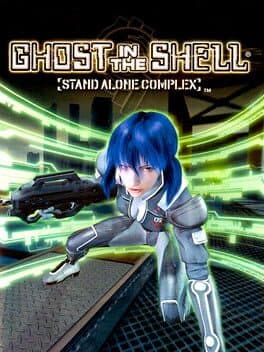
Ghost in the Shell: Stand Alone Complex
Cavia2004
Based on the movie of the same name, Ghost in the Shell: Stand Alone Complex is a fast-action third-person shooter for up to four players. As "Major" Motoko Kusanagi, Batou, and Tachikoma, you can engage enemies in both multiplayer combat and single-player missions. In single-player mode, your missions involve hacking into machines and computers, controlling your enemies' minds from a distance, and using a variety of weapons to eliminate your enemies. Complete the Story mode to unlock more playable characters, costumes, and additional weapons.
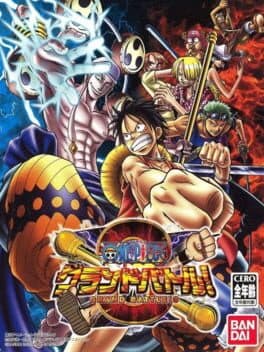
One Piece: Grand Battle! 3
Ganbarion2003
One Piece Grand Battle 3 is a video game of the action-adventure genre released in 2003 by Ganbarion. This is the third game in the Grand Battle series and the sequel to Grand Battle! 2. The game was released only in Japan on December 11, 2003 for the Playstation 2 and Game Cube. The Game cube version of this game featured a demo of One Piece: Going Baseball in which could be played on a Game Boy Advance. Only Luffy and Enel were playable. This game was never translated into English. This game includes sixteen playable characters and seven stages all based on the One Piece story up to the Skypiea Arc. Each character contains over two special attacks, and can use the environment as a weapon.
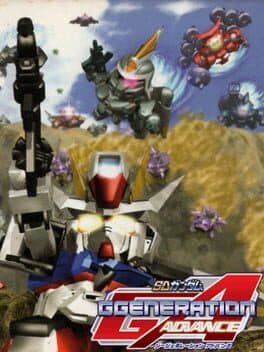
SD Gundam G Generation: Advance
Vanguard Works2003
Another title in the SD Gundam G Generation franchise. This game follows the system of the Wonderswan G-Gen games, and features a crossover plot.
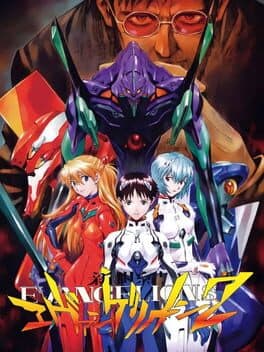
Neon Genesis Evangelion 2
Alfa System2003
Neon Genesis Evangelion 2 (新世紀エヴァンゲリオン2 lit. "Shinseiki Evangelion 2") is a Japanese video game for the PlayStation 2 developed by Alfa System and published by Bandai. It has role-playing video game and world-controlling elements, and allows the player to follow a number of characters (such as Asuka Langley Soryu, Shinji Ikari, Pen², etc.) through multiple versions of the main plot of the anime Neon Genesis Evangelion. The PlayStation Portable port was released 2006-04-27 as Neon Genesis Evangelion 2 -Another Cases-
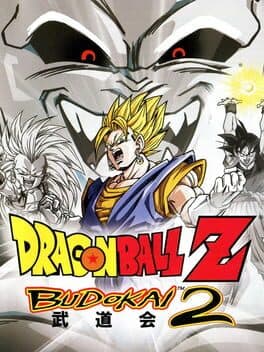
Dragon Ball Z: Budokai 2
Dimps2003
Go to the next level in the Dragon Ball Z saga. Dragon Ball Z: Budokai 2 improves upon the first installment by adding an all-new single player mode, new characters and explosive attacks. Experience the new match-ups, character cameos and challenging missions in "Dragon World." Pick your favorite DBZ hero or enemy and take on a friend in "Vs." and "Tournament" modes. If you're really good, you will soon come face-to-face with Buu, the most lethal DBZ villain.
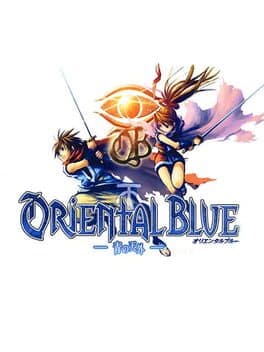
Oriental Blue: Ao no Tengai
Red Entertainment2003
Oriental Blue is an RPG from the Far East of Eden series. It has a unique magic system and different pathways the story can take depending on in-game choices. The game continues the tradition of the series. You play as either Tenran or Aoi, a teenage boy and girl, respectively, on quest to defeat the ancient evil that threatens the prosperous land of Jipang, to prove themselves worthy of the legendary Fire Clan, warriors who have been protecting Jipang for many generations from evil demons and warlocks. The land Jipang is very similar to medieval Japan, and during your adventure you'll also visit Mongolia, China, and other Asian countries. The most important new feature of the game is a non-linear storyline. You can tackle many missions in any order you want, and the storyline also changes depending on the outcome of major battles. If you lose against a boss enemy, the game is not over, but instead, a branching storyline path is revealed. Otherwise, the gameplay is similar to other Far East of Eden games, featuring overworld map traveling and first person perspective, turn-based combat.
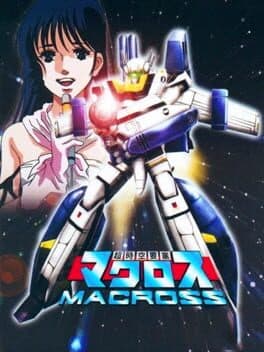
Chou Jikuu Yousai Macross
Sega AM22003
This action game, based on the Macross franchise, allows players to relive both the 1982 anime series and the Do You Remember Love? movie. The game was produced by Bandai and created by the Sega AM2 team that programmed Aero Dancing. The game features a blend of arcade shooting and realistic aerial combat similar to the Ace Combat series.
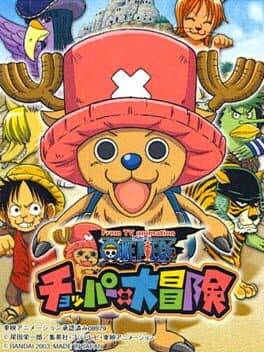
One Piece: Chopper no Daibouken
Bandai2003
One Piece: Chopper's Big Adventure is a Japanese role-playing game for the Wonderswan handheld featuring characters from the popular anime and manga series One Piece. It was developed by Bandai and released on October 16, 2003 by Bandai Namco.
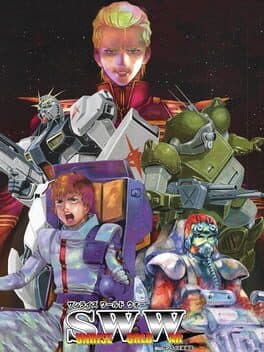
Sunrise World War
Atelier-Sai2003
Sunrise World War is a Strategy video game published by Bandai, Sunrise Interactive released on September 25th, 2003 for the Sony PlayStation 2.
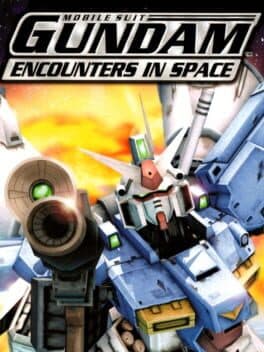
Mobile Suit Gundam: Encounters in Space
BEC2003
Rather than tell a single continuous story, the single-player game in Encounters in Space is broken up into a few short vignettes that take place over the course of four years. These vignettes are accounts of several significant battles during and after the One Year War between the Earth Federation and the Principality of Zeon.
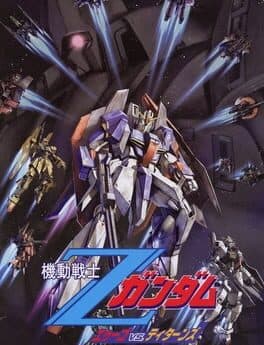
Mobile Suit Zeta Gundam: AEUG vs. Titans
Capcom2003
The second game of the "Gundam vs" series, AEUG vs. Titans covers the Gryps Conflict (the story of Mobile Suit Zeta Gundam).
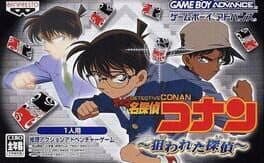
Detective Conan: Nerawareta Tantei
Fortyfive2003
Detective Conan: Nerawareta Tantei is an Adventure game, developed by Fortyfive and published by Banpresto, which was released in Japan in 2003.
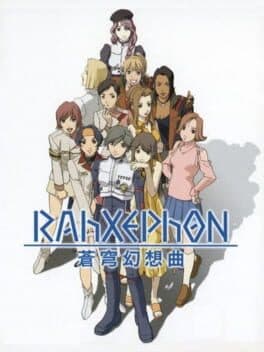
Rahxephon
Shade2003
Science-fiction Action-adventure game based on the TV series.
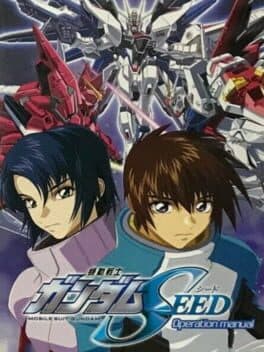
Mobile Suit Gundam SEED
Natsume Inc.2003
This Japan-exclusive game is the first to be based on the Gundam SEED franchise. It is a 2.5D action game that faithfully follows the plot of the show.
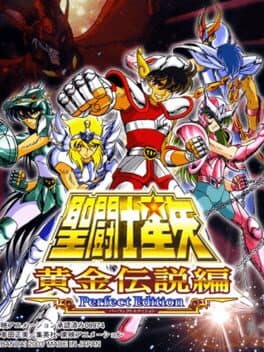
Saint Seiya: Ougon Densetsu-hen - Perfect Edition
Tose2003
Saint Seiya: Ougon Densetsu-hen - Perfect Edition is a Role-Playing game, developed by TOSE and published by Bandai, which was released in Japan in 2003. It is a remake of the two NES games in the Saint Seiya: Ougon Densetsu series. It is an adaptation of the anime more faithful and complete than its original versions, although various functions and combats were also excluded from it.
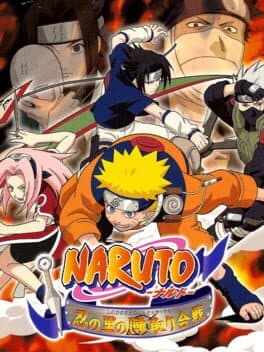
Naruto: Shinobi no Sato no Jintori Kassen
Dimps2003
This game was released only in Japan. The gameplay is similar to a strategic board game. The purpose of the game is to occupy the opponent's home base.
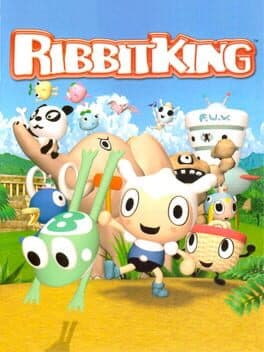
Ribbit King
Jamsworks2003
The 'Kero Kero' of the title comes from the onomatopoeia for the sound a frog makes. But no wonder the frog is squawking as it gets hammered around the course in a game of croquet with frogs instead of balls. Various conditions to consider too like in golf such as the wind direction or the fact that the ball is a frog and will jump off spiders webs or launch at passing flies. Allows players to enjoy their own characters in versus mode too.

Gotouchi Hello Kitty Sugoroku Monogatari
Sanrio Digital2003
Gotouchi Hello Kitty Sugoroku Monogatari is a game developed by Sanrio Digital and published by Bandai, which was released in Japan in 2003. The game features 2d cartoon graphics & up to 4 human players or play against 1 or 3 computer players.
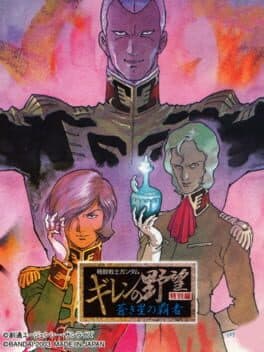
Kidou Senshi Gundam: Giren no Yabou - Tokubetsu-hen Aokisei no Hasha
Vanguard Works2003
Kidou Senshi Gundam: Gihren no Yabou - Tokubetsu-hen Aokisei no Hasha is a Strategy game, developed by Vanguard Works and published by Bandai, which was released in Japan in 2003.
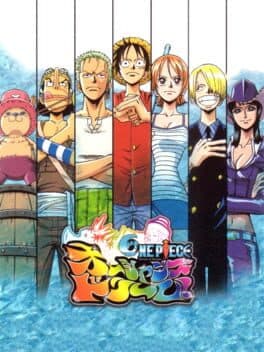
One Piece: Ocean's Dream!
8ing2003
One Piece: Ocean's Dream is a Japanese single player/multplayer board game for the PlayStation console based on the One Piece manga and anime series. It was developed by 8ing and Q Entertainment and published by Bandai Namco. It had also been made into a filler arc of the Anime series entitled Ocean's Dream Arc, which followed the storyline of the game. The game was released in May 2003.
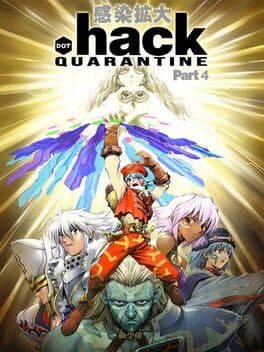
.Hack//Quarantine
CyberConnect22003
.Hack//Quarantine is the fourth of a series of four games, titled .hack//Infection, .hack//Mutation, .hack//Outbreak, and .hack//Quarantine, features a "game within a game"; a fictional massively multiplayer online role-playing game (MMORPG) called The World which does not require the player to connect to the Internet. Players may transfer their characters and data between games in the series. Each game comes with an extra DVD containing an episode of .hack//Liminality, the accompanying original video animation series which details fictional events that occur concurrently with the games. The games are part of a multimedia franchise called Project .hack which explores the mysterious origins of The World. Set after the events of the anime series .hack//Sign, the games focus on a player named Kite and his quest to discover why some users have become comatose as a result of playing The World. The search evolves into a deeper investigation of The World and its effects on the stability of the Internet.
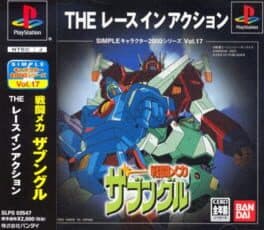
Simple Character 2000 Series Vol.17: Sentou Mecha Xabungle - The Race in Action
Bandai2003
A 2D racing and mecha combat game based on the Combat Mecha Xabungle anime series.
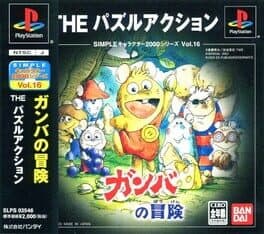
Simple Characters 2000 Series Vol. 16: Ganba no Bouken Puzzle
2003
Simple Characters 2000 Series vol.16: Ganba no Bouken Puzzle is an action puzzle game featuring characters from the anime series Ganba no Boken. The gameplay is about put the counter that is in botton right part of the screen to zero, in some stages that means destroy mouses, cats, birds or find all the items.
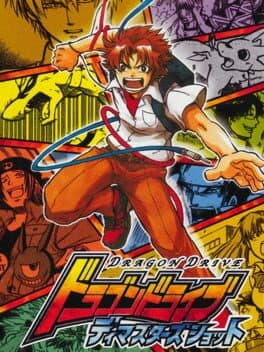
Dragon Drive: D-Masters Shot
Treasure2003
Dragon Drive: D-Masters Shot is a third-person shooter video game released in 2003 by Treasure Co. Ltd. The game is based on the Dragon Drive series and was only released in Japan. Gameplay[edit] Dragon Drive was an aerial combat game, set primarily in large, outdoor arenas where players had to face several waves of enemies. With multi-directional dash and lock on abilities, the game has sometimes drawn comparisons to the Zone of the Enders series. The game also has a handful of rail shooter levels, drawing frequent comparisons to Sega's Panzer Dragoon series, but these comprise only a very small portion of the game.
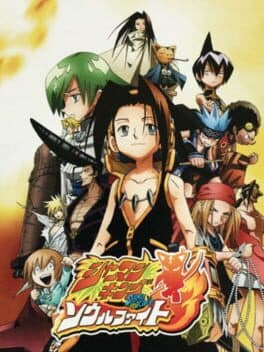
Shaman King: Soul Fight
Tuning Electronic2003
A fighting and strategy game based on the anime and manga Shaman King. Play as your favorite characters in various modes.
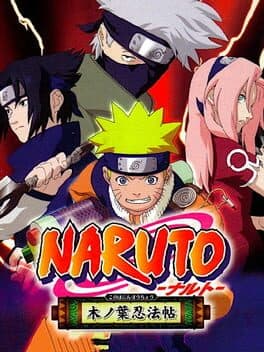
Naruto: Konoha Ninpouchou
2003
Naruto: Konoha Ninpouchou is a RPG based in Naruto anime series. The game follows the Prologue - Land of Waves arc and during the mission battles the player selects Seals in a Scroll to use as commands.
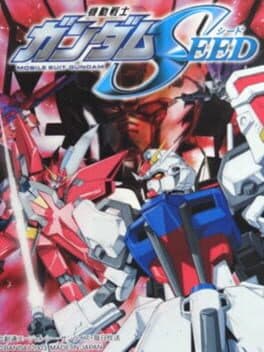
Kidou Senshi Gundam Seed
Bandai2003
Kidou Senshi Gundam Seed is an Action game, developed and published by Bandai, which was released in Japan in 2003.
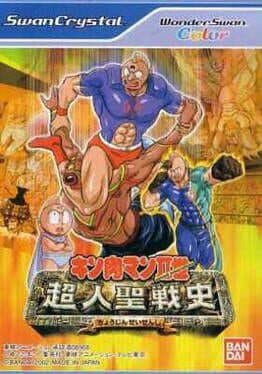
Kinnikuman Nisei: Choujin Seisenshi
2003
Kinnikuman Nisei: Choujin Seisenshi is a Role-Playing game, developed and published by Bandai, which was released in Japan in 2003.
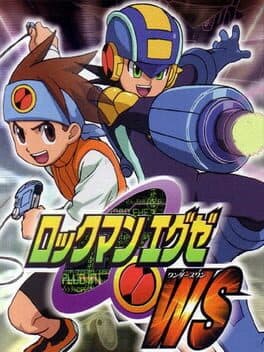
Rockman EXE WS
Capcom Production Studio 22003
Rockman.EXE WS is a side-scrolling, platform-based video game. The gameplay mainly consisted of shooting enemies and jumping through obstacles and platforms.
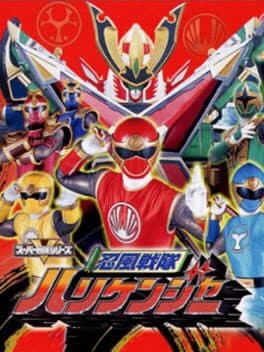
Ninpu Sentai Hurricanger
Natsume Inc.2002
A Japanese "power ranger" genre game. Brawler/fighter with a mix of live action cut-scenes.
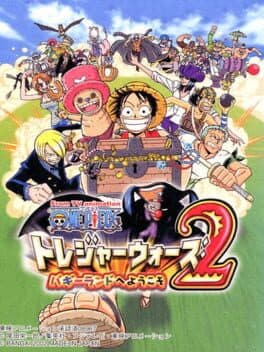
One Piece: Treasure Wars 2 - Buggyland he Youkoso
Bandai2002
One Piece: Treasure Wars 2 Welcome to Buggyland is a board game for the Wonderswan handheld based on the manga and anime series One Piece. It was developed, released, and published in December 2002 by Bandai.
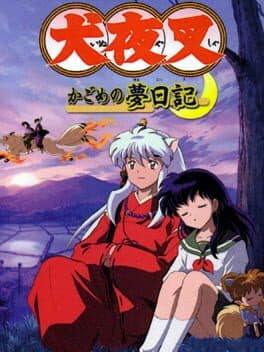
Inuyasha: Kagome no Yume Nikki
2002
Inuyasha: Kagome no Yume Nikki is a Role-Playing game, developed by Tomcat System and published by Bandai, which was released in Japan in 2002.
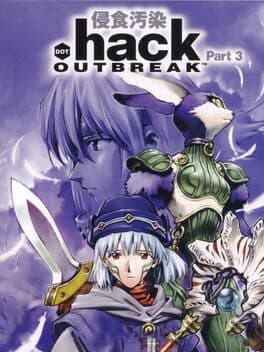
.Hack//Outbreak
CyberConnect22002
.Hack//Outbreak is the third of a series of four games, titled .hack//Infection, .hack//Mutation, .hack//Outbreak, and .hack//Quarantine, features a "game within a game"; a fictional massively multiplayer online role-playing game (MMORPG) called The World which does not require the player to connect to the Internet. Players may transfer their characters and data between games in the series. Each game comes with an extra DVD containing an episode of .hack//Liminality, the accompanying original video animation series which details fictional events that occur concurrently with the games. The games are part of a multimedia franchise called Project .hack which explores the mysterious origins of The World. Set after the events of the anime series .hack//Sign, the games focus on a player named Kite and his quest to discover why some users have become comatose as a result of playing The World. The search evolves into a deeper investigation of The World and its effects on the stability of the Internet.
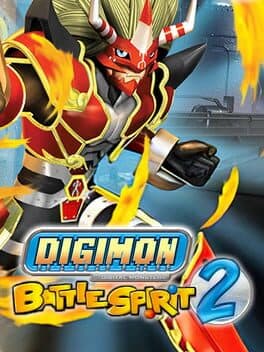
Digimon: Battle Spirit 2
Dimps2002
It is a sequel to Digimon: Battle Spirit. You can battle with the characters from the Digimon Frontier anime series. Developed by Dimps.
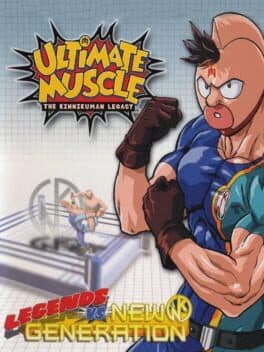
Ultimate Muscle: Legends vs. New Generation
AKI Corporation2002
Many years ago, King Muscle and the legendary Muscle League saved the people of Earth by battling against an evil horde of villains who were attempting to conquer the planet. After 28 years, the evil villains have returned, but this time the "Legends" can't fight them alone. They need help from a whole new group of younger super-heroes - the New Generation. Now, the wise and experienced trainer of both generations, Meat, has decided to pit the two generations against each other to decide once and for all which generation is the strongest of all time.
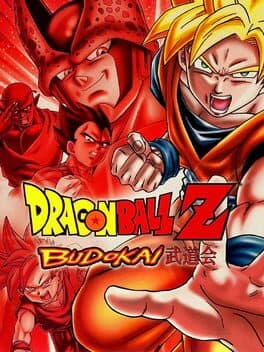
Dragon Ball Z: Budokai
Dimps2002
Join us on a wild ride through the best action cartoon series on TV, Dragonball Z. The story begins after Goku defeats Piccolo at the World Marital Arts Tournament and he comes to visit Master Roshi, when all of a sudden, his brother Raditz appears and kidnaps his son, Gohan, after he saves him he is sent to Other World to train with King Kai for for two more powerful Saiyan arriving one year later. This wild ride story takes you from the Saiyan to the Cell Games Saga. There are also several options in the game: there is a world tournament mode where you could buy new moves and a practice mode where you can sharpen your skills before entering story mode. You could also summon Shenron when you collect all 7 Dragonballs. So, buckle up, hold on to your seat and enjoy the ride of Dragonball Z!
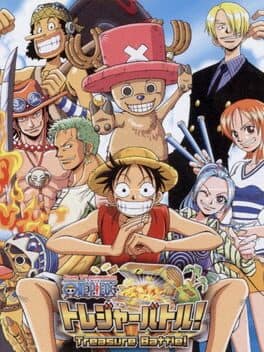
One Piece: Treasure Battle!
BEC2002
Treasure Battle! is a Japanese-only Gamecube game released in 2002. The game's plot revolves around Rocky Hattari who has challenged Luffy and Straw Hat Pirates to a "Treasure Battle" to win their treasure. Luffy agrees to the challenge, the treasure in question is a card collection.
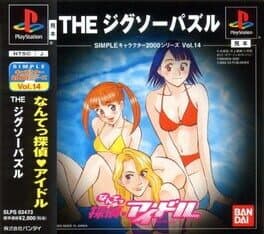
Simple Characters 2000 Series Vol. 14: Nante Tantei Idol - The Jigsaw Puzzle
Bandai2002
Nante Tantei Idol: The Jigsaw Puzzle is a big collection of unlockable pictures and different images of the characters of the manga series "Nante Tantei Idol" that can be unlocked playing different jigsaw puzzle games.
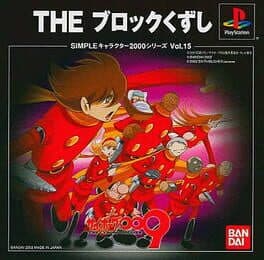
Simple Characters 2000 Series Vol. 15: Cyborg 009 - The Block Kuzushi
Access2002
Simple Characters 2000 Series vol. 15: The Block Kuzushi is a breakout game featuring characters of the manga series Cyborg 009, an unlockable picture gallery and 2 game modes: - Story mode: Advance through the story passing the game stages. - Survival mode: Only one live to complete the stages.
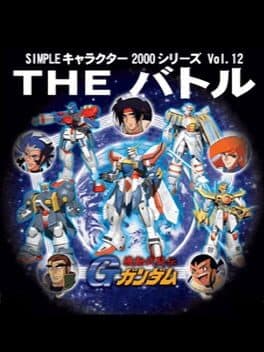
Simple Characters 2000 Series Vol. 12: Kidou Butou-den G Gundam - The Battle
Natsume Inc.2002
Kidou Butou-den G Gundam is a 2d fighting game that features characters from the G Gundam series and these game modes: - Street - VS CPU - VS 2 Player
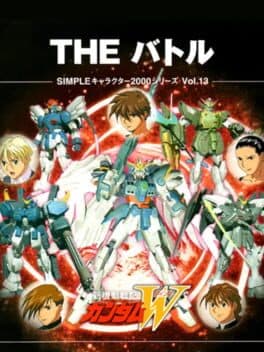
Simple Characters 2000 Series Vol. 13: Kidou Senki Gundam W - The Battle
Natsume Inc.2002
Kidou Senki Gundam W - The Battle is a 2d fighting game that features characters from the W Gundam series.

Tenshi Na Konamaiki
Kamui2002
PS1 visual novel based on the anime Cheeky Angel.
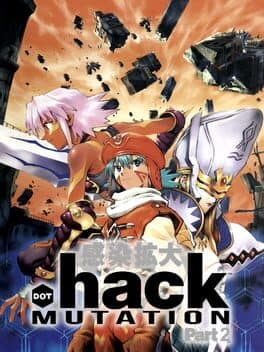
.Hack//Mutation
CyberConnect22002
.Hack//Mutation is the second of a series of four games, titled .hack//Infection, .hack//Mutation, .hack//Outbreak, and .hack//Quarantine, features a "game within a game"; a fictional massively multiplayer online role-playing game (MMORPG) called The World which does not require the player to connect to the Internet. Players may transfer their characters and data between games in the series. Each game comes with an extra DVD containing an episode of .hack//Liminality, the accompanying original video animation series which details fictional events that occur concurrently with the games. The games are part of a multimedia franchise called Project .hack which explores the mysterious origins of The World. Set after the events of the anime series .hack//Sign, the games focus on a player named Kite and his quest to discover why some users have become comatose as a result of playing The World. The search evolves into a deeper investigation of The World and its effects on the stability of the Internet.
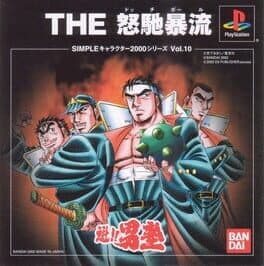
Simple Characters 2000 Series Vol. 10: Sakigake! Otokojuku - The Dodge Ball
Bandai2002
This is a dodgeball game from the Sakigake!! Otokojuku series for the Playstation.
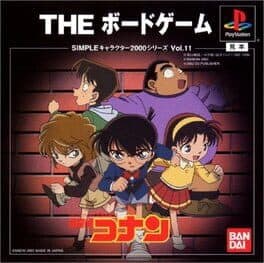
Simple Characters 2000 Series Vol. 11: Detective Conan - The Board Game
Bandai2002
The fourth overall Detective Conan game developed by Bandai for the PlayStation. Unlike other entries in the franchise this one is a board game instead of an Adventure game
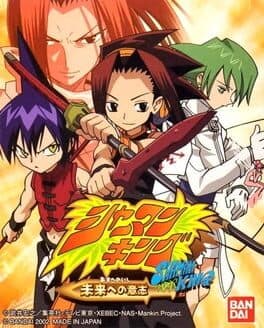
Shaman King: Asu he no Ishi
Graphic Research2002
Shaman King: Asu he no Ishi is an Action Adventure game, developed by Graphic Research and published by Bandai, which was released in Japan in 2002.
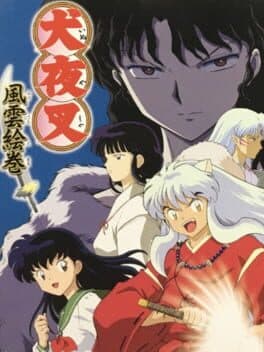
Inuyasha: Fuuun Emaki
Bandai2002
Inuyasha: Fuuun Emaki is an Adventure game, developed and published by Bandai, which was released in Japan in 2002.
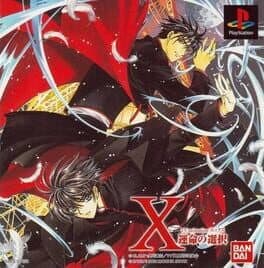
TV Animation X - Unmei No Tatakai
Taito2002
X: Unmei no Tatakai is an 3D fighting game that features a story mode, set in the television series continuity, and a versus mode, which allows players to compete against each other using any of the Dragons of Heaven or Earth. The game was not released outside Japan and it has two different endings.
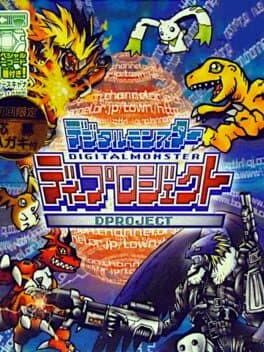
Digital Monster: D Project
Sting2002
Digital Monster: D Project is a Role-Playing game, developed by Sting and published by Bandai, which was released in Japan in 2002.
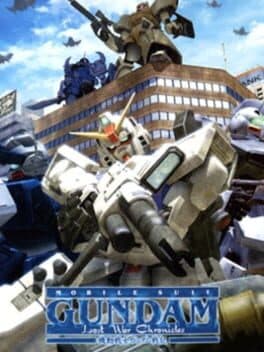
Mobile Suit Gundam: Lost War Chronicles
BEC2002
A side-story based on Mobile Suit Gundam. It follows a team of grunts fighting during the iconic One Year War.
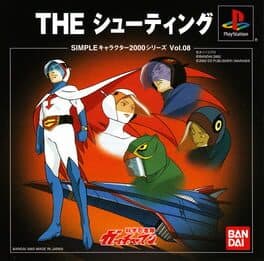
Simple Characters 2000 Series Vol.8: Kagaru Ninja Tai Gatchaman - The Shooting
Warashi2002
Gatchaman: The Shooting is a vertical shoot 'em up based on the Japanese manga/anime with the same name (Known as Battle of the Planets in the US). You select any of the four characters featured in the game (Ken the Eagle, Joe the Condor, Jun the Swan and Jinpei the Swallow) and shoot your way through 4 action filled stages with increasing difficulty either running riding a vehicle or flying, to in the end defeat the evil Berg Katse. Along the way you can collect power-ups for your weapons to increase your chances of survival.
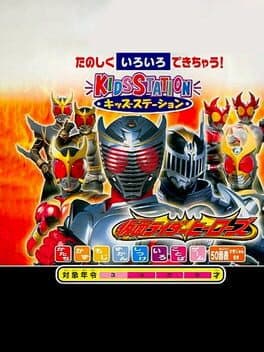
Kids Station: Kamen Rider Heroes
Bandai2002
Kamen Rider Heroes is a tokusatsu-themed mini-game collection.

Kids Station: Hello Kitty no Ouchi he Oide yo!
Bandai2002
Hello Kitty no o-Uchi he o-Ide yo! is a collection of 30 mini-games where the players can learn about Kitty's house, cooking, painting, design clothes, play games in the park, play with Kitty's pet, etc.
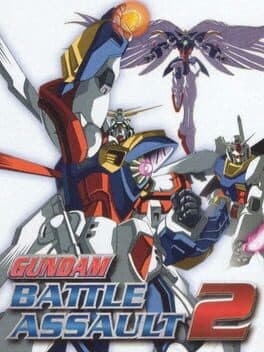
Gundam Battle Assault 2
Natsume Inc.2002
Your fighting skills will be put to the ultimate test, as you challenge other pilots for the right to be called the best. As Burning Gundam, you're a martial arts specialist in search of your brother. Then as Heero Yuy in Gundam Wing, attempt to destroy Trieze Khushrenada. Finally, use Gunam RX-78 to wage war against the Principality of Zeon. * Exciting modes of play include: Street Mode, Two * Exciting Versus Modes, Two fast-action Time modes, and Survival Mode! * Follow Three Different Storylines! * Amazing Hand-Drawn 2D Graphics. * Intuitive, Smooth Controls! * The Most Varied Selection of Mobile Suits Yet! 30 of the most popular mobile suits from Mobile Suit Gundam, G Gundam, and Gundam Wing!
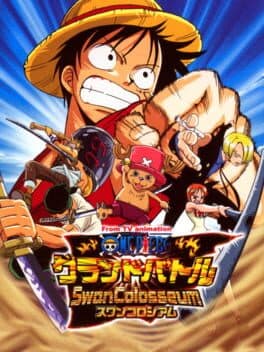
One Piece Grand Battle: Swan Colosseum
2002
One Piece Grand Battle: Swan Colosseum is an Action game, developed by Dimps Corporation and published by Bandai, which was released in Japan in 2002.
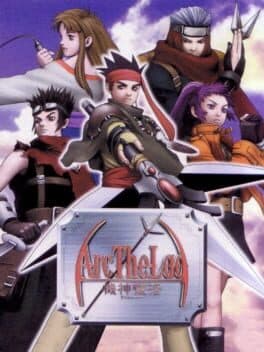
Arc the Lad: Kijin Fukkatsu
Tose2002
A spin-off story in the Arc the Lad series featuring Elc form the second game. Was only released in Japan.
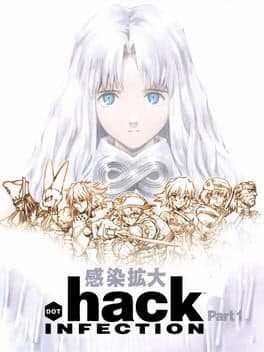
.Hack//Infection
CyberConnect22002
.Hack//Infection is the first of a series of four games, titled .hack//Infection, .hack//Mutation, .hack//Outbreak, and .hack//Quarantine, features a "game within a game"; a fictional massively multiplayer online role-playing game (MMORPG) called The World which does not require the player to connect to the Internet. Players may transfer their characters and data between games in the series. Each game comes with an extra DVD containing an episode of .hack//Liminality, the accompanying original video animation series which details fictional events that occur concurrently with the games. The games are part of a multimedia franchise called Project .hack which explores the mysterious origins of The World. Set after the events of the anime series .hack//Sign, the games focus on a player named Kite and his quest to discover why some users have become comatose as a result of playing The World. The search evolves into a deeper investigation of The World and its effects on the stability of the Internet.
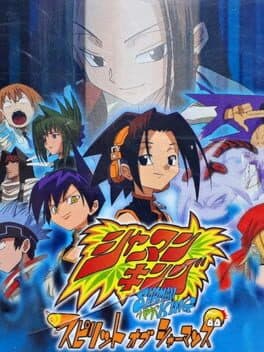
Shaman King: Spirit of Shamans
Dimps2002
Shaman King: Spirit of Shamans is based on the anime, in which you will complete the first half of the overall story featured within the anime/manga series. This is the first fighting game featured within the series. The graphics seem to reflect other styles seen within the original Gundam Battle Assault, in which you will be playing right-to-left with advanced sprite graphics. Your spirit can also be regularly used within this fighter as to assist you. At random times in battle, the icon of your specific spirit will flash, in which if you press either O or X fast enough, your overall spirit meter will rise. When risen to the highest extent, you can unleash your ultimate. Within this game, three different buttons vary from a weak attack, or a more stronger attack. The combo system seems to range up to the max of 10 in battle. Story mode, Vs mode, and Arcade mode are the three playable modes within this game. In Story mode, you will experience various cutscenes and additional minigames. Arcade mode seems to be the same except for the fact that you will be continuously battling. Of course within Vs mode, you can battle against a friend or a com. Overall within this game, 17 characters are playable (3 of which being different versions of Yoh). It is known that Hao can also be playable, but a Gameshark code is needed. Fortunately, as well within battle, character voices will be experienced rather commonly, in which anime cutscenes will be experienced at times - such as in the intro. Overall, it seems that Shaman King: Spirit of Shamans is the best 2D fighter of its series.
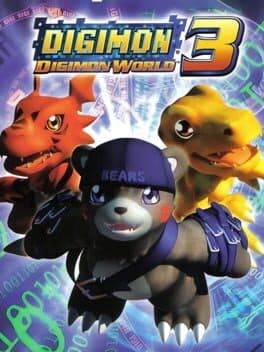
Digimon World 3
Bandai2002
Digimon World 3 is a role-playing video game created by Bandai for the PlayStation. You play as a child called Junior who enters an online virtual reality MMORPG called "Digimon Online", which is run by the "MAGAMI" corporation. A terrorist attack on the Internet traps Junior and his friends inside the game and he sets out to stop them with his Digimon partners. Unlike past Digimon World games, battles against wild Digimon are random and the battle system although turn-based is very different from Digimon World 2, the most notable distinction is battles are one on one instead of three on three although you may tag in a different Digimon, battles also feature three types of digivolution; normal, Blast, and DNA digivolution.
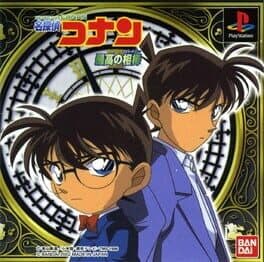
Detective Conan: Saikou no Aibou
2002
Meitantei Conan: Saikou no Aibou is a PlayStation game released in 2002. Published and developed by Bandai. It is based on the popular anime of the same name, translated to Detective Conan.
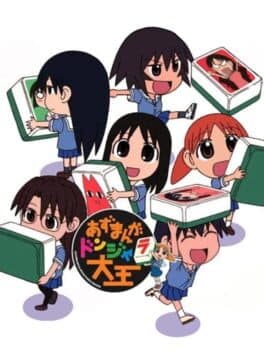
Azumanga Donjara Daiou
Ganbarion2002
The game is a combination of the popular comic Azumanga Daioh and table top game "Donjara". The tiles are ready to use in battle with patterns of the characters faces. See polygon rendered deformed characters portray the happy action.
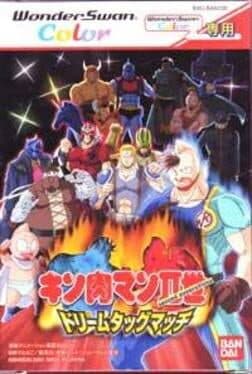
Kinnikuman Nisei: Dream Tag Match
2002
Kinnikuman Nisei: Dream Tag Match is a wrestling game based in the manga/anime series of the same name. It features the cast of Kinnikuman Nisei (known in the West as "Kinnikuman: Second Generations") in a battle to victory. The main story follows Kid Muscle, the prince of Muscle Planet and son of King Muscle (the early protagonist of the series), who fought for peace and justice in the Universe. Kid has now been chosen as King Muscle's predecessor in wrestling history, and must now defeat every opponent that comes his way, stopping total domination by the Demon Manufacturing Plant, an evil wrestling league which wants to take control of the universe, and the loss of his fanbase, which includes the love of his life, Roxanne. This game supports up to 2 players and includes 14 characters (which aren't all available from the beginning). Game modes are Story Mode (in which you will fight as Kid Muscle, and will have to defeat all your opponents), Tag Mode (you will have to choose a companion and confront other 10 couples, if you win, you will unlock a character), Classic Mode (this one will be available once you unlock all the characters of the game, and once done, it will let you play a port of the original Kinnikuman NES game).
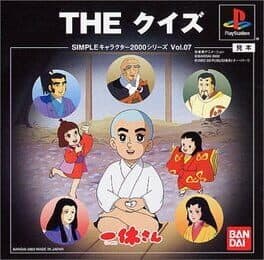
Simple Characters 2000 Series Vol. 07: Ikkyuu-san - The Quiz
Bandai2002
Ikkyuu-san: The Quiz features a lot of different quiz questions about the Ikkyuu-san anime series, the game can be played against another human player or against the computer. The game features different game modes all of them quiz based.
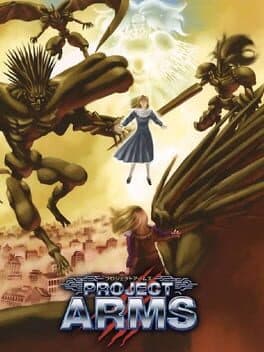
Project Arms
Shade2002
Project Arms is a Action video game published by Bandai released on March 28, 2002 for the Sony PlayStation 2.
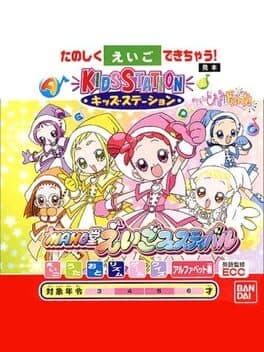
Kids Station: Oja Majo Doremi Dokkan! Maho-dou Eigo Festival
Bandai2002
Ojamajo Doremi Dokkan: Maho-Dou Eigo Festival was the third Ojamajo Doremi video game https://. Like the previous games before it, it had been intended for children and was labeled as a Learning Game.
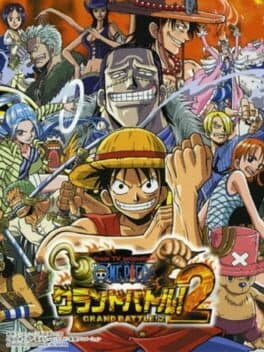
One Piece: Grand Battle! 2
Ganbarion2002
From TV Animation One Piece: Grand Battle! 2 is a Japan-exclusive fighting game for the PlayStation developed by Ganbarion and published by Bandai in 2002. It is the second game in the One Piece: Grand Battle! series and the seventh game to be based on the One Piece Manga and Anime. Similar to the first game, this game uses the song "We Are!" from the One Piece Anime.
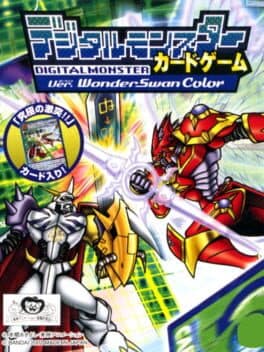
Digital Monster Card Game Ver. WonderSwan Color
Tom Create2002
Digital Monster Card Game Ver. WonderSwan Color is a Strategy game, developed by Tom Create and published by Bandai, which was released in Japan in 2002.
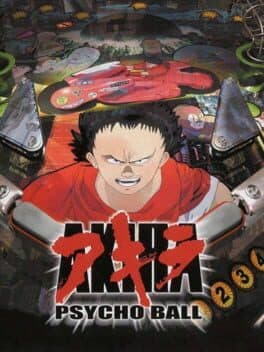
Akira Psycho Ball
KAZe2002
Akira Psycho Ball is a digital pinball game based on the popular Akira series created by Katsuhiro Otomo. It features the original storyline and the animated film adaptation's theme song.
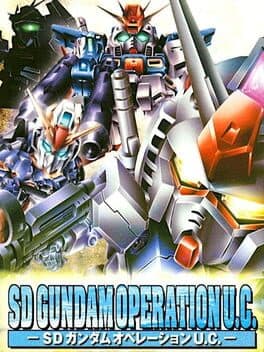
SD Gundam: Operation U.C.
Bandai2002
Operation U.C. is a scrolling shooter. Take control of the original, Zeta, or ZZ Gundam and fight against their respective rivals.
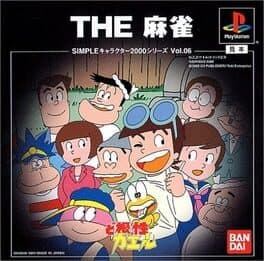
Simple Characters 2000 Series Vol. 06: Dokonjou Gaeru - The Mahjong
Yuki Enterprise2002
Dokonjou Gaeru - The Mahjong is a mahjong game based on the manga series Dokonjou Gaeru and featuring a complete tutorial and a story and free modes.
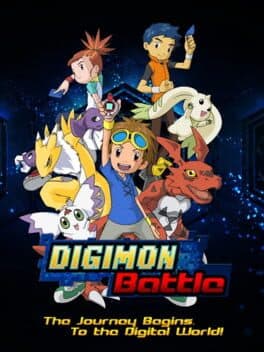
Digimon Battle
movegames2002
Digimon Battle, originally released in South Korea as Digimon RPG, is a free to play micro-transaction supported massively multiplayer online role-playing game in a setting based on that of the Digimon media franchise, specifically the Digimon Tamers anime. The game was first released in South Korea, but an English version was released on April 14, 2010 by WeMade Entertainment titled Digimon Battle, which ran for 3 years. The South Korean version still runs to this day.
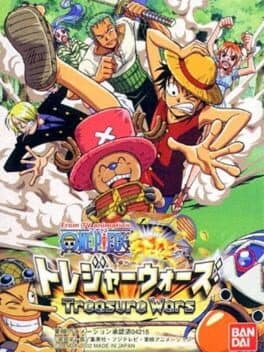
One Piece: Treasure Wars
Graphic Research2002
One Piece: Treasure Wars is an Action game, developed by Graphic Research and published by Bandai, which was released in Japan in 2002. In the game, the player chooses one of the Straw Hat Pirates and fights other members of the crew in the board game. The main goal is for the player to find the treasure or special item before his opponent does. Each player will run around the board fighting against other pirates. The members of the crew the player did not choose as his or her character will also be running around along with other enemies who the crew has to fight.
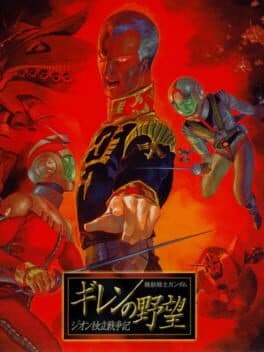
Mobile Suit Gundam Gihren's Greed: Zeon Revolutionary War
Bandai2002
War for Zeon Independence adds an updated map system and military system to a rewritten script, several new characters, an updated spying system and Mobile Suits from MSV. The battles are fought in full 3D, unlike previous titles in the series. However, this installment omits the Zeta Gundam era conflicts featured in Blood of Zeon. As a result, the Principality of Zeon and the Earth Federation are the only factions featured in this entry. However, after completion of the game with each team, an option to use them in IF mode is unlocked. Each completion of the game increases the player's "IF" Level and more points to use in IF Mode. IF Mode allows the player to create their own team; Choosing such options as a leader (or creating their own leader), Their home base, which officers to start with, which technology group their faction is in and what units the player starts with. This also comes with a variety of Scenarioes to play through, with preset IF modes.
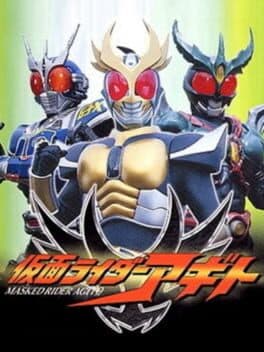
Kamen Rider Agito
KAZe2001
A man named Shouichi Tsugami has lost his memories. He doesn't know who he is, where he came from, or how he came upon his peculiar circumstances. Tsugami, seemingly for no reason, transforms into a powerful superhuman, Agito, whenever in the presence of the beings referred by the police as the "Unknown", a race of powerful monsters that have been causing murders around Tokyo, targeting certain people as their prey. In response, the police department unleash their newest weapon: the G3 powersuit, originally developed to fight against the "Unidentified Lifeforms", the enemies of No.4 (Kamen Rider Kuuga). G3 and Agito don't know whether they should join up and defeat the Unknowns, their common enemy, or to combat each other, keeping the mysteries that entwine them separate. Ultimately, even more mysteries unfold, with the appearance of Kamen Rider Gills, who is on a search to uncover why his father committed suicide. These mysteries and others collide, as the true nature of Agito would ultimately determine the fate of humanity.
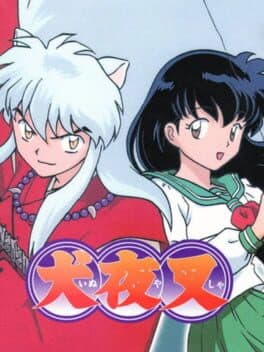
Inuyasha
Bandai2001
The purpose is to defeat "Naraku" and collect the scattered "Soul of the Four Souls", but you can continue to collect "Four Soul Fragments" after clearing. There are also original movies only for games produced by Sunrise. A special "Inuyasha notebook" was added as a first-time benefit. Inuyasha becomes a human and weakens on the day of the new day (new moon) due to the age setting. After clearing the Maitreya, the air holes cannot be used.
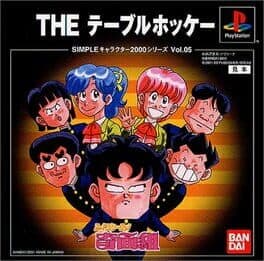
Simple Characters 2000 Series Vol. 05: Highschool Kimengumi - The Table Hockey
2001
This Playstation game is a Table Hockey game that features characters from the manga Highschool Kimengumi. The player can choose (at first time) from one of the 5 main characters and have to defeat different characters in the story mode to unlock the gallery mode. The gameplay the player that reach 7 goals first win the match or have more goals than the other at the end of the time. There are also special attacks and special items to active them.
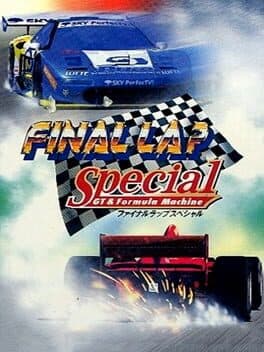
Final Lap Special: GT & Formula Machine
Soft Machine2001
Final Lap Special: GT & Formula Machine is a Racing game, developed by Soft Machine and published by Bandai, which was released in Japan in 2001.
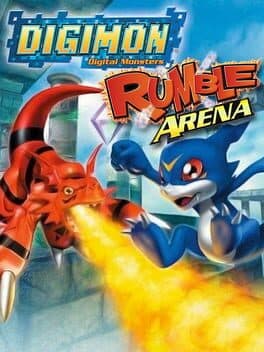
Digimon Rumble Arena
Bandai2001
Digimon Rumble Arena is a crossover fighting video game developed and published by Bandai in association with Hudson Soft for the PlayStation video game console. Players are able to choose from up to 24 characters (fifteen of which need to be unlocked) from the Digimon Adventure and Digimon Tamers seasons of the Digimon anime, such as Terriermon, Agumon, Gatomon, and Renamon.
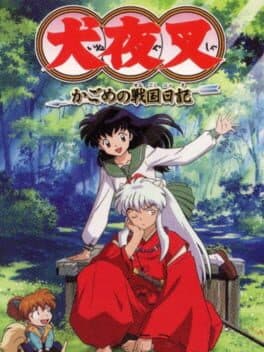
Inuyasha: Kagome no Sengoku Nikki
2001
Inuyasha: Kagome no Sengoku Nikki is a Role-Playing game, developed and published by Bandai, which was released in Japan in 2001.
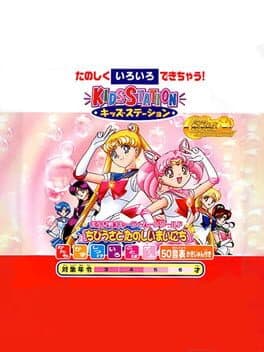
Kids Station: Bishoujo Senshi Sailor Moon World Chibiusa to Tanoshii Mainichi
Bandai2001
Kids Station: Sailor Moon is an educational starring characters form the anime.
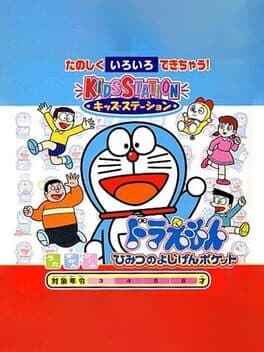
Kids Station: Doraemon - Himitsu no Yojigen Pocket
Bandai2001
A Kids Station game based on the Doraemon franchise.
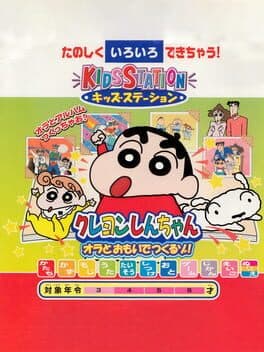
Kids Station: Crayon Shin-Chan Ora to Omoide Tsukuru Zo!
Bandai2001
Shin-Chan themed entry in the Kids Station series.
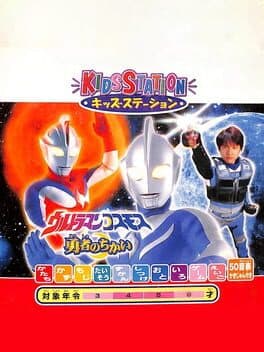
Kids Station: Ultraman Cosmos
Bandai2001
Kids Station: Ultraman Cosmos is based on the sixteenth television show in the Ultraman series.
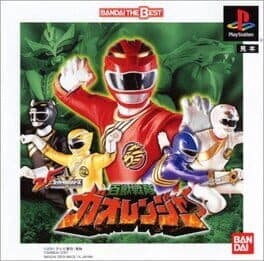
Hyakuju Sentai Gaoranger
2001
Hyakujuu Sentai GaoRanger is a 3D Brawler based on the Super Sentai Series GaoRanger
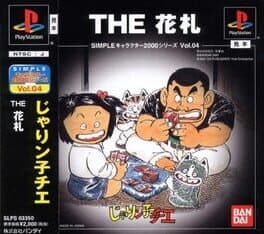
Simple Characters 2000 Series Vol. 04: Jarinko Chie - The Hanafuda
Yuki Enterprise2001
Jarinko Chie - The Hanafuda is a hanafuda game based on the anime Jarinko Chie featuring a complete tutorial and a story and free modes.
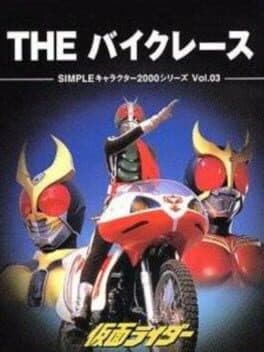
Simple Characters 2000 Series Vol. 03: Kamen Rider - The Bike Race
Highwaystar2001
Kamen Rider will outrun the Shocker in this racing game aimed at the ultimate goal. Take on a circuit with a total of 13 authentic bikes from the Kamen Rider series. Grand Battle mode takes rival riders across the circuit. Or duke it out in Battle Royal mode!
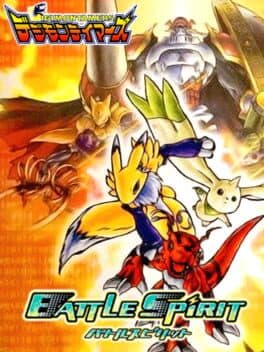
Digimon Tamers: Battle Spirit
Dimps2001
Digimon Battle Spirit is a fighting game originally published by Bandai and developed by Dimps for the Japanese-only WonderSwan Color handheld system under the name Digimon Tamers: Battle Spirit. It was later ported to Nintendo's Game Boy Advance for international releases in North America and Europe two years later. The game features characters and Digimon that were included in the first three seasons of the animated series of the same name in a somewhat simplistic fighting scenario, and also has slightly arranged samples of the show's soundtrack.
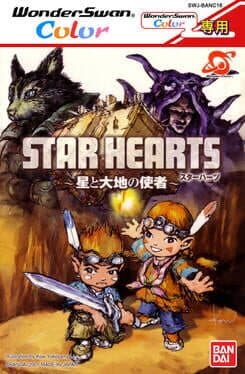
Star Hearts: Hoshi to Daichi no Shisha
Bandai2001
Star Hearts: Hoshi to Daichi no Shisha is a Role-Playing game, developed and published by Bandai, which was released in Japan in 2001.
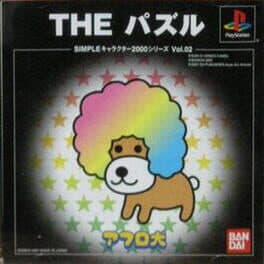
Simple Characters 2000 Series Vol. 02: Afro Ken - The Puzzle
Axes Art Amuse2001
Stay above water and match up the wigs in this Afro Ken-themed puzzle game released by D3.
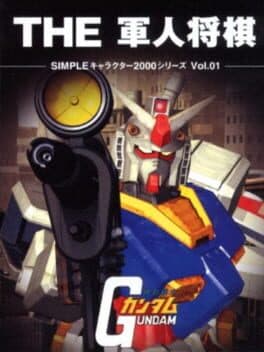
Simple Characters 2000 Series Vol. 01: Kidou Senshi Gundam - The Gunjin Shougi
Amedio2001
Kidou Senshi Gundam - The Gunjin Shougi combines characters from the different Gundam series and the shogi (chess) game.
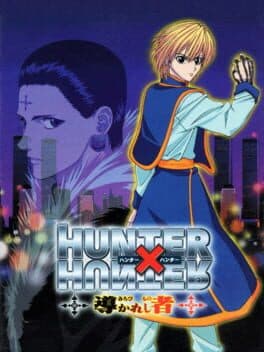
Hunter X Hunter - Michibikareshi Mono
2001
Hunter X Hunter: Michibi Kareshi Mono is a Role-Playing game, developed by Access and published by Bandai, which was released in Japan in 2001.
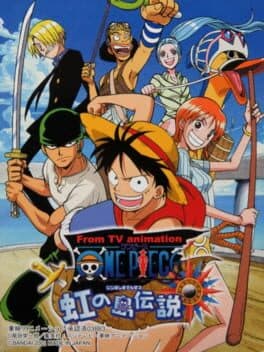
One Piece: Niji no Shima Densetsu
Tomcat System2001
An action and role-playing game for the Wonderswan Color developed and published by Bandai in 2001.
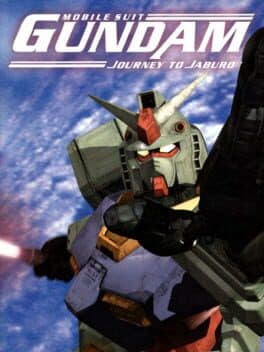
Mobile Suit Gundam: Journey to Jaburo
Bandai2001
Mobile Suit Gundam: Journey to Jaburo is an action game based directly on the Mobile Suit Gundam films and series. The game begins at the start of the series and ends at the ending of the second film. The game plays in an action game format with a standard third person view. It features newly hand animated cutscenes that depict events from the original television series as well as a CGI opening depicting a space battle from the One Year War and then a scene of the Gundam destroying several Zaku IIs before being attacked by Char Aznable. It is also the prequel to Mobile Suit Gundam: Encounters in Space. The English dub of the video game features the voices of the actors who were cast for the Mobile Suit Gundam television series as with most games subsequent to the series' dubbing, rather than the English cast of the films. Journey to Jaburo takes place during the One Year War, and depicts the crew of the White Base making their way from the Side 7 sector of space colonies to the Federation headquarters at Jaburo. The game starts at Amuro Ray's home of Side 7, where three Zaku mobile suits attack the Federation's prototype mobile suit weapons. Amuro, in the confusion, fights the Zaku units in the Gundam, and is assigned to the White Base as the Gundam's pilot. After the White Base leaves the colony, it is pursued by Char Aznable, "The Red Comet". Char attacks the White Base during re-entry (where the power of the Gundam's beam rifle was revealed), which diverts them into the Zeon-controlled territory of North America. After going through many Zeon defenses (including Garma Zabi in Seattle), the White Base heads into Asia, where they battle Ramba Ral, an ace pilot who raised Sayla Mass when she was a child. After Ramba Ral commits suicide by jumping into Gundam's hand with a grenade, the White Base crew makes their way to Belfast for repairs. After they leave Belfast, they eventually make it to Jaburo, where Char's "Mad Angler" squadron finds the location of the base, and launches a massive attack to conquer it. The Zeon forces are beaten back, and the White Base, now dubbed the "13th Autonomous Mobile Squadron", heads out into space.
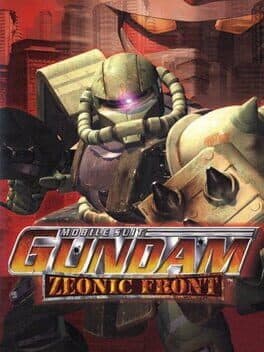
Mobile Suit Gundam: Zeonic Front
Sunrise Interactive2001
Mobile Suit Gundam: Zeonic Front is a game for the PlayStation 2, which revolves around a Zeon Special Commando Unit during the One Year War, called the Midnight Fenrir Corp. This MS team was created by Kycilia Zabi and participated in the capture of the California Base during the 2nd Earth Invasion Plan.
Digimon Anode Tamer/Cathode Tamer: Veedramon Version
Bandai2001
A bundle of both Digimon Adventure: Anode Tamer and Digimon Adventure: Cathode Tamer, enhanced for the WonderSwan Color.
Mobile Suit Gundam Vol. 3 - A Baoa Qu
Bandai2001
The last of a trilogy of Wonderswan games that are based on the original Mobile Suit Gundam anime.
Digimon Digital Card Battle
Bandai2001
Can you imagine Digimon and humans living together and participating in Digital Card Battles? It sounds impossible, but you'd better believe it! Full of intense strategy and hardcore tactical maneuvering, DIGIMON DIGITAL CARD BATTLE is a genuine test of your skills and smarts. Each victory will increase your strength level, allowing you to move on to the next stage of play. Three Partner Decks will be at your disposal throughout play: Veemon will help you with offense; Armodillomon will provide surprise attacks; and Hawkmon will lend itself to quick digi-volving. The 40 new characters will provide plenty for series addicts to sink their teeth into, while 30 varieties of power-up cards will help gamers take down their competition. If all of this sounds like a foreign language to you, you're due to dive into the magical world of trainers and their monsters, known as DIGIMON. Play alone or challenge a friend!
Digimon Tamers: Digimon Medley
Shade2001
Digimon Medley is based on the popular manga and and anime series Digimon, in which ordinary Japanese children find a way into a digital world, where they help good digital monsters fight against evil ones. The game is not directly plot-related to Digimon Adventure or Digimon Tamers: Brave Tamer games. Instead, it follows more closely the actual episodes of the series.

One Piece: Tobidase Kaizoku-dan!
Bandai2001
From TV Animation One Piece: Tobidase Kaizoku-dan! is a Japan-exclusive role-playing game created by Bandai for the PlayStation. It is the fourth game to be based on the One Piece manga and anime. This game's introduction uses the theme song Believe from the One Piece Anime.
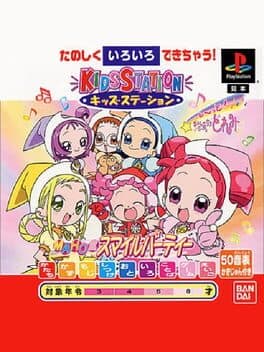
Kids Station: Motto! Oja Majo Do-Re-Mi - Mahodou Smile Party
Chime2001
Educational game based off the Motto! Ojamajo Doremi anime television series.
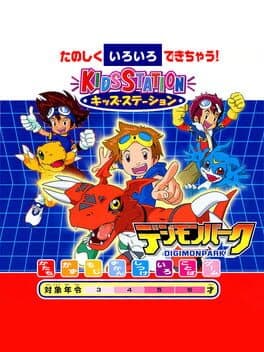
Kids Station: Digimon Park
Chime2001
Digimon Park is an interactive game for children part of the Kids Station series. The player can choose a digimon and make it evolve increasing his stats. The game also features a collection of mini-games.
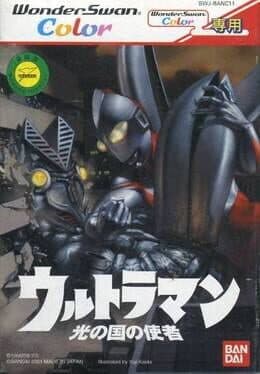
Ultraman: Hikari no Kuni no Shisha
Tom Create2001
Ultraman: Hikari no Kuni no Shisha is an Action game, developed by Tom Create and published by Bandai, which was released in Japan in 2001.
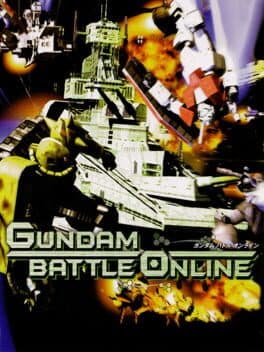
Gundam Battle Online
2001
Gundam Battle Online is an simulation game based on the Gundam series.
Pocket no Naka no Doraemon
Bandai2001
Pocket no Naka no Doraemon is a Strategy game, developed and published by Bandai, which was released in Japan in 2001.
Digimon Tamers: Pocket Culumon
BEC2001
In this final entry of the Pocket Digimon sub-series, you can interact with Culumon, that little Digimon from Digimon Tamers anime series. Unlike in the previous Pocket Digimon games, you can only get Culumon to your PocketStation. Also, Culumon can not evole at all.
Detective Conan: Yuugure no Ouju
Tomcat System2001
Cursed jewels, the party, and murder. And in the middle of it all, our shrank detective, Kudou Shinichi, who now goes by the name of Conan Edogawa. The player gathers clues by listening to other characters, gathering key words, and most importantly, deducing the truth behind the mystery. The game can be linked with the previously released Meitantei Conan titles for WonderSwan which will effectively alter the story and add a branching path. Notebook with data is compatible with the one from previous works can also be imported.
Gear Senshi Dendoh
Natsume Inc.2001
A combination of 2D sprite-base action game and a 3D polygonal versus fighting game. The main gameplay has you controlling a giant Gundam-like robot, crashing every enemy unit in your path. After beating a stage boss character, the game switches into a 3D one-on-one fighter game. This mix of styles really sets it apart as a unique game.
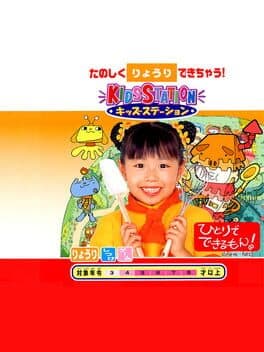
Kids Station: Hitori de Dekirumon!
MiCROViSion2001
Hitori de Dekirumon! is based on a Japanese TV Show for kids about showing kids how to cook. The game lets the player learn about meals and cooking, and features different mini-games.
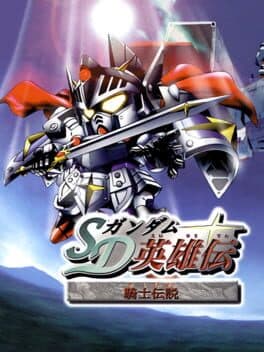
SD Gundam Eiyuuden: Kishi Densetsu
Bandai2001
SD Gundam Eiyuuden: Kishi Densetsu is a Role-playing game, developed and published by Bandai, which was released in Japan in 2001.
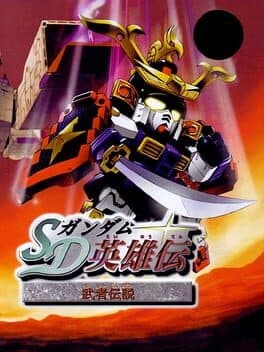
SD Gundam Eiyuuden: Musha Densetsu
BEC2001
SD Gundam Eiyuuden: Musha Densetsu is a Role-Playing game, developed by Bec and published by Bandai, which was released in Japan in 2001.
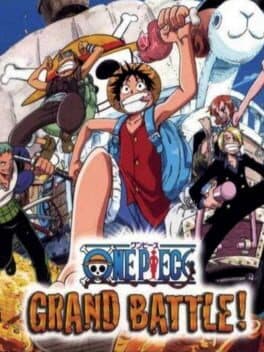
One Piece: Grand Battle!
Ganbarion2001
From TV Animation One Piece: Grand Battle! is a Japanese fighting video game developed by Ganbarion and published by Bandai. It is the first game in the One Piece: Grand Battle series and the second game to be based on the One Piece manga and anime. This game's introduction uses the theme song We Are! (ウィーアー! Wī Ā!) from the One Piece Anime.
Dark Eyes: BattleGate
Nextech Entertainment2001
Dark Eyes: BattleGate is a Strategy RPG game, developed by NexTech and published by Bandai, which was released in Japan in 2001.
Mobile Suit Gundam Vol. 1 - Side 7
Bandai2001
The first in a trilogy of Wonderswan games that are based on the original Mobile Suit Gundam anime.
Senkaiden Ni: TV Animation Senkaiden Houshin Engi Yori
Graphic Research2001
Senkaiden Ni: TV Animation Senkaiden Houshin Engi Yori is a single player manga role-play video game for WonderSwan Color, created and published by Bandai.
Dokodemo Hamster 3: O Dekake Safuran
BEC2001
This is the third in Bandai's "hamster simulation" series. In this game, you are the "master" of a hamster. The game flows in real time, but you can interfere and perform various actions. The hamster has its own room in a house, with a table and a wheel. There are many things you can do with the hamster. You can take in to a stroll in the forest, go shopping with it, make it play with a ball, and so on. You can also perform actions unrelated to the hamster, like re-decorating the house or writing and painting on a piece of paper. The game features a point-and-click interface: you move your cursor over an object (such as hamster or calendar), which brings up an action menu.
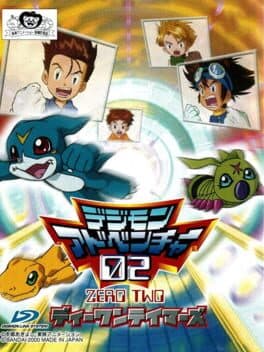
Digimon Adventure 02: D-1 Tamers
Bandai2001
Digimon Adventure 02: D1 Tamers is a Role-Playing game, developed by Sims and published by Bandai, which was released in Japan in 2000.
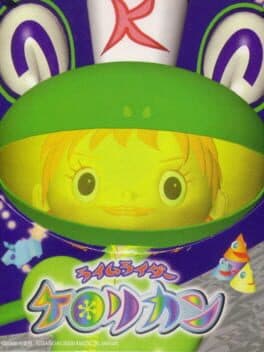
Rhyme Rider Kerorican
NanaOn-Sha2001
Rhyme Rider Kerorican is a music video game in the style of Vib-Ribbon, an earlier game developed by the same studio. The game's plot is quite simple involving the adventures of Kerorican, a female astronaut wearing kemonomimi-style frog-helmet, as she walks along accompanied by jazzy techno music. As Kerorican continues her walk, she encounters more and more enemies and obstacles. Kerorican must jump, duck, kick aside, or otherwise dodge these obstacles to progress and as she does so, the actions she takes add notes to the song such that the player's actions results in a generative melody. By successfully clearing strings of obstacles, Kerorican's combo count increases and this can result in a reward to the player of a crown that acts to skip the player over obstacles. This game is played with the WonderSwan Color held diagonally, the only game on the system to do so. This is why all text in the game is oblique. The game has been criticized for difficulty of gameplay as timing and tricky button combinations often result in the player's death. The game also only contains 4 levels so replayability-value has also been considered a negative factor.
Gunpey EX
Koto2000
Gunpey offers a unique puzzle experience. As lines of various angles climb up the screen, the player's objective is to flip the lines, located in squares, to connect them over five columns. Connecting lines from left to right remove the connected row. If an incomplete line reaches the top of the screen, the game is over.
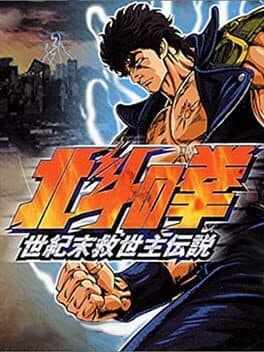
Hokuto no Ken: Seikimatsu Kyuuseishu Densetsu
Natsume Inc.2000
This game was released only in Japan and is based on the Manga and Anime series of the same name.
Pocket Digimon World
2000
Original version of Pocket Digimon World using the PocketStation, a PlayStation accessory device. The exclusive digimon of this version are Agumon, Biyomon and Veemon. The actual main game primarily happens in the PocketStation. In the PocketStation, you can raise your Digimon and battle it either with in-game Digimon or a friend's PocketStation wirelessly over IR connection. You can also connect it to other Bandai Digimon games and products.
Blue Submarine No. 6: Antarctica
Bandai2000
Described as a "Cinematic Simulation Game for PlayStation", this adventure game is a new and now interactive tale in the anime saga, Blue Submarine No. 6, produced by anime production house emotion and featuring new animation by studio GONZO.
Space Battleship Yamato: Eiyuu no Kiseki
NK System2000
Strategy game, developed by Bec and published by Bandai, which was released in Japan in 2000.
Kids Station: Soreike! Anpanman
Bandai2000
Soreike Anpanman (written by Takashi Yanase, a Japanese writer of children's stories, is one of the most popular anime cartoon series in Japan. It is produced by Nippon Television Network Corporation. The Playstation game is a collection of mini games in witch you control Anpanman in different kind of situations.
Kids Station: Magical Doremi #: Maho-dou Dance Carnival
Bandai2000
Educational game based off the Ojamajo Doremi Sharp anime television series.
Kids Station: Kikansha Thomas to Nakama-tachi
Banpresto2000
Kikansha Thomas to Nakama-tachi is a collection of mini-games based on Thomas the Tank Engine.
Robot Works
Bandai2000
The WonderBorg is a programmable consumer robot kit that was bundled with specialized software known as "Robot Works", which is used to program the robot. While mainly used to program the movement of the physical robot, it also comes with a game.
Digimon Adventure 02: Tag Tamers
Bandai2000
Digimon Adventure 02: Tag Tamers is a role-playing video game by Bandai, for the WonderSwan. It was released in Japan on 3 August 2000. The game is based on the manga series Digimon, in which children can travel to a digital world and help good digital monsters to defeat evil ones.
Taregoro: Tarepanda no Iru Nichijou
Bandai2000
Tarepanda is a cute panda character owned by the company San-X. The term "tare" means "lazy" or "droopy" in Japanese. Tarepanda is licensed by San-X, the company that introduced Tarepanda stickers in 1995. It was designed by Hikaru Suemasa and was inspired by the Hikaru Suemasa being tired. Tarepanda is a character that moves by rolling over, with a record speed of 2.75 m/h.Tarepanda's favorite food is mochi, especially suama. In February 1998, San-X launched Tarepanda erasers and letter pads, which proved enormous hits. San-X believed these products were successful because they were released shortly after the Asian financial crisis of autumn 1997, a time when many people in Japan were facing layoffs and, consequently, were sympathetic toward a "worn-out" panda character. By 1999, sales of Tarepanda goods had reached 30 billion yen. Character Databank, a Japanese character popularity monitoring firm, has claimed Tarepanda was a huge hit in Japan. Taregoro Tarepanda no Iru Nichijou is a simulation game released in 2000 for the Playstation 1 console by Bandai based on the Tarepanda character. In the game the player is the owner of a panda pet he can take to different places of his house and the town and let him enjoy playing with different things and toys that the player can buy him in the town's shop. In those places he can take pictures of the panda or the scenery.
Detective Conan: Nishi no Meitantei Saidai no Kiki!?
Tomcat System2000
Detective Conan: Nishi no Meitantei Saidai no Kiki!? is an Adventure game, developed by Tomcat System and published by Bandai, which was released in Japan in 2000.
Detective Conan: 3-nin no Meitantei
2000
Detective Conan: 3-nin no Meitantei is a PlayStation game released in 2000 based on the popular anime of the same name, translated to Detective Conan.
Digimon World 2
BEC2000
Digimon World 2 is a dungeon crawler video game developed by BEC and published by Bandai for the PlayStation as part of their Digimon series. It is the sequel to the original Digimon World, and was released in Japan in July 2000 and North America the following year in May 2001. The player controls Akira, a Digimon Tamer whose goal is to climb to the top of the Digimon World.
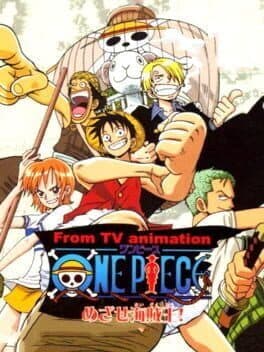
One Piece: Mezase Kaizoku-ou!
Soft Machine2000
One Piece: Become the Pirate King! is the first video game to be based on the One Piece manga and anime. Gol. D Roger, the king of the pirates had obtained wealth, fame and power from people all over the world. Before his execution, he announced that he had left his treasure, the One Piece in a single place. Because of this, many pirates from all around the world set sail for the grand line. The time period was known as the "Great Pirate Era". Twenty years later a young man known as Monkey D. Luffy finally sets out to sea. This game is based on the East Blue saga and the first One Piece film.
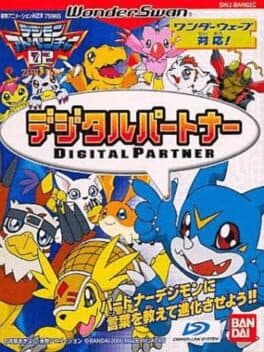
Digital Partner
Tom Create2000
Digital Partner is a Strategy game, developed by Tom Create and published by Bandai, which was released in Japan in 2000. The major theme of the game is partnering with the 02 Digimon and teaching them up to 170 unique words which can then be used during battle.
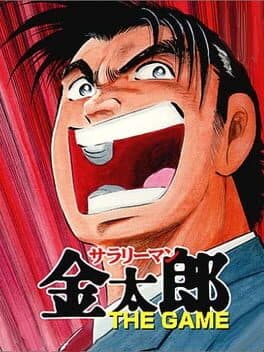
Salary Man Kintarou: The Game
Bandai2000
Salary Man Kintarou: The Game is a Playstation game based on comics of the same name. It consists of many mini-games.
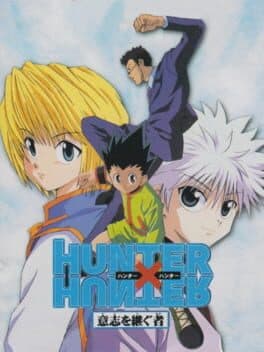
Hunter X Hunter: Ishi o Tsugomono
2000
Hunter X Hunter: Ishi o Tsugomono is a Role-Playing game, developed by Access and published by Bandai, which was released in Japan in 2000.
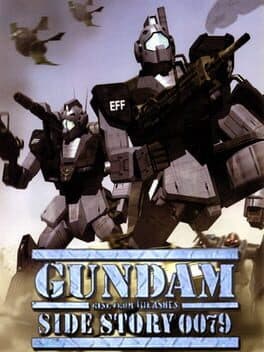
Gundam Side Story 0079: Rise From the Ashes
Bandai2000
Step into the giant, mechanized suit of the Gundam. There, across battlefields of a war-beaten Earth, you'll command your forces against units of the Zeon army. You'll need to master every move in your suit--and weapon in your arsenal--to outflank the Zeon and complete each mission. And although you've got armored vehicles and ant-sized infantry on your side, the battle will be lost or won by your ability to jump, hover, and fly into battle while zooming in your weapons on the enemy. A cross between first-person shooter and strategy game, Gundam Side Story 0079: Rise From the Ashes comes from a series that originated on the Sega Saturn. This title features such enhancements as detailed 3-D mobile suits, cinematic interstitial scenes, a dramatic soundtrack, and actual sound effects from the anime TV series, Gundam Wing.
Wuz up b? Produce: Street Dancer
Amuse2000
Street Dancer is a rhythm game starring the crew of wuz↑b? a Japanese pop music performance group. The game features standard with a line of button prompts scrolling across the bottom of the play are that you will have to press when they reach the center of the screen. Before you start a game you will be asked to select a member of the wuz↑b? crew; Nana, Kaoru, Shino, or U. As you press buttons the chosen terpsichorean will shake it or stare at you in stupefaction, depending on your performance. A 'life bar' is presented on the screen if you fail to perform well the bar will go down, when it is empty your game ends. To clear a stage and unlock a new background with a harder song you'll have to get about a 60% perfect score. You can always record your performances to watch over and over.
Devilman
Bandai2000
Survival horror game based on Go Nagai's influential 1972 horror manga.
Senkaiden: TV Animation Senkaiden Houshin Engi Yori
Graphic Research2000
Senkaiden is a Role-Playing game, developed by Graphic Research and published by Bandai, which was released in Japan in 2000.
Final Lap 2000
Soft Machine2000
Final Lap 2000 is the first hand-held incarnation of Namco's Final Lap racing games. That "Final Lap", which is a perfect fusion of the fun of a racing game and the online competition, will appear in WonderSwan with various new elements. With the communication battle function that can be performed in real time, the beautiful race screen, the power change depending on the position, etc., it is a work that makes you think that "Final Lap" is well reproduced on a handheld game machine. Also, in addition to the original new modes of WonderSwan version such as world tour mode and time trial mode, it is also equipped with a course edit function that allows you to freely create courses, and you can also send your own course to your friend's WonderSwan and play.
SD Gundam G Generation-F
Bandai2000
G Generation-F is a strategy game that allows the player to reenact essentially every Gundam series and sidestory from the original to Gundam X. One of the most thorough G Gens to date.
Digimon Adventure: Cathode Tamer
SIMS2000
This is the second game in Digimon Adventure series, a kind of an add-on to Anode Tamer. The game is based on the popular manga Digimon. The hero, a boy named Ryou, has to travel to digital world in order to free his friends from the clutches of the evil digital monster Milenniamon. The story of this game is identical to that of "Anode Tamer". The difference between the two games are the monsters themselves: "Cathode Tamers" features a brand new set of monsters, and since the beginning of the game you encounter different foes. The full collection of monsters can be achieved only if you complete both games.
Chou Aniki: Otoko no Tamafuda
C.P. Brain2000
So far, shooting and fighting action has been the staple of the Cho Aniki series, but now it has advanced into the card battle game. A battle of muscle, protein and men, it will be waged in the WonderSwan. Bring the power to a maximum and discover love, sweat and muscle. Returning to the music, is Mr. Koji Hayama, a man who has become legend for his original Cho Aniki score. It is time to use your brains and muscle !!
Fishing Freaks: Bass Rise Plus
BEC2000
Bass Rise is a hyper-realistic fishing game featuring: Twelve levels and up to four players! Underwater views for maximum play! Customized fishing trips! Three different types of fish! Adjustable reel speed and three line weights! Hundreds of Megabass lures! Compatibility with DUAL SHOCK analog controller! Hidden lures and lakes!
Cho-Nazo-Oh
Bandai2000
Cho-Nazo-Oh is another quiz game and is the sequel to Nazo-Oh, this time the player takes the role of a young boy that lives in the future where a computer governs the land from a tower, the people of the land tried a lot of times to send people there to defeat the computer but noone that had entered the tower had exit alive... So the commander of the forces that are trying to destroy the computer got now only one assassin left, that is the player's character. So now is the player's turn to enter inside and try to defeat all the dangers that will come across to reach the evil enemy and try to defeat it. All the trials are different quiz games in which the player has to answer well some questions to advance to the next level. This is the main game mode (sort of a story mode) that the game call terrorist mode. The difficulty of the game again is high since to pass some of the trials the player will have to answer in a right way a lot of questions. During the game the player in the story mode goes around a maze and to defeat the enemies he got to answer questions, he will got the help of different cards to make the enemies defeat easier, since using a green card for example will make him answer less questions.
Digimon Adventure: Anode Tamer
SIMS2000
The game is based on the popular manga series Digimon, which follows the adventures of children who can gain access into the digital world and fight digital monsters there. In this game, the evil Milenniamon has kidnapped several children and is planning to take control over the Digiworld. One of the good monsters, Agumon, escaped, and transported the hero Ryou to the Digiworld. Now Ryou has to fight monsters, capture them, and assemble an army to overthrow Milenniamon and to rescue his friends.
Sotsugyou Graduation for WonderSwan
Image Works2000
Sotsugyou Graduation for WonderSwan is a Strategy game, developed by Imageworks (Japan) and published by Bandai Visual, which was released in Japan in 1999.
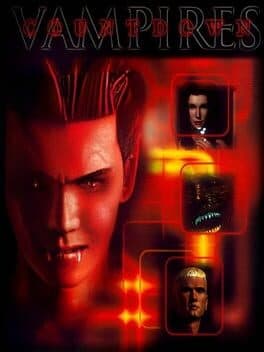
Countdown Vampires
K2 LLC1999
Because Capcom's Resident Evil single-handedly created the modern survival horror genre, the critically acclaimed adventure spawned countless sequels and clones. Conceived by Bandai Digital Entertainment, Countdown Vampires is one of those clones -- you will maneuver 3D characters throughout 2D backgrounds in a series of fixed camera angles while fending off unspeakable horrors. As a police officer, Keith J. Snyder has been assigned a security position at the grand opening of Desert Moon -- a hotel casino with a horror theme located in Casino City. While overseeing security and making sure VIPs aren't being hurt at the dance club, something goes horribly wrong. As a sudden fire causes sprinklers to go off, the water turns black and transforms the dancers into murderous vampire monsters. Assuming the role of the brave police detective, a civic servant and the last remaining human alive, Snyder must unravel the mysteries of the black water while defending himself against multiple monstrosities. Armed initially with a tranquilizer gun, a shock glove and an unlimited supply of vampire-destroying white water, Keith J. Snyder will find and utilize twelve weapons and items throughout the course of his adventure. Also located throughout the hotel casino are computer terminals, maps of the area and vending machines in which helpful items are sold; at computer terminals, he can access an e-mail program that furthers the storyline. In Countdown Vampires, Snyder's physical health is represented by a color-based condition gauge found in the inventory screen; green indicates a healthy body, yellow represents wounded and red coloring is fatal as Snyder approaches death. You can heal the character using various health items found throughout the casino. In addition to looking out for your character's health, you will solve various puzzles and seek out specific keys and cards for locked doors.
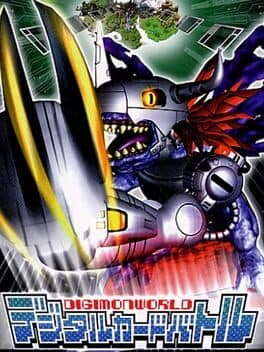
Digimon World: Digital Card Battle
1999
This is a battle system using the mechanism of a card game, and is performed not by a digital monster card game but by rules peculiar to the game.
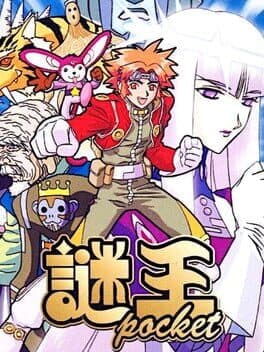
Nazo-ou Pocket
Bandai Visual1999
Nazo-ou Pocket is an Adventure game, developed by Bandai Visual and published by Bandai, which was released in Japan in 1999.
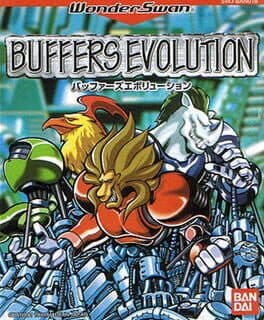
Buffers Evolution
Koto Laboratory1999
Buffers Evolution is an Action game, developed and published by Bandai, which was released in Japan in 1999.

Card Captor Sakura: Sakura to Fushigi na Clow Card
SIMS1999
Card Captor Sakura: Sakura to Fushigi na Clow Card is a Role-Playing game, developed by Sims and published by Bandai, which was released in Japan in 1999.
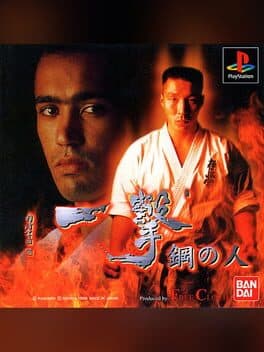
Ichigeki: Hagane No Hito
Bandai1999
A Kyokushin Karate fighting game by Bandai. Play as various Kyokushin legends and Yūko Miyamura, voice of Asuka Langley and Chun-Li. You can also play a single player mode building up your fighter by doing various training activities.
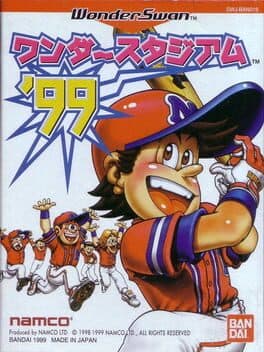
Wonder Stadium '99
Namco1999
Released a mere five months after the original Wonder Stadium, Wonder Stadium '99 does not add much in the way of gameplay. This update adds information about the 1999 Japanese baseball season to the game. The game gives you a selection of 14 fictional and professional teams as well as three different stadiums, just as the original did.
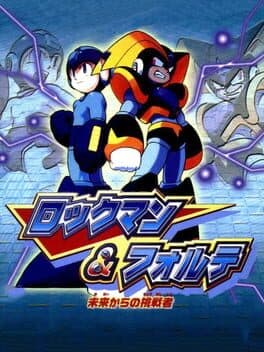
Rockman & Forte: Mirai kara no Chousensha
Layup1999
Rockman & Forte: Mirai kara no Chousensha is a video game in the classic Rockman series. It is considered to be a "sequel" to Rockman & Forte due to its naming, though it actually continues on from the story of Rockman World II.
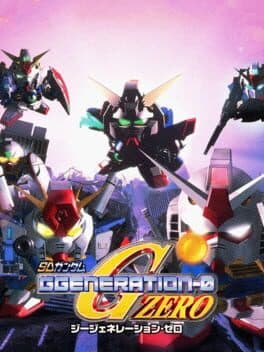
SD Gundam G Generation Zero
Bandai1999
The second Gundam G Generation game is a strategy roleplaying game starring super-deformed (SD) versions of the anime heroes. Features MS08, 0083 Stardust Memory, Z Gundam, ZZ Gundam, Gundam Sentinel, Gundam F-91, V-Gundam, and other storylines. Players move units across hexagonal fields and battle enemies based on a variety of data, including height on map, suit stats, and more. Units gather experience in battle and can be leveled up to become even stronger. SD Gundam G Generation-0 was released for the Japanese PlayStation in 1999 and later re-released in the cheaper "Bandai the Best" product line.
Getter Robo Daikessen!
Technosoft1999
Getter Robo Daikessen is an anime-based strategy game that includes every Getter produced by the time of its release.
Detective Conan: Majutsushi no Chousenjou!
1999
Detective Conan is an Adventure game, developed by Tomcat System and published by Bandai, which was released in Japan in 1999.
Neon Genesis Evangelion: Shito Ikusei
1999
Neon Genesis Evangelion is a Role-Playing game, developed by Soft Machine and published by Bandai, which was released in Japan in 1999.
Makaimura for WonderSwan
Capcom1999
Makaimura for WonderSwan (Japanese: 魔界村?, "Demon World Village for WonderSwan") is a game for the WonderSwan developed by Capcom and published by Bandai in 1999 and is part of the Ghosts 'n Goblins franchise. Sharing similar gameplay to its predecessors, Makaimura also shares enemies, weapons and backgrounds from the previous three games. Unique features include double paths from the second till the fifth levels, swimming in water and a level which requires the player to rotate the wonderswan by 90 degrees as Arthur climbs and swings down a rope in a vertical shaft. Unlike other games, the player is not required to repeat the game after the penultimate level in order to get the one weapon to defeat the final boss Azrael.
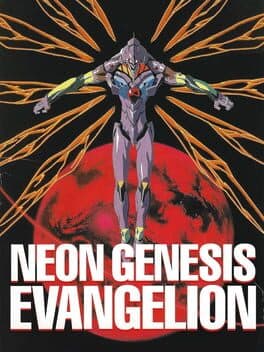
Neon Genesis Evangelion
Bandai1999
This game is an interactive adaptation of Neon Genesis Evangelion for N64. Called Shinseki Evangelion in Japan, the Gainax-produced anime series originally aired from October '95 to March '96 and soon spawned a feature movie release in '97. The N64 game starts in the year 2015, 15 years after Second Impact. The Angels have returned and suddenly attack Tokyo-3. Using so-called "terror-fields" that cannot be penetrated by ordinary weapons, the Angels are taking on every human force sent out to oppose them. That's where you come in. As the pilot of the NERV-designed Evangelions, Shinji Ikari, you take your giant humanoid combat mech into battle with the Angels. Gameplay can best be described as interactive anime, as it relies heavily on timed button presses.
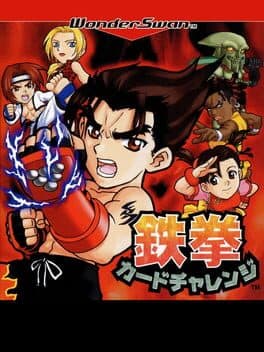
Tekken Card Challenge
Namco1999
Tekken Card Challenge is a turn-based fighting game released only in Japan for the WonderSwan. It uses the characters from Tekken 3 plus an exclusive character to the game named Crow.
WonderSwan Handy Sonar
Bandai1999
WonderSwan Handy Sonar is a Sports game, developed and published by Bandai, which was released in Japan in 1999.
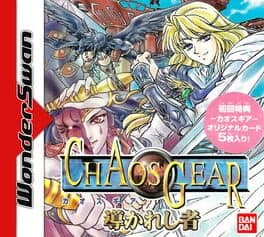
Chaos Gear: Michibi Kareshi Mono
Lay-Up1999
Chaos Gear: Michibi Kareshi Mono is a Strategy game, developed by Lay-Up and published by Bandai, which was released in Japan in 1999.
London Seirei Tantei-dan
UNiT1999
An adventure RPG staring an orphan detective in 19th century steampunk London.
Kaze no Klonoa: Moonlight Museum
Namco1999
Klonoa and his friend Huepow come across a young crying girl who tells them that the moon has been divided into fragments and stolen by a mysterious group of artists that reside in the nearby Moonlight Museum. Determined to help, the duo rush off to the Museum's entrance, and once they come inside, they are greeted by a painter named Picoo who traps them inside a piece of artwork. Klonoa and Huepow must fight their way through five worlds within the Museum itself before finding the source of all their troubles and restoring the moon to the sky.
Tamagotchi Town
Marigul Management1999
Tamagotchi Town is a strategy game. The goal of the game is to create a large Tamagotchi society on a given piece of land containing different landscapes. The game features a unique way of raising Tamagotchis through interactivity with their environment. All the Tamagotchi characters that appear in-game are from the classic 1996-1998 Tamagotchi Toys, as well as several new characters unique to the game.
Last Stand
Soft Machine1999
Last Stand is a Strategy game, developed by Soft Machine and published by Bandai, which was released in Japan in 1999.
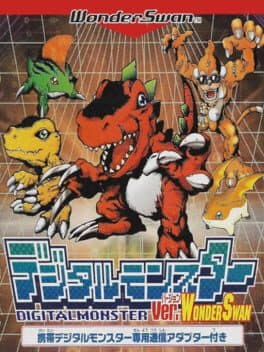
Digital Monster Ver. WonderSwan
SIMS1999
Digital Monster Ver. WonderSwan is a Japanese handheld version of the original Tamagotchi-like Digimon pet for the WonderSwan. It includes all of the original Digimon from the five different pet devices. In this game the player can have up to five different Digimon with them at a time. It even has computer controlled opponents to battle with. The game has the ability to connect to another WonderSwan through a special link cable. It can also hook up to the original pets through a Digimon "dock N rock" connector that comes packaged with the game. Digital Monster Ver. S: Digimon Tamers did much the same thing, only on the Sega Saturn. There is an English version produced for the Hong Kong region.
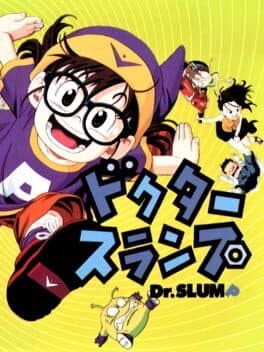
Dr. Slump
Natsume Inc.1999
Dr. Slump is an action-adventure game based on the 1997 anime adaptation of Akira Toriyama's manga series of the same name.
Gunpey
Koto Laboratory1999
Gunpey is a Puzzle game, developed by Koto and published by Bandai, which was released in Japan in 1999.
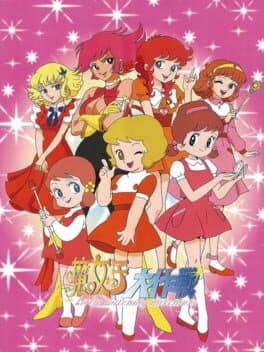
Majokko Daisakusen: Little Witching Mischiefs
Toys for Bob1999
Majokko Daisakusen is a turn-based strategy game with action-style battles featuring characters from several famous magical girl anime series from the '60s, '70s, and '80s: Mahō Tsukai Sally, Himitsu no Akko-chan, Mahō Tsukai Chappy, Cutey Honey, Majokko Megu-chan, Hana no Ko Lunlun, and Mahō Shōjo Lalabel. It is in fact a reworked version of The Unholy War with all of the graphics, sound, and story completely replaced. The game itself, however, is essentially identical between the two releases.
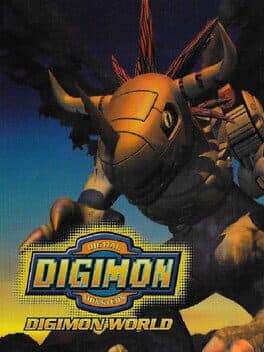
Digimon World
Bandai1999
Digimon world is a game that allows a player to raise their own Digimon and teach it to battle.
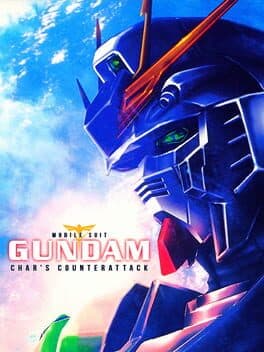
Mobile Suit Gundam: Char's Counterattack
1998
Action video game published by Bandai in 1998, for the PlayStation. Released as part of the 20th anniversary of the anime Char's Counterattack.
Aubirdforce After
1998
The sequel to Aubirdforce, once again navigate tactical space warfare in a 3-dimensional grid.
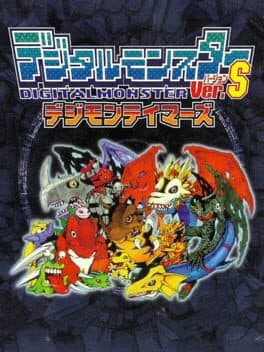
Digital Monster Ver. S: Digimon Tamers
Tose1998
The first video game adaptation of the Digimon virtual pet. In this particular version, you can raise up to four different Digimon at the same time. In addition, you can battle other Digimon through an in-game Arena mode.
Detective Conan: Giwaku no Gouka Ressha
1998
An adventure/detective game based on the anime Detective Conan.
Neon Genesis Evangelion: Eva to Yukai na Nakamatachi
Tamtam1998
Shinseiki Evangelion: Eva to Yukai na Nakamatachi is a mahjong game developed by Tamtam and published by Gainax for the Sega Saturn and Playstation. It is based upon the 1995 Neon Genesis Evangelion anime series.
Crisis Beat
Bandai1998
If you are an action game connoisseur then Crisis Beat is the game for you. Set on board a futuristic ocean liner, you have to take on the fanatical members of the most ferocious sea-jacking gang of terrorists in the history of piracy. Choose from four different characters to regain control of the ship. Confront some of the most devastating end of level bosses ever seen in an action game. Unique 'Lock On' mode allows you to delivery awesome moves on your opponents. As the pace of the action increases, you can make use of many objects scattered around the ship to defeat opponents. Balanced computer AI provides addictive solo gameplay. Play solo or two player mode ...this is the action game that everyone has been looking for!
SD Gundam G Generation
Bandai1998
The culmination of the Super Famicom SD Gundam Generations series, this strategy RPG would be the first of a long, on-going series of games.
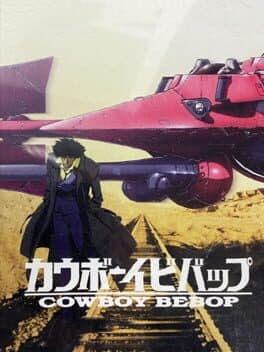
Cowboy Bebop
BEC1998
The player controls Spike Spiegel's Swordfish II from a third person perspective. Each level involves chasing another ship (the bounty head) along a set track through different environments, while enemies (spaceships, robots, etc.) attack. Each stage ends with a boss battle, confronting your target. Between stages, bonus points earned can be spent to purchase upgrades for the ship (faster speed, more powerful ammo, stronger laser).
Tail Concerto
CyberConnect Co., Ltd.1998
Explore a vast 3D world inhabited by lovable characters that you can interact with! Run, jump, climb, and even fly through 9 floating islands of adventure! Experience the wonder of dramatic anime sequences! Characters come to life with spoken dialogue!
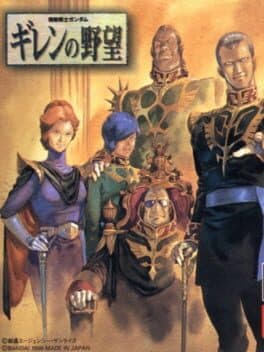
Kidou Senshi Gundam: Gihren no Yabou
CSK Research Institute1998
Turn-based strategy game set in the Mobile Suit Gundam franchise, in Universal Century 0079. It adds political and military management to the One Year War, letting the player choose which side to play as The Earth Federation, The Principality of Zeon or any other splinter faction.
Brain Drain
1998
Brain Drain is a puzzle game in which the player has to recreate a pattern, consisting of different symbols like apples or hearts, which is shown in the corner of the screen. The main playing field consists of said symbols, but randomly switched around. The player controls a frame which encloses four of the symbols. When pressing a button, the symbols are rotated clockwise around the frame. Of course the levels have to be solved within a time limit. In the higher difficulty levels, the player also has to deal with so-called special effects which occasionally kick in during play, e.g. some symbols get hidden by "?" blocks, symbols rotate on their own or the controls are reversed. Three power-ups can be earned by completing bonus levels or finishing a level really fast: clock (stops time for 20 seconds), flash (skips the current level) and credit (gives a second try after time has run out). Clock and flash have to be activated manually; credits is applied automatically. Besides the regular playing mode, there is also the "Brain Race" available which involves solving a certain number of levels (depending on the difficulty) as fast as possible.
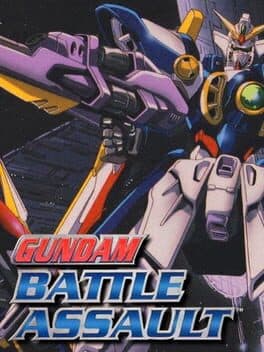
Gundam: Battle Assault
Bandai1998
The Japanese animé series known as Gundam Wing is the basis for Gundam Battle Assault, a 2D one-on-one fighting game for the PlayStation. This robotic brawler pits Gundam against Gundam using a traditional side-view fighting engine. The different robots that appear in Gundam Battle Assault spring forth from all over the series' lengthy fictional timeline. New fans will most recognize the Gundam Wing model, while those who've followed the different shows for a while will find many old favorites, such as Z Gundam, Qubeley, and Zaku II.
@Card SD Gundam Gaiden
Bandai1997
@Card SD Gundam Gaiden is a card strategy game for the Pippin Atmark console in which the user plays cards of characters from the Japanese anime spinoff SD Gundam.
Tamagotchi 64: Minna de Tamagotchi World
Bandai1997
Tamagotchi 64: Minna de Tamagotchi World is a Nintendo 64 game released only in Japan in 1997. It is a virtual board game based on the Tamagotchi toy.
Cyber Egg: Battle Champion
Bandai1997
Cyber Egg - Battle Champion is a chunky yet funky 3D battle action title with all of Bandai's anime experience shining through in the vibrant cast. Players wrestle for domination of the 3D arenas in their crustacean inspired mecha suits. Varied arenas add to the longevity of a ship shape title.
Mobile Suit Z-Gundam
BEC1997
The sequel to the 1995 PS1 Mobile Suit Gundam.
R?MJ: The Mystery Hospital
1997
R?MJ is an interactive horror game with full voice-acting and movement like Kenji Eno's D, where a video plays to show the player's selected movement. The events of R?MJ take place in the summer of 1999. Hajime and Tomowo rush to the S.T.G. Hospital after hearing their friend Ryo was in a suspicious motorcycle accident, but they're trapped in the hospital after an explosion seals their exit. Together with Aya, a nurse who looks after Ryo, Hajime and friends much find a way out while a deadly virus threatens to end their search for freedom. There's something else amiss about this hospital, however. Strange paintings depicting an ancient civilization decorate the hospital walls. Just what is the Asmos Legend? In addition to looking around for items and solving puzzles, the player must utilize the "5 senses button," which acts as an additional way to investigate. Other characters will prompt you for these moments, such as "what's that smell?" The Playstation version spans 2 discs, whereas the Saturn version fits all the videos on one.
Mobile Suit Gundam Side Story: The Blue Destiny
Bandai1997
Mobile Suit Gundam Side Story: The Blue Destiny is a compilation of the Blue Destiny trilogy set during the One Year War.
Kochira Katsushika-ku Kameari Kouen Mae Hashutsujo: Nakagawa Land Dai-race! no Maki
1997
"Kochikame" has released 200 volumes of comics and had Guinness World Records in the past. It is very well known in Japan and has many fans in China and other Asian countries. A table game like Monopoly. Popular characters from the manga (kochikame) appear in this game.
Dragon Ball GT: Final Bout
Tose1997
After achieving cult hit status around the globe, Dragon Ball GT has finally arrived in the U.S. This polygon rendered fighting game features 10 of the best warriors from the animated television series going head-to-head in a no-holds-barred tournament. Each player has devastating finishing moves, including the infamous "Meteor Smash", which can be countered by an opponent, resulting in some of the most incredible power struggles you'll ever see! There are also 8 playable hidden characters and a practice mode that lets you build up the skills of each fighter. Now, you can find out what gamers around the world already know -- Dragon Ball GT is the ultimate fighting game!
Chou-Kousoku GranDoll
KID Corp.1997
Platform game based on the anime OVA.
Next King: Koi no Sen-nen Oukoku
Alfa System1997
A board game developed by Alfa System and MARS Corporation for the PSX and Saturn.

Gundam: The Battle Master
Bandai1997
Gundam: The Battle Master is the first game in the series, released for the PlayStation in 1997. Even this first game features the large multi-jointed sprites and 2-screen-high stages that the rest of the series would follow on. It includes the following mobile suits from the Universal Century era: Playable FA-010S Full Armor Enhanced ZZ Gundam MS-06F Zaku II MSM-03C Hygogg MSN-02 Zeong MSN-04 Sazabi NZ-000 Quin Mantha PMX-003 The O RX-78-2 Gundam RX-78GP02A Gundam Physallis RX-93 Nu Gundam Bosses (Non-Playable) MA-08 Big Zam AMX-002 (AMA-X2) Neue Ziel Psyco Gundam Mark III Hydra Gundam
Cutie Honey Flash
Bandai1997
Cutie Honey Flash is a 1997 video game developed by Bandai for the Sega Pico computer system based on the TV series of the same name. Players control Honey by moving around various areas and interacting with other characters. At certain points, Honey can assume alternate forms to play mini games that advance the plot, most of which involve the Panther grunts and after the games are over, Honey becomes Cutie Honey and finishes them off. Every time one of these minigames are played, Honey loses a heart point and to recover them she interacts with certain NPCs in conversation and going on dates with some of them.
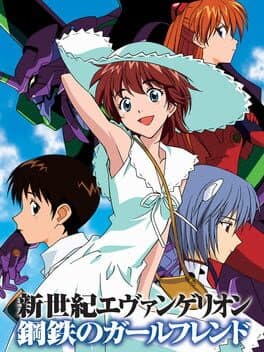
Shinseiki Evangelion: Koutetsu no Girlfriend
Gainax1997
Neon Genesis Evangelion: Girlfriend of Steel, also known as Neon Genesis Evangelion: Iron Maiden, is a video game based on the Gainax anime/manga series Neon Genesis Evangelion, released officially only in Japan for the PlayStation, Sega Saturn, PlayStation 2, PSP, Windows (PC), and Macintosh. On January 20, 2005 a sequel was released titled "Neon Genesis Evangelion: Girlfriend of Steel 2nd" for the Playstation 2, and while it does feature much of the cast of the original game, the story is unrelated to the original's.
SeesawC 1
Ai Ga Areba Daijobu1996
SeesawC 1 uses games and videos to teach 120 English vocabulary words.
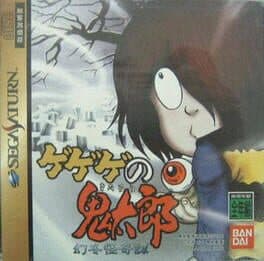
GeGeGe no Kitaro: Maboroshi Fuyu Kaikitan
1996
This is an adventure game that was released for the Sega Saturn.
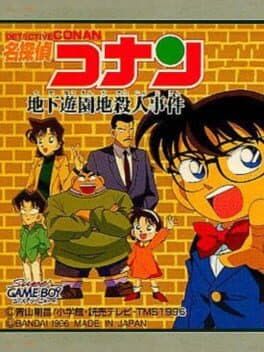
Detective Conan: Chika Yuuenchi Satsujin Jiken
1996
Meitantei Conan: Chika Yūenchi Satsujin Jiken is the first game based on the manga Detective Conan by Gōshō Aoyama, serialized in Weekly Shōnen Sunday since 1994. It is an original story, although the amusement park theme is constantly revisited in the franchise, especially in anime and game form. The protagonist is Conan Edogawa, the alter ego of Shinichi Kudō, a high school detective who was transformed unwillingly into a kid. Chika Yūenchi Satsujin Jiken itself is an adventure game where the task is to solve murder cases. The player controls Conan from a top-down perspective and can move around freely in the park, seeking for clues or engaging other characters in conversation. Sometimes it's possible to choose what to ask a character, but that has no outcome on how the case proceeds. The investigation is moved forward by talking to the right people, finding the necessary clues, solving puzzles and by "thinking". The latter is an actual gameplay mechanic where Conan analyses certain events that he finds suspicious. It ends with the player selecting one out of two deductions. If the incorrect answer was chosen, the accusation will not hold and the murderer will get away. Furthermore, it's possible to officially accuse a suspect with insufficient proof and without finishing the entire scenario, even if this results in arresting the wrong person or ending the game prematurely. The game has three different murder cases, each corresponding to one of the attractions in the amusement park: the roller coaster, the horror house and the huge maze. The first attraction Conan enters after being greeted by Nobuhara and the staff decides which scenario the player will play. In order to switch to another murder case, the game must be started over. The only way to resume a previous session is via passwords the game gives at specific points during the scenario. A standard feature adopted by later installments is the presence of mini games. Two of them (a claw crane and a skateboarding game) can be played at any time in the Game Center, while others must be found or unlocked.
Bomberman B-Daman
Bandai1996
This game features puzzles that must be solved by shooting marbles. Bomberman can hold a marble in his stomach and can only fire one shot during the round. The player must angle it and time it correctly to detonate all of the bombs on screen. There are 10 levels and each have 10 stages. Before each round, a preview will display the stage to show the player what to expect. If the player fails a stage twice then they will advance to the next stage. There are also modes to let the player edit the colors of the Bomber characters and even create their own stage...
Crayon Shin-chan: Ora no Gokigen Collection
Bandai1996
Crayon Shin-Chan: Ora no Gokigen Collection is the fifth and final of five Crayon Shin-Chan games for the Game Boy, there is no platforming action in this game, but rather a number of mini-games. Most of the mini-games, however, are drawn from the prior 4 games, with only 4 new mini-games.
Ultraman: Hikari no Kyojin Densetsu
SIMS1996
A 2.5D fighting game version of Ultraman featuring a polygonal graphics but preset foreground and background movement.
GeGeGe no Kitaro: Yokai Souzoushu Arawaru!
Act Japan1996
This is an RPG game developed for the Game Boy.
AubirdForce
Wiz1996
Aubirdforce is a galactic war simulation which places mighty space cruisers and wingmen on a collision course with opposing forces across the cosmos. Attack, defend and outflank your foes to elevate yourself to supreme commander. Battles take place on 3-D grids which contain the tactical action. At the beginning of the game the player can choose between one of the 2 armies captains. After that before each mission the game explains the story all in a japanese text screen and after that the player can choose which pilots he will use for that missions. Between missions there are new weapons that can be bought and the player can also change the pilots. During the battles in which the gameplay takes place as in all tactical RPGs with a limited range of movement for each player unit and different attacks that can be used. The player can also send his pilots to take off in their space ships to have more battle units to use. Expressed in full 3D space, the battle by battle Starfleet, Starfleet tactical battle simulation game is orthodox. Devised a system was adopted, was to make the game as it is possible the fleet envisioned image of war, to grasp spatial sense. In addition to and fro, you can enjoy with the enemy fleet looming from above and below, the three-dimensional offense and defense.
Bishoujo Senshi Sailor Moon Sailor Stars: Fuwa-fuwa Panic 2
Bandai1996
Bishoujo Senshi Sailor Moon Sailor Stars: Fuwa-fuwa Panic 2 is a video game released exclusively in Japan by Bandai on September 27, 1996. the Super Famicom and is the sequel to Sailor Moon SuperS: Fuwa Fuwa Panic. The game made use of Bandai's SuFami Turbo accessory and could not be played without it.
Crayon Shin-chan: Nagagutsu Dobon!!
Bandai1996
A multiplayer action game featuring Shin-chan attempting to splash his clones with water.
SeesawC 2
Ai Ga Areba Daijobu1996
Second installment in the SeesawC series.
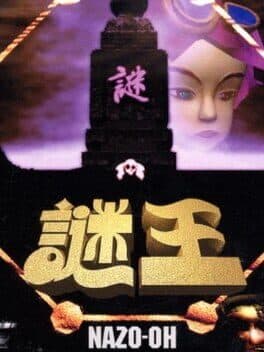
Nazo-Oh
Bandai Visual1996
Nazo-Oh is an Adventure game, developed by Bandai Visual and published by Bandai, which was released in Japan in 1996.
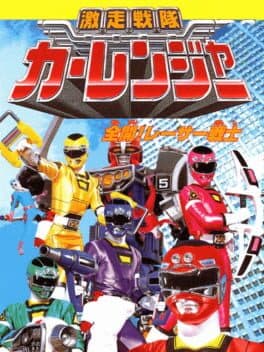
Gekisou Sentai Carranger: Zenkai! Racer Senshi
Natsume Co., Ltd.1996
Cartoony action/platformer starring Carranger (Turbo Rangers). Part of Bandai's range of compact "Sufami Turbo" series.
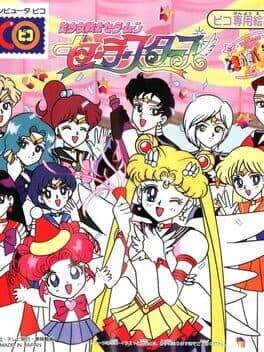
Bishoujo Senshi Sailor Moon Sailor Stars: Tokimeki Party
Bandai1996
Bishoujo Senshi Sailor Moon Sailor Stars: Tokimeki Paati is a video game released for the Sega Pico by Bandai solely in Japan, in August 1996.
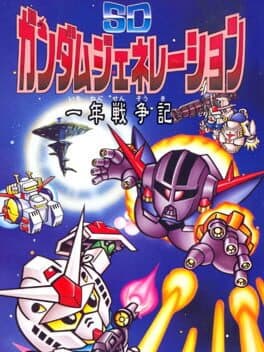
SD Gundam Generation: Ichi-nen Sensouki
1996
A strategy game based on the One Year War from the original Gundam series. It uses the Sufami Turbo accessory to connect to other SD Gundam Generation games.
GeGeGe no Kitaro: Yokai Donjara
1996
A licensed anime board game compilation for the Super Famicom which required a Sufami Turbo to play.
GeGeGe no Kitaro
Bandai1996
A game for the Sega Pico based on the GeGeGe no Kitaro franchise.
SD Ultra Battle: Ultraman Densetsu
Tom Create1996
SD Ultra Battle: Ultraman Densetsu is an Action game, developed by Tom Create and published by Bandai, which was released in Japan in 1996.
Kuusou Kagaku Sekai Gulliver Boy
Amble1996
Spain is trying to take over Europe, and Judo, prince of Spain or something, killed Gulliver’s father. Now Gulliver’s pissed off and wants revenge. Who wouldn’t? And so you set off to kick ass with nothing but Edison’s bombs, Gulliver’s hadouken thing, and Gulliver’s gigantic hair. Misty eventually joins you, but ends up being dead weight at first :P Oh, and in the second part of the game, you get this badass mech thing for all of two or three boss battles.
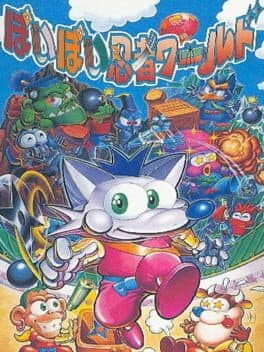
Poi Poi Ninja World
1996
This Super Famicom release from Bandai used the company's Sufami Turbo accessory.
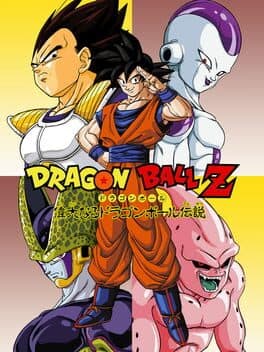
Dragon Ball Z: The Legend
BEC1996
Dragon Ball Z: Legends is a fighting game which utilizes a unique system of play that is different from most other fighters. The graphics feature 2-D sprites in a three dimensional world. Although each battle begins on the ground, the majority of the action is featured skyward. The story mode of the game is divided into episodes, and it encompasses all of Dragon Ball Z, featuring the most important battles of the series.
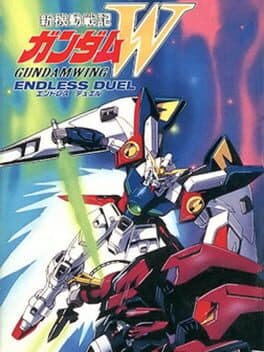
Shin Kidou Senki Gundam Wing: Endless Duel
Natsume Co., Ltd.1996
It is the year After Colony 195, and war between the Space Colonies and Earth has begun. To give the colonies an edge, they send 5 young soldiers, trained to perfection, to earth in the most powerful of Mobile Suits-Gundams. With their arrival, the tide of the war changes as they battle against the Earth forces and the Colonies of their origin.
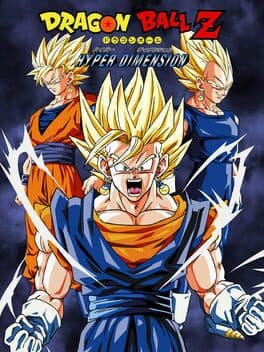
Dragon Ball Z: Hyper Dimension
Tose1996
Dragon Ball Z: Hyper Dimension is a 2D fighting game and the last DBZ game made for the Super Famicom (SNES). It is based around the most memorable battles from DBZ and introduces more traditional and fluid combat mechanics.
Kidou Senshi Z-Gundam: Away to the NewType
1996
Kidou Senshi Z-Gundam: Away to the NewType is a Strategy game, published by Bandai, which was released in Japan in 1996.
PD Ultraman Link
SIMS1996
PD Ultraman Link is a falling-block puzzle game featuring the Japanese superhero Ultraman and many of his allies and foes. Blocks of various colors fall into the well in pairs; each block has two connections, and connecting three or more blocks together regardless of color will cause them to disappear. Any blocks above the ones removed will fall into the now-open space, potentially creating chain combos which will send garbage blocks that must be cleared twice to the opponent. Additionally, connecting four blocks of the same color will clear all blocks of that color from the board, while connecting four each of a different color together will clear all the garbage blocks on the screen by one stage. If the blocks stack past the line at the top of the well, that player loses the match. The game includes a single-player story mode, as well as a free battle mode against the computer or another player. There are 10 different characters to choose from: five Ultra Heroes and five aliens.
SD Gundam Power Formation Puzzle
Tom Create1996
SD Gundam Power Formation Puzzle is a Puzzle game, developed by Tom Create and published by Bandai, which was released in Japan in 1996.
Captain Tsubasa J: Zenkoku Seiha he no Chousen
1995
Released in 1995 for the Game Boy.
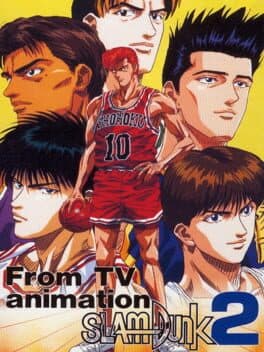
Slam Dunk 2: IH Yosen Kanzenban!!
Tose1995
Anime/Manga-based basketball video game developed by TOSE and published by Bandai in 1995.
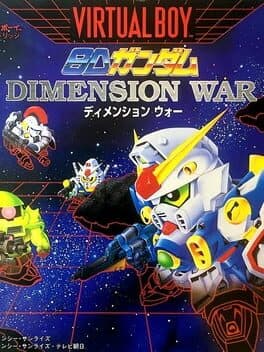
SD Gundam: Dimension War
Locomotive Corporation1995
SD Gundam Dimension War is a Strategy game, developed by Locomotive Corporation and published by Bandai, which was released in Japan in 1995.
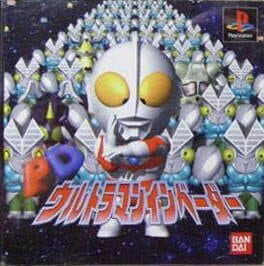
PD Ultraman Invader
Lay-Up1995
Space Invaders with Ultraman!
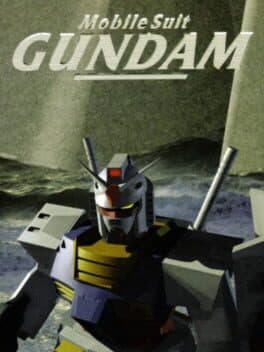
Mobile Suit Gundam
CSK Research Institute1995
Mobile Suit Gundam is a side-scrolling action game based on the popular anime series Mobile Suit Gundam.
SD Gundam G Next
Japan Art Media1995
SD Gundam G Next is a Strategy game, developed by Japan Art Media (JAM) and published by Bandai, which was released in Japan in 1995. It is a Satellaview-compatible Slotted Cartridge game. The game was playable on its own without any data packs, it was playable in conjunction with 8M Pack data downloaded via the BS-X cartridge, and it could also be used together with the separately released Write-protected memory pack, Unit & Map Collections (SHVC-039).
Shounin yo, Taishi wo Idake!!
AIM Productions1995
Shounin yo, Taishi wo Idake!! ("Merchants, Be Ambitious!!") is a 1995 Japan-exclusive board video game for the Super Famicom.
Bishoujo Senshi Sailor Moon Super S: Fuwa-fuwa Panic
Tom Create1995
Bishoujo Senshi Sailor Moon Super S: Fuwa-fuwa Panic ("Pretty Soldier Sailor Moon Super S: Floating Panic") is a puzzle game licensed by Bandai that features the various Sailor Guardians, including the new "super" transformations of Usagi Tsukino (Sailor Moon) and Chibi-usa (Sailor Chibi Moon) that debuted in the "Super S" season, which was the name of the fourth season of the anime adaptation.
Captain Tsubasa J: The Way to World Youth
BEC1995
The fourth and last Captain Tsubasa game released on the Super Famicom. Takes its inspiration from a sequel anime series released in the 90s rather than the 80s original.
Dragon Ball Z: Super Goku-den - Kakusei-hen
Tose1995
Dragon Ball Z: Super Goku-den: Kakusei-hen is the second and last video game of the Super Goku-den series. It was released only in Japan on September 22, 1995, for the Super Nintendo.
Mighty Morphin Power Rangers: The Fighting Edition
Natsume Co., Ltd.1995
Get ready to rock your world with the Mighty Morphin Power Rangers Fighting Edition. A three mode, smashing, bashing, monster trashing no-holds barred slugfest. This one-on-one two player simultaneous fighting game features your favourite Power Zord and a host of evil meanies. The Thunder Megazord, the Shogun Megazord, the Ninja Megazord, Lord Zedd, Goldar, and many more compete for total galactic supremacy in the mother of all battles. When the dust clears, only one will remain standing - who will be crowned the mightiest, morphiest warrior in the universe?
Dragon Ball Z: Goku Gekitou-den
Bandai1995
Dragon Ball Z: Goku Gekitou-den takes place immediately after Goku's battle with Vegeta and ends with Goku's final battle with Frieza (similar to the 1991 video game Dragon Ball Z II: Gekishin Freeza). Most characters from the Namek Saga can be fought during the story mode, including ones such as Zarbon and Frieza's transformed states. The game features five playable characters, as well as Goku's Super Saiyan transformation. In Goku Gekitōden, moving about and fighting is in real time, unlike its predecessor. The game also features many extras, such as minigames and a tournament mode.
Dragon Ball Z: Ultimate Battle 22
Tose1995
Dragon Ball Z: Ultimate Battle 22 gives you 22 playable characters, each with an arsenal of unique moves, kicks, spins, slashes, and specialties, an additional five bonus characters can be unlocked with one command, including Master Roshi, Kid Goku, Super Saiyan 3 Goku, Vegeto, and Mr. Hercule Satan.
Mighty Morphin Power Rangers: The Movie
Natsume Co., Ltd.1995
The Super NES version of Mighty Morphin Power Rangers: The Movie is a side-scrolling action game similar to the previous SNES game based on the series. The game can be played by one or two players with six available characters. Billy and Kimberly return from the previous game along with the introduction of Tommy, as the White Ranger (opposed to appearing as Green Ranger), three new rookie rangers, Rocky, Adam, and Aisha, who replaces Jason, Zack, & Trini from the original game. The player begins each stage as his or her character's civilian persona. The player can fill up a "Morphing meter" next to their life gauge by picking up thunderbolt-shaped items (whether by small bolts or morphing sign bolts). These items are dropped by enemies and can also be used to perform a special attack when the character is morphed in Ranger Mode. A Special code made for the game can have the players begin the stages as the morphed Rangers instead of their civilian persona. Once the Morphin' meter is filled, the player can press the special attack button to morph; an animated sequence begins showing the rangers morphing in a digitized video (Based of the Season 2's transformation without showing the Red Ranger helmet configuring at the end). The method also occurs automatically after the player goes throughout the mission in civilian mode encountering the boss triggering the morph sequence (regardless of how much energy of the morphin' meter is filled up). The game consists of seven stages. The player fights against Lord Zedd's Putty Patrol until reaching the end of stage boss. The first five bosses are all monsters from the TV show's second season, while the sixth one is an original creation for the game. The final boss is Ivan Ooze, the film's antagonist. Unlike the first game, there are no giant robot battles in this version, although the Ninja Megazord from the film (and the show's third season) makes an appearance during the ending sequence.
Tottemo! Luckyman: Lucky Cookie Roulette de Totsugeki
1995
Tottemo! Luckyman: Lucky Cookie Roulette de Totsugeki is a Role-Playing game, developed by Tom Create and published by Bandai, which was released in Japan in 1995.
Ruin Arm
Tose1995
Ruin Arm is a 1995 Japan-exclusive Action role-playing video game for the Super Famicom.
Mobile Suit Gundam
BEC1995
Mobile Suit Gundam is a video game developed by Sunrise and published by Bandai for the PlayStation and the first first-person shooter of the Gundam franchise.
Captain Tsubasa J: Get in the Tomorrow
Bandai1995
This game was released only in Japan.
Marmalade Boy
Kuusou Kagaku1995
Marmalade Boy is an otome game, developed by Kuusou Kagaku and published by Bandai, which was released in Japan in 1995. It is based off the anime Marmalade Boy.
Kuusou Kagaku Sekai Gulliver Boy: Kuusou Kagaku Puzzle Puritto Pon
1995
Puzzle game based on the anime "Gulliver Boy"
Bass Rise
Bandai1995
BASS RISE brings the action of fishing to the PlayStation. Pick the rods and lures that fit your fishing style and get ready to reel. While out on the lake, make new friends who will offer advice or a challenge; completing challenges opens new areas to fish. Every area requires finesse, not brawn, to bring in the catch. Never miss a second of the fight with a unique underwater perspective that shows how hard the fish are working. Everything for a great day out on the lake is in BASS RISE, and the best part is, you won't have to clean the fish after you catch them.
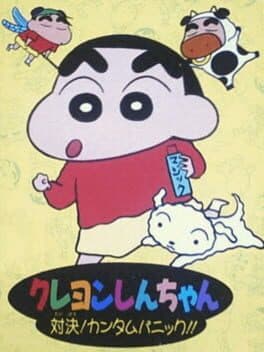
Crayon Shin-chan: Taiketsu! Quantum Panic!!
Bandai1995
Crayon Shin-chan: Taiketsu! Kantamu Panic!! (クレヨンしんちゃん 対決!カンタムパニック!!) is an action game for the Sega Game Gear released only in Japan. It is based upon the Crayon Shin-chan anime.
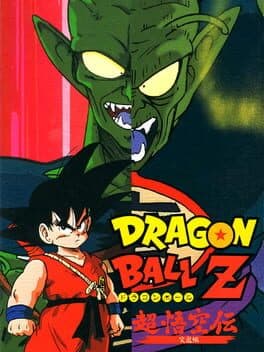
Dragon Ball Z: Super Goku-den - Totsugeki-hen
Tose1995
Meet a naive young monkey-tailed boy named Goku, whose quiet life changes when he meets Bulma, a girl who is on a quest to collect seven "Dragon Balls." If she gathers them all, an incredibly powerful dragon will appear and grant her one wish. But the precious orbs are scattered all over the world, and Bulma needs Goku's help (and his super-strength)! With a magic staff for a weapon and a flying cloud for a ride, Goku sets out on the adventure of a lifetime...
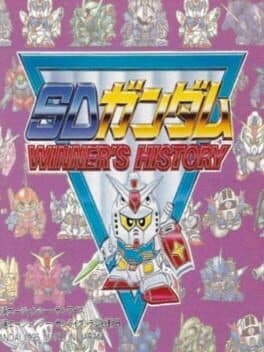
SD Gundam Winner's History
ITL1995
SD Gundam Winner's History is a turn-based strategy game, with some action elements, part of Gundam franchise. Player controls a small army of robots and fights against enemy's army. Battles take place in various environments: space, atmosphere or planet's surface. Player has to occupy specific points and factories. These produce new work and larger space ships. Battle between robots is a duel 1:1 - robot can operate automatically or be manually controlled. Larger space ships can bombard enemy from safe place. Game has campaign, player can play on single map, and against other player.
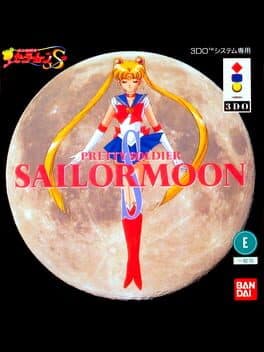
Pretty Soldier Sailor Moon S
Tose1995
With the world at peace, the nine senshi challenge each other for supremacy. The player chooses one of the five Inner Senshi, the four Outer Senshi or Chibiusa. The fighting takes place in various scenes in Tokyo, with the player required to beat the senshi opponent two times out of three. The camera zooms in and out, depending on how far the opponents are from each other. The player can use special control combinations to invoke the senshi's special powers. After beating the other eight senshi, the player must defeat Super Sailor Moon to claim the title of Super Senshi.
Crayon Shin-chan: Puzzle Daimaou no Nazo
Tose1995
It's a puzzle game similar to Puyo Puyo with the theming of Crayon Shin-Chan, and lots of little animations and a ton of voice acting.
Bishoujo Senshi Sailor Moon S: Kurukkurin
Tom Create1995
The Sailor Soldiers must collect the talisman before the Dark Kingdom gets them! Take on your friend in this exciting puzzle game based on the famous animation!
YamYam
Pandora Box1995
A young boy called Magu Magu travels across the world with his friend: a giant light pink flightless bird called Yam Yam. The duo must work together to accomplish tasks given to them. Experience the colorful friendship and intense action!
Kidou Senshi Gundam: Cross Dimension 0079
1995
An isometric strategy game published by Bandai in 1995, it depicts events from the early Mobile Suit Gundam fiction from the perspective of Amuro Ray before switching to a secondary set of characters midway through.
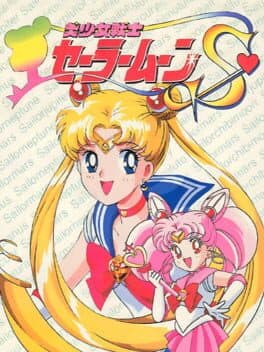
Bishoujo Senshi Sailor Moon S
Shimada Kikaku1995
Game based upon the 1994 Sailor Moon S anime series.
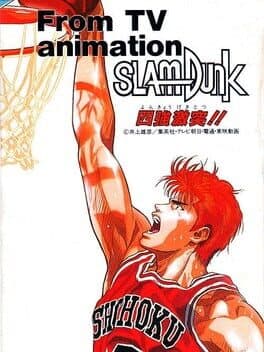
Slam Dunk: Yonkyou Gekitotsu!!
Tose1994
Basketball video game developed by TOSE and published by Bandai for the Super Famicom in 1994. First game of the "Slam Dunk" franchise.
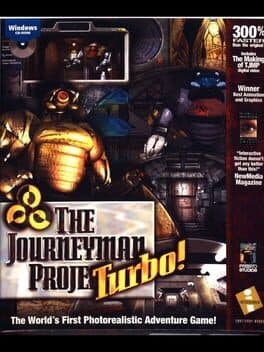
The Journeyman Project: Turbo!
Presto Studios1994
The Journeyman Project: Turbo! is a remaster of The Journeyman Project (1993), with decreased loading times and improved animation quality. The year is 2318. The place: the sky-born city of Caldoria. After a century of bitter struggle, humanity has finally learned to live in peace. In 2117 the Unified World was established. And humanity knew no more war.
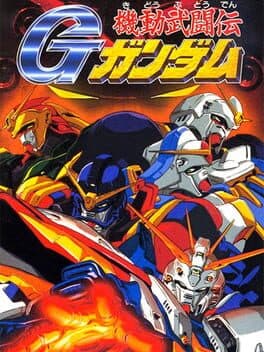
Kidou Butou-den G Gundam
Pandora Box1994
Kidou Butouden G Gundam is based on the 1994 anime TV series of the same name. The first Gundam production not set in the continuity established in the 1979 original series of the franchise, G Gundam presents a world in which global conflicts are settled in a yearly tournament fought between Gundam mecha, each representing its nation's qualities (and stereotypes). Naturally, this premise was adapted into a one-on-one fighting game. The game includes 10 different Gundams (one of which can only be selected by players via a secret code), each with its own arena and background music. Four different playing modes are on offer: Story Battle allows a limited selection of only five Gundams (the members of the Shuffle Alliance in the series), presenting a series of nine matches against all other Gundams in the game. All matches consist of only one round. Versus Battle is for two-player matches. Players choose their Gundam, its pilot (different pilots have different attributes regarding performance, defence and speed) and arena. Both players can select the same Gundam (with the exception of the secret character) and pilot. Matches are best-of-three. Handicaps can be set for each player. Championship Battle is similar to Story Battle, but is in best-of-three mode, allows Gundam selection from the full roster and lacks story sequences. Team Battle is a team-based two-player mode. Players select between one to five Gundams per team. One-round matches follow, with the loser being removed from the roster until only one team remains. Controls involve the four face buttons for weak and strong punches and kicks, and the two shoulder buttons for quick forward or backward dashes. Each Gundam has its own special moves triggered via input combinations, including extra powerful "desperation attacks", which can only be activated if the Gundam's life bar has been significantly lowered and flashes red.
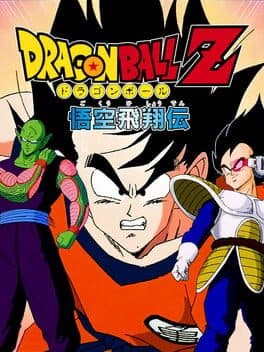
Dragon Ball Z: Goku Hishou-den
BEC1994
Dragon Ball Z: Goku Hishou-den is a RPG/Strategy oriented game, as the player chooses when to move, charge energy, punch, kick, or do any number of different special attacks, then watches as the events take place. The player must take an active part in dodging attacks by pressing appropriate buttons at just the right moments.
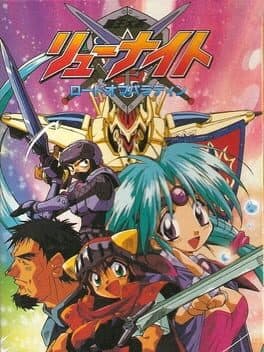
Haou Taikei: Ryuu Knight
Japan Art Media1994
An action RPG that depicts the story of Adeu: a young boy training to be a paladin. He goes out on a quest to recover a legendary and mysterious weapon, the Earth's Blade, which has been shattered into 12 pieces.
Bishoujo Senshi Sailor Moon S: Jougai Rantou!? Shuyaku Soudatsusen
Arc System Works1994
The Sailor Senshi are fighting to choose a new leader. After defeating an enemy, Sailor Moon was teased by Sailor Chibi Moon and Sailor Mars, who called her undependable. The rest of the Sailor Senshi then decided to have a contest to choose a new leader.
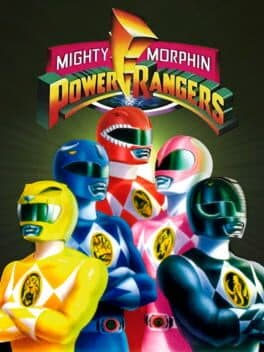
Mighty Morphin Power Rangers
Natsume Co., Ltd.1994
The Super NES version of Mighty Morphin Power Rangers is a side-scrolling action game composed of seven stages, with two different gameplay styles.
Panic in Nakayoshi World
Tom Create1994
This title is about monsters that are attacking the World of Nakayoshi. The monsters are eating up the citizens. The more they eat, the hungrier they get. Four girls must stop the monsters and defeat Daima to save the World of Nakayoshi. The game is an overhead Adventures of Lolo-style puzzle game featuring characters from various Nakayoshi-printed manga. Sailor Moon and Chibi Moon are playable characters. There are also characters from Goldfish Warning!.
Gon
Tose1994
Gon is a Japan-exclusive side-scrolling action video game with platforming elements for the Super Famicom published by Bandai. The game is an adaptation of the manga series Gon by Masashi Tanaka, about the daily life of a super-deformed orange carnosaur named Gon.
Dragon Ball Z: Super Butouden 3
Tose1994
The third and final installment of the original Super Butouden trilogy brings the series to the Majin Buu Saga of the Dragon Ball Z story.
Ultraman Powered: Kaijuu Gekimetsu Sakusen
Bandai1994
Ultraman Powered: Kaijū Destruction Tactics is a CD-ROM-based action adventure game for the Playdia console.
Jungle no Ouja Tar-chan: Sekai Manyu Dai Kakutou no Maki
Kuusou Kagaku1994
Ta-chan is the king of jungle. He was abandoned in savanna, and has been raised by a chimpanzee, Etekichi. He has a dearest wife, Jane who used to be a top model in New York, but now she looks…Anyway, to protect animals from poachers, Ta-chan is fighting against them with his disciple, Pedro, and a master of Chinese martial arts, Ryo.
Shin SD Gundam Gaiden: Knight Gundam Monogatari
P Softhouse1994
Released in 1994 for the Game Boy.
Crayon Shin-chan 4: Ora no Itazura Daihenshin
Bandai1994
Crayon Shin-chan 4: Ora no Itazura Daihenshin is an Action game, developed by TOSE and published by Bandai, which was released in Japan in 1994.
Bishoujo Senshi Sailor Moon S: Kondo ha Puzzle de Oshioki yo!!
Tom Create1994
The Sailors try to find Princess Serenity, who was lost a long time ago fighting the forces of evil in the Moon Kingdom. The Negaverse are trying to go back in time to rule the Moon Kingdom as well, so time is not on your side.
SD Gundam GX
BEC1994
SD Gundam GX is a Strategy game, developed by Bec and published by Bandai, which was released in Japan in 1994.
Crayon Shin-chan 2: Daimaou no Gyakushuu
Sun L1994
Action platformer released by Bandai for the Super Famicom in 1994 based on the scatological anime Crayon Shin-chan.
Dragon Ball Z: Buyuu Retsuden
Tose1994
Dragon Ball Z: Buyu Retsuden is a fighting video game based upon Akira Toriyama's Dragon Ball franchise. It is the only game in the series released for the Mega Drive, following the Frieza and Cell sagas. Its gameplay has been described as a combination of the original Super Butōden and Super Butōden 2, consisting of one-on-one fights using a three-button configuration, featuring special moves and two playable modes.
Crayon Shin-chan 3: Ora no Gokigen Athletic
Bandai1994
Crayon Shin-Chan 3: Ora no Gokigen Athletic is an Action game, published by Bandai, which was released in Japan in 1994.
Kidou Senshi V-Gundam
Tose1994
Kidou Senshi V-Gundam is an Action game, developed by TOSE and published by Bandai, which was released in Japan in 1994.
Welcome Nakayoshi Park
Tom Create1994
"Welcome Nakayoshi Park" is a video game released for Nintendo Game Boy by Bandai in 1994.
Cyborg 009
BEC1994
Cyborg 009 is a Super Famicom game based on the Cyborg 009 manga franchise.
Ultraman Powered
Tose1994
The player is cast as Ultraman, a Japanese masked super hero who has to fight the weirdest creatures that arrived from somewhere to destroy everything. Some of them looks like giant dinosaurs and the others are too odd to describe. This title is a one-on-one fighting game. The player has the option to fight in versus mode or story mode. Also, a two-player mode is included, to battle against human opponents.
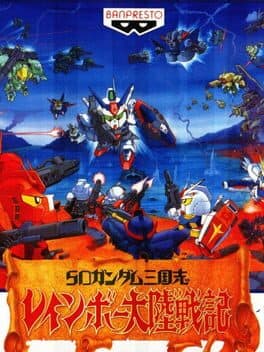
SD Gundam Sangokushi Rainbow Tairiku Senki
Bandai1993
SD Gundam: Sangokushi Rainbow Tairiku Senki is an Action run-and-gun game in the style of the Contra series, developed by Bandai and published by Banpresto. Released in Japan for the arcades in 1993.
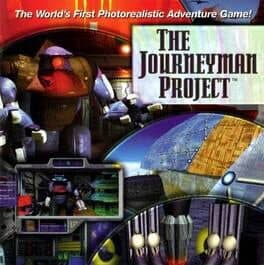
The Journeyman Project
Presto Studios1993
The year is 2318. As Agent #5 of the Temporal Security Agency, you must safeguard history from sabotage. Explore photorealistic 3D worlds of the past and future, solve mind-bending puzzles, and outwit menacing robots in a struggle to undo the acts of a saboteur bent on altering the past.
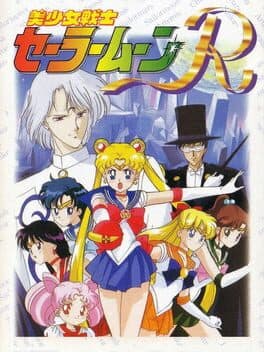
Bishoujo Senshi Sailor Moon R
Arc System Works1993
Bishoujo Senshi Sailor Moon R is a video game released for the Super Famicom by Bandai in 1993. It serves as a sequel to Bishoujo Senshi Sailor Moon. Upon starting the game, the player can choose one of 5 characters (2 can be selected for co-op). The game is divided into four levels; each level being divided further into two sub-levels. The player will fight numerous enemies, mostly consisting of default Droids based on their manga incarnations. At the end of each level, a boss must be defeated to proceed. Pressing a special button makes the character use a devastating attack that kills all lesser enemies on screen and causes significant damage to a boss character, although the use of the attack is limited. Bonus items can be picked up from the ground or found in breakable objects, usually in the form of food items that replenishes the life meter to varying degrees. Chibiusa Mode is synonymous with an "Easy Mode". Chibiusa's sprite is too short to be hit by most attacks, and the enemies are also made easier to beat. There is also bonus Battle Mode, which acts as a 1v1 arcade fighter for 2 players. Selecting this mode with only one player allows it to work as a training mode, with the other character remaining motionless.
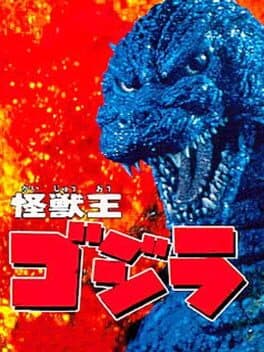
Kaiju-ou Godzilla
Bandai1993
An action game in which Godzilla must continue moving right, crushing opposing military forces until reaching bosses consisting of various monsters from the Godzilla universe. It was a Japan-only, Game Boy release.
Dragon Ball Z: Super Butouden 2
Tose1993
The second installment of the Super Butoden series focuses on the battles during (and shortly after) the "Cell Saga" arc of the Dragon Ball series. It is one of the few games in the series to focus on stories from the series's animated films. Although having a French release, the first time the game was released in North America was when it was distributed as a bonus digital copy for the consumers who pre-ordered Dragon Ball Z: Extreme Butouden. This version was untranslated from Japanese and still with the Japanese title.
AI Shogi
ASCII Entertainment Software, Inc.1993
AI Shogi is a Miscellaneous game, developed and published by Taito Corporation, which was released in Japan in 1995.
YuYu Hakusho: Bakutou Ankoku Bujutsu Kai
Tose1993
YuYu Hakusho: Bakutou Ankoku Bujutsu Kai is an Action game, developed by TOSE and published by Bandai, which was released in Japan in 1993.
Battle Rush: Build Up Robot Tournament
Tose1993
The player has to build his own combat robot to use in a fighting tournament. These robots are built in factories that assign the robot a name in addition to installing its head, body, shoulder, and feet. The player has a pre-game lobby to get ready for the robot combat action. All matches have rounds of 60 seconds (unlike the 99-second round of most modern fighting video games). Both robots have a separate gauge for energy and damage. Standard punches and kicks can be thrown in addition to special moves (which look like ammunition).
Kamen Rider
Sun L1993
Kamen Rider is a beat 'em up developed by Sun L and published by Bandai for the Super Famicom platform. It is based on the Kamen Rider tokusatsu TV show, specifically the very first incarnation which ran between 1971-1973. The player assumes the role of Takeshi Hongo, the first Kamen Rider, as he fights through the minions and kaijin (human-sized kaiju) of the evil organization Shocker in a series of brawler stages not unlike Final Fight or Double Dragon. The game can also be played co-operatively with a second player who plays as Hayato Ichimoto: the second Kamen Rider. At any time the two players can transform into their Kamen Rider personas, necessary for delivering the final blows on bosses. Kamen Rider was only released on the Super Famicom in Japan.
Crayon Shin-Chan: Ora to Wanpaku Gokko dazo
Tose1993
An action platformer for the Game Boy starring the popular anime character "Shin-chan". This is the second installment of the Game Boy Crayon Shin-Chan series.
Rokudenashi Blues
Tose1993
An RPG brawler released for the Family Computer and Super Famicom based on the anime and manga of the same name. Both were developed by TOSE and published by Bandai. Rokudenashi Blues ("Good-for-Nothing Blues") is a RPG brawler based on the manga of the same name, which also saw two anime movie adaptations close to its release. The player character, Taison Maeda, is a delinquent student who is training to be a professional boxer. He has a reputation as a powerful fighter among delinquent gangs as a result, though despite being violent he has a code of honor. The Famicom and Super Famicom versions of the game are subtly different due to console differences, but both share their genre, developer and publisher. The Famicom game was released in October 1993, with the Super Famicom version following in April 1994. Characters from this game have appeared in Jump crossover games, specifically Famicom Jump II and Jump Ultimate Stars.
Cult Jump
1993
Cult Jump is an adventure trivia video game developed by Sun L and published by Bandai Co. for the Game Boy. A crossover game exclusive to Japan, it was released on September 10, 1993 and features many popular characters from seven series in Weekly Shonen Jump. The king of the JUMP world has been imprisoned in a castle far away. It is up to the reader of Shonen Jump to use all of his knowledge of their published works to beat opponents and rescue the king. Altogether, there are 50 long stages where the player needs to answer the questions posed by the opponents to survive and move on. A password will be displayed after beating each of these stages.
Kouryu Densetsu Villgust Gaiden
Tose1993
Kouryu Densetsu Villgust Gaiden is a Role-Playing game, developed by TOSE and published by Angel (Bandai), which was released in Japan in 1993.
Crayon Shin-Chan: Ora to Poi Poi
Tose1993
The game is a simple card game with a Tetris element. The layout is similar to a Tennis court with both players on either sides defending their goal, while stacks of cards are positioned in the center. Players must move Shin up and down sliding cards, in two's, to the center pile matching up symbols and push each stack back to the opponent's side in an attempt to over take their goal.
Dragon Ball Z Gaiden: Saiya-jin Zetsumetsu Keikaku
Tose1993
You control five various Dragon Ball characters in this game: Son Goku, Son Gohan, Piccolo, Vegeta, and Future Trunks. The game is based on training your characters, and fighting with them. The outcomes of the fights are determined by the player choosing different cards he has at his disposal, and combining them to create various attacks.
Crayon Shin-chan: Arashi wo Yobu Enji
Bandai1993
An action game featuring Crayon Shin-chan that was released for the Super Famicom and Mega Drive.
Armed Dragon Fantasy Villgust
Tose1993
Armed Dragon Fantasy Villgust is a Role-Playing game, developed by TOSE and published by Angel (Bandai), which was released in Japan in 1993. This game is based off the anime of the same name that was released many years ago.
Mazinger Z
Winkysoft1993
Mazinger Z is a beat 'em up styled platformer video game for the Super Famicom released on June 25, 1993 based on the Mazinger Z anime. It was developed by Winkysoft and published by Bandai; featuring the major cast members and a wide variety of Mechiancal Beasts that the Mazinger has to fight.
Ultraman Club: Supokon Fight!
Tose1993
Ultraman Club: Supokon Fight! is a Sports game, developed by TOSE and published by Bandai, which was released in Japan in 1993.
SD Gundam: Gundam Wars
1993
SD Gundam: Gundam Wars is a Role-Playing game, developed by TOSE and published by Bandai, which was released in Japan in 1993.
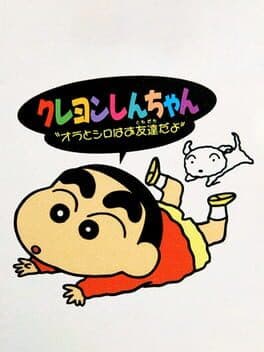
Crayon Shin-Chan Ora to Shiro ha Otomodachi Da yo
Tose1993
Crayon Shin-Chan: Ora to Shiro ha Otomodachi Dayo is a platforming game based off the Crayon Shin-Chan manga, mostly popular in Japan although translated and published in a couple of other countries. The game is heavily oriented towards platforming, with only a couple of blow bubbles-based weapons littered throughout the game's short four levels. Shin-chan can hop onto the heads of the enemy humans that are interspersed around each stage, as well as use the bubbles to knock them out. He can also hop onto hooks and branches, and scale telephone poles and trees. There are also three mini-games in Crayon Shin-Chan along with a fourth kind-of mini-game. Although all four mini-games are encountered in the course of your playthrough, you can also access them from the title screen using the second option presented to you. Also of note is a timer in each of the level. For some weird reason, if you try to collect everything in a level, there simply is not enough time, at least in Level 2. Fortunately, you are given checkpoints throughout each of the levels. Timing out will simply throw you back to one of the checkpoints.
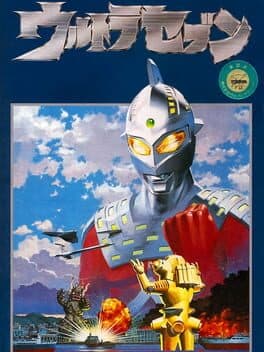
Ultra Seven
BEC1993
Ultra Seven is a 2D one-on-one fighting game that uses characters from the tokusatsu TV show of the same name. The Ultra Seven series is based on the original Ultraman TV show, but updated for a modern audience with a different protagonist who hails from the same planet as Ultraman. Ultra Seven features a single-player story mode in which the player can sometimes choose which of Ultra Seven's capsule monsters (Agira, Micras or Windom) to fight as, and a versus mode in which two players can duke it out.
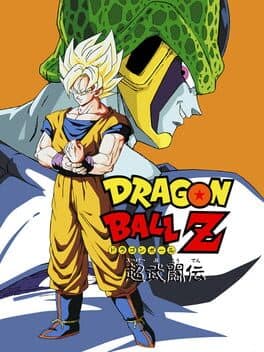
Dragon Ball Z: Super Butouden
Tose1993
The first fighting game bearing the Dragon Ball license, Super Butouden covers some of the series's key battles (from Goku's battle with Piccolo to the Cell Games).
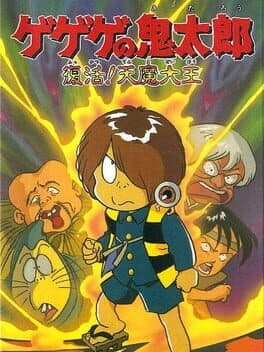
GeGeGe no Kitaro: Fukkatsu! Tenma Daiou
BEC1993
An action platformer for the Super Famicom based on the Gegege no Kitarou anime and manga. The player, as Kitarou, must defeat the all-powerful Demon King Tenma before he can resurrect.
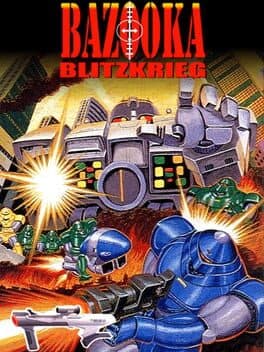
Bazooka Blitzkrieg
Tose1992
Bazooka Blitzkrieg game made for the SNES Super Scope. It featured a bleak modern setting filled with cyborgs and various bosses including a large flying warship a tank, and various others. The primary button fired regular machine gun rounds, and the thumb button fired rockets. Released in 1992 by Bandai.
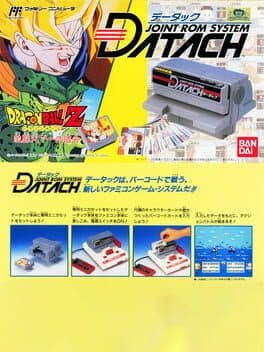
Dragon Ball Z: Gekitou Tenkaichi Budoukai
Tose1992
Dragon Ball Z: Gekitou Tenkaichi Budoukai is the first fighting video game based on Dragon Ball Z. The game was unique in that it came with a special card reader attachment, the Datach Joint Rom System, which requires several special cards to be swiped in order to add characters and items in the game.
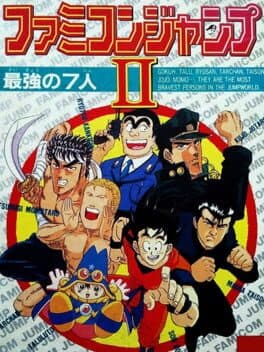
Famicom Jump II: Saikyou no 7-nin
Aquamarin1992
Famicom Jump II: Saikyou no 7-nin is a 1991 RPG for the Nintendo Family Computer published by Bandai. The sequel to Famicom Jump: Hero Retsuden, the game features seven main characters (as the subtitle indicates) from different Weekly Shōnen Jump manga serialized at the time. Only four of the 16 represented titles from the original are brought back, while the remaining three are new to the sequel. There would not be another crossover game until the release of Jump Super Stars and Jump Ultimate Stars. (of which six of these series would be represented, the only one not being Magical Tarurūto-kun.)
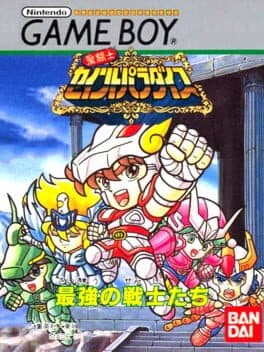
Saint Seiya Paradise: Saikyou no Senshi-tachi
Bandai1992
The combat mode is in the style of RPG video games, with many levels and items going through towns and anime scenarios. The video game begins in the Galaxian Wars and ends with the combat against the god Poseidon, making their appearances minor characters like Gigas and Geist that would not be used in other video games later.
SD Gundam Gaiden: Knight Gundam Monogatari 3 - Densetsu no Kishi-dan
Tose1992
SD Gundam Gaiden: Knight Gundam Monogatari 3 - Densetsu no Kishi-dan is a Role-Playing game, developed by TOSE and published by Bandai, which was released in Japan in 1992.
Dragon Ball Z III: Ressen Jinzou Ningen
Tose1992
Dragon Ball Z III: Ressen Jinzou Ningen is the sequel of Dragon Ball Z II: Gekishin Freeza. The game starts off in the Frieza Saga as Super Saiyan Goku fighting Frieza, and it ends in the Imperfect Cell Saga in the battle of Piccolo against Imperfect Cell. The game also features characters from the movie Dragon Ball Z: Cooler's Revenge. It is the first game in the Gokuden series where power levels are not stated.
Magical Taluluto-kun 2: Magical Adventure
Tose1992
To save the kidnapped Iyona-chan, Talututo-kun teams up with Mimora and Honmaru and go on a magical adventure. Each character has their own special abilities, so they must work together to overcome the challenges they face.
Kouryuu Densetsu Villgust: Kieta Shoujo
Winkysoft1992
A fantasy RPG for the Super Famicom. Notable for allowing up to five party members in combat and breaks the usual 9999 limit for health. Never released outside of Japan, but fan translations exist.
Soreike! Anpanman: Minna de Hiking Game!
Angel1992
Anpanman travels around the world helping people. But what is Anpanman? He’s a superhero whose head is made out of sweet rolls filled with bean jam. Soreike! Anapanman is a fun board game for the Famicom, based on a cartoon by the same name. It is relatively straightforward and simple to play, with no complex features or obstacles to overcome. There are eight maps and a ninth to unlock, and up to three human players can participate. Join Currypanman and Shokupanman as you try to beat Baikinman!
Magical Taluluto-kun: Magic Adventure
Tose1992
Taluluto must cross levels in five worlds to reach and defeat Raivar to save Honmaru's girlfriend Iyona. Use the many powerups and the assistance from Magical Taluluto's friends to overcome all obstacles.
Dragon Ball Z: Super Saiya Densetsu
Tose1992
Dragon Ball Z: Super Saiya Densetsu is a role playing video game and the first Dragon Ball game for the Super Famicom. It was released only in Japan on January 25, 1992. Super Saiya Densetsu is a remake combining two earlier Famicom games of the Gokuden series: Dragon Ball Z: Kyōshū! Saiyan and Dragon Ball Z II: Gekishin Freeza, but without the movie characters and anime filler elements that were featured in them.
Slam Dunk: SD Heat Up!!
Tose1991
An anime license basketball sim, developed by TOSE and published by Bandai, which was released in Japan in 1995.
Kidou Senshi Gundam F91: Formula Senki 0122
Nova Games1991
A sci-fi strategy game based in the Gundam universe that was published by Bandai in 1991 for the Super Famicom.
SD Gundam Gaiden: Knight Gundam Monogatari 2 - Hikari no Knight
Tose1991
SD Gundam Gaiden: Knight Gundam Monogatari 2 - Hikari no Knight is a Role-Playing game, developed by TOSE and published by Bandai, which was released in Japan in 1991.
Dragon Ball Z II: Gekishin Frieza!!
Tose1991
Dragon Ball Z II: Gekishin Frieza!! is a role playing video game released only in Japan by Bandai on August 10, 1991, for the Nintendo Famicom. Gekishin Freeza!! is also one of the games downloadable in the game compilation J Legend Retsuden for Nintendo 3DS.
Football International
TOSE Co., Ltd.1991
Football International is a top-down soccer game with eight national teams to choose from. The player can either participate in an exhibition match or in a knockout championship. Other options which can be set is the time a half-time lasts and if the own team uses a more defensive or offensive lineup. The game itself consists of the usual dribbling, passing and shooting. Normally the camera closely follows the ball carrier, but when a wide shot is performed it zooms out and shows the whole playfield.
Oeka Kids: Anpanman no Hiragana Daisuki
1991
An educational game to teach children Hiragana. Oeka Kids: Anpanman no Hiragana Daisuki is a Miscellaneous game, developed by TOSE and published by Bandai, which was released in Japan in 1991.
Magical Taluluto-kun: Fantastic World!!
Tose1991
Fifth grader Edojou Honmaru is one of the most trodden-upon losers in his class, until he meets Magical Taluluto-kun. Taluluto's powers help him deal with all his hardships, such as girls, bullies, and numerous other challenges.
Dragon Ball Z: Kyoushuu! Saiya-jin
Tose1990
Dragon Ball Z: Kyoushuu! Saiya-jin is a role playing video game and the first Dragon Ball Z console game. It was released only in Japan by Bandai on October 27, 1990, for the Nintendo Famicom. There was a limited edition gold cartridge of the game released. Kyoushuu! Saiyan is also one of the games included in the game compilation J Legend Retsuden for Nintendo 3DS.
Oeka Kids: Anpanman to Oekaki Shiyou!!
Tose1990
Tablet-based drawing game. Oeka Kids: Anpanman to Oekaki Shiyou!! is a Miscellaneous game, developed by TOSE and published by Bandai, which was released in Japan in 1990.
SD Gundam Gaiden: Knight Gundam Monogatari
Tose1990
SD Gundam Gaiden: Knight Gundam Monogatari is a Role-Playing game, developed by TOSE and published by Angel (Bandai), which was released in Japan in 1991.
The Adventures of Gilligan's Island
Human Entertainment1990
The Adventures of Gilligan's Island is a game developed by Bandai for the Nintendo Entertainment System, based off of the famous 1960s sitcom "Gilligan's Island". The player controls Skipper, who is followed around by the computer-controlled Gilligan.
Akuma-kun: Makai no Wana
Tose1990
Akuma-kun: Makai no Wana is a Role-Playing game, developed by TOSE and published by Bandai, which was released in Japan in 1990.
Osomatsu-kun: Back to the Me no Deppa no Maki
Tose1989
The second game based on the Osomatsu-kun anime and manga, released in 1989 for Famicom. Osomatsu-kun: Back to the Me no Deppa no Maki is an Adventure game, developed by TOSE and published by Bandai Shinsei, which was released in Japan in 1989.
Dragon Ball 3: Goku-den
Tose1989
Dragon Ball 3: Goku-den is a role playing video game released only in Japan by Bandai. It is the third Dragon Ball video game for Famicom (its predecessors being Dragon Ball: Shenron no Nazo and Dragon Ball: Daimaou Fukkatsu). Its sequel is Dragon Ball Z: Kyoushuu! Saiyan. You control Son Goku and his friends Krillin and Yamcha in this game. The gameplay is mostly based on training your characters and then taking them to fight enemies, advancing the plot. All the activities in the game (including walking around on the world map) are performed through choosing one of the available cards. Depending on the value of the card, you can move a certain amount of squares on the map, have an advantage in a battle, etc.
Hyper Lode Runner
1989
Your objective is to gather gold that is scattered on the brick platforms, which are connected by ladders. You are chased by robots (cyborgs) that end your character's life if they catch him, though you can stand on their heads. Your main weapon is the ability to dig both to the left and right of your character. The holes you dig are only temporary and fill themselves in. A robot that falls into one of your holes will be destroyed if the hole fills in before it can escape. Your character can also suffer this same fate, ending his life. Destroyed robots are replaced with new ones that appear from the top of the screen. The robots can also carry gold which they drop if they fall into a hole. The robot's movements are dependent on yours, and a significant facet of the game play is figuring out how to use the robot's movements to your advantage in clearing a stage. Besides bricks and ladders, levels also consist of blocks (which can't be dug into), rope (to traverse platform chasms) and crumbling bricks (which you fall through). Once all gold has been retrieved a missing segment of ladder will appear allowing your character to escape to the next level. Some levels contain keys and doors which provide an alternate way to leave a level.
Meimon! Daisan Yakyuu-bu
Human Entertainment1989
A Famicom baseball game developed by Human and published by Bandai. It superficially resembles Namco's Famista series. Meimon! Daisan Yakyuubu ("Meimon! The Third Baseball Club") is a baseball sim for the Famicom that is based on a manga and anime of the same name about an underdog highschool baseball team and the drama that surrounds them. The player can access the game's story mode, which depicts scenes from the manga, by selecting "Dramatic Mode" from the title screen menu. This also adds character portraits to the main game mode. The game itself is a fairly standard NES baseball game. The pitching/batting perspective is from directly behind the batter, and the player moves the entire group of fielders simultaneously whenever the ball is hit. Graphically, the many super-deformed athletes resemble those of Namco's Famista (the series upon which RBI Baseball was based), which was very much the leading baseball franchise at the time.

Oishinbo: Kyuukyoku no Menu 3-bon Shoubu
Tose1989
Oishinbo: Kyuukyoku no Menu 3-bon Shoubu is an Adventure game, developed by TOSE and published by Bandai Shinsei, which was released in Japan in 1989.
SD Gundam World: Gachapon Senshi 2 - Capsule Senki
Opera House1989
The second game in the Famicom series of turn-based strategy games based on the SD Gundam universe. SD Gundam: Gachapon Senshi 2 - Capsule Senki is the second of five SD Gundam World games for the Famicom, published by Bandai using the Gundam license from Sunrise Studios. As with its predecessor, Scramble Wars, the game is a tactical turn-based war simulation in which each side uses their Gundam mechas to defeat the other and are occasionally aided by a "gachapon" - or capsule machine - that dispenses additional Gundams in a manner similar to their toy counterparts. The game was the first of the series to be released on a Famicom cart, as Scramble Wars was a Famicom Disk System-only game. Capsule Senki was also rereleased on the Japanese Wii Shop's Virtual Console.

Dr. Jekyll and Mr. Hyde
Advance Communication Company1989
Dr. Jekyll and Mr. Hyde is a 1988 side-scrolling action video game for the Nintendo Entertainment System loosely based on the novel Strange Case of Dr Jekyll and Mr Hyde. Gameplay alternates between the characters of Dr. Jekyll and Mr. Hyde based on the player's ability to either avoid or cause damage.
Tama & Friends: 3-choume Daibouken
1989
Take part in a cat and his friends' adventures in their neighborhood! Every day is a new adventure, every object is a new discovery!
Sakigake!! Otokojuku: Shippuu Ichi Gou Sei
1989
Sakigake takes place at a school called Otokojuku, which is a private boy school that teaches Oendan to student delinquents. Oendan is basically a cheering squad that is somewhat similar to cheerleaders, except they focus mostly on noise and atmosphere than being acrobatic. The school is run by the principal Heihachi Edajima, who uses martial arts to train his students to be better people for society.
Family Trainer: Rai-rai Kyonshis - Baby Kyonshi no Amida Daibouken
1989
The tenth and final Bandai game to use the Family Trainer/Power Pad accesssory for the NES. The player helps a baby kyonshi (jiang shi) find its parents. Family Trainer: Rairai Kyonshizu is the final game in Bandai's series of Family Trainer games, intended for use with the peripheral of the same name (called the Power Pad overseas). It is based on a TV show about a young Kyonshi - better known as the Jiang Shi Chinese hopping vampire outside of Japan. The player, as the Kyonshi, must complete various mini-game challenges in order to help it reach its parents. The subtitle for this game is "Baby Kyonshii no Amida Daibouken" or "Baby Kyonshi's Ladder Adventure" - the ladder randomly determines the next mini-game.
Space Shadow
1989
A sci-fi Light Gun game from Bandai that came packaged with the Hyper Shot Light Gun for the Famicom. Space Shadow is an on-rails sci-fi Light Gun game from Bandai that takes its inspiration from the claustrophobic killer aliens movie Aliens. The player walks down an octagonal hallway and shoots any hostile extra-terrestrial life that bursts forth from one of the side-passages or the ceiling. Space Shadow was the pack-in game for the Bandai Hyper Shot, a sub-machine gun shaped Light Gun for the Famicom. Despite the fact that Light Gun games tended to do far better in the US, neither the Hyper Shot nor this game were ever released outside of Japan.
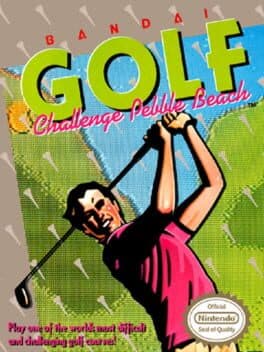
Bandai Golf: Challenge Pebble Beach
Tose1989
Bandai Golf Challenge Pebble Beach was developed and released by Bandai for the Nintendo Entertainment System in 1989. It is named after the famous California golf course, Pebble Beach-which has since played a prominent roll in a number of golf games, including the Tiger Woods line.
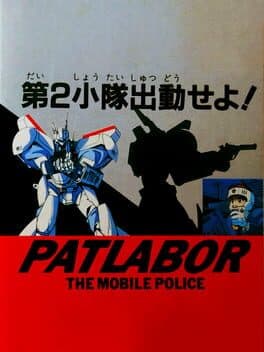
Kidou Keisatsu Patlabor: Dai-2-shoutai Shutsudou Seyo!
Advance Communication Company1989
Kidou Keisatsu Patlabor or known as is Japan is an Action game. In the future, rapidly advancing technology gives birth to giant robots known as "Labors," so named for their usefulness in heavy industry. However, this also gives rise to "Labor crimes," resulting the the need for a new branch of law enforcement equiped with and dedicated to the policing of Labors. When Izumi Noa, a female police officer, becomes the newest recruit of Special Vechicals Devision 2, she and her top of the line "Patrol Labor" Alphonse are swept into a series of adventures featuring crazed construction workers, eco-terrorists, and sea monsters.
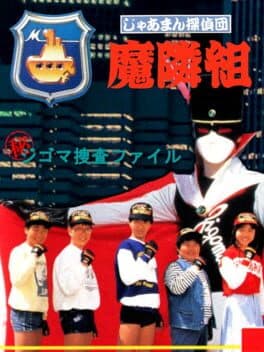
German Tanteidan Marin-gumi: Maruhi Jigomar Sousa File
Bandai1988
Become the detective as seen on TV! Jigoma is loose and you must help catch him. Make use of all the clues, pay attention to hints, and bring justice to the villain of the day!
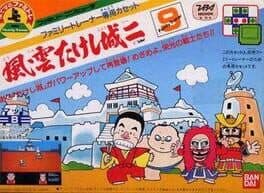
Family Trainer: Fuuun! Takeshi-jou 2
1988
The sequel to Family Trainer: Totsugeki! Fuuun Takeshi-jou and the ninth game to be made for the NES Power Pad/Family Trainer by Bandai and Human Entertainment. Like its predecessor, it is based on Japanese TV show Takeshi's Castle.
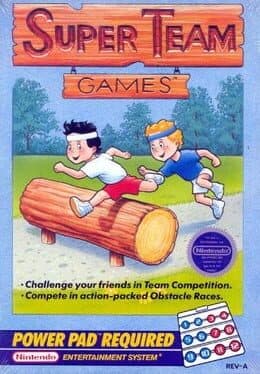
Super Team Games
Human Entertainment1988
Super Team Games is a side scrolling game where two players compete in races on an obstacle course. The game utilizes the Nintendo Power Pad; to control your on screen character you will need to run in place on the Power Pad to make your character run, and actually jump to make him jump. In the basic game you need to run and jump your way to the finish line as fast as possible. Some additional game variations are available, such as the belly bump ball (you need to roll a giant ball through the obstacle course by running into it), the crab walk (make it to the finish line walking like a crab!), the water cross (water is found on the track; if you mistime your jump and land in the water you need to swim to get out costing you valuable time), the bubble run (racing through the course inside a giant bubble), or the skateboard race. Several cooperative games are included as well, including a tug of war, relay race, and six legged race.
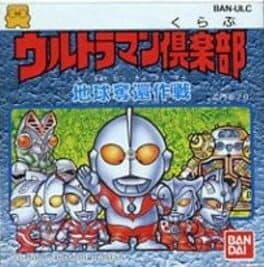
Ultraman Club: Chikyuu Dakkan Sakusen
1988
Bandai published this Ultraman-themed RPG for the Famicom Disk System in 1988. It was not released outside of Japan. Ultraman Club: Chikyuu Dakkan Sakusen ("Earth Protection Strategy" roughly) is a Bandai licensed game and the third Famicom Disk System game to be based on the Ultraman tokusatsu/kaiju TV show. The concept behind the "Ultraman Club" was to consolidate all the different variants of Ultraman from his many appearances in the different shows and have the player control a party of them. Unlike the two prior games, which were more action-oriented, this game is a turn-based RPG similar to Final Fantasy. Players could also select each scenario from the title screen, choosing to play them in whichever order they wished - this type of freeform non-linear RPG model would appear later in Dragon Quest IV, though of course it had been common practice in Capcom's Mega Man series long before Ultraman Club's release.
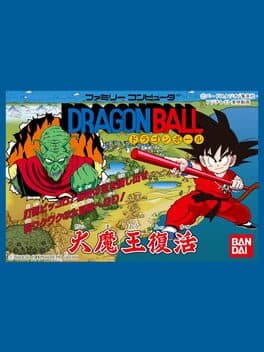
Dragon Ball: Daimaou Fukkatsu
Tose1988
Dragon Ball: Daimaou Fukkatsu is a role playing video game released only in Japan by Bandai on August 12, 1988. It is the second Dragon Ball video game released for the Nintendo Famicom. Daimaō Fukkatsu is the first role playing game based on the Dragon Ball series. Its gameplay was reused in the Goku-den video game series. Daimaou Fukkatsu is also one of the games included in the game compilation J Legend Retsuden for Nintendo 3DS.
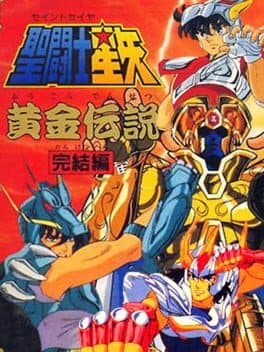
Saint Seiya: Ougon Densetsu - Kanketsu-hen
Bandai1988
Saint Seiya: Ougon Densetsu - Kanketsu-hen is an RPG based on the anime and manga series Saint Seiya. It was developed and published by Bandai in 1988 for the Famicom as a sequel to the first Famicom Saint Seiya game, Saint Seiya: Ougon Densetsu. This version picks up where the first game left off, with the Bronze Saints about to take on all twelve of the Gold Saints in order to save Saori before time runs out. The game remains faithful to the original story, to the extent that your options are limited if you try to choose match-ups that didn't occur in the show.
Kamen Rider Black: Taiketsu Shadow Moon
Human Entertainment1988
Kamen Rider Black must defeat the mutants of the Gorgom cult and Shadow Moon - the brainwashed twin of Kamen Rider Black in exciting all in one-on-one boss battles! Kamen Rider Black takes on his enemies not only on foot, but also with his Battle Hopper over obstacles before reaching the next boss battle.
Famicom Jump: Hero Retsuden
Tose1988
Famicom Jump: Hero Retsuden is a 1989 role-playing video game for the Family Computer published by Bandai. The game commemorates the 20th anniversary of Shueisha's manga anthology Weekly Shōnen Jump. Set in a world that brings together many of the long-running titles that had appeared in the magazine, both of the past and present at the time of its release. The game consists of a main character wandering and encountering the many Jump heroes as they try to save the world from an alliance of many of the most powerful and evil of the Jump villains.
Kamen Rider Club: Gekitotsu Shocker Land
Tose1988
Kamen Rider Club: Gekitotsu Shocker Land is an action adventure game developed for the Famicom and published by Bandai in Japan on February 3, 1988. It is based on Bandai's Kamen Rider franchise, a weekly science fiction story created by Japanese manga artist Shotaro Ishinomori which was published in Shōnen Magazine, as well as being aired on television.
Ultraman 2: Shutsugeki Katoku Tai
1988
You are in charge of a Tokyo defense team of military experts who find ways of repelling kaiju. Find a way to hurt the monsters and deploy vehicles such as tanks and jets that are able to shoot them down before they destroy any critical buildings. When danger is near and all seems lost, call for Ultraman!
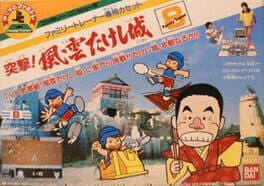
Family Trainer: Totsugeki! Fuuun Takeshi-jou
Human Entertainment1987
The eighth Family Trainer game produced by Bandai for the NES, Totsugeki! Fuuun Takeshi-jou is based on the obstacle course TV show Takeshi's Castle.
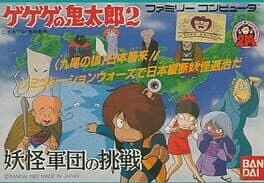
GeGeGe no Kitaro 2: Yokai Gundan no Chousen
Tose1987
GeGeGe no Kitaro 2: Youkai Gundan no Chousen is a RPG game based on a manga and anime from Japan about a boy who is a youkai, a class of spirit-monster to which all of the main characters belong. The main character, Kitarou, is the last living member of a Ghost tribe. He is missing his left eye, but his hair usually covers the empty socket. He fights for peace between humans and yōkai, which generally involves protecting the former from the wiles of the latter. While the game follows the release of GeGeGe no Kitaro: Youkai Daimakyou (released in the U.S as Ninja Kid), it is not a direct sequel to the original game, which is an action side-scroller. GeGeGe no Kitaro 2 plays very much like a simplified traditional RPG. Fights are turn-based, where the player must input his command, and then watch the sequence of event play out until the round is over and the next round begins. However, even though it is simplified, it is actually a rather difficult and challenging game. In the very beginning of the game, Kitarou struggles to survive more than two fights against monsters before needing to return home and rest until he reaches level 2. A majority of the enemies only provide experience points in the single digits until much later in the game, although to compensate, the amount of experience needed to reach each level is low by comparison as well. Kitarou maxes out at Level 10 when he reaches 999 experience points. The map of the game's overworld is a fairly faithful representation of Japan, along with part of Korea and a small unidentified island. Kitarou must explore the island nation to rescue his girlfriend and the rest of the world from the onslaught of evil Youkai that threaten to take over the world of the living. He must locate several homes, castles, and cave entrances to make his way through Japan, which suffers from spirit storms that prevent him from exploring new regions on the island until some task has been completed first.
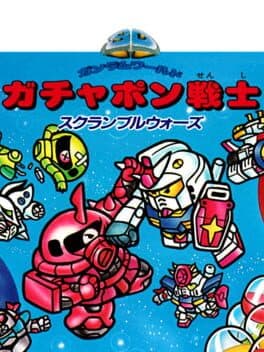
SD Gundam World: Gachapon Senshi - Scramble Wars
Sonata1987
Two teams, the blue army and the red army, compete on tiled maps in an attempt to vanquish one another in battle. Each team starts off in one particular portion of the map, usually but not always on opposite sides. Throughout the map are cities which start out neutral, but can be converted to the red or blue side through occupation. The more cities a team has, the more energy that team produces every round to direct toward the construction of newer and more powerful Gundams. Each team gets to issue three commands per turn, whether it be to move a Gundam around the map, or construct a new Gundam. Each type of robot has different ranges of movement, and different terrains effect how far a robot can travel. In order to destroy each other, players must attack the opposing team's Gundams by moving one of their own to a tile occupied by the enemy. When two Gundams rest on the same spot, a battle is initiated.
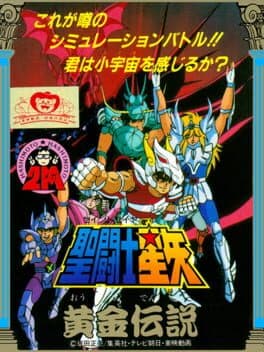
Saint Seiya: Ougon Densetsu
Hect Co. Ltd.1987
Saint Seiya: Ougon Densetsu is an RPG based around the anime and manga series known as Saint Seiya. It was developed and published by Bandai in 1987 for the Famicom. The story of the game draws heavily from the first story arc of the series, from the beginning of the story to the fight with the Gold Saints. The game remains faithful to the original story while introducing some original elements. When the game came out, the story line was in the middle of the Gold Saints story arc. As a result, the last boss of the game is an original character. The actual final fight of the Gold Saints arc was carried over into this game's sequel, Saint Seiya: Ougon Densetsu Kanketsu Hen. The gameplay mixes side scrolling action scenes to transport the character from place to place where he may have to jump over obstacles and fight basic enemies, with a turn based combat system against bosses and other significant battles. In order to be successful at these turn based battles, the player must distribute his power, or Cosmos, to various attributes before each attack. Failure to do so typically results in no damage dealt to the opponent, and a lot of damage received. When Life is lost, the main character can be revived, but if all Cosmos is lost, then the game is over.
Street Cop
Sonata1987
One of the few NES games that uses the Power Pad. You play a cop who must chase down and catch the criminals. The game takes you through the streets of a city, where you must turn corners and keep running to catch the bad guys. You use the NES power pad to run through the streets, faster you run faster the cop will give chase. You use the controller to use your nightstick to apprehend the criminal.
Family Trainer: Meiro Daisakusen
Human Entertainment1987
A Famicom game developed by Bandai as part of their Family Trainer series, which all use the Family Trainer (Power Pad) accessory. The goal is to explore mazes. The fifth in Bandai's series of Family Trainer games, created for the accessory with the same name (or Power Pad in the US). Unlike the others, which tended to be athletics/exercise games, Meiro Daisakusen ("Epic Maze Battle") is a maze-exploring light RPG where the goal is to walk and jump around mazes to find items and, eventually, the exit. The game's controls are dictated entirely by the Family Trainer/Power Pad. Different buttons will either cause the protagonist to jump, walk forward, walk backwards, turn left or right or switch their position to the left, right or center of the screen. While searching for the exit, players must be mindful of the various enemies that also inhabit the mazes, most of which must be avoided by jumping over them or running past them.
Karaoke Studio
Tose1987
The first ever karaoke video game.
Family Trainer: Jogging Race
1987
An exercise game created for the Family Trainer (the Japanese name for the NES Power Pad) developed by Human and published by Bandai. Jogging Race is the fourth game created by Bandai for the Family Trainer (US: Power Pad) accessory for Famicom systems. It was one of the many games that used the peripheral that did not see a release outside of Japan. As with other Family Trainer games, the emphasis was on receiving a work out using the Famicom, a conceit that would later find greater success with the Nintendo Wii and the Wii Fit games. Specifically, Jogging Race is about jogging through areas of a simulated Tokyo using the pad to simulate the exercise. The background scrolls by slowly, accurately matching the scale of the distances found in the real location, and will occasionally include additional details like other joggers. There is also a second mode named Marathon, in which the player competes in a long distance race with other CPU runners.
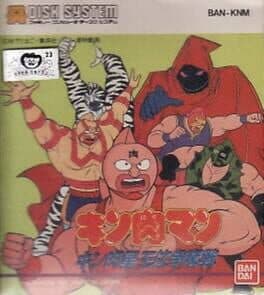
Kinnikuman: Kinniku-sei Oui Soudatsusen
Human Entertainment1987
Being the only back-to-back two-time champion in Chojin Olympics history and having defeated the Akuma Chojins, the Devil Knights, and having won the Dream Choujin Tag Tournament against the Perfect Choujins, Kinniku Suguru had proven himself worthy to take over his father's throne. However, the 5 Evil Gods feared that Kinnikuman taking the throne would be a threat to their evil plans. FIGHT! And help Suguru take his rightful place on the throne.
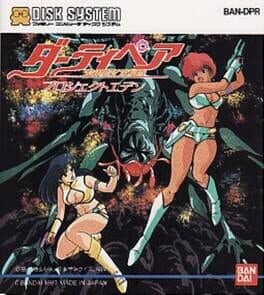
Dirty Pair: Project Eden
1987
Agerna is a planet rich in Vizorium, the one mineral necessary to space travel. So when a series of mysterious attacks on mining operations has the governments of the world pointing fingers and blaming each other, the World Welfare & Works Association naturally sends in their top agents to investigate. But are the lovely angels up to the task of stopping a mad scientist bent on taking a long dormant alien race to its final evolutionary form? Throw in a thief who's hunting a bottle of World War II-vintage wine and it's a safe bet that nobody on the planet is safe. It's more chaos, more mayhem and even more destruction than ever before as the Dirty Pair take on their wildest case yet!
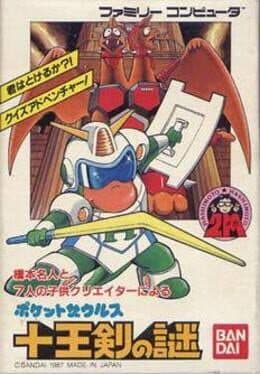
Pocket Zaurus: Juu Ouken no Nazo
1987
A young man is changed into a lizard and must chase his aggressor through time in this Famicom platformer from Bandai.
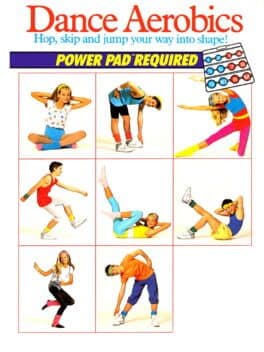
Dance Aerobics
Human Entertainment1987
Dance Aerobics is a chance to get fit by following the movements of an aerobics instructor. Players use side B of the Power Pad accessory (a floor mat with 12 pads in a 4 by 3 grid) to follow the movements of an aerobics instructor. To succeed the player must press the pads with their feet and hands at the same time as the on screen aerobics instructor. Any missed movements are recorded on a mistake counter and 10 missed movements will fail the level. The routines (a set of repeated movements) start slow and simple with a bit of no-penalty practise time however as the player gets better the routines get more complex with less practices time. Each level has a set number of routines that increase with each level from 4 at the start to a total of 32 on the final level (level 7). At the successful completion of each level the player will get a pass stamp which they can enter later to skip that level.
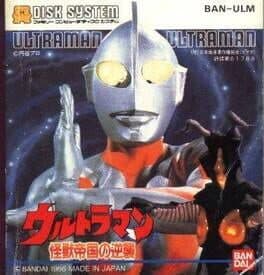
Ultraman: Kaijuu Teikoku no Gyakushuu
1987
The player controls Hayate, a member of the Science Special Search Party, which protects the earth from invasions of large hostile aliens. He must run across each stage, defeating enemies with his ray gun. He must also collect energy orbs to fill a meter on the screen.
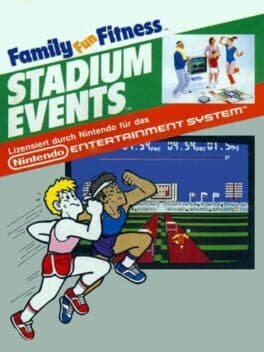
World Class Track Meet
Human Entertainment1986
Stadium Events/World Class Track Meet is a video game for the Nintendo Entertainment System that was first released in Japan in 1986 as Running Stadium. In America, the game was released in 1987 as Stadium Events, and then in 1988, it was rereleased as World Class Track Meet. The players compete against a runner in the Tournament Mode, and in 4 events for a total score in the Olympic Mode. The top 6 winners' names and their scores will appear on the electronic billboard. It uses the Family Fun Fitness Control Mat.
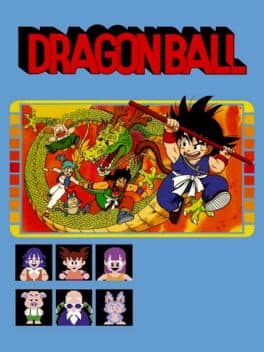
Dragon Ball
Tose1986
Dragon Ball (also known as Dragon Ball: Le Secrets du Dragon and Dragon Ball: Shenron no Nazo) is the second video game based on the Dragon Ball series (its predecessor being Dragon Ball: Dragon Daihikyou) and the first Dragon Ball game produced and distributed by Bandai. It is an action game developed by TOSE Software Company. It was released for the Family Computer on November 27, 1986 in Japan. Outside Japan, a graphically altered version released for the North American market in March 1988 under the title of Dragon Power, which divorced the game from the Dragon Ball licensing. A European version which retained the license, simply titled Dragon Ball, was also released in 1990 primarily for the French market. Shenron no Nazo is included as a bonus feature in the Japanese release of Dragon Ball: Origins 2 for Nintendo DS, and it is one of the games included in the game compilation J Legend Retsuden for Nintendo 3DS.
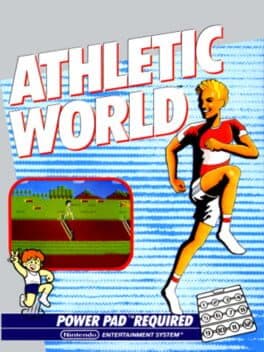
Athletic World
Human Entertainment1986
Athletic World can be regarded as the precursor to popular titles such as Nintendo Fit and Dance Dance Revolution, which utilize pad sensors to track the player's movement. Athletic World was developed by Bandai in 1986, and released for the Nintendo System using the Family Fun Fitness pad. It was marketed as a fun way to engage in exercise and physical fitness. The game was originally released in a box that featured the Family Fun Fitness logo. When Nintendo later purchased the rights to the FFF pad, the game was re-released with a different label-featuring the Athletic World name. This has made the original release a collector's item, and fairly rare.
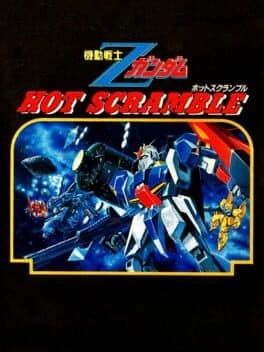
Kidou Senshi Z Gundam: Hot Scramble
Game Studio1986
Mobile Suit Z Gundam: Hot Scramble is a multi-genre video game that is based on the anime Mobile Suit Z Gundam, and is one of the first Gundam video games. Aside from the much later Famicom Mini release, there were two versions of the game: the original release; and a special release of the central location test version, sometimes dubbed Final Version. Only 1000 copies of this second version were ever released, making it among the rarest video game in history.
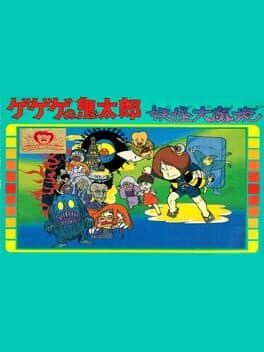
GeGeGe no Kitaro: Yokai Daimakyou
Tose1986
GeGeGe no Kitaro: Yokai Daimakyou, known as Ninja Kid in the West, is an NES game developed by TOSE and published by Bandai. It was based on the manga series GeGeGe no Kitaro. This game was followed by a sequel titled Gegege no Kitarou 2: Youkai Gundan no Chousen, which was released the following year only in Japan also by Bandai. It was the eighth best selling Famicom game of 1986, selling 1,250,000 copies. The original Japanese version is notably different from the American version (Ninja Kid). The main character is Kitarō, and his main weapon is his hair rather than darts. His sub-weapons are a flying finger instead of shuriken, his vest instead of the feather, and a geta instead of a boomerang. All of these weapons function the same as the ones of the protagonist of the American version, Kyo; they just use different sprites. The fireball sub-weapon remains the same. Certain levels are inhabited by "western" film monsters like Frankenstein's Monster and Count Dracula; the boss of these levels is the character Buckbaird, the leader of the "western youkai". The scroll which unlocks the fortress is a crystal ball in the original version. The familiars are also different, being characters from the manga: the Pegasus was originally Nurikabe, the Eagle was Konaki Jiji, and the Mirror was Sunakake Babaa. Finally, a few of the minor enemies are different; most notably the "Pirate Ninja" found in some of the Guerilla Warfare levels was originally Nezumi Otoko, and Kitaro rides on Ittan Momen during the Dog Fight levels.
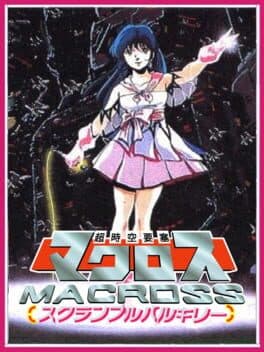
Choujikuu Yousai Macross
Namco1985
The game is based on the popular anime TV series of the same name. The player controls a transformable VF-1 Valkyrie variable fighter in an unending battle against an invading race of giant humanoid aliens known as the Zentradi.
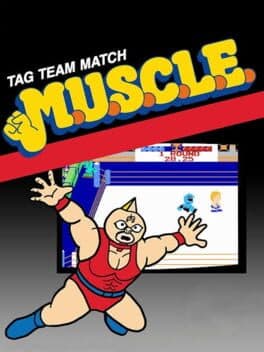
Tag Team Match M.U.S.C.L.E.
Tose1985
One of the first Wrestling games released on the NES, based on Yudetamago's manga and Kinnikuman anime.
Dig Dug II: Trouble in Paradise
Namco1985
DIG DUG has decided to chill out from the pressures of the real world by taking a long overdue vacation on a beautiful Caribbean island. "At last," he thinks to himself, "sun, sand, surf, and no more hassles from those miserable pests Pooka and Fygar!" Lying in a hammock between the graceful palm trees, he drifts off into a blissful dream of beautiful bikini clad native girls catering to his every wish. But just when he thinks he's got it made in the shade, along come his troublesome enemies to turn his peaceful paradise into a tropical nightmare. Help DIG DUG rid the island of these irritating intruders and bring tranquility back to his vacation by the sea!
Gojira tai 3 Daikaijuu
Bandai1984
Once the player gets past the title screen, the game will begin. The movement of Godzilla is in three dimensions, and Godzilla's only weapon is his atomic breath, which can be aimed. Godzilla has four lives, which are depleted by either the enemies touching Godzilla, hitting Godzilla with their attacks, or Godzilla falling into a hole. Megalon will dig holes in the ground and come up to the surface to get Godzilla. After defeating Megalon, Kumongas will come up from the holes and fire at Godzilla with one of two weapons; a string shot or a color-changing projectile. After defeating several Kumongas, King Ghidorah appears and Godzilla has to defend Minilla. King Ghidorah shoots his gravity beams near himself, and if Minilla touches King Ghidorah, Godzilla loses a life. After defeating Ghidorah, the game restarts. The 2-Player mode is the same as the one player mode except that two players can alternate between each life, each with their own lives and score meters.
Mobile Suit Gundam: Last Shooting
1984
Released in 1984, Mobile Suit Gundam: Last Shooting is the first game to be based on the Mobile Suit Gundam franchise. In the first level you have to dodge falling debris. If you've dodged enough debris the door of your Mobile Suit will open. Enter your Mobile Suit to proceed to the next level. In the second level you, as a pilot in your own Mobile Suit, have to shoot enemy battle mechs and gun emplacements.
Terror House
Bandai1982
An early horror game released for the Bandai LCD Solarpower handheld system in 1982. It featured two LCD panels stacked on top of each other.
Cosmic Chasm
GCE1982
With the beginning of a new game, a map screen is shown with the player's position, as they control a ship set in a series of interconnected caverns. They must first plan out the best route in order to get to the central area in each Mission. After several seconds, the map screen changes to a cavern that the player is currently in, which each cavern has a core in the center that is constantly growing, as well as having several Planet Protector enemies. It is usually in the player's best interest to clear out each area of Planet Protectors by shooting them, then carefully inching their way to the protective barrier by an exit in order to drill through it. Once the barrier has been disabled by the drill, the player can then fly into the next cavern and thereby gets a step closer to the central area. The view changes from a cavern to the map screen with each cavern that they pass, showing the player's(') progress. Once the central central area is reached, the player(s) must drop a bomb at the center core, which they have several seconds in order to escape from the area before the bomb explodes. If the player does not make it out in time they will lose a ship; succeed and they will start again on a new area/Mission. Hitting a cavern wall, core or a Planet Protector will cause players to lose a ship and the game will end when there are no ships remaining. Exiting a Mission without leaving a bomb at the central core will cause the player to lose a ship as well, along with restarting the current Mission (if they have any remaining lives left). Also when the player loses a ship without clearing out all Planet Protectors in a cavern, that cavern's full complement of Protectors are totally replaced once the player's next ship comes into play. Players have a protective shield for use in emergencies, however.

Armor Attack
Cinematronics1980
Armor Attack is a tactical 5v5 PvP battle game where robots, tanks, and hovers clash for battlefield control. Combine powerful weapons and unique abilities to outmaneuver your opponents.