Taregoro: Tarepanda no Iru Nichijou
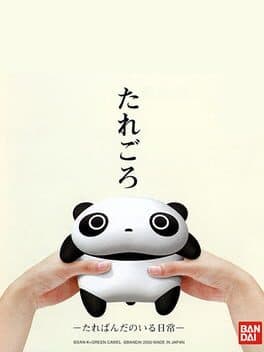
Tarepanda is a cute panda character owned by the company San-X. The term "tare" means "lazy" or "droopy" in Japanese. Tarepanda is licensed by San-X, the company that introduced Tarepanda stickers in 1995. It was designed by Hikaru Suemasa and was inspired by the Hikaru Suemasa being tired. Tarepanda is a character that moves by rolling over, with a record speed of 2.75 m/h.Tarepanda's favorite food is mochi, especially suama. In February 1998, San-X launched Tarepanda erasers and letter pads, which proved enormous hits. San-X believed these products were successful because they were released shortly after the Asian financial crisis of autumn 1997, a time when many people in Japan were facing layoffs and, consequently, were sympathetic toward a "worn-out" panda character. By 1999, sales of Tarepanda goods had reached 30 billion yen. Character Databank, a Japanese character popularity monitoring firm, has claimed Tarepanda was a huge hit in Japan. Taregoro Tarepanda no Iru Nichijou is a simulation game released in 2000 for the Playstation 1 console by Bandai based on the Tarepanda character. In the game the player is the owner of a panda pet he can take to different places of his house and the town and let him enjoy playing with different things and toys that the player can buy him in the town's shop. In those places he can take pictures of the panda or the scenery.
Overview
Summary
Tarepanda is a cute panda character owned by the company San-X. The term "tare" means "lazy" or "droopy" in Japanese. Tarepanda is licensed by San-X, the company that introduced Tarepanda stickers in 1995. It was designed by Hikaru Suemasa and was inspired by the Hikaru Suemasa being tired. Tarepanda is a character that moves by rolling over, with a record speed of 2.75 m/h.Tarepanda's favorite food is mochi, especially suama. In February 1998, San-X launched Tarepanda erasers and letter pads, which proved enormous hits. San-X believed these products were successful because they were released shortly after the Asian financial crisis of autumn 1997, a time when many people in Japan were facing layoffs and, consequently, were sympathetic toward a "worn-out" panda character. By 1999, sales of Tarepanda goods had reached 30 billion yen. Character Databank, a Japanese character popularity monitoring firm, has claimed Tarepanda was a huge hit in Japan. Taregoro Tarepanda no Iru Nichijou is a simulation game released in 2000 for the Playstation 1 console by Bandai based on the Tarepanda character. In the game the player is the owner of a panda pet he can take to different places of his house and the town and let him enjoy playing with different things and toys that the player can buy him in the town's shop. In those places he can take pictures of the panda or the scenery.