-
Average rating
14
Games
0
Votes cast
Heartbeat
Shipped Titles
Games (14)
Super Godzilla
Advance Communication Company1993
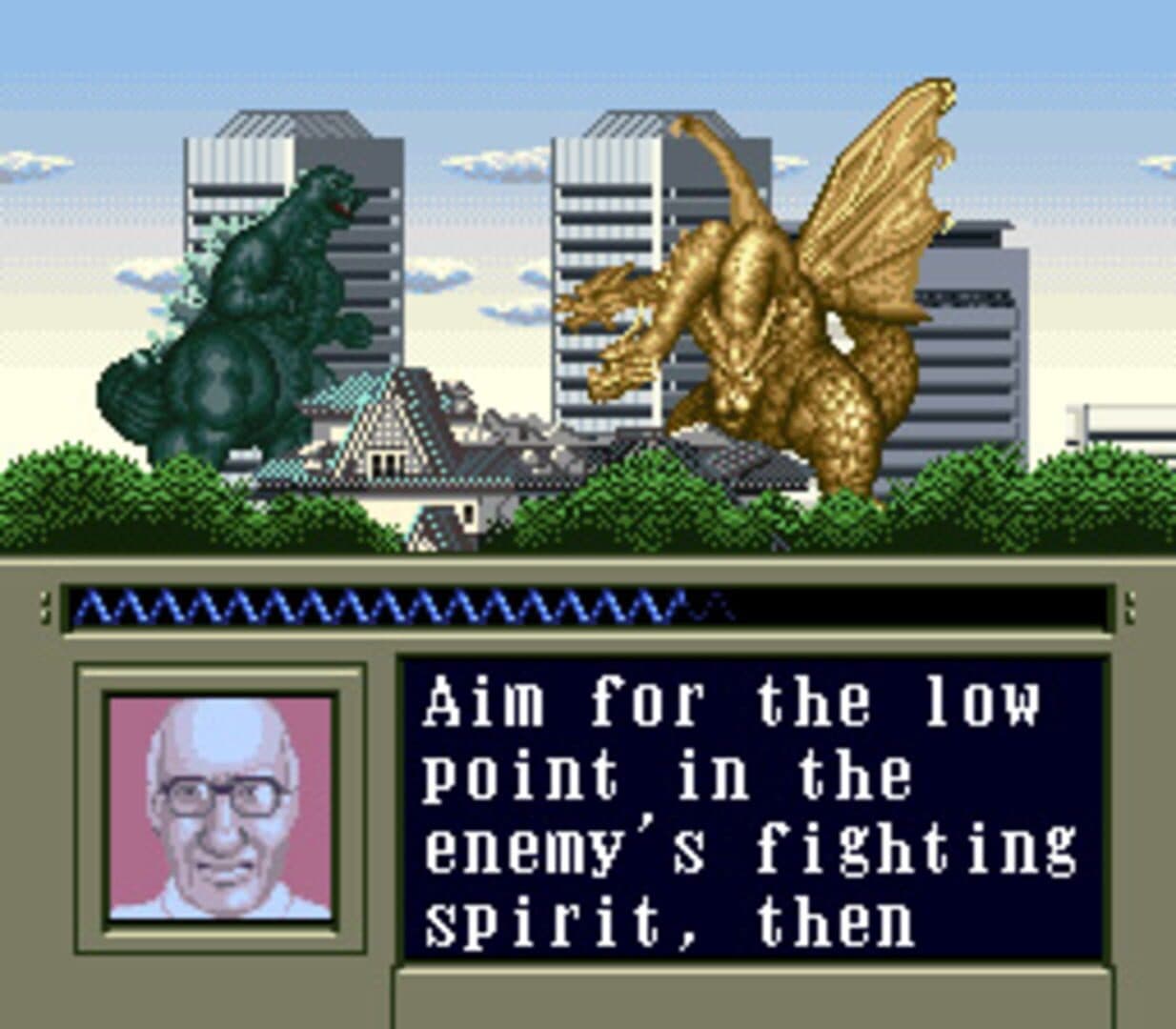
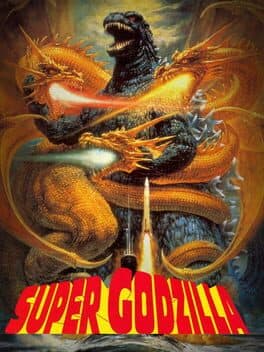
Super Godzilla is a 16-bit Godzilla game where the player can take control of Toho's famous big green lizard as they rampage through Japan. The game is divided into two main gameplay modes, Movement and Battle. Movement has the player travel through the city using the D-pad and a map located on the bottom of the screen with the objective being to destroy certain objectives such as enemy humans and buildings as well as pick up power-ups. There is an animation in the screen above the map that shows the results of their movements and attacks. Battle mode kicks in when the player locates an enemy on the map, like Biollante or Mechagodzilla, and is taken to a side-scrolling cinematic-style battle where the player must use punches, tail whips and the famous fire breath to drain the energy of the opposing monster. However, the Fighting Spirit system is present which is in a sense a morality meter where the player must pick the right attacks at the right time in order to connect certain attacks. Choosing the wrong attacks or failing to connect with them will cause the meter to drop and make Godzilla more vulnerable to attack.
Light Fantasy
Advance Communication Company1992
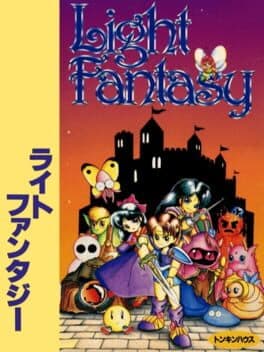
Light Fantasy is a role-playing game, developed by Advance Communication Company and published by Tonkin House, which was released in Japan in 1992. The combat consists of random encounters against groups of enemies in grid-based strategic battles in which player characters need to be moved into place before they can attack effectively. These battles occur on the overworld map, rather than a separate battle screen.
Wakusei Woodstock: Funky Horror Band
Advance Communication Company1991
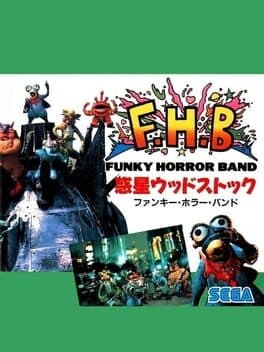
Wakusei Woodstock: Funky Horror Band (惑星ウッドストック ファンキーホラーバンド) is an RPG for the Sega Mega-CD. Wakusei Woodstock is based on a creation by Victor Musical Industries, in which six stop-motion cartoon aliens played music as part of a group known as the "Funky Horror Band". The band would release a small number of albums between 1990 and 1992.
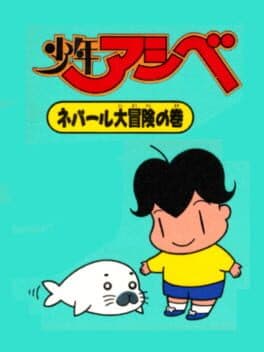
Shounen Ashibe: Nepal Daibouken no Maki
Advance Communication Company1991
Shounen Ashibe: Nepal Daibouken no Maki is an Adventure game, developed by Advance Communication Company and published by Takara, which was released in Japan in 1991.
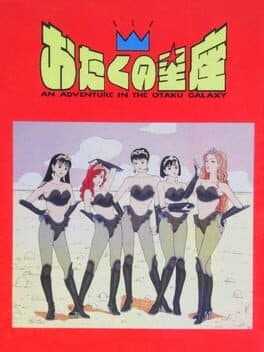
Otaku no Seiza: An Adventure in the Otaku Galaxy
Advance Communication Company1991
Otaku no Seiza tells the story of Fuyuu City, a place built in space far in the future. Aurora, a group of five attractive and powerful women, control the city. Men in the city are treated poorly compared to women, until the protagonist finds himself in the middle of the city with amnesia. Outraged, the protagonist decides to defeat Aurora and gain rights for the discriminated men of the city.
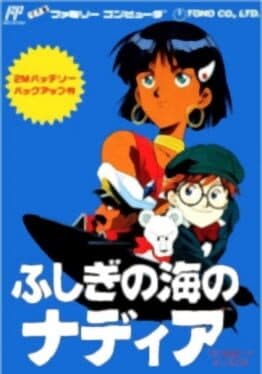
Fushigi no Umi no Nadia
Advance Communication Company1991
Fushigi no Umi no Nadia is a Strategy game, developed by Advance Communication Company and published by Toho, which was released in Japan in 1991.
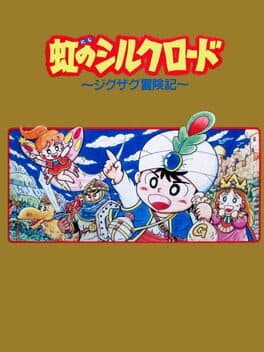
Niji no Silkroad
Advance Communication Company1991
Niji no Silkroad is a role-playing video game for the Japanese version of the NES, the Famicom. It was developed by NHK and published by Victor Interactive Software (now Marvelous Entertainment) in 1991. The game was only released in Japan. The player controls the main protagonist, an exiled prince of LittleLand that has been recently informed of his royal heritage. To reclaim the throne, the prince must collect seven shards of the Rainbow Mirror and defeat the usurper, Zrool. The shards are scattered throughout South Asia and the prince must trade goods to make his way to each region. Once the mirror is collected, the prince shines it at Zrool and exposes the imposter. The prince then takes his throne as the new king.
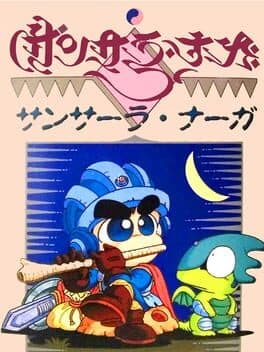
Sansara Naga
Advance Communication Company1990
Sansara Naga is a role-playing video game that was published by Victor Music Entertainment exclusively to Japan for the Family Computer on the 23rd of March, 1990. A fan-translation was finished and released in 2013 on the 28th of December for Sansara Naga by the hacking and translation group Stardust Crusaders. Sansara Naga is set in the fantasy-filled lands of India during the Vedic age and also mixes elements of Japanese folklore such as the legend of Brahman Umibouzu ("sea bonze"). Many of the NPCs in game will tell you that Cows are sacred animals and a few will mention the Tower of Ṛta Satya. There is a set of armor in the game called Dharma Armor, which will prevent the player from dealing or being dealt damage. The story revolves around a Boy/Girl that steals a treasured Ostrich egg from the village of Orissa and decides to reflect upon one's actions; aspiring to become a Dragoon to restore their lost honor. The protagonist will set out on an adventure saving lives, performing good deeds, and raising a newly hatched dragon. There are bosses and many NPC street vendors will attempt to scam you with defective items or attempt to mug you. While the main protagonist does not level and their base stats are fixed at 40 STR, 40 DEF—The dragon that you raise does level. More unique game mechanics to this game include the ability to feed dead bodies to your dragon to raise his level, enchanted armors, field map events, hidden landmarks, a few side quests, and mini-games. Sansara Naga's gameplay and gameplay mechanics are similar to those of Dragon Quest I, Pokémon and Earthbound. The Silver Mountains are also referred to as Heaven.
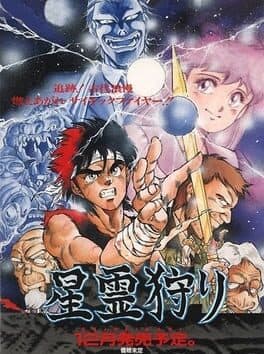
Seirei Gari
Advance Communication Company1989
Seirei Gari is an Adventure game, developed by Advance Communication Company and published by Hudson, which was released in Japan in 1989.
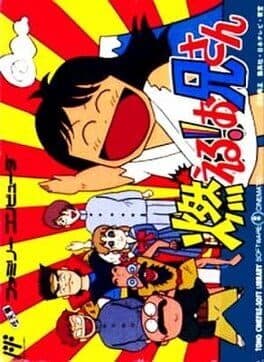
Moeru! Onii-san
Advance Communication Company1989
A Famicom game based on a manga of the same name. The game stars Kenichi as the main character, while featuring Hidou, Rocky, and Shiranui as playable characters in some levels. The goal of the game is to rescue Yukie from a dragon simply named Dra Gon. The game was re-branded with a circus theme and released in North America under the name Circus Caper, also published by Toho. The RPG element with the final boss was removed, the stages and bosses are in different order, and many graphical and musical changes were made to better resemble a circus theme.
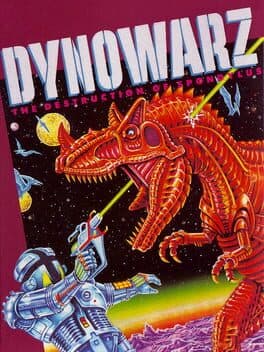
Dynowarz: Destruction of Spondylus
Advance Communication Company1989
Something was terribly wrong in the distant man-made Spondylus star system. One by one, the planets' central life-support computers had been infected with a life-threatening virus while the planets' surfaces had been overrun with computerized dinosaurs known as Robosaurs. Under attack in his laboratory on Alpha Planet, Professor Proteus, mastermind of the Spondylus System and founder of the Robosaur project, suddenly realized that this deadly sabotage could only be the work of his former partner, the deranged Dr. Brainius.
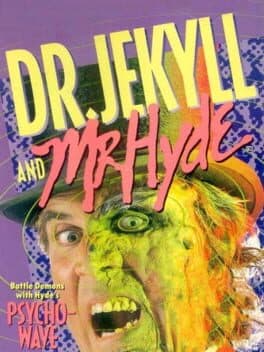
Dr. Jekyll and Mr. Hyde
Advance Communication Company1989
Dr. Jekyll and Mr. Hyde is a 1988 side-scrolling action video game for the Nintendo Entertainment System loosely based on the novel Strange Case of Dr Jekyll and Mr Hyde. Gameplay alternates between the characters of Dr. Jekyll and Mr. Hyde based on the player's ability to either avoid or cause damage.
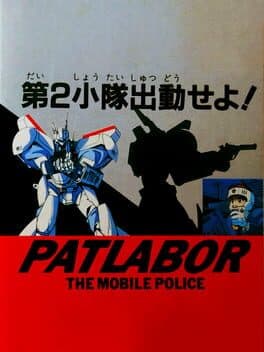
Kidou Keisatsu Patlabor: Dai-2-shoutai Shutsudou Seyo!
Advance Communication Company1989
Kidou Keisatsu Patlabor or known as is Japan is an Action game. In the future, rapidly advancing technology gives birth to giant robots known as "Labors," so named for their usefulness in heavy industry. However, this also gives rise to "Labor crimes," resulting the the need for a new branch of law enforcement equiped with and dedicated to the policing of Labors. When Izumi Noa, a female police officer, becomes the newest recruit of Special Vechicals Devision 2, she and her top of the line "Patrol Labor" Alphonse are swept into a series of adventures featuring crazed construction workers, eco-terrorists, and sea monsters.
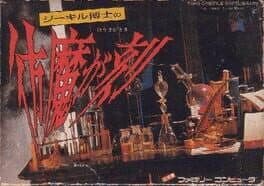
Jekyll Hakase no Houma ga Toki
Advance Communication Company1988
The original Famicom version of the game known in the West as Dr. Jekyll and Mr. Hyde. The original version has a different stage order when compared to the international version, and it is also more difficult.