Far East of Eden: Ziria
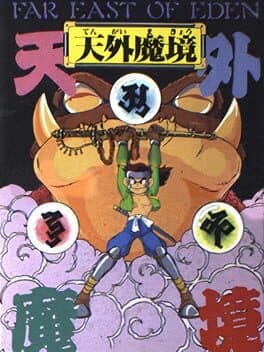
Loosely based on the Japanese folk tale of the ninja Jiraiya, Tengai Makyou: Ziria was the first role-playing game released on a CD ROM; thanks to the medium's greater storage capacity, the game was able to include full-screen anime-style cutscenes with voice-overs. It is the first entry in the Tengai Makyou series, and is generally considered the first RPG with significant humorous content. The game's setting parodies many aspects of feudal Japan, containing comical and sometimes deliberately stereotypical portrayals of characters and plenty of supernatural elements. Basic gameplay mechanics follow a template introduced in early Dragon Quest and Phantasy Star games. The player navigates Ziria and other characters who eventually join him on a top-down overworld, visiting towns to rest and buy supplies, and facing randomly appearing enemies in round-based combat viewed from first-person perspective. Each character uses his or her own unique weapon and equipment types. Magic spells cannot be bought or learned automatically when leveling up; they must be sought out in specific locations, often those not required to visit in order to advance the story.
Released
30 Jun 1989
37 years ago
Overview
Summary
Loosely based on the Japanese folk tale of the ninja Jiraiya, Tengai Makyou: Ziria was the first role-playing game released on a CD ROM; thanks to the medium's greater storage capacity, the game was able to include full-screen anime-style cutscenes with voice-overs. It is the first entry in the Tengai Makyou series, and is generally considered the first RPG with significant humorous content. The game's setting parodies many aspects of feudal Japan, containing comical and sometimes deliberately stereotypical portrayals of characters and plenty of supernatural elements. Basic gameplay mechanics follow a template introduced in early Dragon Quest and Phantasy Star games. The player navigates Ziria and other characters who eventually join him on a top-down overworld, visiting towns to rest and buy supplies, and facing randomly appearing enemies in round-based combat viewed from first-person perspective. Each character uses his or her own unique weapon and equipment types. Magic spells cannot be bought or learned automatically when leveling up; they must be sought out in specific locations, often those not required to visit in order to advance the story.