-
Average rating
40
Games
0
Votes cast
Heartbeat
Shipped Titles
Games (40)
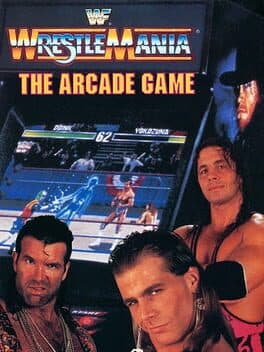
WWF WrestleMania: The Arcade Game
Sculptured Software1995
WWF WrestleMania (also known on console versions as WWF WrestleMania: The Arcade Game) is a professional wrestling arcade game released by Midway Manufacturing Co. in 1995. It is based on the World Wrestling Federation (WWF) professional wrestling promotion. The game featured digitized representations of eight WWF performers who are pitted against each other in fast-paced matches inspired by Midway's Mortal Kombat games. Commentary is provided by Vince McMahon and Jerry Lawler, who also appear in the game sitting at the announcers' table to the right of the ring. Acclaim, who published the console versions of the game, developed a follow-up, WWF in Your House for the PlayStation, Sega Saturn, and DOS.
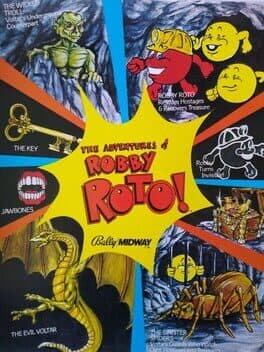
The Adventures of Robby Roto
Dave Nutting Associates1981
Robby Roto is a game that Bally/Midway originally released on its Astrocade-based hardware back in 1981. Other games that ran on this hardware include Gorf, Wizard of Wor, and Professor Pac-Man. The author of Robby Roto is Jamie Fenton, who acquired the rights to the game after it did not do well in the marketplace.
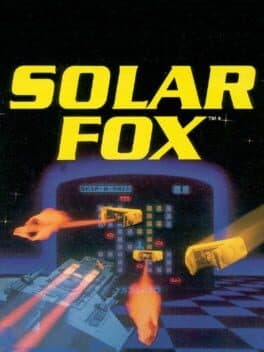
Solar Fox
Midway Manufacturing1981
Run over or shoot "Fuzors" while ships on each of the four sides of the screen travel back and forth or up and down trying to shoot you.
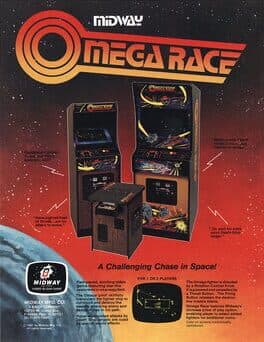
Omega Race
Arcade Engineering1981
Set in the year 2003, the game involves using a spaceship to destroy enemy droid ships. The player's ship is controlled with a spinner to rotate the ship, a button for thrusting, and a button for firing lasers. The enemies that the player must destroy or avoid are drone ships, commander ships, two types of space mines, and shooting star ships. The ship bounces off an invisible barrier on the edges of the screen that briefly appears when hit. By default, Extra ships are awarded at 40,000 and 100,000 points, but this can be changed by the machine's owner.
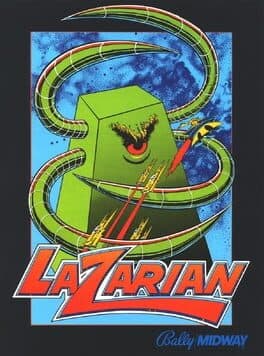
Lazarian
Zaccaria1981
This Bally Midway fixed screen space shooter was ported to the Commodore 64.
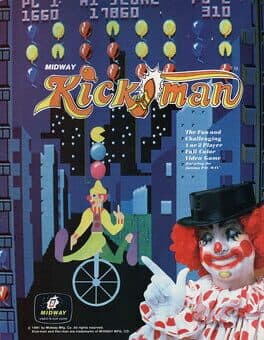
Kickman
Midway Manufacturing1981
In Kickman, you are a unicycle riding clown! Your job? Catch all the balloons on your head, without dropping any. Kickman was originally released as simply "Kick." Later versions of the game came with a "Kickman" marquee, presumably in an attempt to capitalize on the popularity of Pac-Man, who appeared in the game.
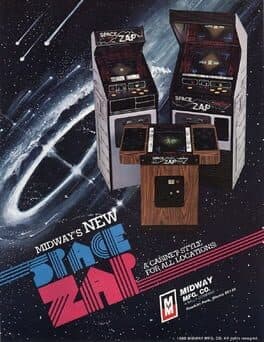
Space Zap
Game-A-Tron1980
Prevent your firebase from taking damage by defending it from all angles. Well... four angles, anyway.
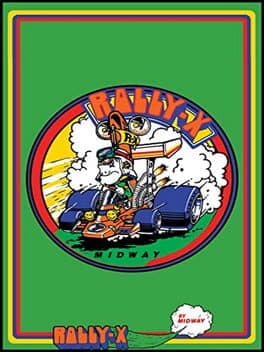
Rally-X
Namco Limited1980
Rally-X is a maze & driving arcade game, that was released by Namco in 1980 and licensed to Midway Games for US manufacture and distribution in 1981. It was ported to the SG-1000 in Taiwan.
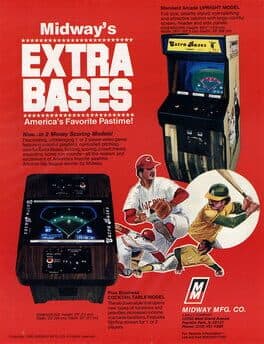
Extra Bases
Midway Manufacturing1980
A baseball game from Midway.
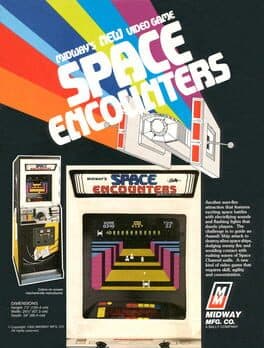
Space Encounters
Midway Manufacturing1980
Fly a ship through a trench and shoot waves of attacking enemies.
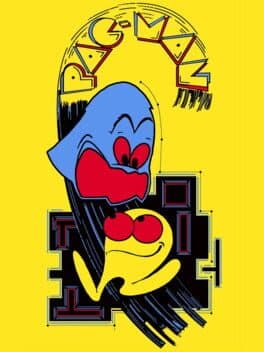
Pac-Man
Namco1980
Pac-Man is a 1980 maze action video game developed and released by Namco for arcades. It is considered one of the classics of the medium, virtually synonymous with video games, and an icon of 1980s popular culture. Players control Pac-Man, who must eat all the dots inside an enclosed maze while avoiding four colored ghosts. Eating large flashing dots called Power Pellets causes the ghosts to temporarily turn blue, allowing Pac-Man to eat them for bonus points.
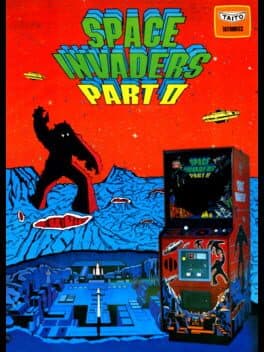
Space Invaders II
Midway Manufacturing1980
Like the classic original, this game requires the player to destroy advancing invader ships. This game has a competitive mode where two players fight to destroy each other in addition to the advancing attackers. Space Invaders II was only released in a cocktail table format.
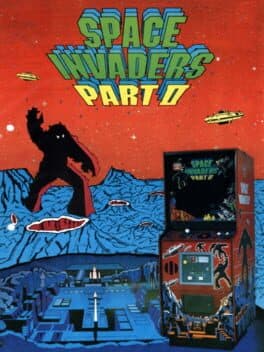
Deluxe Space Invaders
Taito1979
Originally called Space Invaders Part II in Japan, this is the first sequel to the coin-munching hit Space Invaders. This game is notable for introducing the concept of a cut-scene.
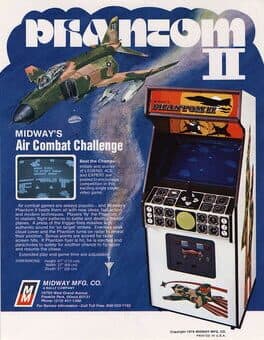
Phantom II
1979
A vertical air combat game where the player controls a jet fighter and battles enemy aircrafts in the sky.
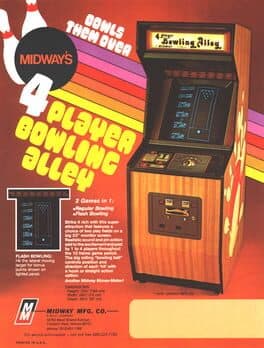
4 Player Bowling Alley
Arcade Engineering1979
A black and white bowling game for up to four people. Players roll a multi-colored trackball to simulate throwing a bowling ball down the alley. Attempt to knock down all the pins.
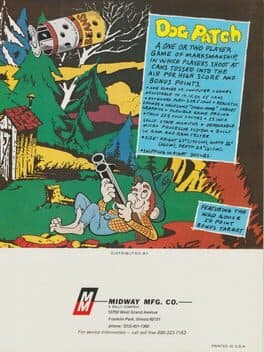
Dog Patch
Arcade Engineering1978
Dog Patch is a shooting game in which the player tries to repeatedly hit a can while it is airboorne.
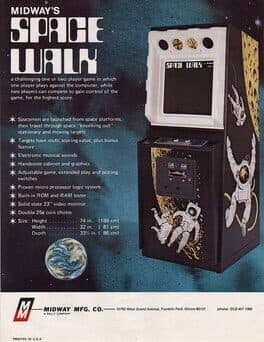
Space Walk
Midway Manufacturing1978
SPACE WALK is a hands-on first-person astronaut simulation where you operate an orbital station and conduct surface expeditions across the Moon.
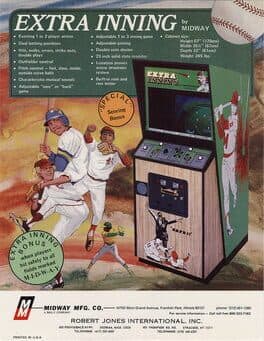
Extra Inning
Dave Nutting Associates1978
The first graphical baseball sim, released by Midway for arcades in 1978
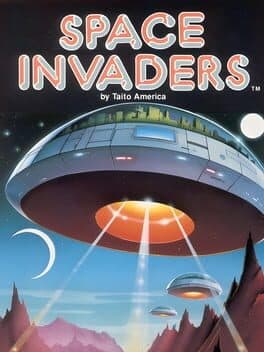
Space Invaders
Taito1978
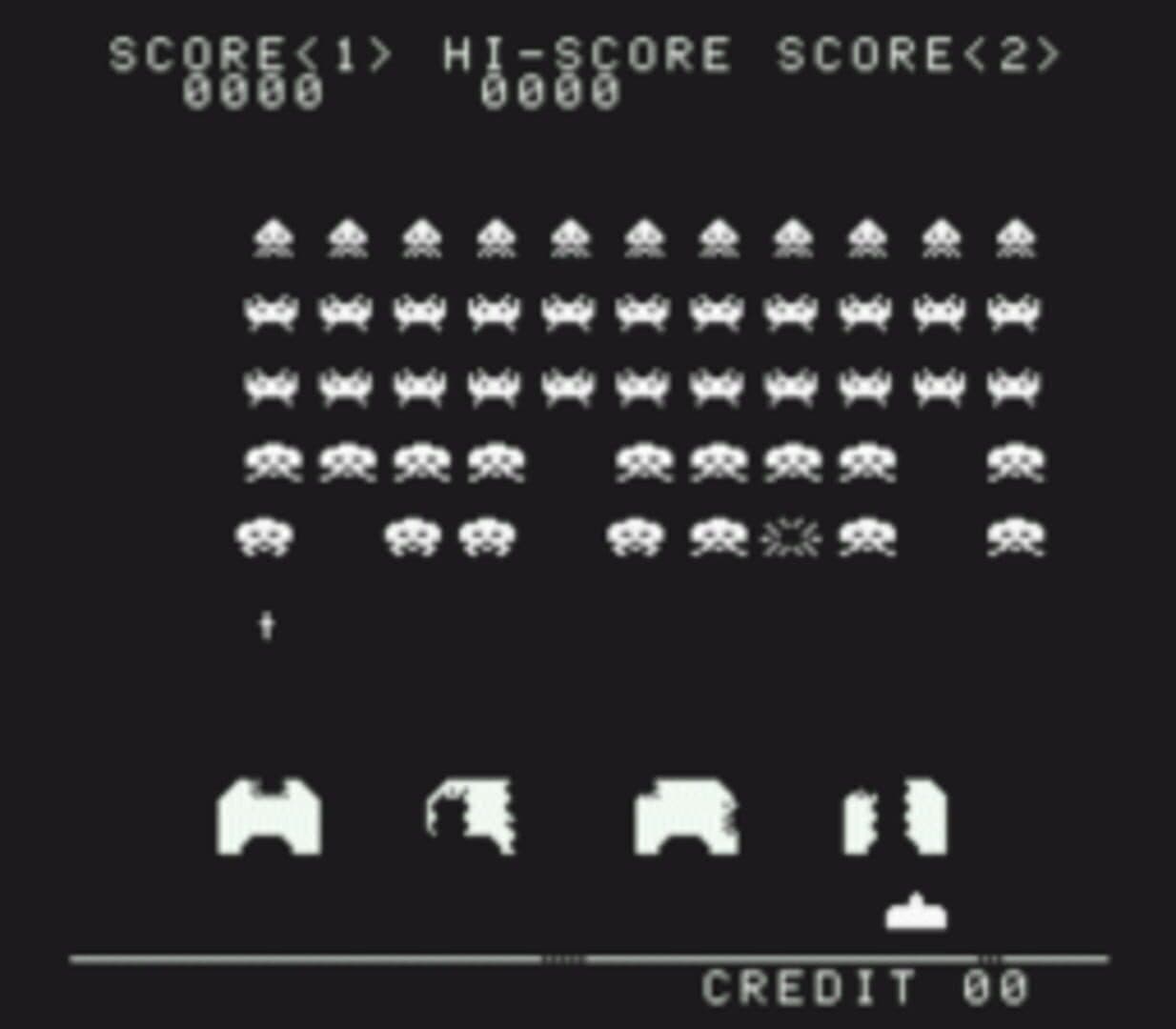
Space Invaders is an arcade video game developed by Tomohiro Nishikado and released in 1978. It is one of the earliest shooting games and the aim is to defeat waves of aliens with a laser cannon to earn as many points as possible.
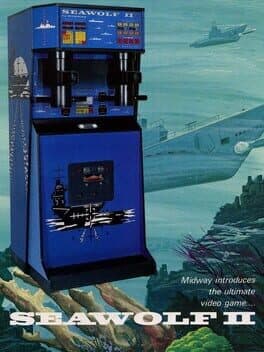
Sea Wolf II
Dave Nutting Associates1978
This game is a colour sequel of Sea Wolf. The Atari 2600-game "Submarine Commander" is a loose port of Sea Wolf II, and thus not to be confused with the 8-bit game of the same name.
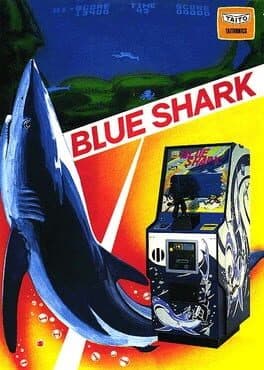
Blue Shark
Midway Manufacturing1978
An undersea shooting game where the player uses a mounted spear gun to kill sea creatures that move across the screen. Shoot the sharks, swordfish and octopuses but try not to hit any of the skindivers.
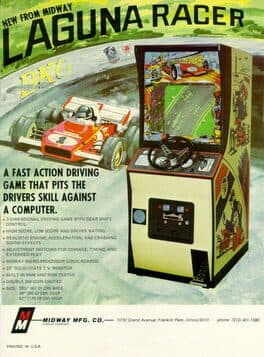
Laguna Racer
1977
An arcade racing game from Midway.
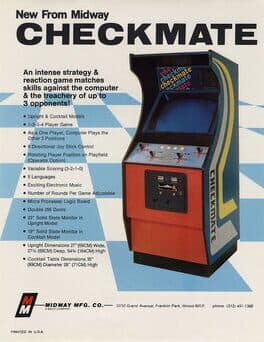
Checkmate
Dave Nutting Associates1977
A clone of Blockade.
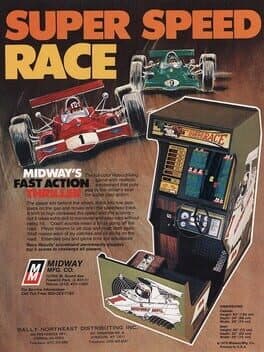
Super Speed Race
Taito1977
Super Speed Race GP V (released as "Super Speed Race" in North America, and as "Speed Race CL-5" in Europe) is an edition in Speed Race series. The primary gameplay stays identical to earlier games in the series. The player races in a top-down view and must pass other cars to score points. Compared to its predecessor Super Speed Race there are some new elements like the cars' headlights emitting light in tunnels and water slicks on the track. Also new are bridges where the player must choose between two paths and not crash against the divider.
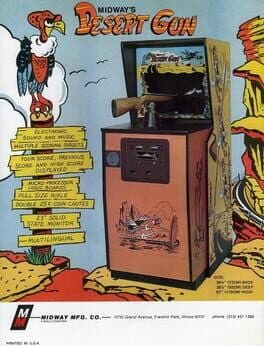
Desert Gun
Dave Nutting Associates1977
Desert Gun is a rifle-shooting arcade-cabinet by Midway.
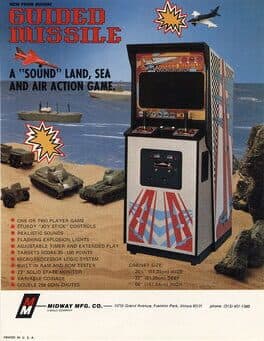
Guided Missile
Taito1977
Launch missiles at targets moving horizontally across the screen.
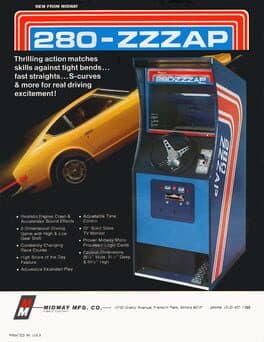
280 Zzzap
Dave Nutting Associates1976
The game is a simple black and white monochrome driving game. You control a car through a night time scene, and the road is represented by simple posts at the edges. The top of the screen will display information about upcoming curves (like the maximum safe speed to take them at), while the bottom of the screen has a speedometer, timer, scoreboard, and may also display a few tips as well. Just drive, and don't crash. Pay attention to your speed on the corners to avoid crashing.
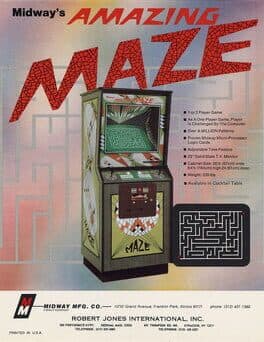
Amazing Maze
Dave Nutting Associates1976
Amazing Maze brings new mechanics to the classic "roll a ball" genre where you have to capture the crystals and find the way out in beautiful mazes. Use your creativity and logical thinking to overcome obstacles or use them to your advantage. Be quick and put your name on the top of the leaderboard!
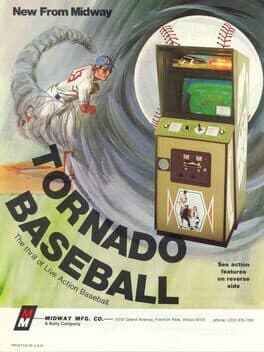
Tornado Baseball
Dave Nutting Associates1976
A black and white baseball game from Midway.
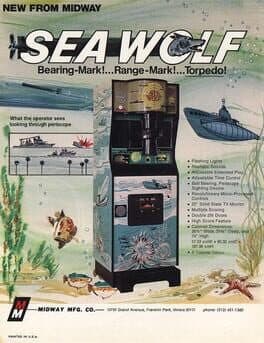
Sea Wolf
Dave Nutting Associates1976
Sea Wolf is an arcade game by Midway, originally released in 1976. The player looks through a large periscope to aim at ships moving across the virtual sea line at the top of the screen, using a thumb button on the right handle of the scope to fire torpedoes. The periscope swivels to the right and left, providing horizontal motion of a targeting cross-hair. The cabinet features a mixture of video game and older electro-mechanical technology for player feedback. Using back-lit transparencies reflected inside the scope, the number of torpedoes remaining are displayed, as well as a red "RELOAD" light which lights up momentarily when the player has launched five torpedoes. Additionally, when ships are hit on the screen, an explosion "light" is reflected inside the scope. A blue overlay is affixed to the screen to provide a "water color" to the sea. Sounds include a sonar ping and the sound of the PT Boat racing across the screen. Sea Wolf is time-limited, with the player having an opportunity to win bonus time by reaching an operator-set score. The player's score is shown on the bottom half of the screen as well as the high score, one of the first known instances of a high score in a video game. Targets include destroyers, a fast moving PT Boat, and mines floating across the screen can that serve as obstructions.
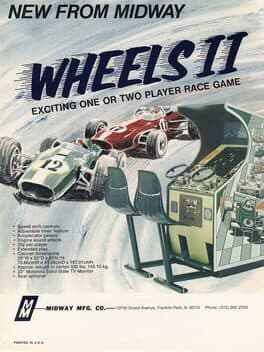
Wheels II
Taito Corporation1975
A two-player version of Wheels from Midway
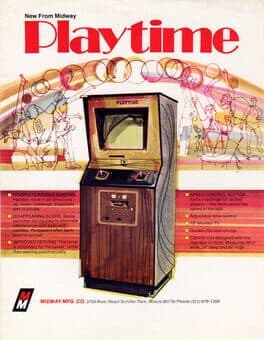
Playtime
Midway Manufacturing1974
A two-player ball-and-paddle game by Midway.
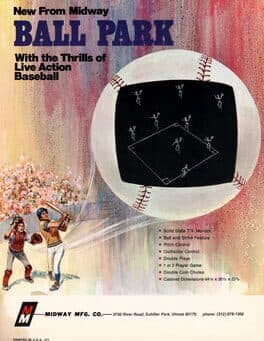
Ball Park
Midway Manufacturing1974
A licensed version of Ramtek's game Baseball.
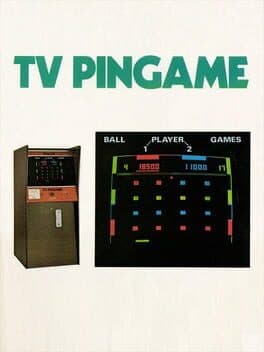
TV Pingame
Exidy1974
A pinball game where a ball and paddle are used to knock out bumpers, hit pockets and a moving target at the top of the screen to score points. Keep ball in play by bouncing it back up and knock out all the targets for bonus points. It has been produced under different names by Chicago Coin, Exidy and Midway Manufacturing Co.
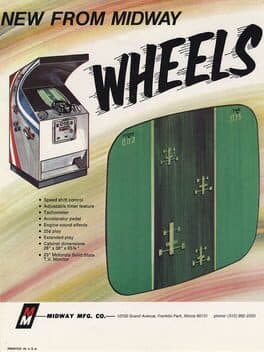
Wheels
Taito1974
Speed Race is a 1974 arcade racing video game developed and manufactured by Taito and released under the titles "Racer" and "Wheels" in North America by distributor Midway Manufacturing in 1975. Designed by Tomohiro Nishikado, the gameplay involves the player using the attached steering wheel to maneuver a car alongside a fast vertical scrolling road. The objective is to score points by driving past other cars without colliding with them; more points are awarded for driving faster. Players must do this under a 90-second time limit, which ends the game when it runs out. The gameplay concepts were adapted from two earlier driving electro-mechanical games: Kasco's Mini Drive (1958) and Taito's Super Road 7 (1970). The original Speed Race and Wheels had an upright arcade cabinet, while Midway's Racer introduced a sit-down cabinet. Taito released an updated version of Speed Race called Speed Race DX in 1975. Two-player versions followed with Midway's Wheels II and Taito's Speed Race Twin. The game was a worldwide commercial success. Speed Race was a hit in Japan, establishing 100 yen per play as the standard for arcade games there, while Wheels and Wheels II sold 10,000 arcade cabinets in the United States to become the best-selling arcade game of 1975. The Speed Race DX and Wheels versions were also among the top three highest-grossing arcade games of 1976 in Japan and the United States, respectively, while Speed Race DX was Japan's highest-grossing arcade video game of 1977. The game spawned the Speed Race series of arcade racing games. The game's use of vertical scrolling was also influential on later games.
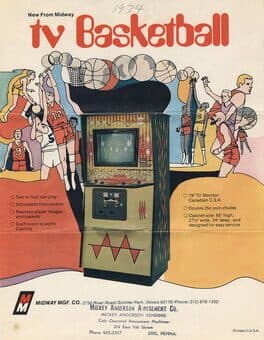
TV Basketball
Taito1974
Released in the arcades in april 1974, Basketball was a landmark title, notable for several firsts in video gaming. It was the first basketball video game, the first video game to use sprites, and the first to represent human characters. It is also the first known Japanese-developed game to be released in North America.
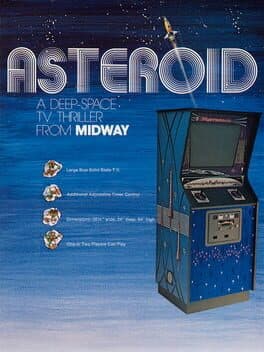
Asteroid
Atari1973
Asteroid is an open world action adventure RPG set in space! Explore the universe to save planets, upgrade your ship and equipment, and defeat increasingly fearsome enemies!
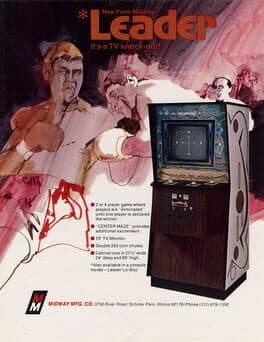
Leader
RamTeK1973
A four-player ball-and-paddle game with each player on on edge of the screen. The game is a licensed version of Ramtek's Wipe Out.
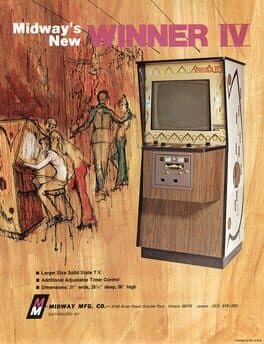
Winner IV
Midway Manufacturing1973
A four-player ball-and-paddle sequel to Midway's Winner, which was released earlier in the year.
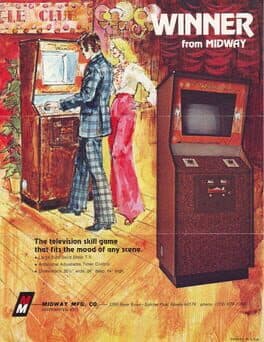
Winner
Atari1973
Midway's version of Pong, which unlike most Pong clones of the time was actually licensed from Atari.