Dispatch
This Day In Gaming, September 2: The Sims 4

game
The Sims 4
Dispatch
game
The Sims 4
Keep Reading

 Bombjack
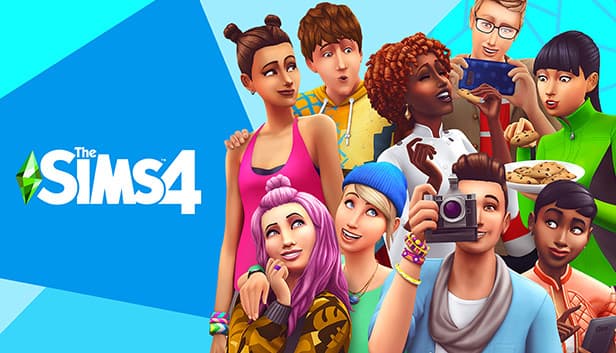
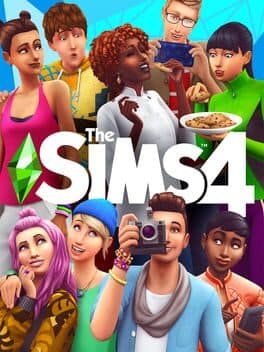
On September 2, 2014, Electronic Arts and its studio Maxis released The Sims 4 on PC in North America. It was the fourth mainline entry in one of the best selling franchises in gaming history, and it arrived carrying both enormous expectations and a fair amount of baggage. More than a decade later, that same base game is still being updated, still gathering new players, and still one of the most played life simulators in the world.
A rocky road to release
The Sims 4 did not start life as the game that shipped. During development it went by the codename "Olympus," and its early vision leaned heavily on online and multiplayer features. That direction ran straight into one of the most infamous launches of the era. In 2013, Maxis released a new SimCity built around a mandatory always online connection, and the servers buckled so badly at launch that many players could not get into the game they had just bought. The backlash was severe.
EA and Maxis changed course. In 2013 the team confirmed that The Sims 4 would be a single player, offline experience, stepping firmly away from the online ambitions that had defined SimCity's troubled debut. The game was built on a new proprietary engine, and the studio put its energy into two headline ideas: Sims that expressed distinct emotions and could multitask, and a heavily reworked creation suite. Create a Sim swapped sliders for a click and drag system that let players sculpt faces and bodies by pulling on them directly, while the new room based Build Mode made constructing houses far quicker and more flexible than before.
A launch defined by what was missing
For all the polish in its creation tools, The Sims 4 landed to a mixed reception. On Metacritic the PC version settled at around 70 out of 100. Reviewers praised the smarter, more expressive Sims and the genuinely excellent build and create tools, but a loud chorus of criticism focused on everything the game had left out compared to its predecessor.
Two omissions became the symbols of that frustration: there were no swimming pools and no toddlers at launch. The Sims 3 had featured both, so their absence felt like a step backward to longtime fans. The Create a Style tool, which let players recolor and re texture almost any object, was gone as well, and the large open neighborhoods of the previous game were replaced by smaller lots connected through loading screens. EA spent much of the launch window explaining and defending these choices while the community made its displeasure known.
To the studio's credit, it responded. Pools returned in a free update on November 4, 2014, barely two months after release. Toddlers took considerably longer, arriving in a free patch in January 2017, more than two years after launch, and their return was treated as a genuine event by the fanbase. This pattern of steadily adding back and expanding features became a defining trait of the game's long life.
The long tail of a life simulator
What makes The Sims 4 remarkable is not really its opening weekend. It is what happened over the following years. The game expanded to macOS in February 2015 and finally reached consoles, PlayStation 4 and Xbox One, in November 2017. Alongside the base game came a steady river of expansion packs, game packs, and smaller stuff packs covering everything from pets and seasons to careers, cities, and university life.
That model proved extraordinarily durable. By 2019 The Sims 4 had generated more than one billion dollars in revenue, counting its many pieces of downloadable content. Then, in a move that reshaped its future, EA made the base game free to play on October 18, 2022. The decision opened the doors wide. The publisher later reported that the free to play switch alone brought in tens of millions of new players, and that the game had reached over 85 million players worldwide across all platforms by May 2024.
Seen from today, September 2, 2014 marks the start of an unusually long second act. The Sims 4 launched as a game criticized for what it lacked, and it slowly grew into a sprawling, endlessly customizable platform that outlasted nearly all of its contemporaries. It is a reminder that in modern gaming a launch is often just the beginning of the story, and that a shaky start does not have to define what a game eventually becomes.
Also on this day
September 2 is a quieter date in gaming than some, but it is not empty. On September 2, 2004, Terminator 3: The Redemption, an action game based on the film franchise, released for PlayStation 2 and Xbox.
Sources
The Sims 4, Wikipedia: https://en.wikipedia.org/wiki/The_Sims_4
Electronic Arts official launch press release, September 2, 2014: https://s204.q4cdn.com/701424631/files/doc_news/2014/09/1/868481.pdf
"The Long-Awaited Sims 4 Pool Update Available Now," Game Informer, November 2014: https://gameinformer.com/b/news/archive/2014/11/04/the-long-awaited-sims-4-pool-update-available-now.aspx
"More Than Two Years After Launch, The Sims 4 Adds Toddlers," GameSpot: https://www.gamespot.com/articles/more-than-two-years-after-launch-the-sims-4-adds-t/1100-6446876/
2004 in video games (Terminator 3: The Redemption release date), Wikipedia: https://en.wikipedia.org/wiki/2004_in_video_games
No comments yet. Be the first.