-
Average rating
9
Games
0
Votes cast
Heartbeat
Shipped Titles
Games (9)
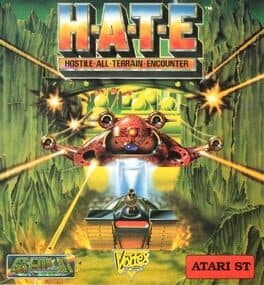
H.A.T.E.: Hostile All Terrain Encounter.
Vortex Software1989
A diagonally scrolling shoot 'em up by Vortex Software and Gremlin.
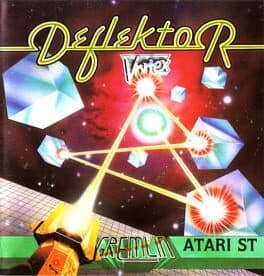
Deflektor
Vortex Software1987
DEFLEKTOR es una experiencia en la lógica del láser. No hay ni héroes ni enemigos, simplemente un magnífico reto de tu habilidad. El objeto de DEFLEKTOR es de completar el circuito óptico. El láser produce un rayo de alta intensidad que debe llegar al receptor antes de que se haya reducido totalmente la energía. Esto se consigue reflejando, refractando y polarizando el rayo por la pantalla; los obstáculos en el camino del rayo pueden reflejar, absorber, o en el caso de la fibra óptica, transportar el rayo. Tienes el poder de controlar el rayo, pero la ruta hasta el receptor está cerrada hasta que hayas utilizado el láser para destruir todas las células. Debes tener cuidado de no sobrecargar el láser tocando minas o reflejando el rayo de nuevo sobre bu propio trazado. Pero no sólo eso: NO ESTAS SOLO... ten cuidado con los Gremlins! CONTROLANDO EL RAYO El láser puede ser dirigido ajustando el ángulo de ios espejos. Los espejos que giran solos pueden parar, o girar más rápido, según la dirección en la que intentes moverlos. Otros factores no pueden ser controlados direc-tamente, pero se pueden usar para afectar al rayo de alguna manera, bien reflej�ndolo, bien rediri-giéndolo. En el caso de la fibra óptica, un rayo que da contra un bloque reaparecerá en otro bloque en otara parte de la pantalla. Situación de sobrecarga Puedes sobrecargar tu láser de tres maneras: 1. Reflejo total. Si el rayo se refleja directamen-te sobre su propio recorrido y vuelve al láser lo sobrecalentará. 2. Demasiada distancia. Si el rayo debe reco-rer una distancia demasiado larga se debilitará y hará fallar el laser. 3. Alerta de minas. El rayo de láser ha colisio-nado con el campo de minas. Se crea un exceso de corriente que llevará rápidamente a un sobrecalentamiento. En todos estos casos debes redirigir de inme-diato el rayo y esperar que vuelva a cero el indicador de sobrecarga.

Alien Highway: Encounter 2
Vortex Software1986
Highway Encounter is a strategy/action game played from a 3D isometric perspective in which you must successfully chaperone a bomb along a long, straight stretch of highway and into the alien base at the end of it. There are thirty screens to pass through and most are filled with hazards that threaten to block your progress (such as barrels) or destroy you (aliens and explosive mines). Players control a robotic "Vorton" (resembling a dalek from Doctor Who) and one of the things that provides Highway Encounter with its unique appeal is that the bomb is constantly being pushed onwards by your extra lives - four more Vortons, who accompany you along the highway. A key strategic element to the game is for the player character to travel several screens ahead of the bomb to clear a safe path for it; normally this would be done by temporarily blocking the bomb's forward motion. However, if the bomb is left in an unsafe location, it is possible for all your extra lives to be lost without the player character being destroyed once. Once all spare lives are lost, the player character must manually push the bomb.
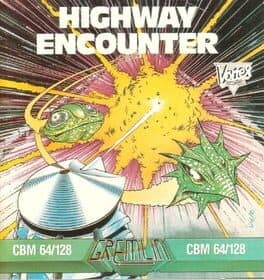
Highway Encounter
Vortex Software1985
Highway Encounter is a strategy/action game played from a 3D isometric perspective in which you must successfully chaperone a bomb along a long, straight stretch of highway and into the alien base at the end of it. There are thirty screens to pass through and most are filled with hazards that threaten to block your progress (such as barrels) or destroy you (aliens and explosive mines). Players control a robotic "Vorton" (resembling a dalek from Doctor Who) and one of the things that provides Highway Encounter with its unique appeal is that the bomb is constantly being pushed onwards by your extra lives - four more Vortons, who accompany you along the highway. A key strategic element to the game is for the player character to travel several screens ahead of the bomb to clear a safe path for it; normally this would be done by temporarily blocking the bomb's forward motion. However, if the bomb is left in an unsafe location, it is possible for all your extra lives to be lost without the player character being destroyed once. Once all spare lives are lost, the player character must manually push the bomb.
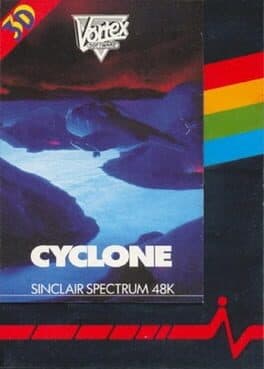
Cyclone
Vortex Software1984
The player controls a rescue helicopter and must retrieve five supply crates from a collection of islands, while a dangerous cyclone is in the area. While searching for the missing crates, the player may optionally earn bonus points by rescuing refugees from the islands. There is no limit on the number of crates or refugees the helicopter can carry, and the player only needs to return to Base Island after the last crate has been found and loaded. Hindering progress is the cyclone itself, which can cause the helicopter to behave erratically at long range, and crash at close range. While over open water the helicopter must avoid low flying planes which traverse the screen occasionally. The player also has limited fuel - which can be replenished at helipads on several of the islands - and a time limit in which to retrieve the crates. The screen display warns the player of the cyclones proximity, any approaching planes, and also the remaining time and fuel. The view has two aspects of North and South to switch between, which is necessary as some of the crates are hidden behind buildings or terrain. There is also a map view to help locate the cyclone and the islands. Once completed the game loops, with no change in difficulty. Panayi’s previous game, Tornado Low Level, (and to a lesser extent Android 2,) featured similar graphics.
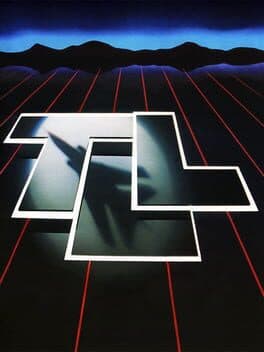
Tornado: Low Level
Vortex Software1984
Top-down war shooter
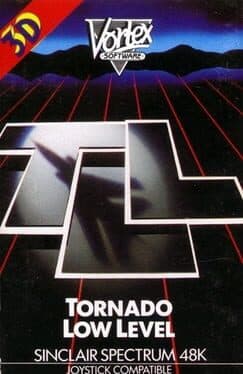
TLL: Tornado Low Level
Vortex Software1984
Flying low you have to take out several targets.
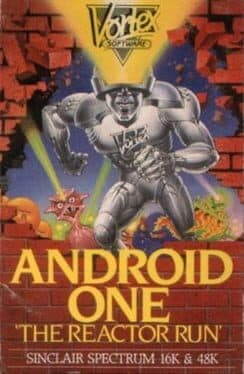
Android One: The Reactor Run
Vortex Software1983
Tile-based horizontally scrolling shooter.
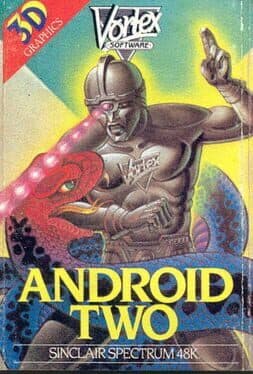
Android Two
Vortex Software1983
Placed in a maze, you only have a limited time span to destroy the enemy.