-
Average rating
59
Games
0
Votes cast
Heartbeat
Shipped Titles
Games (59)
Technōs Arcade I
Technos Japan2021
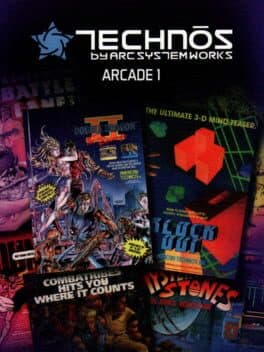
Compatible with both Handheld and VS models, the Technos Arcade I collection includes the following titles: - The Combatribes - Block Out - Battle Lane Vol. 5 - Double Dragon II: The Revenge - Double Dragon III: The Rosetta Stone - Mania Challenge - Minky Monkey - Mysterious Stones: Dr John's Adventure
Technōs Collection I
Technos Japan2020
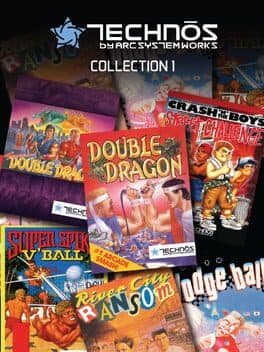
Technos Collection 1 is an Evercade compilation cartridge which contains classic games developed by ArcSystem Works and Blaze Entertainment. Games included: - Double Dragon - Double Dragon II: The Revenge - Crash 'N' The Boys: Street Challenge - River City Ransom - Super Dodge Ball - Super Spike V’ball - Super Double Dragon - Renegade
Super Dodge Ball
Technos Japan1996
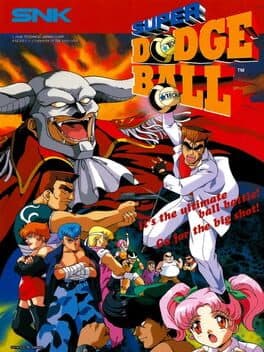
Super Dodge Ball, known in Japan as Kunio no Nekketsu Dodgeball Densetsu (lit. "Kunio's Hot Blooded Dodge Ball Legend") is a dodge ball-based sports game released for the Neo Geo platform in 1996. Developed by Technōs Japan Corp. and published by SNK, it was the last game the former company developed before they went out of business. The game was not officially released in Japan (only a Western version was produced, even though it was exhibited at the Japan Amusement Expo) but the game can be played with Japanese settings if the Neo Geo's motherboard is set to that region. No AES version of the game was released and MVS versions came in limited quantities. Choose from one out of seven characters from the Kunio-Kun series (each with two generic teamates) and compete agaisnt either the CPU or another player in a Dodgeball tournament.
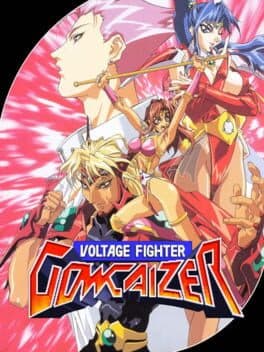
Voltage Fighter Gowcaizer
Technos Japan1995
Stones of power are given to some chosen fighters, who are being trained by a master to defeat the master's darker tendencies of destroying humanity. The fighters do not necessarily get along even as the world heads toward peril.
DunQuest
Technos Japan1995
DunQuest is a Role-Playing game, published by Technos, which was released in Japan in 1995.
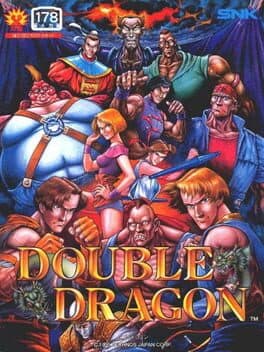
Double Dragon
Technos Japan1995
A head-to-head fighting game based on the 1994 Double Dragon movie, the game features a roster selectable which consists of "Double Dragon" alumni Billy, Jimmy, Marian, Abobo and Burnov, as well as 5 original characters as they enter a martial arts tournament to take out evil crime lord of Bloody Town, Koga Shuko. Unique features in the game includes destructible environments and a super move meter which fills out based on how much energy the player has left, giving weaker fighters a handicap. After defeating the default 10 fighters, the player faces Shuko's bodyguard, Duke, before fighting Shuko himself.
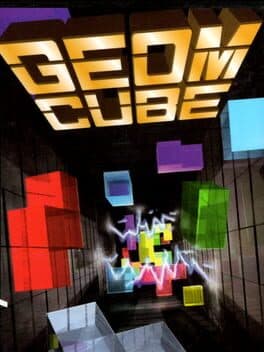
Geom Cube
Technos Japan1995
Geom Cube is a three-dimensional puzzle game based on Tetris concept. Blocks are dropped into a 4x4 pit where the object is to completely fill a level in the pit with blocks so it disappears. There are 24 different block shapes. If the blocks reach the top of the pit, the game is over. This game is for one or two players; the single-player mode has an option of playing against a series of eight computer opponents. There are three game modes for one player: the fast, time-limited Finite mode, the slower Infinite mode, and a versus mode against computer-controlled fighters. Multiplayer is available as a head-to-head vertically split-screen mode for two players, where completed layers can be transported to the opponent's screen.
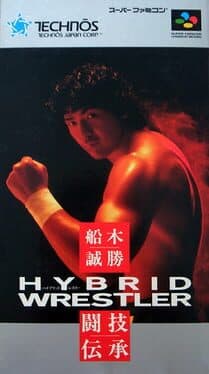
Funaki Masakatsu: Hybrid Wrestler
1994
A Pancrase-themed MMA/wrestling game, published by Technos Japan, which was released in Japan in 1994.
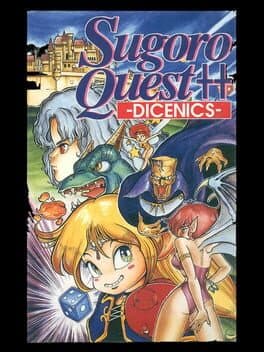
Sugoro Quest++ Dicenics
1994
SugoroQuest++ Dicenics is a Miscellaneous game, published by Technos, which was released in Japan in 1994.
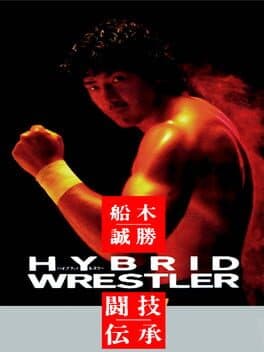
Funaki Masakatsu Hybrid Wrestler: Tougi Denshou
1994
The sport of wrestling mixed with real life simulation! Funaki Masakatsu of Pancrase has shaped the new, most unique wrestling game ever made, and its up to you to make wrestling history! Create your character, control his stats and take your place in the highest rank of wrestling!
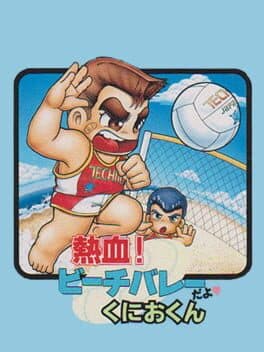
Nekketsu! Beach Volley Da yo: Kunio-kun
Technos Japan1994
One day, Kunio had been the practice dodgeball, Satomi Momozono, the passionate cheerleader at Nekketsu High, spots Kunio and informs him of the upcoming Nekketsu Volley Ball Club tournament. Again blinded by his desire to win the prize, Kunio drags his pal Riki along to compete in the volley ball tournament.
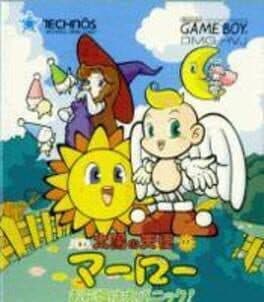
Taiyou no Tenshi Marlowe: Ohanabatake ha Dai-Panic!
Quest1994
In the peaceful kingdom of Bloomland, the coolest angel around, Marlowe, is on his way to a date with his girlfriend Nancy. But Bloomland is a mess, the flowers have all wilted, and Nancy is nowhere to be found. But Marlowe does find the cute little sun, Philip. Philip tells Marlowe that the evil witch Amanda has kidnapped everyone and the flowers have wilted because of her. So Marlowe and Philip join forces to restore Bloomland and rescue everyone from the clutches of Amanda.
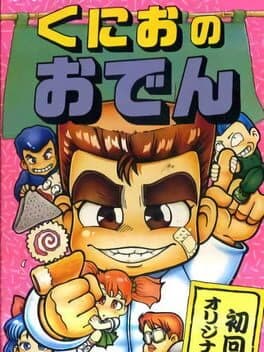
Kunio's Oden
1994
When Misako realizes her favorite Oden shop is going out of business, she comes to Kunio in helps he can save the business from going bankrupt. Kunio must awaken his appetite to save the Oden shop.
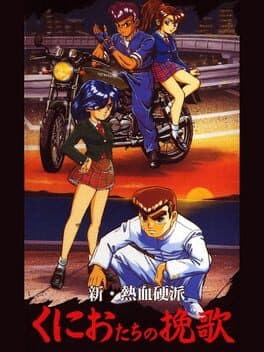
Shin Nekketsu Kouha Kunio-kun: Kunio-tachi no Banka
Almanic1994
Shin Nekketsu Kōha Kunio-kun: Kunio-tachi no Banka is a beat 'em up in the Kunio / Nekketsu High series. The eternal rebel Kunio and his pal Riki finally get to face the long arm of the law when they get both arrested for killing a couple of bystanders in a hit-and-run incident. Problem is they are innocent and the lookalike killers are still out there! Kunio and his pal now have to break out of the prison and go kick some butt in the name of justice (and to clear their names of course). Gameplay involves defeating all opponents using your arsenal of attacks and special moves and completing the many side scrolling stages that make up the game, usually after beating an end level boss. Kunio and Riki are not alone in their quest, as their hard boiled girlfriends, Misako and Kyoko, can join up and provide their unique collection of special moves to the mix. Biking sequences in which you try to get to another part of town while fending-off opponents Road Rash-style are also added for additional gameplay and the game uses several non-interactive cutscenes and dialogues to carry the plot forward.
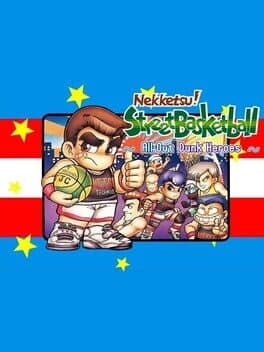
Nekketsu! Street Basketball All-Out Dunk Heroes
Technos Japan1993
To our amazement, Kunio entered the Downtown Quiz and won. Thanks to him, we got a journey to the United States for 15 days as a victory prize. First thing first, Kunio went to see "Johnny" at the Oklahoma high school that he had befriended while in an exchange program. Along for the trip was also Riki, and thanks to him, he entered us into a street basket tournament. Lead us to victory even overseas, Kunio! The game was originally released as Nekketsu Street Basket: Ganbare Dunk Heroes, but has since been localized as Nekketsu! Street Basketball All-Out Dunk Heroes.
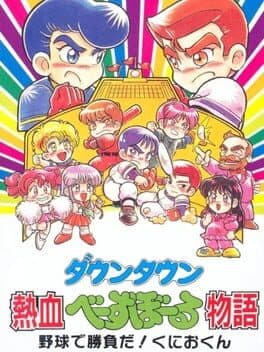
Downtown River City Baseball Story: Play Ball, Kunio!
Technos Japan1993
Tatsumi Tachibana, An honor student and a superb athlete, is the team captain of Nekketsu High's Baseball team. An injury on his shoulder bars him from leading Nekketsu High to Japan's National High School Baseball Tournament. His girlfriend and team manager of Nekketsu High's Baseball team, Rika Asano, is heartbroken and unable to fulfill her duties as team manager. This motivates Sugata Sanjuro, who has a crush on her, to lead the Nekketsu team in the baseball tournament. Todou Kounosuke holds a conference and announces that Japan's National High School Baseball Tournament will commence, and Nekketsu High will be lead by Sugata. Will Nekketsu be able to defeat Reihou Academy and the other teams with Kunio nowhere to be found?
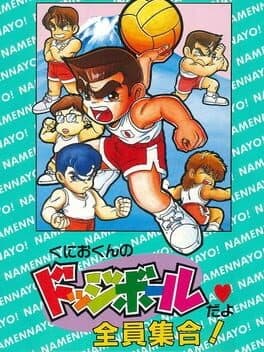
Kunio's Dodgeball Time, C'mon Guys!
Technos Japan1993
Okay, listen up! Nekketsu High Dodgeball Club has proven themselves once before on the world arena, but now, the stakes are higher! We got to go out there again and show why Nekketsu High is the greatest team in the world. Lead us to victory, Kunio! Kunio-Kun no Dodge Ball Dayo Zennin Shuugo! is the Super Famicom sequel to the original Dodgeball for the Famicom, "Nekketsu Koukou Dodgeball-bu".
Kunio-kun no Dodgeball Da yo Zenin Shuugou!: Tournament Special
Technos Japan1993
This version of Kunio-kun no Dodgeball Da yo Zenin Shuugou! was given in a very limited distribution on a gold cart. This version supports only 2 players.
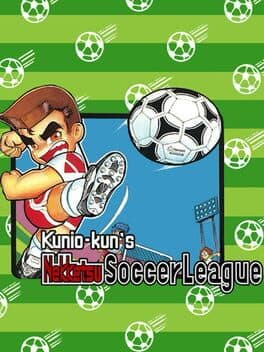
Kunio-kun's Nekketsu Soccer League
Technos Japan1993
Hi, I am Misako of Nekketsu High. I am the manager of our local soccer team. Finally, we can prove that Nekketsu FC is the greatest team in the world. If we work hard and qualify, the Technos Japan Cup will determine who is the greatest in the world. After Nekketsu FC was formed, I was supposed to lead the team to victory, but I haven't been able to keep my promise. But Kunio is here, and he will guide us to victory. I won't meddle in, but I will offer my advice if you want it. Nekketsu FC, let's go! The game was originally released as Kunio-Kun no Nekketsu Soccer League, but has since been localized as Kunio-kun's Nekketsu Soccer League.
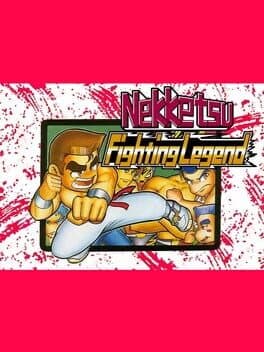
Nekketsu Fighting Legend
Technos Japan1992
One day at school, Kunio was minding his own business when suddenly, he found a note on his locker. The note says their is a fighting tournament hosted by the "Double Tiger" twins. Seeing it as a challenge he could not refuse, Kunio runs off to participate. When Riki sees Kunio running and read his note, he decides to enter as well. Many other fighters will join in to see who is the strongest. The game was originally released as Nekketsu Kakutou Densetsu, but has since been localized as Nekketsu Fighting Legend.
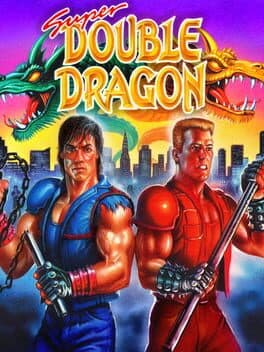
Super Double Dragon
Technos Japan1992
Super Double Dragon rises again! Now with new features such as customizable wallpapers and speed options!
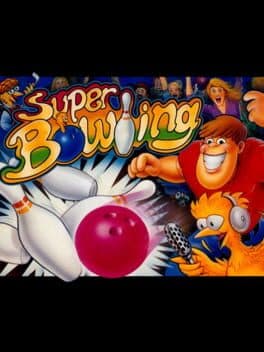
Super Bowling
KID1992
Super Bowling is a third-person bowling game. Players may bowl in several different environments, which range from ice ponds to neon-lit Chinese temples. Players can face-off against characters in their home stages, much like a fighting game. If the player wins they can then play on these stages in other play modes. Multi-player modes are also available, with a number of different variations. The game was also released as a downloadable game for the Satellaview.
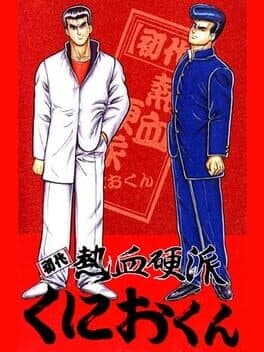
River City Renegade
Technos Japan1992
A student-only electric train has departed from Tokyo Station and has passed through Kyoto Station. A group of sophomore students from Nekketsu High School led by Kunio are aboard that train. Their destination is the city of laughter and defraud, Osaka. Kunio is sleepy and tired and that's when Hiroshi's voice wakes him up. "Kunio! Yoshihiro will guide us throught Osaka! Come with us!"(Yoshihiro is an exchange student who came from Osaka) Kunio has just learn that he is in Osaka.
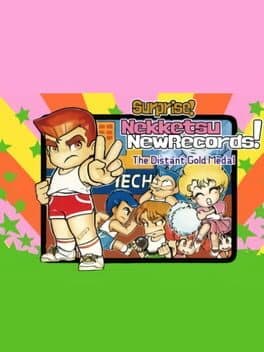
Surprise! Nekketsu New Records! The Distant Gold Medal
Technos Japan1992
Toudou Mamoru's plan that tried to crush the other schools in the athletic meet, ended in failure. While his team played decent, he underestimated the strength of Nekketsu High. Toudou doesn't take the loss lightly, and goes back to the drawing board in his quest for complete domination. With his wealth and influence, Kounosuke Todou is set on making things right and announces another event! Fight back, Kunio-Kun! The game was originally released as Bikkuri Nekketsu Shin Kiroku! Harukanaru Kin Medal, but has since been localized as Surprise! Nekketsu New Records! The Distant Gold Medal.
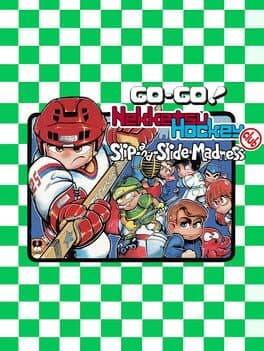
Go-Go! Nekketsu Hockey Club Slip-and-Slide Madness
Technos Japan1992
Hey there, this is the Nekketsu High School Paper. Our own Kunio has become famous as a leader. With him we won both the dodge ball and soccer championships. They competed and won at the world stage, it is truly amazing. But did you know, Nekketsu High also has an ice hockey club? Sadly, our team is very weak... We probably won't even make the playoffs in the next national championship. Perhaps Kunio can lead our ice hockey team to victory as well. With him, would it become a successful team, or still be in the minor leagues? Passionate ice hockey spirit! Good luck everyone! The game was originally released as Ike Ike! Nekketsu Hockey Bu: Subette Koronde Dairantou, but has since been localized as Go-Go! Nekketsu Hockey Club Slip-and-Slide Madness.
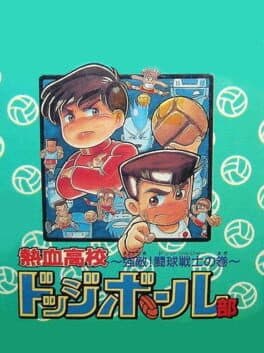
Nekketsu Koukou Dodgeball-bu: Kyouteki! Dodge Soldier no Maki
Technos Japan1991
One day the Nekketsu High School Dodgeball club get a letter. A date, time and place, what could this mean? "Nekketsu High, we invite you to come to the Dodge Dome for a friendly practise!" Kunio is tempted, this is a prestigious chance to showcase his skills. Upon entering the dome, only Nekketsu High is there. Suddenly a voice over the speaker system cries "HAH! You walked right into my trap! I have assembled 6 teams to take you on. Defeat them or be humiliated!" Stand up, Kunio! Fight the 6 teams and uncover the culprit behind this trap!
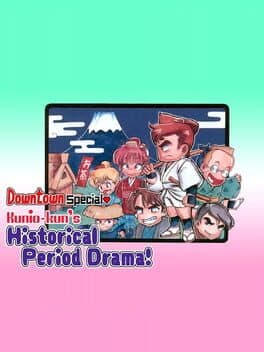
Downtown Special Kunio-kun's Historical Period Drama!
Technos Japan1991
Kunio has to go see his master, Bunzo, because he is in some kind of trouble. Kunio's brother, Tsuu, tells him to wait. Right in front of the dojo, Kunio meets Asaji and Okoto. Apparently, Asaji and Okoto are fiances and Kunio appears to be jealous. Kunio enters Bunzo's Dojo. Tora, a local ruffian, has cursed Bunzo! To get rid of the curse, he needs some Kanpou. So begins Kunio's quest! Assemble everyone! It's time for a story! The game was originally released as Downtown Special: Kunio-kun no Jidaigeki Dayo Zenin Shuugou!, but has since been localized as Downtown Special Kunio-kun's Historical Period Drama!
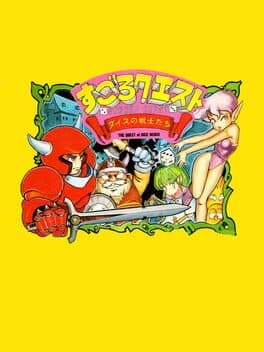
Sugoro Quest: Dice no Senshi-tachi
Technos Japan1991
In this board game style RPG, the kingdom of Siland is being attacked by monsters under the command of the evil Hades. You have to choose from several boards. Your movement is decided when you roll the dice. Certain squares trigger certain events, most being random battles. Your quest depends on which board you choose. There are four player characters, each with different statistics, like attack and magic. Battles are fought by rolling dice, and whoever gets the higher number gets to attack. Damage dealt depends on the stats of both characters and some other factors. You must complete all the boards to face the final boss.
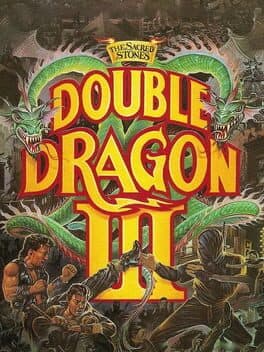
Double Dragon III: The Sacred Stones
Technos Japan1991
Billy, Jimmy, and the whole Double Dragon gang fight for the Sacred Stones to save in the world in yet another beat-em-up.
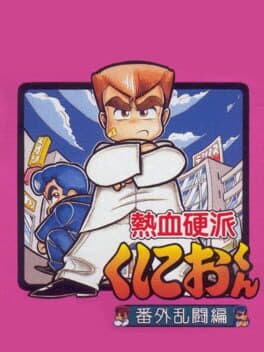
Nekketsu Kouha Kunio-kun: Bangai Rantou-hen
Technos Japan1990
Nekketsu Kouha Kunio-kun: Bangai Rantou-hen is the first game in the Kunio-kun series released by Technōs Japan for the Game Boy. It is a sequel to Nekketsu Kouha Kunio-kun, but uses the graphical style of Downtown Nekketsu Monogatari, which was previously released on the Famicom. This is the second game in the Kunio-kun series that has Kunio and Riki joining forces against a common threat, which would become a standard in later games.
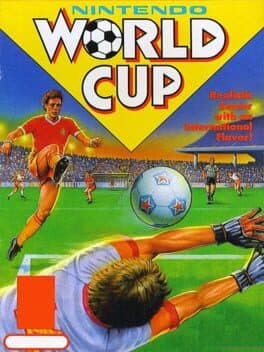
Nintendo World Cup
Technos Japan1990
The eyes of the world are upon you. National pride is at stake. Only seconds left and the crowd rises in anticipation of the greatest upset in soccer history. The horn sounds and you've won it all! The coveted world cup trophy is yours! Pick your team and plan your game strategy. Use advanced super moves like the Bicycle Kick or the Super Header. Choose from 13 teams, representing countries from around the world. Defeat your opponents and you're on your way to the prestigious world cup final. Bring the excitement of international soccer home with Nintendo World Cup!
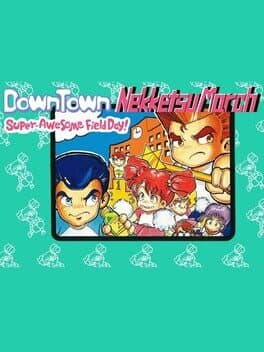
Downtown Nekketsu March Super-Awesome Field Day!
Technos Japan1990
This prequel to the game known in the West as Crash'n the Boys: Street Challenge sees Kunio-kun competing in four not-so-traditional athletic events. The game was originally released as Downtown Nekketsu Koushinkyoku: Soreyuke Daiundoukai, but has since been localized as Downtown Nekketsu March Super-Awesome Field Day!
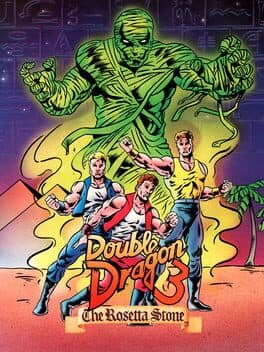
Double Dragon 3: The Rosetta Stone
East Technology1990
The final game in the original trilogy. Billy and Jimmy Lee are returning from martial arts training when their paths cross a fortune teller. She tells them of a great evil in Egypt, their strongest adversary yet, and how the Rosetta Stones can aid them. This game features weapon shops where Billy and Jimmy can buy power-ups, tricks, energy and extra lives to aid them in their quest. Power-ups make Billy and Jimmy twice their size, increasing their damage done and range of attack. The character graphics have changed, moving away from cartoon style graphics to more realistic looking characters.
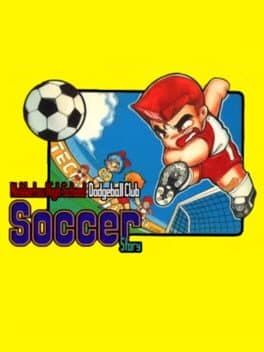
Nekketsu High School Dodgeball Club: Soccer Story
Technos Japan1990
Nekketsu High School Dodgeball Club: Soccer Story is the original Japanese version of the game released in other regions under the title of Nintendo World Cup. The Japanese version is part of the Kunio-kun/Nekketsu High series. The game was originally released under the title of Nekketsu Koukou Dodgeball Bu: Soccer-hen, but has since been localized as Nekketsu High School Dodgeball Club: Soccer Story.
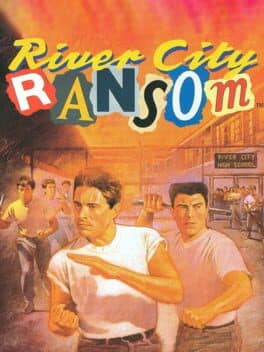
River City Ransom
Technos Japan1990
Play as Alex and Ryan and cross River City to fight street gangs and save your girlfriend from the hands of a bad guy named "Slick." Improve your fighting experience by powering-up your characters in River City's shops, picking-up items for bonuses and using the trash bins and pipes you will find in its streets.
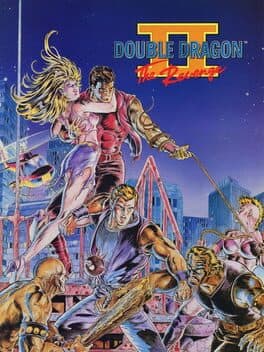
Double Dragon II: The Revenge
Technos Japan1989
Technōs created once again a vastly different experience with Double Dragon II on the NES. The experience system was dropped, but the moveset still underwent a few changes. The elbow attack and turning jump kick are gone, but with the standard kick directed backwards they seemed a bit redundant anyway. There are two new ways to make enemies in a grapple suffer, elbow smashes to the head, and a high kick to propel them away. In the brief time window when the Lee brothers are crouching after a jump or after getting knocked down, it’s possible to perform a rising uppercut or a knee jump attack. The timing for these isn’t easy, but they are the most powerful moves in the game. On the NES, Double Dragon II is a much more innovative and unique sequel than in the arcade, but it marks also the time Double Dragon started its schizophrenic shifting between wildly different tones and gameplay styles. In a way it’s one of the best games to bear the Double Dragon name, but it’s hard to shake the feeling that Technōs had already started to loose a cohesive vision of what it meant to be Double Dragon, both in tone and in gameplay.
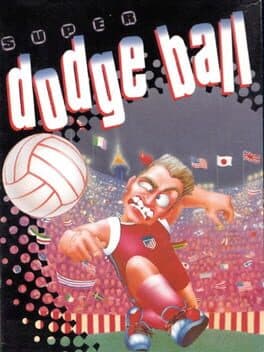
Super Dodge Ball
Million1989
Team USA is on its way to a Cinderella success story in the Super Dodgy Ball World Cup Championships. From out of nowhere, this scrappy bunch of rookies is advancing to the final round of competition. Seven powerful teams still stand between Team USA and their ultimate challenge; the long awaited grudge match with the undefeated, defending world champions, Team USSR. Only you can lead the U.S. to victory over the highly-favored competition, and give them the chance to crush the mighty Soviets. -1 or 2 players -Multi-dimensional, high-resolution graphics -3 increasing levels of challenge Thrash, Bash, and Smash the Competition
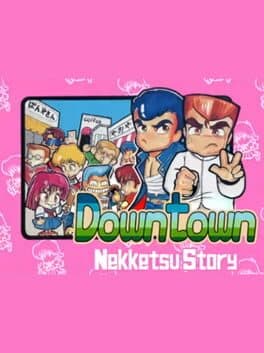
Downtown Nekketsu Story
Technos Japan1989
Downtown Nekketsu Story is the original version of the game known as River City Ransom. The game was first released as Downtown Nekketsu Monogatari, but has since been localized as Downtown Nekketsu Story.
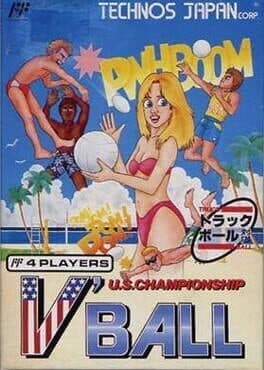
U.S. Championship V'Ball
Technos Japan1988
Play as two muscle-bound beach heroes playing volleyball in cities across the USA. The game features funky music and challenging game play. Computer opponent skills grow greater as levels increase or play against a human opponent.
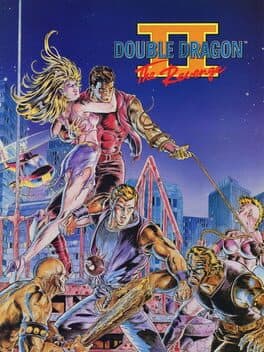
Double Dragon II: The Revenge
Technos Japan1988
The original arcade version of "Double Dragon II" is essentially an improved version of the first game. The biggest change in the game's controls are in the replacement of the original's punch and kick buttons with two directional-based attack buttons (Left Attack and Right Attack) similar to Renegade. Pressing the attack button of the player's current direction will do a standard series of punches, while pressing the opposite attack button will perform a back kick. A few new moves are added as well, including a Hurricane Kick. Like in the original game, the arcade version of Double Dragon II is divided into four missions: a heliport, a lumber storehouse, a wheat field, and the new hideout of the boss. Each stage has its own boss character with his own theme. After defeating Willy (the final boss from the original game) in the fourth stage, the player will confront a double of their own character for the game's final battle. If two players reach the end together, then both will each to have to face their own clone for the final battle.
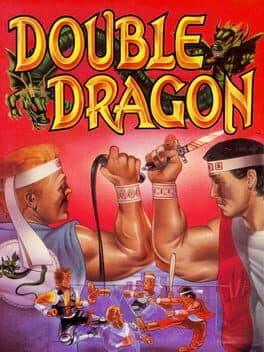
Double Dragon
Technos Japan1988
The NES version of Double Dragon takes a wide range of liberties with the interpretation. The entire graphical style is more in line with Technōs’ Kunio-kun series, with characters that go for exaggerated expression rather than gritty realism. The biggest change, however, was reserved for the moveset. You start the game with only the punch, kick and headbutt available – all the other moves are obtained via an RPG-lite style experience system. Hitting enemies is now rewarded with a certain amount of experience points depending on the attack, and each time the counter goes above 999, you’re awarded an additional heart, which extends the range of possible actions. Two hearts add the uppercut and roundhouse kick combo finishers, and with three Billy can perform the jump kick maneuver. The fourth heart unlocks access to grappling moves.
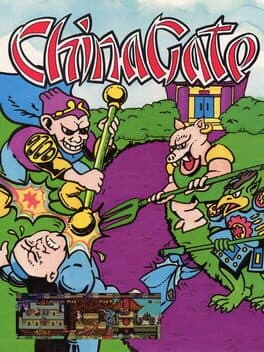
China Gate
Technos Japan1988
Action game with characters from journey to the West story.
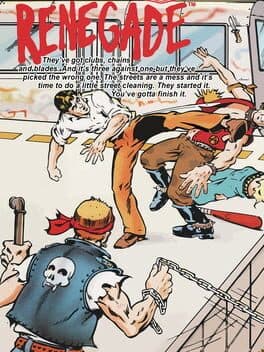
Renegade
Technos Japan1987
Unlike Technos' subsequent game Double Dragon, the playing field is limited to one two-screen-wide area (a subway platform, a harbor, an alley, a parking lot and the hideout of a gang) and does not scroll continuously. Out of the four stages in the game, the first, second and third each begin with the player fighting a group made up of two different types of small fry enemies: one with fewer hit points and a stronger attack (usually armed with a weapon) and one with more hit points, but with a weaker attack and the ability to grab the player from behind, making him vulnerable to other enemies' attacks. When only three underlings remain (in any combination of the two) their boss will come in from the sidelines and join the fight. When the boss is defeated, any remaining enemies retreat off the bottom of the screen, and the stage ends. The second stage follows this same formula, but begins with a series of enemies riding motorcycles trying to run the player down, and brings in the normal enemies once the bikers have been defeated. The third stage is a gang of women; their boss is a very large woman who cannot easily be knocked to the ground. The fourth stage features a single type of knife-wielding enemy who can kill the player with one hit. Once the player has defeated this first wave of enemies, the main character proceeds to enter a building at the far right of the stage. There, he faces three more knife-wielding enemies and the final boss, a mobster whose gunfire is also deadly with one hit. Once the final boss is defeated, the main character exits the building and is greeted by his rescued girlfriend, who proceeds to give him a kiss. The game then begins the next cycle with an increased difficulty. In addition to an eight-direction joystick, there are three buttons; left attack, right attack, and jump. Pressing the attack in the direction the character is facing will punch, while attacking in the opposite direction will perform a rear kick. Jumping, followed immediately by one of the attack buttons, which will perform a jumping kick in the direction of the attack. Pressing the joystick twice quickly either left or right will cause the player to run, at which point attacking in the direction of the run will perform a running punch, jumping will automatically perform a flying kick, and attacking in the opposite direction will bring the player to a sudden halt and perform a back-kick. Pressing down over a downed enemy will make the player sit on top of the enemy, at which point attacking toward the enemy will cause the player to pummel him. The bosses can only be sat on if all normal enemies have been defeated, and unless the boss' energy level is low enough, he'll throw the player off.
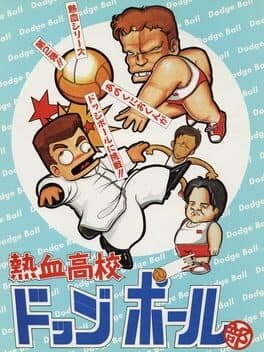
Nekketsu Koukou Dodgeball-bu
Technos Japan1987
The original Japanese arcade version of the game which would be later be recognized as Super Dodge Ball.
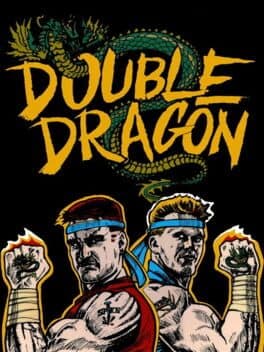
Double Dragon
Technos Japan1987
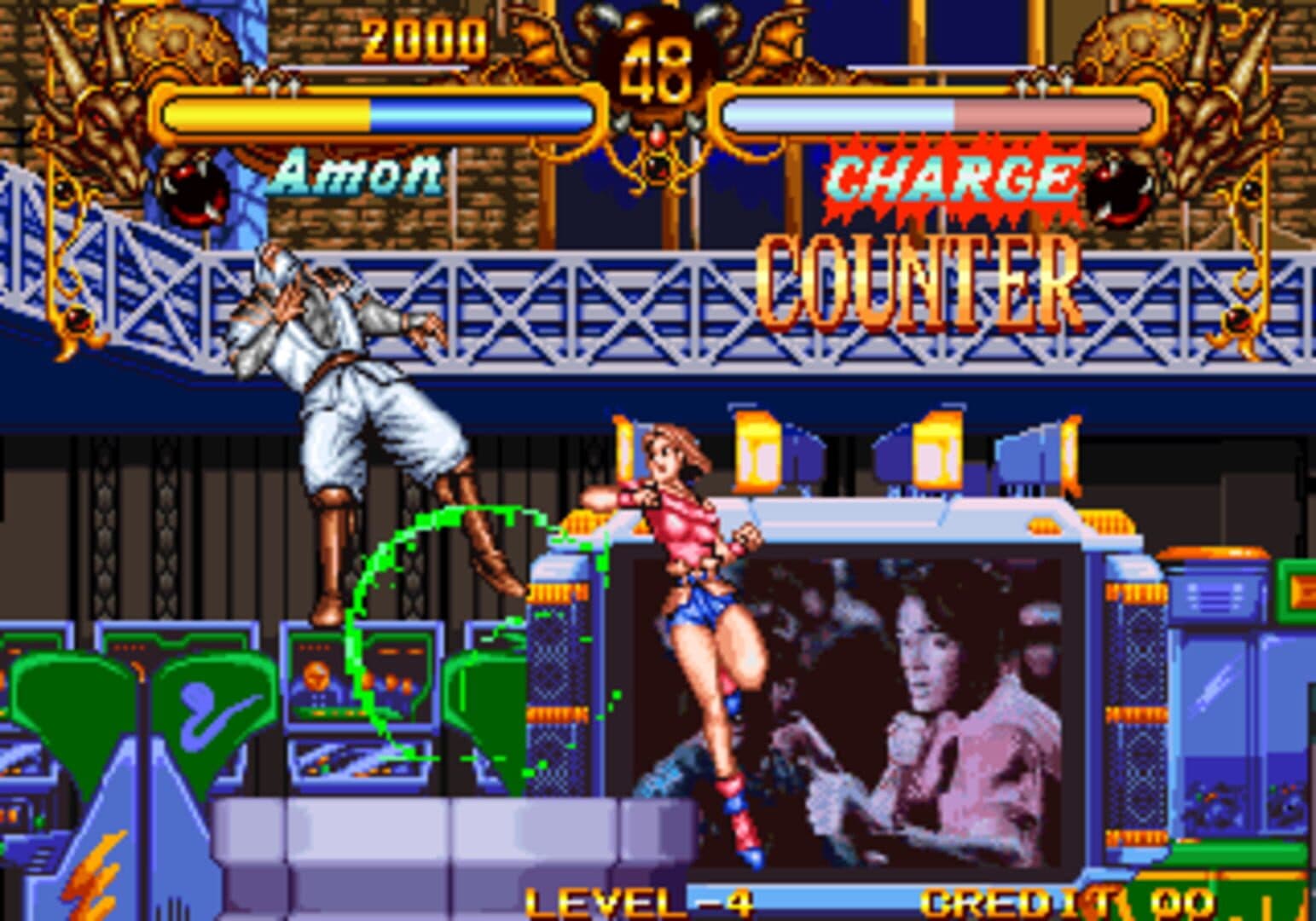
Double Dragon is a 1987 beat 'em up video game developed by Technōs Japan and distributed by Taito for arcades across Asia, North America and Europe. It is the first title in the Double Dragon franchise. The player character has a repertoire of martial arts techniques which they can perform using the joystick and three action buttons (kick, jump, and punch) individually or in combination. Techniques range from basic punches and kicks to more elaborate manoeuvres like hair-grabbing moves and elbow strikes. When playing with another player, one can assist the other by grabbing their partner's opponent from behind. Caution should be taken, though, as some enemies can do the same thing to the players. The player begins the game with a certain number of extra lives and a life gauge which depletes as the player takes hits. If the life gauge runs out or the time limit reaches zero, the player will lose a life. There is a small variety of enemy characters that the player will face through the course of the game. Certain enemies carry melee weapons, which can be knocked out of their hands and picked up to use against them. Available weapons include baseball bats, whips, throwing knives, and dynamite; in addition, rocks, oil drums, and boxes can be found in certain places. The game is divided into four stages or "missions," consisting of a city slum, a factory, the woods, and the gang's hideout. The game normally ends if a single player defeats the final boss alone. However, if two players complete the game together, they are forced to fight each other to determine who will win Marian's affections.
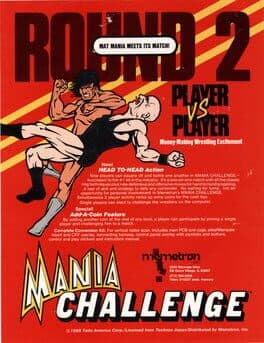
Mania Challenge
Technos Japan1986
Mania Challenge, developed by Technos Japan and published by Taito, is an updated version of Mat Mania released in 1986. The main difference is the addition of a two-player competitive mode. The first player takes control of the main character from the original game, now named Dynamite Tommy, while the second player controls a new character named Hurricane Joe, who plays identically to Tommy.
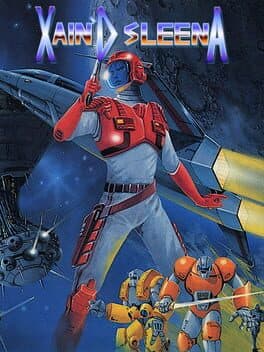
Xain'd Sleena: Soldier of Light
Technos Japan1986
You are an armoured, rocket-booted soldier, whose mission is to defend five planets against the evil empire. You run from left to right, shooting your way to the base at the end of each level, then tackle a left to right space ship stage.
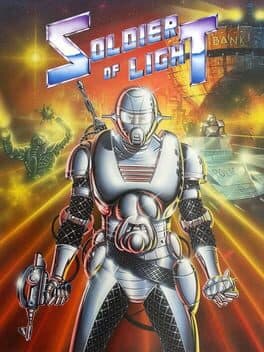
Soldier of Light
Technos Japan1986
Soldier of Light is an arcade game released in 1986 that has both side-scrolling shooter and platforming elements.
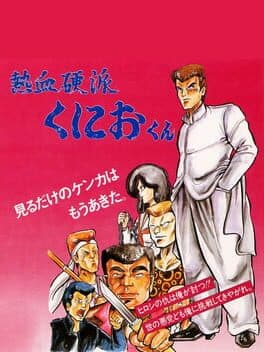
Nekketsu Kouha Kunio-kun
Technos Japan1986
Hiroshi is a student at Nekketsu High School, and is always bullied by everyone. One day, one man arrives at the school who changes everything. His name is Kunio!! Fighting the bullies! He looks tough, but he is a kind-hearted man. Kunio and Hiroshi become close friends. However, one day Hiroshi is kidnapped by someone. Kunio stands up and faces the gangs at Nekketsu High School to rescue his friend.

Battle Lane Vol. 5
Technos Japan1986
The fate of the country hangs in the balance. Break through the enemy checkpoints using your machine gun, bazooka and driving skill. Pick up more bazookas five missiles each along the road. Finally, enter the enemy base and destroy their secret weapon. The game has five checkpoints with the base coming after the fifth checkpoint. Each wall is broken with five missiles. Hint: shoot seven to ten defenders before trying for the wall.
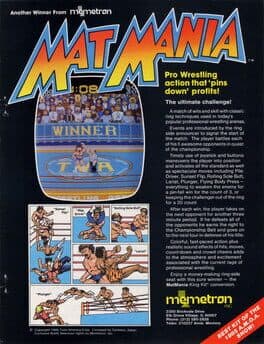
Mat Mania
Technos Japan1985
Mat mania is a professional wrestling arcade game created by Technos Japan in 1985. The player, YOU, wrestles his way to the championship in the Technos Wrestling Association, or TWA.
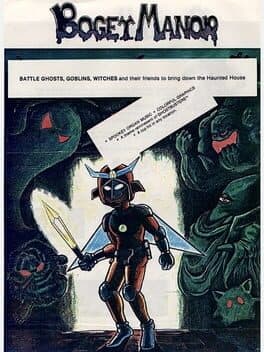
Bogey Manor
Technos Japan1985
You play as a young ghost hunter boy who runs around a haunted house. Your objective is to destroy with your sword all the crystal balls that are in the house, you must go through all the floors and go through the doors guided by the map at the top of the screen in a time limit without getting caught by the ghosts, frankenstein, witches and other creepy creatures. With the help of your magic glove can freeze ghosts for a short period of time to later hit them with the sword. Once you've destroyed all the crystal balls, the haunted house starts falling apart, and you must run for your life towards the exit to win the stage. You can transform into a super hero, entering through the flashing door to grab special items.
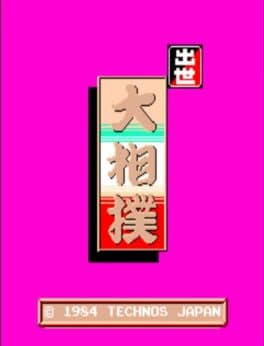
Shusse Ozumo
1984
Battle it out sumo-style in this 1984 arcade release from Technos
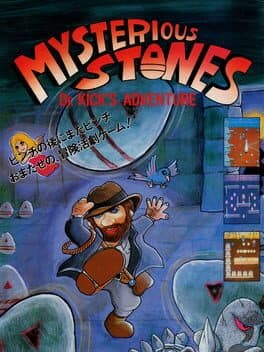
Mysterious Stones: Dr John's Adventure
Technos Japan1984
Mysterious Stones: Dr. John's Adventure, known as Mysterious Stones: Dr. Kick's Adventure in Japan, is an arcade title produced by Technos in 1984. In this game you play as the titular Dr. John, an archaeologist who travels around the world exploring temples and finding stones. Break open as many stones as possible to acquire rare artifaces while avoiding or defeating the temple guards.
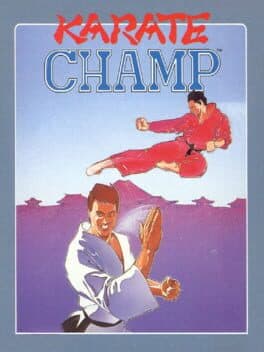
Karate Champ
Technos Japan1984
Single players compete against a computer opponent while two players fight each other in this Karate game. Players each use two joysticks which allow for a variety of different moves. The best two matches, out of three, wins.
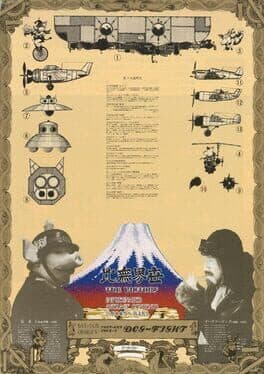
Acrobatic Dog-Fight
Technos Japan1984
A multidirectional shooter released in arcades by Technos Japan in 1984.
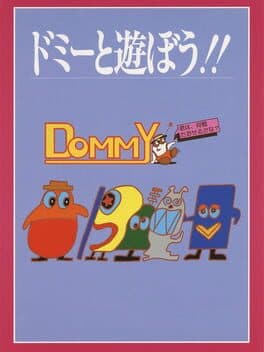
Dommy
Technos Japan1984
A maze game where you push blocks into place in a chain reaction.
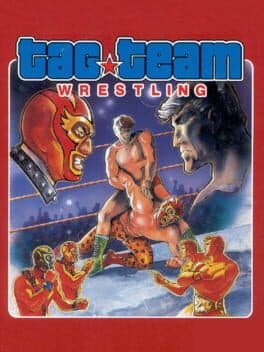
Tag Team Wrestling
Quicksilver Software1983
You are challenged to match the awesome skills of your opponents...to gain the Title in the World Super Championships of TAG TEAM WRESTLING Teamwork and stamina are the keys, as you and your partner battle your way through the Title Matches on your quest for the Belt. Attack your opponents with Body Slams, Drop Kicks, Backbreakers, Flying Head Butts, or even throwing them out of the ring! To win, its a pin for a count of three. Nothing can match the super excitement as the crowd cheers over this mania on the mat. Prepare yourself for Tag Team Wrestling!
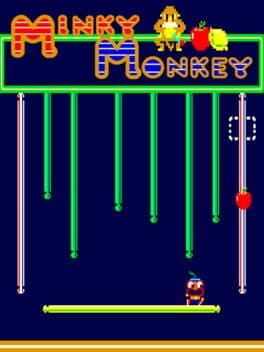
Minky Monkey
Technos Japan1982
Minky Monkey was produced by Technos in 1982. You control a red boy who must bring fruits to the blank square in order to complete the message.