-
Average rating
29
Games
0
Votes cast
Heartbeat
Shipped Titles
Games (29)

Touhou Kinjoukyou: Fossilized Wonders
Team Shanghai Alice2025
Team Shanghai Alice presents a bullet hell shooter! The 20th installment of the Touhou Project. Utilize the powers you've acquired to overcome new challenges!
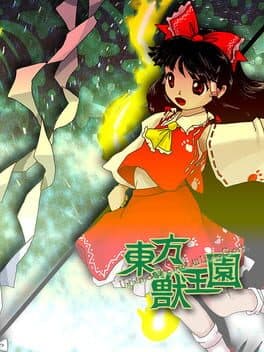
Touhou Juuouen: Unfinished Dream of All Living Ghost.
Team Shanghai Alice2023
東方Project第19弾は、対戦型弾幕シューティング! ダークで元気いっぱいで、ちょっぴり可愛い妖獣たちの狂宴をお楽しみに。

Black Market of Bulletphilia: 100th Black Market
Team Shanghai Alice2022
東方Project第18.5弾。上海アリス幻樂団による弾幕シューティング! 市場は2種類あった? 魔理沙が闇市場の調査(&カード蒐集)に大奮闘! アビリティカードを駆使して遊ぶ、ハイスピードでブラックなシューティング幻想!
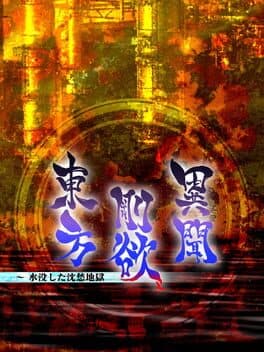
Touhou Gouyoku Ibun: Sunken Fossil World
Twilight Frontier2021
Touhou Gouyoku Ibun: Sunken Fossil World is the 17.5th installment of the Touhou Project, created by Team Shanghai Alice, with Twilight Frontier's collaboration. The game is described as a "horizontal side-scrolling danmaku water action game" on the official website.

Touhou Kouryuudou: Unconnected Marketeers
Team Shanghai Alice2021
Touhou Kouryuudou: Unconnected Marketeers is the eighteenth official installment of the Touhou Project. It was announced by ZUN on the Touhou Project news blog Touhou Yomoyama News, February 2021. A playable demo is scheduled for release on March 21st the same year, at Reitaisai 18, and the full version is scheduled to be released in May.

Touhou Kikeijuu: Wily Beast and Weakest Creature
Team Shanghai Alice2019
Touhou Kikeijuu: Wily Beast and Weakest Creature is the seventeenth official installment of the Touhou Project. It was announced by ZUN on his personal blog on April 17, 2019, at 14:02 JST. A playable demo was released on May 5, 2019, at Reitaisai 16. The full version was released August 12, 2019, at Comiket 96.
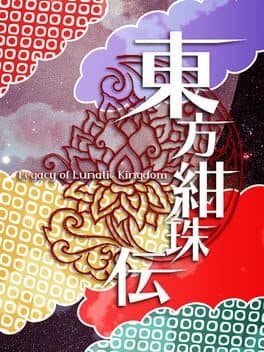
Touhou Kanjuden: Legacy of Lunatic Kingdom
Team Shanghai Alice2015
月の都から敵が攻めてきた! その弾幕が過去最狂難易度を誇るのは当然だろう? ピュアーでルナティックなシューティング幻想!

Touhou Shinpiroku: Urban Legend in Limbo.
Team Shanghai Alice2015
The 5th fighting game in the Touhou Project and 14.5th game overall.
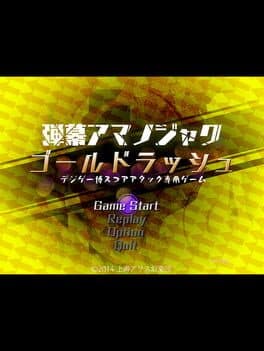
Danmaku Amanojaku Gold Rush
Team Shanghai Alice2014
Danmaku Amanojaku Gold Rush is a one-stage danmaku mini game and publicly-unreleased installment of the Touhou Project, featuring Seija Kijin as the sole playable character and Reimu Hakurei as the sole stage boss. The game was created for Digital Game Expo 2014's "Doujin Shooting Game Caravan" contest, where it was available to be played.
Danmaku Amanojaku: Impossible Spell Card
Team Shanghai Alice2014
ルール無用の弾幕地獄週間! 華麗に、ずる賢く、卑怯な手でしのぎきれ!
Touhou Kishinjou: Double Dealing Character
Team Shanghai Alice2013
飛び出そう、いつも通りの弾幕へ それが結果として世界をひっくり返す事になるだろう プリティでデュアリスチックなシューティング幻想!
Touhou Shinkirou: Hopeless Masquerade
Team Shanghai Alice2013
Hopeless Masquerade is a one-on-one aerial fighter with no ground combat. The game takes place somewhere between Ten Desires and Double Dealing Character. Characters fight one another by using standard attacks (melee and special attacks), skills, and spell cards. Each character features a unique fighting style. Spell cards, skill cards, and items are "declared" by inputting a particular button combination.
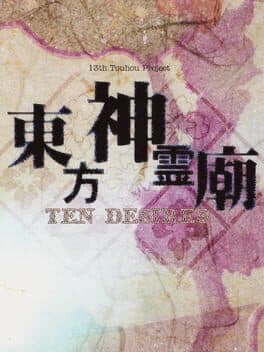
Touhou Shinreibyou: Ten Desires
Team Shanghai Alice2011
Touhou Shinreibyou ~ Ten Desires is the thirteenth official game of the Touhou Project. A trial version of the game was released on the web in April, and at Reitaisai 8 in May of 2011. The full game was released at Comiket 80 on August 13, 2011.

Yousei Daisensou: Touhou Sangetsusei
Team Shanghai Alice2010
飛び出そう、いつも通りの弾幕へ それが結果として世界をひっくり返す事になるだろう プリティでデュアリスチックなシューティング幻想!

Double Spoiler: Touhou Bunkachou
Team Shanghai Alice2010
Double Spoiler: Touhou Bunkachou is a danmaku vertical-scrolling photography game and the "12.5th" official installment of the Touhou Project. It was released between Touhou Hisoutensoku (12.3) and Fairy Wars (12.8). It is a follow-up to Shoot the Bullet, which is similar in both gameplay and concept.
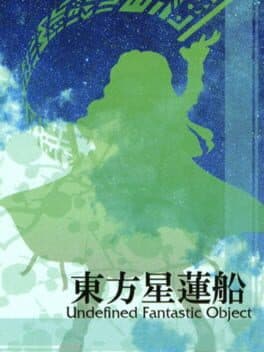
Touhou Seirensen: Undefined Fantastic Object
Team Shanghai Alice2009
The 12th game in the Touhou Project.

Touhou Chireiden: Subterranean Animism
Team Shanghai Alice2008
弾幕は 地獄であるほど 美しい 深ければ深いほど地底は地獄の姿を取り戻す ヘリッシュでラブリーな弾幕シューティング地獄
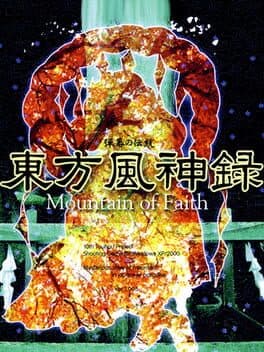
Touhou Fuujinroku: Mountain of Faith
Team Shanghai Alice2007
我が国には八百万の神々がいる 弾幕は八百万発程度では終わらない ノスタルジックでネイティブな弾幕シューティング原風景
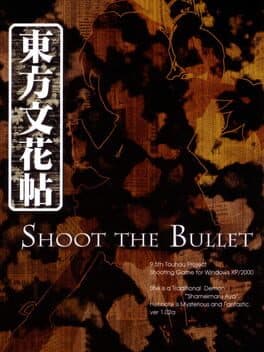
Touhou Bunkachou: Shoot the Bullet
Team Shanghai Alice2005
Shoot the Bullet works like a normal danmaku game, with one main difference. You still have to dodge bullets that are thrown at you, but you are unable to shoot at the boss to deal damage. Instead, you must use Aya's camera to take a certain amount of pictures of the boss. To assist the player, Aya's camera is capable of eliminating all of the bullets within the viewfinder when a shot is taken, even if the boss is not within the photo. The shot is considered successful when the boss is featured in the photo, and it will be given a score based on certain criteria including the amount and type of bullets in the photo. The bosses included in this game come from the games Embodiment of Scarlet Devil to Phantasmagoria of Flower View.
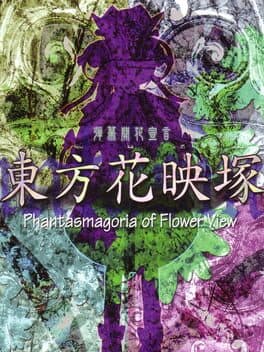
Touhou Kaeizuka: Phantasmagoria of Flower View
Team Shanghai Alice2005
桜、紫陽花、向日葵、彼岸花、 幻想の花は散ることなく咲き続ける。弾幕の花も然り。 弾幕の対戦型フラワリングシューティング!一人でも大変遊べます。
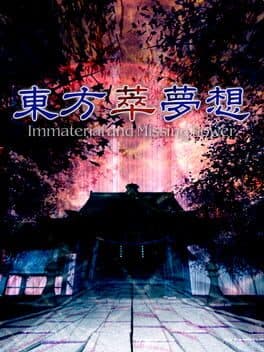
Touhou Suimusou: Immaterial and Missing Power
Twilight Frontier2004
Touhou Suimusou: Immaterial and Missing Power is the 7.5th installment of the Touhou Project by Team Shanghai Alice's sole member ZUN along with conjunction with Twilight Frontier. It is called "7.5" because the events chronologically take place between Perfect Cherry Blossom (TH07) and Imperishable Night (TH08). It was developed alongside Imperishable Night and released at the following Comiket 67.
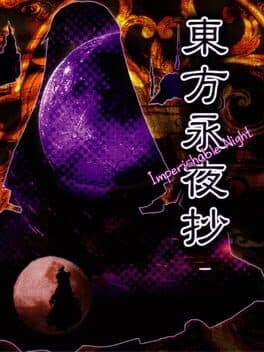
Touhou Eiyashou: Imperishable Night
Team Shanghai Alice2004
This game features eight playable characters, with four starting preset teams of two and unlockable individual character modes. When playing with the character pairs, one character fires when unfocused, while the other switches in and fires when focused, with a reduction in movement speed. The two shot types can be drastically different. The individual characters, with the exception of Remilia and Youmu, do not change shot types while focusing/unfocusing. Imperishable Night features Last Spells. For the enemy, a Last Spell is a bonus Spell Card which the player can challenge without the option to use bombs and without the risk of losing lives. On the player side, Last Spells are secondary "bomb" Spell Cards, which last longer and do much more damage than normal bombs at the expense of two bomb stocks. Player Last Spells can only be used immediately after being hit, with a grace period of less than 1 second. Additionally, there is a "Time Orb" system which affects the story/score, as well as a gauge which tracks how human/youkai (normal/focused) you are and determines how you can collect more time orbs.
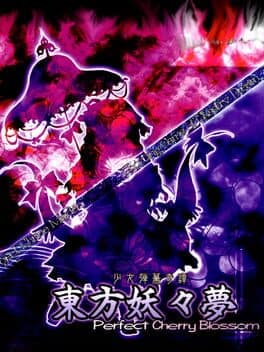
Touhou Youyoumu: Perfect Cherry Blossom
Team Shanghai Alice2003
Perfect Cherry Blossom features three playable characters to choose from, and each character has two different sets of skills. Reimu Hakurei is relatively balanced in all areas. Marisa Kirisame moves faster, and uses more powerful attacks with less range. Sakuya Izayoi moves slower, and uses weaker attacks that can hit just about everything on the screen. A major addition to Perfect Cherry Blossom is the "Cherry" scoring system. Shooting enemies increases your Cherry Points, bombing or dying decreases your Cherry Points, and reaching 50,000 Cherry Points gives you a temporary shield. Cherry Points eventually lead to a higher Cherry Gauge, which increases the points you receive from Point Items. Other important changes are the appearance of your character's hitbox while you are focused, the properties of your attacks depending on whether you are focused or unfocused, and a helpful cursor along the bottom margin during a boss battle that shows the location of the boss. This game is also unique in that it includes a "Phantasm Stage" that can be played only after clearing the Extra Stage. ZUN stated that the Extra Stage in this game was meant to be an "easy mode" version; perhaps Phantasm Stage was the original Extra Stage during development.

Touhou Koumakyou: The Embodiment of Scarlet Devil
Team Shanghai Alice2002
Embodiment of Scarlet Devil features two playable characters to choose from, with two Spell Card types each. Reimu Hakurei can cover a wide area of the screen with weaker attacks, while Marisa Kirisame relies on her speed and power to make up for her thinner attack spread. The bombs show different behavior and damage depending on the character and type chosen. Unlike its predecessor, Mystic Square, Embodiment of Scarlet Devil comes with an "automatic item collection" feature, which allows you to collect all items on the screen by moving to the top of the screen if you are at full power, as well as a counter-bomb system, which allows you to avoid a fatal hit by using a bomb immediately. Though there are six total stages in the main game, playing on Easy will end the game after Stage 5.
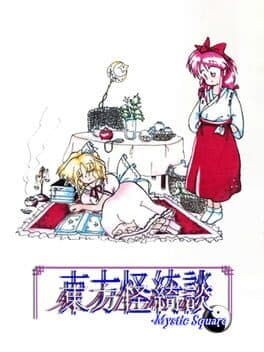
Touhou Kaikidan: Mystic Square
Team Shanghai Alice1998
Mystic Square allows the player to select from among four unique protagonists, each hailing from one of the 2 prior danmaku shooting games in the series. Series mainstays Reimu Hakurei and Marisa Kirisame are joined by former enemies Mima and Yuuka Kazami for a journey reaching to the depths of the Makai. Mystic Square also marks the first appearance of Alice Margatroid as an opponent, who later stages a comeback in Perfect Cherry Blossom. Although limited by the PC-98 hardware, Mystic Square is the most refined of the PC-98 Touhou titles, and features gameplay quite similar to Windows Touhou games. It employs a variant of Lotus Land Story's Dream Bonus system, rewarding the player for taking risks (i.e. collecting point items from the top of the field area). Its rank system, however, is more lenient than Lotus Land Story's.
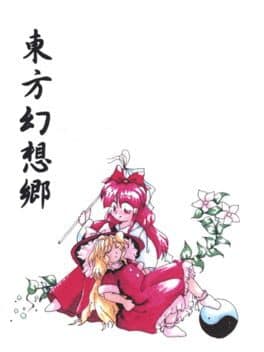
Touhou Gensoukyou: Lotus Land Story
Team Shanghai Alice1998
This game features two playable characters to choose from, with two different attack types each. Reimu Hakurei can pepper a wide area of the screen with weaker attacks, while Marisa Kirisame relies on her power to compensate for her narrower attack spread. The bombs also exhibit unique behavior and damage amounts depending upon the character chosen. Lotus Land Story is the first game in the Touhou Project to feature bombs that auto-collect items, graze counting, the ability to move more slowly by holding the shift key, and a non-trivial scoring system that involves the collection of special dream items that boost the player's ultimate scoring potential. The game's scoring system also marks the series' first instance of score bonuses for the elimination of bullets following the defeat of mid-bosses and bosses.
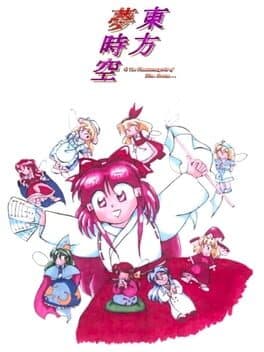
Touhou Yumejikuu: Phantasmagoria of Dim. Dream
Team Shanghai Alice1997
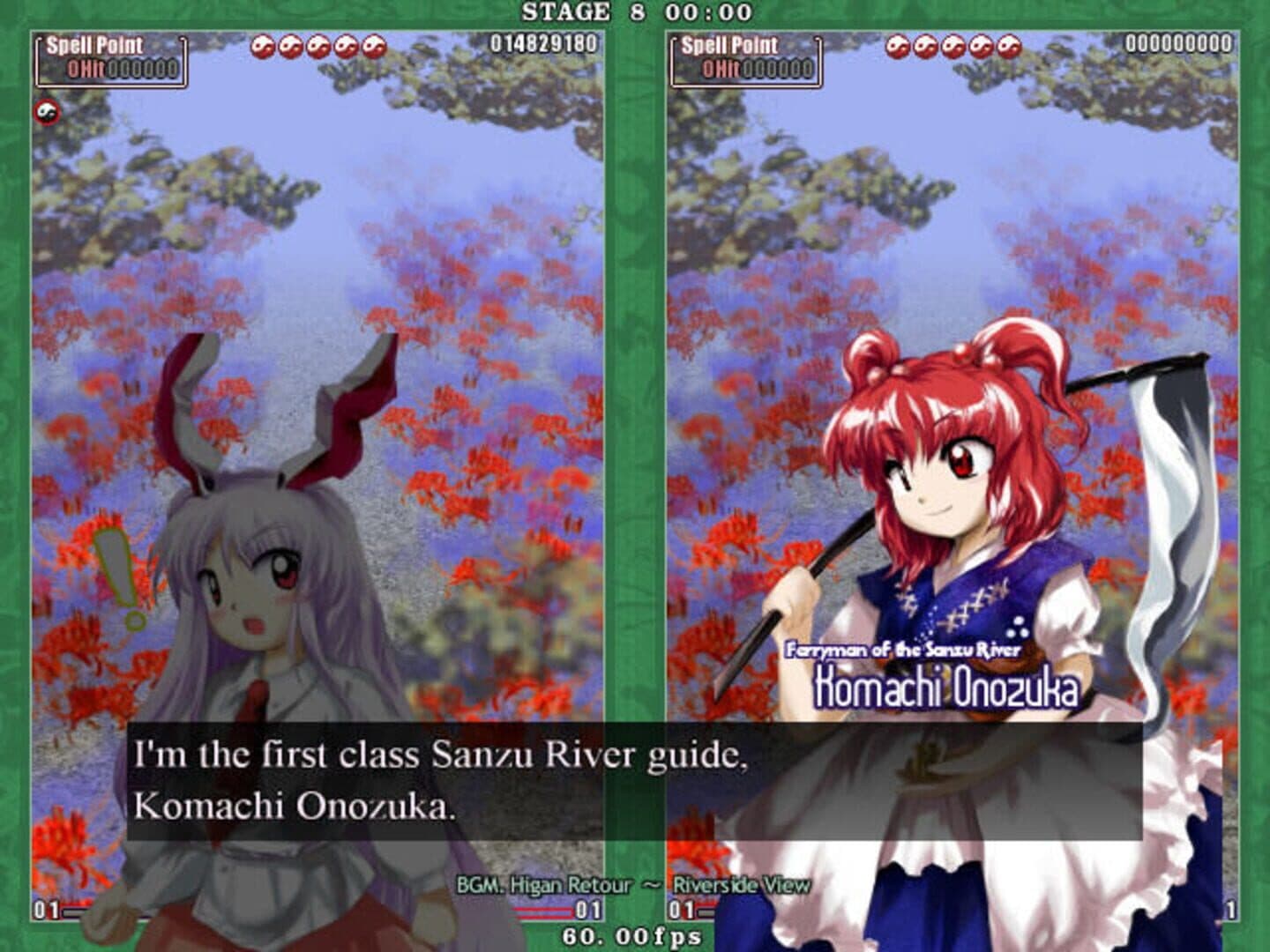
This game is a vertical danmaku shooting game, where two characters engage in danmaku gameplay within individual and separate play areas (aka. split-screen). Upon meeting certain conditions, players are able to unleash a variety of character-specific Spell Attacks upon their opponents in an attempt to whittle down their remaining health points. In Story Mode, the player will face nine opponents, each more capable than the previous. Phantasmagoria of Dim.Dream also features a Match Play Mode where the player may face off against AI opponents or compete against other players, as well as watch AI vs. AI matches.
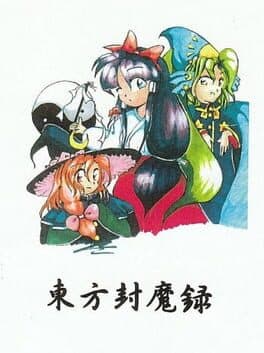
Touhou Fuumaroku: The Story of Eastern Wonderland
Team Shanghai Alice1997
The Story of Eastern Wonderland casts the player as the Shrine Maiden Reimu Hakurei and offers three distinct attack types to choose from: a wide-range type with weak attack power, a mid-range type with moderate attack power and auto-targeting capabilities, and a narrow-range type with high attack power but lowered movement speed. The bombs also exhibit unique behavior depending on the type chosen. As the first danmaku shooting game in the Touhou Project, the Story of Eastern Wonderland introduces many features that are now hallmarks of the series as a whole: relatively small hit boxes, boss characters who are not much larger than the player character however are highly mobile, a power-up system, variable-worth point items, an unlockable Extra Stage, and a semi-complex scoring system. The game also marks the first appearance of Marisa Kirisame, who would become a major character in the series, appearing as often as Reimu Hakurei herself.
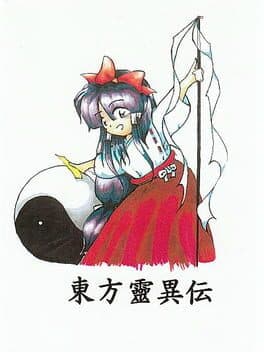
Touhou Rei'iden: The Highly Responsive to Prayers
Team Shanghai Alice1996
The game introduces the Shrine Maiden Reimu Hakurei, who frantically attempts to persuade a bouncing Yin-Yang Orb to hit various on-screen targets, "cards" and "bosses" alike. Reimu can knock and maneuver the Yin-Yang orb around by whacking it with her gohei, slide-tackling it, and firing shots at it. Enemies will be trying to hinder your progress by firing at you, but you can cancel out their shots with your own, or even deflect them by swinging your gohei. Only the Yin-Yang orb can damage the enemies, however, so simply firing your shots at enemies will have no effect. As a last resort, Reimu can use a "bomb", once per life, to hit all cards on the screen. There is no guarantee that any given card will be hit, and will often fail to damage a boss. The game consists of several stages of increasing difficulty, with a boss fight occurring every five stages. To complete a stage, the player should clear all cards or defeat the boss. Reimu will lose a life whenever she is hit by an enemy projectile or the yin-yang orb. There are two selectable paths in the game: the Hell path and the Makai path. Each route features unique stages, bosses, and endings.