-
Average rating
89
Games
0
Votes cast
Heartbeat
Shipped Titles
Games (89)
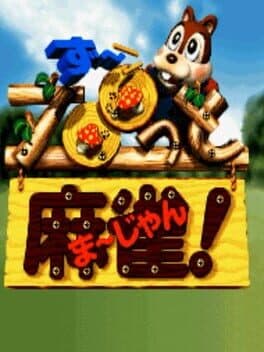
Zootto Mahjong!
Nintendo1998
Zoo-tto Mahjong! is a Nintendo developed and published Super Famicom video game. It was released on July 1, 1998. It is a simple game of Mahjong, of which there were many that were created by Nintendo. It was the last Mahjong game developed for the Super Famicom, and a preview version was also available through Satellaview. In the game you choose which animal you want to play as before the game starts.
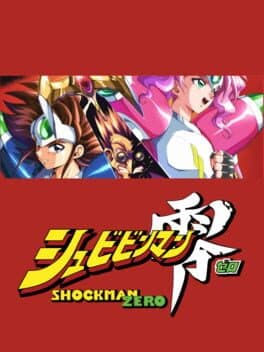
Schbibinman Zero: Shockman Zero
Masaya1997
A Super Famicom game in the Schbibinman/Shockman series, first released as a (view-limited) downloadable game via the Broadcast Satellaview satellite service in Japan and later re-released in cartridge format, many years after the Super Famicom lifespan, in 2017. In 2024, the game was announced for an European and American release, published by Retro-bit, with an all-new official English translation for the first time.
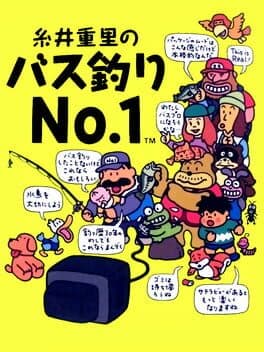
Itoi Shigesato no Bass Tsuri No. 1
HAL Laboratory1997
Itoi Shigesato no Bass Tsuri No. 1 is a fishing video game developed and released only in Japan for the Super Famicom on February 21, 1997 and updated for broadcast as eight different episodes on the Satellaview subsystem between April and November 1997.
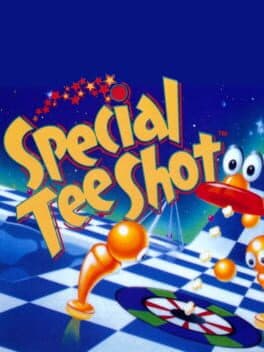
Special Tee Shot
HAL Laboratory1996
Scrapped Super Nintendo game that was reworked into Kirby's Dream Course. The game was later released for one week on the Satellaview.
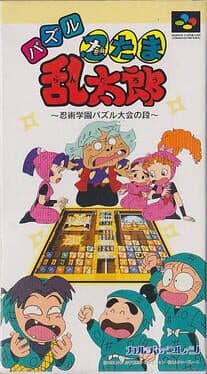
Puzzle Nintama Rantarou: Ninjutsu Gakuen Puzzle Taikai no Dan
1996
Block-stacking puzzle game developed by Culture Brain in 1996 that uses the license of the Nintama Rantarou anime.
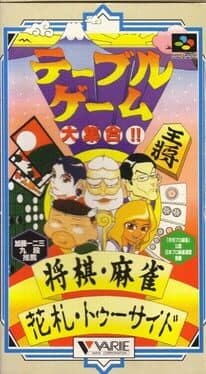
Table Game Daishuugou!! Shogi Mahjong Hanafuda
1996
Table Game Daishuugo!! Shogi Mahjong Hanafuda is a Miscellaneous game, published by Varie, which was released in Japan in 1996.
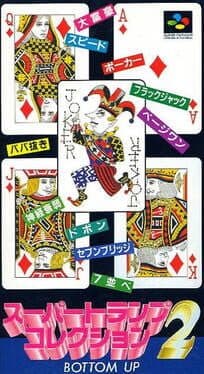
Super Trump Collection 2
1996
Super Trump Collection 2 is a Miscellaneous game, published by Bottom Up, which was released in Japan in 1996.
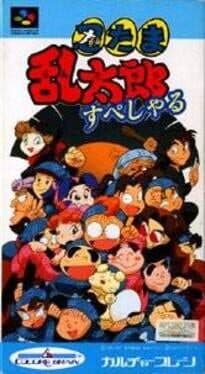
Nintama Rantarou Special
1996
Nintama Rantarou Special is an Action game, published by Culture Brain, which was released in Japan in 1996.
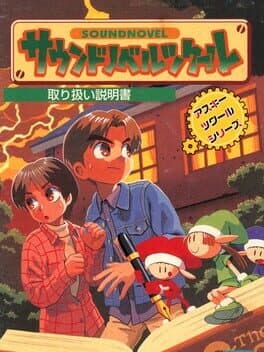
Sound Novel Tsukuuru
Success1996
Sound Novel Tsukuuru is a Miscellaneous game, developed by Success and published by ASCII Entertainment, which was released in Japan in 1996. It is a Satellaview-compatible Slotted Cartridge game belonging to ASCII's Tsukūru series. The title of these games are portmanteau-word puns mixing the Japanese word tsukuru (作る), which means "make" or "create", with tsūru (ツール), the Japanese transcription of the English word "tool". As the title suggests, this title is a sound novel creation tool.
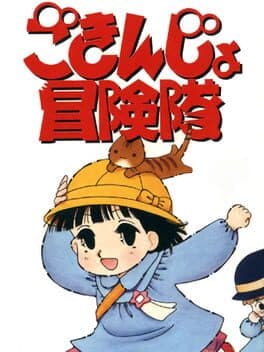
Gokinjo Boukentai
I.T.L1996
Gokinjo Boukentai is a role-playing game for the Super Famicom, released on May 24, 1996, by Pioneer LDC in Japan.
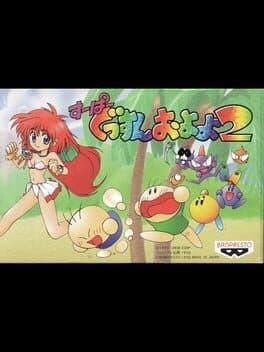
Super Gussun Oyoyo 2
Kan's1996
Released in Japan in 1996.
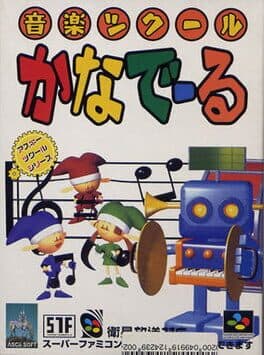
Ongaku Tsukuuru: Kanadeeru
Success1996
Ongaku Tsukuuru: Kanadeeru is a Miscellaneous game, developed by Success and published by ASCII Entertainment, which was released in Japan in 1996. It is a Satellaview-compatible Slotted Cartridge game belonging to ASCII's Tsukūru series. The title of these games are portmanteau-word puns mixing the Japanese word tsukuru (作る), which means "make" or "create", with tsūru (ツール), the Japanese transcription of the English word "tool". As the title suggests, this title is a music creation tool.
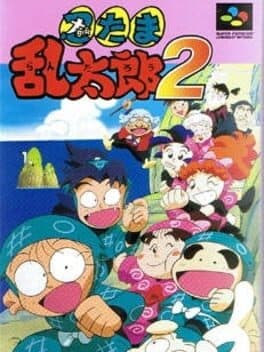
Nintama Rantarou 2
Culture Brain1996
Nintama Rantarou 2 is an Action game, published by Culture Brain, which was released in Japan in 1996. It also had a view-limited Downloadable game release for the Satellaview that was broadcast in at least 2 runs between March 29, 1998 and November 28, 1998.
Samurai Kirby
HAL Laboratory1996
Samurai Kirby is a sub-game of Kirby Super Star. This sub-game was also ported and released as a trial version for the Satellaview as part of the Kirby no Omochabako (Kirby's Toy Box) series of standalone minigames. No footage or file of this version has since been found.
Megaton Punch
HAL Laboratory1996
Megaton Punch is a sub-game of Kirby Super Star. This sub-game was also ported and released as a trial version for the Satellaview as part of the Kirby no Omochabako (Kirby's Toy Box) series of standalone minigames. No footage or file of this version has since been found.
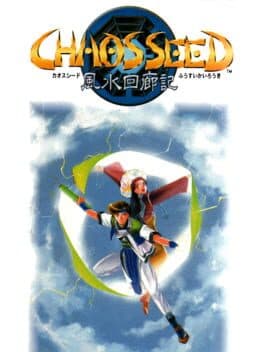
Chaos Seed: Feng Shui Kairouki
Neverland1996
Delve into the depths of vast underground labyrinths, seeking aid from the spirit world in bringing life back to a dying planet! Chaos Seed is a role-playing game with elements of action and strategy blended in. Players will have to make smart use of their resources and use feng shui to their advantage to proceed.
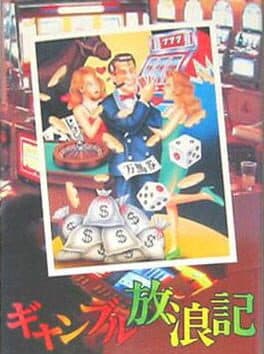
Gamble Hourouki
1996
A board game that incorporates various gambling mini-games, like slots and cho-han.
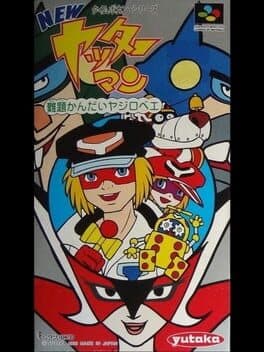
New Yatterman: Nandai Kandai Yajirobee
Tom Create1996
New Yatterman: Nandai Kandai Yajirobee is an Action game, developed by Tom Create and published by Yutaka, which was released in Japan in 1996.

Hyper V-Ball
1996
A volleyball simulation seen from a side-view perspective, meaning it is only possible to move players to the left or right. The player can choose between three different leagues: Men's League, Woman's League and Hyper League, which is a league for robots. Two buttons are used to control the ball, one for normal actions and one for "Hyper Plays", special attacks that can only be learned and used in the Hyper League. How a player will block or attack depends on the ball's speed and the players position. Team members who aren't under the player's direct control will also act on their own by positioning themselves or preparing spikes. They will, however, not block spikes on their own but it is possible to let players not under direct control block spikes by pressing one of the action buttons at the right moment.
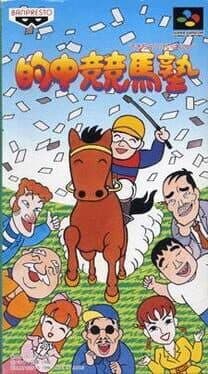
Tekichuu Keiba Juku
1996
Tekichuu Keiba Juku is a Sports game, published by Banpresto, which was released in Japan in 1996.
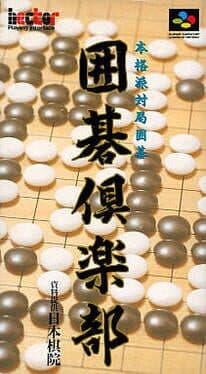
Igo Club
1996
Igo Club is a Miscellaneous game, published by Hect, which was released in Japan in 1996.
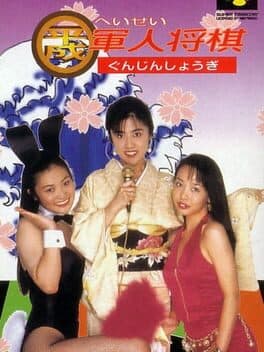
Heisei Gunjin Shogi
1996
Heisei Gunjin Shogi is a Miscellaneous game.
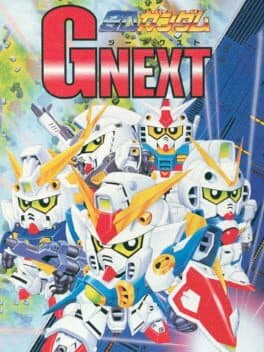
SD Gundam G Next
Japan Art Media1995
SD Gundam G Next is a Strategy game, developed by Japan Art Media (JAM) and published by Bandai, which was released in Japan in 1995. It is a Satellaview-compatible Slotted Cartridge game. The game was playable on its own without any data packs, it was playable in conjunction with 8M Pack data downloaded via the BS-X cartridge, and it could also be used together with the separately released Write-protected memory pack, Unit & Map Collections (SHVC-039).
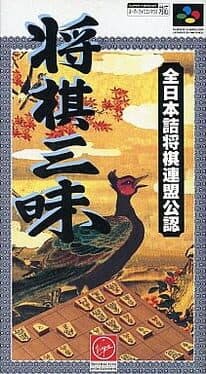
Shogi Zanmai
1995
Shogi Zanmai is a Miscellaneous game, published by Virgin Interactive, which was released in Japan in 1995.
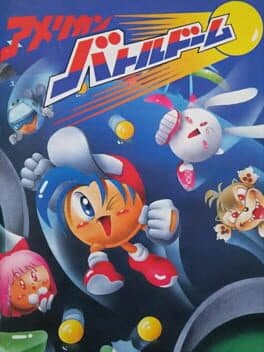
American Battle Dome
Betop1995
American Battle Dome is a Japan-exclusive Pinball-based video game that was released for the Super Famicom in 1995.
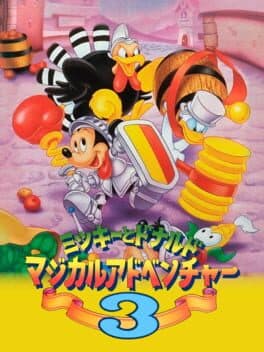
Mickey to Donald Magical Adventure 3
Capcom1995
Donald’s mischievous nephews Huey, Dewey, and Louie have found a mysteriously old and dusty storybook while hiding in Donald’s attic. When reading the storybook, the three ducks are magically transported into Storybook Land by Evil Baron Pete. Evil Baron Pete rules over the Storybook Land and is plotting to take over the Outside World. With the Fairy of Storybook Land’s help, it’s up to Mickey and Donald to rescue Huey, Dewey, and Louie. Features: - Play as Mickey or Donald in this awesome action adventure - Go on an adventure with your favorite Disney friends--Minnie, Daisy, Pluto, and friends - New magical costumes with special abilities to master: Knight, Wood-Cutter, and the Magician - Mini-games for players of all ages to enjoy
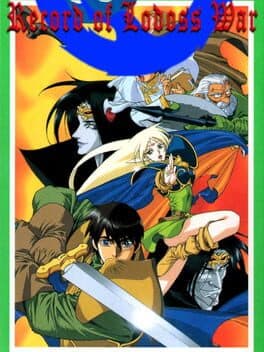
Record of Lodoss War
Thinking Rabbit1995
This game is a prequel to the popular anime series, which draw heavily from the look and feel of Dungeons & Dragons. Choose from one of four adventures to play through in this strategy RPG!
Kyouraku: Sanyo - Toyomaru Parlor! Parlor! IV CR
1995
Pachinko game developed by Nippon Telenet in 1995.
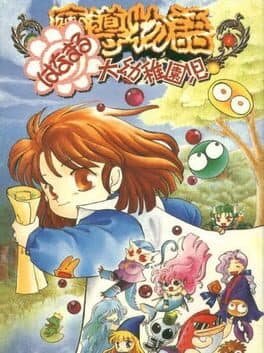
Madou Monogatari: Hanamaru Daiyouchienji
Compile1995
Madou Monogatari: Hanamaru Dai Youchienji is a role-playing video game for the Super Famicom released in Japan on January 12, 1996. The objective of the game is to collect eight gemstones hidden around the world.
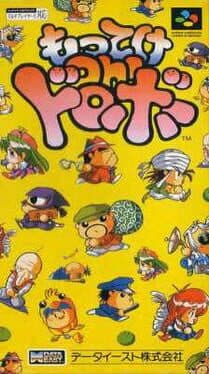
Motteke Oh! Dorobou
1995
Motteke Oh! Dorobou is a Miscellaneous game, published by Data East, which was released in Japan in 1995.
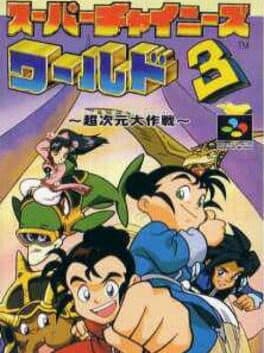
Super Chinese World 3: Chou Jigen Daisakusen
Culture Brain1995
Super Chinese World 3 is a Japanese-only action RPG developed by Culture Brain. It is the third SNES Super Chinese game, being a sequel to Super Chinese World 2. It keeps the Beat'em-up battle system from the previous games, but gives the opportunity to play with other characters than Jack and Ryu, each having a different way of fighting.

Battle Submarine
Office Koukan1995
Battle Submarine is a Strategy game, developed by Office Koukan and published by Pack-In-Video, which was released in Japan in 1995.
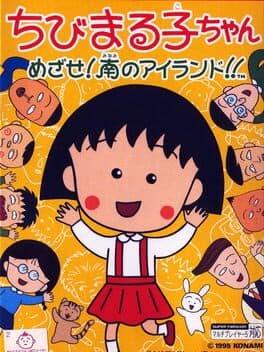
Chibi Maruko-chan: Mezase! Minami no Island!!
Konami1995
Chibi Maruko-Chan: Mezase! Minami no Island!! is an Action game, developed and published by Konami, which was released in Japan in 1995.
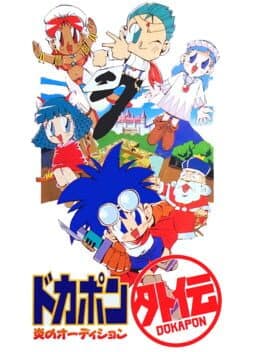
Dokapon Gaiden: Honoo no Audition
Earthly Soft1995
Dokapon Gaiden is a Role-Playing game, developed by Earthly Soft and published by Asmik Ace Entertainment, Inc, which was released in Japan in 1995. It was released for the Super Famicom via digital distribution and the Satellaview add-on, via a view-limited digital distribution.
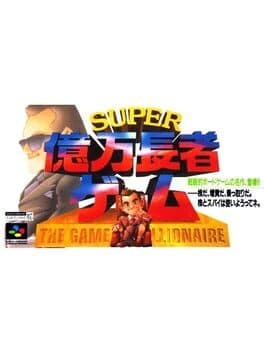
Super Okuman Chouja Game
1995
Super Okuman Chouja Game ("Super Billionaire Game") is a multiplayer virtual board game that concerns commerce and property development, not unlike Monopoly. On three separate maps - one based on the countries of the world, one based on a futuristic Tokyo and one on a historical Edo - the player moves across the board and buys and develops the various properties they land on. The goal is to make the most money and/or bankrupt the opponents. The game is the third in the Okuman Chouja series, though the only one to be released on the Super Famicom.

Leading Jockey 2
1995
Leading Jockey 2 is a Sports game, published by Carrozzeria, which was released in Japan in 1995.
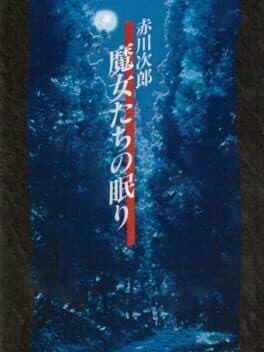
Akagawa Jirou: Majo-tachi no Nemuri
Minato Giken1995
Akagawa Jirou: Majo-tachi no Nemuri ("Jirou Akagawa's The Sleep of Witches") is a visual novel adventure game with a supernatural murder mystery theme. As with Chunsoft's Sound Novel series, it features a series of static photographs with Japanese text overlaid on top. The narrative is supported by background ambient music and sound effects. The story was written by Japanese thriller author Jirou Akagawa, based on his novels Majo-tachi no Tasogare and Majo-tachi no Nagai Nemuri. It concerns an office worker who is prompted to look into the apparent suicide of a girl from his childhood after receiving a weird phone call asking for help and a vivid dream about her. He returns to the mysterious mountain shrine where she was reported to have burned to death. The game was originally released for the Super Famicom in 1995 and later saw enhanced ports for the Sony PlayStation in 1999 (with the subtitle Fukkatsusai, or "Easter") and Windows PCs in 2001 (with the subtitle Kanzenban, or "Perfect Edition").
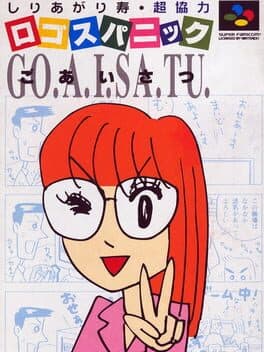
Logos Panic: Goaisatu
Kan's1995
Logos Panic GO.A.I.SA.TU. is a Japan-exclusive puzzle video game released for the Super Famicom. It was developed by Kan's and published by Yutaka in 1995. The characters were designed by Kotobuki Shiriagari. The game starts with an animated/cinematic intro sequence. A Japanese man and woman portrayed in the distinct business man/woman ("Kaisha-in 事務員") satire comedy Kotobuki Shiriagari "Heta-Uma へたうま" style, turn up at work but they can't understand the greetings their co-workers are saying. Suddenly a silver-haired devil turns up mumbling something. The man and woman say: "He just said しつれいします, didn't he?", prompting the start screen to launch. Logos Panic pits players to scramble Japanese Kanji in a sort of Tetris puzzle style scenario; kanji must be correctly put together in time, simultaneously as new kanji pop out at the bottom of the screen. The game ends when the player can't assemble appropriate sentences in time. At the beginning there are only eight selectable characters but as the game progresses, another three will eventually appear. It uses a password system to allow players to pick up and play at their leisure. Logos Panic is about garbled versions of greeting words. Goaisatu "ごあいさつ" or greetings are the words used in the game being 'garbled' and pretty random, not just greetings. They are puzzled over the greetings "aisatsu します". The two players have to create words that appear in red, yellow and blue at the sides of the screen, aspects to consider are players and the blue line to pay attention to, in order to correctly put the katakanas in their correct grammatical place.
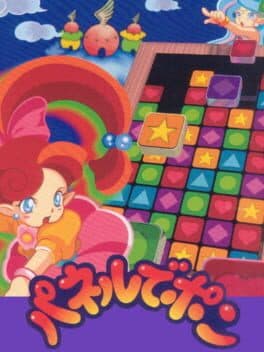
Panel de Pon
Intelligent Systems1995
A tile matching puzzle game for the Super Famicom, the first in the Puzzle League series. It was later modified to feature Yoshi and Mario related characters to be released in the western regions, under the name of "Tetris Attack". It was also a downloadable game for the Satellaview that was broadcast in at least 4 runs between November 19, 1995 and January 31, 1998. Although the game was Japan exclusive, it did eventually see releases in the rest of the world in 2020 as part of the Nintendo Switch Online lineup.
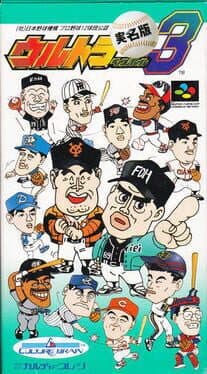
Ultra Baseball Jitsumei-ban 3
Culture Brain1995
Ultra Baseball Jitsumei-ban 3 is a Sports game, developed and published by Culture Brain, which was released in Japan in 1995.
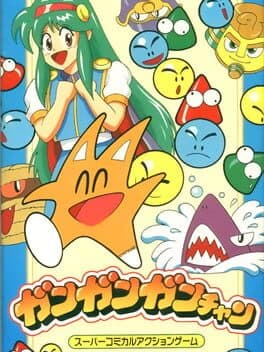
Gan-gan Gan-chan
Team Mental Care1995
GanGan GanChan is an Action game, developed by Team Mental Care and published by Magifact, which was released in Japan in 1995.
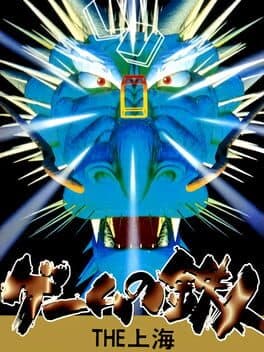
Game no Tetsujin: The Shanghai
SUNSOFT1995
Game no Tetsujin: The Shanghai is a Puzzle game, published by SunSoft, which was released in Japan in 1995.
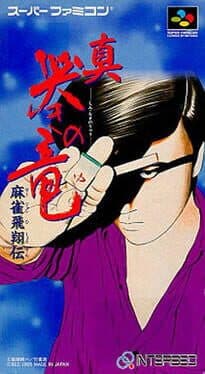
Mahjong Hishou-den: Shin Naki no Ryuu
1995
Mahjong Hishouden: Shin Naki no Ryuu is a Miscellaneous game, published by Bec, which was released in Japan in 1995.
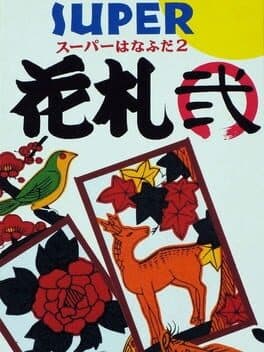
Super Hanafuda 2
Use1995
Super Hanafuda 2 is a Miscellaneous game, developed by Use and published by I'Max, which was released in Japan in 1995.
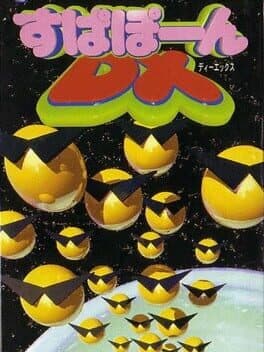
Supapoon DX
NOW Production1995
Supapoon DX is a Puzzle game, developed by Now Production and published by Yutaka, which was released in Japan in 1996.
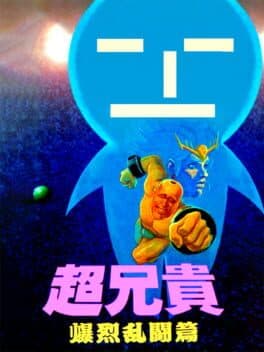
Chou Aniki: Bakuretsu Rantou-hen
Bits Laboratory1995
Botei has returned for the 11th Galaxy Bodybuilding Competition after his defeat to Idaten, Samson and Adon, and is aiming for victory to become the greatest bodybuilder in the Galaxy. Idaten must train his body and mind, to get chiseled, oiled and muscular to prove he is the true king of protein and the Galaxy's greatest body.
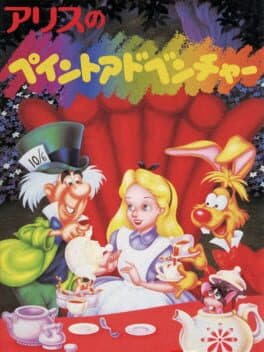
Alice no Paint Adventure
SAS Sakata1995
There is a story mode, a painting mode, and midway-style games. Story mode comes in interactive mode (with passwords) or as a short movie that can be watched in less than an hour. Although the game is directed towards children, literacy in both Japanese and English is required in order to properly enjoy the story mode and to fully understand the rules. The three arcade games present in the game include painting the roses red, whacking characters from the story, matching creatures like in the card game Concentration. The painting mode can be likened to an extremely simplified version of Mario Paint. There is only one eraser tool and paintings cannot be saved into memory or printed on a printer. Only 16 colors can be used on canvases that feature the film's characters; the full 256-color spectrum is reserved for the blank canvas. While the blank canvas allows for total creativity for older children, the "character canvases" are good for teaching hand-to-eye coordination with very young children. During the interactive adventure, the Queen of Hearts divides a magic globe into three different colored miniature globes. As a result, all the color in Wonderland turns into monochrome and Alice must find the globes in order to restore color to Wonderland. Additional content was unlocked by scanning barcodes with Barcode Battler II connected via a "Barcode Battler II Interface".
Bounty Sword
ITL1995
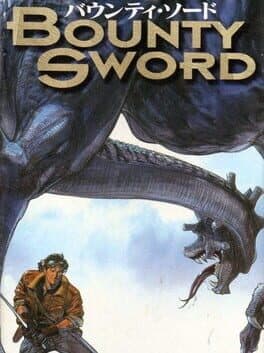
A Japan-only strategy RPG for the Super Famicom that mixes real-time and turn-based combat, with the player moving around the battlefield giving their units commands. Bounty Sword is a strategy game for the Super Famicom and adopts an unusual mix of real-time and turn-based for its units. The player can interrupt the action at any time to command their units to use special moves, otherwise units will march towards enemies and attempt to cut them down with regular attacks. Players can also customize their group on the camp screen between fights, organizing their equipment and setting their AI to heal themselves once they hit a health percentage threshold. Imaginative Technology Land developed Bounty Sword and the game was published in Japan by Pioneer LDC on September 8, 1995. The game was later followed by two other titles on the Sony PlayStation, a remake in 1997 called Bounty Sword First and a sequel in 1998 called Bounty Sword: Double Edge.
Super Genjin 2
AI1995
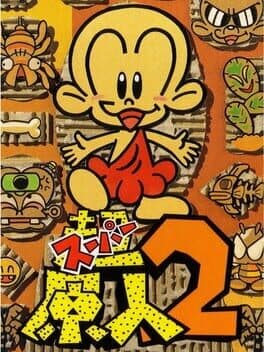
In this sidescrolling action-platformer, Bonk is once again trying to save his world from the evil clutches of the reptilian king, who once more is threatening the prehistoric era. Boy, you'd think that after being defeated four times prior that he would take a hint. This time, you also get to face his five best soldiers, who will try to stop you in your tracks. Bonk controls rather smoothly, and he is really fun to control. To those of you that are not familiar with the series, Bonk is a caveman who attacks his enemies with his noggin; after jumping down, from below, while swimming, and while in the air. He can even bounce off walls with his head, skip on the water like a stone if his head is facing down, climb certain walls with his teeth, scale up waterfalls, flip in the air (so long as the attack button is repeatedly being tapped), and so forth. As is the case with the series, you start with a regular amount of health, but if you find a translucent heart icon, you'll increase your capacity. What's neat is how collecting the food not only scores you some points but how it also replenishes a little bit of your health, too. This time Bonk can also run if you hold down the A button, and the X button is used if you have a special ability on you. If you find a power-up, whether it be piece of meat, or a different icon, then you will be given a power-up ability that will be taken out the moment you're hit once (damn). Among the power-ups are the one where the fire will be spreading if Bonk hits his head on the ground (you know, the one where he looks freaky), one where Bonk turns into a bird and gains the ability to fly, one where Bonk becomes tiny and can make platforms made out of Japanese characters, and there is one where Bonk has the ability to double-jump as a girl.
Kyouraku: Sanyo - Toyomaru Parlor! Parlor! 2
1995
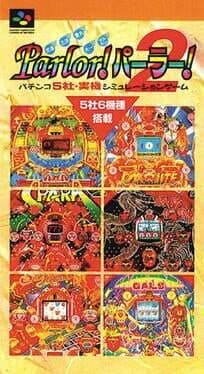
Kyouraku: Sanyo - Toyomaru Parlor! Parlor! 2 is a Miscellaneous game, published by Nippon Telenet, which was released in Japan in 1995.
Coron Land
Aroma1995
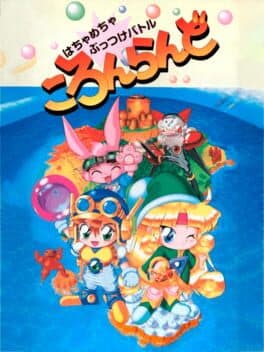
Coron Land is an Action game, developed by Aroma and published by Yumedia, which was released exclusively in Japan in 1995. Hyou and Kiyu have to overcome six different stages to bring back the Snow Goddess statue (stolen by the evil villain) to Snowia in order to end the eternal winter.
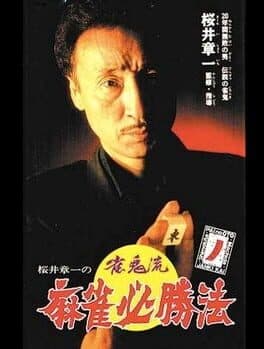
Sakurai Shouichi no Jankiryuu Mahjong Hisshouhou
J-Force1995
Sakurai Shouichi no Jankiryuu Mahjong Hisshouhou is a Miscellaneous game, developed by J-Force and published by Sammy Studios, which was released in Japan in 1995.
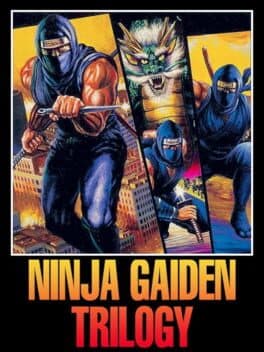
Ninja Gaiden Trilogy
1995
Here it is! The complete NINJA GAIDEN TRILOGY you asked for. Enjoy the 3 classic Nintendo Ninja Gaiden games on one Super NES Game Pak. Follow Ryu's adventures as he fights the ancient forces of darkness with his Ninjutsu powers. Use strategy, cunning and deception to acquire the special ninja weapons needed to be successful in this epic quest. The Ninja Gaiden series tells it's story through Tecmo's unique cinema screen animation. This one is not to be missed!
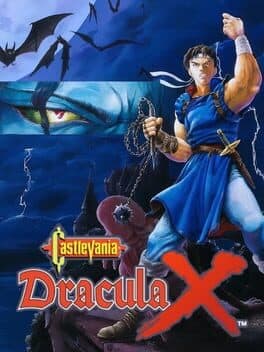
Castlevania: Dracula X
Konami1995
The Legend Returns... Rising up from his eternal sleep, Count Dracula is back again to battle the descendants of the great vampire-stalking Belmont family of the Castlevania series. He has summoned his dark minions-Cerberus, Minaurus, and the Salamander-to bring a reign of terror on the land. Grab your whip and try to defeat these dark forces in this new conversion of the hit Japanese game: DRACULA X. The 7+ stages unfold with myriad possibilities depending on the choices you make during the game. This multi-ending, multi-story feature takes you through many levels of adventure. You must strategically use magical tomes, mystical power-ups and titanic weapons to defeat the horrifying bosses and discover secret bonus levels.
The Shinri Game 3
Ukiyotei1995
The Shinri Game 3 is a Miscellaneous game, developed by Ukiyotei and published by Visit, which was released in Japan in 1995.
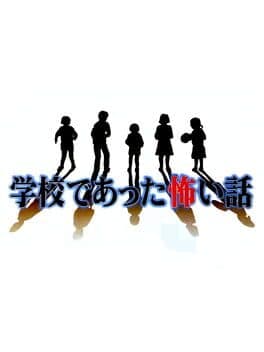
Gakkou de Atta Kowai Hanashi
Pandora Box1995
Gakkou de Atta Kowai Hanashi is an Adventure game, developed by Pandora Box and published by Banpresto, which was released in Japan in 1995.
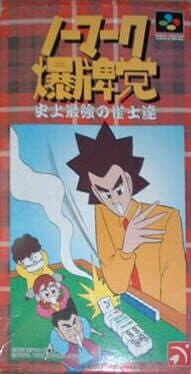
Nomark Baku Haitou: Shijou Saikyou no Jakushi Tatsu
1995
Super Famicom mahjong game based on a manga about an underground mahjong club.
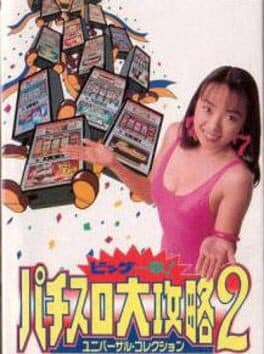
Big Ichigeki! Pachi-Slot Daikouryaku 2: Universal Collection
Syscom Entertainment1995
Big Ichigeki! Pachi-Slot Daikouryaku 2 is a Miscellaneous game, developed by Syscom and published by ASK, which was released in Japan in 1995.
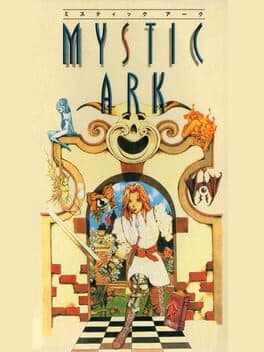
Mystic Ark
Produce!1995
Seven heroes from seven different Worlds. Seven heroes who were brought to a mysterious temple on a remote island and transformed into statues. Seven heroes who are chosen to bring harmony back to the universe: Miriene the witch (wizard), Lux the tetsujin (a race of iron people), Reeshina the grappler (monk), Tokio the ninja, Kamio the ogre, and Mesia the priestess. The seventh hero is you, the protagonist of the game - the knight Remeer or the female warrior Ferris. Your first task will be to release your companions from the statues they are locked in. You must travel to the Cat World and to retrieve an important artifact. But your main objective is to visit all the seven Worlds and to find seven mystic arks - the items that will re-unite those Worlds and bring peace to them. "Mystic Ark" is a RPG closely connected to 7th Saga. You travel on overworld map, visit towns, buy equipment, and descend into dungeons. The combat is turn-based and viewed from a third-person "over-the-shoulder" perspective. The battles are not random: the enemies can be seen as white dots on your radar, and if you don't want to fight, you can sometimes outrun or avoid them. The game also contains elements of pure adventure: often you must investigate objects closely and use items from your inventory on them.
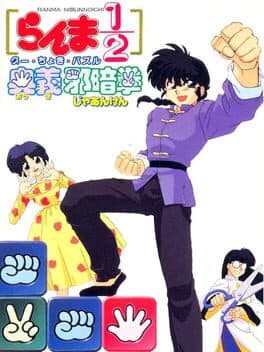
Ranma 1/2: Ougi Jaanken
Atelier Double1995
The game involves falling blocks of hands displaying the rock, paper, and scissors signs, which fall three at a time. In a similar manner to Tetris, the player can rotate the blocks to stack them, using pieces that defeat other pieces (e.g. paper over rock) to eliminate stacks. Doing so adds garbage pieces onto the opponent's screen to make it more difficult for them to eliminate their stacks of blocks. The objective is to fill up the opponent's screen up with blocks so that additional ones can no longer fit. Each character has two special attacks which can be used when large combinations are completed. Once in each round each player can also use a bucket of water that can transform a cursed character into their alternate form, which weakens their attacks until the effect wears off. This does not affect Akane or the Gambling King.
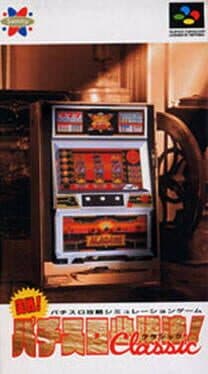
Jissen Pachi-Slot Hisshouhou! Classic
1995
Jissen Pachi-Slot Hisshouhou Classic is a Miscellaneous game, published by Sammy Studios, which was released in Japan in 1995.
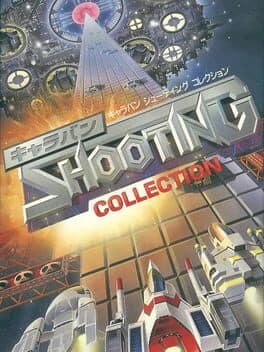
Caravan Shooting Collection
Hudson Soft1995
Caravan Shooting Collection is a 1995 Super Famicom compilation of classic shoot 'em up games from 1985 to 1987 that were originally released on the Nintendo Entertainment System. The games include the 1985 Famicom port of Star Force (the Arcade version was originally created by Tecmo, but the home port was developed by Hudson), 1986's Star Soldier and 1987's Hector (a.k.a. Starship Hector). All three of these games were the subjects of the Hudson All-Japan Caravan Festival, which for a long time hosted a new Hudson shoot 'em up every year and traveled around Japan with competitors in different prefectures attempting to earn the highest scores. The game would then be available for sale shortly before or after the competition, which helped raise its profile.
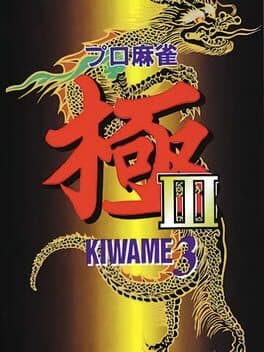
Pro Mahjong Kiwame III
1995
Pro Mahjong Kiwame III is a Miscellaneous game, published by Athena, which was released in Japan in 1995. The game was later released as a downloadable game for the Satellaview.
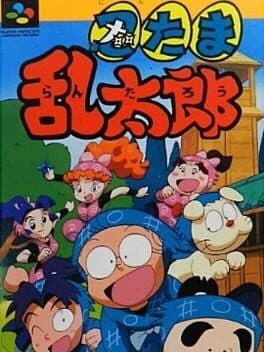
Nintama Rantarou
1995
The first game based on the Nintama Rantarou anime developed by Culture Brain in 1995. Followed by numerous sequels on multiple systems. Nintama Rantarou ("Ninja Boy Rantarou") is a platformer for the Super Famicom and the first of five games on the system to be based on the 1993 anime Nintama Rantarou, which was adapted from the manga Rakudai Ninja Rantarou, and features the lighthearted adventures of a bespectacled boy and his two best friends as they try to graduate ninja school. As Rantarou, Shinbei or Kirimaru, the player progresses through a series of stages using their ninja powers to keep out of trouble. The first part of the game ties into the school setting with classes that teach the player vital mechanics in the game, such as climbing walls and crouching under projectiles.
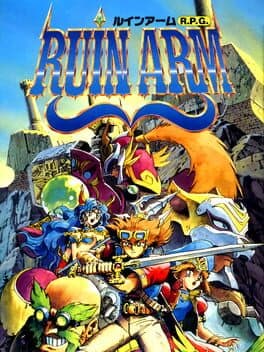
Ruin Arm
Tose1995
Ruin Arm is a 1995 Japan-exclusive Action role-playing video game for the Super Famicom.
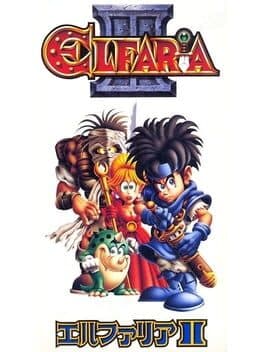
Elfaria II
Red Entertainment1995
Elfaria II is a Role-Playing game, developed by RED Entertainment and published by Hudson, which was released in Japan in 1995.
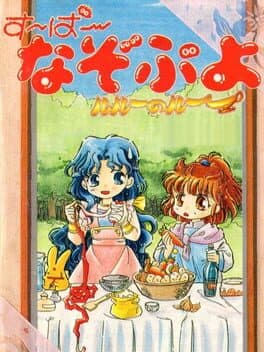
Super Nazo Puyo: Rulue no Roux
Compile1995
Super Nazo Puyo: Rulue no Roux is the sequel to Nazo Puyo: Arle no Roux. It was succeeded by Super Nazo Puyo Tsu: Rulue no Tetsuwan Hanjouki. A Nuisance Puyo variation known as Iron Puyo was introduced in this game. Super Nazo Puyo: Rulue no Roux uses the basic rules of Puyo Puyo. The game controls like a normal Puyo Puyo game with all five colors available and the ability to roate clockwise and counter clockwise, except the ability to double rotate and climb is not possible. Each puzzle gives the player different objectives to clear. The objectives range from clearing all of a specific color of Puyo, clearing all Nuisance Puyo, creating a specific chain length, clearing a certain amount of Puyo simultaneously, or simply clear the whole board. Every time the player fails to complete a puzzle, the player's health will deplete, as indicated by Arle or Rulue's expression gradually getting more distressed. If the player's health depletes completely, they'll receive a Game Over and can either choose to continue from the last save or quit back to the title. The player can recover completely if the gauges on the right side of the screen fills completely and rank up, with each cleared puzzle filling it gradually. On the pause menu, the player has the option to skip a puzzle at the cost of health. There are five game modes: Arle's Roux, Rulue's Roux, Road to Chains, Endless Puyo, and Editor. In the first three modes, the player must solve the presented tasks with a set of available Puyo. Arle's Roux focuses on a scenario with Arle, acting as the normal course with her puzzles only involving standard Puyo. Rulue's Roux is the mode that focuses on Rulue and acts as the expert mode, with her puzzles including Iron Puyo and Blocks. In both modes, the objective is to clear puzzle sets from varies characters within an area, with one character acting as a boss that cannot be challenged until the others are beaten. Once the boss of a given area is beaten, the player will progress to the next area. Road to Chains acts as a challenge mode where the player is given a series of puzzles to solve at a gradually increasing difficulty, with the player being unable to restore health. The Endless Puyo mode is a regular endless mode except that 6 next Puyo are shown instead of 1 next Puyo, and that nuisance Puyo will fall in the higher levels of difficulty. The Editor mode allows you to place Puyo freely in a manner similar to Practice Notebook in Puyo Puyo 7. You can also set a list of next Puyo and the task to be solved.
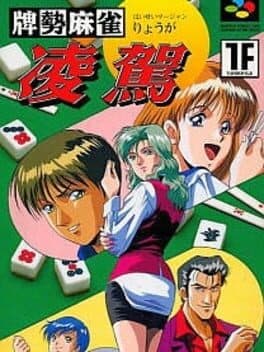
Paizei Mahjong Ryouga
1995
A mahjong game for the Super Famicom.
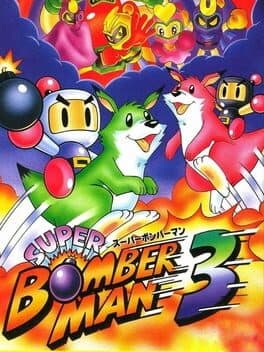
Super Bomberman 3
Hudson Soft1995
Super Bomberman 3 is a game released for the Super Nintendo Entertainment System in 1995. It is the third game in the Bomberman series for the system. The game was released in Japan and the PAL region, but not in North America.
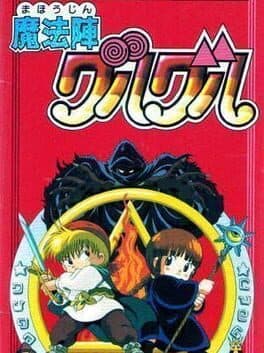
Mahoujin Guru-guru
Tamtam1995
Mahoujin Guru Guru is a Role-Playing game, developed by TamTam and published by Enix Corporation, which was released in Japan in 1995.
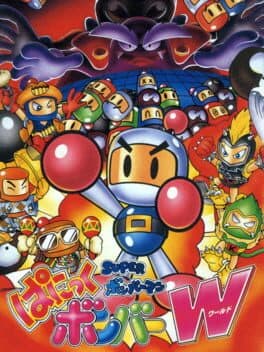
Super Bomberman: Panic Bomber W
Raizing1995
Super Bomberman: Panic Bomber W is one of the offsprings of the Panic Bomber Series. A tile matching puzzle game that plays like a mix between Bomberman and Puyo Puyo. Tiles fall from the top of the screen, when three are matched bombs are dropped. Occasionally one of the dropped bombs will be lit, which will explode and cause a chain reaction with any bombs already present. Game over happens when the screen is filled with blocks or bombs. It was released for the Super Famicom and was only released in Japan. It features a single player mode and a multiplayer one that supports up to four players. This game also implements a Dokuro mode which involves status effects. These can do everything from reduce blast radius to igniting bombs on screen.

Undake30 SameGame Daisakusen Mario Version
Hudson Soft1995
Undake30 SameGame Daisakusen Mario Version is a Mario puzzle game released only in Japan for the Super Famicom. It was released as both a promotional cartridge and as a broadcast on the Satellaview. The game can be played with a standard joypad or the Super Famicom Mouse and is similar to the card game Monte Carlo. The game centers around a large playing field composed of a random arrangement of Mario heads, Coins, Yoshi Eggs, Fire Flowers, and Super Mushrooms. If two or more icons are connected, the player can move the cursor and double-click to make all the connected icons disappear. Once the entire grid is clear, the game ends.
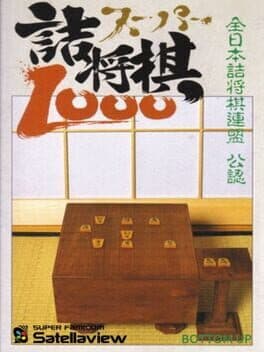
Super Tsume Shogi 1000
1994
Super Tsume Shogi 1000 is a Miscellaneous game, published by Bottom Up, which was released in Japan in 1994. It was also a a view-limited downloadable game for the Satellaview that was broadcast in at least 3 runs between November 30, 1997 and Nov. 28, 1998.
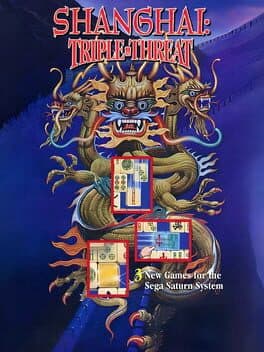
Shanghai: Triple-Threat
Kuusou Kagaku1994
Another version of the ancient game of Mah-Jong. The player is presented with an arrangement of tiles, lined up together and stacked, with either 2 or 4 of each of an array of patterns. These must be removed by matching pairs, but only tiles which are visible and have a space to the left or right can be removed. This release in the Activision's Shanghai series includes three games along with the Classic Shanghai. In The Great Wall, the tiles are stacked vertically, and fall when lower tiles are removed, a lá Tetris. In Beijing, gaps are created to slide groups of tiles along. The Golden Tile sees two players attempt to clear a set layout at once. The Triple-theme continues with three game modes: Solitaire, 2-player "Pandamonium", and Arcade. Three themed tile sets complete the "Triple Threat".
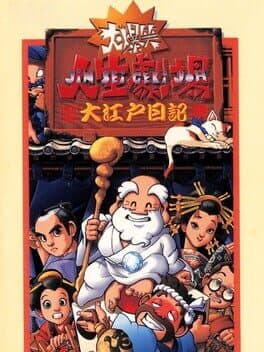
Daibakushou: Jinsei Gekijoh - Ooedo Nikki
Act Japan1994
Daibakushou: Jinsei Gekijoh - Ooedo Nikki is a Miscellaneous game, developed by Act Japan and published by Taito Corporation, which was released in Japan in 1994.
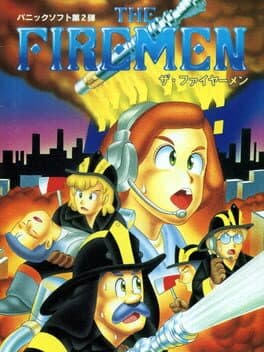
The Firemen
Human Entertainment1994
The fire is alive - and it's racing straight towards you! A fire has broken out in a high-tech chemical factory, where a highly explosive chemical, MDL, is being developed. It's up to you and your fire-fighting team to save the people trapped in the building, and stop the fire from reaching the MDL. Because if it does, the whole building is going to blow... -An action shooting game with a gripping storyline and 2D overhead perspective. -Evade sudden hazards and save survivors. -Multi-level action - crawl along the ground to advance, and hose the fire from both high and low levels.
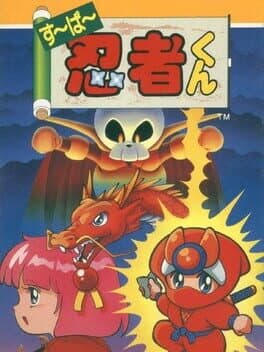
Super Ninja-kun
Jaleco1994
This game was released only for the japanese Super Famicom. It was also a view-limited downloadable game for the Satellaview that was broadcast in at least 4 runs between June 29, 1997 and March 28, 1998.
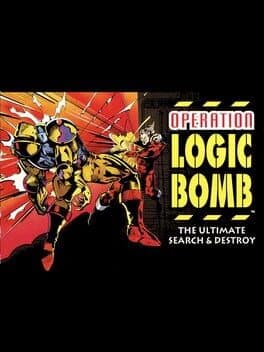
Operation Logic Bomb
Jaleco1993
The best scientists in the world have been working for years on the Subspace Particle Transfer Project, a process that uses subspace transporters to dematerialize an object, then instantly rematerializes it at another location. Short distance transfers of individuals have also been successful, and the scientists were about to begin long-range transport experiments. However, contact with the research laboratory has been lost. Someone - or something - has taken over the facility and shut down all outside communications. There is no information about the intruders or their capabilities... no one has entered the facility and returned to tell about it. Plans for a final assault have been prepared and if it fails, there will be no choice but to destroy the entire installation. Agent Logan, who has been fitted with bioelectronic implants that give him superior strength, reflexes, and anlystical abilities, has been briefed on all aspects of the mission. Now it's up to him to infiltrate the lab, neutralize the intruders, and rescure the scientists.
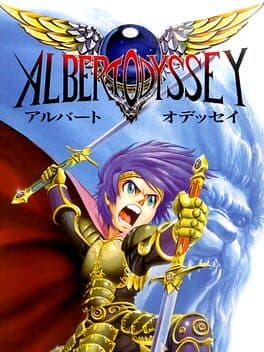
Albert Odyssey
SUNSOFT1993
Albert Odyssey is a tactical role-playing video game. The game features strategy-based combat in addition to traditional role-playing game elements in two-dimensional environments. It is the first game in the Albert Odyssey series, and was followed by two sequels, Albert Odyssey 2: Jashin no Taidou and Albert Odyssey: Legend of Eldean.
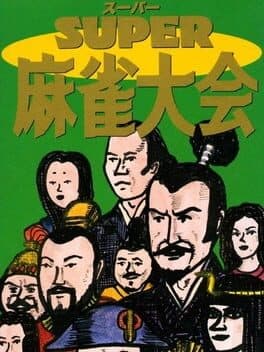
Super Mahjong Taikai
1992
Super Mahjong Taikai is a Miscellaneous game, published by Koei, which was released in Japan in 1992. It was also a view-limited Downloadable game for the Satellaview that was broadcast in at least 4 runs between June 29, 1997 and February 21, 1998.
Soul Blazer
Quintet1992
Soul Blazer, known in Japan as Soul Blader, is a Super Nintendo Entertainment System action role-playing game developed by Quintet and published by Enix (now Square Enix). Soul Blazer was released on January 31, 1992 in Japan, on November 27, 1992 in North America, and on January 27, 1994 in Europe. Similar to the company's previous game ActRaiser, the player takes the role of a divine angel, deity or lesser-deity, or avatar, sent by a divinity, called The Master, to destroy monsters and release the captured souls of a world's inhabitants. Soul Blazer was scored by Yukihide Takekawa.
Super Soccer
Human Entertainment1991
Let's play soccer - the world's favorite sport! In Super Soccer you can choose between an Exhibition mode and a Tournament mode. While the first mode lasts a single game only the Tournament mode challenges you with 16 consecutive games, facing the Nintendo Allstar Team in the final round. The field is shown in a top-down perspective. Scrolling is done by Mode 7 chip. Difficulty varies with the opponent team, ranging from easy to hard in later games in the tournament. After winning a match in the tournament mode, you will be rewarded witch a code in order to pick up the game in the same round of the tournament later on.
The Legend of Zelda: A Link to the Past
Nintendo Entertainment Analysis & Development1991
Venture back to Hyrule and an age of magic and heroes. The predecessors of Link and Zelda face monsters on the march when a menacing magician takes over the kingdom. Only you can prevent his evil plot from shattering the land of Hyrule. In your quest, you'll venture into twisting mazes, dungeons, palaces and shadowy forests. Test your mettle with mighty swords and magical weapons. Or heft a boulder and hurl it at your enemies. If the going gets tough, dive into a river - you can swim to escape! Learn powerful spells, locate magical artifacts and solve the mysteries of the evil magician and the hidden realm of Hyrule.

SimCity
Nintendo Entertainment Analysis & Development1991
SimCity (SNES) was originally released in Japan in April 1991, the first console game in the SimCity series, and one of the launch titles for the Super Famicom/Super Nintendo Entertainment System in North America when the console was released there in August the same year. It was developed by Nintendo EAD under license from Maxis and published by Nintendo. It has some differences from the original game, among them is the presence of an original Nintendo character called "Dr. Wright". There are also unlockables based on Nintendo franchises such as Mario.
F-Zero
Nintendo Entertainment Analysis & Development1990
F-Zero is set in the year 2560, when humanity's multiple encounters with alien life forms had resulted in the expansion of Earth's social framework. This led to commercial, technological and cultural interchanges between planets. The multi-billionaires who earned their wealth through intergalactic trade were mainly satisfied with their lifestyles, although most coveted more entertainment in their lives. This resulted in a new entertainment based on the Formula One races to be founded with vehicles that could hover one foot above the track. These Grand Prix races were soon named "F-Zero" after a rise in popularity of the races. The game introduced the first set of F-Zero racers: Captain Falcon, Dr. Stewart, Pico, and Samurai Goroh.
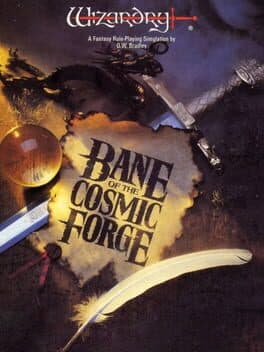
Wizardry: Bane of the Cosmic Forge
Sir-tech Software1990
Ten years ago, Wizardry set the standards in Fantasy Role-Playing (FRP). Now after two million copies have been sold and dozens of awards have been won, Bane of the Cosmic Forge raises and redefines those standards. This new Wizardry , the truest simulation ever of Fantasy Role Playing, will push your computer, your mind, and your sense of adventure to their very limits. Only through the power of the latest computer technology could the full dimensions of this new genre in FRP be possible.
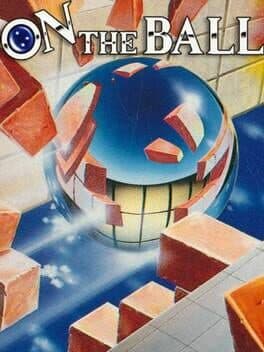
On the Ball
Taito1989
An action/puzzle game originally developed by Taito Corporation for their F2 arcade system hardware. The player rotates a maze around a free-falling ball with the goal of guiding the ball out of the maze within a set time limit.
Dragon Slayer: The Legend of Heroes
Nihon Falcom1989
In this epic role-playing game, you must guide Prince Logan all accross the beautiful and dngerious world of Isrenasa in the quest to regain his throne. This game features a huge world to explore and many companions to join you on your journey. This game features one of the largest quests and most advanced interface of any role-playing game for the TurboDuo system.
Wizardry V: Heart of the Maelstrom
Sir-Tech Software, Inc.1988
Despite the defeat of Trebor, Werdna, and L'kbreth, dark times once again threaten the kingdom of Llylgamyn. So once again a party of adventurers must venture forth to vanquish the evil. Wizardry V represents a complete revision of the gaming system used in the first four installments, with larger mazes, new spells and character classes, and an expanded system for combatting and interacting with creatures. It is also the first game in the series that allows, but does not require characters imported from a previous scenario.