-
Average rating
15
Games
0
Votes cast
Heartbeat
Shipped Titles
Games (15)
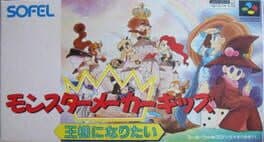
Monster Maker Kids: Ou-sama ni Naritai
1994
Board game adaptation of the long-running monster-raising video and table-top game franchise that plays similarly to Dokapon Kingdom. It was created by Sofel in 1994.
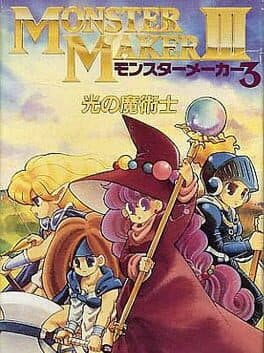
Monster Maker III: Hikari no Majutsushi
1993
Monster Maker III: Hikari no Majutsushi is a Role-Playing game, published by Sofel, which was released in Japan in 1993.
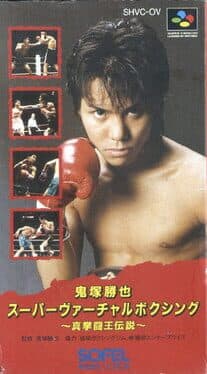
Onizuka Katsuya Super Virtual Boxing: Shin Kentou-ou Densetsu
Sting Entertainment1993
Onizuka Katsuya Super Virtual Boxing ~Shin Kentou Ou Densetsu~ is a boxing video game, developed by Sting Entertainment and published by SOFEL, which was released exclusively in Japan in 1993. It was licensed and endorsed by Katsuya Onizuka, a former WBA Super Flyweight champion.
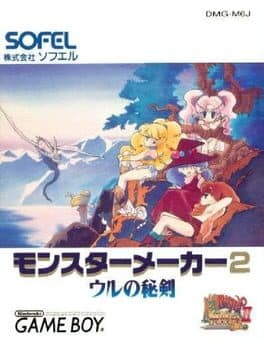
Monster Maker II: Uru no Hiken
1993
Monster Maker 2: Uru no Hiten is an RPG licensed from the 1988 Card Game. As such, monsters, NPCs and even destinations on the world map are represented with a playing card aesthetic. Gameplay itself is similar to many other RPGs including Dragon Quest.
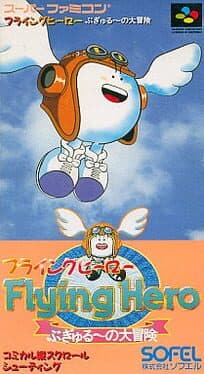
Flying Hero: Bugyuru no Daibouken
Sting Entertainment1992
Flying Hero: Bugyuru no Daibouken ("Bugyuru's Great Adventure") is a vertically scrolling shoot 'em up with a bright, cartoony style, similar to games like Sega's Fantasy Zone or Konami's TwinBee series. The game features Bugyuru, a flying ball, whose girlfriend Pao gets kidnapped by a mysterious vampire named Biblio. Bugyuru takes off in close pursuit, flying across various worlds and taking down bizarre enemies like flying monkeys and giant rhino beetles. The game was released exclusively in Japan for the Super Famicom and never officially localized, however a fan translation patch exists.
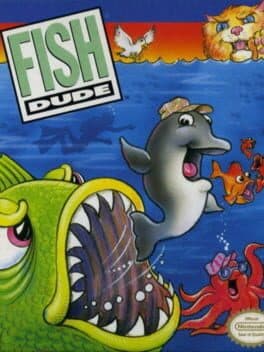
Fish Dude
1992
Players essentially get to control Fish Dude as he eats as many tiny fish in the ocean to get bigger and stronger. Once he is strong enough, players can successfully defend themselves against larger fish, seagulls that want to grab unsuspecting players out of the water and cats that want to eat players as a tasty snack. A variety of allies (includuing Octo Dude who is an octopus) can help Fish Dude when the problems grow too intense for him to handle alone. With only three lives to lose until achieving a "game over" screen, the game requires cunning and dexterity to master. Levels allow players to scroll of the screen at the extreme ends of the field and come back on the other side of the playing field. There are 18 levels that get more difficult as the other fish get faster and more predators are introduced in an attempt to kill off the players. Each level concludes after 20 fish have been consumed. Passwords are introduced from the third level onwards
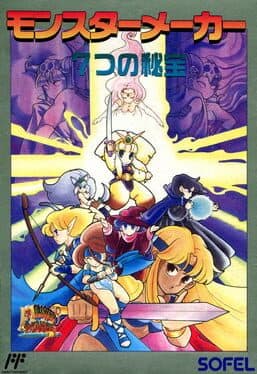
Monster Maker: 7-tsu no Hihou
1992
Monster Maker: 7-tsu no Hihou is a Role-Playing game, developed and published by Sofel, which was released in Japan in 1991.
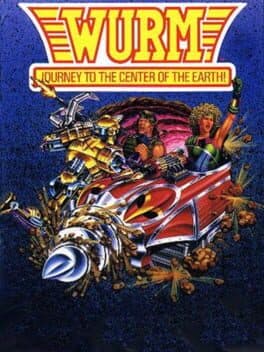
Wurm: Journey to the Center of the Earth!
Cyclone System1991
Wurm: Journey to the Center of the Earth is a game featuring multiple sequences. The player controls the VZR vehicle, and occasionally Captain Moby when she ventures out on foot in vertically and horizontally scrolling sequences as well as a first person battle against enemy monsters. Players progress through 5 levels, in which the VZR-5 investigates the fate of the other VZRs. After the completion of each level, the player gains a crystal, which will unlock additional weapons for the VZR, mentioned below.
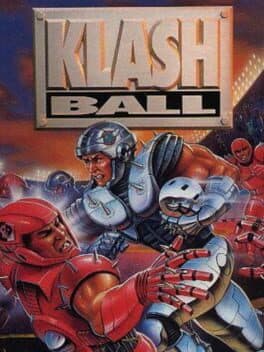
Klash Ball
1991
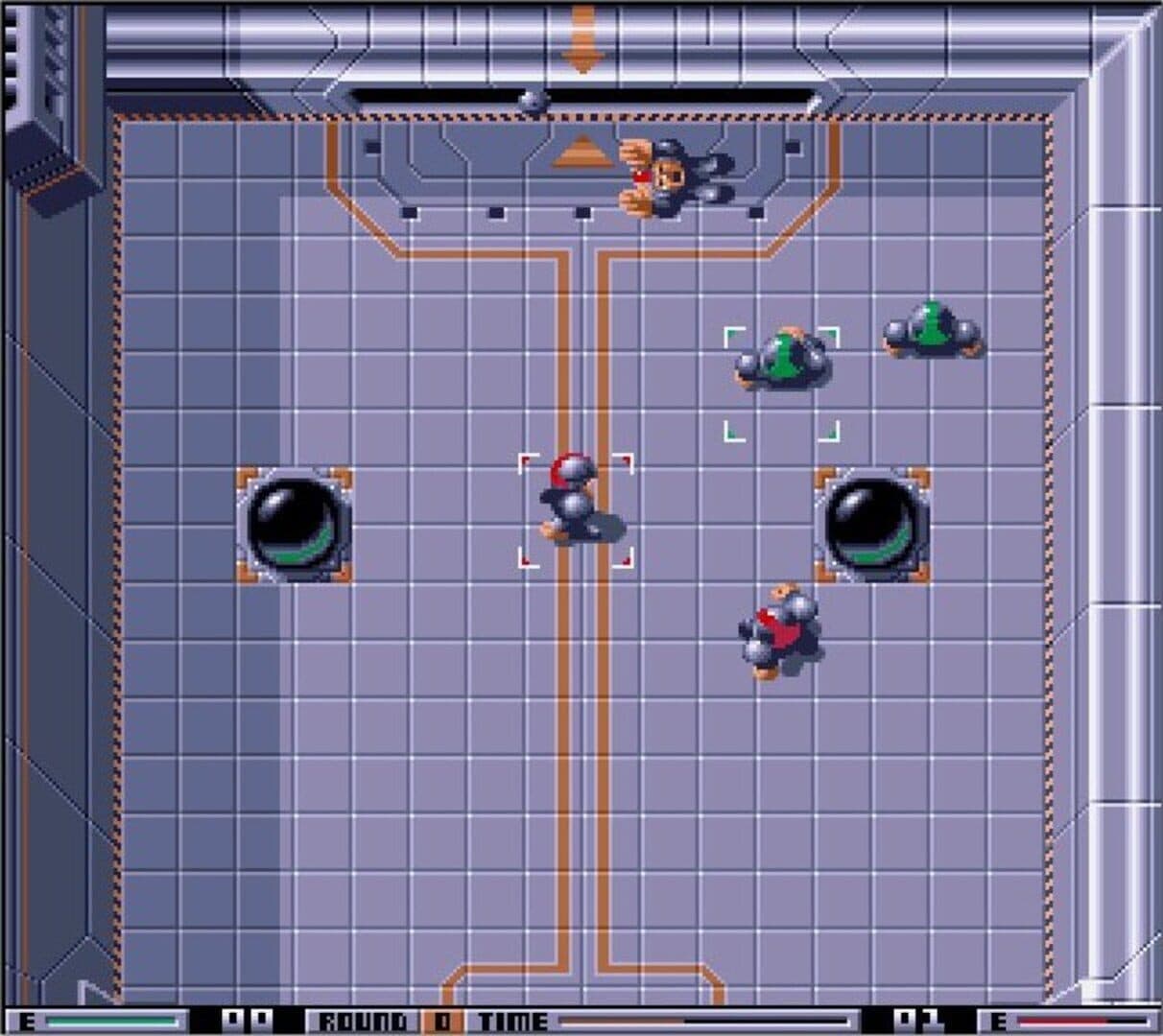
Sofel takes life simulation into the future with Klashball, for the NES. In a stadium hundreds of years from now, techno-gladiators do battle, combining contact with speed and finesse. Two five-man teams go for it, each fighting to deliver a three-kilo metallic energy sphere into the opponents goal zone. Teams challenge each other in a surreal arena that utilizes devices such as a warp tunnel, ball launcher, and magnetically charged bounce domes. Klashball features a complete league system. There are 11 rowdy teams, each with unique skills, strengths, and weaknesses. After each match the central computer analyzes the outcome and records the stats. Play against the computer or klash it out with a friend. If you're ready, take a trip into the 23rd century with Klashball. A game so real, it's in your face!
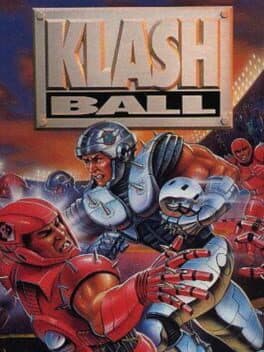
KlashBall
1991
The Sport Of The Future! Speedball is the action sport of the 21st century. Wearing spiked armour bodywear, helmet and gloves, you'll go face-to-face with some of the ugliest, meanest goons in the world! Dodge neckbreaking tackles and bone-crushing body slams to pass a solid steel ball towards your opponent's goal. Hammer your foe enough times and he'll cry for mercy.
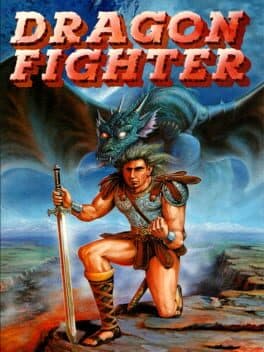
Dragon Fighter
Natsume Co., Ltd.1990
The player takes control of a magical human fighter who has the ability to transform himself into a flying dragon. As the fighter, the player can run, crouch, jump, and attack with his sword as he would in most side-scrolling action games.
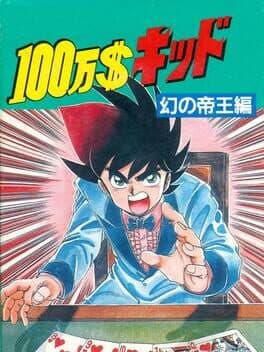
$1,000,000 Kid: Maboroshi no Teiou-hen
SOFEL1989
$1,000,000 Kid: Maboroshi no Teiou-hen is a Famicom game based on the manga series $1,000,000 Kid by Yuki Ishigaki.
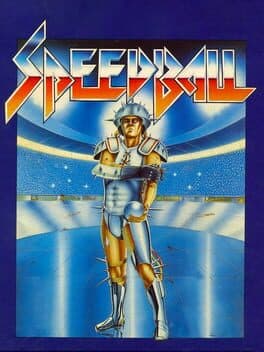
Speedball
The Bitmap Brothers1988
A brand new entry into the legendary Bitmap Brothers series! Venture into the grim future of 2138 where mega-corporations use Speedball to distract the downtrodden masses from their miserable lives.
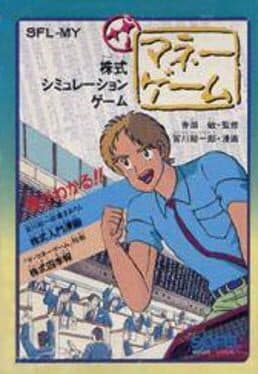
The Money Game
1988
A Stock Market/life-sim game where the player must manage their stocks in order to achieve a happy life. It was developed by SOFEL for the NES and released in Japan only. The Money Game is a stock market simulation game where the goal is to raise money through the wise purchasing and selling of various types of stock. Coupled to this is a life-sim aspect where raising a sufficient amount of money at certain checkpoints allows the player to gain and keep a girlfriend, who later becomes their wife and provides children. As well, the player can upgrade from their initial studio apartment to a terraced house to a mansion with its own Olympic-sized swimming pool. The game is densely packed with Japanese script and requires both literacy in that language and a fairly good understanding of dealing in the stock market itself (though the game does provide tutorials for the latter). It would be followed by a sequel, The Money Game 2: Kabutochou no Kiseki, which in turn would be the basis for SOFEL's Wall Street Kid.
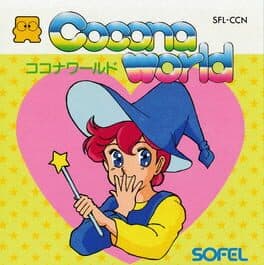
Cocona World
SOFEL1987
You control a young witch who wanders throughout various parts of the kingdom. There are many animal inhabitants to interact with, some of which are good and some of which are evil. There are also a number of activities to perform and mini-games to play. Over time, the witch will request that certain activities be performed. If they are not performed within a certain time period, the player receives a penalty. Over time, the character's mood and strength will drop. If both of these are never restored and drop to zero, the game is over. This game was only released in Japan, and has never been translated into English.