-
Average rating
8
Games
0
Votes cast
Heartbeat
Shipped Titles
Games (8)
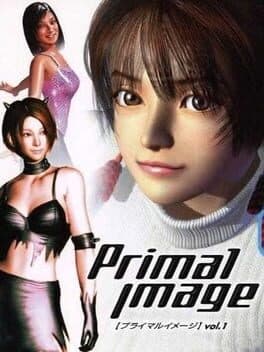
Primal Image Vol.1
Racdym2000
In Primal Image Vol. 1, players assume the role of a fashion photographer whose goal is to take sexy snapshots of young and beautiful women. There are four CG models in all, and each of them possesses customizable behavioral types. Specialty options include the lady-poseable Producer Mode, skeletal manipulation, customizable facial expressions, and background objects that give your women environments to pose with. Primal Image is most renowned, however, for being the first game in history to use MathEngine's same bio-mechanic technology that powered the critically acclaimed Discovery Channel documentary, Walking with Dinosaurs.
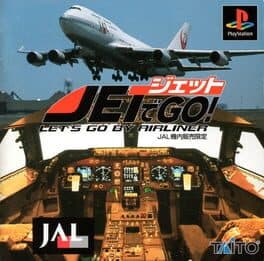
Jet de GO! Let's Go By Airliner
Racdym2000
Jet de GO! is a spin-off from the famous Densha de GO! series by Taito. Instead of trains, this title focus exclusively on flying planes. Players can take off and land with a Jetstream 31 turboprop, a mid-range Boeing 767 or a long haul Boeing 747. The game modes include Flight mode, Cruise mode and Lesson mode.
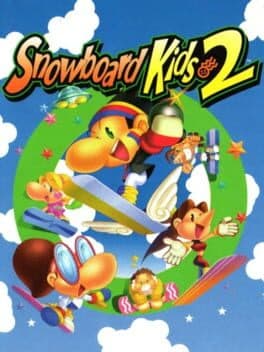
Snowboard Kids 2
Racdym1999
The game is set in Snow Town, which is the main hometown of the protagonists. The plot follows the daily lives and adventures of the kids, and the rather ridiculous attempts of Damien to sabotage them. The gameplay of this game is almost identical to its predecessor's, but with a few differences. There are now three distinct playing modes: the Story mode, which follows the game plot and uses the classical system of cash prizes by winning the races; the battle mode, which includes multiplayer mode; and the Training mode. There were new additions and changes to the Items and Shots. All of them were redesigned and the Shots were renamed as Weapons. Additions include the Rocket, the Wings and the Whirlwind (see more below). Other changes to the Items and Weapons include the reduction in the freeze time when a character is hit by the Freezing Shot, and the effect of losing coins when hit by a Slapstick. The special tricks (which were different for each character and required the player to perform a combo to do them) were replaced by the ability of doing multiple tricks while in the air. It also added the ability to repel Weapon attacks by performing a Trick or Board Grab in the imminence of the hit. The player can also look behind by pressing the R button.
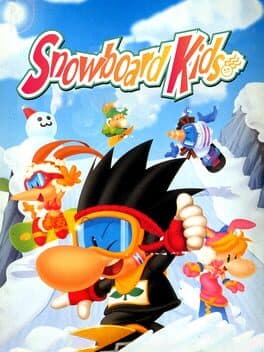
Snowboard Kids
Racdym1997
The kids are arguing about their snowboarding skills. The debate escalates to the point where they decide to hold a snowboarding tournament to determine who is the best. One character, Shinobin, has no involvement whatsoever until he is unlocked by the player. In addition to the usual gameplay of a snowboarding game, Snowboard Kids adds "Shots" (special weapons used to attack players) and items which can help the player, hinder other players, or both. The game has nine main courses. Although some of the courses are snowy mountains, many are courses that would be unorthodox for snowboarding in the real world. Such courses include an amusement park, a desert, a vast valley, a dark highway, and a Japanese village during the cherry blossom festival. There were several game mechanics that were unique to Snowboard Kids from other snowboard games and racing games at the time. One was the addition of the second item slot, allowing each player to carry a shooting item and support item (such as a rock, or invisibility) at the same time. Also, players needed to pay 100 gold in order to grab an item during the race, which could be obtained either through performing tricks or collecting coins scattered across the course. All courses also required players to race down the hill for multiple laps. Once a player had reached the bottom of the hill, he or she would need to pass through the lift gate to be transported back to the top of the hill, and could not be attacked by other players in this transition.
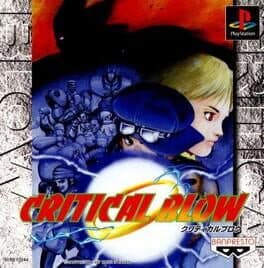
Critical Blow
Racdym1997
A legend exists among the fighters and martial artists of this world, of a mysterious scarab badge that only the most elite warriors will earn. This badge, sent out by the mysterious Merkuar, is in fact an invitation to a dangerous tournament held in England, where the contestants fight for money, power, and glory. Now, a poor young fighter from Hong Kong named Rickey Leon has just received one of these badges.
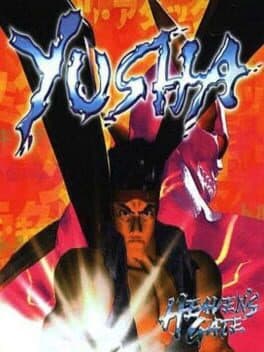
Yusha: Heaven's Gate
Racdym1996
Yusha: Heaven's Gate is a 3D fighting game with an arcade and Vs. mode. The player can choose from one of the eight combatants that are available at the start, with a few more characters being available once their unlocked. Each character has a different nationality, specialty, and lineage. Each character represents either a good or an evil alignment and depending on the character chosen, it affects which final boss the player will have to fight against. Defending, punching and kicking are on three separate buttons. There are variations of each of these moves depending on how quick the button is pressed. Consistently damaging or taking damage from an opponent will add to a sol or lunar (depending on the character the player is playing as) power gauge. When this gauge is filled, the player is temporarily invincible and allows the player to use strong power assault moves.
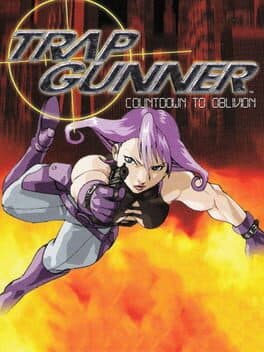
Trap Gunner: Countdown to Oblivion
Racdym1996
The purpose of the game to run around various levels and to set traps, which are invisible to your opponent. Players can shoot at one another while setting traps. Each character has a different melee weapon with unique attributes.
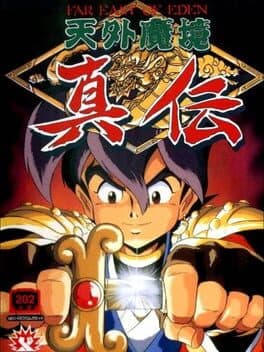
Far East of Eden: Kabuki Klash
Racdym1995
An arcade fighting game spin-off of an RPG series set in a fantasized feudal Japan. Known for its similarities with early Samurai Shodown games (including random item drops and combining attack buttons for heavier attacks), it is the only game in the entire series to get a release outside of Japan. The main series is composed of three separate games within the land of 'Jipang' (a fictionalized version of feudal Japan), each of which follows a descendant of the 'Fire Clan' and supporting cast in battles against a range of often comical villains. The stories of the games, though primarily of 'fantasy' fare, also attempt to provide commentary on common misconceptions about Japanese culture by Western societies.