-
Average rating
13
Games
0
Votes cast
Heartbeat
Shipped Titles
Games (13)
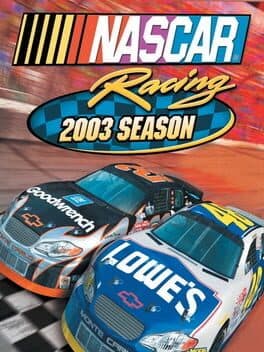
NASCAR Racing 2003 Season
Papyrus Design Group2003
The latest release from this series since 1999. 23 real-life tracks (including the new versions of New Hampshire International Speedway and Infineon Raceway) are included. The game has been reworked with an improved graphics and physics engine, developed in partnership with Goodyear Tire & Rubber Company and Jasper Motorsports. Tutorials will bring the player up to speed quickly, while driving aids will help them compete against NASCAR pros. An adaptive AI will keep the game challenging at all skill levels. Multiplayer supports up to 42 players online in the same race.
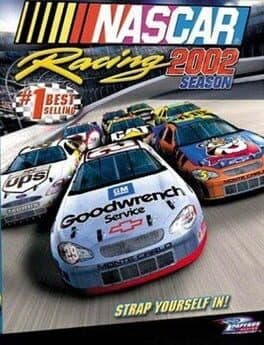
NASCAR Racing 2002 Season
Papyrus Design Group2002
The racing game NASCAR Racing 2002 Season or NR2002 for short, was the successor to the immensely popular NASCAR Racing 4 and the immediate precursor to the even more popular NASCAR Racing 2003 Season. This sim provided much more accurate car models and a vastly improved physics engine. The box on the game prominently featured new NASCAR star Kevin Harvick in the Goodwrench #29 car, a driver missing from NASCAR 4 as the game was released very shortly before the death of Dale Earnhardt. Also featured on the cover; Terry Labonte in the Kellogg's #5 car, Dale Jarrett in the UPS #88 car, (in the background) Jeff Burton in the Citgo #99 car, Ward Burton in the Caterpillar Inc. #22 car and Ken Schrader in the M&M's #36 car.
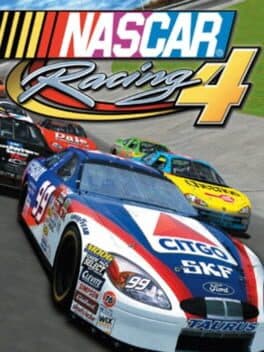
NASCAR Racing 4
Papyrus Design Group2001
NASCAR Racing is back for 2001 better than ever! For the first time for NASCAR game, the Daytona track! Arcade racing mode for the novices, simulation mode for the experts, multiplayer mode for up to 32 players. Improved physics model, improved graphics engine with real-time shading. Improved radio chatter, ability to tell pit crew what to do before you pit... And much more.
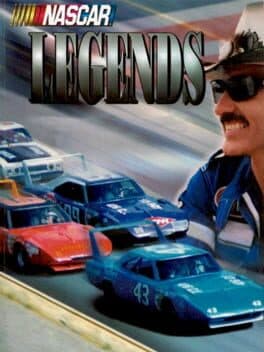
NASCAR Legends
Papyrus Design Group1999
Tired of the same old NASCAR game? Like the look of the old cars and love the drivers? Grew up watching NASCAR in the 70''s? Wondering what is so great about the old day's of NASCAR? Then this is a game for you.
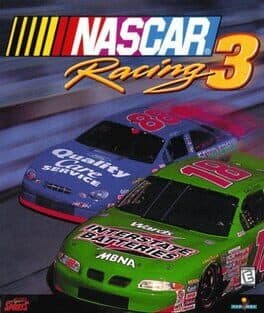
NASCAR Racing 3
Papyrus Design Group1999
NASCAR Racing 3 is a racing simulator produced by Papyrus Design Group in 1999. Players can compete in the 1999 NASCAR Winston Cup Series and the 1999 NASCAR Busch Series. The game's multiplayer was powered by the World Opponent Network(WON), but is now inaccessible by this method after the end of WON servers in 2000. The game had an expansion called Craftsman Truck Series Expansion. Patches are available for updates for both the main and expansion games on the Sierra Entertainment website. The import and export features on the paint shop feature do not function upon installing the update.
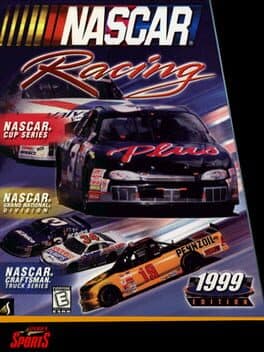
NASCAR Racing: 1999 Edition
Papyrus Design Group1998
NASCAR Racing: 1999 Edition is a racing simulator developed by Papyrus Design Group and published by Sierra On-Line in 1998 for Windows. Players can race in all three premier NASCAR series (NASCAR Winston Cup Series, NASCAR Busch Series, and NASCAR Craftsman Truck Series). There is a maximum of 39 cars to race in each series.
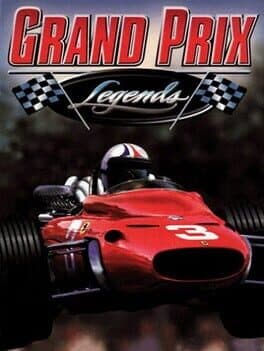
Grand Prix Legends
Papyrus Design Group1998
Grand Prix Legends (nicknamed GPL) is a computer racing simulator developed by Papyrus Design Group and published in 1998 by Sierra Entertainment. At the time of its release, it simulated the 1967 Formula One season and is considered to be one of the most realistic racing games ever released.
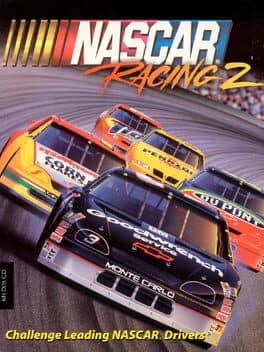
NASCAR Racing 2
Papyrus Design Group1996
NASCAR Racing 2 was the second game in the NASCAR Racing series. It was developed by Papyrus. The second edition of the series was released in 1996. The game featured more drivers than the previous version. Driver lists were included in the game as the game included more drivers than were capable of fitting in the maximum 39-car field the game offers.
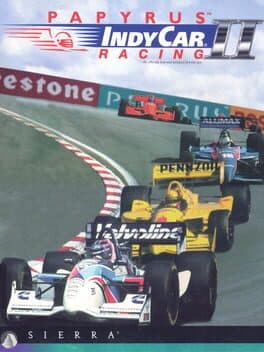
IndyCar Racing II
Papyrus Design Group1995
The fourth Papyrus racing game is the sequel to the 1993 IndyCar Racing. It uses many of the improvements which were introduced in NASCAR Racing. There are fifteen tracks in total, and the major features are 640x480 SVGA graphics, multiplayer support for two players, pit telemetry data for realism, interactive driving schools, enhanced artificial intelligence, in-game communication with the pit crew supporting speech recognition technology, and digital stereo sound. You race in open-wheel cars and there are different driving views, with detailed physics and a realistic simulation of damage and controls. You can call up information about your car (fuel, tires, wings, wheel stagger) during the races at any time. Aside from the in-game paint shop, there was an active modding community at work with many custom car sets available online.
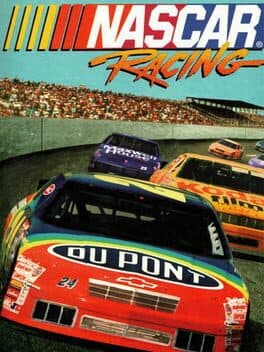
NASCAR Racing
Papyrus Design Group1994
The game presents three different game modes: Arcade Race, Simulation Race, and Simulation Testing. While the Arcade Race mode let's the player jump right into the fray after choosing their difficulty level (either rookie,veteran, or ace), the Simulation Race mode features a lot more customization options for the player to take into consideration.
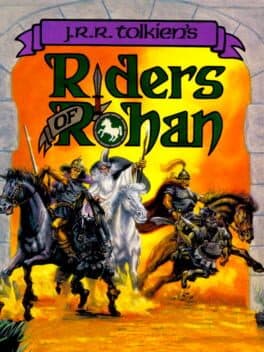
J.R.R. Tolkien's Riders of Rohan
Beam Software1991
Another J.R.R. Tolkien based game, but specifically focused on the Two Towers story, starting right before the siege of Helm's Deep: the battle between the defending forces of Rohan and the attacking legions of the evil wizard Saruman. The game introduces a similiar style of play as War in Middle Earth, that is a macro-world map point of view which operates battles and movement of mass armies, and there's a micro point of view, a more 'action' approach where the original characters of the Fellowship can battle enemies at a smaller scale: shoot orcs from a ranged distance, fight them melee in an arcade fighting style or challenge them in a duel of magic.

Links: The Challenge of Golf
Access Software1990
Links redefined what golf on the PC should look and play like; it migrated golf from a sports game to a simulation. Good use of VGA's 256 colors made for a realistic course with trees, water, sandtraps, and the fairway. The addition of ball physics, mulligans, changing the lie of the ball, real digitized environmental sounds (even through the PC speaker), and the ability to view a replay (even from multiple angles) gave PC golf games a new echelon of quality to match.
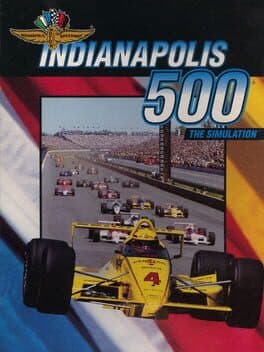
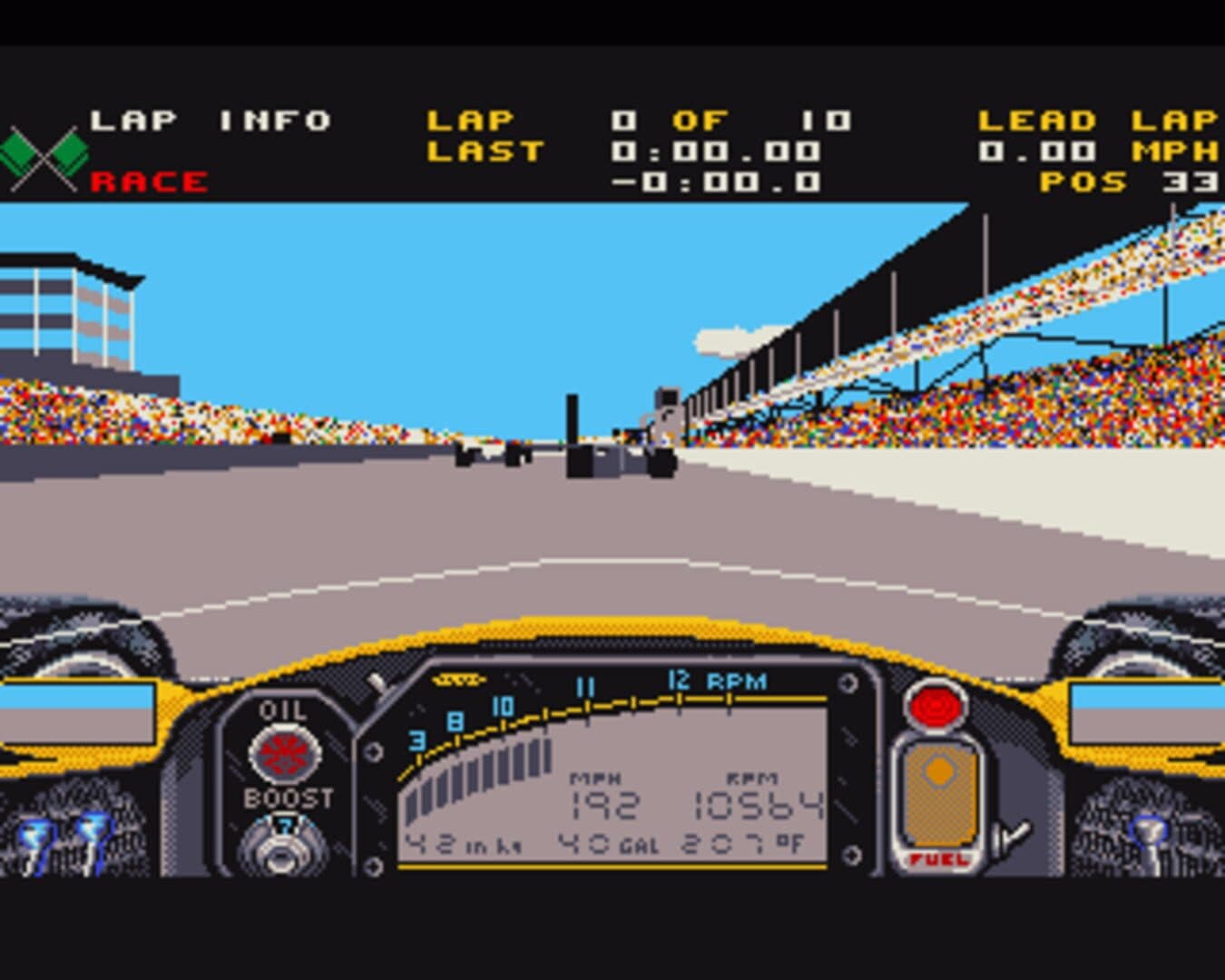
Indianapolis 500: The Simulation
Papyrus Design Group1989
Indianapolis 500: The Simulation is a 1989 computer game. It was hailed as the first step of differentiating racing games from the arcade realm and into racing simulation. It was developed by the Papyrus Design Group, consisting of David Kaemmer and Omar Khudari, and distributed by Electronic Arts. It first released for DOS and later for the Amiga in 1990. Indianapolis 500: The Simulation attempts to be a full simulation of the Indianapolis 500 race, with 33 cars and appropriate Indy car "feel". While racing, it only offers a first-person perspective, but the game offers a replay mode as well. Indy 500 offers the ability to realistically set up the car, and any changes made to the car directly affect how it handles. The field is represented as realistic and the qualifying order stays true to the 1989 Indianapolis 500 starting grid.