-
Average rating
10
Games
0
Votes cast
Heartbeat
Shipped Titles
Games (10)
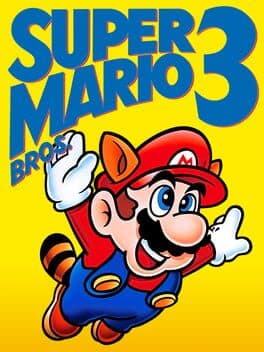
Super Mario Bros. 3
Nintendo R&D41988
Super Mario Bros. 3, the third entry in the Super Mario Bros. series and Super Mario franchise, sees Mario or Luigi navigate a nonlinear world map containing platforming levels and optional minigames and challenges. The game features more diverse movement options and new items alongside more complex level designs and boss battles.
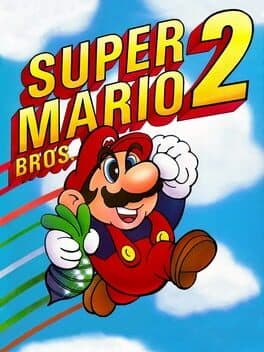
Super Mario Bros. 2
Nintendo R&D41988
Super Mario Bros. 2, 2D platformer and sequel to Super Mario Bros. (1985), features 4 selectable characters (Mario, Luigi, Princess Peach, Toad) as they navigate the dream world of Subcon to defeat the evil toad king Wart. Super Mario Bros. 2 features different ways interacting with enemies and the world, including an object carrying mechanic and more intricate level designs.
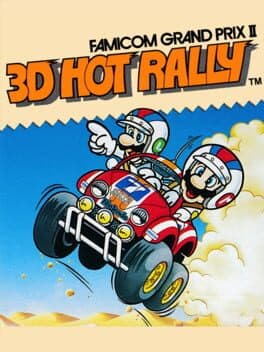
Famicom Grand Prix II: 3D Hot Rally
HAL Laboratory1988
Famicom Grand Prix II: 3D Hot Rally is the sequel to Famicom Grand Prix: F-1 Race, although the two games are very different. In a departure from its predecessor, Famicom Grand Prix II features a behind-the-car view. Rather than consisting of a handful of short tracks, 3D Hot Rally provides three long tracks consisting of a variety of different terrain types giving the feel of an actual rally race. As the name implies, the game allows you to use the Famicom 3D System glasses to give the race a real feeling of depth.
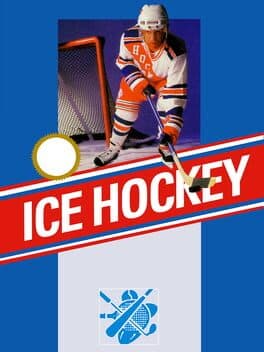
Ice Hockey
Nintendo R&D41988
It's fast skating', hip checkin', high scoring action. Lead your team into center ice, over the opponent's blue line. Pass over to the point and set up for the tip in - Score! Choose a country for you and your opponent, select a level of play and face off at center ice to become the top goal scorer in Nintendo's Ice Hockey! Get charged with a penalty and test your defense. Or attack on a power play and use your puck handling skills to catch your opponents off guard.
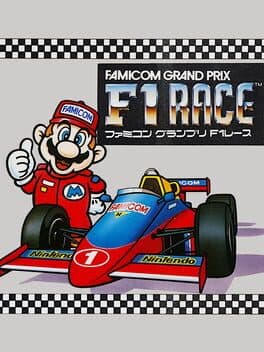
Famicom Grand Prix: F-1 Race
Nintendo R&D41987
Famicom Grand Prix: F-1 Race is a Japan-exclusive racing game starring Mario in Formula One cars. In the game, players can choose to play alone or with other cars. Cars have a certain amount of health and fuel, which decreases whenever the player crashes into a wall or another car, as well as whenever he or she drives off of the road. This game, along with its sequel, was possibly an ancestor to the Mario Kart series, most likely due to the fact that it features Mario and possesses similar 2D racing mechanics, which was later carried on to Super Mario Kart.
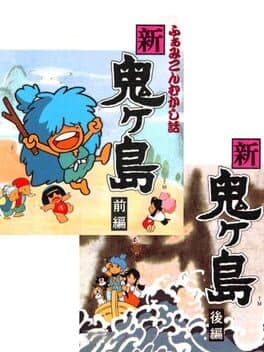
Famicom Mukashibanashi: Shin Onigashima
Pax Softnica1987
Famicom Mukashibanashi: Shin Onigashima is a Famicom Disk System text adventure game. The plot revolves around an elderly couple with no children who adopt an infant boy and girl. When the children turn six, a dragon appears in the country, and starts turning people into Oni who steal the souls of others. The Oni arrive at their home and steal the elderly couple's souls. The children decide to save their adoptive parents. The game is controlled by selecting commands such as the "Change Character" command, which allows you to switch between controlling Donbe (the boy) and Hikari (the girl). The game progress is shown by changes in the in-game graphics. The Famicom Disk System version comes on two disks released on different dates. Disk 2 cannot be played without completing Disk 1, and is switched while the system is still powered on. All later releases are switch-free.
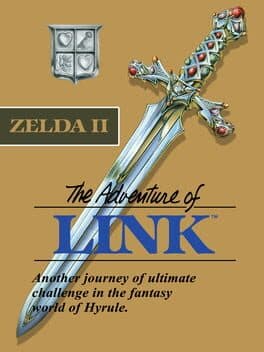
Zelda II: The Adventure of Link
Nintendo R&D41987
Zelda II: The Adventure of Link is the second major installment in The Legend of Zelda series and the direct sequel to the first game. Like its predecessor, it features dungeons that must be located in the overworld and searched for an item that will prove useful. However, the game presents many very important gameplay changes compared to the previous one, affecting especially the movements and the combat. Moving around the world map involves encounters with enemies that take place on a side-scrolling playfield rather than the top-down perspective for which the series became known.
Super Mario Bros.: The Lost Levels
Nintendo R&D41986
Super Mario Bros.: The Lost Levels is a direct sequel to Super Mario Bros. Not to be confused with the western Super Mario Bros. 2, this sequel to Super Mario Bros. is very much an expansion to the original, with many reused graphics and concepts, though new ones are also present. The game was initially released for the Japan-only Family Computer Disk System.
The Legend of Zelda
Nintendo R&D41986
The Legend of Zelda is the first title in the Zelda series, it has marked the history of video games particularly for it's game mechanics and universe. The player controls Link and must make his way through the forests, graveyards, plains and deserts of the Otherworld to find the secret entrances to the eight dungeons and try to restore the broken Triforce. Among the game's mechanics, it was the first time we saw a continuous world that could be freely explored, power-ups that permanently enhanced the main character's abilities and a battery save feature that allowed players to keep their progress instead of having to start over. The gameplay balanced action sequences with discovery, secrets and exploration.
Super Mario Bros.
Nintendo R&D41985
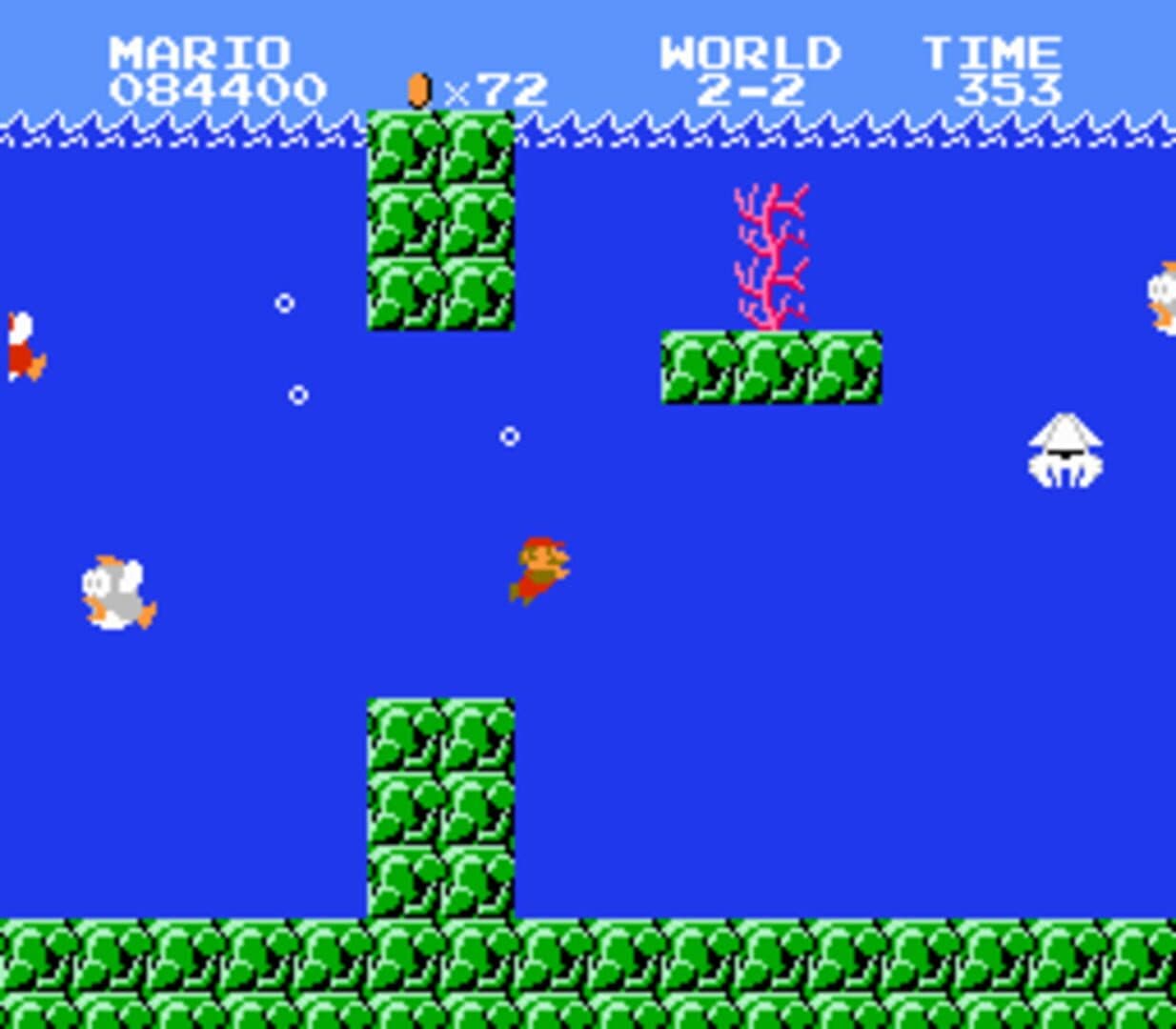
A side scrolling 2D platformer and first entry in the Super Mario franchise, Super Mario Bros. follows Italian plumber Mario as he treks across many levels of platforming challenges featuring hostile enemies to rescue Princess Peach from the evil king Bowser.