—
Average rating
9
Games
0
Votes cast
Heartbeat
0Not enough votes yet.
Games (9)

The Legend of Zelda: A Link Between Worlds
The Legend of Zelda: A Link Between Worlds is the first Zelda game made exclusively for the Nintendo 3DS. It is an indirect sequel to A Link to the Past with the same version of Hyrule but with new characters and gameplay elements. Unlike the series' tradition, many areas of the world are accessible from the beginning of the game and the dungeons can be visited in any order. Puzzles are encountered not only in dungeons but also in the open world, a part of them revolves around the game's 3D visual effect. The 3DS touch-screen display shows the world, dungeon or map depending on where you are.

The Legend of Zelda: Skyward Sword
The Legend of Zelda: Skyward Sword is the first Zelda game created specifically with the Wii in mind. The game makes use of the Wii MotionPlus peripheral for sword fighting, with a revised Wii Remote pointing system used for targeting. Skyward Sword is structured very similar to previous Zelda games, as you travel through an overworld in search of temples to visit and once in you solve a series of puzzles before fighting a boss at the end and receive the next bit of plot. The biggest change is that the overworld is more focused on puzzles with only a handful of action.

The Legend of Zelda: Spirit Tracks
The Legend of Zelda: Spirit Tracks is the second Zelda game for the Nintendo DS. The art direction is still cel-shading, but the game have notable changes from Phantom Hourglass with more puzzles and a new mode of transportation by train. You have to draw your route to the next area on the map and then let the train run its course. While the train is moving, caution will be needed to avoid obstacles, animals and enemies on the tracks. In certain dungeons, both Link and Zelda will be playable as they will need to work together to solve puzzles.

Link's Crossbow Training
Link returns from The Legend of Zelda: Twilight Princess to pick up the Wii Zapper and take aim at a host of targets in this shooting-gallery-style game. Anyone can pick up the Wii Zapper and become a master marksman in the quick-play shooting galleries of Link's Crossbow Training. Dozens of fast-paced stages offer a wide variety of game play, from shooting stationary targets to defending a supply wagon from onrushing hordes of enemies. Multiplayer modes let players and their friends share a Wii Zapper to shoot for the high score. Link's Crossbow Training comes bundled with the Wii Zapper. After a few rounds of Link's Crossbow Training, players will be more than ready to pick up any of the future Wii Zapper titles, like Medal of Honor Heroes 2, Ghost Squad and Resident Evil: The Umbrella Chronicles. Link's Crossbow Training contains three basic game styles: target shooting, defender and ranger. There are 27 stages in total, and these categories represent only generally how each individual stage operates. Each stage's goal is to earn the highest score possible within the time limit. All rounds can be played with multiple players: Players pass the Wii Zapper around and then play one at a time and compete for the high score. Target Shooting: In target-shooting rounds, players shoot bull's-eyes as they pop up on the screen. In early stages, targets are stationary. As the game difficulty increases in later levels, the targets move. Hitting the center of the bull's-eye nets more points, and hitting targets in succession without missing earns combo multipliers. Link can aim anywhere on the screen. Defender: In defender rounds, players remain stationary but can look and aim in all directions – sometimes even in a full 360 degrees – by aiming off screen. Hordes of enemies assault Link, and he must fight them off. These battles have a great deal of variety, from fighting off skeletons in a desert to defending a wagon from boar-riding Bokoblins. Ranger: In ranger rounds, players can move throughout the level using the control stick and aim anywhere they want by aiming the Wii Zapper wherever they want to look. In these missions, Link storms enemy encampments, fights his way through a forest and seeks out his foes while exploring the environments. The Wii Zapper requires the Wii Remote and Nunchuk, housing both in a comfortable and intuitive frame. The control stick on the Nunchuk controls player movement (on stages that allow player movement), while simply aiming the Wii Zapper moves the targeting reticule on the screen. Pulling the trigger fires Link's crossbow. By aiming off screen, players can turn Link to face in a new direction (again, on stages that allow this).
The Legend of Zelda: Phantom Hourglass
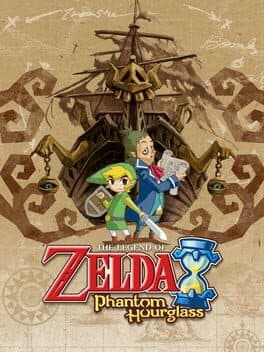
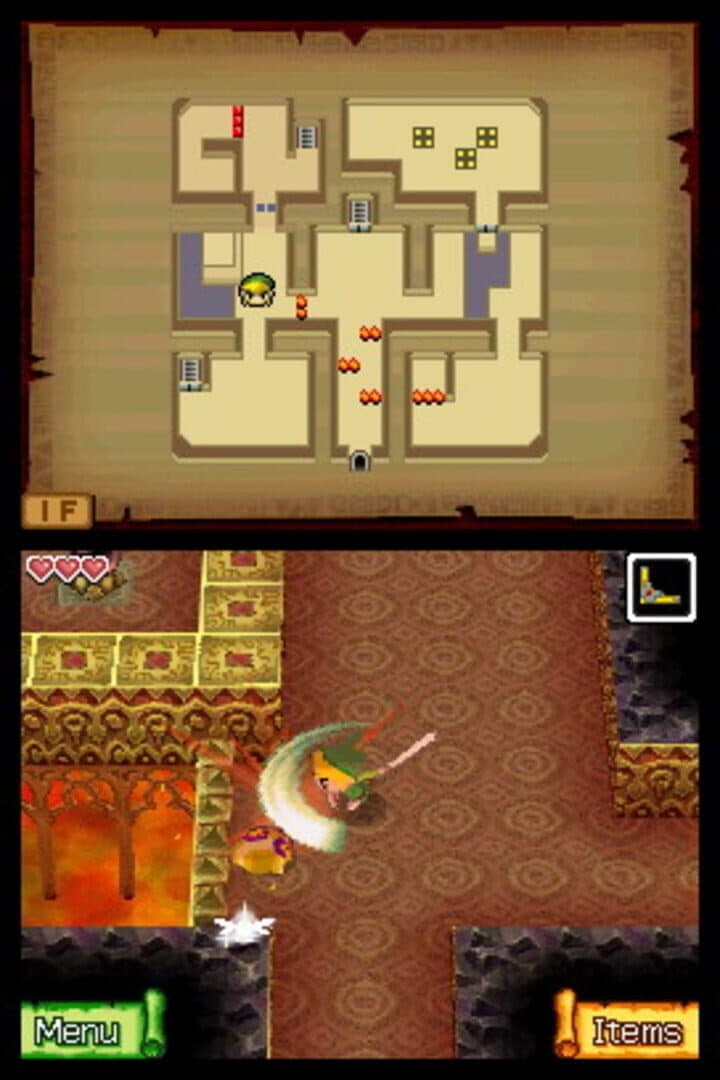
The Legend of Zelda: Phantom Hourglass is the first Zelda game for the Nintendo DS and a direct sequel to The Wind Waker. The art direction is the same cel-shaded style as the Wind Waker but is displayed from a classic top-down perspective. The gameplay is structured similarly to other games in the series and is divided into two major gameplay sections: sailing between islands and exploring the islands and their dungeons on foot. The touch screen is used to make Link move and attack instead of buttons, you can also make notes of secret treasures and items on the map simply by writing them down. The game received critical acclaim from reviewers, who agreed that the game was a worthy sequel to The Wind Waker.

The Legend of Zelda: Twilight Princess
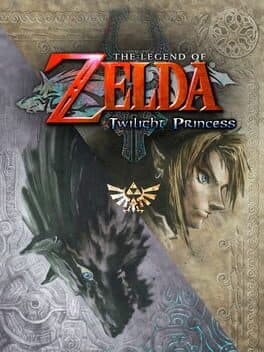
The Legend of Zelda: Twilight Princess is the last Zelda game for GameCube, it was highly anticipated by many members of the gaming community and was regarded as finally fulfilling the dreams of those who wanted a much more realistic and mature game than the ones before. The art is similar to the naturalistic style of Ocarina of Time, rather than the cel-shaded look of The Wind Waker. The main adventure takes place in several provinces with dungeons and temples. New to this game is the ability for Link to transform into a Wolf when entering the Twilight. As a wolf, Link can use his senses to solve puzzles and get past obstacles, he can also dig holes to find hearts and rupees. Twilight Princess has received universal acclaim from reviewers and journalists, who cited it as the greatest Zelda game of all time.

The Legend of Zelda: Four Swords Adventures
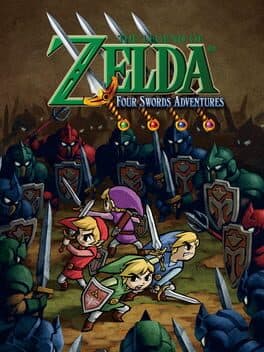
The Legend of Zelda: Four Swords Adventures is the only console Zelda title to date to incorporate multiplayer elements into its main campaign. Because of its single-player elements, Four Swords Adventures is also the first game in the series to allow a single player to control more than one Link at once, and it utilizes various methods to allow the player to make use of the four Links, such as formations. Also it is the only title to break locations and temples up into succinct, separate stages and levels which can be replayed even after beating them once. The game itself, though an innovation in Zelda gameplay, is heavily inspired by the music, graphics, and locations of A Link to the Past.

The Legend of Zelda: The Wind Waker
The Legend of Zelda: The Wind Waker is the first Zelda game for the Nintendo GameCube and also the first in the series to employ cel-shading, a lighting and texturing technique that results in the game having a cartoon-like appearance. Like its predecessors, The Wind Waker is an action game with puzzle-solving and light role-playing elements. Basic gameplay mechanics are similar to those found in Ocarina of Time, but it differentiates itself with its massive Great Sea which must be explored using a boat named King of Red Lions.

The Legend of Zelda: Majora's Mask
The Legend of Zelda: Majora's Mask is a direct sequel to Ocarina of Time, it utilizes the same engine and visual style as its predecessor. The game retains the traditional elements of Zelda games as well as those introduced in Ocarina of Time, such as active blocking with a shield, various throwing items, and the usage of melodies played on the ocarina to solve puzzles. Compared to the previous Zelda games, this installment is more oriented towards interaction with NPCs and has a larger variety of items, optional quests, and mini-games. It also includes a time system that spans three days, and this cycle must be reset periodically to progress through the game.