-
Average rating
37
Games
0
Votes cast
Heartbeat
Shipped Titles
Games (37)
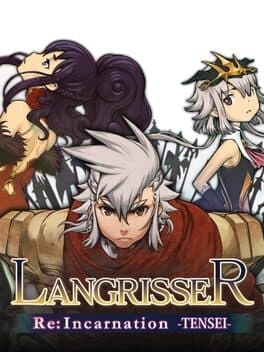
Langrisser Re:Incarnation Tensei
NCS2015
Langrisser Re:Incarnation Tensei takes place in a flooded world and the story's protagonist is a man with the Sacred Sword Langrisser, looking to reunite himself with a childhood friend, while fighting the empire's army. The battle system is the same as known from other Langrisser titles, but with 10-on-10 battles fought by super-deformed 3D characters serving as units. The units consist of Infantry, Cavalry, and Archers.
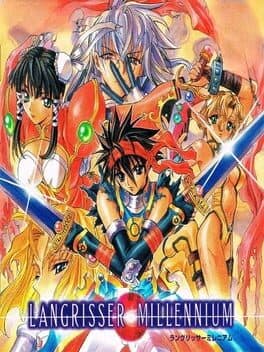
Langrisser Millennium
NCS1999
Langrisser (ラングリッサーミレニアム) is a tactical role-playing gamesvideo game series created by Masaya. The development team working under Masaya is Career Soft. The Growlanser is considered the spiritual successor to Langrisser. The series maintains a fantasy Germanic setting, but draws on religious concepts like ditheism and sword worship for historical context.
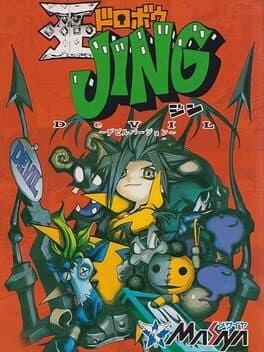
Ou Dorobou Jing: Devil Version
C.P. Brain1999
Ou Dorobou Jing: Devil Version is a Role-Playing game, developed by C.P. Brain and published by NCS, which was released in Japan in 1999.
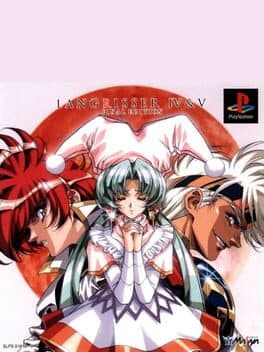
Langrisser IV & V: Final Edition
Career Soft1999
This is a PlayStation release of two Saturn games bundled together: Langrisser IV and Langrisser V: The End of Legend. Both games form a separate sub-story within this strategy RPG series.
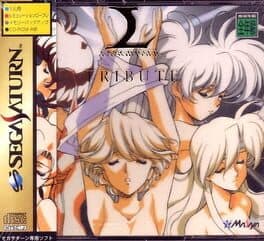
Langrisser Tribute
Career Soft1998
An anthology of the entire Langrisser series for the Sega Saturn.
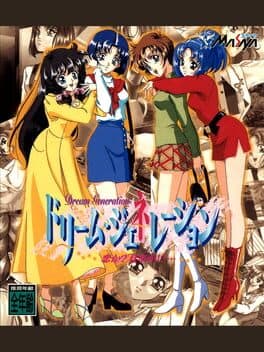
Dream Generation: Koi Ka? Shigoto Ka!?
Reindeer1998
Dream Generation: Koi ka? Shigoto ka!?... is a raising simulation & love adventure game. The player controls 19-year-old Toranosuke Rokujō, an aimless college student who has no idea what he wants out of life. After meeting up with a group of his high-school classmates, he decides it's time to get his life in order, find a job, and find a girlfriend within the next year.
Ring ni Kakero
Earthly Soft1998
Being the only game based on the Japanese manga of the same title, it covers from "The Champion Carnival" to "The World Championship" in the original. There are 20 boxers and two hidden characters. There were only six voices for all the 22 boxers, voice actors in this game include Daisuke Sakaguchi, Tetsu Inada, Hiroshi Kamiya, Shinichi Yamada, Ito Asako, and Atsushi Kisaichi. Ring ni Kakero is a simulation of amateur boxing rather than professional boxing. Like in real boxing, there is a timer for each round. The game uses a manga outlook to the boxing scene as two fighters appear to fight using various cutscenes for action shots. Each boxer has a special move and an energy meter in addition to a stamina meter.
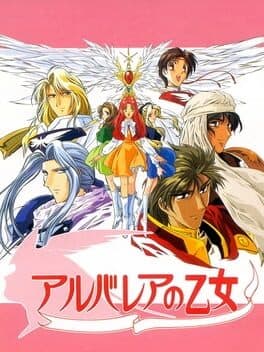
Arubarea no Otome
Gimmick House1997
A strategy game and a visual novel with RPG elements developped by Gimmick House.
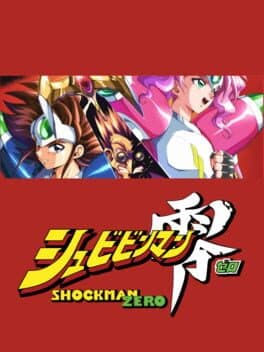
Schbibinman Zero: Shockman Zero
Masaya1997
A Super Famicom game in the Schbibinman/Shockman series, first released as a (view-limited) downloadable game via the Broadcast Satellaview satellite service in Japan and later re-released in cartridge format, many years after the Super Famicom lifespan, in 2017. In 2024, the game was announced for an European and American release, published by Retro-bit, with an all-new official English translation for the first time.
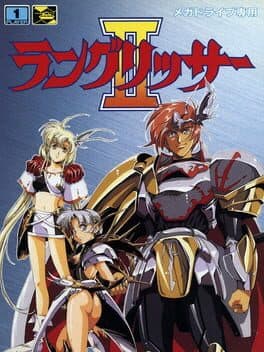
Langrisser II
Masaya1994
Langrisser II is a turn-based strategy game that was developed by Team Career, part of Masaya, and published by the parent company NCS Corporation. This version of the game was released on the Nintendo Wii through the Virtual console and was later released for Windows though a classic games service. Unlike the first Langrisser, known as Warsong internationally, almost all of the other games and remakes in the series have not been released outside of Japan.
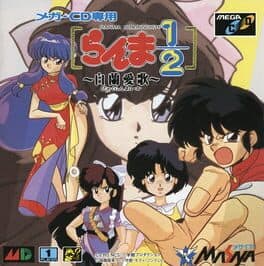
Ranma 1/2: Byakuran Aika
NCS Corporation1993
This is the only Ranma game on this platform and was only released in Japan. It features an original story centering on a new character, Arisa Nanjo. After Ranma Saotome's friends go missing, it is up to him to track them down. The game is a video novel which involves the player, acting as Ranma, selecting from a series of choices, such as what to do or say to someone. The results are then played out in an animated sequence. It uses a Rock-Paper-Scissors-style battle system. The characters are voiced by the original cast from the Anime series.
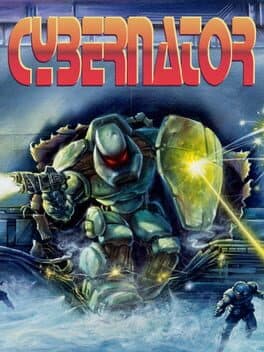
Cybernator
NCS1993
Cybernator is a run and gun game released in 1992 for the Super Nintendo Entertainment System. It is the indirect prequel to Target Earth as part of the Assault Suits series by NCS Corp. The game was localized and published overseas by Konami. A remake of Cybernator was released in 2004 for the PlayStation 2. Cybernator is infamous for removing a bunch of story-related content compared to its Japanese counterpart, Assault Suits Valken.
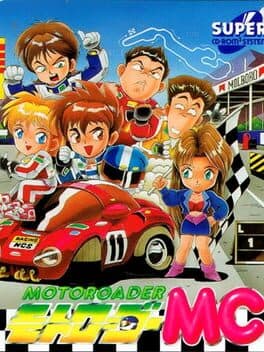
Moto Roader MC
NCS1992
Moto Roader MC is a racing game by NCS and is the third episode of the Moto Roader series. Up to five players can race each other on twenty five tracks (five courses of five tracks each) as they vie for the first place. Unlike other games of the series, each track is constructed of a single static screen and is reminiscent of the arcade classic Super Sprint. Each race is made out of eight laps where anything goes! Cars are invincible and can fire an unlimited amount of rockets and bombs which, consequently, leads the gameplay more towards speed and attack. All the racing tracks display a showcase of exquisite themes - from classic "City" and "Nature" scapes to more elaborate designs such as the fantasy "Marchen" or the unique "Special" courses. Road hazards also spice up the game and make each play session unique - from classic pits, speed boosters to shortcuts and disorienting teleporters.
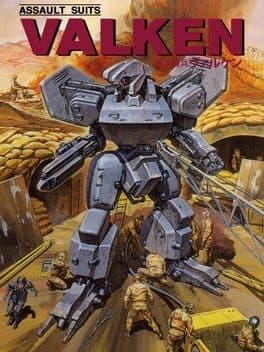
Assault Suits Valken
NCS Corporation1992
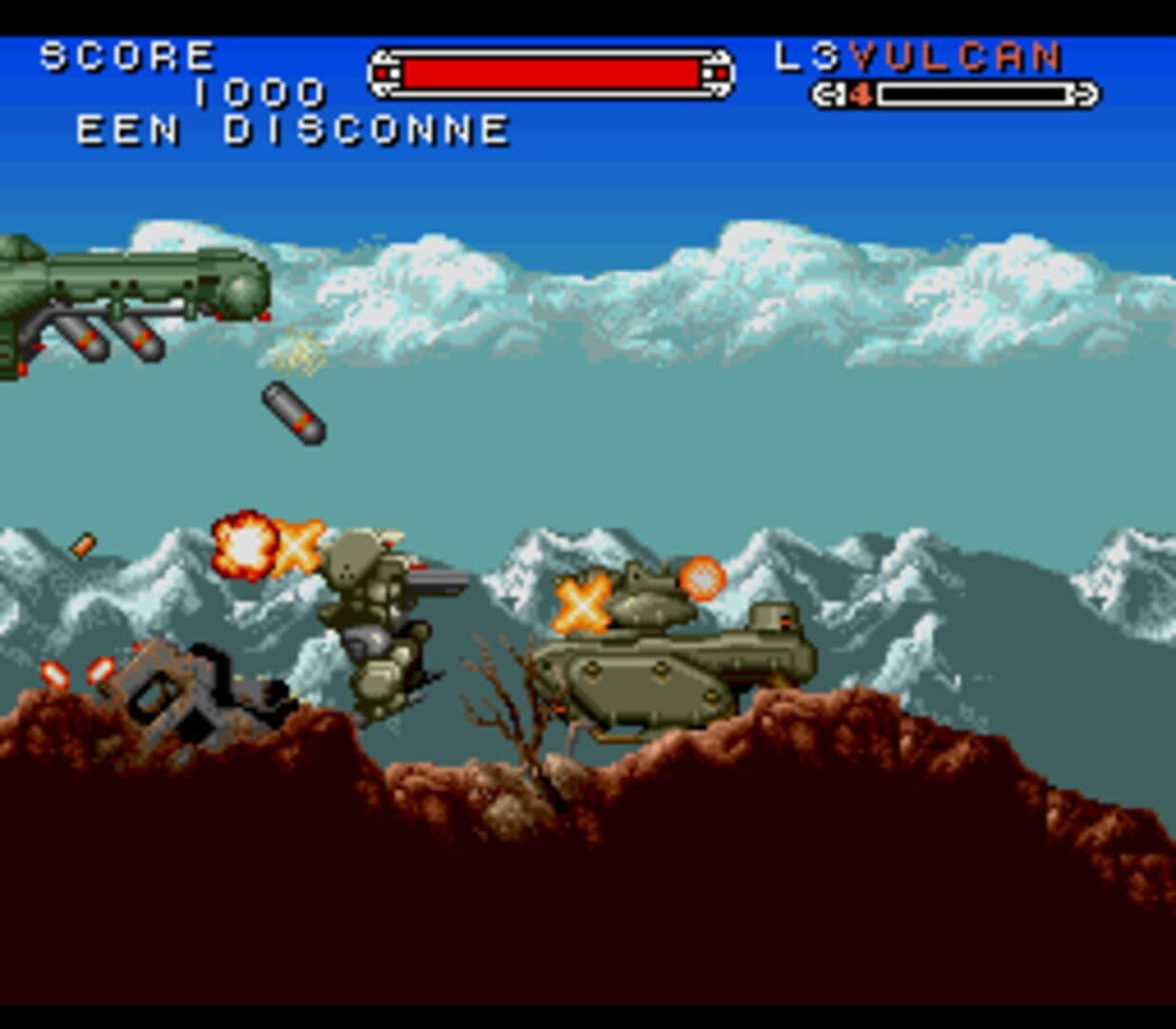
Assault Suits Valken is a 2D mecha action game and the second installment in the Assault Suits series.
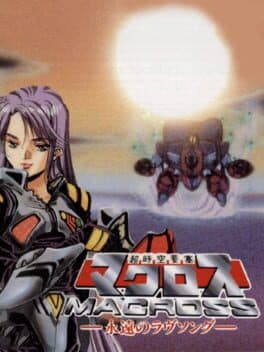
Macross - Eternal Love Song
1992
Turn-based strategy game based on the Macross anime. Released only in Japan for the PC Engine Super CD.
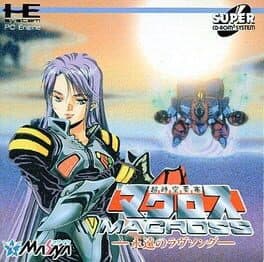
Choujikuu Yousai Macross: Eien no Love Song
NCS1992
Licensed turn-based strategy game set in the Macross universe.
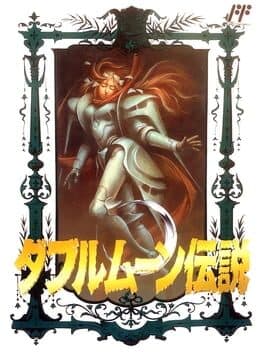
Double Moon Densetsu
Amusement1992
Double Moon Densetsu is a 1992 role-playing video game for the Family Computer published by Masaya. It is based on an earlier play-by-mail RPG also titled Double Moon Densetsu, serialized in Marukatsu Famicom and eventually Marukatsu Super Famicom; in addition to this computer game, there was also a tabletop RPG system produced based on the work. A deity named Fatima created a world with two different continents; that divided the world of sorcery from the world of swordsmanship. An evil demon plans to destroy this world by bringing forth a dark dragon from a demonic dimension.
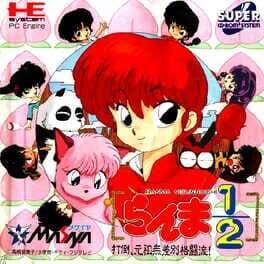
Ranma ½: Datou, Ganso Musabetsu Kakutou-ryuu!
NCS Corporation1992
Sequel to the Ranma ½ Turbografx-CD game. It picks up where the first game left off, and continues representing the series in video game form with fight scenes accompanied by voice-acted anime-style cutscenes.
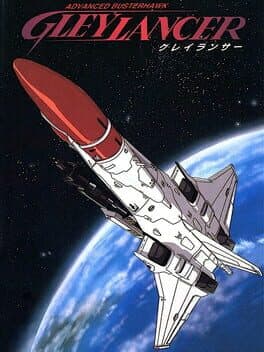
Advanced Busterhawk Gley Lancer
NCS Corporation1992
Advanced Busterhawk Gley Lancer, commonly known as Gleylancer (グレイランサー), is a 1992 Sega Mega Drive shoot-'em-up by NCS released exclusively in Japan (despite having some of its text, such as in the Mover configuration screen described below, in near-perfect English). It was released internationally on the Wii Virtual Console in 2008. Despite the English configuration screen, translation group M.I.J.E.T. released a patch which translated the story text in 2006-2007. Lucia is the 16-year-old daughter of a fighter pilot who disappears while fighting a war between humans and aliens in 2025. He was captured by aliens whom he had captured earlier who had the ability to teleport. Lucia hijacks the prototype fighter CSH-01-XA "Gley Lancer" to save him.
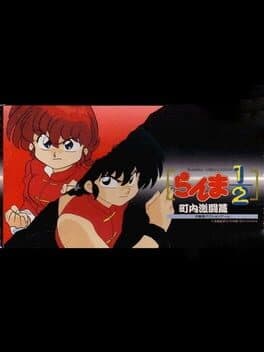
Ranma ½: Chounai Gekitou-hen
Irem1992
This game is a 2D fighting game and was the first ever Ranma ½ game released.
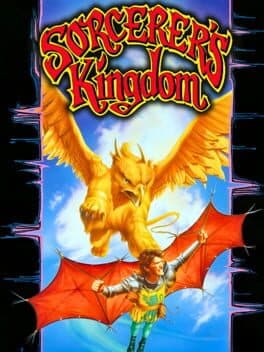
Sorcerer's Kingdom
NCS1992
The ear-splitting cry of a Griffin wracks your brain and echoes down the long dark corridors of Sorcerer's Kingdom. Only your sense of duty to your King gives you the courage to venture forth. As you defeat foe after foe in this precarious land, you feel your muscles growing stronger and your reflexes getting swifter. Up ahead you finally glimpse the daylight and run for fear of what is closing in behind you. You find yourself at the edge of a towering cliff where your only hope for escape is to don your magical wings and fly...
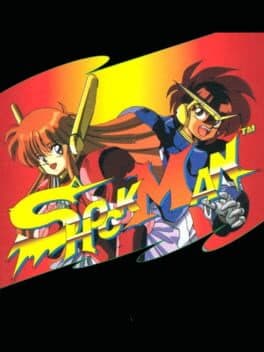
Shockman
Winds Co Ltd1991
It's been two years since Arnold and Sonya were made into Shockmen. A message from the professor to return to their bodies has them head to his laboratory, but they are ambushed by a mysterious enemy along the way. After narrowly defeating the enemy, they catch a TV news flash announcing the Ryo Empire invasion. They find that the professor has been abducted and set out to rescue him. Shockman is a side-view action shooter that has eight stages, including Action Stages, where you jump and use special techniques, and side-scrolling Shooting Stages. This game expands on the well-paced story from the previous version and contains cooperative elements like shared life and a powerful Team Shockbeam that can be used during two-player simultaneous play.
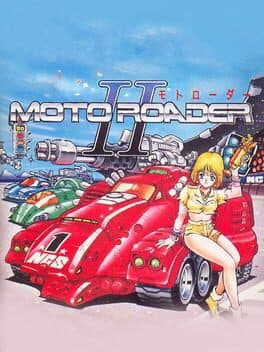
Moto Roader II
NCS Masaya1991
Abandoned future-lite style of the first game for a hard sci-fi look. In addition to a car, players can now race as tanks or hovercraft.
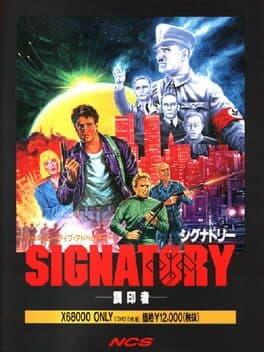
Signatory: Chouinsha
Tenky Co.1991
Adventure game developed by NCS in 1991.
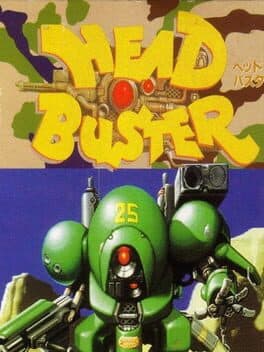
Head Buster
NCS1991
Head Buster is a Game Gear video game that involves robots fighting in combat sequences. The object is to earn more gold by winning matches and spending that money on better weapons like rifles, missile launchers, and flamethrowers. Robots can be traded in for money (gold) if updating them is impossible. At the center of each starting point is a base (circle). Either the base must be destroyed or all the opponent's robots must be destroyed in order to clear the battlefield. There is a certain range to each weapon; opponents cannot be attacked if they are too close or too far away from the weapon's firing range. There are ten different maps in the game. Each level has its own password. Players must deliver newspapers for a tiny stipend in order to resume competing after a loss.
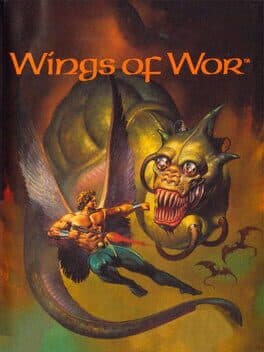
Wings of Wor
Masaya1991
Gynoug, known in North America as Wings of Wor, is a 1991 scrolling shooter video game developed by Masaya and published by NCS Corporation for the Sega Genesis. The game was released in North America and Europe in 1991 and in Japan on January 25, 1991, and re-released on the Wii Virtual Console exclusively in Japan on May 20, 2008.
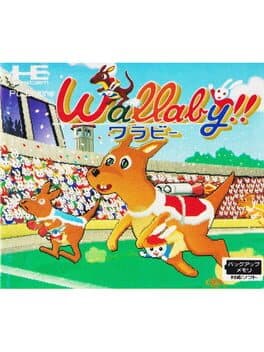
Wallaby!! Usagi no Kuni no Kangaroo Race
Tenky Co.1990
In this game the player bets on races. The twist is, the racers are wallabies. They also have rabbits in their pouches. The game takes place in a world largely inhabited by the said rabbits, but there are other animals, such as koalas who serve as bookmakers. The game also features managerial elements, as the players must manage their racers. The player can choose to play as one of four rabbits and name them. The racing itself is non-interactive, the only option being to change focus from one wallaby to another. The player can watch a race whether they've made a bet or not.
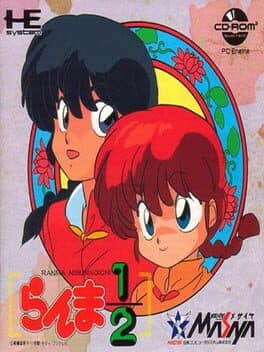
Ranma 1/2
NCS Corporation1990
This is the PC engine CD version of Ranma 1/2.
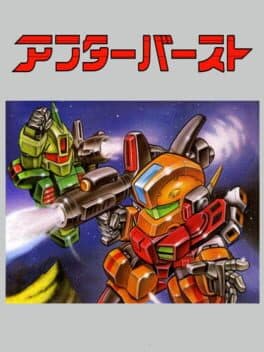
After Burst
Dual Corporation1990
Players must control a combat robot as they make their way towards their ultimate goal: destroying the enemy orb. Each level only has one screen to blast hostile robots, solve challenging platforms, and manipulate a series of short puzzles. 30 stages await players as they look forward to a boss battle on every tenth stage. A weapon is available; its gunfire can be altered by changing the angle of the gun. Even the distance of the shot can be changed by holding down the button for extended periods of time.
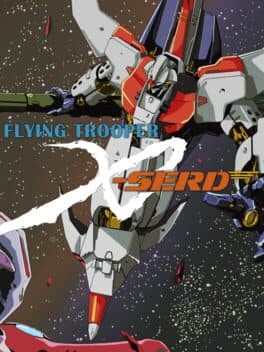
Hisou Kihei X-Serd
NCS1990
Hiso Kihei Serd (aka Hiso Kihei X-Serd) is an SRPG game by Masaya. The game is similar to other robot/mech games by Masaya/NSC, such as Vixen 357 on Sega Mega Drive.At the end of the 24th century, humanity recovered from a devastative World War and humans started to colonize the galaxy. In 2384, unknown invaders attack the Jupiter base and finally reach Earth. Although the Earth Federation has prepared a counter offensive, the chances of success are very slim. But the Asian Federation has a secret weapon, the SERD Squadron, and its mission is to find and destroy the invader’s bases and drive them out of Earth. Hiso Kihei Serd is a turn based war game at its core and in any given mission the player must deploy and control a number of Serd giant robots on an overhead map – each mech comes with its own characteristics, some are fast and have long-range attacks whereas others are bulkier, slower but use more powerful weaponry. When a fight between two opponents is triggered, the screen switches to an animated sequence. Each Serd gains experience in battle which may be used to enhance its attack and evasive capabilities. However, should one of the Serd be destroyed during a given mission, it is gone for good but more (up to seven) can be acquired as the game progresses. Hiso Kihei Serd consists of ten missions and is single player only. A password system also allows the player to save his progress (although the backup RAM can also be used). It is important to remember that some units possess a special ability, many of which can easily turn the tide of the battle. Using them wisely is a key to quick victory in later stages. Overall, this is an enjoyable game, and a prequel to Vixen 357. One can easily notice the similarities between these 2 games, and it’s easy to pick up one if you’ve ever played the other one at some point.
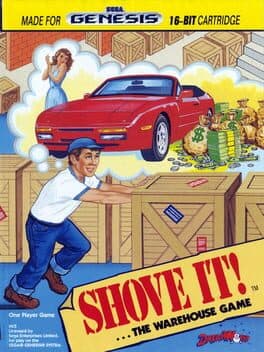
Shove It! The Warehouse Game
NCS Corporation1990
You'll need brains and brawn to solve these mind bending puzzles. You're Stevedore the warehouse man. You shove boxes for a living. This morning you met the girl of your dreams, but to get to her you'll need the car of your dreams! And that means working overtime and using your head. Now you've got a big job ahead of you, 16 levels, 160 warehouses that need to have their boxes shoved into order. Each room is a puzzle that takes skill, strategy and your wits to solve. As you progress, the ware-houses get harder. It's addictive! Once you start you can't stop. Some warehouses may seem impossible, but there is a solution to each one. To help you there is a "trace mode" to retrace your steps and passwords to access each level, once you've earned that level. You can even design your own warehouses to stump your friends. If you can beat all 16 levels, a brand new sports car... and the girl... will be yours. Fall and you'll be yelling Shove It!
Ganbare Golf Boys
NCS Corporation1989
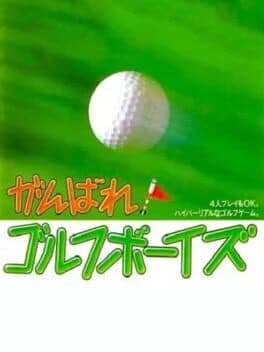
Multiplayer golf for the PC Engine courtesy of Masaya and Dual. Ganbare! Golf Boys ("Do Your Best! Golf Boys") is a PC Engine exclusive golf game that allows for up to four players to compete is a round of golf via the console's multi-tap peripheral. It did not receive a US localization. The game has a permanent top-down view of each hole, zooming in whenever the player is on the green, and has the "hit the sweet spot" power gauge system standard to most golf simulators. It features a total of two courses, with eighteen holes apiece. Ganbare! Golf Boys is notable for being the first project that prominent game musician Atsuhiro Motoyama ever worked on.
Moto Roader
NCS Corporation1989
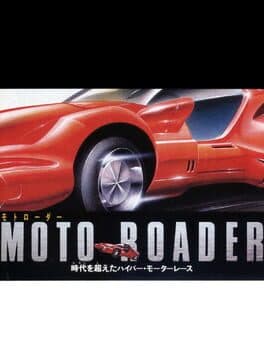
Rev up your engines for some racing fun! Are you ready to be a MOTO ROADER?
Double Dungeons
NCS Corporation1989
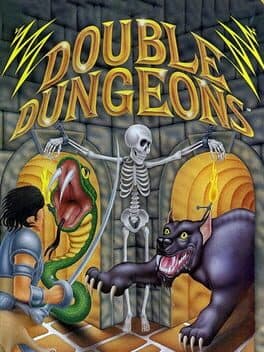
Summoned by the King, you are the last hope of a once peaceful land. Journey deep within the earth on your quest to destroy a strange, unnatural force. With new "split screen" action you and a partner can work together to uncover the mysteries of the eerie underground labyrinth and its evil inhabitants. Face the Death Crow, Pumpkin Head, and Savage Elf in over 22 levels of chilling adventure. You won't want to travel alone - and you don't have to!
Elthlead Senshi
NCS1988
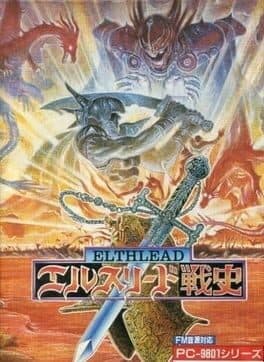
Elthlead Senshi is a Strategy game, developed and published by NCS, which was released in Japan in 1988.
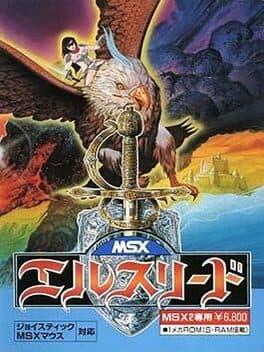
Elthlead
NCS1987
Elthlead is also notable for being the first fantasy SLG game ever developed. While most SLG fans look back to Master of Monsters or Fire Emblem as the origin of the genre, these games were released in 1988 and 1990 respectively. The world of Elthlead also introduced the universe that would provide the framework for NCS' later Langrisser series.
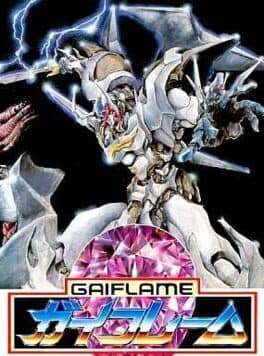
Gaiflame
NCS1987
Mecha strategy game developed by Masaya in 1987. Gaiflame is a turn-based strategy game from Masaya that was released on a number of Japanese home computers, as well as the PC Engine. No version of the game was ever released outside of Japan. The player moves around mecha and jet units around a world map, trying to conquer as much territory from the forces of darkness as possible in order to repel them. When two opposing sets of troops occupy the same area, the game switches to a hexagonal grid where the two forces clash. When units meet in combat, the game uses animated cutaways demonstrating the exchange of damage. Gaiflame is considered a precursor to Masaya's Langrisser series, along with Gaia no Monshou and Elthlead.