-
Average rating
156
Games
0
Votes cast
Heartbeat
Shipped Titles
Games (156)
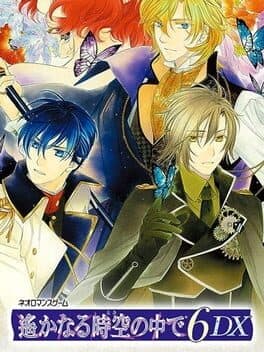
Harukanaru Toki no Naka de 6 DX
Ruby Party2019
Switch port of Harukanaru Toki no Naka de 6 and Harukanaru Toki no Naka de 6: Gentou Rondo with sixteen new stills, new events, and a new fully voiced prologue.
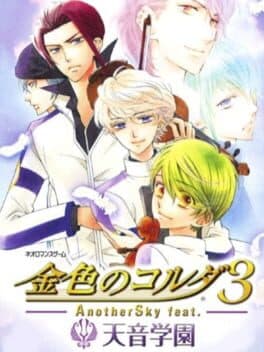
Kiniro no Corda 3 AnotherSky feat. Amane Gakuen
Ruby Party2014
AnotherSky allows players to view the narrative from one of the three main rival schools introduced in the third title.

Winning Post 8
Koei2014
The 2014 edition of Tecmo Koei's horse racing simulator advances the series numbering to 8.

Kiniro no Corda 3 AnotherSky feat. Shiseikan
Ruby Party2014
AnotherSky allows players to view the narrative from one of the three main rival schools introduced in the third title.
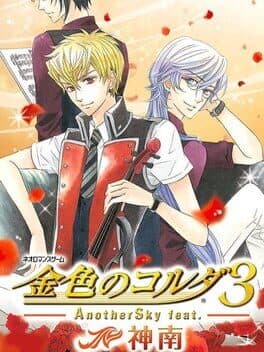
Kiniro no Corda 3 AnotherSky feat. Jinnan
Ruby Party2014
AnotherSky allows players to view the narrative from one of the three main rival schools introduced in the third title.
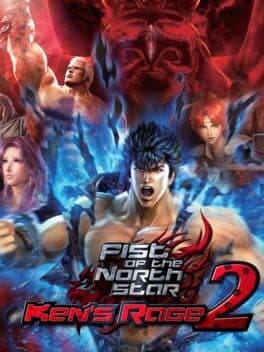
Fist of the North Star: Ken's Rage 2
Koei2012
Kenshiro and over twenty other characters from the Fist of the North Star series are ready to unleash rage in another game from Tecmo Koei. Fist of the North Star: Ken's Rage 2 has Legend mode that covers the entire manga storyline from the Raoh Saga to the Land of Shura. Dream Mode has original storylines made just for the game that often focus on minor characters from the Fist of the North Star series.
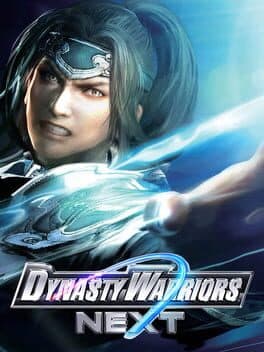
Dynasty Warriors Next
Omega Force2011
The epic action franchise makes its way to the PlayStation Vita.

FabStyle
Ruby Party2011
Fashion retail simulation game, the first Ruby Party game to not have the Neoromance label. The game's overall theme is to "live a wonderful life"; the common catch phrase for the game is "Fabulous!"
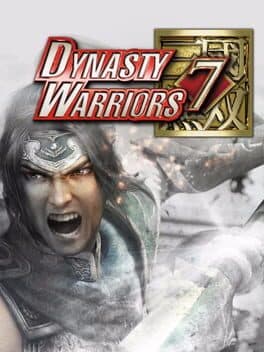
Dynasty Warriors 7
Omega Force2011
In the new Story Mode, follow the ascent and fall of heroes. In Dynasty Warriors 7, experience a new Story Mode and follow the captivating story of our Kingdoms battling for rule of China. Experience the individual tales of the Shu, Wu, Wei and the new Jin kingdomes as they shape China from the warring chaos at the end of the Later Han period to the division of the Land into Three Kingdoms. Take your faction through this key point in history and tell the story of the Dynasty that rose to seize power and unify the country once again. Immerce yourself in the epic scale of each Kingdom's story, viewing events from the eyes of a different character in each stage. Now is your chance to live through an intense historical drama of greetings and goodbyes, friendships, feuds and rivalries.
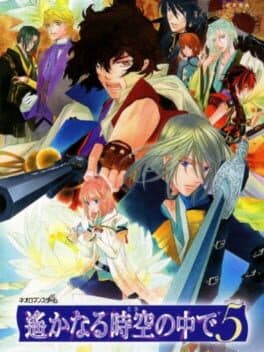
Harukanaru Toki no Naka de 5
Ruby Party2011
A PlayStation Portable exclusive entry in the Harukanaru Toki no Naka de series.
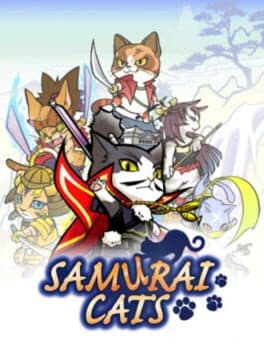
Samurai Cats
Koei2011
Samurai Cats is a social game adaptation of the Nobunaga's Ambition series which turns historical figures into cats with kitty themed names. It debuted to the public on the informal Japanese holiday, Cat Day.
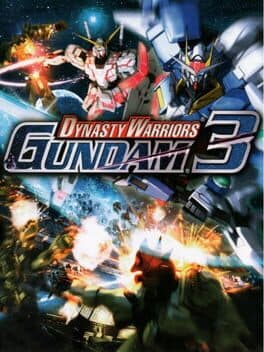
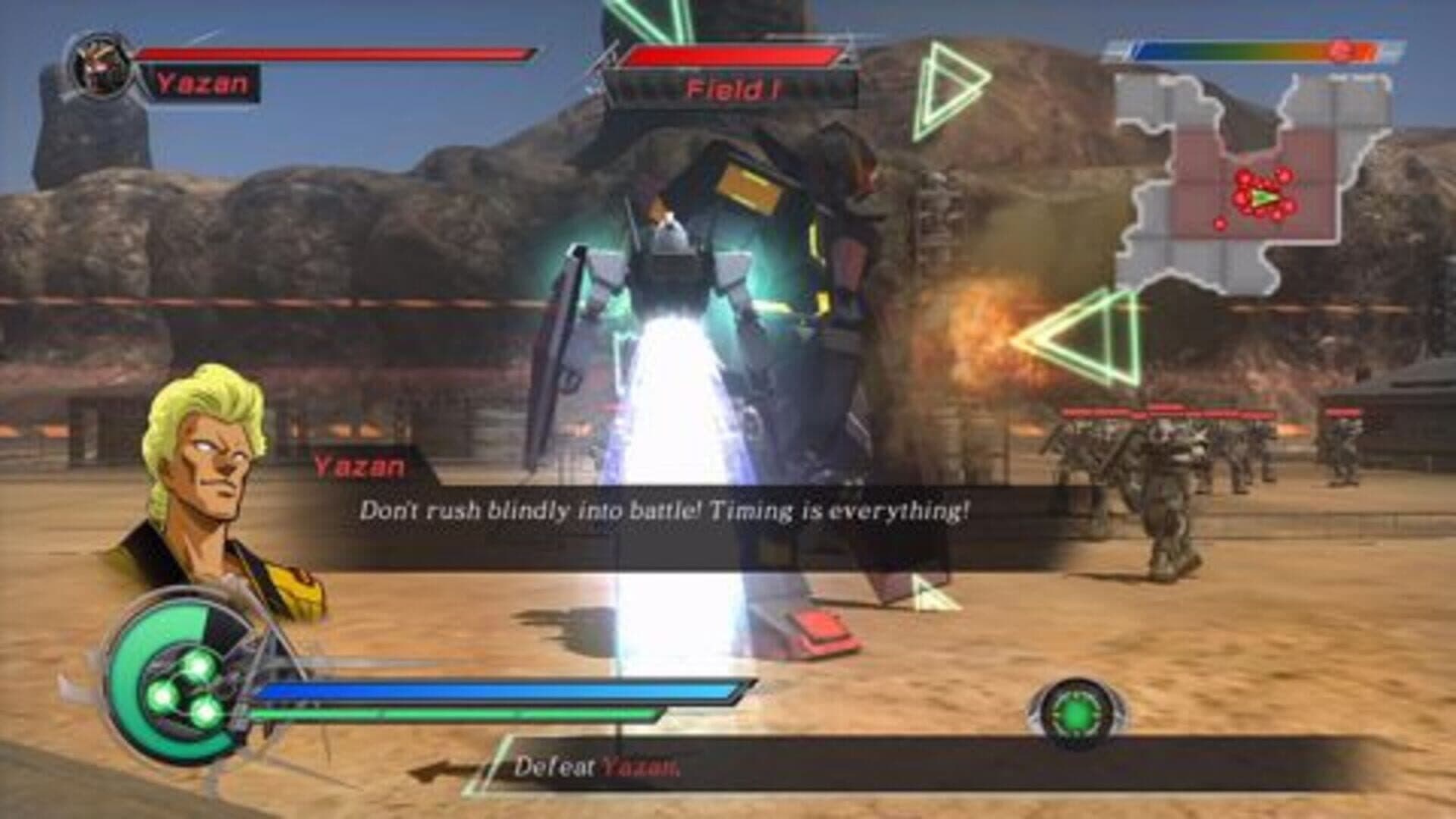
Dynasty Warriors: Gundam 3
Omega Force2010
First released in December 2008, the Dynasty Warriors: Gundam series has gained much popularity, and finally the newest entry is going to be released soon. By continuing all of the popular elements and loosing unpopular elements of the previous installments, we hope that this installment is the best of the series. With newly added features to set this installment apart from the rest, it has evolved to increase the player's sense of "an authentic battlefield experience."
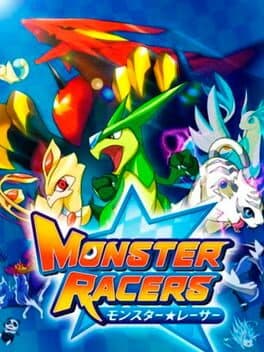
Monster Racers
Koei2010
In Monster Racers, players embark on a quest that will take them around the globe in search of monster breeds to train, nurture and race. Throughout their journeys, players build lasting friendships with new allies, and encounter daunting challenges from a bevy of rival trainers. The real fun comes from capturing wild monsters in their native habitats. As the player progresses, he or she can explore different regions, venture into secret habitats and discover more adventures. The game's race courses are filled with challenging obstacles that test both the players' and monsters' skills in controlling speed, jumping ability, and reaction time. With enough courage, skill and practice, players can make it to the greatest race in the world, the "Super Cup." Using the Nintendo Wi-Fi connection, players can join up to three other trainers to compete in race tournaments or to capture new monsters on safari.

Winning Post World 2010
Koei2010
Winning Post World 2010 is a Sports game, developed and published by Koei, which was released in Japan in 2010.
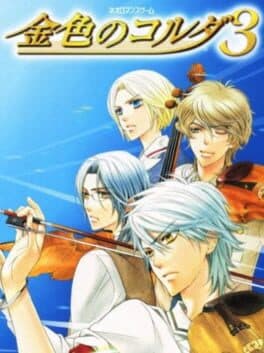
Kiniro no Corda 3
Koei2010
Kiniro no Corda 3 is the third numbered installment of the Corda series. It was first announced to the public during Koei's presentation for new titles at Tokyo Game Show 2009.

Winning Post World
Koei2009
Winning Post World is a Sports game, developed and published by Koei, which was released in Japan in 2009.
Musou Orochi Z
Omega Force2009
Musou Orochi Z, is a 2009 hack and slash video game developed by Koei and Omega Force for the Sony PlayStation 3 and Microsoft Windows. Z is the third installment of the Warriors Orochi series, a crossover video game of the Dynasty Warriors and Samurai Warriors series. Musou Orochi Z was intended to be a combination of the first two games with more characters and stages on an updated gaming platform. The game was released in Japan for PlayStation 3 on March 12, 2009 and released on Microsoft Windows platform on November 27, 2009. Koei had planned to release the game as Warriors Orochi Z in North America and Europe, but those plans have since been cancelled.
Dynasty Warriors: Strikeforce
Omega Force2009
Koei brings us again a new addition to the Dynasty Warriors series. This installment still features the same storyline based on the Romance of the Three Kingdoms, with the various officers as playable characters. The character list and appearance is the same as in Dynasty Warriors 6, meaning some of the previous game's characters are not available. The difference in this one is that the player is allowed to choose only one character for the chosen force (either Wei, Wu or Shu) who starts in a village that will act as the hub, or camp, from which the game battles are accessed. By completing story missions, some characters are added and can be played as without starting a new game, meaning all acquired weapons, items and materials will be kept. The chosen character can be customized in various ways. Apart from the main weapon, one sub weapon, chosen from many weapon types, can be equipped. Both weapons can be switched anytime during battle, to accommodate the situation. A new addition is the Chi system which allows to set special abilities to the character, there are four slots to equip Chi (the two arms and legs). Weapons can also be customized by adding Orbs that give different abilities, such as elemental properties. In the village, the player can exchange materials, buy weaponry, items for use in battle, Chi skills and Orbs. Some NPC's may appear in the village, some giving materials or items, or Officer cards, which can be set to help the Village's growth. Over time, better items can be acquired from the shops. By talking to the quest board or the Guard at the village's gate, main Missions or Requests can be chosen. Each battle is a series of small maps where various enemy soldiers and weaponry are fought, eventually leading to the commander of the enemy army. The goal of each battle can vary, some are classic goals like "Defeat the Commander" and some, less battle oriented, like "Retrieve all treasure boxes". In addition, there also are bonus missions that require the player to defeat a particular unit, reaching a certain point before a certain time, etc. Each bonus mission gives extra experience points upon completion. Other new additions to the battle system are the possibility to have aerial battles, and the main feature of the game: the Fury Mode, unleashed when the Fury gauge (replacing the traditional Musou gauge) is full. The furied character has better stats and move sets, and can unleash the infamous Musou attack to deal some extra damage. To add to the surreal look of the game, some new bosses are actually massive beast-like weapons, and usually require the help of other players to defeat them. Multiplayer mode is available only via AdHoc connection, and can connect up to four players.
Dynasty Warriors: Gundam 2
Koei2008
Dynasty Warriors: Gundam 2 combines the devastating power of the mobile suit, the rich legacy of the anime Gundam universe, and the furious tactical action gameplay of the Dynasty Warriors series. For the first time, engage in melee battles against colossal enemies such as the Psycho Gundam who can quickly reconfigure their bodies into titanic mobile fortresses. Prepare to head off into the furthest reaches of space and wage war against legions of enemy mobile suits.
Saihai no Yukue
Omega Force2008
A battle adventure game for the Nintendo DS developed by Omega Force, known for the Musou/Warriors series, the game is based in the Battle of Sekigahara, where you play as Ishida Mitsunari against Tokugawa Ieyasu.
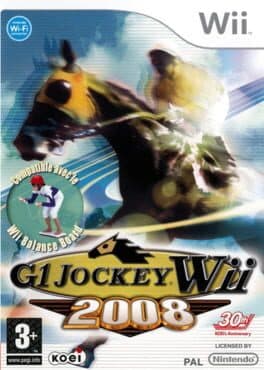
G1 Jockey Wii 2008
2008
A revolutionary horse racing experience that brings you closer to the real thing than ever before. Work your way up from novice status to become a renowned horse racing legend throughout a full, in depth career.
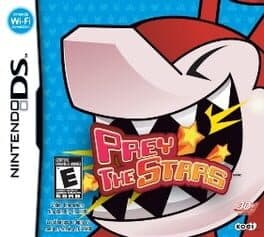
Prey the Stars
Koei Canada2008
In Prey the Stars – known as Gabu Gabu Planet in Japan – players control various dog-like creatures in a competition to eat the most items in a given level. Part of the challenge comes in that, in order to successfully eat an item, you must "chew" it by repeatedly pressing the B button.
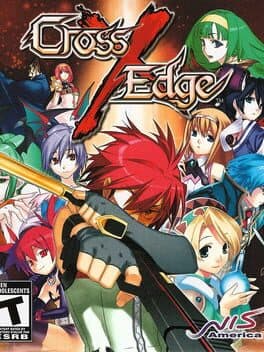
Cross Edge
Idea Factory2008
In a world where dreams and nightmares become reality, a band of powerful warriors from across dimensions must come together to stop their worlds from being consumed by evil incarnate. Harness the power of characters from such series as Disgaea, Ar tonelico, and DarkStalkers! Utilize the dynamic battle system to unleash powerful special skills and team combos, and choose your destiny!
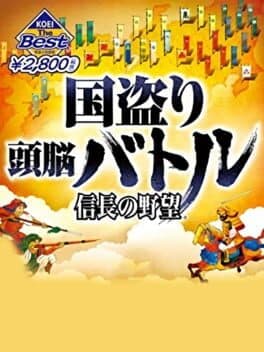
Kunitori Zunou Battle: Nobunaga no Yabou
Koei2008
A tactical board game with Japanese historical figure in feudal era.
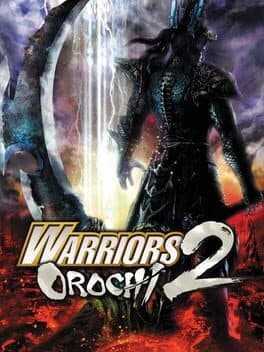
Warriors Orochi 2
Koei2008
Warriors Orochi 2 is a 2008 video game developed by Koei (now Tecmo Koei) and Omega Force for the PlayStation 2. It is the sequel to Warriors Orochi, a crossover video game of the Dynasty Warriors and Samurai Warriors series. The game was released on September 23 in North America and September 19 in Europe. A version for the Xbox 360 was released on September 4, 2008 in Japan, and alongside the PS2 releases in North America and Europe. A PlayStation Portable version has been released in Japan, North America and Europe.

Winning Post 7 Maximum 2008
Koei2008
A horse-racing management sim focused on breeding, training, and racing to produce champion thoroughbreds. Players balance detailed pedigree and bloodline systems, training plans, and race tactics across seasonal competitions, with expanded race conditions, track variety, and deeper jockey/horse interactions.
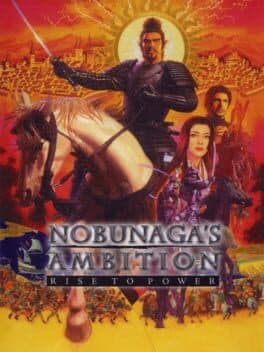
Nobunaga's Ambition: Rise to Power
Koei2008
Nobunaga's Ambition takes place during the Sengoku period of feudal Japan. As the title suggests, the player is tasked with achieving the ultimate goal of warlord Oda Nobunaga: the conquest and unification of Japan. Selecting Oda Nobunaga is optional, however, as the player is also able to choose from a variety of other regional daimyos of the time. This game introduced castle towns and unified castle sieges. The administration screens transitioned to full 3D.
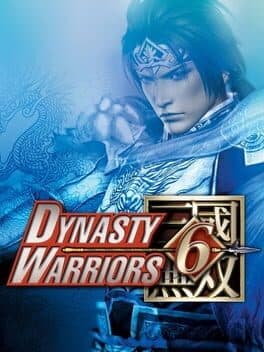
Dynasty Warriors 6
Omega Force2007
Based on the epic novel, Romance of the Three Kingdoms, the genre-defining Dynasty Warriors series depicts the massive battles ignited by the fall of the Han Dynasty when three rebellious states moved to overthrow the Emperor of China. Expanding over the original with a new combat engine, Dynasty Warriors 6 delivers the exhilaration of single-handedly destroying thousands of soldiers on massive fields of combat. The lightning-fast king-fu fighting, fluid animation, intuitive combat system and immersive game environments push the limits of tactical action!
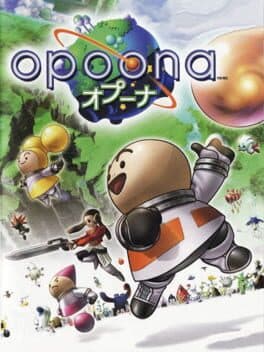
Opoona
ArtePiazza2007
While on an interplanetary family vacation, the young boy Opoona crash lands on Planet Landroll after his spaceship is involved in a mysterious accident. Separated from his family, Opoona is forced to live alone. On the planet, Opoona must find a job, search for his siblings, and defend himself and the people of Landroll against creatures known as the Dark Rogues. Luckily for Opoona, he is the descendant of a long line of warriors known as the Cosmo Guards. Thus, Opoona’s adventure begins as he struggles to establish a new life and reunite his family. The game’s action-oriented battle system lets players use powerful “Energy Bonbons” against their enemies. Using just the Nunchuk, players can manipulate an Energy Bonbon’s trajectory in a number of different ways. All of Opoona’s commands are also controlled by the Nunchuk, to allow a complete “single-hand control” of the game. Opoona is not just about battling; it is a “Lifestyle RPG.” As Opoona, players must adapt to a new environment, meet new people, and contribute to society through work, all while becoming aware of the precious world and people around him. As the game progresses, Opoona will develop relationships and uncover a broader range of activities including new jobs and clues to new adventures.
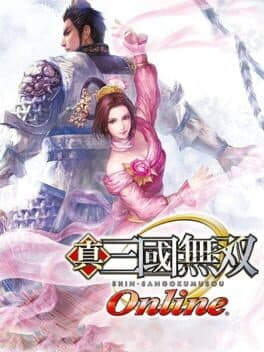
Dynasty Warriors Online
Omega Force2007
The game was originally announced for Microsoft Windows in 2004 as Shin Sangoku Musou BB (Dynasty Warriors Broadband), with a release in Japan in early 2006. The PS3 version was later confirmed, exclusive only to Japan, in 2010. The game's name changed from Dynasty Warriors BB changed its name to Dynasty Warriors Online on Wednesday, November 28, 2007.
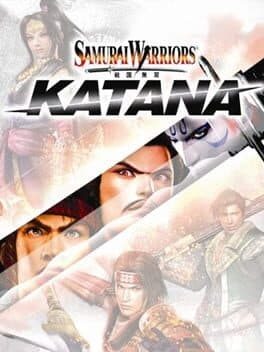
Samurai Warriors: Katana
Omega Force2007
Samurai Warriors: Katana is an action video game set in feudal Japan and is based upon the Samurai Warriors series. The game is played with the Wii Remote and Nunchuk attachment, and the action is seen from a first-person viewpoint. In battle, the player character is equipped with one melee weapon (such as a sword or spear) and one ranged weapon (such as a bow and arrow or cannon). The player can freely switch between melee and ranged weapons during combat. Attacks are performed through either pressing the attack button on the Wii Remote to attack single enemies, or motion-based attacks that can damage groups. The game also includes a competitive multiplayer mode for two players. Outside of combat, there are running sequences where the player must swing his/her arms with the Wii Remote and Nunchuk in hand to simulate the arms pumping in a running motion. Horseback riding is also included, with the Wii Remote performing the function of the reins while the Nunchuk is used as a whip.
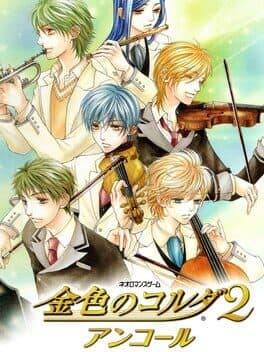
Kiniro no Corda 2: Encore
Ruby Party2007
Kin'iro no Corda 2Encore is the continuation of 2.

Fatal Inertia
Koei Canada2007
Fatal Inertia is a futuristic hovercar racing game from Koei. Originally an exclusive for the PlayStation 3, it was released for the Xbox 360 in 2007 and then released on the PlayStation 3 on May 29, 2008 in Japan, June 19, 2008 in North America and July 15, 2008 in Europe as a download on the PlayStation Network under the title Fatal Inertia EX. The PlayStation 3 version was initially delayed because of difficulties with the Unreal Engine 3 on the console, due to the cell processor's architecture. The game is set in the mid-22nd century Earth, and a handful of immense corporations control virtually all business, politics, and entertainment. Extreme sports have become one of the main sources of entertainment with Fatal Inertia as the most popular. Competitions take place far from cities due to the high level of danger. There are six different racing environments that are divided into fifty-one courses.
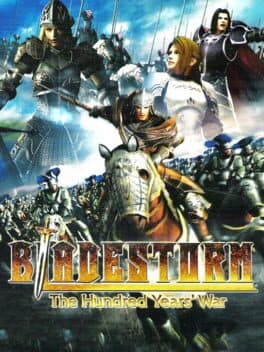
Bladestorm: The Hundred Years' War
Omega Force2007
Bladestorm: The Hundred Years' War is a historical real-time tactics video game for the PlayStation 3 and Xbox 360 platforms. It was published by Koei and developed by Omega Force. The game is loosely based on the Hundred Years' War between the Kingdoms of England and France in the 14th and 15th centuries. Just like the Kessen and Musou series from Koei, certain liberties are taken from the original history. For example, unlike what happened in real life, it is possible to save Joan of Arc from being burned at the stake. A expansion remake, entitled Bladestorm: Nightmare was released for consoles in Japan at the end of January, 2015 and in western regions a couple months later. The worldwide Microsoft Windows release was on May 29, 2015.[
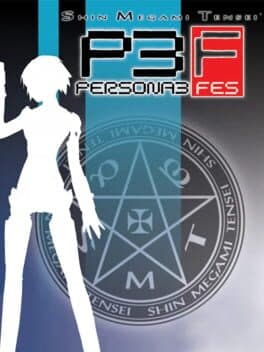
Persona 3 FES
Atlus2007
Shin Megami Tensei: Persona 3 FES is an add-on disc for Persona 3 containing updates to the original game (referred in the game as "The Journey"), as well as a new epilogue story, The Answer, in which the player controls Aigis. The subtitle "Fes" is derived from the word "festival".
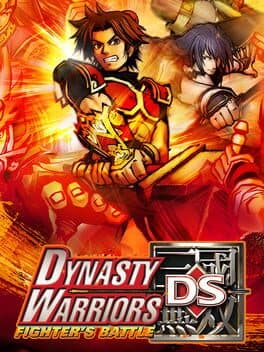
Dynasty Warriors DS: Fighter's Battle
Omega Force2007
It's time to team up with the legendary Dynasty Warriors and save Ancient China. Rival kingdoms and hordes of rebel soldiers are on the attack. In Dynasty Warriors DS: Fighter's Battle, players must reunite a divided nation by taking on the role of one of three new characters, each with their own special attribute: the Phoenix (key attribute: balance), the Dragon (key attribute: speed), and the Chimera (key attribute: power). Using a "Battle Deck" of cards, players select up to seven of the original Dynasty Warriors to serve as officers who will defend their bases. A new "Obstacle Roulette System" lets players unleash tactics or spells using cards from the players' Battle Deck. These Obstacle attacks can disrupt an opponent's progress and are crucial to victory, especially in the game's wireless Vs. mode.
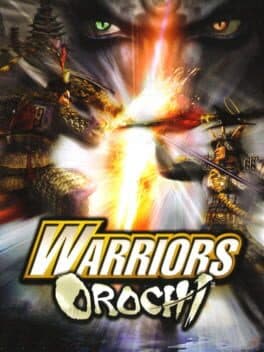
Warriors Orochi
Koei2007
Without warning, the venomous Serpent King Orochi descended from the heavens. Using his unworldly powers to shatter time and space, Orochi kidnapped the strongest, wisest and most courageous warriors from Ancient China and Feudal Japan in a scheme to test his might against the heroes of these ages. In Warriors Orochi, the characters from Dynasty Warriors and Samurai Warriors must team-up to wage war against this new, yet powerful force. Warriors Orochi for PSP is the first to boast the massive, seamless battlefields of the console versions -- previous games in the series for handheld platforms had combat taking place on battlefields divided into smaller "cells", but this game allows free roaming for realtime tactics and combat. The game also includes all 79 playable characters, and features 2-player co-op play via wireless (ad-hoc).
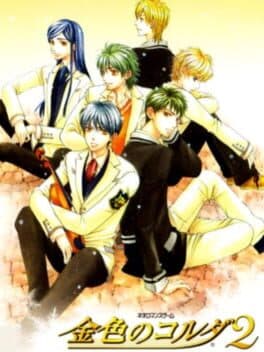
Kiniro no Corda 2
Koei2007
This is a sequel to "Kiniro no Corda", a love simulation game in which you take control of Kahoko, a female student.
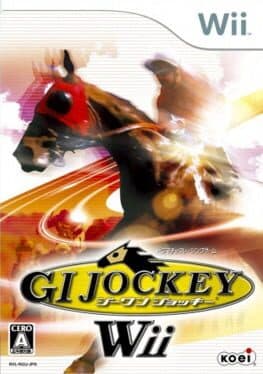
G1 Jockey Wii
2007
As well as giving gamers the opportunity to whip themselves into shape while striving to be the king of the final furlong, G1 Jockey Wii also contains an incredibly deep career mode where players get the chance to work their way from rookie status to horse racing legend.
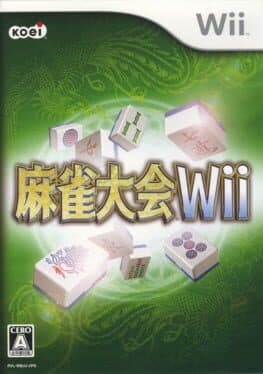
Mahjong Taikai Wii
2007
A Japanese import of the classic Mahjong board game.
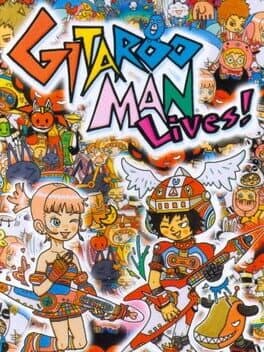
Gitaroo Man Lives!
iNiS2006
In this strange music rhythm game, you play Gitaroo-Man as you go against various music themed villains. The game puts a new twist on music games as you not only have to time button presses but you have to move the analog stick around in a radar circle to follow a line that passes through the center point. You can play up to 4 players using the multitap and choose from a variety of characters, songs, and locales. Along with local Ad-Hoc multiplayer and additional difficulty options, the game adds a new Duet mode, in which two players control Gitaroo Man and Kirah in two exclusive new stages, "Metal Header" and "Toda Pasión". These levels may also be played alone if the handheld's Ad-Hoc is activated.
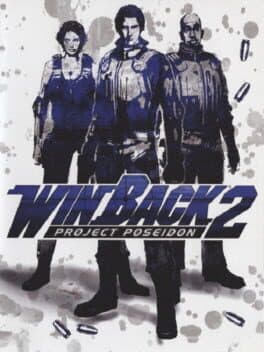
WinBack 2: Project Poseidon
Cavia2006
In a world where terror takes many forms, a new weapon threatens to shake the balance of power. Freedom's last hope rests in the hands of three new operatives, who must race against time to recover this doomsday device. The fate of the world hangs by a thread, and a few ticks of the clock means the difference between justice and annihilation. WINBACK 2 brings to the series a new "route" system that lets players experience each mission from the perspective of different operatives. There are 30 intense missions, multiple difficulty levels, and new weapons including the highly-anticipated sniper rifle. The new Winback assault team is comprised of three young, yet combat-proven operatives led by Craig Contrell. Each team member is qualified in six different weapon types and highly-adept at CQB (Close Quarter Battle). They are masters of target identification, engagement and shot placement. In the hands of the player, all of these techniques will be put to the test. The game's unique shooting action is spread across 30 high-risk operations situated in challenging urban environments and conveyances.
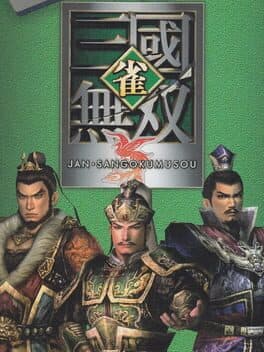
Jan Sangoku Musou
Koei2006
The game is played against the characters of "Dynasty Warriors Series," Koei game based on the Sanguo Zhi in China, but it is an authentic mahjong game which adopts an algorithm that does not have a kind of insane technique that is common in character mahjong games. This game is based on the mahjong software "Mahjong Taikai" released by Koei.
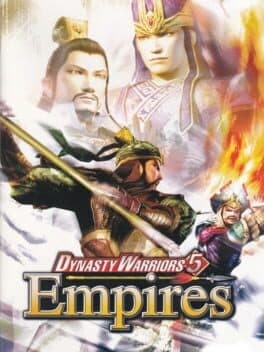
Dynasty Warriors 5: Empires
Omega Force2006
Dynasty Warriors 5 Empires (真・三國無双4 Empires) is the second expansion for Dynasty Warriors 5. Like the previous Empires expansion, the game focuses on the player's ability to simulate a leader taking and controlling territory, eventually becoming a powerful leader controlling China. They can form helpful alliances with other factions, recruit powerful officers to their side, use tactics to gain the upper hand against foes, etc.
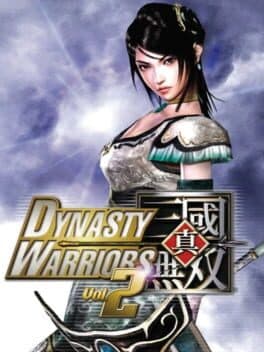
Dynasty Warriors Vol. 2
Omega Force2006
Ancient China's greatest warriors have rocked the foundations of heaven and earth for over 2,000 years. Now KOEI's 'Warriors Worth a Thousand' return in a sequel that eclipses the original with an exquisite array of features. For the first time, up to 4 players can engage in multiplayer combat including a Battle Royal mode. Players can now unlock up to 300 officers (three times as many as the original), and then wirelessly trade these officers with other players. Players can also manage a stable of up to 8 horses and elephants. Each mount will gain experience during battle and will prove a valuable military asset when setting out to conquer the game's more than 50 stages and 31 maps. Dynasty Warriors Vol. 2 includes the complete pantheon of all 48 Dynasty Warriors, with branching story paths for each kingdom. Game modes include Musou, Multiplayer and Free mode, plus a Camp mode where players can view detailed information on weapons, officers and stages. The game also gives players a full view of the battlefield action using the PSP system's wide-screen display.
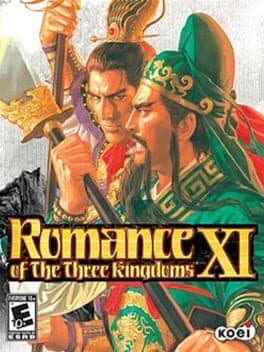
Romance of the Three Kingdoms XI
Koei2006
Rediscover an ancient civilization with an explosive history in the most stunning edition of Romance of the Three Kingdoms. Set during the end of China’s Han Dynasty and the 2nd and 3rd centuries A.D., RTKXI presents the most visually-captivating evolution in the history of the series. Blurring the line between video games and art, RTKXI features visuals evocative of classical Chinese ink-paintings along with debates and duels rendered in real-time 3D animation. You will need to dig deep within to prove yourself adept at both the military and political arts in order to bring China under one rule.
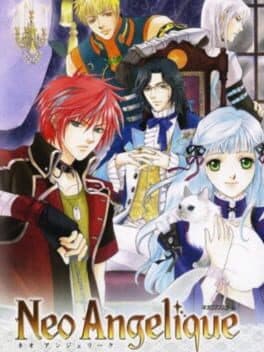
Neo Angelique
Ruby Party2006
Neo Angelique is the fourth Neoromance entry and an alternate universe of the Angelique series. Character designs and illustrations were done by Kairi Yura. Maki Fujioka was the character designer for the characters' animated counterparts, both in the game and for the TV series. Character image songs were composed by Yujiro Okazaki. Ruby Party originally devised the game to be a minor side story for the main Angelique series. During the brainstorming sessions for the plot and characters, the members realized that their project's ambitions far surpassed their starting expectations. Therefore, they shifted gears to make an "Angelique title friendly to newcomers", seeking to capture the series's charm without requiring the player to have extensive knowledge of prior lore. Role-playing game elements were devised to take center stage in gameplay due to its popularity in fan surveys at the time. The keywords for this title's narrative are "beautiful, noble, and romantic". The Premium Box included eight postcards, a character message CD and fully colored comic book/manual. Consumers who reserved the game or Full Voice through Gamecity Shopping received a mouse pad with their purchase.
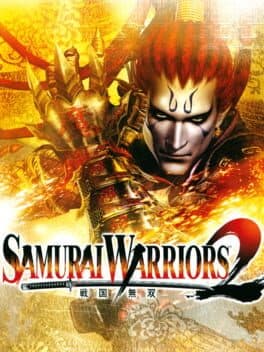
Samurai Warriors 2
Omega Force2006
Samurai Warriors 2 is a hack and slash game and the sequel to the original Samurai Warriors. The gameplay of Samurai Warriors 2 builds on the first Samurai Warriors by adding new characters and new features, such as the removal of the traditional range attacks in favor of the addition of two unique special abilities that differ from character to character. A returning element from the original Samurai Warriors is the Survival Mode. In this mode, the player chooses a character and fights through an endless castle. The game also contains a Sugoroku mini-game as an additional feature. Up to four players can participate in this mode, and each player has to choose a character. The game's goal is to collect the requested amount of gold (depending on the player's settings).
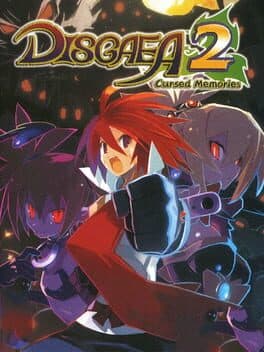
Disgaea 2: Cursed Memories
Nippon Ichi Software2006
Disgaea 2: Cursed Memories is a tactical role-playing game and the sequel to Disgaea: Hour of Darkness. It was re-released for the PlayStation Portable as Disgaea 2 Portable in Japan and as Disgaea 2: Dark Hero Days in North America and Europe. Fifteen years ago, a powerful Overlord by the name of Zenon appeared in Veldime and cursed its human population. Since then, all its inhabitants have become demons and are to remain that way if the curse was not broken. However, a young man named Adell was the only human unaffected by the curse. Wanting to save his family and return them back to their true form, Adell decides to seek out Overlord Zenon and defeat him. The gameplay in Disgaea 2 builds directly upon that of Disgaea: Hour of Darkness; players control a party of characters to do battle on a 3D isometric grid map.

G1 Jockey 4
Koei2005
G1 Jockey 4 lets players take the reins and experience the feeling of being a top racehorse jockey. This fourth game in the hugely popular series introduces a new ranking system and abilities, as well a revolutionary analogue control system.
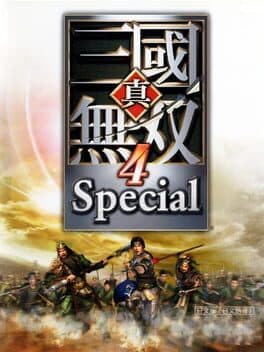
Dynasty Warriors 5: Special
Omega Force2005
Dynasty Warriors 5: Special includes content from Dynasty Warriors 5 and Dynasty Warriors 5 Xtreme Legends (excluding the Edit Mode and Destiny Mode features). Sports higher resolution graphics and includes the Japanese and English tracks. The game was exclusive to East Asian regions.
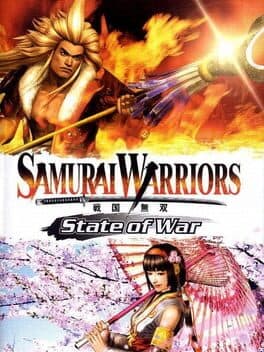
Samurai Warriors: State of War
Omega Force2005
Samurai Warriors: State of War is a portable version of Samurai Warriors, however, it is not a straight conversion and is made to more resemble Dynasty Warriors, giving it an "Samurai Warriors Empires" style of playing. The gameflow is mainly separated into two stages: the Strategy phase and the Action phase. During the first stage, the map is separated into colored squares and the player is asked to move their character in a turn-based fashion. Terrain affects how the player can act during this stage. What usually follows is the action phase, which asks the player to defeat as many opponents possible within 60 seconds. These stages can tip the battle in the player's favor. There are four main armies for the player to participate in: the Takeda (Western), Uesugi (Eastern), Nobunaga, or the solo army. Completing the game with these four factions unlocks the final stage in the game. It guest stars characters from Dynasty Warriors 4. The game features a Story mode, Free mode and VS mode.
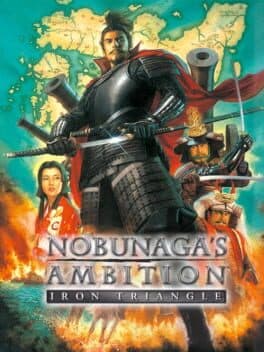
Nobunaga's Ambition: Iron Triangle
Koei2005
Nobunaga's Ambition: Iron Triangle is another entry in KOEI's long-running series of grand strategy games. As in the previous installments, the player assumes the role of a Japanese feudal lord during the famous Sengoku period (from the XV to the XVII century).
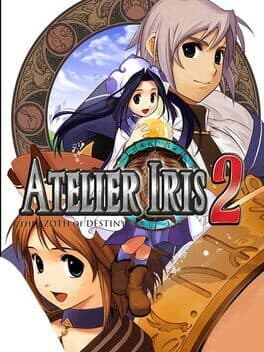
Atelier Iris 2: The Azoth of Destiny
Gust2005
The 7th core Atelier game and the second in the Iris Series. Its story is a Prequel to the first game.
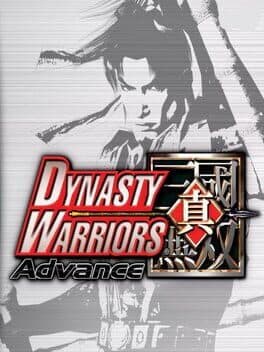
Dynasty Warriors Advance
Omega Force2005
Your kingdom is under attack! Powerful rivals surround you, waiting for the chance to strike, and only you have the power to save the day. With nowhere to hide, you unleash an awesome Musou attack and watch your enemies fall! Savor the victory, because even greater challenges lie before you!
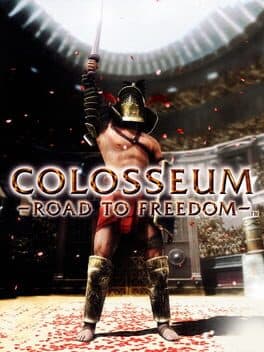
Colosseum: Road to Freedom
GOSHOW, Inc.2005
Taken into slavery, you are now a gladiator. Your only chance at freedom is to earn enough money in the arena to buy yourself back. Whether in a lowly arena on the outskirts of the Empire or in the Colosseum itself, a wide variety of opponents await: heavily armed charioteers, wild bulls, fellow gladiators and more. In a series of battles, from battle royales to one-on-one duels, you must entertain the crowds by spilling blood. After battles, it's time to train. A series of minigames improves your attributes and your diet perfects your body. Study your rankings, play around with your special skills, and await the next battle. Colosseum: Road to Freedom is a self-described Action RPG, controlled in the third-person and works as a gladiator simulator.
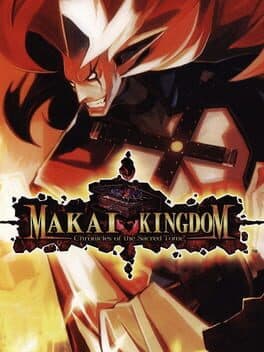
Makai Kingdom: Chronicles of the Sacred Tome
Nippon Ichi Software2005
Makai Kingdom is the fourth Nippon Ichi-developed tactical RPG on PlayStation 2 and it follows closely in the footsteps of the previous games of the same style, which are Disgaea: Hour of Darkness, La Pucelle: Tactics and Phantom Brave. Lord Zetta, the king of Netherworld, tried to rewrite the history of the land but didn't succeed, and in the process brought demise onto himself. Three evil Overlords appeared before Zetta and promised to help him in his quest to take over the land once more. The player takes control of Zetta and his army to return Netherworld to its rightful owner. The game mechanics consist of several stages in which the player must defeat the enemy or fulfill other tasks to advance to the next level. Fighting is done in turns, meaning that once the player has moved and attacked, it's the enemy's turn to move his troops one by one. When the battle is won, the next level becomes selectable. Between fights, you can improve your squad of fighters by buying better weapons, recruiting more soldiers and so on.
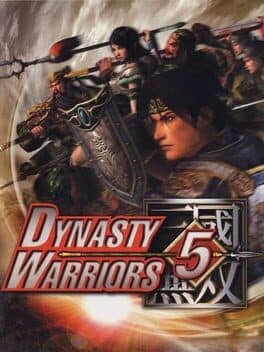
Dynasty Warriors 5
Omega Force2005
Dynasty Warriors 5 is a hack and slash video game set in China and the fifth installment in the Dynasty Warriors series, developed by Omega Force and published by Koei. The game was released on the PlayStation 2 and Xbox. It is based on the Chinese novel Romance of the Three Kingdoms by Luo Guanzhong.
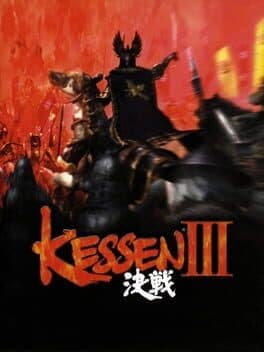
Kessen III
Koei2004
In Kessen III the player takes control of Nobunaga Oda, and unlike the previous two games, you cannot choose a side to play on, and Nobunaga has one goal only... to unify the lands and rid his world of misery and suffering. Following the prequels, this game comes with lots of cinematics and stays true to strategic as well as action gameplay, adding a few new things along the road, like collecting items during battles. The two main aspects of this game are planning and engaging in battle. Select officers and strategically place them on the field of battle, assign commands and issue orders. When on the battlefield, each of the officers, including Nobunaga, will have his/her army at their disposal which can be controlled at any point. Level-ups bring additional special attacks to both officers and their troops.
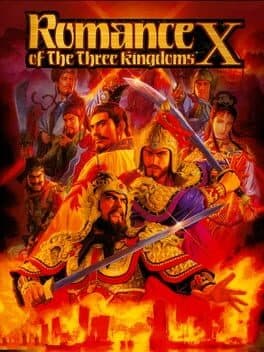
Romance of the Three Kingdoms X
Koei2004
Romance of the Three Kingdoms X is the tenth installment of the long-running series and takes place right after the fall of the Han Dynasty. It nearly covers 147 years of Chinese history. Gameplay is the same as previous incarnations, an overhead view, letting the player and the CPU move armies, build cities, gather supplies and attack one another, watching the battles from afar. There are two different ways to play the game. The player can choose the Historical mode where the characters of the game will follow history to the letter, acting the way the did in real life, but players can also choose a Fictional mode where everything is random and the player can change history as they see fit. There are 650 playable characters to choose from, as well as the ability to create over 100 different officers. Players can also trade generals and view stats using online capability.
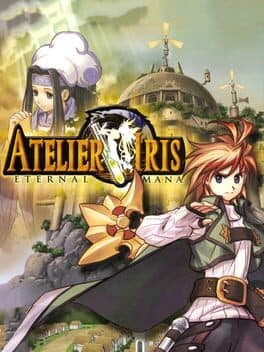
Atelier Iris: Eternal Mana
Gust2004
Atelier Iris: Eternal Mana is a Turn-Based RPG and with alchemy gameplay and story components. It is the 6th core Atelier game and the first game in the Iris series, being the first Ateleir game to be released internationally. The game follows the young alchemist Klein Kiesling, who is travelling to learn more about alchemy together with his friend, the Wood Mana, Popo. One day, he is saved from a monster by Lita Blanchimont, a young Galgazit, monster hunter. Lita eventually recruits him to become an Galgazit as well, and they start working together in the town of Kavoc. However, Klein is soon caught in many troubles, and eventually becomes involved in a quest of saving both the world and Lita.
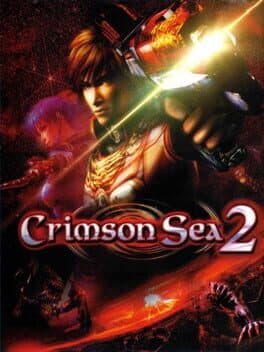
Crimson Sea 2
Koei2004
Two years after the events of the first title, the star system Theophilus is under attack by a force called "Menace". Sent to defend the galaxy once more, Sho meets a new Vipa named Feanay, who is seemingly tied to the Menace. Together, they fight to destroy Menace and discover Feanay's true origin.
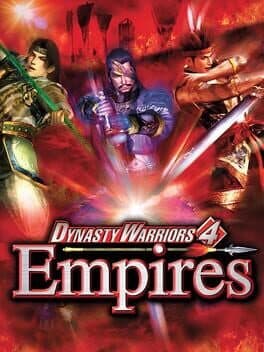
Dynasty Warriors 4: Empires
Omega Force2004
Dynasty Warriors 4: Empires is a strategy-oriented variant of Dynasty Warriors 4, mixing it with gameplay similar to Romance of the Three Kingdoms. The heart of the game, campaign mode, begins by choosing any of 24 regions and 42 rulers (custom characters can be created). Beginning with a small kingdom, the ultimate goal is the conquering of all others. Each turn, the player is given a choice from 4 different governing options (brought to your attention by your generals) followed by a single decision of action. These actions typically include the invasion or defense of a specific province or the option to aid an allied empire with those same actions.
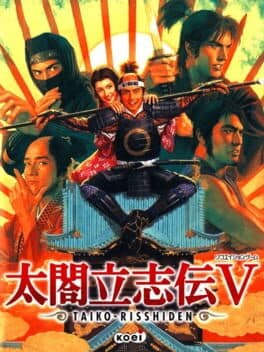
Taikou Risshiden V
Koei2004
Taikou Risshiden V is the latest title of a Japanese video game series Taikou Risshiden (turn-based sandbox role-playing video games/turn-based strategy) produced by Koei. It was released on PC and PlayStation 2 in 2004 followed by a port to PlayStation Portable in 2009. The first title of the series was released on NEC PC-9801 in 1992 followed by ports to Super Famicom and Genesis/Mega Drive. It was later re-released on the Wii Virtual Console on September 1, 2009, ported from the Super Famicom version. The name of the game roughly means "the Taikou's success story". The characters are taken from the Momoyama period in Japan. In the previous Taikou Risshiden IV, a character was selected from the choices of a samurai, a ninja or a merchant. In Taikou Risshiden V, new roles include a blademaster, a pirate, a doctor, a tea master, and a blacksmith, counting eight roles in total. The player meets various historical figures of the era in the game.
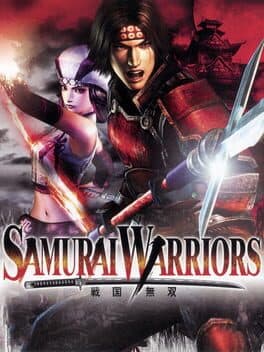
Samurai Warriors
Omega Force2004
Samurai Warriors is the first title in the series of hack and slash video games created by Koei's Omega Force team based loosely around the Sengoku ("Warring States") period of Japanese history and it is a sister series of the Dynasty Warriors series. In the basic gameplay of Samurai Warriors, the player takes the role of a single officer in battle and must fend off hordes of enemy soldiers and defeat the enemy commander. The player has at their disposal a range of combo attacks and crowd-clearing special moves known as Musou attacks. The variety of attacks available increase as the character levels up and acquires more superior weapons. The game features a total of 15 characters based on historical figures during the Warring States period of Japan.
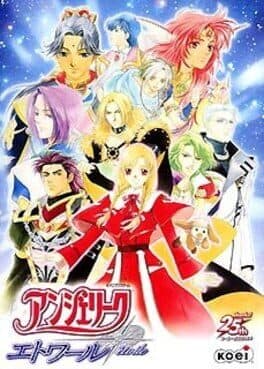
Angelique Etoile
Ruby Party2003
Angelique étoile (étoile meaning "star" in French) is considered the fourth main installment of the Angelique series. Its PlayStation 2 port is one of the projects made for Neoromance's tenth anniversary. It is the first game in the series to not provide Angelique as the default name for the protagonist. Yuki Hori and Mami Matsushita are the producers; Kazuyuki Nakasa is the director. Midori Kusanada is the scenario director. Nobumasa Takagi composed the music. The Premium Box edition includes a collector's plate. The PS2 Premium Box has a character message CD, a scarf and a set of greeting cards. Consumers who purchased the Windows version early using Gamecity Shopping received an illustrated box sleeve with their purchase.
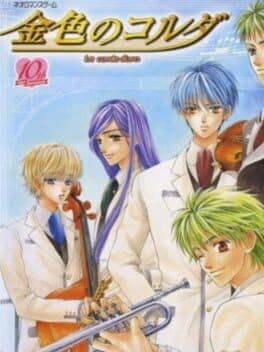
Kiniro no Corda: La Corda d'Oro
Koei2003
Kiniro no Corda is the starting title for the third major Neoromance series, Kiniro no Corda. This particular title is reputed for its crushing difficulty with simulation fans and is rather unforgiving compared to its other Neoromance counterparts and future Corda entries.
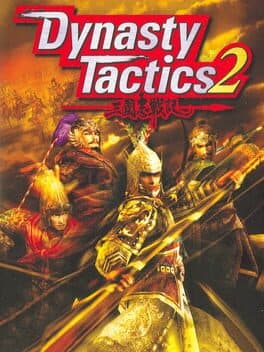
Dynasty Tactics 2
Koei2003
The sequel to Dynasty Tactics gives the player more tactics to choose from, and introduces some new characters and features. Like in the first game, the player assumes the role of 3 important leaders in ancient China: Cao Cao, Liu Bei and Sun Ce. A new choice is the warrior Lu Bu. The characters have their own, unique story paths, which are affected by choices and outcomes occurring during the chapters the game is divided into. The player organizes and moves his officers and armies over the map while engaging others, trying to fulfill certain objectives during a turn limit. For battles, the game switches from the map to a dedicated screen showing the battlefield. The battle system is a bit like chess: the player moves the units around the battlefield in a turn-based fashion, mostly trying to bring them in a position to pull off special tactics. Ideally, this results in effective combos, that may not only defeat enemy units, but also capture the leading officers, which may join the player (there are over 200 in the game). Morale and terrain need to be taken into consideration as well. Units have different abilities depending on their type and position in the army, Engineers may build useful installments like supply depots for example. Army strategists can use the link command retained from the previous game for pinning down enemy units and helping to rack up higher combos, in addition, they may order chains now. These allow individual officers to perform multiple tactics (provided the conditions are met for each of them), but cost morale. The game also contains a two player versus mode, which consists of random battles.
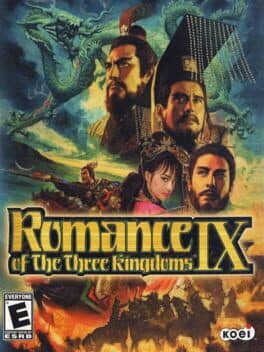
Romance of the Three Kingdoms IX
Koei2003
The ninth release in KOEI's Romance of the Three Kingdoms series casts players as rising rulers in ancient China and challenges them to unite the land under their rule. Following the basic design of earlier titles, players develop and manage large armies as they maneuver across the wide countryside, using both military force and diplomatic finesse to win territory and followers. The hard-core strategy framework is fleshed out with a variety of mission types, branching storylines, and an embellished adherence to the actual history and culture of the setting. Features in this edition include the ability to manage both political and military aspects of the empire, at the same time, allowing players to continue to negotiate while their troops are in battle. While this version of the game resumes the limitation that player characters must be of the Ruler class, officer development has been revised to allow greater control in developing followers. KOEI fans who also play Dynasty Warriors 4 and Dynasty Tactics 2 can use their save files to unlock a powerful, exclusive officer character. More than two-dozen Challenge scenarios, including 15 historical battles Use diplomacy and military might at the same time or shift strategies when appropriate More than 30 different tactics involving 12 military formations
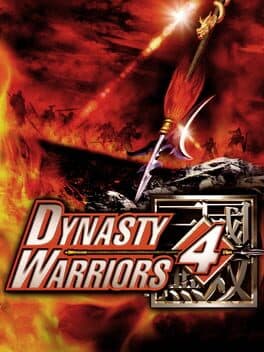
Dynasty Warriors 4
Omega Force2003
Dynasty Warriors 4 is a hack and slash video game and the fourth installment in the popular Dynasty Warriors series. Dynasty Warriors 4 was developed by Omega Force and is based on a series of books called Romance of the Three Kingdoms, written by Luo Guanzhong. As the series has progressed, it has strayed further from the actual plot of Romance of the Three Kingdoms but instead has given the user more input on how the storyline progresses. Originally released on the PS2 in March 2003, it was later ported to the Xbox in September of the same year and, in 2005, ported to the PC under the name Dynasty Warriors 4 Hyper.
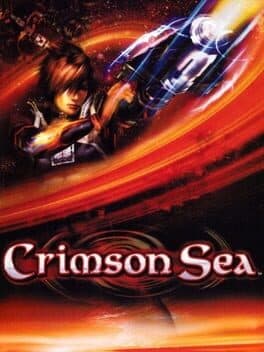
Crimson Sea
Koei2002
Travel thousands of years into the future to the galaxy Theophilus. As Sho, your job is to solve the mystery of countless murders that have been committed by an invading alien force. Along the way, you'll decimate hordes of alien creatures and liquid-morphing enemies with customized blaster rifles and plasma swords. Summon the power of Neo-Psionics to blast through hordes of alien menaces in a single move. Now, with Crimson Sea's Phantom Sensor System, use sound and touch to discover the hidden enemy.
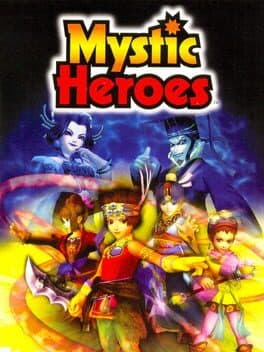
Mystic Heroes
Koei2002
Mystic Heroes is a fighting action game, similar to Koei's Dynasty Warriors. Players can perform melee attacks and element spells, which become more powerful with continuous use. The game has eight stages. There are four playable characters, and four unlockable characters in the PS2 version, for a total of eight. The game features a single-player story mode and three additional single-player modes, as well as co-op and versus multiplayer.
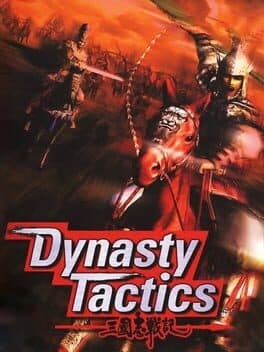
Dynasty Tactics
Koei2002
A tactical strategy game set in feudal China, Dynasty Tactics is an offshoot of the Dynasty Warrior series. The game puts the player in the shoes of one of 3 military leaders. Through strategy, acquired military might, and diplomacy, the player must strive to conquer the game's 60 cities. Battles take place on a 3D grid, in a turn-based format. Through deft use of battlefield tactics, including a deep combo attack system, players must meet certain requirements to win the battle. Multiple paths through the game (including multiple endings) will keep armchair military generals coming back.
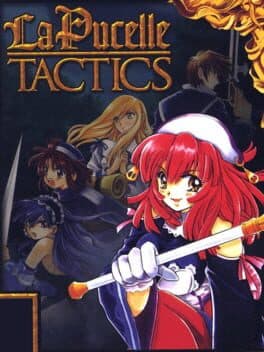
La Pucelle Tactics
Nippon Ichi Software2002
Prier and her brother Culotte are novices with the demon-hunting organization, La Pucelle. They've just passed their final exams and are ready to do real work fighting demons and zombies, but quickly find themselves embroiled in a series of plots orchestrated by a rival church with dark intentions. The gameplay is played on a tactical map, as teams up to six characters work to clear boards of enemies and dark energy. The unique "purify" command allows players to recruit monsters to their team and execute complex "miracle" energy attacks. The game was ported to the PlayStation Portable in Japan on November 26, 2009 as La Pucelle Ragnarok.
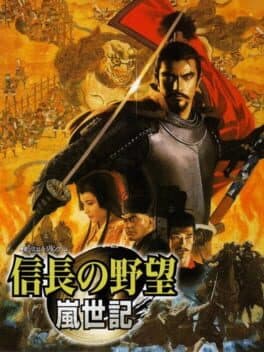
Nobunaga's Ambition: Ranseiki
Koei2001
The ninth title in the Nobunaga no Yabou series, this game returned to province-taking battles, and a system of varying powers was introduced.
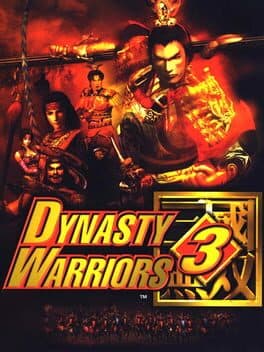
Dynasty Warriors 3
Omega Force2001
Dynasty Warriors 3 is the third installment of the Dynasty Warriors series in North America and the second within the Shin Sangoku Musou series in Japan. It is a spin-off from the video game Romance of the Three Kingdoms and based around a series of books by the same name, written by Luo Guanzhong. The game contains a number of fictional and non-fictional elements from the same era in Chinese history that Romance of the Three Kingdoms is set. However, it follows the main events of part of the story which is to unify China under the single rule of a kingdom.
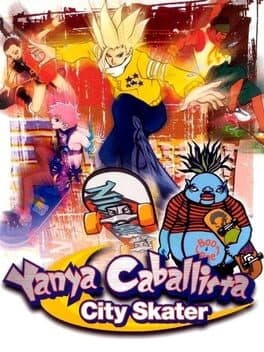
Yanya Caballista City Skater
CAVE Interactive2001
Yanya Caballista: City Skater, known in Japan as Yanya Caballista featuring Gawoo, is an extreme sports skating game for the PlayStation 2. The game is similar to Jet Set Radio in feel and look, but is more of an arcade style game.
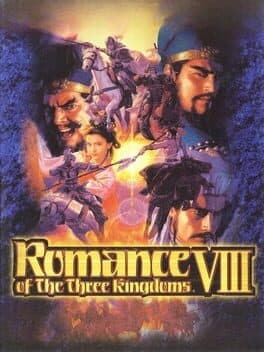
Romance of the Three Kingdoms VIII
Koei2001
KOEI beckons PS2 strategy gamers to return to second-century China with this eighth full release in the Romance of the Three Kingdoms series. Following the style of the series, this edition is set amongst the confusion and chaos at the end of the Han dynasty. As in earlier games, the ultimate goal is to reunite the sundered nation, and players can take the roles of diverse characters as they work to do so. Strategy gamers can take control of up to eight different characters in a single game. Over 700 characters are available, 100 of which are customizable originals. Other new features include the chance for more than four forces to meet on the same battlefield and the ability to set the game's starting point to any time during the 50-year period between the Yellow Turban Rebellion in 184 A.D. and the death of Zhuge Liang in 234 A.D. Work your way through 54 scenarios and one fictional story featuring every officer in the game Use commands such as "Marriage" and "Sworn Brother" to alter the relationships of your empire Create an army by selecting rulers, warlords, viceroys, free officers, and bands
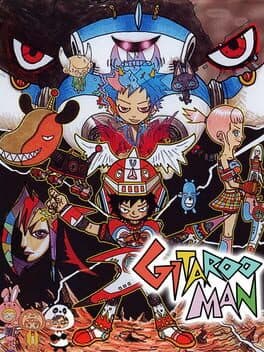
Gitaroo Man
iNiS2001
Gitaroo Man is a rhythm video game featuring visual production by Mitsuru Nakamura and an original soundtrack by Japanese band COIL. The game was later ported to the PSP under a new title: Gitaroo Man Lives!
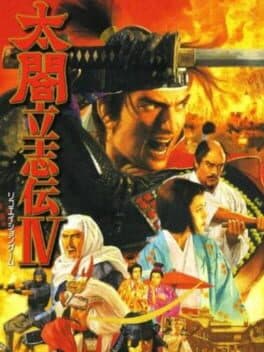
Taikou Risshiden IV
Koei2001
Taikou Risshiden IV is a Strategy game, developed by Koei/Inis and published by Koei, which was released in Japan in 2001.
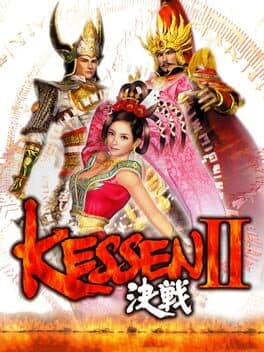
Kessen II
Koei2001
The real time simulation of Kessen returns to the PS2, with a story of love and battle in the three kingdoms. It's a magnificent historical fantasy in Kessen II.
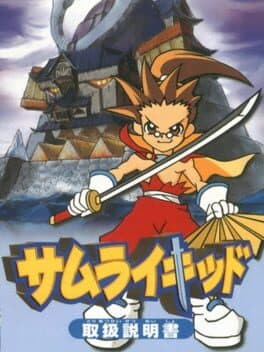
Samurai Kid
Biox2001
Samurai Kid is an Action game, developed by Biox and published by Koei, which was released in Japan in 2001
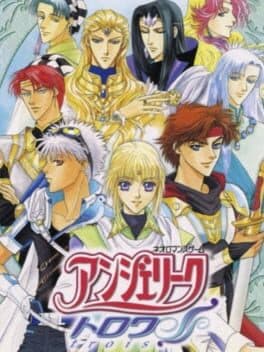
Angelique Trois
Ruby Party2000
Angelique trois is the first Neoromance title to be on the PlayStation 2 and so far the only Angelique entry which presents the game in 3D models. This story and its setting acts as the spiritual predecessor to the series's major alternate continuity, Neo Angelique. trois is the first title in the series to begin crediting developers for their work as opposed to the group labeling, Ruby Party. Yoko Hori served as the general director and Yasuno Shihoro is the director. Mahito Yokota composed and arranged the music. The Premium Box edition includes eighteen character cards with short character messages on them and a memorial manual.

Winning Post 4: Maximum
Koei2000
Koei's horse-racing franchise gallops onto PS2.
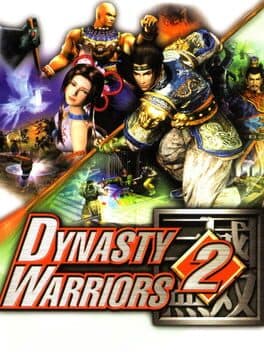
Dynasty Warriors 2
Omega Force2000
An Age of Legends brought alive with the thrill and speed of action and the depth of simulation. The age of true battle is about to begin!
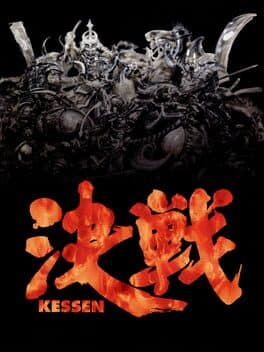
Kessen
Koei2000
The ancient storied battlefield lies before you. At your command are 100,000 troops including archers, infantry, riflemen, and the powerful cavalry. Kessenis a real time strategy game that gives players strategic command and control over huge armies during epic battle sequences from the Warring States period of seventeenth century Japan. Key features include more than 100 movie segments, battlefields with full 3D terrain, separate animation routines for every character, and three different camera views. Known best because it is the very first PlayStation 2 game to ship using the DVD format.
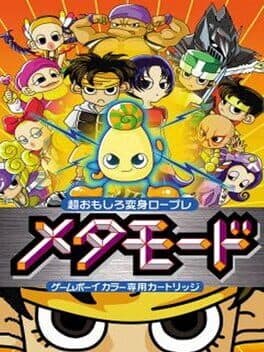
Metamode
Koei2000
"Metamode" is an action role-playing game for the Game Boy Color released by Koei in 2000. The goal is to maintain world peace by having the protagonist join the "Keibi-tai" and use a tool called "Metamode" to transform into various jobs.
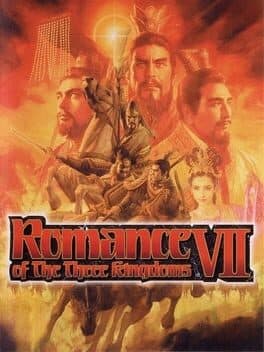
Romance of the Three Kingdoms VII
Koei2000
Romance of the Three Kingdoms VII, the seventh title of the series, invites you to live your own Three Kingdoms experience. You will travel back to ancient China and play as any of 535 possible characters. Features new to this installment include multiplayer modes and quicker gameplay. The game has 10 scenarios, each with multiple endings.
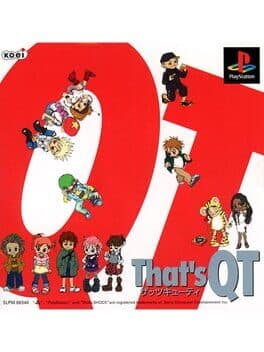
That's QT
Koei2000
That's QT is a fashion designer simulation game. Players design their own clothing brand while running a successful business in the city.

Nanatsu no Hikan: Senritsu no Bishou
Koei2000
The player can control one of two characters: Kei and Reina. The game can be played in either first person, third person, or fixed camera angle views. Kei's levels are more action based, while Reina's are more adventure-based. There is also a unique multiplayer cooperative mode where one player controls Kei and the other Reina. This mode is different from the single-player mode, as it is much shorter and objectives, monsters, and events are all altered.
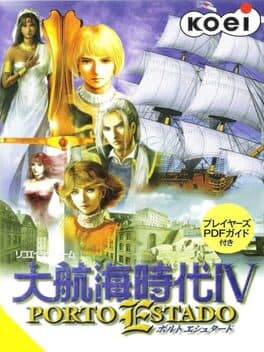
Daikoukai Jidai IV: Porto Estado
Koei1999
Daikōkai Jidai IV: Porto Estado is the fourth game in the Uncharted Waters/Daikōkai Jidai series about sailing and trading, themed around the Age of Discovery, mixing simulation with role-playing elements.
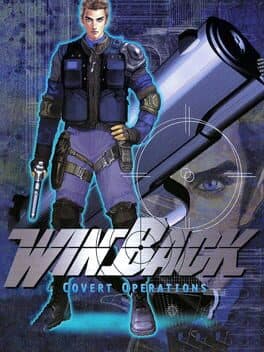
WinBack: Covert Operations
Omega Force1999
A terrorist group calling itself the Crying Lions is about to take over the world with its mighty satellite and Jean-Luc Cougar is the only one who can stop it. As Jean-Luc, a covert operative working for the Strategic Covert Actions Team, you are responsible for taking back a Lions-controlled base and regaining power of the satellite. Some of the weapons you'll have to acquire and use to defeat the terrorists are handguns, shotguns, and machine guns, though you'll also need to access such materials as explosives, detectors, flashlights and medical kits in order to succeed. A refreshing take on the traditional action game, WINBACK requires as much stealth and strategy as it does reflexes and use of weaponry. The game features six different multiplayer modes, supporting up to four players: Death Match, Lethal Tag, Quick Draw, Cube Hunt, Team Battle, and Point Match. You select your difficulty level and you can even start off in a Tutorial mode to get the controls down.
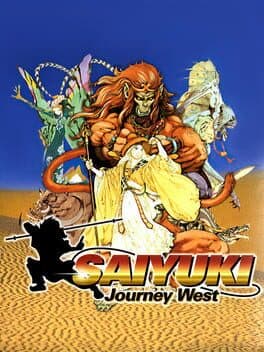
Saiyuki: Journey West
Koei1999
A Journey of Friendship...A Journey fraught with Danger...A Journey to Save the World...A Journey West. Based on one of the most popular legends of China, Saiyuki takes you on an epic journey from China to India and back. Recruit the Monkey King, Son Goku, and others like them to defeat untold monsters along the way.
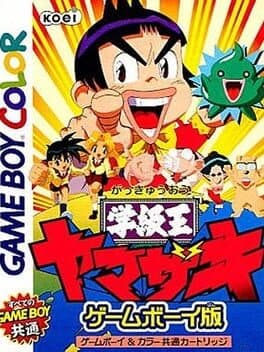
Gakkyu Ou Yamazaki
Koei1999
Gakkyu Ou Yamazaki is a Role-Playing game, published by Koei, which was released in Japan in 1999.
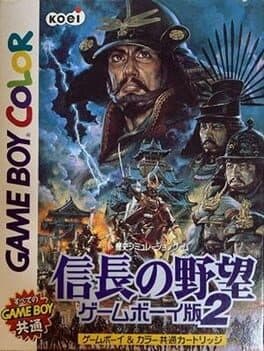
Nobunaga no Yabou Game Boy-ban 2
1999
The warlords start moving lively! A masterpiece depicting the Sengoku period is powered up! Now is the time to fulfill the great ambitions of Nobunaga Oda, who has been scattered in the midst of his ambitions by making full use of his unique warlords and doing his best in strategy and tactics! "Nobunaga's Ambition: Sengoku Gunyuden" is now available on Game Boy! !! The scenario is equipped with two episodes, "Gunyu Wari" in 1560 and "Nobunaga's Ambition" in 1582. There are more than 400 warlords. Equipped with "field battle" and "siege battle" modes.

G1 Jockey
1999
Race to become the leading jockey--vie for the rookie of the year award as an apprentice, gain wins, collect G1 trophies, and earn money on your way to the Triple Crown. Compete with 65 computer jockeys each season, choose from over 2000 unique racehorses to ride, and negotiate with the trainers to ride the top horses each week. The game also includes exciting 2-player head-to-head action, including steeplechase courses.
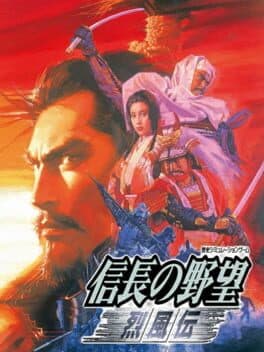
Nobunaga's Ambition: Reppuden
Koei1999
The eighth title in the Nobunaga's Ambition series.
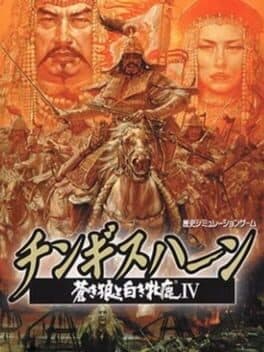
Genghis Khan: Aoki Ookami to Shiroki Mejika IV
Koei1998
A historical simulation game created by Koei in 1998. The fourth and final series of the Genghis Khan series, in 1999.
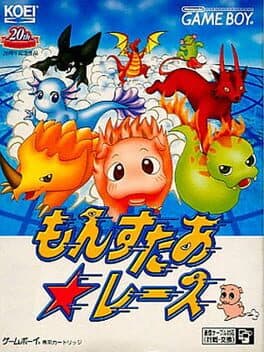
Monster Race
Koei1998
A Koei published monster collecting and racing game in the vein of Pokémon. It was released in Japan on March 6th 1998 for the Sony Playstation and Nintendo Gameboy. In the game you play a young boy who wants to be a monster trainer and win the Monster Race World Championship and for that the player has to train his monster so that way he becomes stronger and faster. The player can also catch new monsters that he can find in grass terrains and if he wins the race against them he can add them to his team.
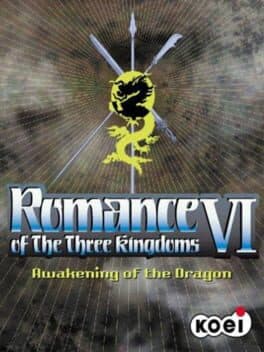
Romance of the Three Kingdoms VI: Awakening of the Dragon
Koei1998
Romance of the Three Kingdoms VI: (Sangokushi VI in Japan) is the sixth game in Koei's Romance of the Three Kingdoms series. Romance of the Three Kingdoms VI follows in the tradition of its predecessors with an emphasis of world domination and management of an established empire. Continuing in a seasoned ancient Chinese setting, characters and units are taken from other Romance of the Three Kingdoms titles and placed in the palm of your hand. Your overall objective is to destroy rival lands and create a continent wide empire.
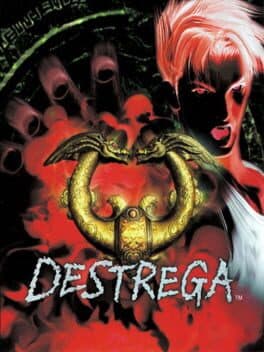
Destrega
Omega Force1998
Thousands of years ago, a people known as the Strega came to the country of Zamuel offering the secrets of peace and understanding. With them they brought great knowledge and power and shared gifts with the people to exercise powers such as those the Strega had. They showed the path towards true enlightenment, but underestimated the overwhelming drive of human greed and ambition. Now Lord Zauber has gained the control of the Strega relics. He seeks to wipe out any opposition to him and hunt down descendants of the Strega and eradicate them. Possibly one of the most in-depth fighting adventures to date, Destrega melds role playing with fighting. Moving freely within an environment that includes castle ruins, underground caverns and wide open countryside, you must discover the secret of the legendary relics, learn the truth behind the Strega and stop the Zauber's evil ambitions.
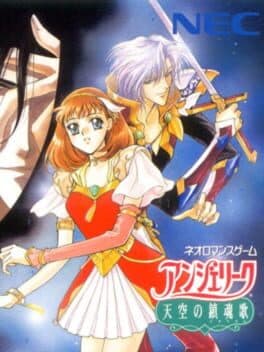
Angelique Tenkuu no Requiem
NEC Home Electronics1998
Angelique Tenkuu no Requiem is the first Neoromance role-playing game. Canonically this game is the direct sequel to Angelique Special 2 and Angelique Maren no Rokukishi. Ruby Party members later commented that its conception began when written questionnaires indicated a high demand for a Koei role-playing game, a genre which experienced a boost in popularity due to titles such as Final Fantasy VI and Final Fantasy VII. Since Team-Infinite was simultaneously developing a game for male appeal, Ruby Party was given the inquiry for an Angelique adaptation targeting the female side. The Premium Box edition includes a fully colored leather-bound manual. Consumers who purchased this title during Koei's 1999 double campaign obtained an original clear file.
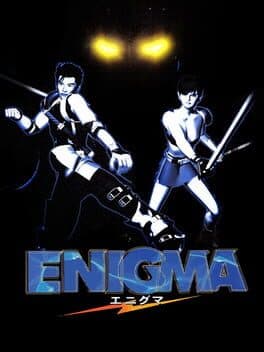
Enigma
Omega Force1998
Enigma is a 1998 Japanese video game for the Sony PlayStation. It was developed by Omega Force and published by Koei. It is a third person adventure title that includes elements from fighting games which draws influence from Resident Evil.
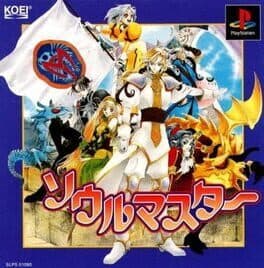
Soul Master
1997
The player enters a magic school as an apprentice wizard. The player is sent to an area where monsters are running rampant and exterminate them. The monsters are placed at the top of a pyramid, and the four players advance from the four corners to the top. The first player to exterminate the monsters wins the game.
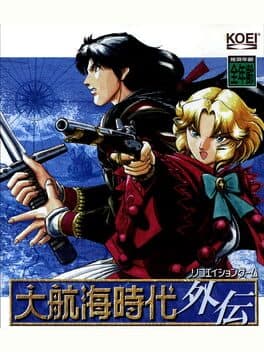
Daikoukai Jidai Gaiden
Koei1997
Daikoukai Jidai Gaiden is a Strategy game, developed and published by Koei, which was released in Japan in 1997. Uncharted Waters is a popular Japanese video game series produced by Koei as part of its rekoeition games. In East Asia, the series has a large cult following, but has not received much recognition outside East Asia. The series has been compared to Sid Meier's Pirates! in gameplay and theme. It is a simulation and CRPG series dealing with sailing and trading. Daikoukai Jidai Gaiden is a side story released in 1997 on PlayStation and Sega Saturn after New Horizons, the game uses the same engine and focuses on the story of two characters instead, further expounding upon the loose plot that ties the series together.
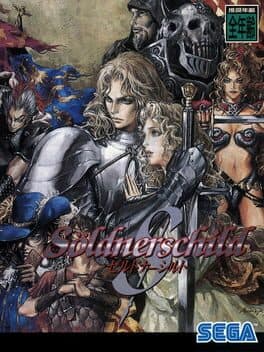
Soldnerschild
Koei1997
In this strategy role-playing game, you and your mercenary group decide which of the six warring factions to support on your journey to unify the land. Battles take place on a traditional turn-based movement grid, transitioning to real-time skirmishes between armies or between individual commanders.
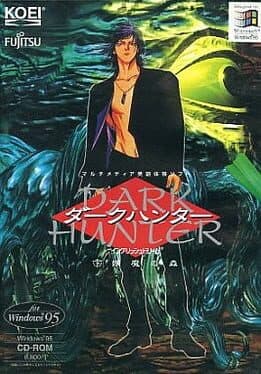
Dark Hunter: Shita Youma no Mori
Koei1997
The second part of the Dark Hunter English teaching tool.
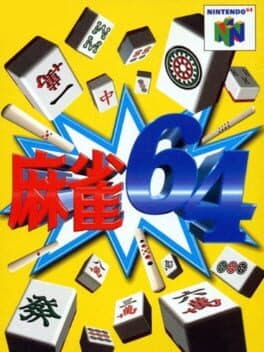
Mahjong 64
1997
Mahjong 64 is a Mahjong simulation game released only in Japan in 1997.
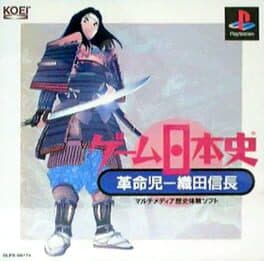
Game Nihonshi: Kakumeiji Oda Nobunaga
Koei1997
Game Nihonshi: Kakumeiji Oda Nobunaga is a Strategy game, developed and published by Koei, which was released in Japan in 1997.
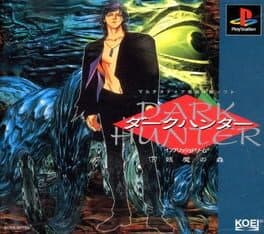
Dark Hunter: Ge Youma no Mori
Koei1997
This game is the sequel to Dark Hunter (Jou) Ijigen Gakuen. In the game you can select one of the three main characters (Mariko Kayano, Ran Mashimo & Cher Mulligan). The PSX game is fully voice acted. 2 language interaction (Japanese or English), perfect speech dubbing free conversation. It's possible to select speech choice. The game is an interactive comic adventure, since to advance in the adventure part the player just have to select one answers of the possible ones. There are some action levels made using 3D graphics.
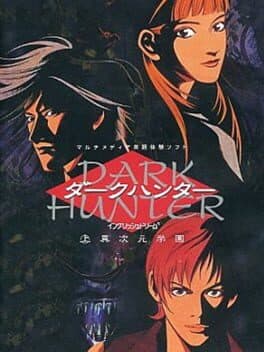
Dark Hunter: Jou Ijigen Gakuen
Koei1997
A horror adventure game that was released as part of Koei's "English Dream" series, a collection of games used to help teach the English language.
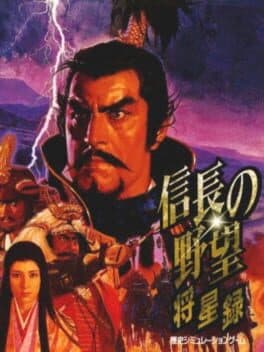
Nobunaga's Ambition: Shouseiroku
Koei1997
Nobunaga's Ambition (Nobunaga no Yabou) is a turn-based strategy video game series first released in Japan in 1983. It is a series of loosely adapted historical simulations produced by the Japanese video game developer Koei. It features a predominately Japanese voice track though English dubs appear during movie cutscenes. It debuted before Romance of the Three Kingdoms but it hasn't been localized as often. Nobunaga's Ambition takes place during the Japanese Warring States period. As the title suggests, The player is tasked with achieving the ultimate goal of warlord Oda Nobunaga; the conquest and unification of Japan. Selecting Nobunaga is optional, however, as the player is also able to choose from a variety of other regional daimyo of the time. Nobunaga no Yabou - Shouseiroku is the seventh title in the series, released March 1997 for Windows 95. This game introduces a new map, portraying the entire country on a grid. Releases for Macintosh, PlayStation, Sega Saturn, Dreamcast, PlayStation Portable, and mobile phones were made subsequently.
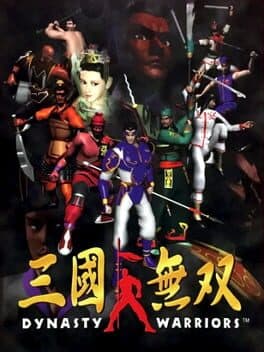
Dynasty Warriors
Omega Force1997
Dynasty Warriors is a 3D fighting game steeped in traditional Chinese history and mythology, its characters being warriors from the Three Kingdoms era, a setting that was used by Koei before in their Romance of the Three Kingdoms series.
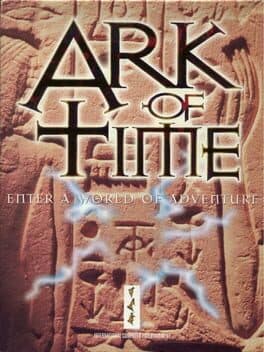
Ark of Time
Trecision S.p.A.1997
It is the summer of 1997 and somewhere in the Atlantic Ocean a historic event is about to occur. A ragtag team of four intrepid explorers descend to the depths of the ocean in their search to locate and enter the mythological, sunken city of Atlantis. However, something has gone wrong. Four days after the team's last communication, in a frazzled editor's office high above the streets of London, Richard Kendall, our hero, is informed of their disappearance.
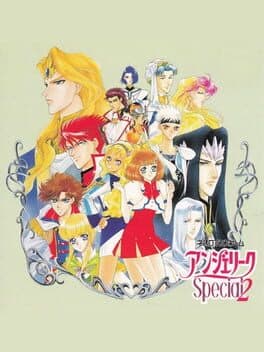
Angelique Special 2
Ruby Party1996
Angelique Special 2 is a Strategy game, developed by Koei and published by NEC, which was released in Japan in 1996.
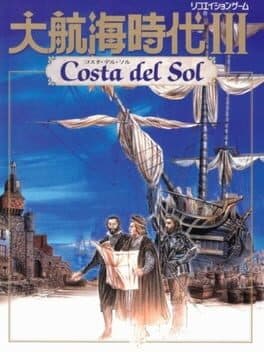
Daikoukai Jidai III: Costa del Sol
Koei1996
The third release in the Uncharted Waters series, it was only released for PC and Mac and is exclusive to Japan.
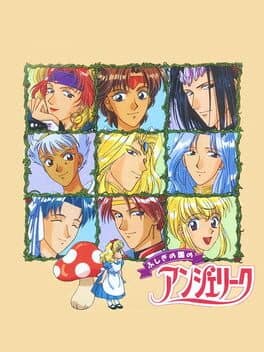
Fushigi no Kuni no Angelique
Ruby Party1996
A board and dating sim otome game set in the Angelique universe. It was originally released for PC-FX, and later ported to several other platforms.
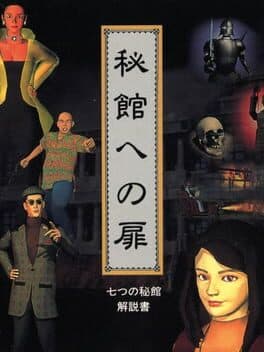
Nanatsu no Hikan
Koei1996
One day, a young man from a high-classed background named Ippei is called to the office of his uncle, Shujiro. Shujiro is the current head of his family who is concerned about seven mansions left behind by the last clan head (Ippei's grandfather, Shuhei). The seven mansions were strangely built in a Big Dipper formation on a remote island and have never been fully explored by the family members of Ippei's generation. Shujiro wants to create a resort where the mansions are located yet feels that there is a marvelous treasure or secret left behind by their ancestors. Too aged and busy to explore the buildings himself, Shujiro asks Ippei to unlock the secrets for him. He gives the eager youth a key to the first mansion and a riddle left behind by Shuhei.
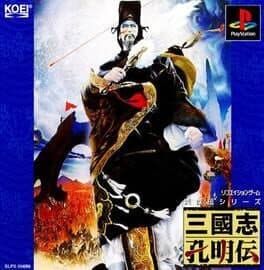
Sangokushi: Koumei-den
Koei1996
Sangokushi Koumei-den is the second installment in the Sangokushi Eiketsuden series. Unlike its predecessor, Sangokushi Kōmeiden relies heavily on the player's ability and success in each combat to determine how the game will conclude. The game tracks the player's overall record by monitoring the character's overall health and counting the number of times the player has resorted from battle and restarted a level, in addition to having decisions at the beginnings of most stages that affect troop placements for both sides, event triggers, and the items found in armories and granaries. Zhuge's health will be badly harmed if he takes too many rounds to reach a specific point in the tale, or if he restarts fights too many times, and if he becomes too weak, he will die before the final Battle of Wuzhang Plains takes place. If the player's skill level is high enough, Zhuge Liang will pretend to die, leading his adversary, Sima Yi, out into the open. After then, the game will go to the last chapter, which will feature a series of climactic conflicts against the kingdoms of Cao Wei and Sun Wu.
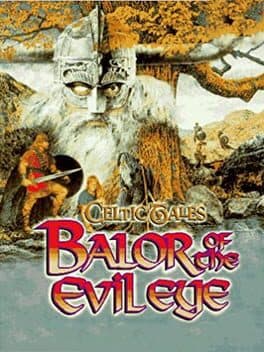
Celtic Tales: Balor of the Evil Eye
Koei1995
In the land of Eire, the people suffer daily at the hands of the tyrannical Fomors. As one of several clans vying for power, struggle your way to the top and become the hero Eire needs in its darkest hour. Unite the land either through a combination of clever diplomacy or brute force while gathering various champions to your side.
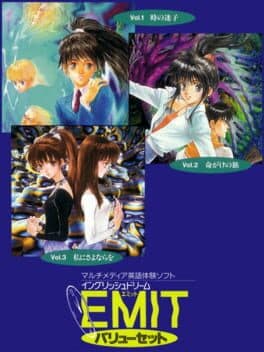
EMIT: Value Pack
Koei1995
A compilation of Koei's three EMIT games: visual novels with a CD audio component.

Winning Post 2
Koei1995
Winning Post 2 is a Sports game, published by Koei, which was released in Japan in 1995.
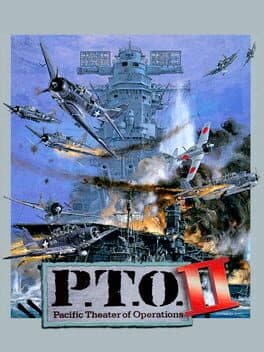
P.T.O. II: Pacific Theater of Operations
Koei1995
P.T.O. II (Pacific Theater of Operations), released as Teitoku no Ketsudan II in Japan, is a Koei strategy video game that depicts the conflict between the USA and Japan during World War II. The video game is a sequel to P.T.O.. It was originally released in 1993 for the NEC PC-9801 and had been ported to various platforms since, such as the Super Nintendo Entertainment System. The NEC PC-9801 version came with an enhancement pack. A version was released exclusively in Japan for the MS-DOS operating system; it also works on Windows operating systems from 3.1 through Windows ME.
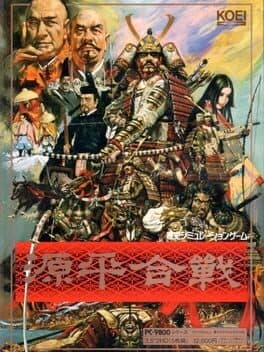
Genpei Kassen
Koei1994
Genpei Kassen is a historical simulation game which focuses on the war between the Genji (Minamoto clan) and the Heike (Taira clan) at the end of Japan's Heian period (12th century).
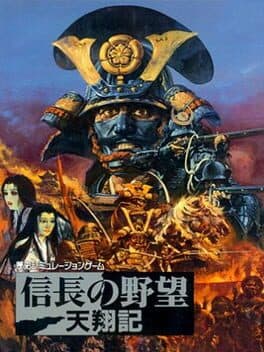
Nobunaga's Ambition: Tenshouki
Koei1994
Nobunaga no Yabou: Tenshouki is a Strategy game, published by Koei, which was released in Japan in 1996.
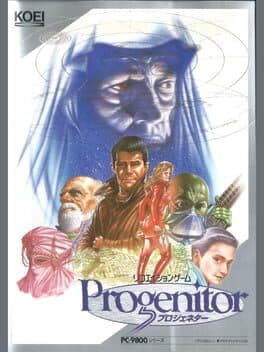
Progenitor
Koei Tecmo Games Co.1994
Progenitor is a space adventure/strategy game. You play as Kenny, a space pirate searching for his long-lost father. There are over a dozen explorable planets where you can buy and sell goods and perform tasks. Demand for goods (and their prices) change based on the characteristics of the planet you're on.
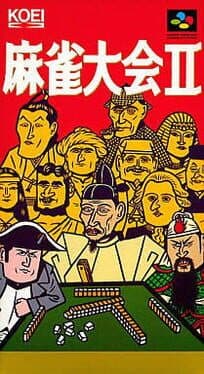
Mahjong Taikai II
1994
Mahjong Taikai II is a Miscellaneous game, published by Koei, which was released in Japan in 1994.
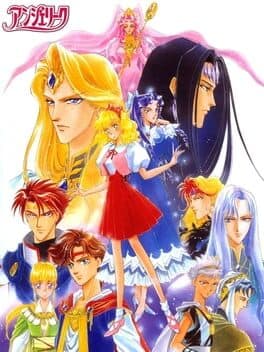
Angelique
Ruby Party1994
Angelique is a Strategy game, published by Koei, which was released in Japan in 1994. It is the inaugural Angelique game and the first release from the developer Ruby Party.

Stop That Roach!
1994
Stop That Roach! is an Action game, developed and published by Koei, which was released in 1994.
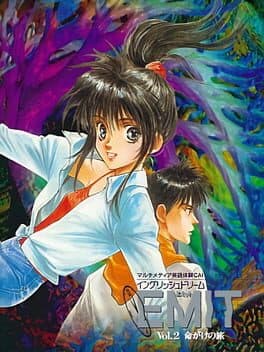
EMIT Vol. 2: Inochigake no Tabi
Koei1994
The second part in a series of adventure games developed under Koei's "English Dream" label. Yuri continues to unlock the secrets of the tunnel in the bookstore's basement, including meeting another version of herself.
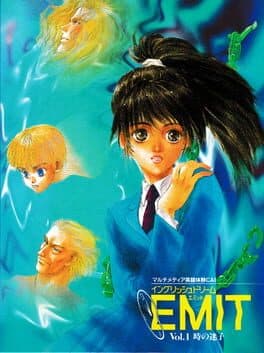
EMIT Vol. 1: Toki no Maigo
Koei1994
The first part in a series of adventure games developed under Koei's "English Dream" label, a collection of games used to help teach the English language.
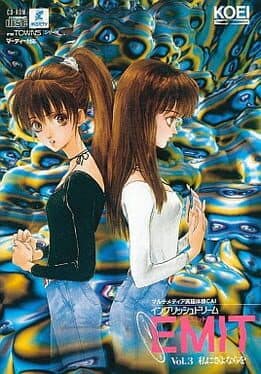
EMIT Vol. 3: Watashi ni Sayonara wo
Koei1994
The third part in a series of adventure games developed under Koei's "English Dream" label. Yuri continues to dig deeper into where the mysterious old man and the "other her" come from.
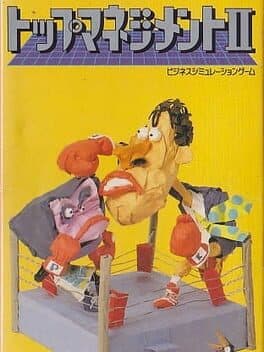
Top Management II
1994
Top Management II is a Strategy game, published by Koei, which was released in Japan in 1994. Players must keep their corporation profitable by any means possible as a corporate executive. This entire video game is in Japanese; making it mandatory to be able to read the language. Frequent corporate meetings keep players aware of what is happening within the company. It is a sequel to Top Management for the Family Computer and NEC PC-9801. A typical game of Top Management begins in the year 1980. Starting in the first week of April, players must participate in strategic corporate meetings in order to guide the focus of the company into certain Japanese prefectures. Buying and selling is done on the Tokyo Stock Exchange in order to improve profits for the entire corporation. Employees can be hired, fired, or laid-off during these important meetings.

Liberty or Death
Koei1993
The European Wars against Spain and France have been costly to the British Empire. In order to gain additional funds for the war effort, the Crown raise taxes from the New World colonies without representation. This act compels the New World colonies to protest and boycott against British rule. By 1775, the Crown alarmed by the protests, boycotts and politically instability in the New World sends troops to subdue any rebellious efforts by the New World colonists. This threatening approach provokes the Thirteen Colonies to revolt. Thus starts the War for Independence in the New World (American Revolutionary War).

Aerobiz Supersonic
Koei1993
You have just been elected as the CEO of a brand new airline company that must compete against 3 other airlines for global dominance. Set up new routes, buy businesses, and manage all your resources including planes, cashflow, and company representatives. The basic premise of the game is the same as that of the original Aerobiz, but this time you have more planes to choose from, more city airports spanned over 7 different global regions, and 4 different time period scenarios complete with historically accurate political relationships and events. Do you have what it takes to make your company fly high? Or will it crash and burn?
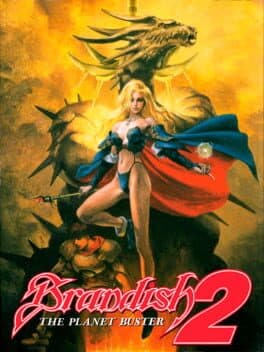
Brandish 2: The Planet Buster
Nihon Falcom1993
The Planet Buster continues the story that was told in the first Brandish game, and depicts the events that happened three years after the evil demonic king was defeated in his lost kingdom, sunken deep underground. You take control of a young warrior named Ares, who wields a magical weapon, a powerful sword called the Planet Buster. One day, while traveling through a desert, Ares is captured by a warlock named Karl, who is after the powers hidden within the magical sword. Suspecting Ares might have some valuable information, Karl doesn't execute him, but takes away the Planet Buster and throws Ares into his underground prison. Now your primary goal is to guide Ares out of the huge prison full of various dangers, and to get your mighty weapon back. The game is an action RPG with a heavy emphasis on dungeon crawling. You guide Ares through rotating dungeons, fighting enemies in real-time combat, casting spells, and solving an occasional puzzle. You have the ability to jump forwards and to attack inanimate objects such as doors to cause damage and to break the object. The particularity is that your character doesn't rotate in the screen, he always face up and if you rotate all the screen will rotate.
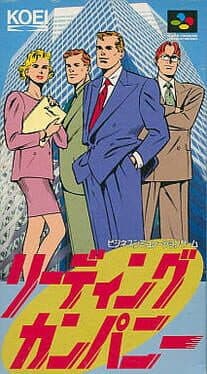
Leading Company
Koei1993
The traditional definition of a leading company is a corporation that currently dominates the "corporate wars" against their competitors. Its employees are considered by most people to be winning the "rat race." The game challenges young people to create their own business empire by researching and marketing better VHS machines for the Japanese consumers. The player is introduced to jazzy instrumental song being played in the background while neon pictures of various people fly across the screen. As of 2011, there has been no attempt to produce an English language version for this game either through official channels or through unofficial emulator translator groups. This game is considered to be in Japanese for the full duration of the game, making literacy skills in Japanese mandatory. Only the brand names themselves use ASCII letters; all other words use the Japanese alphabet. There are only two time periods in the game and jazz music plays throughout the entire game.
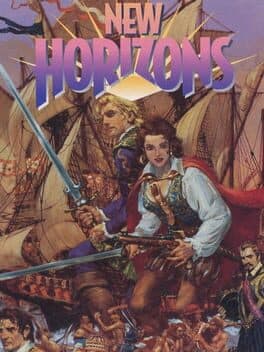
Uncharted Waters: New Horizons
Koei1993
In the first Uncharted Waters game, it was the 15th century and the New World was discovered. Now in New Horizons, it is the early 16th century and the age of exploration and sea trade is underway. Players choose from any one of six adventurers (scenarios), each with their own distinctive but intertwining plot, to embark on a quest of sailing, seamanship and exploration. The six characters are:Joao Franco is the son of Duke Leon Franco, the hero of the first Uncharted Waters game and an influential man in Portugal. His father wants to make him into a strong man and so decides to send him out to sea. Young Joao is tasked with learning the skills of the sailor (he is the only character who starts at level one) and embarking on a quest of discovery; reaching the far east and eventually looking for the secret of Atlantis. Catalina Erantzo is a Spanish naval officer who believes her beloved and her brother were both murdered by the Portuguese armada. Vowing revenge she turns to a life of piracy and soon becomes a red haired scourge of the seas. Pietro Conti is a indebted man, having inherited the financial woes of the Conti family. When the Duchess Franco hires him to spy on her son, he accepts the job and obtains a ship. Pietro hopes to use these resources to seek out valuable treasure and clear up his family's debt. Ernst Von Bohr is a geographer who is teaching classes in Holland. But he yearns to leave the classroom and sail the high seas, living a life of adventure that he has only read about in books. When his friend, Mercator offers to finance his initial voyage in exchange for cartography information about the world, Ernst is given the opportunity to live out his dream. Ali Vezas is a poor orphaned child living in Istanbul and serving others. He dreams of becoming his own master and making his own fortune across foreign lands. A twist of fate aides in providing him with small loans, with which he is able to afford his first ship and sail out with a cargo hold full of goods... Otto Baynes styles himself a Royal Knight of the British Empire, in the service of his majesty the king. Promoted to Admiral of the British fleet, the kingdom is worried about the increased naval power of Spanish fleets. Otto is given a letter of marque by the king and ordered to terrorize the Spanish Fleet. Equipping himself simply at first, Otto strives to become a great Privateer in the name of King and Country.Regardless of the character chosen, Uncharted Waters: New Horizons is a top-down sailing simulation. At sea, players control the direction of their ship, where speed is affected by the number/health of the crew, the wind and the currents. Players can navigate anywhere there is water (though some ships are not ocean worthy) and discover interesting landmarks and new ports. Upon landing at a port, the view is also top-down and the player can enter different buildings, each with unique services and goods. These include: The Inn, the Item Shop, The Shipyard, The Tavern, The Castle, The Guild Hall, The Church, The Merchant and the Harbor. It's up to the player to earn enough gold to keep the crew fed and financed and keep the fleet repaired. Primary methods of earning money are through sea trade, accepting jobs from the guild, gambling and battle with other ships. During naval combat, the game becomes a turn-based top-down strategy game, with the player moving ships in order to obtain trajectories needed to fire cannons at enemy ships, or run alongside enemy vessels in order to board them. If the player's flagship attacks the flagship of the enemy fleet, they can challenge the opponent to a duel. If accepted, the game changes to a side-view of the two captains engaged in a fight. During this sequence, the player can only choose which fighting maneuver (strike, thrust, parry, lash) they wish to engage in.

Tamashii no Mon: Dante no Shinkyoku yori
Koei1992
Tamashii no Mon Dante no Shinkyoku yori is a side-scrolling adventure game with platforming elements. The game's events are a distilled portrayal of the Divine Comedy, an epic poem created by Dante Alighieri depicting his journey through the nine circles of Hell to reunite with his childhood love, Beatrice.
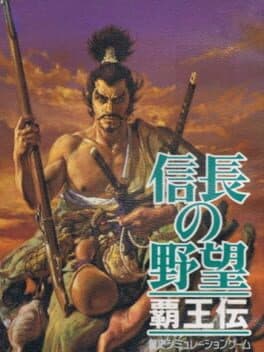
Nobunaga's Ambition: Haouden
Koei1992
The fifth title in the Nobunaga's Ambition series.
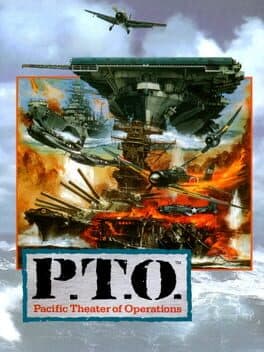
P.T.O.: Pacific Theater of Operations
Koei1992
The first game in KOEI's World at War strategy series on the SNES and Genesis. The game is set during WWII and allows players to assume either the Imperial Japanese Navy or the US Navy.
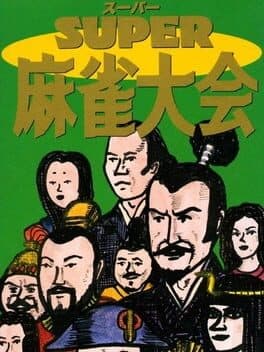
Super Mahjong Taikai
1992
Super Mahjong Taikai is a Miscellaneous game, published by Koei, which was released in Japan in 1992. It was also a view-limited Downloadable game for the Satellaview that was broadcast in at least 4 runs between June 29, 1997 and February 21, 1998.

Aerobiz
Koei1992
You are the CEO of an airline company. Your goal is to become the most successful airline in the world by connecting all 22 cities with air routes, maintain a profit, and meet the required quota of passengers. If you cannot turn a profit for a year or meet the victory conditions in 32 years you lose. Some strategic decisions you must make include negotiating for open air routes, purchasing or selling aircraft, invest in branch offices and hotels, advertise your airline and set budgets. You must also pay attention to statistics like quarterly and annual sales reports, as well as city data. World events also affect your airline, from natural disasters to war and even the Olympic games, all of which will affect how many passengers you get. All the planes in the game are based on real-life aircraft, such as the Boeing 747 and the Concorde.
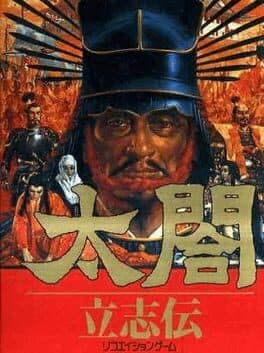
Taikou Risshiden
1992
Taikou Risshiden is a Role-Playing game, published by Koei, which was released in Japan in 1993.
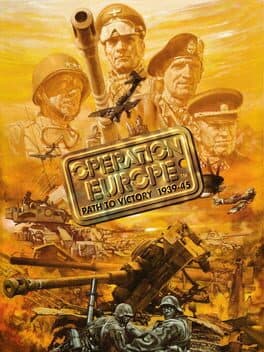
Operation Europe: Path to Victory 1939-45
Koei1991
The game is an historical simulation of the European and North African theaters of World War II. The game allows up to two players to role-play as Army commanders for either the Axis or Allied forces. This game emphasizes the military aspects of the war and leaves diplomacy to the politicians.
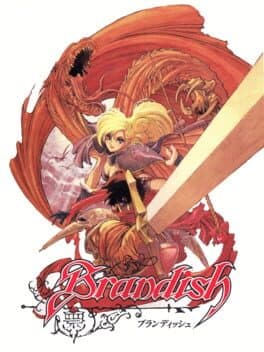
Brandish
Nihon Falcom1991
The game is an action RPG, a dungeon crawler with plenty of creatures to defeat and many weapons, armor, and other treasure to collect. You can also use magic spells. The camera rotates automatically according to your movements. You also have the ability to jump forwards.
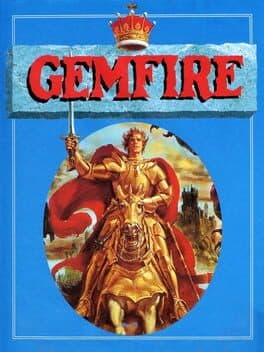
Gemfire
Koei1991
Gemfire is a marvelous war strategy from KOEI game collection. The game offers the advanced military strategy and even multiplayer support, but only at the shared screen. The story of the game starts as follows: Once upon a time, Ishmeria was a haven for elves, fairies and other creatures of lore. Yet one day an evil wizard wielded the powers of a Fire Dragon to destroy the peace. A legendary Pastha and 6 magicians fought the wizard and trapped the Dragon. But, the wizard cast a fateful curse, turning the magicians and Dragon into cold gems, which were placed upon the crown: The Gemfire. Gemfire's powers preserved peace in Ishmeria, until King Eselred abused the magic for his greed. Then one day, the Pastha came to Princess Robyn to plea for her help. That very night she stole the crown and hurled the gems into the midnight sky! But before she could destroy the Dragon's ruby, King Eselred caught Robyn and seized the crown! In search of virtuous leaders, the magicians flew to the far corners of Ishmeria. Still,to this day, they struggle against Eselred's wrath. The key to saving Ishmeria is in the hands of one ruler, the ruler who will reunite the magic of Gemfire...
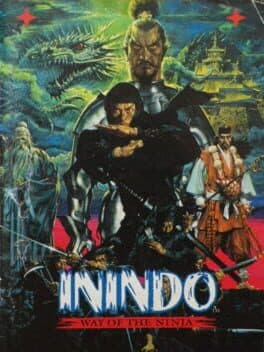
Inindo: Way of the Ninja
Koei1991
"Inindo: Way of the Ninja" is a console-style RPG with a touch of strategy. You navigate your hero on the world map, visit towns, and descend into dungeons. The battles are turn-based and are viewed from a third-person perspective, like in Final Fantasy games. You can move on the battle field and use melee or long-ranged attacks. You'll be able to recruit characters of various classes to your party, who will join you for profit or for other reasons. After you gain enough experience, you'll also be able to talk to daimyos (feudal rulers) of various castles and to convince them to work together against Nobunaga. You can also perform various tasks for the daimyos, such as spying. 1581, Japan. Fearing a rebellion and striving to conquer the entire country, the warlock Nobunaga orders to attack the Iga ninja clan. The ninjas bravely defend their village, but, being vastly outnumbered, are mercilessly slain by Nobunaga's men. Only one survived: you, the hero of the game. Shortly before the assault you were sent to a nearby village to warn the elder of Nobunaga's attack. However, the other village is also destroyed by Nobunaga's army. You swear to avenge his crime. But for now, you are just an inexperienced young men, and are "wanted" by Nobunaga's men and ruthless bounty hunters. Will you be able to unite Japan in the ultimate struggle against Nobunaga?
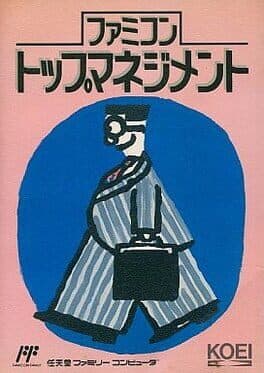
Famicom Top Management
Koei1990
Famicom Top Management is a Strategy game, developed and published by Koei, which was released in Japan in 1990.
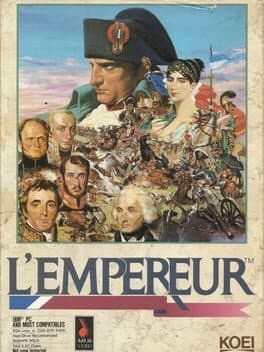
L'Empereur
Koei1989
L'Empereur is a turn-based strategy video game for the Nintendo Entertainment System released by the Koei company in 1989. The user controls Napoleon Bonaparte during the Napoleonic Wars of the late 18th and early 19th Centuries. The goal is to conquer Europe. The game begins with Napoleon as an army officer, but with victories in combat, the user may get promoted to Commander-in-Chief, First Consul, and finally Emperor of the French, with more powers and actions available at each level. As Emperor, the user also controls Napoleon's brothers, Louis, Jérôme, Lucien, and Joseph, as well as Napoleon's stepson, Eugene Beauharnais. The game has both military and civilian aspects. The user can lead armies, act as mayor of cities, and depending on the level achieved, engage in diplomacy with other nations. This historically accurate game reproduces many historical figures and the militaries of Europe with great detail.
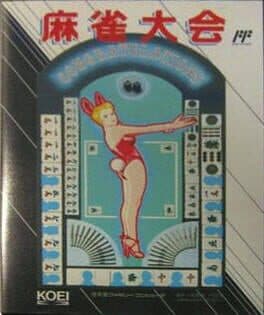
Mahjong Taikai
1989
The first installment in Koei's mahjong series. Mahjong Taikai ("Mahjong Tournament") is a 1989 Famicom mahjong game from Koei and an unknown developer. It features multiple historical figures as possible CPU opponents, including Masamune Date and Napoleon Bonapart. As with any mahjong game, the goal is to complete a winning hand before any of the other players can, and the player earns an amount of points dependent on the "strength" of their winning hand. They might also lose points depending on who won and how. Koei would continue making Mahjong Taikai games for other platforms, including Super Mahjong Taikai for the Super Famicom in 1992.
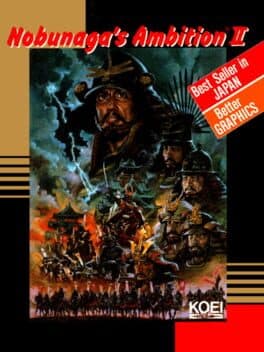
Nobunaga's Ambition II
Koei1988
Nobunaga's Ambition II is the sequel to Nobunaga's Ambition. The setting is 16th century feudal Japan, a period when ruthless daimyo (feudal lords) contended with each other for dominance. Ultimately, the winner in this struggle will become Shogun and hold actual power over the islands, while being nominally subject to the Emperor. The game casts the player as one of the daimyo, allowing them freedom to decide the fate and future of feudal Japan, through diplomacy and ultimately war. The objective is to unify Japan under the player's rule. If the player fails through death on the battlefield, assassination at the hands of a ninja, or through natural causes, they can choose a successor and play on. Functionally, the first job is to let prosper the fief (province) under the player's control through agricultural development and town investment.
Danchizuma no Yuuwaku
Koei1983
One of the earliest RPGs in Japan features a traveling salesman getting into fights with random gangsters and seducing women in an apartment building.

Night Life
Koei1982
One of Kōei's first video games, Night Life (1982) was the first Japanese commercial erotic game to hit the market, featuring a series of sexually explicit images, and marketed as a tool to help couples enhance their sex life. An intercourse simulator and part of Kōei's Strawberry Porno series, Night Life is considered to be a precursor for the Bishōjo game genre. In-game, the player has a limited set of options, including determining the date of a woman's period, a choice of sex positions and the option of how much time to allocate to each one. The intercourse is then displayed on the screen through the 'Let's Fuck' option, and is non-interactive.