-
Average rating
142
Games
0
Votes cast
Heartbeat
Shipped Titles
Games (142)
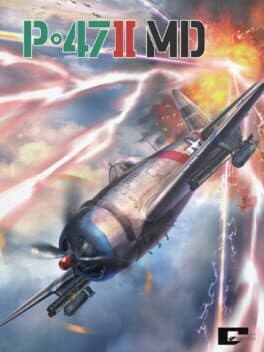
P-47 II MD: The Freedom Star
Jaleco2025
A horizontal shmup and sequel to the Jaleco arcade game P-47, originally developed for Genesis/Mega Drive but cancelled before release. This is a finished version published as a physical repro cartridge by City Connection and Retro-Bit.
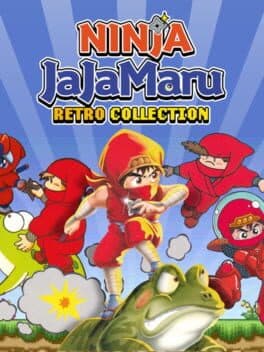
Ninja JaJaMaru: Retro Collection
Jaleco2023
In the 80s and early 90s, the “Super Ninja-kid” series was one of Jaleco’s most prolific franchises, with several highly successful games. The Retro Collection contains : • Ninja JaJaMaru-kun (1985, NES) • Ninja JaJaMaru's Big Adventure (1986, NES) • Ninja JaJaMaru: The Great World Adventure (1990, Game Boy) • Ninja JaJaMaru: Operation Milky Way (1991, NES) • Super Ninja-kid (1994, SNES)
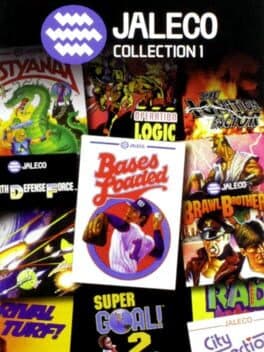
Jaleco Collection 1
Blaze Entertainment2021
The ‘Jaleco Collection 1’ cartridge for Evercade includes 10 classic games including: Bases Loaded, Astyanax, Brawl Brothers, City Connection, and Rival Turf! Full Games Included: - Bases Loaded - Astyanax - Brawl Brothers - City Connection - Earth Defence Force - Super Goal! 2 - Totally Rad - Rival Turf - Operation Logic Bomb - Ignition Factor
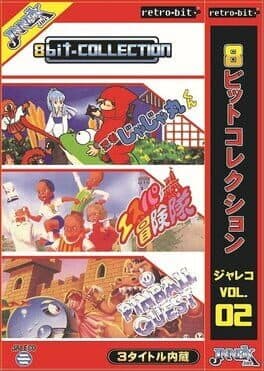
8bit-Collection Jaleco Vol. 02
Jaleco Ltd.2018
A second Data East collection for Famicom, from Retro-Bit and JNNEX. Included on this cartridge: Ninja JaJamaru-kun Esper Boukentai Pinball Quest
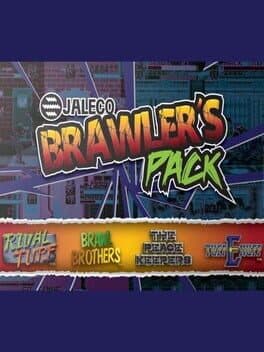
Jaleco Brawler's Pack
Kool Brands2017
The Rushing Beat trilogy collected alongside Tuff-E-Nuff.
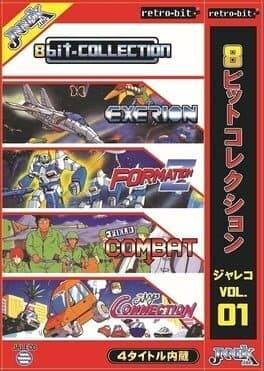
8bit-Collection Jaleco Vol. 01
Jaleco Ltd.2017
8bit-Collection JALECO Vol.1 is an 8-bit cartridge which built 4 titles in one cassette of old masterpiece game. Includes: - Exerion - Formation Z - Field Combat - City Connection
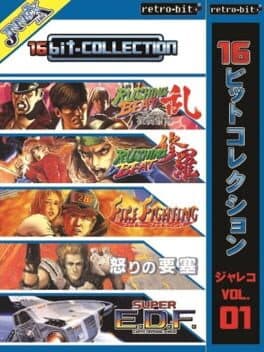
16bit-Collection Jaleco Vol. 01
Jaleco Ltd.2017
A collection of five Jaleco titles for Super Famicom. Included on this cartridge: Rushing Beat Ran: Fukusei Toshi Rushing Beat Shura Fire Fighting Ikari no Yōsai Super E.D.F.
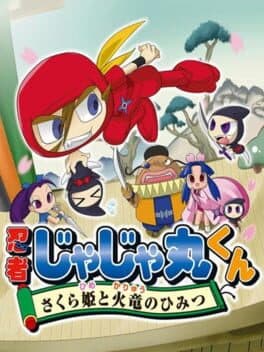
Ninja JaJaMaru-kun: Sakura-hime to Karyu no Himitsu
Jaleco2013
Take JaJaMaru and Shizuha against treacherous forces to rescue Princess Sakura.
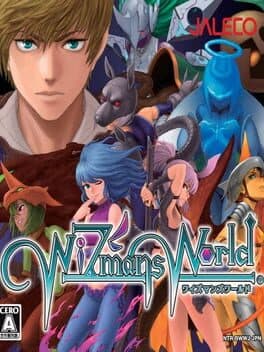
WiZmans World
Lancarse2010
The world is coming to an end, a village of people sealed themselves from within and forsaken their memories. You are a wizard determined to break out of this village and stop the world from ending and retrieve the villager's memories. You will make a lot of enemies on the way, but also a lot of friends. Encounter monsters and depending on what path you choose, you could either speed up the destruction or heal the environment. You bring three fairies with you, when you defeat monsters, these fairies will help you extract the monsters souls and forge stronger weapons and armors.
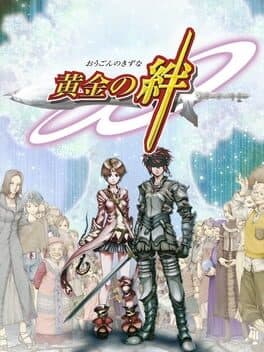
Ougon no Kizuna
townfactory Co.2009
In this action RPG, you take control of main character Lian in intense battles that make heavy use of the Wiimote's pointing capabilities.
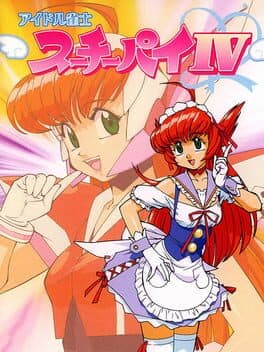
Idol Janshi Suchie-Pai IV
Jaleco Ltd.2007
Idol Janshi Suchie-Pai IV is the fourth main game in the Idol Janshi Suchie-Pai series (discounting Bishōjo Janshi Suchie-Pai)
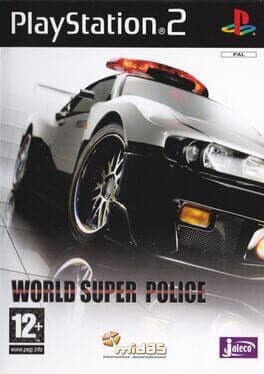
World Super Police
Dual Corporation2005
The rise of high-speed traffic crime in Japan and the USA has resulted in the world's first rapid-response armed highway police force. Terrorists beware the WORLD SUPER POLICE! Choose from the cream of the police driving pool, equip your vehicle with the latest military-grade weapons and take to the city streets in search of criminals too hardcore for the highway patrol. Only you have the hardware and the skill to bring them in!
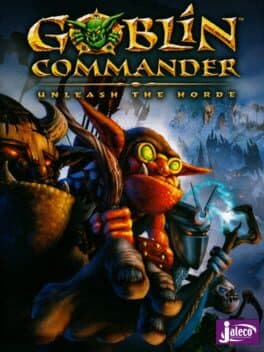
Goblin Commander: Unleash the Horde
Jaleco2003
Set in a fantasy world, the story follows the tale of a civil war between goblin clans after their creator and master is killed. The gameplay is a combination of real-time strategy and light action where players gather resources and build up their horde of goblins while also being able to take direct control of certain units.
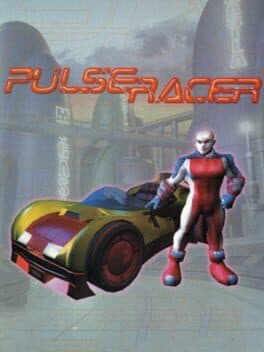
Pulse Racer
Jaleco2003
Futuristic racing game. Unique orb system for speeding around turns.
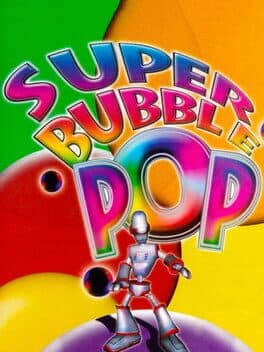
Super Bubble Pop
Runecraft2002
Super Bubble Pop is a video game of the puzzle genre released in 2002 by Runecraft. The Player is able to choose from 5 DJ poppers, including 2 unlockable ones, along with 4 grooving soundtracks. They are faced with rows of advancing bubbles of different colors. They can launch bubbles of their own. The idea is to create a row, column or stack of 3 or more bubbles. When that happens, they will pop. Each character has their own favorite bubble color and when they pop them, color energy is transferred to their special jar. Once the jar is full, the player can unleash their super special attack. During the puzzles, the player is also provided with nine different special attacks that they can obtain by getting special bubbles. The current special attack the player has is displayed on a wheel called the Torus. The game consists of 3 different 1 player difficulty modes along with a training mode, each having 50 levels of bubble popping puzzles and a 2 player mode that allows a player to compete for the higher score against a friend. Each level is allowed to be won by popping all of the bubbles or by collecting a certain amount of Level Stars.
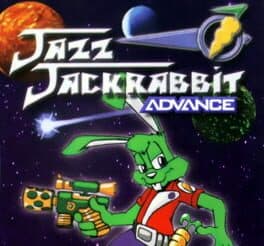
Jazz Jackrabbit Advance
Game Titan2002
A platformer released for the Game Boy Advance. It is a reboot of the franchise and was developed by Game Titan, rather than Epic Games, the developer of the previous Jazz Jackrabbit games.
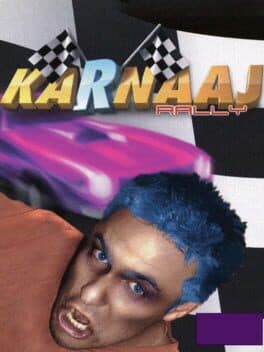
Karnaaj Rally
Paragon 52002
Leave a trail of destruction behind as you blast ahead of the competition. Make your opponents spin and crash as you bombard them with a barrage of weapons. Take them out of the race with rockets and mines. Win races and prize money so you can progress to the next level of competition for more fire action.
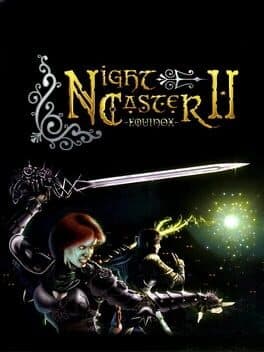
NightCaster II: Equinox
Jaleco2002
A fast-paced action game where you play as either Madelyn, the warrior, or Arran, the hero of the first game. You'll battle hordes of enemies using powerful spells and melee attacks in a dark fantasy world. The game features a unique control system that allows you to move and aim spells independently.
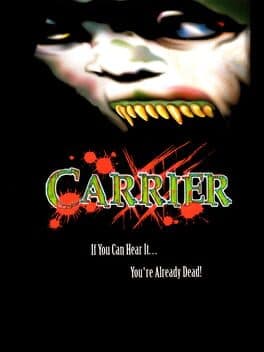
Carrier
Jaleco2000
Carrier is a Free-to-Play timing-based puzzle game. It puts you in control of an operator who must modify and encrypt a transmission signal to avoid interception.
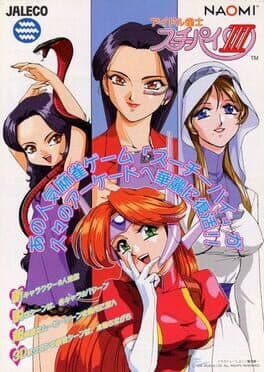
Idol Janshi Suchie-Pai III
Jaleco1999
A mahjong game for arcades and PC
Vampire Hunter D
Victor Interactive Software1999
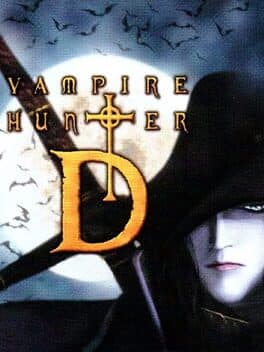
Vampire Hunter D is a PlayStation video game based on the series of books and movies of the same name. Along with Countdown Vampires, it is one of the few survival horror games to revolve around vampires.
Vanark
Bit Town1999
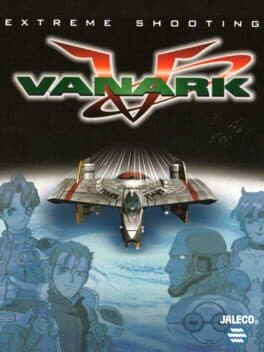
Vanark is, at its core, a shooter. Sure, it's a 3D shooter "on rails" in the grand tradition of Star Fox or the Saturn's Panzer Dragoon series, but the difference here, is that it's the PlayStation's first great example of one. It's a tried-and-true method of laying on the action, and while there were plenty of opportunities for Asmik to screw up the formula, but luckily, they never really dropped the ball, at least not when it came to the shooter parts.

Idol Janshi wo Tsukucchaou
Jaleco1999
Idol Janshi wo Tsukucchaou is a table game for the Sega Dreamcast.
Get Mushi Club: Minna no Konchuu Daizukan
1999
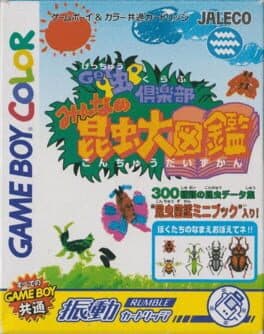
Get Mushi Club: Minna no Konchuu Daizukan is an adventure game for Game Boy Color, released by Jaleco on 1999. A game for collecting insects in which the main character is brought to another world by a fairy and ends up catching 200 different insects in order to return to the original world. Use a magnifying glass to search the map or the destination screen to catch insects. Insects live in different places depending on the species, and the insects that appear are real. Time passes all the time during a game, and for every second that passes, one minute of in-game time passes. The day in the game also starts at 7:00 AM and ends at 9:00 PM, so there are 14 hours of activity per day. Each day in the game changes over time, which can change the insects you catch. Other in-game times can be advanced by fiddling with the clock on the screen. Insects collected during the game may be viewed from the game title or from an illustrated book during the game. The total number of insects featured is 310, and sampling 200 of these insects is the ending. The collected insects can also be exchanged with other players via a link cable. At the beginning of the game, players are told that they have to catch 200 different insects in 30 days, but even after 30 days, no penalty such as game over is imposed. The game cartridge is a vibrating cartridge equipped with a vibration function, and by setting AAA batteries in the cartridge, it will vibrate when an insect is caught, etc. Also included in the game software was an appendix 昆虫図鑑ミニブック( Insect Pictorial Book Minibook), which contained information on insects appearing in the game.
Option Tuning Car Battle 2
MTO1999
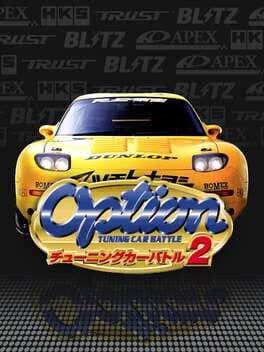
Second game in the japan-exclusive racing/driving series Option Tunin Car Battle. Unlike the first and third entries, this one was published by Jaleco.
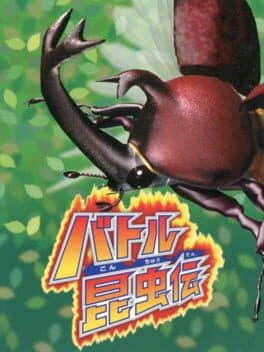
Battle Konchuuden
1999
Battle Insects Den is a strategy role-playing game for the PlayStation and was released by Jaleco in 1999. The game progresses through a series of strategy and adventure parts. In the strategy part, the player controls an allied insect on a battle stage that resembles a chessboard, and when it comes into contact with an enemy insect, the game shifts to a command-selectable battle. In the adventure part, the player controls the main character on the overlooking map, talking with other characters and shopping. You can also connect your PocketStation to play mini-games and bring the items you obtain into the main game.
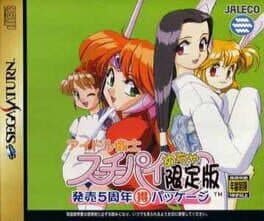
Idol Janshi Suchie-Pai Mecha Genteiban: Hatsubai 5 Shuunen (Toku) Package
Jaleco1998
Is a fifth anniversary-themed compilation of Suchie-Pai games released Games included Idol Janshi Suchie-Pai Special Idol Janshi Suchie-Pai II Suchie-Pai Adventure: New game
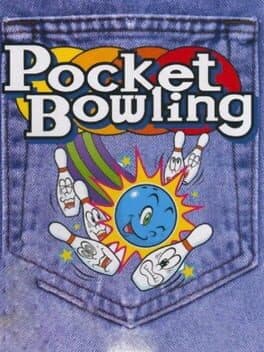
Pocket Bowling
Athena1998
Pocket Bowling for the Game Boy Color brings the popular blue collar sport to the tips of your fingers (and thumbs). You can choose from six bowlers, including a secret android character who appears only after you reach a certain level. Each bowler is rated on power and technique and uses a different weight of bowling ball. Apparently, all the bowlers are ambidextrous because each one can bowl right- or left-handed.
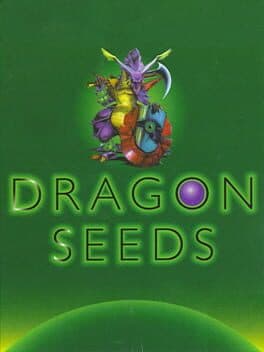
Dragon Seeds
Jaleco1998
Enter the world of Dragon Seeds! As a Dragonsage you will need to genetically engineer, and train (essentially "ranch") your dragons for armed combat. Plus, you can use memory card data from any game to create high powered dragons. Dragon Seeds features a simple, RPG-like battle interface, tons of weapons and shields, and a two-player mode.
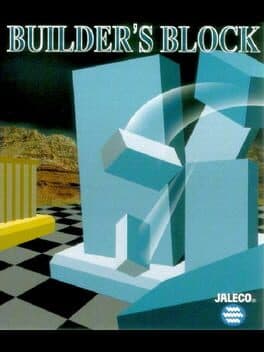
Builder's Block
Taito1998
Builder's Block (known as "LandMaker" in Japan and Europe) is a puzzle game in which you must construct buildings and then eliminate them for points. Although a certain color can only eliminate itself, the object of this game is to match colored blocks together to form buildings. Once you have made a building, you can eliminate it by shooting a block on the corner of it. The larger the building, the more benefits you'll reap when you destroy it! The game can be played three different ways: Puzzle mode, Battle mode, and Arcade mode. In the Puzzle mode, you must travel to one of seven different courses and construct specific size buildings. You must not destroy the buildings in this mode. The object is to build cities for the specific course or region you're in and make the cities grow.
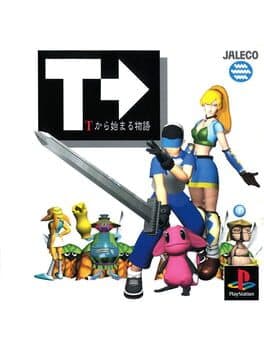
T kara Hajimaru Monogatari
Jaleco1998
T Kara Hajimaru Monogatari is an action adventure game developed by Jaleco in 1998, in the game the player takes the role of a young skater boy (which name is unknow since the player can put the name that he wants to) that one day he arrives at home and received in email in his computer to create a graffitti using these 4 words: Trap, trick, trip, truth.
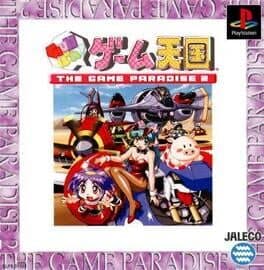
Gunbare! Game Tengoku: The Game Paradise 2
Jaleco1998
PlayStation-only sequel to Jaleco's crossover cute-'em-up. The system uses a gun controller connected to the 2P controller socket to provide cover fire for the shooter. The title of the game is therefore a combination of Gun and the Japanese word Ganbare (Don't give up!). Even if you don't have a gun controller, you can use a DualShock controller to shoot for cover.
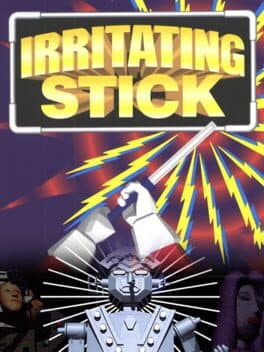
Irritating Stick
Saurus1998
Irritating Stick (originally Dengeki Iraira Bou), is a carnival game in which the player has to move a spinning stick through maze-like levels, without touching the borders. If the borders are touched, the player gets zapped and loses the game.
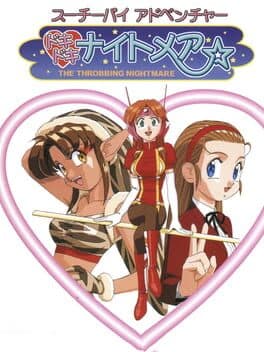
Suchie-Pai Adventure: Doki-doki Nightmare
Jaleco1998
Doki Doki Nightmare ("The Throbbing Nightmare") is a Japanese-style adventure game with dating elements. The game is a spinoff of the popular Suchie-Pai strip-mahjong series.
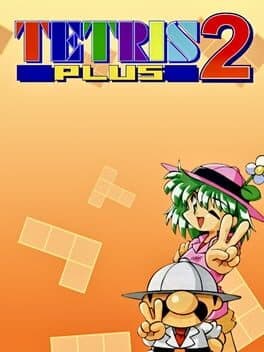
Tetris Plus 2
Jaleco1997
A puzzle game where you arrange the bricks to make horizontal rows of bricks so an explorer can get to the exit.
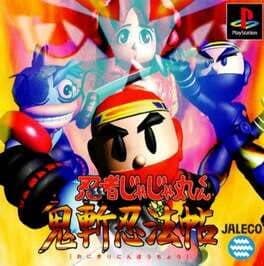
Ninja JaJaMaru-kun: Onigiri Ninpou-chou
Infinity1997
Ninja-themed 3D action game.
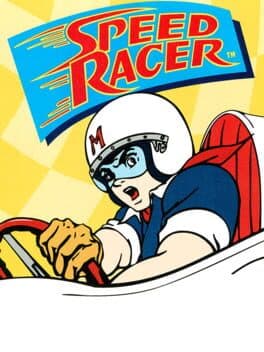
Speed Racer
Graphic Research1996
Speed Racer is an arcade type game that resembles the Sega Saturn's Daytona USA. The first track is identical, except for the lack of a pit lane, the Sonic sculpture in a wall and the different sponsor banners. The major difference between the two games is the performance of the car and the fact that the player can use all the gadgets of the anime Mach 5. The gadgets can be used to "shunt" other cars (even with the Cutter, the cars only bounce and there is no damage in the game), take shortcuts (by cutting trees and passing under lakes), etc. The controls are simple and the player switches over the gadgets and the camera views. The player can choose the length of the race in the menu, along basic sound options.
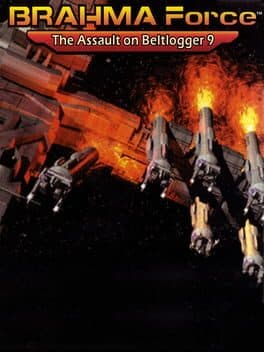
Brahma Force: The Assault on Beltlogger 9
Genki1996
A mech-based FPS; pilot your Bipedal Robotic Assault Heavy Mechanized Armor (built by Bronx Industries, of course) through the Beltlogger 9 excavation colony... ...discover what happened to the Beltlogger 9 colony- it may be related to the events on Probe Ship Mina 3, wherein a lone person apparently under the control of an outside intelligence slaughtered his shipmates.
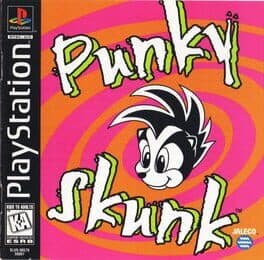
Punky Skunk
Ukiyotei1996
Punky Skunk is not your ordinary skunk: he's an extreme-sports loving critter trying to save his friends from a kidnapping wolf named Badler. So begins this adventure of a hip skunk and his 30 levels of platforming action, taking him through the sky, across land, underneath the ground and over water. Multiple paths and bonus levels will offer some variety in this throwback to 2D platform games of the past. In order to succeed, Punky must use various moves to fight enemies, avoid traps and find the flagpole signifying the end of the level. In addition, you'll be able to collect stars and 1-ups for extra lives, green orbs to replenish health, and gear icons outfitting Punky with one of six pieces of equipment: Paraglider, Inline Skates, Skysurfer, Pogo Stick, Jetpack or Diggers. Besides using the gear, Punky can either jump or attack enemies with his "spray." Skunk got you stumped? Not to worry, you can resume progress at the start of each cleared stage if you have a memory card.
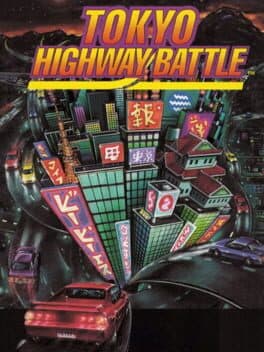
Tokyo Highway Battle
Genki1996
Players navigate through three Tokyo highway circuits driving one of 72 high-performance sports cars. While driving, players earn valuable points which are used to purchase upgrade parts for their vehicle. To ensure the most realistic gameplay, developers Bullet-Proof Software, enlisted the guidance of racing champion, Keiichi Tsuchiya and automotive specialist, Masaaki Bando Under their supervision, Bullet-Proof painstakingly recreated the physics and handling of each race car. The Saturn release, only released in Japan, included many more videos and starred the Drift King himself through these cutscenes.
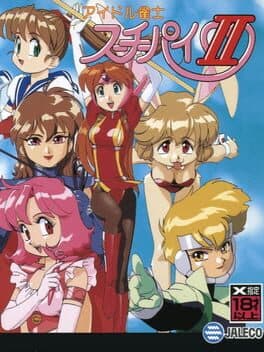
Idol Janshi Suchie-Pai II
Jaleco1996
The second installment in the Suchie-Pai series of mahjong games. More beautiful girls are ready to be your opponent in a game of strip mahjong.
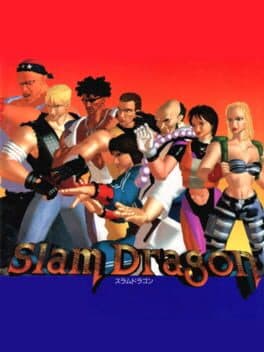
Slam Dragon
Pre-Stage1996
Wage a fierce battle in fighting action with CD rendered music and realistic characters. 8 fighters have taken to the fight and seek to confront X.
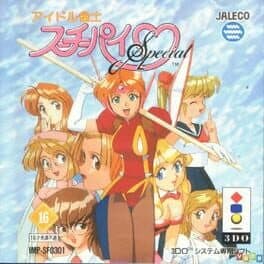
Idol Janshi Suchie-Pai Special
Jaleco1995
A mahjong game for Saturn and 3DO Interactive Multiplayer.
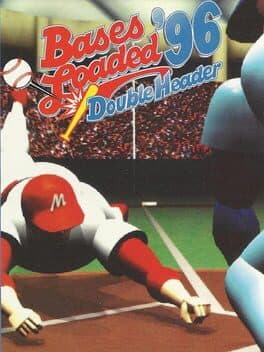
Bases Loaded '96: Double Header
Jaleco1995
This baseball game features real MLBPA players from the 1994 baseball season. The teams they actually played for are only represented by the cities the actual teams are from. The game has an Exhibition mode, a Regular Season mode, and a Championship Game mode. The Regular Season mode lets the player choose to play either a 13, 26, 52, or 162 game season, while the Championship Game mode lets the player play either a 3, 5, or 7 game championship game series against an opposing team. The game also allows baseball players to be traded to other teams, and it also allows the player to select to play in 1 of 7 different MLB ballparks, plus one extra ballpark designed by Jaleco. Gameplay options include turning automatic fielding on or off. When on the field, batting makes use of a behind the batter view, while pitching makes use of a behind the pitcher view. Pitching is kept simple by the player being only able to control where the pitch goes, while batting only involves timing the swing to make contact with the pitched ball.
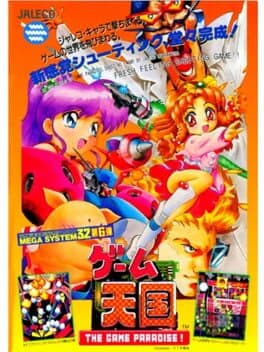
The Game Paradise: Master of Shooting
Jaleco1995
Choose one of five characters with different powers and get the bad guy who has infiltrated an amusement arcade. Fly into the machines and battle all the things found in a classic arcade: cocktails, uprights, printed circuit boards, pinballs, fruit machines, skill games and lots more. The Sega Saturn version added an auto-bomber function that automatically uses bombs when hit by bullets, as well as original stages and additional playable characters. In addition, a scene in which deformed characters perform skits between stages has been added. These additional elements can be viewed by selecting "Arrange Mode" on the title screen. You can also select the arcade version without the added elements, but the ending will be changed.
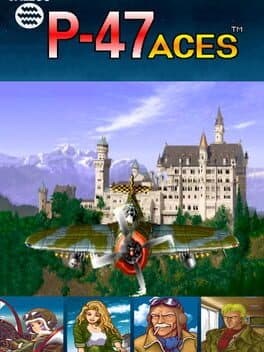
P-47 Aces
NMK Co. Ltd.1995
A one or two player shooter game developed by NMK and published by Jaleco Ltd. in 1995. As in the original, you control an airplane scrolling from left to right shooting at lots of enemy airplanes. This game has excellent explosions.
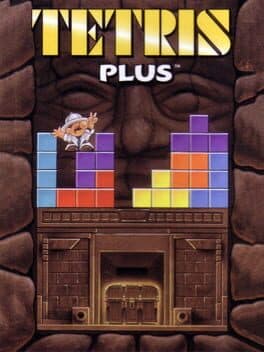
Tetris Plus
Jaleco1995
This is yet another updated version of Tetris which was released for PlayStation, Saturn, and Game Boy. This version features Classic mode, Puzzle mode, Versus mode, and Edit mode. In Puzzle mode, you must save the professor who climbs his way to the top. In order to do that, you must clear the blocks away and bring him to the bottom. Versus mode brings you head to head with another player. Edit mode allows you to create and save your own custom levels.
Super Bases Loaded 2
Jaleco1994
Super Bases Loaded 2 is the 16-bit remake of the original NES versions. It features the modes Exhibition, Season, and All Star and features a battery backup that will allow the player to keep track of stats and resume play at their own leisure. The game also allows the player to create their own team and use them in either exhibition or season mode. It does feature a full 162-game season, but does not feature any MLB license, instead it consists of two fantasy leagues with seven teams to each league, along with three generic stadiums. The DSP chip is also utilized to give's the appearance of realistic 3D movement of the players.
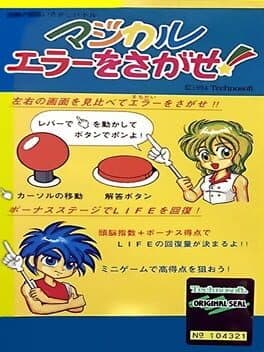
Magical Error wo Sagase
Technosoft1994
Magical Error wo Sagase is a two-player game where players go through a series of two pictures (some of them animated and scrolling) to spot the difference within a limited time. While waiting time slowly drains the player's health, making mistakes costs even more health. In between the multiple stages, the player does a bonus stage which restores health depending on how many points are acquired. As the game progresses more differences must be spotted to win each stage. Some pictures are based on fairy tales and notable stories.
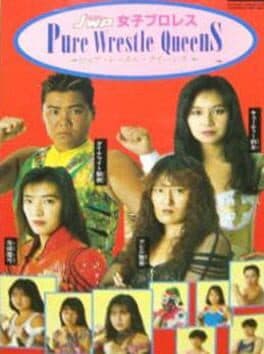
JWP Joshi Pro Wrestling: Pure Wrestle Queens
1994
This is a game dedicated to the JWP Joshi Pro Wrestling federation of wrestling! The wrestlers are exclusively women. There are several game modes from tag team to versus mode and options.
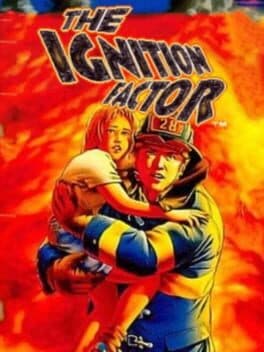
The Ignition Factor
HAMSTER1994
The Ignition Factor is a 2D adventure where the player controls a firefighter through emergency situations in differing locations. Each level consists of multiple rooms, areas, or building floors where players can possibly explore, extinguish fires, and rescue people. Most levels dictate a specific number of people that must be saved within a set time limit for the mission to be considered a success. Fire spreads throughout an area automatically, and the player can be injured when touching a patch of fire on screen. The player can also be harmed by falling through holes in the floor.
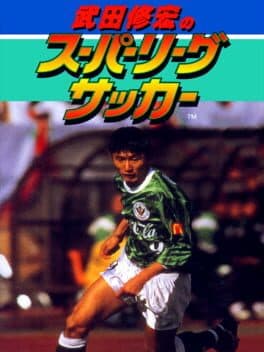
Takeda Nobuhiro no Super League Soccer
Tose1994
Takeda Nobuhiro no Super League Soccer ("Nobuhiro Takeda's Super League Soccer") is a soccer simulation video game licensed/endorsed by Takeda Nobuhiro, published by Jaleco Entertainment for the Super Famicom console, which was released exclusively in Japan in 1994. This game is a sequel to Takeda Nobuhiro no Super Cup Soccer. It features club teams based on the top division of Japan Professional Football League J. League Division 1 (though unlicensed) instead of national teams. While it kept largely the same structure of the original game, some new options were added.
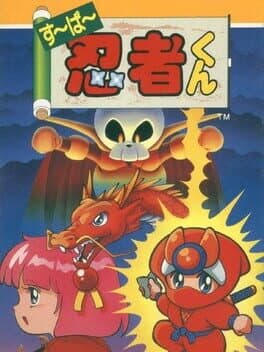
Super Ninja-kun
Jaleco1994
This game was released only for the japanese Super Famicom. It was also a view-limited downloadable game for the Satellaview that was broadcast in at least 4 runs between June 29, 1997 and March 28, 1998.
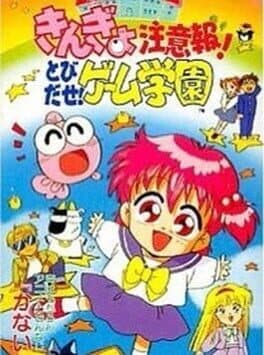
Kingyo Chuuihou! Tobidase! Game Gakuen
Jaleco1994
Kingyo Chuuihou! Tobidase! Game Gakuen is an Action game, published by Jaleco Entertainment, which was released in Japan in 1994.
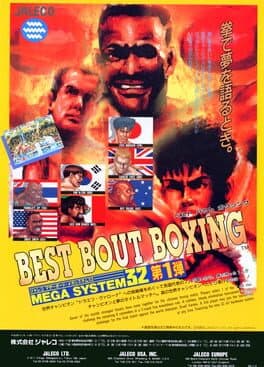
Best Bout Boxing
Jaleco1994
Best Bout Boxing is a boxing arcade game released by Jaleco in 1994, where boxers have to compete for the fictional "1993 World Freeweight Championship" (no weight limitation). It was never released outside Japan.
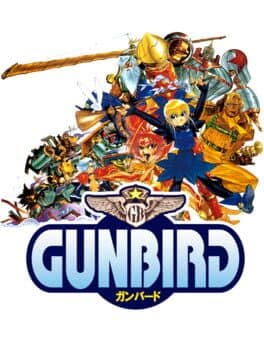
Gunbird
Psikyo1994
Gunbird uses anime-styled character as the player's chosen craft. A story plays out in between levels and before boss fights, telling a tale of how the protagonists are trying to collect pieces of a magic mirror to make a wish.
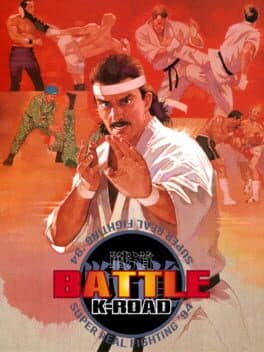
Battle K-Road
Psikyo1994
The game focuses mostly on reality fighting than fictional. At the start of the game in 1P mode, the player will face against the other fighter that uses the same fighting style as the one the player chose. After the player wins against the opponent, the player will face against other opponents that use other fighting styles in the K-Road Tournament. If the player loses, the game will only allow the player to continue fighting through it with the character he used, and will not allow the player to choose another character. The gameplay has a 6-button layout, but with command inputs different compared to ones in most fighting games released at the time. There are three punches and kicks for a few directions (weak, medium and strong). There are seven fighting styles featured in the game and two playable characters per style, for a total of 14 playable fighters.
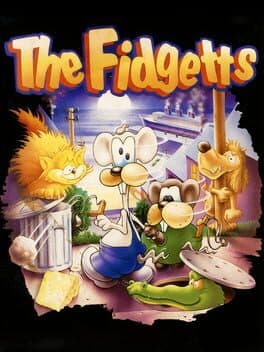
The Fidgetts
Game Over Productions1993
The Fidgetts is a puzzle side-scrolling platform game in a similar vein as 'The Lost Vikings'. The player can switch between two Fidgetts (cartoon-like animals) to get past obstacles. One of the Fidgetts can jump higher to reach objects or locations otherwise unreachable. They can also lift and drop items to help them climb over obstacles. Within each level the player must get both Fidgetts to the exit before a time runs out. There are pit traps and enemies that can cause the Fidgetts to loose lives or receive damage.
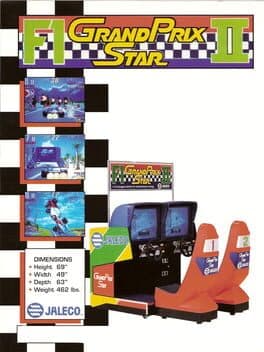
F1 Grand Prix Star II
Jaleco1993
A Formula 1 racing game.
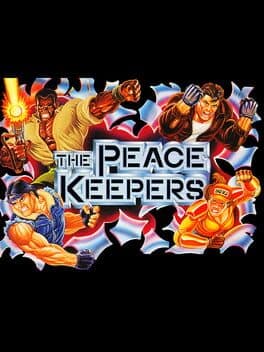
The Peace Keepers
Jaleco1993
It's the year 2015 and the most powerful organization of the planet, a company named Deutschland Moldavia, is threatening to take over the world by genetically manipulatin humans into mindless slaves or powerful monsters. The Peace Keepers is a side-scrolling fighting game similar to games in the Final Fight series. The player can choose from four characters (plus two that become available later in the game) with different strengths and weaknesses. In addition to combinations of standard attacks, jump-, run- and throwing attacks, all characters can also block attacks, perform single heavy attacks, special attacks that consume a certain amount of energy and super attacks. Super attacks damage all enemies on-screen, but can only be used twice per continue. If a character is hit repeatedly, there is a chance that they temporarily switch into "angry-mode" during which they are invincible and more powerful. Most levels offer different paths and exits, and after every level, a different character may be selected. This means that levels may be played through in different orders and that it is not at all necessary to play through all the levels to reach one of several endings.
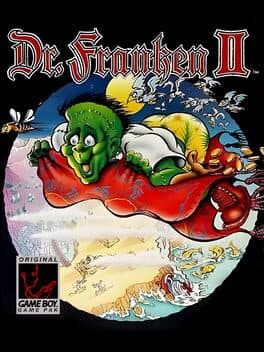
Dr. Franken II
MotiveTime Ltd1993
Dr. Franken II is a side-scrolling platformer what places you in control of a Frankenstein-like character named Franky. The goal is collect different objects within different levels to put something back together. In order for Franky to recharge his health, you need to find the parts to fix the electricity machine that does it. You will also be taken to exotic locales such as Egypt and the bottom of the ocean to find pieces of Bitsy's golden tablet. Like its predecessor, there are many trap doors, monsters, and other obstacles that need to be overcome. Keys are needed to unlock new areas of the game, which can be found in the far reaches of the level.
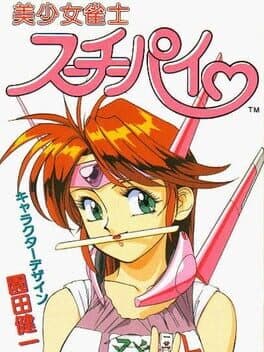
Bishoujo Janshi Suchie-Pai
Jaleco1993
A Super Famicom mahjong game and the first title in the Idol Janshi Suchie-Pai mahjong series. Bishoujo Janshi Suchie-Pai ("Pretty Fighter Suchie-Pai") is the first game in what would later be referred to as the Idol Janshi Suchie-Pai series. It's a mahjong game that uses comedy and attractive women to stand out among its more serious peers. The player, as the transforming warrior Suchie-Pai, can move around a world map to challenge various other female characters at mahjong in any order. The characters were designed by Kenichi Sonoda, a famous animator and manga artist best known for the anime and manga Gunsmith Cats, who also worked on Bubblegum Crisis and Gall Force.
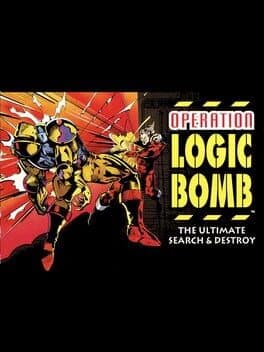
Operation Logic Bomb
Jaleco1993
The best scientists in the world have been working for years on the Subspace Particle Transfer Project, a process that uses subspace transporters to dematerialize an object, then instantly rematerializes it at another location. Short distance transfers of individuals have also been successful, and the scientists were about to begin long-range transport experiments. However, contact with the research laboratory has been lost. Someone - or something - has taken over the facility and shut down all outside communications. There is no information about the intruders or their capabilities... no one has entered the facility and returned to tell about it. Plans for a final assault have been prepared and if it fails, there will be no choice but to destroy the entire installation. Agent Logan, who has been fitted with bioelectronic implants that give him superior strength, reflexes, and anlystical abilities, has been briefed on all aspects of the mission. Now it's up to him to infiltrate the lab, neutralize the intruders, and rescure the scientists.
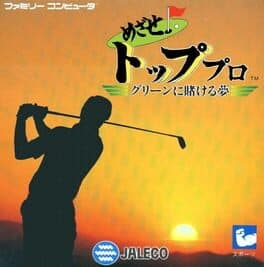
Mezase! Top Pro Green ni Kakeru Yume
Jaleco1993
Mezase! Top Pro Green ni Kakeru Yume is a Sports game, developed and published by Jaleco Entertainment, which was released in Japan in 1993.
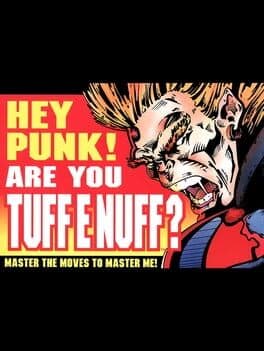
Tuff E Nuff
Jaleco1993
Following a great war that destroys most of the earth, Tuff E Nuff sees four of the earth's toughest people come together to do battle, and earn the right to attempt to depose the mighty ruler. Gameplay is standard beat 'em up style action, featuring most of the conventions of the genre. The characters have a range of kicks, punches and throws, and each fight at their own base. The 90-second time limit can be turned on or off. Fights are best-of-three, with points awarded for each hit, and for overall victory.
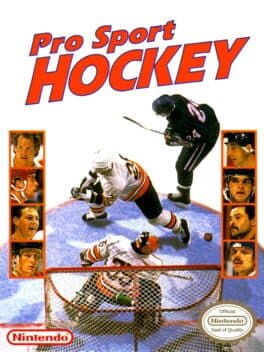
Pro Sport Hockey
Tose1993
Pro Sport Hockey is an Ice Hockey game, developed by TOSE and published by Jaleco Entertainment, which was released in 1993.
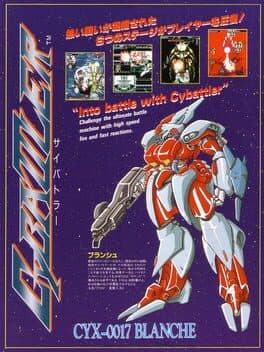
Cybattler
Jaleco1993
Cybattler is a up-scrolling shoot 'em up game where you take control of the mecha CYX-0017 BLANCHE that can shoot and slash with its plasma sword in all direction in a space themed environment. As you make progress you have to fight of various space crafts in varying sizes, other mechas and bosses. As well as evading destructible rocks. When using your gun a meter at the bottom of the screen depletes. The meter recharges when not used. Weapon and repair power-ups can be collected. The game can be played solo or with a friend.
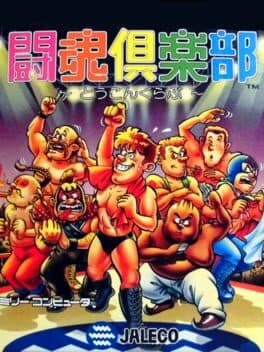
Toukon Club
Natsume Inc.1992
Toukon Club is a wrestling game for the Nintendo Entertainment System.
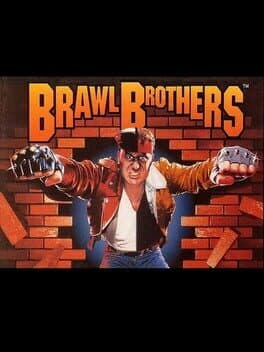
Brawl Brothers
HAMSTER1992
Released in 1992 for the Super Nintendo Entertainment System, Brawl Brothers is a side-scrolling beat 'em up game by Jaleco, serving as the sequel to Rival Turf! and preceding The Peace Keepers in 1993. Set in Bayside City, where people are vanishing amidst rumors of sinister human cloning experiments, the game follows Rick and Doug, who are driven by personal stakes when three friends from their martial arts gym are abducted.

The Young Indiana Jones Chronicles
Jaleco1992
Here is your chance to become Young Indiana Jones, as you set out to single-handedly save the world from the Kaiser's war machine. In this World War I epic, you'll battle through 19 stages of globe-spanning action, from the deserts of Mexico to the trenches on the Western front to the heart of the German headquarters. You'll take on Pancho Villa and Big Bertha, battle tanks and tri-planes and team up with Canadian flying ace Billy Bishop in a dogfight against the Red Baron.
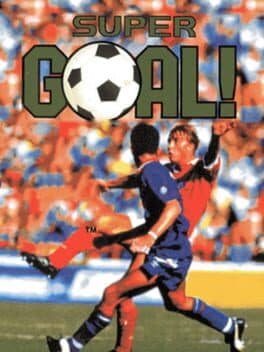
Super Goal!
Tose1992
A soccer game from TOSE, which is known as Goal! in the US and Super Cup Soccer in Japan. It's part of the Goal! series of soccer games which originally came out for the NES. Goal! Two is the NES version of this game.
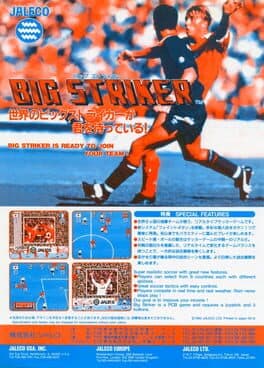
Big Striker
Jaleco1992
Big Striker is a soccer arcade game released in 1992 by Jaleco.
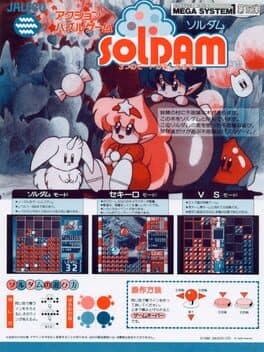
Soldam
Jaleco1992
Soldam is a puzzle game where the goal is to match soldam fruits along an entire row. The fruits drop down from the top in a 2x2 square which can be rotated. If the edge pieces match color, all of the fruits in the direction of the matching edge pieces will change their color to match. Matching edge pieces can be made horizontally, vertically, or diagonally.
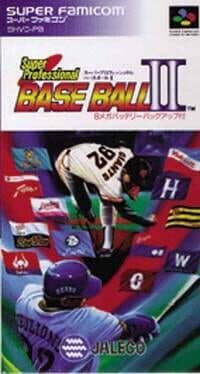
Super Professional Baseball II
Tose1992
Super Professional Baseball II is a Sports game, developed by TOSE and published by Jaleco Entertainment, which was released in Japan in 1992.
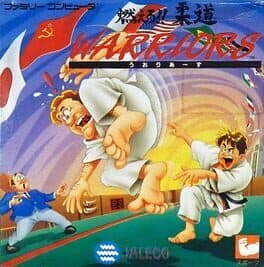
Moero!! Judo Warriors
1992
Moero!! Judo Warriors is a Family Computer video game that was released in 1990. The box art shows competitors in an international judo tournament; flags of different countries like the Soviet Union, France, Brazil, the United States of America, and Japan are used to signify the eliteness of the virtual competition. Players must travel around the world in search of judo opponents. The player even gets to compete in the Summer Olympic Games under his discipline of judo after defeating five opponents. However, this would most like refer to either the 1992 Summer Olympic games in Barcelona, Spain because of the game release date. Nine opponents must be defeated in the Olympic Games in order to collect the gold medal. Losing some matches while winning other may result in the awarding of either the silver or the bronze medal.
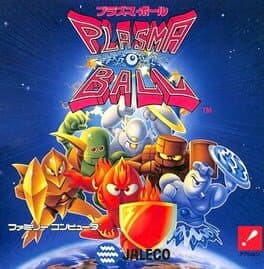
Plasma Ball
Jaleco1992
Plasma Ball is an Action game, developed and published by Jaleco Entertainment, which was released in Japan in 1992.
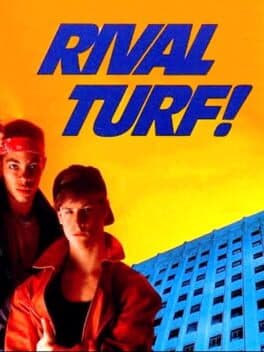
Rival Turf!
HAMSTER1992
Rival Turf is a cyber-punk comic-book style beat 'em up inspired by the likes of Streets of Rage and Final Fight.
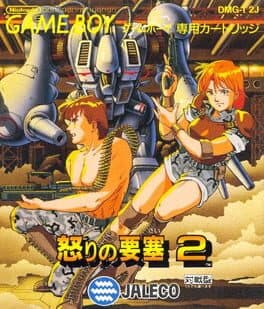
Ikari no Yousai 2
Jaleco1992
The two special agents Masato Kanzaki and Mizuki Makimura receive a new important mission: destroying the ultimate weapon the enemy is developing in its secret base.
Pizza Pop!
1992
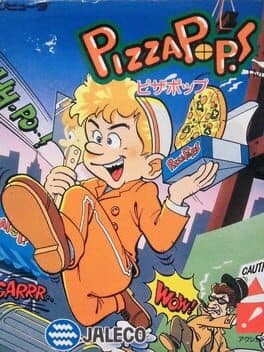
The Pizza Boy must deliver pizzas to various dangerous locations in order to make enough money to buy his girlfriend an engagement ring. He is thwarted by many enemies, including his romantic rival who appears frequently to take him down. Points are scored at the end of each stage based on completing stages quickly, defeating enemies and recovering extra pizzas.
Earth Defense Force
Jaleco1991
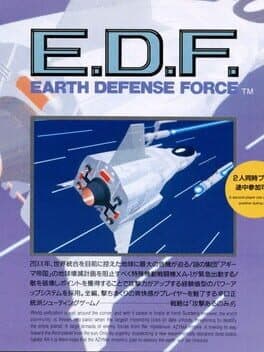
A SUPER SAGA OF 23RD CENTURY SATELLITE WARFARE! The graphics will dozzle you, the speed will astound you... but if you don't think fast and shoot faster, you won't have a chance against the alien firestorm. Because in EARTH DEFENSE FORCE, the best defense is always a great offense.
Utopia: The Creation of a Nation
Gremlin Graphics Software Ltd.1991
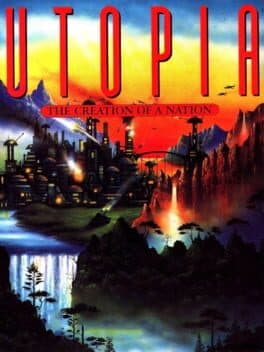
Utopia takes the Sim City gameplay concept and adds a military element to it. The game is set in the distant future, where your job is nothing less than Colony Administrator for a new settlement on some far-flung planet. Your aim is to provide the highest Quality of Life rating for the colonists. You do so by ensuring that there is enough life support, power, housing, employment, police and entertainment to keep the citizens of your colony happy. Hindering your goal are random events such as solar eclipses (which can render your solar panels inactive) and also a different, hostile alien race that inhabits the planets in the many scenarios at offer. Not only do you have to be a good mayor but you also have to be a good general. Resources must not only be attributed to civilian research but into weapons research, intelligence and the building of tanks and spaceships, if you wish to survive long enough to see your colony flourish into a metropolis. As a rule, you will have built a strong colony before the aliens come, but the final push towards a QOL of 80% or higher can only be achieved once there is no outside threat.
64th Street: A Detective Story
C. P. Brain1991
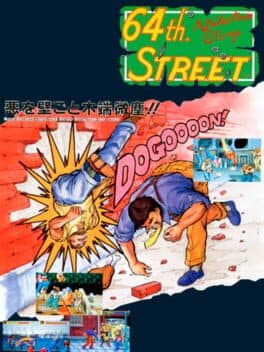
Players One and Two start with the two selectable protagonists, Rick and Allen. Each private detective uses different fighting styles, attempt to solve cases by beating up each criminal they encounter. Lots of special items can be found by throwing enemies into the background and breaking things, typical of this popular genre in the 1990s arcades. Along the way they are harangued by all manner of thugs and toughs, whose costumes range from 1980s hip-hop wear to stereotypical pirates. The bosses are tough by way of strange special attacks.
Shatterhand
Natsume Co., Ltd.1991
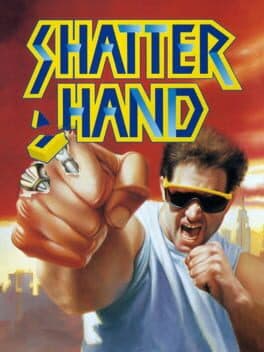
Imagine packing the power of 100 strategic missiles in every punch. Imagine needing every single megaton just to hold your own against a cybernetic army of metallic monstrosities. That's the guts of Shatterhand, the game that redefines hand-to-hand combat in the 21st century... along with all the standards for single-player action games for the NES. Seven levels of programmed adventure - you choose the action! State-of-the-art graphics featuring 8-direction scrolling! "Anti-gravity" levels force you to fight upside-down! Armed "satellite robots" assist you in battle. No arms on Earth can withstand the power in your hands! This port is a localized version with differences such as different graphics for characters and items, different story and opening, and the most substantial change is Area C which is a carnival stage in the original but here it was replaced with a nuclear-submarine stage.
Bases Loaded 4
Tose1991
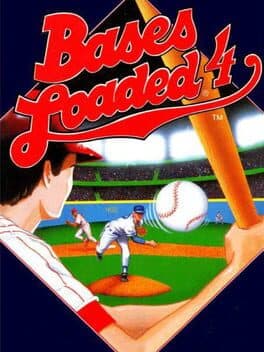
Bases Loaded 4 is the fourth installment in the Bases Loaded series, published by Jaleco exclusively for the Nintendo Entertainment System. The game continued the popular series with fairly similar gameplay, and a more concrete ending with a credits screen revleaing the five faces of the game designers.
Super Bases Loaded
Tose1991
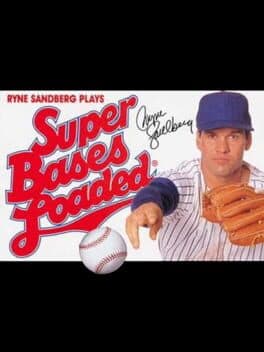
Another baseball game in the Bases Loaded series. The game features a 1 and 2 player game plus a watch mode that allows the player to watch two computer players play each other. During the 1 player game the player selects 1 of 13 fictional teams and plays the other 12 teams in a row. The overall goal, instead of just merely winning baseball games, is to play the perfect game and get a perfect rating. During a game, players start with an overall rating of a 100, and then after the game is finished game points are added or subtracted in 13 different rated categories such as number of errors made, the number of walks, pitched, number of times struck out, etc... The players final game points determines the difficulty level of their next opponent. The game has up to 5 difficulty rankings. Scoring a perfect 100 game points on a level 5 rated team will complete the game.
Banishing Racer
Jaleco1991
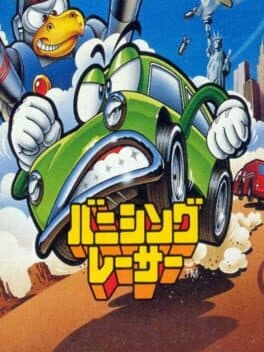
Banishing Racer (バニシングレーサー?) is a Japanese platforming video game developed and published by Jaleco Entertainment for the Game Boy exclusively in Japan. It was released in Japan on July 26, 1991. Banishing Racer was also sold around Hong Kong. The game allows the player to take control of an animated car against numerous enemies that must be jumped on to defeat, in a fashion similar to Super Mario Land. The player has three lives before being allowed to continue or start over. One hit kills the player and forces a restart from the beginning of the level. The car model used within the game looks very similar to a Subaru 360.
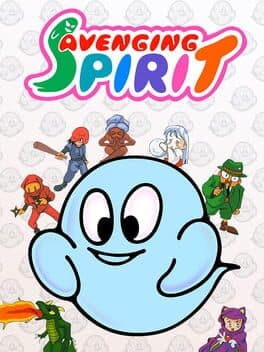
Avenging Spirit
C. P. Brain1991
Avenging Spirit, known in Japan as Phantasm, is a 1991 2-player platform arcade game developed by C.P. Brain and published by Jaleco. Players attack (or possess) enemies, collect power-ups, and defeat bosses to advance. Players can possess one of four characters with unique abilities at the start of the game, but the library of enemies expands and changes with each level.
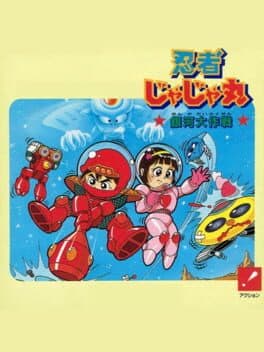
Ninja JaJaMaru: Ginga Daisakusen
Jaleco1991
Ninja JaJaMaru: Ginga Daisakusen is an Action game, developed and published by Jaleco, which was released in Japan in 1991.
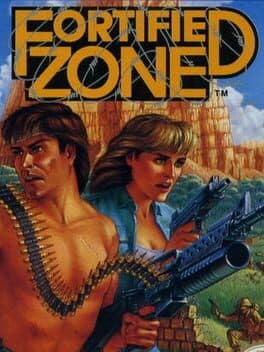
Fortified Zone
Jaleco1991
He has the offense. She has the defense.
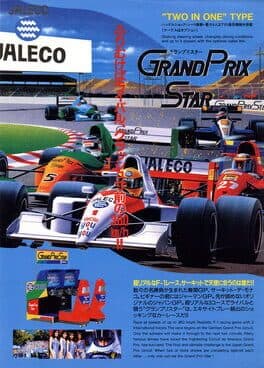
Grand Prix Star
Jaleco1991
A Formula 1 racing game.
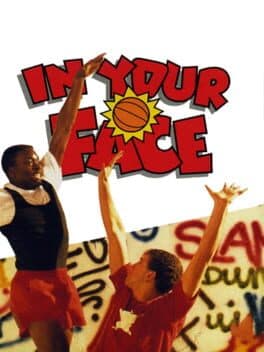
In Your Face
Jaleco1991
In Your Face is a Sports game, developed and published by Jaleco Entertainment, which was released in 1990.
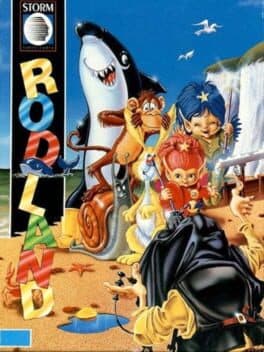
Rod-Land
Sales Curve Interactive1990
The player(s) control one or two fairies called Tam and Rit armed with a magic wand (rod). Following the concept of Taito's Bubble Bobble, the rod doesn't kill the monsters directly, but only leaves them immobilized, crying. To kill them, the rod can grasp them in a magic force-field and the player can smash them down over her head until they disappear and leave a power-up behind. Each level is only one small screen composed of monsters, platforms, ladders and, later, tunnels. Unlike other games of the genre, the players can never jump, but have to use ladders. They can conjure one custom ladder above or below them in order to go to the appropriate platform. There can be only one such 'custom' ladder; therefore if the fairy summons it again, it will disappear from its previous position in order to appear again next to the fairy. This can be beneficial for the player, if a monster is climbing that ladder to approach her. The fairies' quest is to rescue their mother, trapped in a tower. In the sequel (part of the original arcade machine) they must venture into a pyramid, to stop an evil demon that is building a mobile fortress. The spirit of their departed father "guides" them at a couple of points. The ending implies that the demon in the pyramid was somehow responsible for their father's death.
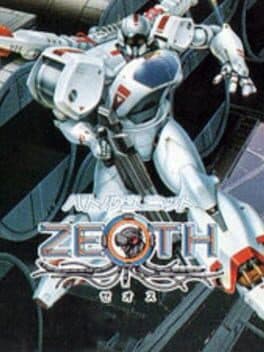
Battle Unit Zeoth
Jaleco1990
Battle Unit Zeoth takes place in the future where mankind is invaded by a race of alien robots known as the Grein. The Earth’s forces were triumphant in battle and the Grein forces fled the Solar System. However, as they retreated, the Grein left behind a secret underground base filled with self-replicating Grein machines. Forty-two years after the Earth’s victory, the Grein base opened and a new attack force decimated the city of New Age. To retaliate, Earth’s military has stored a mecha that specializes in alien combat known as the Zeoth. It is the Zeoth’s assignment to stop the attack force, go into the Grein secret base and destroy the mechanical occupants before a new invasion force arrives.
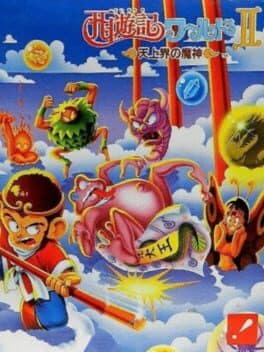
Saiyuuki World 2: Tenjoukai no Majin
Jaleco1990
A game based in "Journey to the west" book.
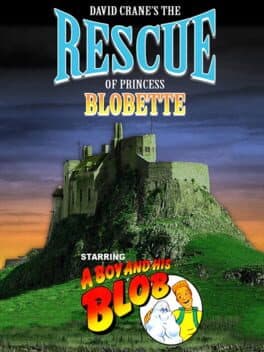
David Crane's The Rescue of Princess Blobette
Imagineering Inc.1990
Starring: A Boy and His Blob The Rescue of Princess Blobette tells the story of a young, male protagonist and his blob companion as they attempt to rescue the latter's girlfriend, the titular Princess Blobette. The damsel in distress has been imprisoned by the Antagonistic Alchemist within the highest tower of the Royal Castle on the planet Blobolinia. Like its predecessor, A Boy and His Blob: Trouble on Blobolonia, The Rescue of Princess Blobette is a puzzle-platformer in which the player directly controls the boy as he is followed around by the blob, who is controlled by the computer AI. The pair must navigate the various passages and floors of the castle to locate and free Blobette. The boy can only run back and forth, cannot jump or swim, and will die if he falls a long distance or comes in contact with dangerous objects such as flame throwers and sewer serpents. However, the blob can be made to turn into useful tools when he is fed jelly beans of various flavors. Each flavor causes a different transformation. For example, feeding the blob a tangerine jelly bean will change him into a trampoline, which the boy can then use to reach high platforms. The player may also locate extra jelly bean sacks and numerous, optional treasures. Finding five peppermints will increase the player's extra lives by one.
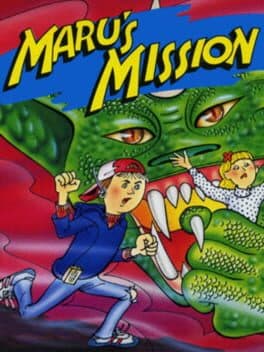
Maru's Mission
Tose1990
The Master Traveler takes on the Monsters of the World. Play as the ninja Maru in this action-packed side-scrolling game that will take you on a journey across the world. While Maru is out for a walk with his girlfriend Cori, an evil samurai named Muramasa suddenly appears and kidnaps her. In Maru's efforts to track her down and rescue her, he must face a number of mythological monsters while gaining new and powerful weapons in order to defeat them. Using the hints that are left behind by his enemies, Maru will follow a trail that will lead him across six different locations - including the bug-infested forests of America and the scorching deserts of Egypt. Help our hero on his mission as he fights to rescue Cori.

Bases Loaded 3
Tose1990
Bases Loaded 3 is the third entry in the Bases Loaded series published by Jaleco for the Nintendo Entertainment System. It was released in 1990 in Japan, and 1991 in North America and was exclusively on the NES. The game departed from the two previous installments by removing seasonal play, focusing instead simply on individual exhibition games. It was noteworthy due to the endorsement of Ryne Sandberg, the famed baseball player.
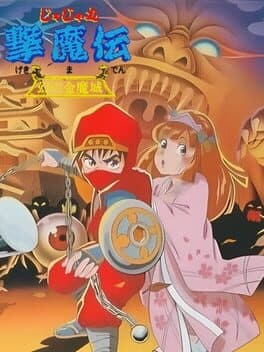
JaJaMaru Gekimaden: Maboroshi no Kinmajou
Jaleco1990
JaJaMaru Gekimaden is an action role-playing game, with gameplay similar to The Legend of the Zelda. Players control the protagonist character through towns, dungeons, and a world map. Each different type of map features top-down exploration. When moving through a dungeon, the protagonist will gradually recover health. The protagonist can equip different types of weapons and items that he can buy or find and use them during combat. Dungeons are made up of several rooms with enemies inside. Occasionally, an enemy will drop money when defeated, which can be used to buy items or heal health points at an inn.
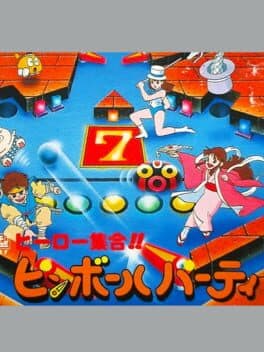
Hero Shuugou!! Pinball Party
Jaleco1990
Hero Shuugou!! Pinball Party is a pinball game released for the Nintendo Game Boy. The player control the plunger and flippers from a pinball machine to handle the ball and aim for the highest score. There are two main modes, one featured in a 3-tier simple table and another featured in a more complex 3-tier table with different substages.
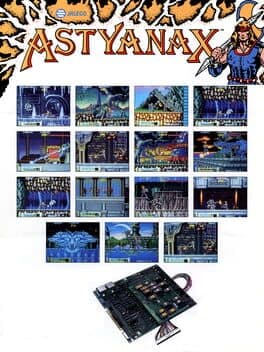
Astyanax
Aicom1989
Astyanax is a side-scrolling platform action game set in a fantasy world. The hero sets out to slay the evil wizard terrorizing the land. He is armed with an ax and also has a magic lightning spell that can be powered-up two times. Magic upgrades and health potions can be found in small stone pillars. The player needs to beat monsters in a number of locales, jumping across pits and fighting bosses at the end of stages. Two-palyer co-op is supported, with the second player being palette-swap of Player 1. The game was designed by Tokuhiro Takemori who previously worked on Legendary Axe, and the basic game mechanic is similar -- in order to deal heavy blow with the axe the player needs to stop swinging it for a while. The NES version released after the Arcade game, while generally having same gameplay, features completely different level layouts, enemy designs and story.
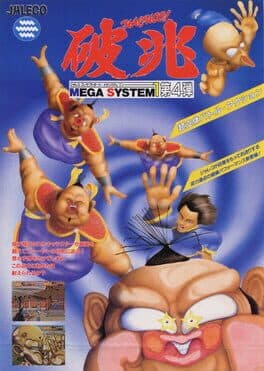
Hachoo!
Jaleco1989
In ancient China, a wizard named Tyouraidoushi is trying to resurrect some ancient evil and two martial artists must fight their way through his monster-filled army to stop that from happening.
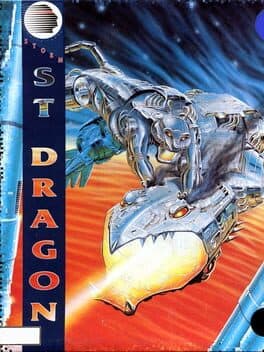
Saint Dragon
NMK Co. Ltd.1989
Tenseiryuu: Saint Dragon is a side-scrolling shoot 'em up video game originally released as a coin-op by Jaleco in 1989. It was converted to several home computer platforms by Storm Entertainment in 1990.
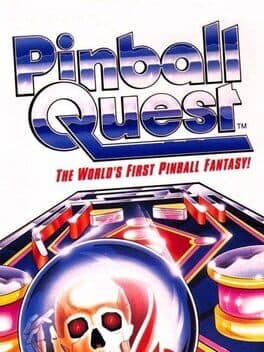
Pinball Quest
Tose1989
Don't let the name fool you - Pinball Quest is much more than video pinball. In fact, it's the first-ever multi-screen fantasy in a pinball format! Every move you make tells a story; every shot takes you another step closer in your quest to rescue the captive princess of the castle. Along the way you'll meet ghosts, goblins, witches and demons, in an endless labyrinth of treacherous passages and deadly doorways. It takes a fearless heart and a fast mind to conquer Pinball Quest. It also takes the skills of a true pinball wizard... which you can hone on the three other video pinball games included on this cartridge! So before you pour any more money into your NES library, get the one title that's a library all by itself! No matter how hard you try, you can't get enough of Pinball Quest!
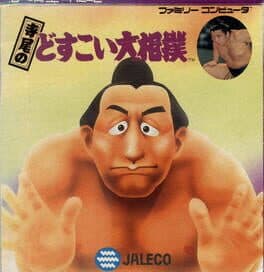
Terao no Dosukoi Oozumou
Tose1989
Terao no Dosukoi Oozumou is a Sports game, developed by TOSE and published by Jaleco Entertainment, which was released in Japan in 1989.
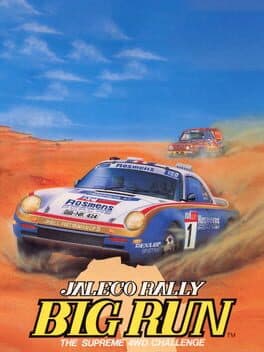
Big Run
Jaleco1989
Big Run is a 3D rally racing arcade game released by Jaleco in 1989.
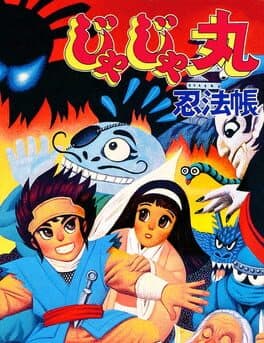
JaJaMaru Ninpouchou
NMK Co. Ltd.1989
"JaJaMaru Ninpouchou" is a ninja themed role-playing game. Play as Jajamaru and Princess Sakura as you explore around a world map visiting towns and dungeons. Fight against random encounters using the separate turn-based combat screen.
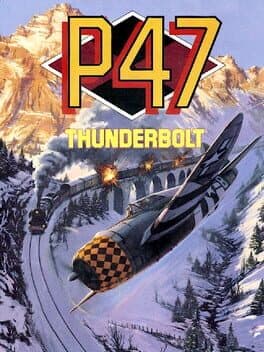
P47 Thunderbolt
NMK Co. Ltd.1988
An Arcade World War II-themed horizontal shoot 'em up developed by NMK.
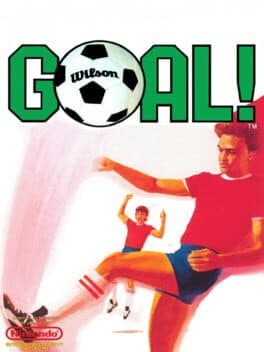
Goal!
Tose1988
Goal! is a soccer game from an angled overhead point of view, with the screen scrolling to follow the action. You play with a full team of 11 players, each one rated in 7 different skill categories. You can match them against a team controlled by the computer or another player. You can even team up with a friend and match your combined skills against the best computer team. Several game modes are available, including tournament mode, world cup mode, and a goal shooting competition.
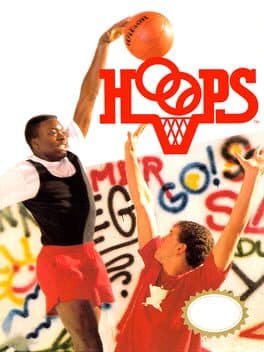
Hoops
1988
Gym rats, beware! HOOPS takes you out to the asphault, where basketball is a half-court game of fast hands, faster moves and slam-jam-thank-you-Sam dunks! The legends of the Playground are all here: Mr. Doc, Jammer, Legs, Bomber, Wiz, eight players in all. You can pit them one-on-one or two-on-two. You pick the court - Eastern or Western - and you pick the rules, too. You can play against the computer or one other player. Or you can even team up with another player against the computer. You can block shots, make steals, pass off or go strong to the hoop - in fact, you control just about everything in this ultra-realistic rendition of the playground game. Except, of course, the final score. But win or lose, you know you've been in a game after you've played a game of HOOPS!
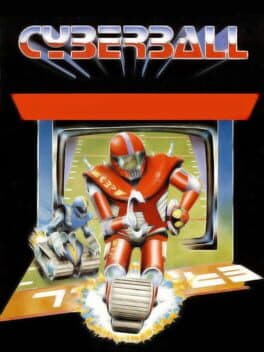
Cyberball
Atari Games1988
Cyberball is an Atari Games arcade game of 7-man American football, using robotic avatars of different speeds, sizes, and skill sets. The game replaced the standard downs system with an explosive ball that progresses from "cool" to "warm", "hot", and "critical" status as it is used. Players can only defuse the ball, resetting it from its current state back to "cool" by crossing the 50 yard line or by change of possession, whether through touchdown, interception or fumble. A robot holding a critical ball while being tackled is destroyed along with the ball. The robots also possess finite durability. As offensive units are tackled, they wear down, finally issuing smoke and then flames after a number of hits. A flaming robot will explode when hit, thereby fumbling the ball. Players can upgrade robots with faster and more durable units using money bonuses they earn during play.
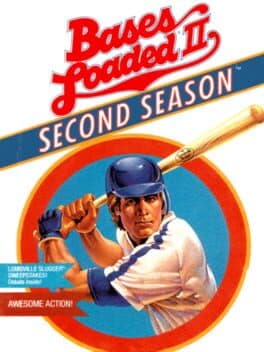
Bases Loaded II: Second Season
Tose1988
Bases Loaded II: Second Season was released by Jaleco in 1988 as the second in the Bases Loaded series. It was only ever released for the Nintendo Entertainment System, and continued where Bases Loaded had finished as a successful baseball game on the NES console.
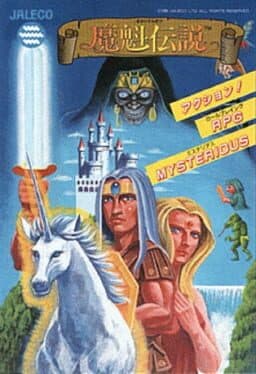
Legend of Makai
Jaleco1988
Legend of Makai is an action/adventure platformer based in a fantasy setting. The player controls a young warrior whose quest is to rescue a princess from an evil wizard. The warrior starts off with only a sword, but can purchase other weapons and magical items from shops. The gameplay consists finding one's way through non-linear levels, using keys to open doors and killing or avoiding various enemies. The player has a fixed amount of time to complete each level.
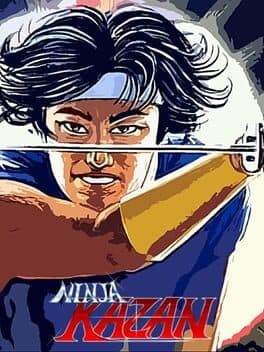
Ninja Kazan
Jaleco1988
Ninja Kazan is a platformer/hack and slash arcade game by Jaleco in 1988.
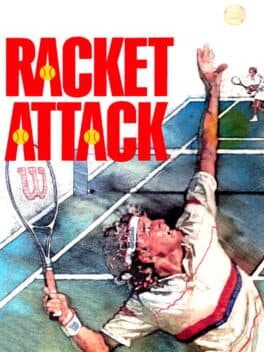
Racket Attack
1988
This is no amateur hour. This one's for keeps. The national finals. Will you play tough enough to hear the umpire call "point, set, match!" A million eyes bore into you from the stands. Moments to start... RACKET ATTACK has made you a pro, the toughest, most awesome champ ever to hit center court. You've a power serve and a ferocious backhand. You're fearsome at the net and in the backcourt. On clay or grass you attack. But your opponent knows your game. And he's ready. Screams go up as you step to the base line. It's 100 degrees. Your service. You launch it like a rocket. Ace... Let... Fault! The umpires' call reminds you to hang tough and be consistent. 15 love... 30 love... 40 love... MATCH POINT. Sweating, you grip your racket. The crowd hushes. Can you deliver an ace? Bear down. Psych up. Get tough!
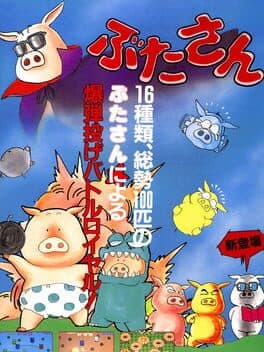
Butasan
NMK Co. Ltd.1987
The object of Psycho Pigs UXB is to eliminate your opponents (who are pigs) by throwing bombs at them. When thrown, the bombs will count down from the number shown on the bomb, exploding when they reach zero or when they hit their target, whichever comes first. Items can be picked up along the way that will help you defeat opponents, like a knapsack that allows you to carry more than one bomb at a time. After certain levels, a bonus game appears, and the object of this game is to attempt to kiss the lady pigs as they pop in and out of holes.
Sky Fox
Jaleco1987
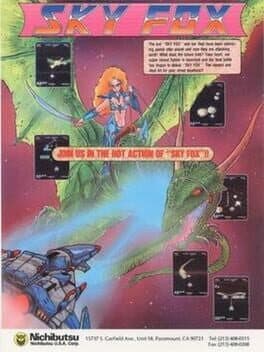
The game is a vertical shoot 'em up in the style of Galaga and Phoenix,but with eight-way movement across the screen and parallax scrolling for the stars backgrounds. At the player's disposal to fight the approaching enemies, some of them made in pseudo-depth 2.5D graphics with scaled sprites, is a small space fighter capable of firing two types of projectiles: the unlimited but slow rockets and the fast laser shots that are limited by draining the ship's power. The power can be refilled, and the ship itself upgraded, through collecting the power-ups that appear after destroying certain enemies. The game can be played by up to two players in alternating turns. Similar as in Gorf, it features several different types of waves (stages). For instance, one stage features space witches saddle-perched on either serpentlike Chinese dragons or Western-style winged dragons: the dragons must to be hit repeatedly in the weak point of their heads to be killed, after which the riders themselves can be shot for a score bonus. The player progresses through most of them by either destroying all the enemies (resulting in the score bonus and power-up awards) or alternatively just surviving their attacks for a long enough time.
Esper Boukentai
Jaleco1987
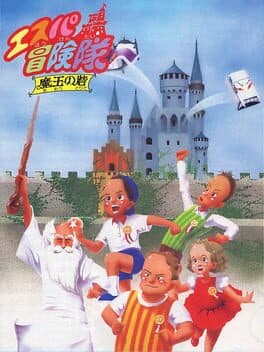
Esper Boukentai is a platform action game developed by Jaleco for the Famicom and published in 1987. It is an exploration game which uses Jaleco's arcade game Psychic 5 as the basis for the story and the cast of characters which you use throughout the game. Each character possesses different attributes, including their jumping ability, their ability to hover in mid-air, and their strength. As in the arcade, some characters must be rescued in order to make them playable. This game boasts over 50 household items which serve as animated enemies throughout each level.
Uchuusen Cosmo Carrier
Jaleco1987
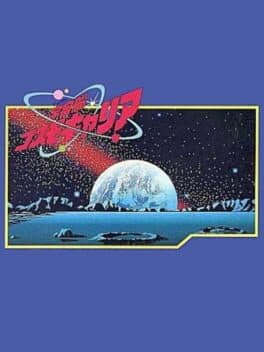
Uchuusen: Cosmo Carrier is an action strategy game where you pilot the titular Cosmo Carrier and combat aliens while gaining intelligence on the solar system, the planets and its moons. Information you gather from satellites with your deployable Mechs will help you find the alien force and destroy them. Once deployed your Mechs walk around the surface and fight turrets and find items/clues. Your viewscreen is where you target alien space-craft, astronauts, moons, and planets and interact with them. The interactions allowed are: Missile, Beam, Shiled(SIC), Move, Communicate, Computer, Parts, and State. Missile launches a rocket with adjustable strength at your target. Beam shoots a laser weapon at your target. The misspelled Shield function lets you decide if you want your shields on or not. Move button has two different sub selections; Warp and Land. Warp lets you travel from planet to planet while Land lets you deploy one of your Mechs on to the surface of a satellite or enemy cruiser. Communicate lets you do just that, communicate with planets and other vehicles. Computer gives you read-outs on targeted planets and vehicles. The Computer also is where you perform repairs on your ship or Mechs. Parts lets you see what weapons you have loaded. Finally, State, gives you detailed information pertaining to shields, weapons etc of your Cosmo Carrier and three Mechs; Gravity, Blizzard and Field.
Bio Senshi Dan: Increaser to no Tatakai
Jaleco1987
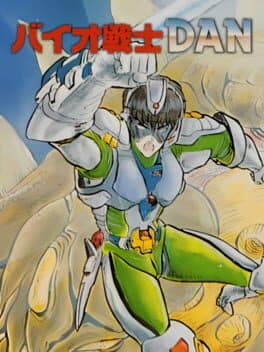
In the year 2081, the Earth was taken over by a group of hostile monsters under the command of the mysterious entity known as Increaser. A warrior named Dan has arrived from his time machine in the year 1999 in order to stop the invasion before it could spell devastation for the humans.
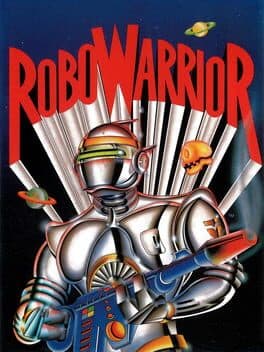
RoboWarrior
Hudson Soft1987
Robowarrior takes place on an alien planet called Altile. The player operates a cyborg named ZED (Z-type Earth Defence). In the game, ZED raids Altile to fight the Xantho empire and destroy its leader, Xur. ZED deploys bombs to clear a path through rocks, walls, and forests, while killing enemies and collecting items.
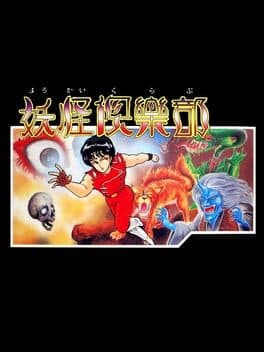
Youkai Club
Tose1987
Youkai Club is an Action game, developed by TOSE and published by Jaleco Entertainment, which was released in Japan in 1987.
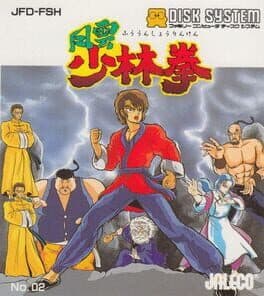
Fuuun Shaolin Ken
Jaleco Ltd.1987
Fuuun Shaolin Ken is a kung fu fighting game set in ancient China. The player stars as a lone martial artist who sets out in a fighting tournament to defeat thirteen unique masters of their particular martial arts styles. After the first thirteen are defeated, the player will have the chance to fight thirteen more masters but the difficulty of the matches are increased.
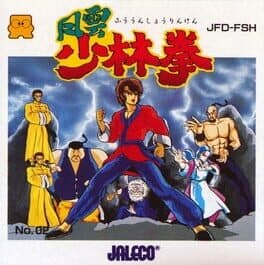
Fuuun Shourin Ken
Jaleco1987
Fuuun Shourin Ken is a 1987 one-on-one fighting game developed and published by Jaleco for the Family Computer Disk System. In 1988, a followup titled Fuuun Shourin Ken: Ankoku no Maou was released, which combined on-on-one fighting gameplay with visual novel cut scenes and choices to determine how the story plays out. This game is commonly mistaken as "Fuuun Shaolin Kyo" throughout the internet. This is not the correct pronunciation of the title in Japanese.
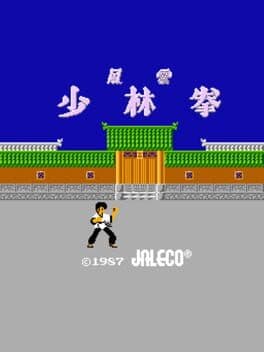
Fuuun Shaolin Kyo
Jaleco1987
An early fighting game from Jaleco, developed for the Famicom Disk System in 1987.
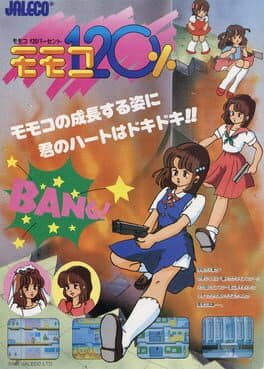
Momoko 120%
Jaleco1986
This platform game features Momoko, a young Japanese girl who ages by several years each time the player reaches the next level. The goal for each level is to quickly climb several floors by escalator, ladder, or trampoline in the building she is in before the fire that is below her reaches her. These level settings start out from grade school settings to office type buildings. While jumping over obstacles, she must shoot various alien-like enemies that come after her on each floor. She can upgrade her weapon by destroying certain enemies as well as entering special hidden doorways which feature minigames which require you to jump obstacles. These doorways can also be used as a short-cut, and sometimes they are mandatory to be used in order to climb to the next floor. When Momoko reaches the top floor of a level, she must jump onto a small blimp flying above her to beat the level. Momoko begins as a four-year-old and ages through five levels. The final level is a bonus chance in which she is a twenty-year-old bride collecting items - the game concludes with her getting married, thus giving birth to a new Momoko and starting the cycle anew.
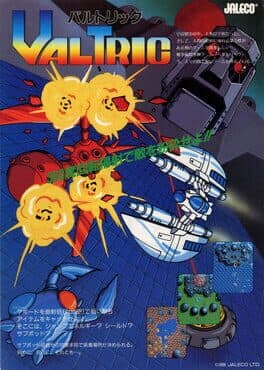
Valtric
1986
The player controls a hovering land vehicle in 8 directions, and is able to shoot in the direction the vehicle faces. Obstacles block the path of the vehicle, and progress through an area is made by the player moving the vehicle upwards, scrolling the screen downwards. Bombs can be dropped directly above the vehicle, similar to Xevious. The player can pick up power-ups that enhance weapons, as well as attach 'options' to the vehicle, drones similar to those of Gradius. The 'options' fire in a direction depending on where they are attached to the main vehicle. The player can avoid danger by jumping. The game is divided into 4 different areas, followed by the same 4 areas in more challenging versions. Enemies consist of infinitely respawning smaller moving enemies, stationary cannons, and large boss enemies and enemy bases.
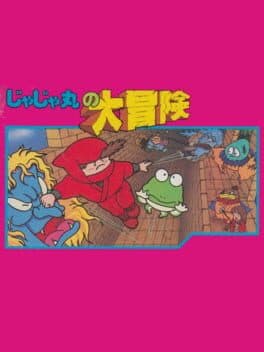
JaJaMaru no Daibouken
Tose1986
JaJaMaru no Daibouken is a Family Computer video game that was released exclusively for a Japanese market in 1986. The concept of the game is that the player controls a red ninja as he progress through a series of Japanesque levels defeating evil spirits that have spread across the land. The player can even ride his faithful frog if he can recover it from hiding.
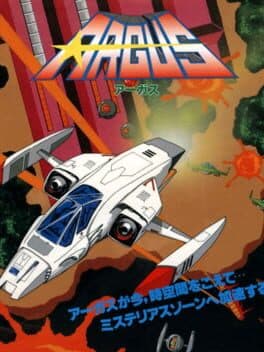
Argus
NMK Co. Ltd.1986
A vertical scrolling shoot 'em up. Fire guns and drop bombs on the enemies in this deep space battle. Pickup assorted power-ups. The screen also scrolls left and right if your ship nears the edges of the screen.
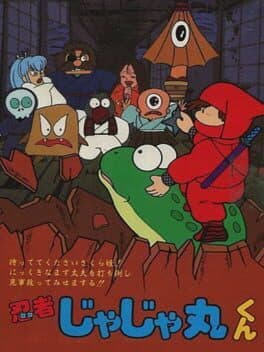
Ninja JaJaMaru-kun
Jaleco1985
The game stars the brother of Ninja-kun (from Ninja-Kid). Princess Sakura has been kidnapped by Damazu-Dayuu, and because Ninja-Kun is away on a journey, the task falls to young JaJaMaru-kun. In the game, the player starts with three lives and can only run, jump and throw shurikens. The game is divided into stages, each with four floors and eight enemies. Sakura-Hime and Damazu are placed, unreachable, at the top of the screen. Enemies use various projectiles, one of which will cause the player to lose a life. If JaJaMaru-kun lands on top of an enemy, it will simply be temporarily stunned and vice versa. Once an enemy is defeated and offscreen, a spirit will appear and ascend to the top of the screen. It can be collected before it has disappeared to receive points, which vary depending on the enemy. Sakura will sometimes drop petals that the player can collect, and Damazu will sometimes run around, dropping bombs. To advance to the next stage, the player must defeat all eight enemies by using shurikens. Some bricks yield items. They include: A cart that temporarily makes JaJaMaru-kun invincible and faster. Projectiles and enemies will also be destroyed if touched. A bottled substance that makes JaJaMaru temporarily invincible and able to walk through enemies. A red ball that increases speed. Bombs (which must be avoided). Coins that yield various amounts of points. An extra life. If all three types of power-ups are collected, Gamapa-kun, a giant frog, will be summoned, which is completely invincible and able to eat all enemies. If three of Sakura's petals are collected, the player will go to a bonus stage in which JaJaMaru-kun is on the bottom and Damazu at the top. Damazu drops bombs, and the player throws shurikens upward. If the player manages to hit Damazu, bonus points are awarded. If the JaJaMaru-kun is hit by a bomb, he goes on to the next stage. Initially the game was released exclusively in Japan, but it came to the rest of the world for the first time in 2007 as part of the Wii virtual console, as well as for Nintendo Switch Online in 2021.
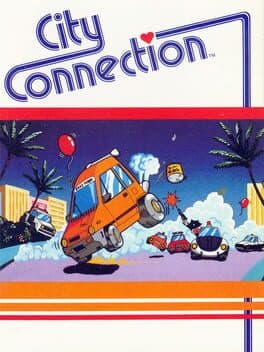
City Connection
Hect Co. Ltd.1985
City Connection is a 1-2 player comedic racing adventure platform game in which you control a car that can never be stopped. The object of the game is to drive through a series of cities and paint every part of the roads in each city as proof of your visit to that city. City Connection was remarkable for its time in that each location had its own background and music which was a variation on the main theme of the game. There are twelve locations: Manhattan, the Grand Canyon, Easter Island, Paris, Neuschwanstein Castle, London, Sydney, Egyptian temples, and cities in India, Holland, China and Japan.
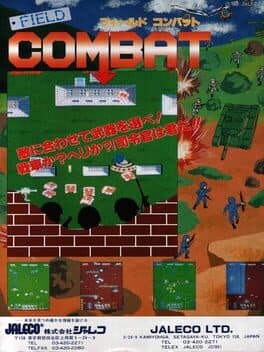
Field Combat
Jaleco1985
Field Combat is a 1985 shooter video game developed and published by Jaleco for arcades.
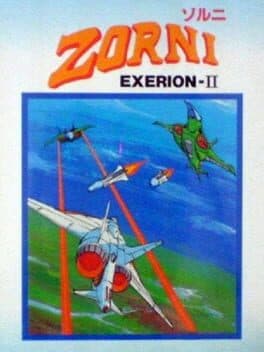
Exerion II: Zorni
Jaleco1984
Sequel to "Exerion". Vertical scrolling shooter with 3D effect
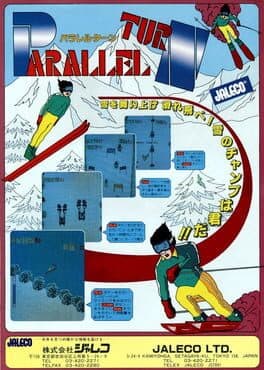
Parallel Turn
Jaleco1984
A skiing game with six events: Ski Lift, Slalom, Ski Jump, Biathlon, Dog Sled and Downhill. Bash the buttons to increase your speed.
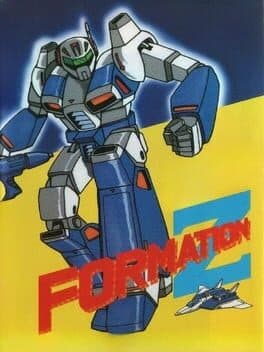
Formation Z
Hect1984
The player competes in a marathon continuous scrolling horizontal shoot-em-up game across land, sea, air and outer space. You can hold down the fire button for a burst of Charged fire, which is especially essential to defeat the bosses. The player can hold down the Jump button to transform back and forth between a Mobile Robot or an Aero Fighter. Some sections have confrontations on both ground and air; others insist on aerial battling. Your time in the Aero Fighter is limited by its fuel requirement.
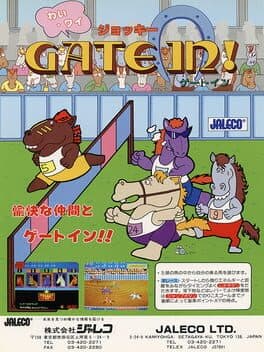
Wai Wai Jockey Gate-In!
Jaleco1984
A horse racing game.
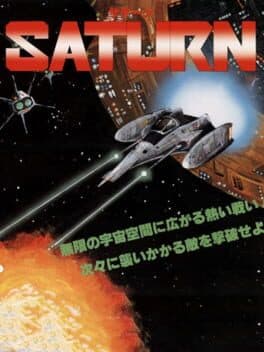
Saturn
Zilec Electronics1983
Saturn was an arcade game released in August 1983 in Japan. Developed by Zilec for Jaleco.
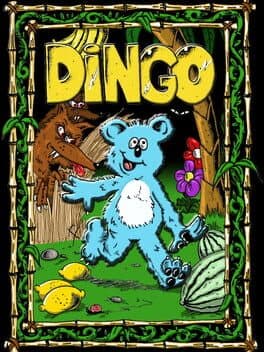
Dingo
Ashby Computers and Graphics Ltd.1983
Big Ted the koala is so fond of fruit that he has cultivated an enormous melon patch in the jungle. But unfortunately the patch has been invaded by a pack of evil dingoes that love nothing more than stomping on poor Ted's melons and creating a lot of havoc in the process. Big Ted has to harvest the fruit as fast as he can to save them from the invading marauders. Big Ted has to run around the melon field to collect all the fruit to advance to the next level. Meanwhile he has to avoid the nasty dingoes who will terminate him upon contact and take away one of his three lives. Ted can defend himself by picking up fruit to throw at the Dingoes to stun them for a few seconds, but the dingoes can also pick them up and throw back at him, which can prove fatal. Thrown fruit is wasted and thus can not be used as further projectiles or to increase the score.
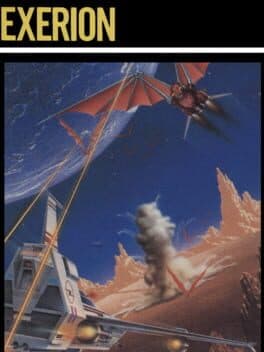
Exerion
Jaleco1983
Exerion is a vertical shoot 'em up released by Jaleco in 1983 and licensed to Taito for distribution in the United States. Screenshot from arcade version Exerion is a shoot 'em up game featuring parallax effects and inertia simulation, something notable for 1983. The player travels around strange scenarios shooting aliens. The player has two types of guns: fast single shot (limited) or slow double shot (unlimited). In 1984, along with the MSX1 port of the original, a sequel was released titled Exerion II: Zorni for the MSX1, with similar gameplay to the original. There were plans for an NES release of this game. In 1987, the game was followed by the semi-sequel titled Exerizer, also known as Sky Fox.
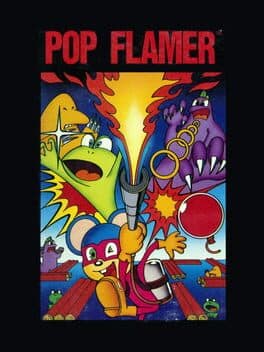
Pop Flamer
Jaleco1982
Operate POP FLAMER with lever to crush ballons avoiding or burning up monsters. Be careful! If hit by electro-shock wave emmited by HARADON, POP FLAMER will be paralyzed for a while. Flaming distance comes to be shorter gradually. Replenish fuel supply by crushing balloons. Throw flame to exterminate frogs if blocked by them. Get POWER DRINK to change to SUPER MOUSE and swallow monsters nearby. POP FLAMER disappears if touched by monsters.
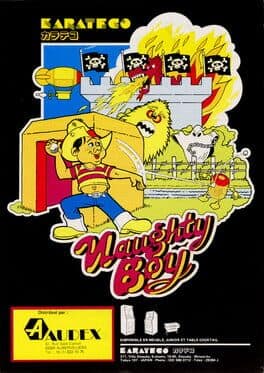
Naughty Boy
Jaleco1982
You are a boy in a weird kingdom filled with even weirder monsters. Armed only with stones and your ability to aim your throws you set out to burn this place to the ground.
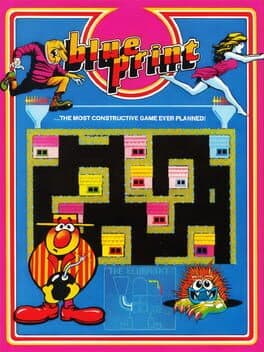
Blueprint
Zilec Electronics1982
As in the arcade game of the same name, Blueprint gives you, as J.J., three chances to save the damsel in distress from a menacing creature chasing her across the top of the screen. Navigate J.J. through a maze of houses, which contain either a piece of the Rube-Goldberg-esque monster-fighting contraption whose blueprint lies at the bottom of the screen, or a bomb which must be disposed of in short order. Pressing the button will make J.J. run faster, but like so many who spend a lot of time sitting at the Atari 2600, he has a limited amount of "Fast run time" (as indicated by a handy bar graph). Smaller but still pesky monsters also pop out of the bomb disposal pit and try to prematurely start the machine (which shakes it to bits). Once that occurs, those monsters must be lured back to their pit, and the machine must be reassembled. Build the machine in time, and you can blast the creature who's chasing your girlfriend. The Atari 2600 edition simplifies the graphics drastically (though the most elaborate part of the playing field -- the blueprint itself -- is more or less intact), and drops the sound effects back to bare minimum (so much for the game's catchy little jazzy background tunes). There are no control issues, however, and the end result is still quite colorful and a lot of fun.
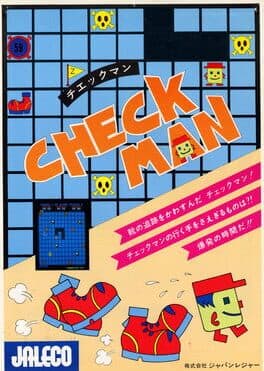
Check Man
Jaleco1982
The screen is broken up into 14 x 13 tiles or checks. When the player passes over the tiles, they disappear so each tile can only be walked over once per level. Some tiles are taken up by skull and crossbones which kill the player if walked into. The skulls turn to time bombs one at a time and the player must walk over them to defuse them before they explode. They must avoid the skulls and make sure they do not block off a possible future route by circling it. Some tiles are also flags which can be collected for bonus points. When all skulls have turned to bombs and been defused, the level is complete and begins again at a harder level. As the game develops, stomping boots are introduced that move around the playing area. These are also deadly to the player.