-
Average rating
112
Games
0
Votes cast
Heartbeat
Shipped Titles
Games (112)
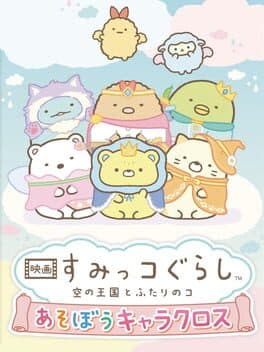
Eiga Sumikko Gurashi Sora no Oukoku to Futari no ko Asobou Chara Cross
Jupiter Corporation2025
Use numbers as a hint to draw cute pixel art of the Sumikko characters!
PokerSolitaire
Imagineer Co., Ltd.2025
Poker Solitaire - a new game that adds puzzle elements to creating poker hands. Make hands, clear them, and aim for high scores! Your strategic options are limitless. In online mode, you can compete with players worldwide! Simple yet profound, experience the world of this new brain game!
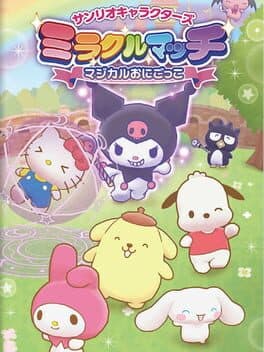
Sanrio Characters Miracle Match: Magical Onigokko
Imagineer2025
An action game where you play tag with cute characters in a magical world! Will you become a “Challenger” and escape? Or will you become a “Hunter” and catch the Challengers? Utilize each character’s magical skills wisely! As you play, you will obtain “Jewels.” By collecting Jewels and spending them at the “Shop,” you will be able to make friends with new characters and obtain new costumes. Show off your fashion sense by dressing up your favorite character in a pretty dress or cool jacket!
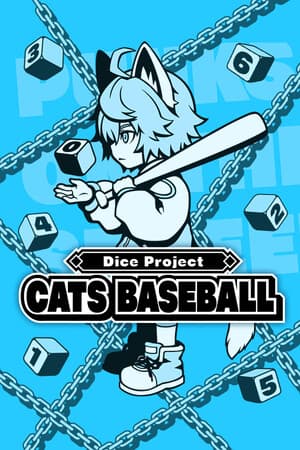
CATS BASEBALL
Imagineer Co., Ltd.2025
A baseball game where the outcome is decided by dice. Even if you don't know the rules of baseball, anyone can enjoy it easily!
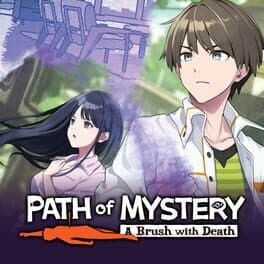
Path of Mystery: A Brush with Death
Toybox Inc.2024
A completely new title from Imagineer and Toybox Inc., Mystery Walk is the first in a three-part serial drama series! The game is set in Narumisawa, a charming, fictional summer getaway town that feels familiar, as though you have seen it somewhere before… The story alternates between the present and the past to uncover the truth behind an unsolved case from 30 years ago. Told through a prologue, 10 episodes, and a mysterious “?” episode, the mysteries deepen with each chapter. The fully voiced dialogue, brought to life by a talented cast, will make you eager to continue to the next episode. And there are some unexpected names among the voice actors… Please immerse yourself in the world of Mystery Walk to the fullest!

Fitness Boxing 3: Your Personal Trainer
Imagineer2024
Start your fitness journey with Fitness Boxing 3: Your Personal Trainer for Nintendo Switch!

Fitness Boxing feat. Hatsune Miku
Imagineer2024
A continuation of the Fitness Boxing series with Hatsune Miku as the main instructor along with Rin and Evan from Fitness Boxing to fully support the different game options. The game has the normal modes from the previous games along with the new "Mixercise" mode that uses songs from past games along with original songs different characters including Hatsune Miku, Kagamine Rin, Kagamine Len and Megurine Luka. Hatsune Miku has costume options in-game and Piapro is looking for more songs, costumes and illustrations to use as part of the collaboration.

Hop! Step! Dance!
Imagineer2023
A spin-off of the Fitness Boxing series, Hop! Step! Dance! is a dancing lessons game teaching players different movement and choreography with a 30-step course covering 84 lessons created by a professional dancing instructor. The game has 2 new instructors for the main lessons with 2 additional instructions, Rin and Hiro from Fitness Boxing 2, as part of the practical "free" and "stretch" modes. The free mode has 6 original dances with speed settings and practice options for the different parts.

Fitness Boxing Fist of the North Star
Imagineer2022
For resolving lack of daily exercise and strengthening your physical strength! You can enjoy authentic exercise in the world of "Fist of the North Star" without changing the functions of "Fitness Boxing"!

Let's Play Curling!!
Cattle Call2022
Genuine Curling now on the Nintendo Switch! Utilize simple controls to make that all-important game-winning throw!

Fitness Boxing 2: Rhythm & Exercise
Imagineer2020
Work out at home and punch to the beat Jab, uppercut, dodge, and more to catchy pop tunes in this rhythmic boxing game! Pass a Joy-Con controller to an exercise buddy and box to the beat together. Customize your workout with the help of a virtual instructor. Choose from nine virtual instructors, select a challenge level from light to heavy and have a workout prepared for you by your trainer, or create one all by yourself from scratch in Free Training. Check out detailed examples, practice specific moves, and receive helpful feedback from your instructor to get the most out of your workout! Warm up with the original Fitness Boxing game and then transfer your profile to the Fitness Boxing 2: Rhythm and Exercise game. Keep your progress from the original Fitness Boxing game and transfer your profile to the Fitness Boxing 2: Rhythm and Exercise game. Get your daily workout on and box (and bop) to the beat. Pass a Joy-Con controller (or two) to a workout partner to enjoy a 2-player boxing session lead by your in-game instructor. These virtual trainers have different personalities and styles, so try them out and find the one that suits you best! Complete achievements to receive tickets you can redeem for outfits to deck out your trainer in fitness fashion. Whatever difficulty you play on, you can revisit specific exercises for practice or watch detailed examples to observe perfect form. Fitness Boxing 2: Rhythm & Exercise is a way to get in a guided workout, track your activity, and listen to some popular, upbeat jams.
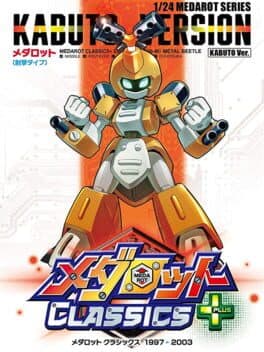
Medarot Classics Plus Kabuto Version
Imagineer2020
Medarot Classics Plus collects together eight different games in the Medarot (aka Medabots) series. This edition includes all five of the Game Boy and Game Boy Color games from the 3DS compilation and adds three extra Game Boy Advance games. All of the original games in this compilation were originally released in two different versions; this compilation features the Kabuto Version variants of each included game. The included games are: - Medarot - Medarot 2 - Medarot 3 - Medarot 4 - Medarot 5: Susutake Mura no Tenkousei - Medarot Navi - Medarot G - Medarot Two: CORE
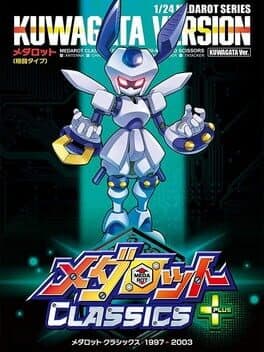
Medarot Classics Plus: Kuwagata Version
Imagineer2020
Medarot Classics Plus collects together eight different games in the Medarot (aka Medabots) series. This edition includes all five of the Game Boy and Game Boy Color games from the 3DS compilation and adds three extra Game Boy Advance games. All of the original games in this compilation were originally released in two different versions; this compilation features the Kuwagata Version variants of each included game. The included games are: - Medarot - Medarot 2 - Medarot 3 - Medarot 4 - Medarot 5: Susutake Mura no Tenkousei - Medarot Navi - Medarot G - Medarot Two: CORE
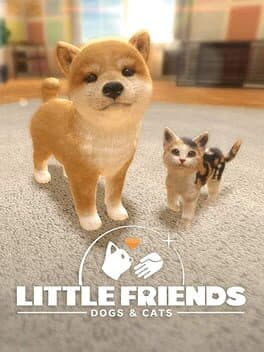
Little Friends: Dogs & Cats
Imagineer2019
Little Friends: Dogs & Cats is an adorable pet simulator that we hope animal lovers of all ages will fall in love with,” said Katie Clark, Product Manager at Sold Out. “There’s a huge appetite out there for pet simulation titles, and we’re so excited to be releasing the first game of its type on Nintendo Switch. We can’t wait for players to meet their new little friends!

Fitness Boxing
Imagineer2018
Get off the couch and get moving with fun, boxing-based rhythmic exercises set to the instrumental beats of songs by popular artists, including Lady Gaga, Pitbull and Kesha. You can personalize your workouts by selecting from different fitness goals. Train your way, whether you're on your own, with a friend, at home, or on the go! Now you can work out anytime, anywhere on the Nintendo Switch system!
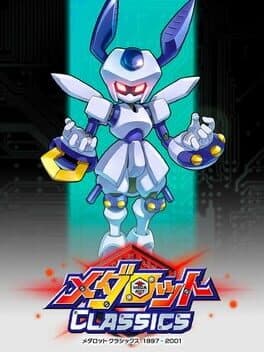
Medarot Classics Kuwagata Version
Imagineer2017
Medarot Classics collects together five different games in the Medarot (aka Medabots) series for the Game Boy and Game Boy Color. All of the original games in this compilation were originally released in two different versions; this compilation features the Kabuto Version variants of each included game. The included games are: - Medarot - Medarot 2 - Medarot 3 - Medarot 4 - Medarot 5: Susutake Mura no Tenkousei
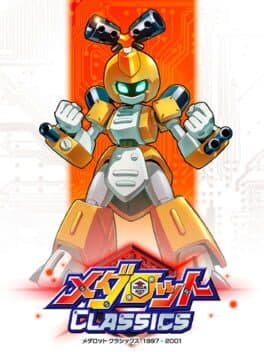
Medarot Classics Kabuto Version
Imagineer2017
Medarot Classics collects together five different games in the Medarot (aka Medabots) series for the Game Boy and Game Boy Color. All of the original games in this compilation were originally released in two different versions; this compilation features the Kabuto Version variants of each included game. The included games are: - Medarot - Medarot 2 - Medarot 3 - Medarot 4 - Medarot 5: Susutake Mura no Tenkousei

Gudetama: Okawari Ikagassuka
Imagineer2016
Gudetama game published by Imagineer.

Rilakkuma na Mainichi
Imagineer2005
The first video game starring San-X's Rilakkuma.
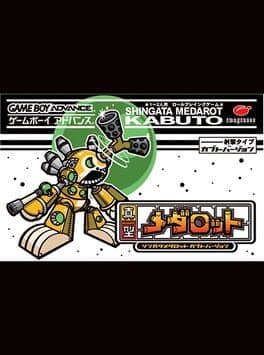
Shingata Medarot: Kabuto Version
Rocket Company2004
Shingata Medarot is a remake of the first Medarot and was the last game in the series until its DS entry years later. Its art style is a huge departure from its predecessors'.
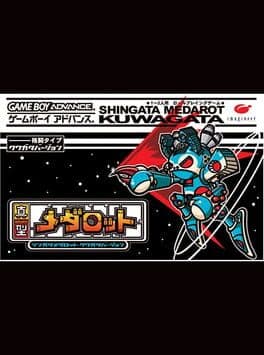
Shingata Medarot: Kuwagata Version
Rocket Company2004
Shingata Medarot is a remake of the first Medarot and was the last game in the series until its DS entry years later. Its art style is a huge departure from its predecessors'.

Cinnamon: Yume no Daibouken
Imagineer2004
Cinnamon: Yume no Daibouken is an Action game, published by Imagineer, which was released in Japan in 2004.
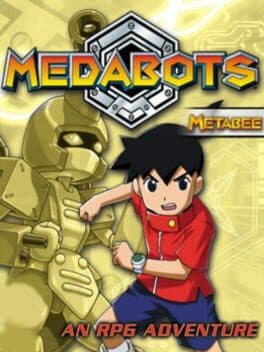
Medabots: Metabee
Natsume Co., Ltd.2002
Join Ikki as he begins his journey as a Medafighter and tries to save his hometown of Riverview City from the evil Rubberobo Gang. Ikki must solve various mysteries with the help of his friends and the Phantom Renegade. Interact with characters and control Medabots popular in the Medabots TV animated series. Can Ikki save the world from the treacherous Rubberobo Gang and become the #1 ranked Medafighter...It is all up to you!
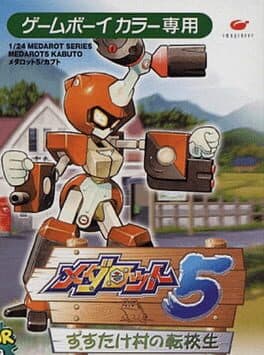
Medarot 5: Susutake-mura no Tenkousei - Kabuto Version
Natsume Co., Ltd.2001
Medarot 5 follows the adventures of Koishimaru Tensan, who has recently moved to the small town of Susutake. Koishimaru gets a new Medarotch and meets a boy named Yamato Shijimi, but his Medarotch breaks after he gets pushed into cow manure. He later finds an abandoned Medarotch and Medarot Chrotojil inside of a tree and is forced to activate them in a sudden Robottle.
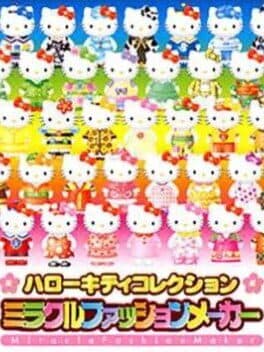
Hello Kitty Collection: Miracle Fashion Maker
Access2001
Hello Kitty Collection: Miracle Fashion Maker is an Adventure game, developed by Access and published by Imagineer, which was released in Japan in 2001.
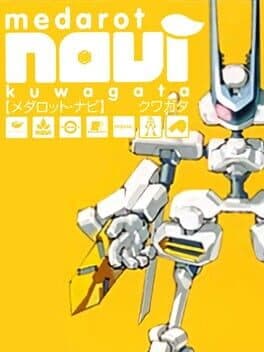
Medarot Navi: Kuwagata Version
Natsume Inc.2001
Medarot Navi: Kuwagata Version is a Role-Playing game, developed by Natsume and published by Imagineer, which was released in Japan in 2001.
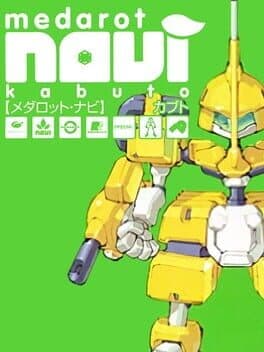
Medarot Navi: Kabuto Version
Natsume Inc.2001
Medarot Navi: Kabuto Version is a Role-Playing game, developed by Natsume and published by Imagineer, which was released in Japan in 2001.
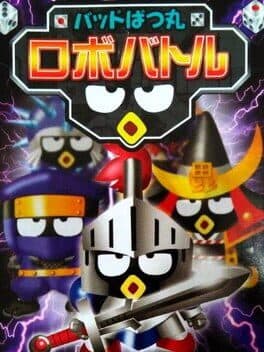
Bad Badtz-Maru Robo Battle
Tose2001
A video game published by Imagineer for the Game Boy Color, with board-game, dice and role-playing game elements
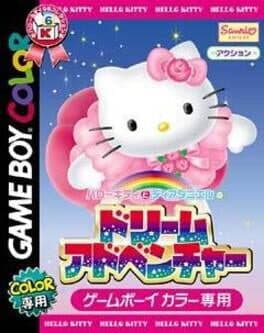
Hello Kitty to Dear Daniel no Dream Adventure
Tose2001
Platformer game starring Hello Kitty and Dear Daniel.
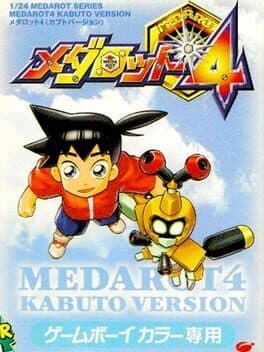
Medarot 4: Kabuto Version
Natsume Inc.2001
Medarot 4 was released in 2001 for the Game Boy Color. Like its predecessors, it was released in two versions: Kabuto Version and Kuwagata Version. The game follows Ikki Tenryou and his friends in the town of Omikuji. A new teacher by the name of Ryuuko Yamikumo gets hired at Ikki's school and confiscates all of the class' Medarotches and deletes everyone's data, forcing them to start over in order to train them. Meanwhile, there are rumors of a group called the "Four Kings" wreaking havoc in Omikuji. Medarot 4 incorporates many of the gameplay changes made in Medarot 3.
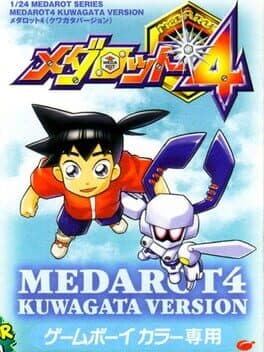
Medarot 4: Kuwagata Version
Natsume Inc.2001
Medarot 4 was released in 2001 for the Game Boy Color. Like its predecessors, it was released in two versions: Kabuto Version and Kuwagata Version. The game follows Ikki Tenryou and his friends in the town of Omikuji. A new teacher by the name of Ryuuko Yamikumo gets hired at Ikki's school and confiscates all of the class' Medarotches and deletes everyone's data, forcing them to start over in order to train them. Meanwhile, there are rumors of a group called the "Four Kings" wreaking havoc in Omikuji. Medarot 4 incorporates many of the gameplay changes made in Medarot 3.
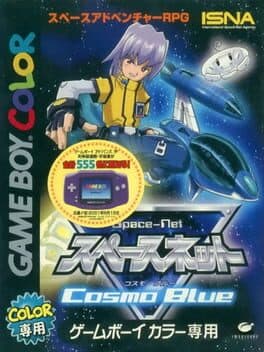
Space-Net: Cosmo Blue
Timenet2001
Space-Net: Cosmo Blue is a role playing game published by Imagineer for the Game Boy Color. It was released alongside Space-Net: Cosmo Red.
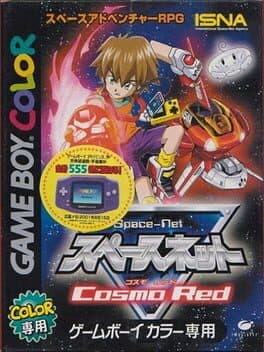
Space-Net: Cosmo Red
Timenet2001
Space-Net: Cosmo Red is a role playing game published by Imagineer for the Game Boy Color. It was released alongside Space-Net: Cosmo Blue.
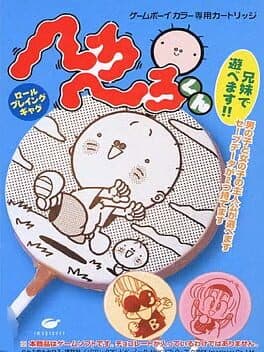
Herohero-kun
Tose2001
Herohero-kun is a role-playing game for Game Boy Color released by Imagineer in 2001. It is based on the manga "Herohero-kun," but the main character is not Herohero but the original game's main character. The main character's name can be up to four characters, and the gender can also be selected. The purpose is to rescue the townspeople of Ukiuki who were put to sleep by Suyasuya.

Big Mountain 2000
Natsume Inc.2000
Big Mountain 2000 is a wintersports game where you can choose to race downhill with either a snowboard or skis. There are various characters to choose from, each of them with different skills. Three game modes are available in total, in which free ride, slalom and giant slalom can be chosen as track styles; game modes include championship, time attack and also a battle mode for multiplayer challenges.
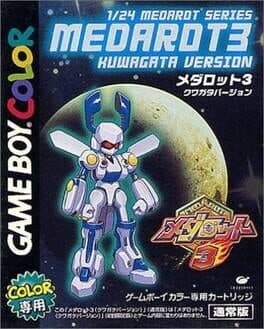
Medarot 3 Kuwagata Version
Natsume Co., Ltd.2000
Medalots (parts) and medals that will appear in "2" have been largely renewed, and the previous medalot and its successor medalot were limited to the medalot used by specific characters and the hidden medalot of the previous work. On the other hand, new actions such as first aid and posture destruction were added, and the variation of parts was greatly expanded compared to the previous work. The story is set in an underground city, an undersea city, an aerial city, as well as the universe and the moon, and the story is the core of the series, which delves into the origin of medalot.
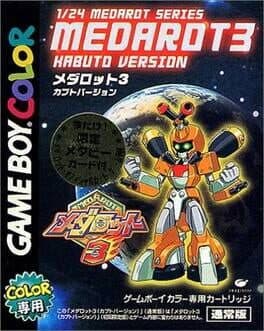
Medarot 3 Kabuto Version
Natsume Co., Ltd.2000
Medarot 3 was released in 2000 for the Game Boy Color. It was released in two versions: Kabuto and Kuwagata. The game follows Ikki Tenryou and his friends in the town of Omikuji. After Ikki robottles with the Screws, everyone's Medarotch data is suddenly deleted by an unknown figure. Medarot 3 introduced various new gameplay aspects, including Medachange and Medalias.

Hello Kitty no Sweet Adventure: Daniel-kun ni Aitai
Tose2000
A Hello Kitty franchise video game featuring Dear Daniel. It is paired with Dear Daniel no Sweet Adventure: Kitty-chan o Sagashite, which was released on the same day.
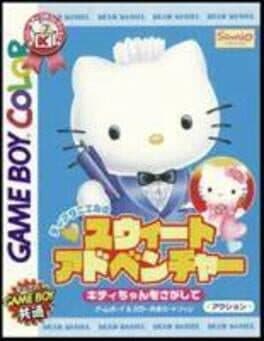
Dear Daniel no Sweet Adventure: Kitty-chan wo Sagashite
Tose2000
Dear Daniel no Sweet Adventure: Kitty-chan wo Sagashite is a Japan-only Game Boy Color game.
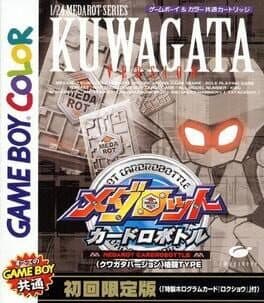
Medarot Cardrobottle: Kuwagata Version
Natsume Inc.2000
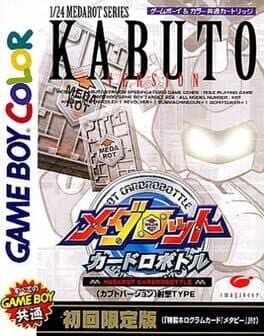
Medarot Cardrobottle is a card game based on the Medarot/Medabots series of RPGs.
Medarot Cardrobottle: Kabuto Version
Natsume Inc.2000
Medarot Cardrobottle is a card game based on the Medarot/Medabots series of RPGs.
Might and Magic VIII: Day of the Destroyer
New World Computing2000
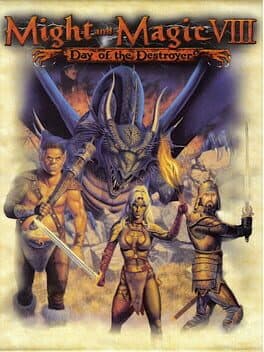
The Destroyer again walks the land. In the four corners of the world gates to the planes of Fire, Air, Earth, and Water have opened and denizens of those realms are sweeping across the lands. Lead a band of rugged adventures on a most perilous mission to save the world. This is not necessarily an adventure just for Knights, and Clerics, you may need to enlist the aid of the darker races such as, Trolls, Dark Elves, and Minotaurs. Save the kingdoms from ruin or watch as the lands are decimated forever in Might and Magic VIII.
Quest: Brian's Journey
SUNSOFT2000
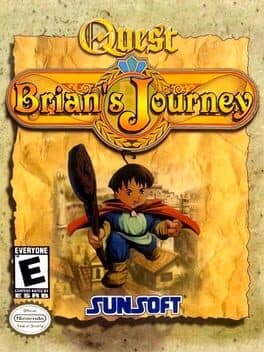
Brian lives in a peaceful and quiet town where nothing ever happens, which is the way everyone likes it. Suddenly, hordes of evildoers overrun the town and start wreaking havoc in this once-sleepy community. The town is counting on Brian to go on a quest to restore peace and harmony. You take control of the unlikely hero and set out on the adventure of a lifetime. While traveling, you will discover something more nefarious is happening, and you'll have your hands full of monsters and enemies. Throughout your journey you will have to battle these monsters and enemies in turn-based combat with a twist. The twist is that you can move between turns to dodge attacks, and you can also combine spells and attacks to create special moves. Help Brian save his town, and maybe even the world, in QUEST RPG: Brian's Journey.
Atelier Marie GB
Tose2000
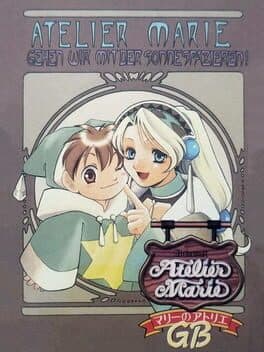
A spin-off game of the Atelier: Salburg series with 2 versions, the other being "Atelier Elie GB", that takes place after the main character graduates from the academy and opens an alchemy shop. Was only released in Japan.
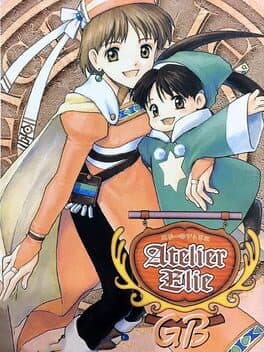
Atelier Elie GB
Tose2000
A spin-off game of the Atelier: Salburg series with 2 versions, the other being "Atelier Marie GB", that takes place after the games main character graduates from the academy and opens an alchemy shop. Was only released in Japan.
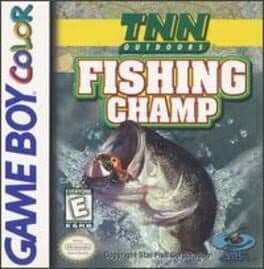
TNN Outdoors Fishing Champ
2000
Get out the rod and reel, because the challenge of fishing can now be put into the palm of your hand thanks to TNN OUTDOORS FISHING CHAMP. Play in the Free Fishing mode to get a feel for the game controls and learn how to reel-in the big one. When you want to test your mettle, try to become the undisputed fishing champion in the Tournament mode. You will have to travel to six different tournaments and catch a predetermined number of a specific kind of fish to stay alive in each. If your friends are fishing fanatics, you can challenge them and see who can catch the most fish in an hour. In all of the modes, there are over 30 different varieties of fish to catch including bluegill, catfish, walleye, rainbow trout, lake trout, and largemouth bass. Play TNN OUTDOORS FISHING CHAMP and have a fish tale to tell your friends.
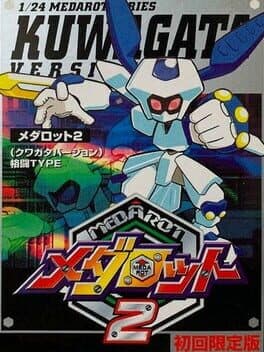
Medarot 2: Kuwagata Version
Natsume Co., Ltd.1999
Medarot 2 was released in 1999 for the Nintendo Game Boy. It's a direct sequel to Medarot 1, and follows the first adventures of Ikki Tenryou and his friends in the town of Omikuji. Unlike its predecessor, Medarot 2 can be played in full color on a Game Boy Color. Like the other RPGs, the game was released in two versions where the main difference is the player's starting Medarot: Kabuto (Rhinoceros beetle, Metabee) and Kuwagata (Stag beetle, Rokusho). Along with the starting Medarots, there are some Medarots and Medals that can only be obtained in a specific version. A remake of the game for Game Boy Advance, titled Medarot 2 Core, was released in 2002. While the remake saw releases in North America and Europe, the original Game Boy version of Medarot 2 has never been translated into English.
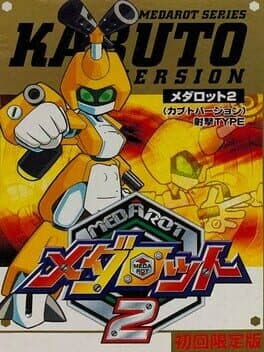
Medarot 2: Kabuto Version
Natsume Co., Ltd.1999
Medarot 2 was released in 1999 for the Nintendo Game Boy. It's a direct sequel to Medarot 1, and follows the first adventures of Ikki Tenryou and his friends in the town of Omikuji. Unlike its predecessor, Medarot 2 can be played in full color on a Game Boy Color. Like the other RPGs, the game was released in two versions where the main difference is the player's starting Medarot: Kabuto (Rhinoceros beetle, Metabee) and Kuwagata (Stag beetle, Rokusho). Along with the starting Medarots, there are some Medarots and Medals that can only be obtained in a specific version. A remake of the game for Game Boy Advance, titled Medarot 2 Core, was released in 2002. While the remake saw releases in North America and Europe, the original Game Boy version of Medarot 2 has never been translated into English.
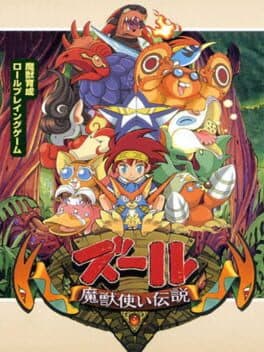
Zoor: Majuu Tsukai Densetsu
Pandora Box1999
A role-playing video game for the Nintendo 64. Battles take place in realtime and the player's party is built out of monsters they train.
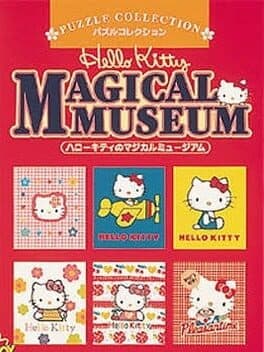
Hello Kitty no Magical Museum
Atelier Double1999
Hello Kitty no Magical Museum is a Puzzle game, developed by Atelier Double and published by Imagineer, which was released in Japan in 1999.
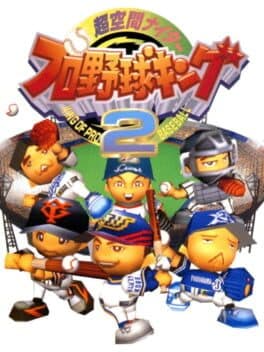
Chou Kuukan Nighter: King of Pro Baseball 2
Genki1999
Chou Kuukan Nighter: King of Pro Baseball 2 is a Sports game, developed by Genki and published by Imagineer, which was released in Japan in 1999.
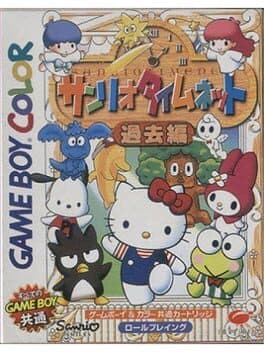
Sanrio TimeNet: Kako-hen
Imagineer1998
Sanrio Timenet is a monster-battling game developed by Imagineer for the Game Boy Color, which is also compatible with the Game Boy. It was released only in Japan
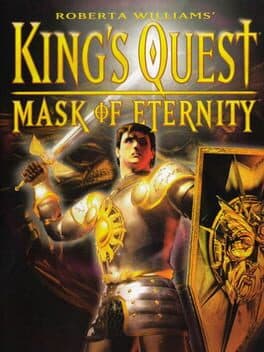
King's Quest VIII: The Mask of Eternity
Sierra On-Line1998
King's Quest: Mask of Eternity (also known as King's Quest VIII: The Mask of Eternity) is an action-adventure video game written and designed by Roberta Williams and released in 1998 by Sierra Studios, is the eighth, and at present remains the final, official computer game in the famous King's Quest series. It is the first and only game in the series where the main character is neither King Graham nor a member of his family, the first in the series to use a full 3D engine as opposed to the 2D cartoon or pixel style of the earlier games and the first to omit the sequel numbering system on box artwork and title screen, though references to it being the eighth game appear in the file structure and the game was marketed as KQ8 on the official website, interviews, and other places.

Fairy Kitty no Kaiun Jiten: Yousei no Kuni no Uranai Shugyou
Tose1998
A Hello Kitty game for the Game Boy Color.

Kitty the Kool!
Imagineer1998
Kitty the Kool! is a Japan-only PlayStation Hello Kitty game. It is a music-themed game, featuring Hello Kitty, Osaru no Monkichi, Pochacco and Pokopon in special dress. Badtz-Maru also appears.
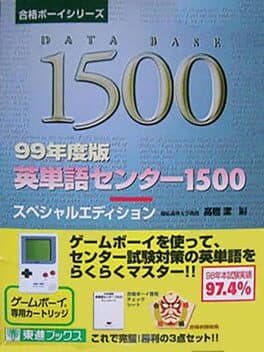
99 Nendohan: Eitango Center 1500
C-Lab1998
99 Nendohan: Eitango Center 1500 is a gameboy game that consists of a dictionary of English words for Japanese speakers. It was meant to be an affordable and portable database of English and Japanese words.
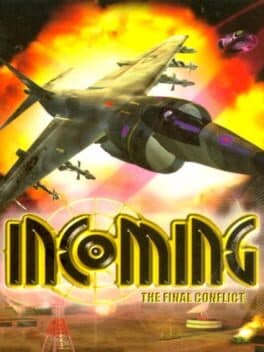
Incoming: The Final Conflict
Rage Software1998
Set in the near-future of 2009, the game primarily revolves around controlling vehicles and turrets to fight alien invaders of Earth.
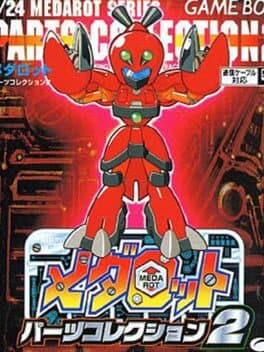
Medarot Parts Collection 2
Natsume Co., Ltd.1998
Medarot Parts Collection 2 is the second add-on game for Medarot 1 released for the Game Boy in 1998. It's a side game where the player Robottles their way through a tower and collects parts, which can then be traded to the main game.
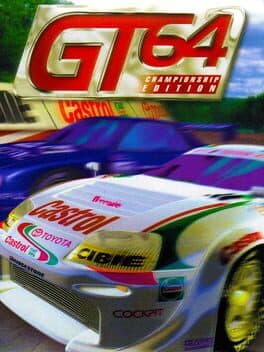
GT 64: Championship Edition
Imagineer1998
GT 64: Championship Edition "Grand Tour 64" is a racing video game for the Nintendo 64. Hence its title, it was an official licensed game to All-Japan GT Championship, featuring cars and drivers of the 1997 season. GT and Grand Tour our references to long distance traveling such as in the traditional version of the Grand Tour. It was first released on Super Famicom as Zen-Nippon GT Senshuken. It was also the final game ever published by Ocean Software.
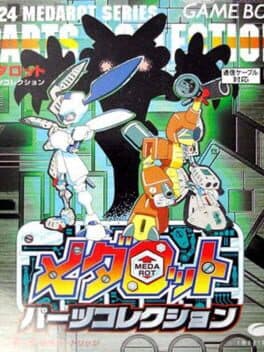
Medarot Parts Collection
Natsume Co., Ltd.1998
Medarot Parts Collection is an add-on game for Medarot 1 released for the Game Boy in 1998. It's a side game where the player Robottles their way through a tower and collects parts, which can then be traded to the main game.
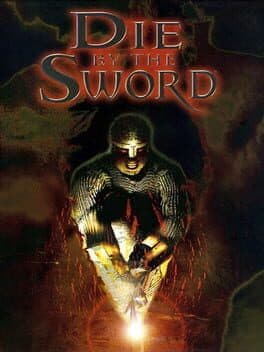
Die by the Sword
Treyarch1998
A third-person hack 'n' slash action game best known for enabling the player to use a variety of different sword swings to chop off limbs, heads and arms of opponents.
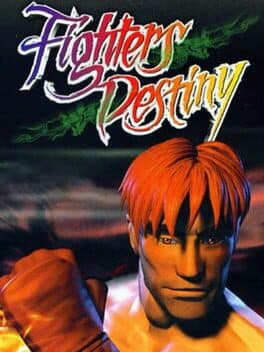
Fighters Destiny
Genki1998
You can choose from more than 10 characters and enter the ring in the ultimate hand-to-hand competition. Rather than using a two-out-of-three format, you must score seven points in order to win a match. Knocking down your opponent, forcing him out of the ring, or throwing him to the ground score anywhere from one to four points. Try to beat all of the other fighters in the Master Challenge, where a victory results in you learning their fighting skills. If you face the Joker, you must beat him or you will lose the skills you have gained. See how many opponents you can beat before giving up seven points in the Survival mode, or try to see how long you can stay in the ring with a fighting cow in the Rodeo mode. Keep your butt off the ground to win at FIGHTERS DESTINY.

Sanrio Uranai Party
Imagineer1997
Sanrio Uranai Party is a fortune-telling game for Nintendo's Game Boy series of gaming consoles. The player can choose to either have their fortune told (money, love, health, general) or they can do a compatibility check between one person and another person in friendship or love. The player must enter their date of birth, gender and blood type before getting their fortune told.
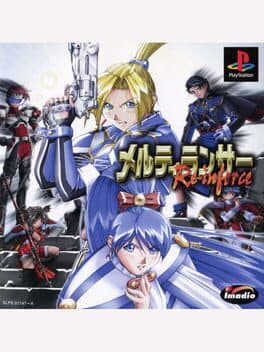
Meltylancer Re-inforce
Tenky Co.1997
MeltyLancer: Re-inforce is a sequel to MeltyLancer: Ginga Shoujo Keisatsu 2086 and takes place two years after, meaning in 2088. The core gameplay consists of isometric turn-based combat on one hand, and on visual novel and dating simulation style interaction with other characters. The player plays a young rookie transferred to a GPO (Galactic Police Organization) unit under Sylvie, the heroine from the previous game. The goal is to learn from the best and uphold the law.
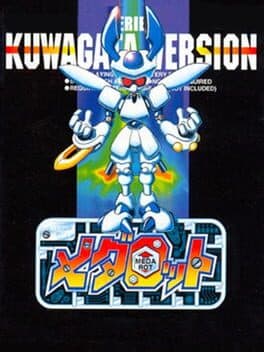
Medarot Kuwagata Version
Natsume Co., Ltd.1997
Medarot (also referred to as Medarot 1) is an RPG that was released in 1997 for the Nintendo Game Boy, and the original game that started the Medarot franchise. It follows Hikaru Agata on his quest to compete in Robottle tournaments and defeat the evil Roborobo Gang. Like the other creature-collecting games of the time, Medarot 1 was released in two versions: Kabuto (Rhinoceros beetle), where the player's starting Medarot is Metal Beetle, and Kuwagata (Stag beetle), where the player starts with Head Scissors. Along with the starting Medarots, there are some Medarots and Medals that can only be obtained in a specific version. No English versions of the game were released. Medarot 1 is a monochrome Game Boy game with only basic palette support when played on a Game Boy Color. However, it has a border and more advanced colors when played on a Super Game Boy. A "director's cut" edition of the game titled Medarot Perfect Edition was released for Bandai's Japan-only Wonderswan system in 1999. It had two versions and was also monochrome-only. Later that year, the direct sequel Medarot 2 was released for Game Boy.
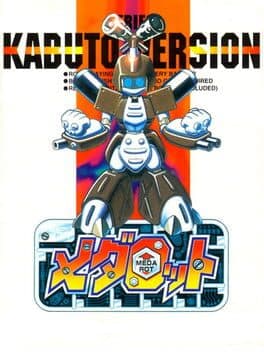
Medarot Kabuto Version
Natsume Co., Ltd.1997
Medarot (also referred to as Medarot 1) is an RPG that was released in 1997 for the Nintendo Game Boy, and the original game that started the Medarot franchise. It follows Hikaru Agata on his quest to compete in Robottle tournaments and defeat the evil Roborobo Gang. Like the other creature-collecting games of the time, Medarot 1 was released in two versions: Kabuto (Rhinoceros beetle), where the player's starting Medarot is Metal Beetle, and Kuwagata (Stag beetle), where the player starts with Head Scissors. Along with the starting Medarots, there are some Medarots and Medals that can only be obtained in a specific version. No English versions of the game were released. Medarot 1 is a monochrome Game Boy game with only basic palette support when played on a Game Boy Color. However, it has a border and more advanced colors when played on a Super Game Boy. A "director's cut" edition of the game titled Medarot Perfect Edition was released for Bandai's Japan-only Wonderswan system in 1999. It had two versions and was also monochrome-only. Later that year, the direct sequel Medarot 2 was released for Game Boy.
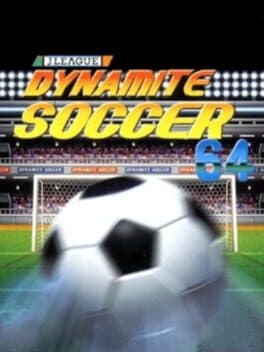
J.League Dynamite Soccer 64
A-Max1997
J.League Dynamite Soccer 64 is a soccer game for the Nintendo 64. It was released only in Japan in 1997. The game has officially licensed players from Japan's J-League.
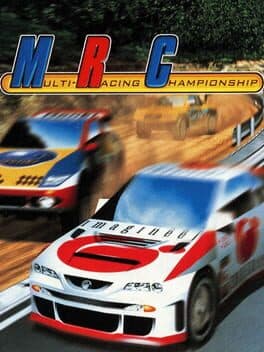
MRC: Multi-Racing Championship
Genki1997
Featuring up to 10 chooseable cars (many which open up later in the game), and three courses (plus mirror courses), Multi Racing Championship's biggest draw is the splendidly realistic feel of the cars themselves and the well designed courses on which they drive. The cars range from 4X4s, trucks, and off-road racers to slick street cars, Lamborghinis and the like. While initially it may seem like there is a deficit of courses, in fact, the multi-terrain courses contain mini-courses within each one. For instance, at least three times in each course, you will have the choice to take two different road directions -- either rough dirt track or snow-laden road, ot a slick but usually longer street course. Each car handles terrains differently, and some, like the trucks, obviously handle the off-roads better than others, but you can also modify your street car to handle dirst roads well, too.
Ryuuteki Gosennen: Dragons of China
1997
Ryuuteki Gosennen: Dragons of China () is an adventure game for the Sega Saturn.
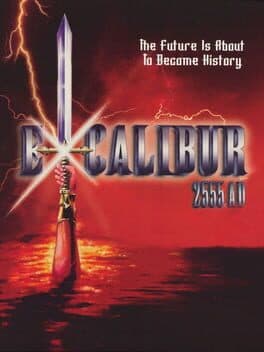
Excalibur 2555 A.D.
Tempest Software1997
Taking cues from already established hits such as Tomb Raider, Excalibur 2555 A.D. takes place from a third-person perspective which allows for a better flow of gameplay. As you advance through the mythical world of ancient England, you encounter various types of items and weapons, all of which will aid you in your quest for Excalibur.
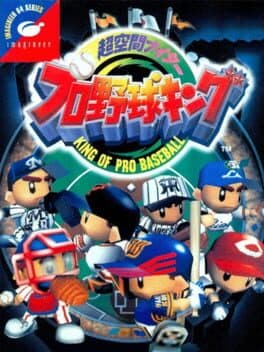
Chou Kuukan Nighter: King of Pro Baseball
Genki1997
Chou Kuukan Nighter: King of Pro Baseball is a Sports game, developed by Genki and published by Imagineer, which was released in Japan in 1996.
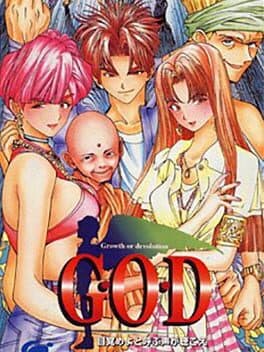
G.O.D: Mezame yo to Yobu Koe ga Kikoe
Infinity1996
is a console-style RPG with randomly encountered enemies whom you fight in turn-based combat viewed from “over-the-shoulder” perspective, similar to Phantasy Star IV. Gen and other party members develop special powers called “chakra”, which can be leveled up just like the characters themselves.
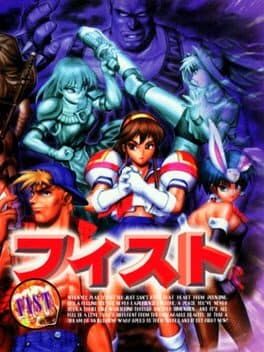
Fist
Genki1996
An obscure 3D fighting game and a sequel to the all-girl Japan-only fighting game Seifuku Densetsu Pretty Fighter.
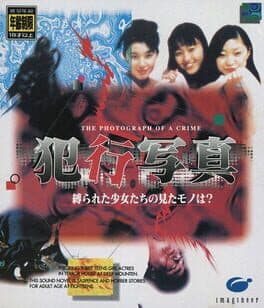
Hankou Shashin: Shibarareta Shoujo-tachi no Mita Mono ha?
Imagineer1996
Sound novel developed by Imagineer for the Sega Saturn.
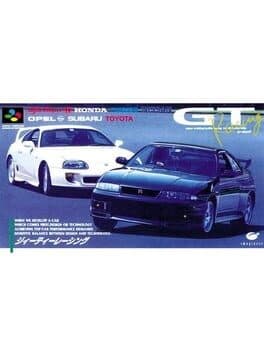
GT Racing
Imagineer1996
GT Racing is a Super Famicom racing video game where the player gets to drive a Gran Turismo car in either championship or practice mode. The game is based on the 1996 Super GT racing season using the horsepower standards and rules of the era. During championship mode, the player is asked enter a number, his or her driver's name, and the team name that he or she will use during the championship. The driver's name and team can be entered using either English or Japanese letters. When a player beats a record, he or she is asked to insert his or her number, name or initials (up to four characters and two digits for the number). Championship mode can last for multiple seasons. Playing ninety-nine seasons in a single racing career is theoretically possible due to the double-digit nature of the season information. There are eight different tracks, including the Suzuka Circuit that has been shown in video games since Pole Position II and Fuji Speedway (complete with a virtually photorealistic Mount Fuji in the background). Versus mode is for two human players only and the record options allows the players to look at his or her previous records. In a race, there are up to fifteen opponents to race against. The player gets rewarded with an opportunity to upgrade his or her equipment after a top five finish on any race course. Bonus equipment includes a faster engine, better tires, and a special dose of nitrous oxide created specifically for Gran Turismo vehicles. All of the bonus automobile parts are automatically installed in the appropriate parts for supercharging the vehicle. Once all the special parts are earned, the automobile is considered to be fully upgraded. The ultimate goal is to win the Gran Turismo championship for his or her team in addition for him/herself. The "free practice" is essentially a time trial mode where the player races by him/herself for up to ten laps. Acquiring damage is still possible either crashing into walls or through normal wear and tear. The fastest lap time gets captured for the record book just like in the other modes of the game. Before being able to practice freely, the player can also choose the weather condition and the setup of his vehicle
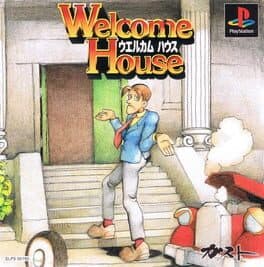
Welcome House
Gust1996
An adventure game about a man named Keaton trying to escape from a house he is trapped in.
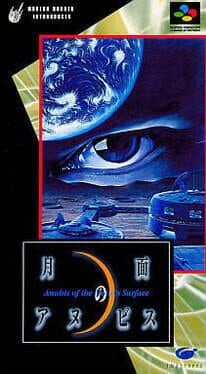
Anubis of the Moon's Surface
Access1995
Getsumen no Anubis is an Adventure game, developed by Access and published by Imagineer, which was released in Japan in 1995.
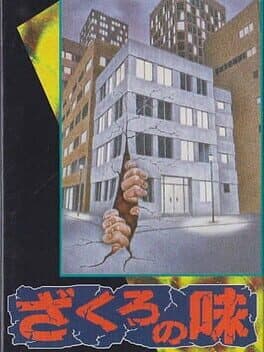
Zakuro no Aji
Imagineer1995
A visual novel that makes use of sound and text to tell its story. An office block collapses underground after an earthquake, stranding the workers. Zakuro no Aji ("Taste of Pomegranate") is a visual novel from Imagineer and adopts the then-popular presentation of using text on static backgrounds with the use of sound effects and music to create atmosphere. The game's story concerns a five-story office block that suddenly sinks into the ground after a major earthquake. The protagonist, Domon, and the other office drones are initially panicked, and decide to look for a way out. As Domon makes his way to the basement, any one of a number of different situations can occur dependent on how the player answered some multiple choice questions earlier on.
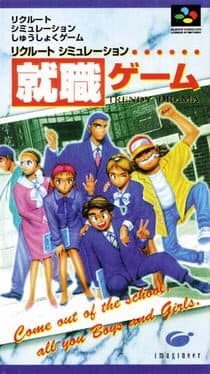
Shuushoku Game
Lenar1995
Shuushoku Game (Trendy Drama) is a Japan-exclusive video game based around the Japanese sub-culture of Japanese drama, "Trendy Drama" (hence the name), which is a form of drama typically targeting young children and young adults and is based around normal human issues such as love, family problems, and other social issues.

Jissen Kyoutei
Aisystem1995
Jissen Kyoutei is a Racing game, developed by Aisystem Tokyo and published by Imagineer, which was released in Japan in 1995.
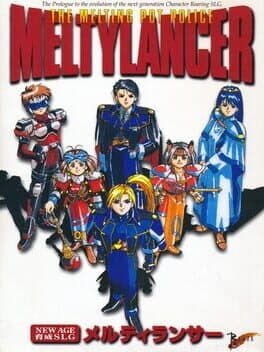
Meltylancer: The Melting Pot Police
Tenky Co.1995
MeltyLancer is a life simulation game similar to -- and by the same designers as -- Graduation, in which the player is tasked with training a squad of six young Tokyo Eastern Metro Police recruits, called Lancers. The main core of the game is determining each Lancer's weekly schedule: which days are they on patrol, which days on standby, and which days do they have off? After the general schedule is determined, the player meets with each Lancer to speak with them directly, determining specific actions they'll take that week; whether they spend a day training, exercising, or getting some much-needed rest will affect their stats and ability to complete missions. While on patrol or on special missions, battles may occur, which can be partially controlled with a handful of commands but mostly play out automatically. Each of the six Lancers has their own abilities, personalities, and specialties. A mini-CD containing the game's theme song is also included in the package.
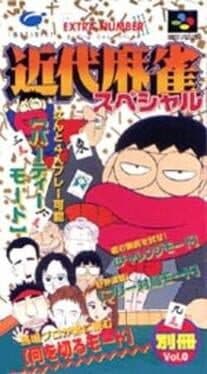
Kindai Mahjong Special
Outback1995
Kindai Mahjong Special is a Miscellaneous game, developed by Outback and published by Imagineer, which was released in Japan in 1995.
Kousoku Shikou Shogi-ou
Access1995
Kousoku Shikou Shogi-ou is a Miscellaneous game, developed by Access and published by Imagineer, which was released in Japan in 1995.
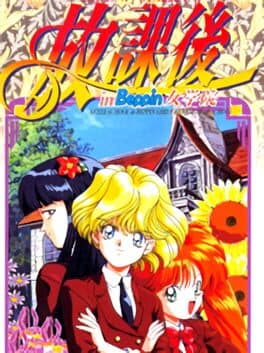
Houkago in Beppin Jogakuin
Access1995
Houkago in Beppin Jogakuin is a Strategy game, developed by Access and published by Imagineer, which was released in Japan in 1995. The purpose of this game is to choose one of the three high school girls to become a top-notch special spy. Let's manage the schedule, paying attention to the suspension of school.

Quarantine
Imagexcel1994
Quarantine is an intense turn-based strategy game about waging war on pandemic disease. Recruit a team of specialized operatives to deploy on worldwide missions. Research the contagion, upgrade your tech, and quarantine the outbreak before it kills us all.
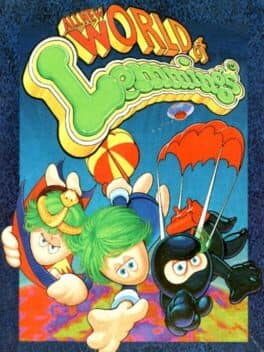
All New World of Lemmings
DMA Design1994
They're back! Lead three Lemming Tribes (Egyptian, Classic and Shadow) as they attempt to tame new homelands. Featuring 90 levels of enhanced Lemming gameplay, larger Lemmings in crazy costumes, new objectives and, for the first time, bad guys to be confronted!
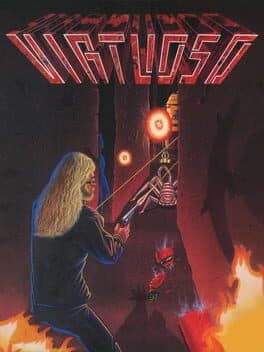
Virtuoso
MotiveTime Ltd1994
Music and Virtual Reality are your only escapes in a world gone mad. Transform into a rock superstar on a 3D virtual quest where the Angry Red Planet, Mars, awaits your invasion. Or enter an eerie Haunted House with a few spectres of its own. Submerge yourself in our underwater biosphere, but beware, the reefs ahead hold many dangers. Music Video Clips and a hard rock soundtrack set the stage in this head-banging cyberfantasy adventure!

Sun Sport Fishing: Keiryuu-ou
Lenar1994
Sun Sport Fishing: Keiryuu-ou is a Sports game, developed by Lenar and published by Imagineer, which was released in Japan in 1994.
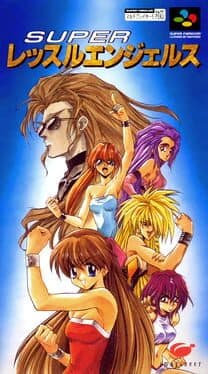
Super Wrestle Angels
1994
Super Wrestle Angels is a all female professional wrestling simulation game by Great and published by Imagineer. The first playing mode can be described as a 'professional wrestling group management mode', which is the original feature of this Super Famicom version. There, the player takes the role of a woman wrestling group manager, picks a team and schedules practices, fights, entertainment and helps his cute wrestlers to elevate their professional careers. The other modes are more oriented towards actual fighting, and gets the player to pick female wrestlers and organize versus wrestling matches. However, Super Wrestle Angels is based around a popular Japanese wrestling card game, and because of this, all the matches are round based and opponents pick-up cards to decide of their next move.
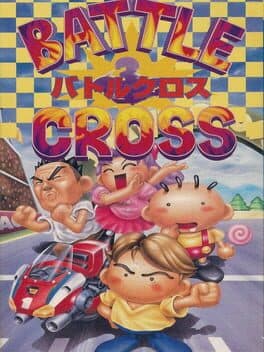
Battle Cross
A-Max1994
The goal of the game is to take a group of small futuristic air bikes and to go around one of the various race tracks. Players race each other to see who makes it to the finish line first. Various hazards are also scattered around each track, from puddles to speed bumps, pinball bumpers and even cannonballs.
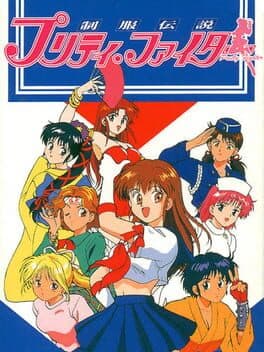
Seifuku Densetsu Pretty Fighter
Genki1994
Seifuku Densetsu: Pretty Fighter is a versus fighting game. The game features only female characters: Marin Aoki, Jyuri Akasaka, Minami Midorikawa, Kris Shiratori, Ryouko Kiori (Oryou), Keiko Konno (Kei), Ai Momoyama and Yawara Yamabuki. Players fight in a best two out of three round match. Controls are similar to Street Fighter series - six buttons, three to punch, three to kick.
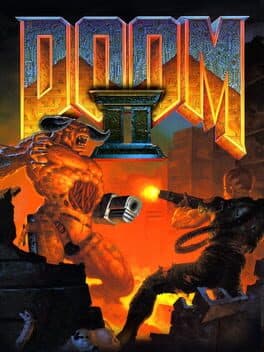
Doom II: Hell on Earth
id Software1994
Doom II: Hell on Earth is a first-person shooter developed by id Software and released in 1994 as a sequel to the original Doom. The game continues the story, with players battling through Earth after it has been invaded by demonic forces. Gameplay remains similar to its predecessor, featuring fast-paced combat, maze-like levels, and an array of weapons, including the introduction of the powerful Super Shotgun. Doom II also adds new enemy types, such as the Arch-vile and the Mancubus, increasing the game's challenge. Initially released for MS-DOS, Doom II has since been ported to numerous platforms, becoming a cornerstone of the FPS genre.
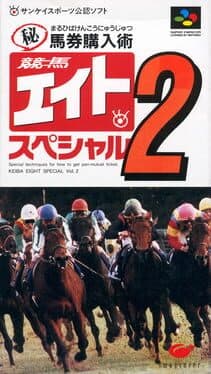
Keiba Eight Special 2
C-Lab1994
Keiba Eight Special 2 is a Sports game, developed by C-Lab and published by Imagineer, which was released in Japan in 1994.

Honke Hanafuda
Aisystem1994
Honke Hanafuda is a Miscellaneous game, developed by Aisystem Tokyo and published by Imagineer, which was released in Japan in 1994. It was later released as a downloadable game for the Satellaview.
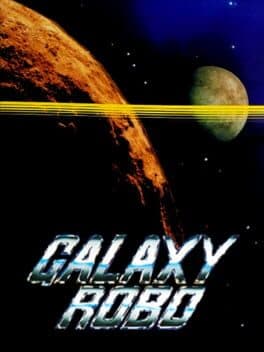
Galaxy Robo
Copya System1994
Galaxy Robo is a sci-fi strategy game from Copya System and Imagineer. The player directs a group of mech pilots, each riding distinctive bi-pedal suits and other vehicles. The game is structurally similar to Fire Emblem: the player moves all their units for their turn, either fighting enemy units or performing other tasks, and then control switches to the opponent. When two units meet in combat, a cutaway cutscene shows the aggressor landing (or missing) a hit, and the unit statistics underneath tell the player how much damage was caused. The game was a Japanese exclusive. It was one of a handful of games to use the SNES Mouse peripheral.

Super Loopz
Audiogenic1994
Super Loopz is a revamped version of Loopz. Feature enhanced graphics and new musics, but the same gameplay: sort of Tetris encounter Pipe Dream. Tubes of random shapes drop on to a board, and by rotating and placing them you have to make shapes that join up in loops. Once you have placed a piece you can't remove it, except by using a special items which destroy every part of an incomplete loop it touches; every tenth loop takes you to a new level.

Vegas Stakes
Dice1993
In this Casino simulator, you have decided to be a high roller. Followed by four friends, their main objective is to risk the Lady Luck and become a high roller in Las Vegas, place of luxurious and refined gambling houses. With only $1000 in your pocket, feel free to explore five different casinos (The Hideaway, Golden Paradise, Buffalo Head, The 2020 and later, the Laurel Palace), making the possible and impossible to increase its banking account and reach the goal of $ 10 million. To be successful in this millionaire-journey, you'll have different options of how to earn lots of money: Blackjack, Slots, Roulette, Craps or Seven-Card Stud Poker. Randomly, some people will chat with you, asking for some borrowed money, selling value objects and many other goodies: depending of the chatting, you'll be able to gain benefits (money increased) or damages (have half of its money stolen). During this tough "mission", a friend (chosen by you in the Casino room) will help you, explaining in details the rules of the current game or offering some wager advices.

Tip Off
1992
A basketball game from Anco Software.
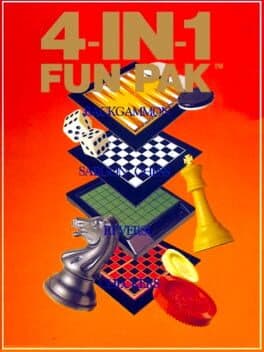
4-in-1 Fun Pak
Beam Software1992
4-in-1 Fun Pak is a compilation of board games that includes four different classic board games: chess, reversi, checkers, and backgammon.
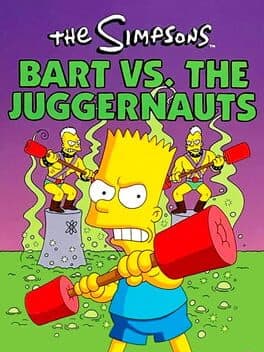
The Simpsons: Bart vs. The Juggernauts
Imagineer1992
The Simpsons: Bart vs. The Juggernauts is both a Simpsons game and a parody of the "American Gladiators" style TV shows that were popular in the early 90's. Gameplay is basically series of mini-games that vaguely mimic other sports such as skateboarding, wrestling, and basketball.
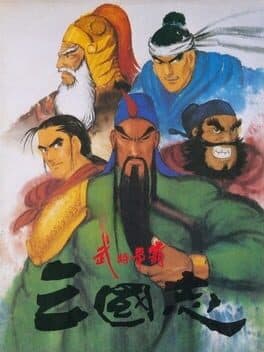
Sango Fighter
Panda Entertainment1992
Towards the end of the Han Dynasty, China was controlled by the Emperor Ling, who was in turn controlled by ten of his servants in the royal palace. This created a convenient atmosphere for bandits, and the land was in turmoil. Then the Emperor ordered the ten dukes to take it on themselves to restore peace in the land, but the dukes instead fought amongst themselves. Finally, the duke Cao Cao took the Emperor captive and he now controls the realm. Five fighters set out to take on Cao Cao's forces and restore equilibrium to the land.
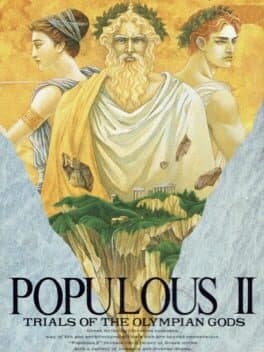
Populous II: Trials of the Olympian Gods
Bullfrog Productions1991
Become the god you were born to be.

Bart Simpson's Escape from Camp Deadly
Imagineer1991
School's out and Bart's ready for some summer fun in the sun! Until he got the news - Homer and Marge were sending him and Lisa off to summer camp. Not just any camp, but the infamous Camp Deadly! How bad could it be? Well, with Ironfist Burns as head counselor and Nelson and his band of bullies as bunkmates, it's not exactly paradise. Bart and Lisa are determined to get out - but first they've got to survive outrageous food fights, killer bees and a life-threatening game of capture the flag. Help Bart and Lisa escape, at least in time for school!
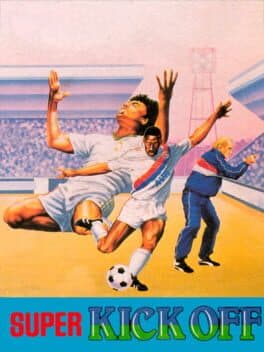
Super Kick-Off
1991
Super Kick Off is a football game for the Sega Mega Drive, Sega Master System and Sega Game Gear, released exclusively in Europe and Brazil. It is considered by many to be the watered-down version of Kick Off 2, previously released for the Commodore Amiga (and ported to the Amstrad CPC, Atari ST and Commodore 64). Kick Off 2 was originally programmed by Dino Dini for Anco Games, with the console adaptions being handled by Tiertex. From a franchise perspective, Super Kick Off would be followed by the controversial Kick Off 3: European Challenge. However, Dino Dini, who had no involvement in Kick Off 3 would go on to form his own company and produce the Amiga/IBM PC game Goal!, which shares similar gameplay. Goal! also arrived on the Mega Drive, in the updated form of Dino Dini's Soccer.
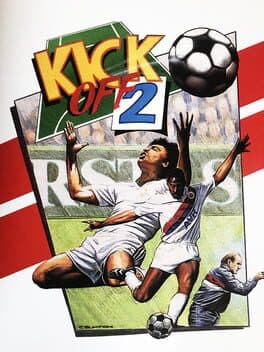
Kick Off 2
Anco1990
Viewed top-down, the controls involve trapping the ball under your foot, giving you time to prepare passes. Running with the ball is tricky at first, as it doesn't stick to your foot the way it did in contemporary football games. Complex moves such as overhead kicks, back-heels and long-range through-ball passes can be completed with practice.

Harpoon
Applied Computing Services1989
Harpoon is a realistic real-time tactics game that emphasizes quick and accurate decision making. It is based on a miniature table top game by Larry Bond.
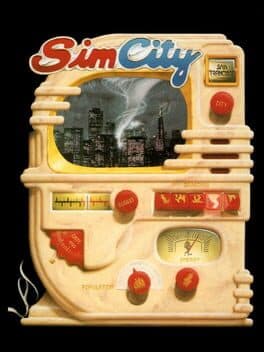
SimCity
Maxis1989
SimCity, later renamed SimCity Classic, is a city-building simulation video game, first released on February 2, 1989, and designed by Will Wright for the Macintosh computer. SimCity was Maxis's second product, which has since been ported into various personal computers and game consoles, and spawned several sequels including SimCity 2000 in 1993, SimCity 3000 in 1999, SimCity 4 in 2003, SimCity DS, SimCity Societies in 2007, and SimCity in 2013. Until the release of The Sims in 2000, the SimCity series was the best-selling line of computer games made by Maxis.
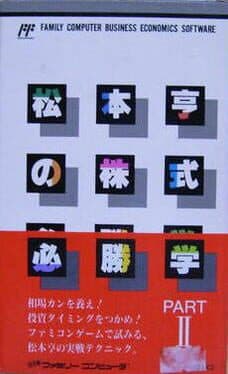
Matsumoto Toru no Kabushiki Hisshougaku II
Imagineer1989
A stock-trading simulation game for the NES and the sequel to Matsumoto Tooru no Kabushiki Hisshou Gaku. Matsumoto Tooru no Kabushiki Hisshou Gaku 2 is the sequel to the original Matsumoto Tooru no Kabushiki Hisshou Gaku and like that game is a stock trading simulator akin to something like Wall Street Kid. The player needs to keep track of which stocks are rising and falling, identify trends and invest wisely to ensure a wealthy and happy life.
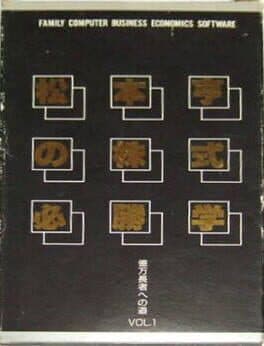
Matsumoto Toru no Kabushiki Hisshougaku
Imagineer1988
A stock-trading simulator for the NES that uses the name of famed Japanese financial adviser Matsumoto Tooru. It was developed by Imagineer and was never released outside of Japan. Matsumoto Tooru no Kabushiki Hisshou Gaku ("Matsumoto Tooru's Stock Success Knowledge") is a stock exchange simulation developed and published by Imagineer. The goal of the game is to make 100 million yen (approximately $1.3mil) in the stock market in the span of a single year via a series of shrewd financial decisions and listening to advice about which way a certain type of stock might turn. The game is fronted by Matsumoto Tooru, a nationally well-known financial adviser who is often considered to have an expansive knowledge of the Japanese stock market. The game also features the song "The Entertainer" by Scott Joplin. Though it focused on unusually complex subject matter for a video game, it sold enough copies to inspire a sequel that was released the following year.
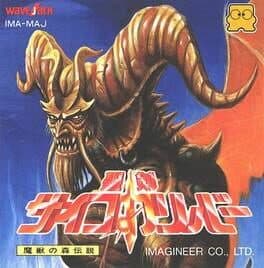
Seiken Psycho Caliber: Maju no Mori Densetsu
C-Lab1987
Seiken Psycho Calibur is an adventure game for the Famicom Disk System, developed by Imagineer and published in 1987. It is part of the Wave Jack series of games produced by Imagineer that come with more accessories than the average video game, including a story book and audio cassette tape. Seiken Psycho Calibur is, in many ways, an attempt to copy the success of The Legend of Zelda. However, it fails to inspire the same level of wonder and fascination. It also lacks a good degree of polish that made the afore mentioned title so great. Nevertheless, Seiken Psycho Calibur is a relatively fun game to play, as long as you have a fair degree of insight into how the game is played. There are some unintuitive aspects of the game that can make progress in the game quite difficult. For example, you begin the game in a town which offers a variety of goods for sale, but you only receive so much money, and you can never return to the town once you leave. Therefore, what you decide to invest your money in has a substantial impact on the difficulty of the game early on. Many items can be bought for less money later on, but only if you know the location of the hidden shops that contain them. Other less obvious points in the game require a bit of back tracking from later areas to earlier areas in order to acquire items that allow you to proceed, and boss battles that are at times incredibly difficult. This game was fan-translated into English by a user name Toma, who released the patch on December 20, 2000.
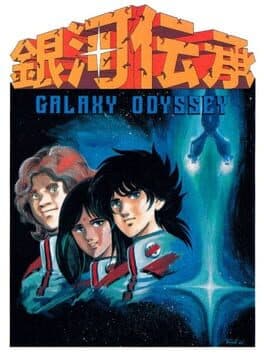
Ginga Denshou: Galaxy Odyssey
Atlus1986
Humans are currently getting sick and are dying from a devastating disease. The cure to the disease is said to be located in one of the galaxies several dungeons. It's up to you, who controls a space cadet, to recover this cure potion and rid this disease from destroying humankind.
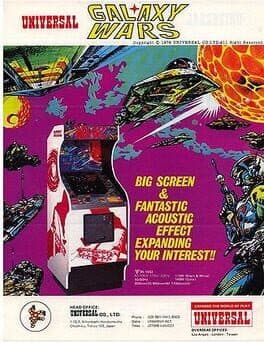
Galaxy Wars
Universal Co., Ltd.1979
The aim of this arcade game is to launch missiles from the bottom of the screen at enemy spacecraft located at the top. To get there, the missile must pass through a asteroid belt flying across the screen and avoid the shots being fired down from the spacecraft. It is the players job to control the missile. Once launched it can be moved left and right and can be sped up by using the boost to speed it's way out of trouble. Points scored depend on the location of the hit on the enemy spacecraft. The speed at which enemy spacecraft move increases as the number of them decreases. Once all spacecraft have been destroyed, another wave starts, the speed decreases again and the process repeats. A life is lost when a missile is hit by a shot or collides with an asteroid.