-
Average rating
93
Games
0
Votes cast
Heartbeat
Shipped Titles
Games (93)
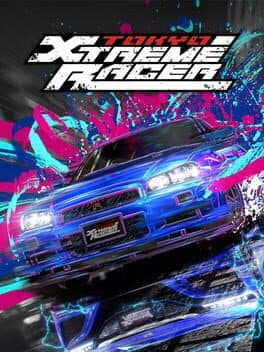
Tokyo Xtreme Racer
Genki Co. Ltd.2025
The title of “fastest” never fades. Race through the sealed future Tokyo night highways in your customized car. Defeat rivals in “SP Battle,” where drivers clash by draining Spirit Points. A unique racing game where only the rules for victory matter.

Devil Road Run!
Genki Co. Ltd.2024
Run away from the oncoming heroes! Create a path by placing blocks in the direction the Devil is going, and lead her to the goal by blocking the way of the heroes with monsters and blocks, so that the heroes will not catch up with her!
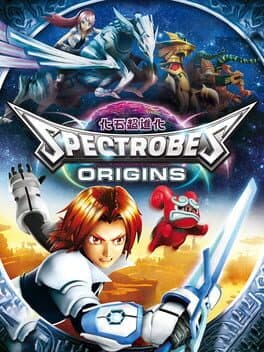
Spectrobes: Origins
Genki2009
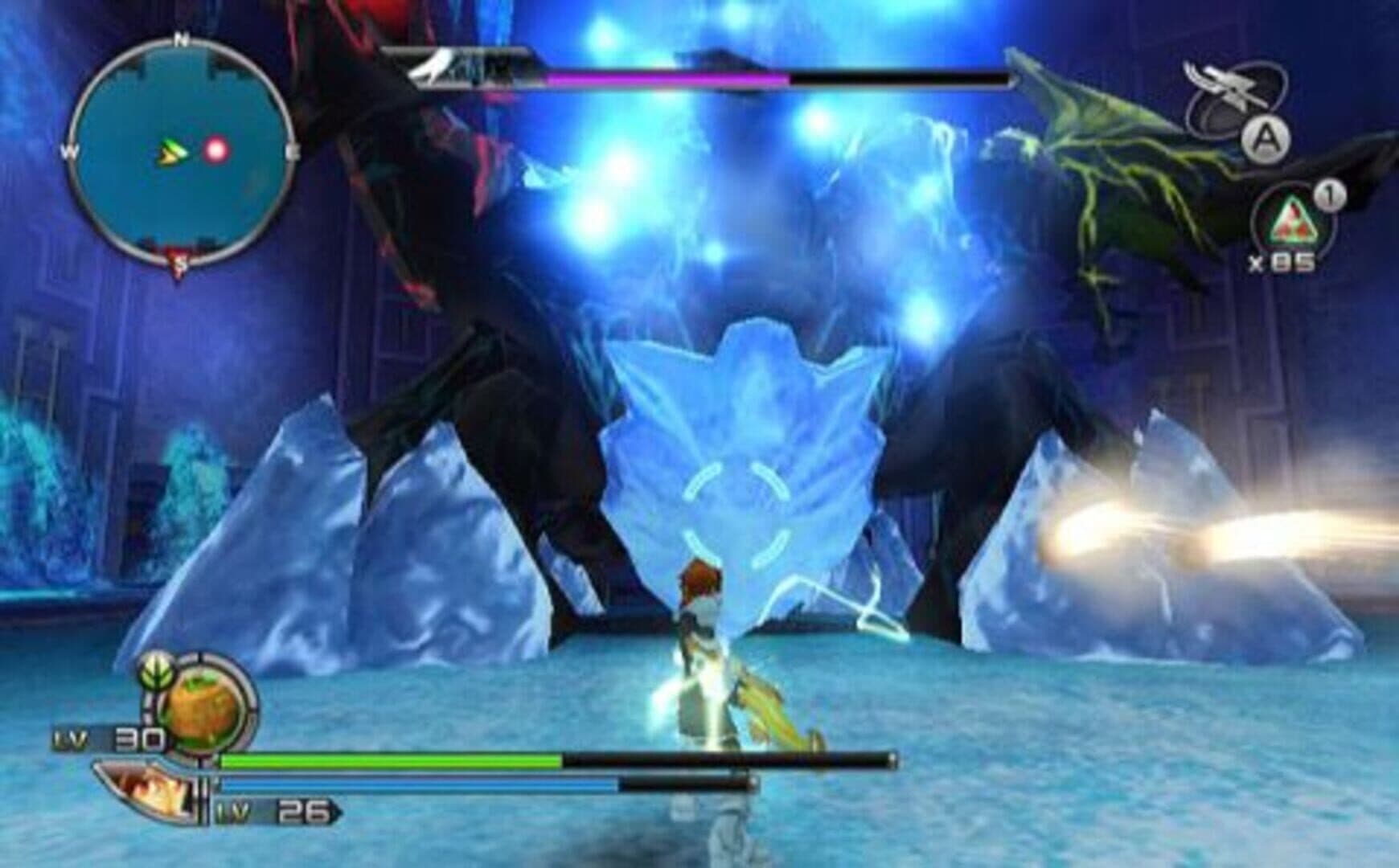
Spectrobes mixes monster battling with a real-time action RPG experience, so you'll not only be managing which critter is out on the field and attacking, but also running your main character around and participating in combat the feels like a mix between classic action battle mechanics and something like Monster Hunter lite. Different weapons allow the human leads to change up styles and elemental attacks, so you can have a leaf-based blade, an electric gauntlet, ranged cannon weapons and heavier bashing melee attacks. As you progress through the game not only will your Spectrobes gain levels, but your humans will as well. It's a constant balance of progressing not only your main character, but also all of your monsters too. Tie in a search and excavate system for finding new fossils with new Spectrobes and you've got a mechanic that is addicting enough to keep the experience moving; even if the levels themselves aren't always the most inspired areas to trek through.
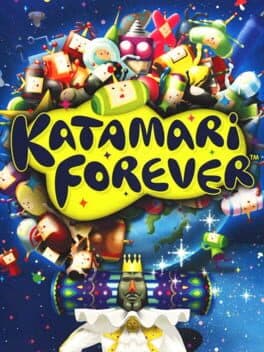
Katamari Forever
Genki2009
Katamari Forever contains 34 stages, with all but three of the stages being taken from previous titles in the series. Half of the stages take place within the mind of the King of All Cosmos, who gets knocked in the head and suffers from amnesia. The levels are black-and-white in appearance, and the objective is to roll up junk to bring color back to the stages. The other half of the stages take place in the present, where RoboKing, a robotic version of the King of All Cosmos created by the cousins, goes on a rampage and destroys all the stars in the sky.
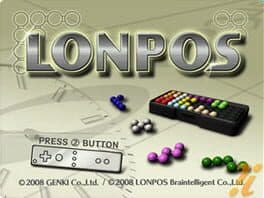
Lonpos
Genki2008
Wiiware game where you try to fit differently shaped pieces into a box.

Populous DS
Genki2008
Peter Molyneaux's pioneering "God game" gets resurrected and re-imagined for a new generation of handheld strategists in Populous DS. This time players take control of five different deities, and make use of each God's unique elemental miracles to manipulate terrain and encourage the growth of a civilization. Solo gamers can take part in the 50-mission campaign or tackle the "Warrior Hunt" mini-game in the "Free Play Mode," and multiplayer action lets up to four people battle one another using earthquakes, tidal waves, and volcanic eruptions.
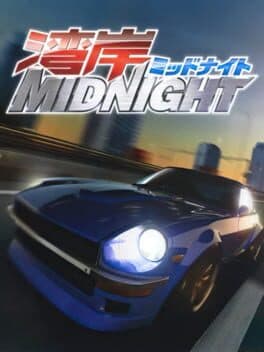
Wangan Midnight
Genki2007
Basic game modes are the Story Mode that follows the manga's plot according to the main characters point of view. The Time Attack Mode is based on time trials, and the Free Run Mode allows the user to drive the Shuto Expressway selecting his starting points without racing, and can drive anywhere on the Shuto Expressway. The One Match Mode is made for head-to-head quick games against the characters. Wangan Connection is the online game mode that allows people to create, host and join online games with up to three other players. Through the game's progression, the user can unlock two extra game modes, Survival Mode and Maximum Speed Mode. Survival Mode puts the player up against characters from the series. The goal is to beat a designated amount of rivals without losing. If the player loses, the game is over. Survival Mode is divided into three classes. Rookie has 20 rivals, and runs on the C1. Runner has 50 rivals, and runs on the New Belt Line. Monster has 99 rivals, and runs on the Wangan, part of the New Belt Line, and Yokohane. Maximum Speed Mode is where the player drives a car of his choice on the Yatabe Test Course. The goal is to go as fast as you can without blowing the engine.
Jet Impulse
Nintendo2007
Jet Impulse, known outside of Japan as the working title DS Air but never released there, is a Nintendo DS amateur flight simulation game.
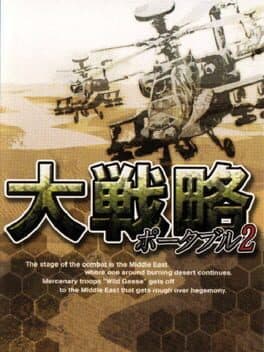
Daisenryaku Portable 2
Genki2006
Daisenryaku Portable 2 is a military turn-based strategy game for the PlayStation Portable published by Genki. It is a sequel to Daisenryaku Portable, and is set in the Middle East. The player does not control any country, instead controlling the supranational army named "Wild Geese"
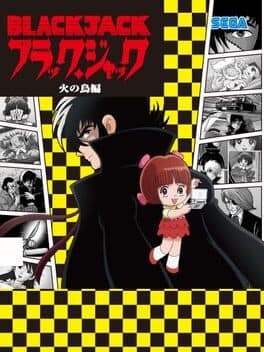
Black Jack: Hi no Tori Hen
Sega WOW2006
Black Jack: Hi no Tori Hen is very much a Elite Beat Agents-style game, having to tap or drag your stylus across the screen at the right speed and accuracy, as well as a comic to read in the background of the game to be used a storyline for each patient, some have an effect of what happens during surgery causing distractions or harder accuracy. For most of the game, Black Jack is just simply performing surgeries for Tezuka's Star System characters, some of which are based on chapters from the Manga series. Though the game has its own main plot as the game progresses.
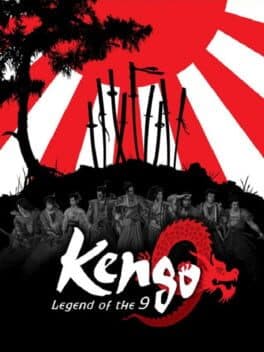
Kengo: Legend of the 9
Genki2006
In feudal Japan, it was kill or be killed for the samurai. Kengo: Legend of the 9 lets you battle as one of nine famous samurai warriors while mastering expert techniques to gain an advantage over your foes. Become a Kengo Master as you fight your way through lush, high-definition Japanese environments.
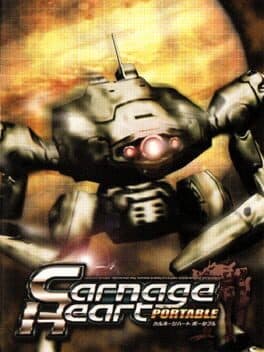
Carnage Heart Portable
Artdink2006
Carnage Heart Portable is an Action game, developed by Artdink and published by Genki, which was released in Japan in 2006.
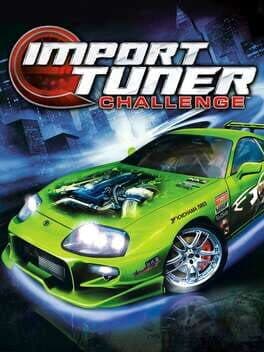
Import Tuner Challenge
Genki2006
Import Tuner Challenge is set on the Shuto Expressways of Tokyo, Japan. There a total of 415 rivals in the game. It features C1 and Shinkanjo like many other TXR games but unlike TXR3, Import Tuner Challenge does not feature the highways of Nagoya, Osaka, and Yokohama. But two new highway sections of Tokyo are in the game which are Rt.3 Shibuya and Rt.4 Shinjuku.
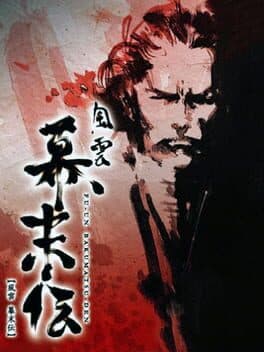
Fu-un Bakumatsuden
Genki2005
Fu-un Bakumatsu-den is a Japanese PlayStation 2 game made in 2005 by Genki Co. as a follow-up to Fu-un Shinsengumi.
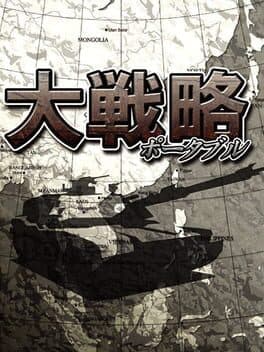
Daisenryaku Portable
Genki2005
Daisenryaku Portable is a military turn-based strategy game for the PlayStation Portable published by Genki. The game takes place on a battlefield of hexagons, upon which the player assembles an army. The aim is to capture cities and factories, in order to increase available resources. The hexagons are rendered in an isometric view with no rotation supported, but the individual attacks are rendered in 3D. The game supports use of the ad hoc wireless mode of the PlayStation Portable for two player multiplayer. The main campaign takes place in the Far East in the twenty-first century. The factions in the game are fictional versions of Japan, USA, Russia, China, South Korea, and North Korea.
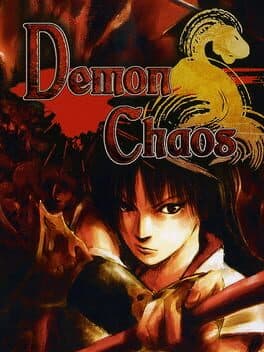
Demon Chaos
Genki2005
It is set in feudal Japan in the 16th century and revolves around a priestess who has been given eternal youth until she exterminates all the demons. She has been given charge of a mystical beast from the gods, Inugami, which is controlled by the player. The game is in vein of the well known Dynasty Warriors series, in which the player battles crowd after crowd of hostile enemies. The unique aspect of the game is that up to 65,535 enemies can be on-screen at once.
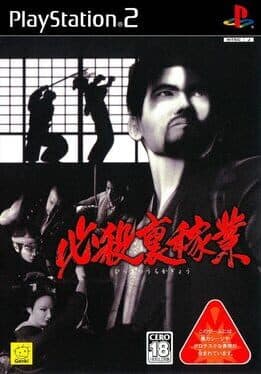
Hissatsu Ura-Kagyou
Light Weight2005
Hissatsu Ura Kagyō is an action game set in Japan during the Edo period, inspired by the popular Hissatsu Series historical drama (jidaigeki). The player controls Keijirō Teitō, who by day is a well-liked doctor in his hometown. However, by night, he takes up his sword and exacts bloody vengeance on the wicked and the corrupt. During the daytime, the player can move about Keijirō's hometown, speaking with people to gather information, visiting the many shops such as a restaurant and a bookstore, and perhaps even getting into a fight now and then. Returning to his home allows him to save the game, view and accept the current job requests, and consult with his father about a variety of topics. During the night, the game becomes more like a stealth action game such as Tenchu. Controlling either Keijirō or one of several other characters, the player must continue to gather information about the targets for each request while evading detection, eventually reaching the main target who must be killed. Successfully completing requests will earn money and reputation.
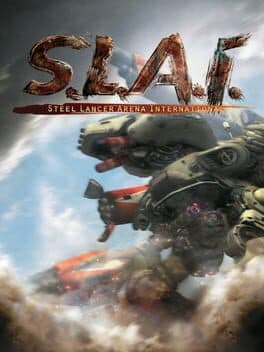
S.L.A.I.: Steel Lancer Arena International
Genki2005
In the year 2071, robots have become the new gladiators, and you're in the pilot's seat. Go head-to-head against other players to see who is the champion.
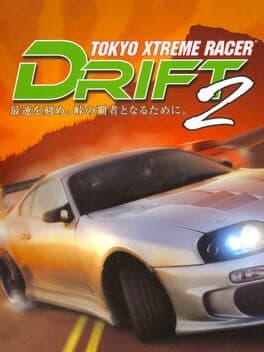
Tokyo Xtreme Racer Drift 2
Genki2005
The mountains of Japan are calling - and so are your racing rivals. With the mysterious disappearance of the reigning champion, the tournament crown is suddenly up for grabs. Many will vie, only one can win. Do you have what it takes to race, grind and drift your way to the ultimate racing prize? Race in the dangerous mountains of Japan - Hakone, Niko, Haruna and Akagi - all faithfully recreated using the most advanced laser techniques to maintain every tight twist and turn.
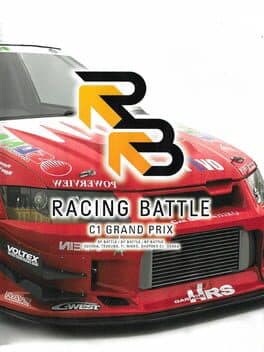
Racing Battle: C1 Grand Prix
Genki2005
Genki's racing games have typically fallen into the Shutokou Battle series, a collection of late-night racing games that put you on the highways surrounding Tokyo. The company's latest PS2 racer, Racing Battle: C1 Grand Prix, maintains many of the same gameplay mechanics that Genki's other games contain, but this time it takes the cars off of the streets and drops them onto proper racetracks. Racing Battle will contain licensed cars. The version on display only has a handful, including an RX-7, a Supra, an Integra, an Impreza, and an S2000. The car models in the game look decent. They're nice and smooth, but they don't seem to be quite as detailed as the car models in some other comparable racing games. Like most other racing games, Racing Battle has multiple camera angles. But the first-person angle is pretty interesting. From this view, you get indicators that show how hard you're steering, accelerating, or braking. You also get a second, TV-style camera angle in a small window at the top of the screen. This is cool because it gives you a good idea of what's going on near your car. It's easy to see cars coming up behind you with this view and more effective than a standard rearview mirror. The gameplay in Racing Battle is roughly the same as what Genki has done with Shutokou and Kaido Battle series. Each car is associated with a fighting gamelike life meter, and the car in second place constantly loses pieces of its life meter. When one car runs out of "health," the race ends and a winner is declared.
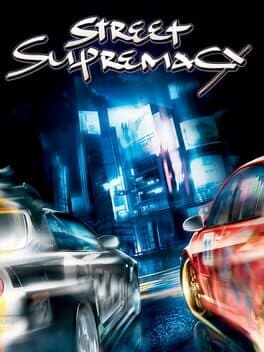
Street Supremacy
Genki2005
Unlike other Shutokou Battle series titles, the objective of Street Supremacy is to join a team, level up to become the team leader, recruit other rivals to join your team, and to take control of the various highways in Tokyo. The map area consists of the areas featured in Tokyo Xtreme Racer 3, including the C1 Loop, Shinkanjou, Wangan Line, Yokohane, and Yokohama routes. Each route is broken up into several zones, which are controlled by the rival teams. Rival teams in Street Supremacy include Rolling Guy, Fine Drive, Galaxy Racers, The Road of Justice, Departures, No Loser, Highway Outlaw, Free Way, Another Star, Unlimited, Neo Limited, Speed Masters R, and Wanderers (much like other Shutokou Battle titles, Wanderers have certain requirements that need to be met before challenging the player). Some bosses from the other titles appear in Street Supremacy as Wanderers by default. Street Supremacy is the only Shutokou Battle series title where rivals can change teams during the game and teams can disband during the game.
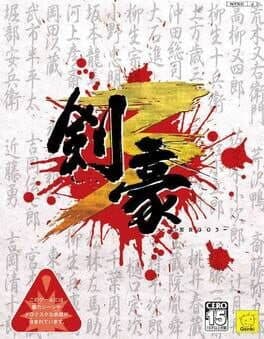
Kengo 3
Light Weight2004
The Japan-exclusive third installment in Genki's samurai-based fighting game series.
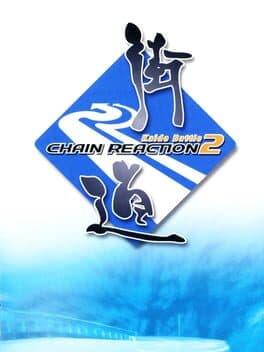
Kaido Battle 2: Chain Reaction
Genki2004
Kaido Battle 2: Chain Reaction is the second game in the Kaido Battle PlayStation 2 spin-off series of Shutokou Battle. Throughout the courses, the player can check the rival's info, sponsor's info, lover's info, change and tune up the car or check the prize. Cars can be bought new or in used cars shop, along with various parts for your car such as engine parts, air cleaner, turbo kit, cooling module, tires, and such. For aesthetics and dress up, things such as car color, wings, and other visual gadgets can be installed. Battle modes include Speed King mode, CA King mode and SP King mode. Additionally, two players can race in Versus battle on a split-screen. Unlike its predecessor and successor, the game was not released in North America.
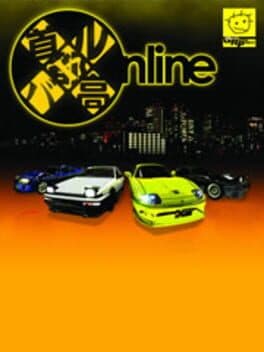
Shutokou Battle Online
Genki2003
Shutokou Battle Online was a MMO take on the infamous Shutokou Battle (aka, Tokyo Xtreme Racer) formula. Released on PC only in Japan, this game had a short life from 2003 to 2005.
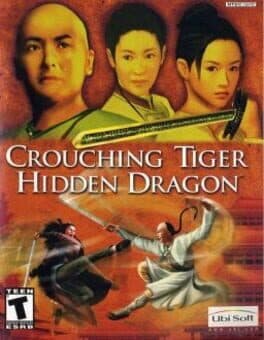
Crouching Tiger, Hidden Dragon
Bergsala Lightweight2003
The epic story has been split up in three parts, one for each character. The game mimics the film's famous martial arts, based on the Wudan fighting style, with a set of basic attacks, attack combos and special moves, combined with defensive actions such as basic blocking, combo blocking and evasion. While fighting, the characters learn new moves, collect items and earn rewards. Skills are improved according to your fighting style. Using specific attacks (e.g. unarmed) boosts the related skills, which can be leveled up.
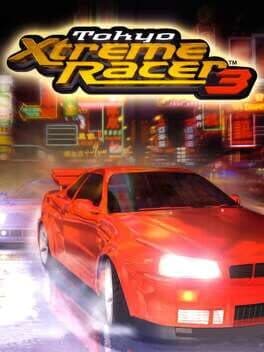
Tokyo Xtreme Racer 3
Genki2003
Tokyo Xtreme Racer 3 (or 首都高バトル 01 in the Japanese release) was released for the PlayStation 2 in 2003 as part of Genki's Shutokou Battle series. This entry in the series was released two years after the previous game, Tokyo Xtreme Racer: Zero. Much like other entries in the series, the objective is to become the fastest racer on the highways of Japan, but unlike those before it, TXR3 allows the players to race in Nagoya and Osaka instead of just Tokyo, and the Tokyo map is expanded to include the Yokohama area. In addition, this title adds a weather cycle. TXR3 includes a fully-licensed list of cars from a variety of Japanese, American, and European manufacturers instead of the old car model designation method of "Type-(technical model name)", and furthermore, the car list itself was culled of many repeat models so to simplify and reduce the number of cars. The A, B, and C car designations were also removed. Graphically speaking, Tokyo Xtreme Racer 3 is a definite improvement over previous entries. Car models feature a higher polygon count and are much more extensively detailed and lighting effects were also greatly improved, featuring light streaking effects, road reflections and higher quality car reflections.
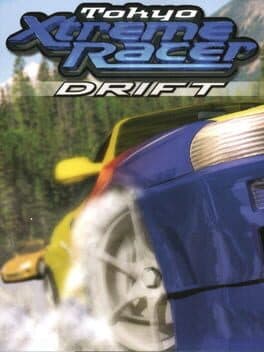
Tokyo Xtreme Racer Drift
Genki2003
This fifth installment in the Tokyo Xtreme series, focuses more on the "drifting" style of racing and has two different distinctive challenges of racing included in the game. Players can race professionally during day races, earning money to upgrade their cars and try to get the big sponsorships. During night races, players can race for pride, along with the ability to bet money and even car parts. Players will race in the scenic mountains of Japan, in real life courses on uphill and downhill races and even during varying weather and seasonal conditions, effecting the handling of the cars as they would in real life. There is also a rivalry battling system in the game, making the races more dangerous as opponents try to stop them at all costs. It also features real licensed high-end vehicles such as Nissan, Toyota, Subaru, Audi, Alfa Romeo, Mini, Volkswagen among many others.
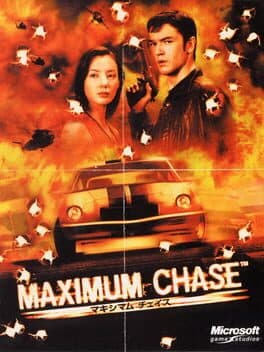
Maximum Chase
Genki Co. Ltd.2002
An action game with alternating driving and shooting levels.
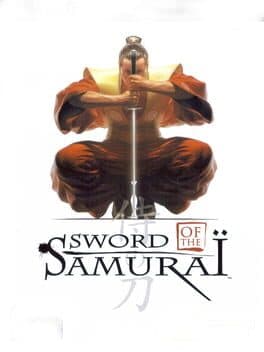
Kengo 2: Sword of the Samurai
Genki2002
The second game in the Kengo series was released for the PlayStation 2 in Japan on June 27, 2002. It was released in Europe on February 14, 2003 under the title Sword of the Samurai. It features a character creation feature and over 100 detailed swords to choose from. Published by Ubisoft. Ubisoft announced a US release to be called Kengo: Legacy of the Blade at one point but the deal ended up falling through, thus it was never released.
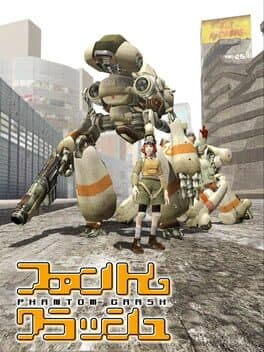
Phantom Crash
Genki2002
In the wake of massive air pollution and economic disaster in Tokyo, Japan has relocated its capital. Old Tokyo has become the battleground for a new breed of public entertainment called Rumbling. Observing from a massive airborne viewing station, spectators watch Scoobees battle to the death. More than just high-speed, heavily armed Mechs, Scoobees have an unprecedented stealth capability, turning invisible at will for brief periods of time. The stakes are high. The enemies are ruthless. The action is intense. Are you ready to rumble.
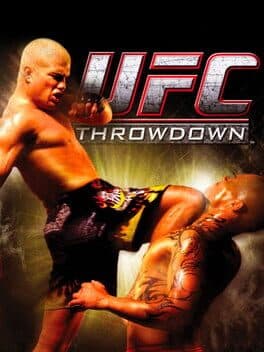
UFC: Throwdown
Capcom Production Studio 32002
UFC: Throwdown is based on the UFC (Ultimate Fighting Championship), mixed martial arts sports. The game places you in the position as a real-world fighter, utilizing various fighting styles, such as Freestyle, Wrestling, Kickboxing, Ju Jitsu, etc. Each fighter has a variety of real-life moves, in different categories. There are punches, kicks, grapples and takedowns. There are also ways of making your opponent submit, or "tapout", to gain a victory. You have the ability to perform combos, but these combos are realistic; you can perform a 1-2-3-4 punch combo, or a punch-punch-kick, or any variation of those. There are over twenty five fighters in the game, each one based off of real-life UFC fighters. The game includes fighter entrances and authentic voices.
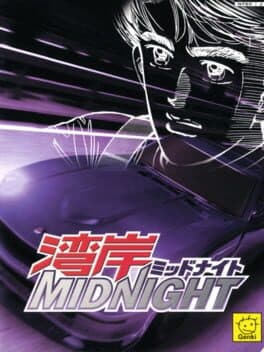
Wangan Midnight: R
Genki2001
Wangan Midnight: R is a racing game based on the Wangan Midnight manga. For Arcade it is a revised and updated version of Wangan Midnight while for the PS2 it is the first version and the first home console release in the series as well. The PS2 release has an AC Scenario mode (original Arcade Scenario mode), Mission mode, Time Attack mode and an i.Link Battle mode (local multiplayer) similar to the Versus mode used for the two units of the arcade cabinet. There is also a Replay Theater where replays of races can be viewed. The mission mode has a number of challenges against one or more opponents divided over eleven series (series one to ten and then Tune as the final one). The game contains licensed cars from the manufacturers Mazda, Mitsubishi, Nissan, RUF, Subaru and Toyota.
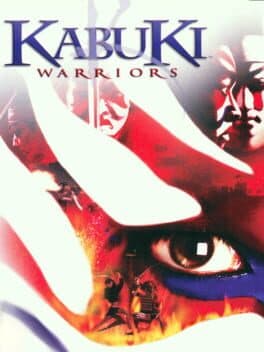
Kabuki Warriors
Bergsala Lightweight2001
As a fight promoter for a troop of Kabuki warriors trying to travel from Edo to Kyoto, your actor/samurai must possess both strength and style. Along the way you will have to fight other Kabuki troops, garner the crowds favor to receive tips, and trade warriors with your defeated counterparts. You will need a very accomplished group of samurai when you arrive in Kyoto to defeat the city's star troop.
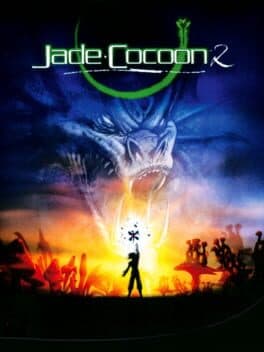
Jade Cocoon 2
Genki2001
Presenting a combination of monster breeding and RPG elements, Jade Cocoon 2 expands upon Genki's original title in a number of significant ways. Gameplay comprises a familiar mix of storytelling and monster raising, with significant tweaks implemented for good measure. The town acts as your base of operations and it's here you can stock up on supplies, or take jobs for which you can earn money and build a reputation. The latter proves vital as it's directly related to the number of monsters you can use in battle. The successful completion of certain tests rewards you with the ability to command more beasts -- up to a maximum of 12 at once, however, you can only take these tests when your reputation is high enough. These trials take place in the Arena, which is also home to Beast Hunter battles, where you can test your mettle against fellow Beast Hunters. Monster eggs are found on your travels and can be hatched in the Room of Life; an all-encompassing monster management room that provides detailed information on the beasts and allows you to merge them, creating hybrid creatures. The monsters now also evolve over time. Your amulet consists of 12 slots, three for each of the four elements. Your creatures are placed in positions on the amulet corresponding to their position in battle, and during combat they'll attack the enemy and defend you from harm. Their amulet position also dictates the effectiveness of their elemental powers. The storyline starts 100 years after the original adventure, with the Cocoon Masters having become the stuff of myth and legend. Beast Hunters are the modern equivalent, and players take on the role of Kahu; an aspirant Beast Hunter. A chance encounter results in Kahu being cursed, and he, along with a fairy named Nico, must rid his body of the curse or die. Levant (the original title's protagonist) is now a guardian and acts as your guide.
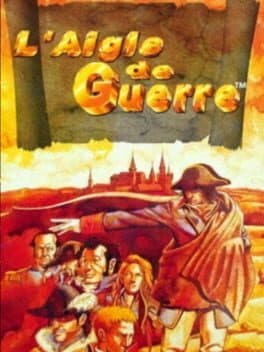
Napoleon
Genki2001
Napoleon is real-time strategy game for the GameBoy Advance starring the historically famous commander. It was released in two countries: France and Japan. Napoleon is a Japanese Game Boy Advance launch title developed by Genki and published Nintendo. The game is a real-time strategy, a genre which rarely appeared on consoles at the time, let alone portable platforms. Instead of being an omnipotent being, however, Napoleon lets one play as the historical French leader himself as he rides on horseback to command his troops in battle. Contrary to what the name might imply, the game itself is not historically accurate, as its missions sometimes incorporate things such as monster summons which the player much take care of. Napoleon's gameplay simplifies a number of real-time strategy game conventions while adding some of its own unique traits. Resource gathering, for example, is not a part of the gameplay directly, although there are still limitations imposed on unit building. Troop morale is another factor which the player must take into consideration to ensure that Napoleon's lackeys are fighting optimally. Not only is this a factor in the actual battles themselves, where Napoleon can sometimes utter a war cry, but it's also a component of the game before and after battles, as the lower-ranked commanders Napoleon also brings into battle with him must be monitored for sufficient morale. Additionally, Napoleon can only command his troops by going to each one individually, with the exception of the units which are grouped with another commander. In that case, simply telling the commander what to do is enough to get all of his attached units moving. He can also heal some units and also be healed by sub-commanders as well. Perhaps most importantly of all, though, is the fact that Napoleon's mobility is limited to how fast his horse can travel; any major parts of the battle he needs to attend to must be commuted to manually, instead of more instantaneous methods employed by most other real-time strategy games. The title is romanized as "Napoleon" in Super Smash Bros. Ultimate.
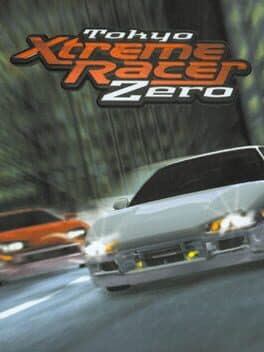
Tokyo Xtreme Racer: Zero
Genki2001
Tokyo Xtreme Racer Zero is a racing game developed by Genki for PlayStation 2. Despite its name, it is set between Tokyo Xtreme Racer 2 and Drift, and has enhanced sound and graphics. The game was released in Japan as Shutokou Battle 0, but was also a release in North America. The game was released in a PAL version in Europe and Australia under the title Tokyo Xtreme Racer (not to be confused with the Dreamcast title of the same name). This is the first game in the series that has been released on a platform other than the Dreamcast. Zero was originally to be released on the Dreamcast but was then canceled and moved to the PlayStation 2. The Tokyo Xtreme Racer series has produced a total of six games, the first four being U.S. localizations of the first four Shutokou Battle series games and the final two being U.S. localizations of the first and third Kaido Battle series games.
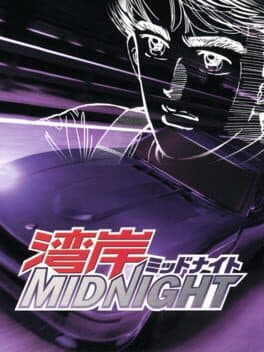
Wangan Midnight
Genki2001
Wangan Midnight is the first video game adaptation based on the Wangan Midnight manga. The cabinet consists of two racing units with a chair and steering wheel. Similar to the concept of the Tokyo Xtreme Racer \ Shutokō Battle series, players roam the Metropolitan Expressway in Tokyo that has been divided into eight tracks. The Story mode adapts parts of the manga as the player's character seeks out and defeats increasingly challenging opponents. The player can freely roam the expressway with a traffic density that shifts according to the time of day. When an opponent is encountered the game enters a battle mode and the cars start to race each other. Each car has a life gauge, shown as an SP meter, that is drained for the trailing car. The race is over when time runs out or when one of the cars loses all SP. The other game modes are the Time Attack mode and a Versus mode played against another player locally. The available cars are licensed from manufacturers such as Mitsubishi, Nissan and Subaru.
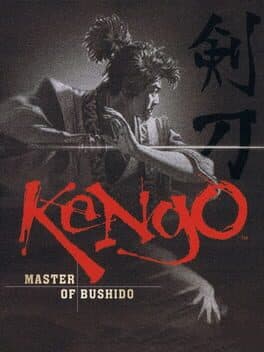
Kengo: Master of Bushido
Light Weight2000
The mind is a powerful weapon. So is the sword. When combined, they create the ultimate force. To be a Samurai master, you must silence one and make fierce the other. The rhythm of battle awaits you. Now, go young apprentice, and earn your glory.
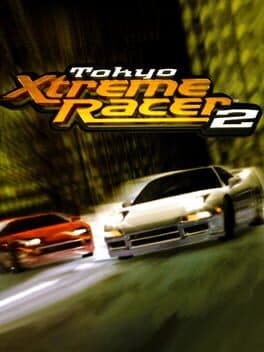
Tokyo Xtreme Racer 2
Genki2000
The thrilling followup to the original, Tokyo Xtreme Racer 2 improves in all fronts. With more road to drive on, rivals to fight, and cars to master, this entry offers everything and more. In the game, you race around the streets of Tokyo at night in an almost seamless experience, from cruising around, to joining a race, to cruising again. Flash your headlights when tailing a rival to incite a race, and after a short cinematic, you're both off. To win a race, you need to take down your opponent's power meter, while keeping yours intact. It decreases when hitting objects, and, more importantly, in last place. The game is less focused on the realism of a racer, but still takes into account a good amount of customization, from upgrades to tuning. Since you'll be driving the car almost constantly, its best to have your own personal vehicle. The roads you drive on start out limited, but expand as you dive deeper and deeper into the game. Don't expect to go without memorizing the tracks; in order to beat the best, you need to make Tokyo your home.
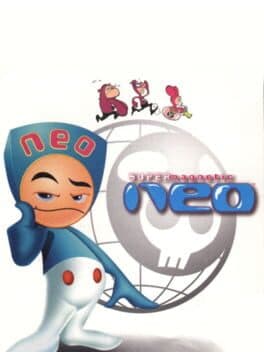
Super Magnetic Neo
Genki2000
In Super Magnetic Neo, a gang lead by evil, foul-mouthed baby Pinki has taken over Pao Pao Park. The professor must stop her, so her sends Super Magnetic Neo, a little boy robot with a powerful electromagnet on his head. You must use all these skills to make it through all four sections of Pao Pao Park and defeat Pinki.
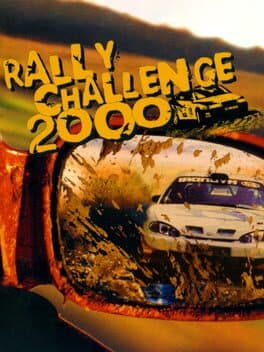
Rally Challenge 2000
Genki1999
Speed is the name of the game in this realistic racing experience. Featuring nine unique vehicles, RALLY CHALLENGE 2000 delivers high-octane action, with plenty of options to keep the replay value high. The controls are simple, but the competition is stiff as you jet through the three tracks at three different levels of difficulty. To add to the excitement, your co-pilot is by your side, calling out turns and alerting you to what's around the corner. The game's four distinct play modes offer limitless challenges: there's a user-friendly Arcade mode, an intense four-player Versus mode, a convenient Practice mode, and a Championship mode which allows you to adjust your suspension, tires, gear ratios, and steering. Championship Mode the game's crown jewel presents you with a nine-race series, in which you must rack up more points than your competitors. If you're looking for a fast-moving racing game with tons of options, you've found it in RALLY CHALLENGE 2000.
Tokyo Xtreme Racer
Genki1999
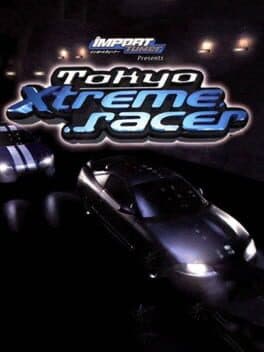
Tokyo Xtreme Racer is a racing video game released in 1999 as one of the console's launch titles, the game was one of the first mission-based racing games. The gameplay involves the player challenging other drivers on the Shuto Expressway in order to gain money to modify and enhance his or her car. The game features a wide variety of Japanese cars and tuning parts to purchase as the player progresses through rivals. When released in Japan, Shutokō Battle was one of the best selling Dreamcast titles at this time. The game is based on illegal highway racing in Tokyo's Wangan highway with custom tuned cars. A such phenomenon is growing popular in Japan since the 1990s with dedicated manga (Shutokō Battle's biggest inspiration being Wangan Midnight), anime series and video games (C1 Circuit, Wangan Trial, Naniwa Wangan Battle).
Chou Kuukan Nighter: King of Pro Baseball 2
Genki1999
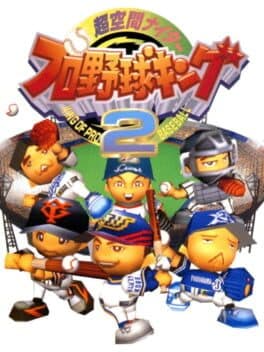
Chou Kuukan Nighter: King of Pro Baseball 2 is a Sports game, developed by Genki and published by Imagineer, which was released in Japan in 1999.
Jade Cocoon: Story of the Tamamayu
Genki1998
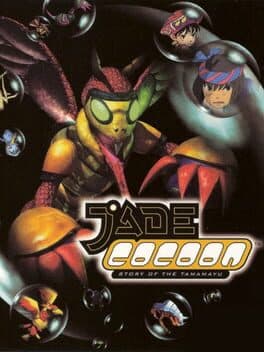
Enter the world of Jade Cocoon: Story of the Tamamayu. As Levant. a Cocoon Master. you will engage powerful monsters in deadly one on one combat. As the magic and talon clashes of these battles turn to your favor you can call on the mystic cocoon powers and capture your fallen foe. Once captured these mighty creatures will be the key to unlocking the curse that has overcome your village. The game combines elements of role-playing video games and digital pet virtual pet management. It was developed by Genki in collaboration with Katsuya Kondō, character designer for the Studio Ghibli movies "Kiki's Delivery Service" and "I Can Hear the Sea".
Efficus: Kono Omoi wo Kimi ni...
Genki1998
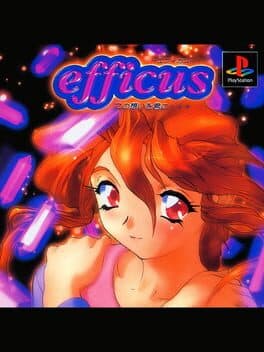
Efficus - Kono Omoi wo Kimi ni... is a dating simulation by Genki that is based on a school social standing, such as who you hand around with and when. Its time is based by a monthly calendar and as the months go by you will be able to advance your social standing with different women, including 2 different teachers at your school.
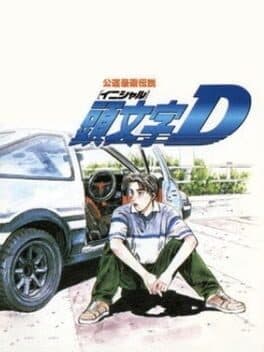
Initial D: Koudou Saisoku Densetsu
Genki1998
The first racing game based on anime series Initial D to be released on a home console.
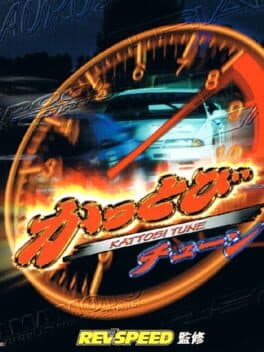
Kattobi Tune
Genki1998
Kattobi Tune is a circuit/tune edition unique episode of the Shutoko Battle series (aka Tokyo Xtreme Racers). Kattobi Tune was compiled under the supervision of Rev Speed, a popular Japanese car tuning magazine and features seven licensed professional tuners, RE Amemiya, Spoon, Mine's, Trial, "RS Yamamoto", Garage Saurus and JUN Auto, appearing years later in Racing Battle: C1 Grand Prix and also in the influential Gran Turismo series by Polyphony Digital. In Kattobi Tune's career, you follow a text-driven story as you slowly work your way towards faster and faster cars, either by an extensive car tuning
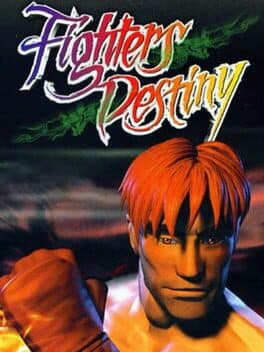
Fighters Destiny
Genki1998
You can choose from more than 10 characters and enter the ring in the ultimate hand-to-hand competition. Rather than using a two-out-of-three format, you must score seven points in order to win a match. Knocking down your opponent, forcing him out of the ring, or throwing him to the ground score anywhere from one to four points. Try to beat all of the other fighters in the Master Challenge, where a victory results in you learning their fighting skills. If you face the Joker, you must beat him or you will lose the skills you have gained. See how many opponents you can beat before giving up seven points in the Survival mode, or try to see how long you can stay in the ring with a fighting cow in the Rodeo mode. Keep your butt off the ground to win at FIGHTERS DESTINY.
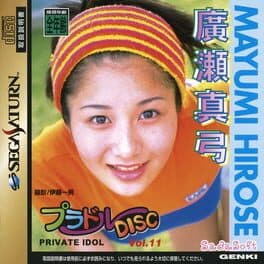
Private Idol Disc Vol. 11: Mayumi Hirose
Genki1997
Idol Digital Photobook released exclusively in Japan for Sega Saturn. Includes a Q&A interview, a mini-game, and a quiz about Mayumi Hirose.
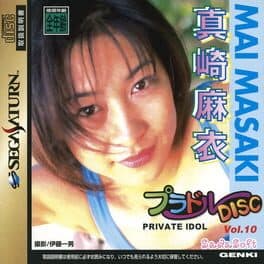
Private Idol Disc Vol. 10: Masaki Mai
Genki1997
Idol Digital Photobook released exclusively in Japan for Sega Saturn. Includes a Q&A interview, a mini-game, and a quiz about Masaki Mai.
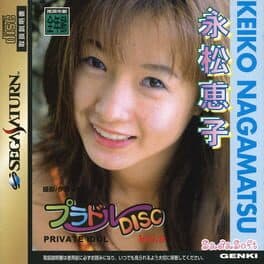
Private Idol Disc Vol. 9: Nagamatsu Keiko
Genki1997
Idol Digital Photobook released exclusively in Japan for Sega Saturn. Includes short videos, a mini-game, and a quiz about Fujisaki Nanako.
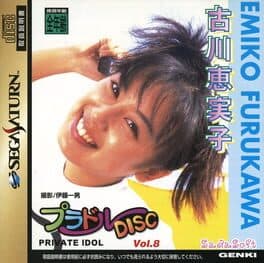
Private Idol Disc Vol. 8: Furukawa Emiko
Genki1997
Idol Digital Photobook released exclusively in Japan for Sega Saturn. Includes a Q&A interview, a mini-game, and a quiz about Furukawa Emiko.
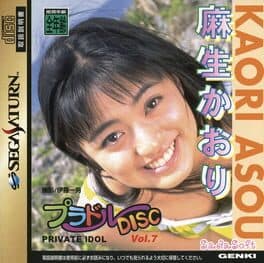
Private Idol Disc Vol. 7: Asou Kaori
Genki1997
Idol Digital Photobook released exclusively in Japan for Sega Saturn. Includes a Q&A interview, a mini-game, and a quiz about Asou Kaori.
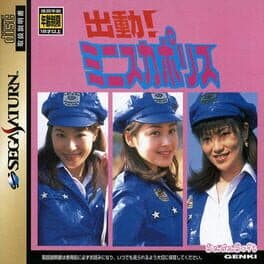
Shutsudou! Miniskirt Police
Genki1997
A erotic table game exclusively for the Sega Saturn.
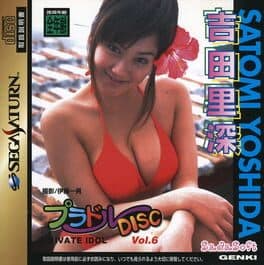
Private Idol Disc Vol. 6: Yoshida Satomi
Genki1997
Idol Digital Photobook released exclusively in Japan for Sega Saturn. Includes a Q&A interview, a mini-game, and a quiz about Fujisaki Nanako.
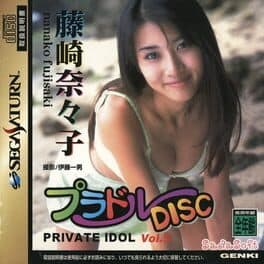
Private Idol Disc Vol. 5: Fujisaki Nanako
Genki1997
Idol Digital Photobook released exclusively in Japan for Sega Saturn. Includes short videos, a mini-game, and a quiz about Fujisaki Nanako.
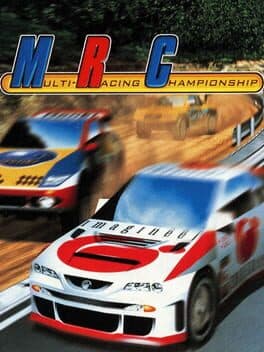
MRC: Multi-Racing Championship
Genki1997
Featuring up to 10 chooseable cars (many which open up later in the game), and three courses (plus mirror courses), Multi Racing Championship's biggest draw is the splendidly realistic feel of the cars themselves and the well designed courses on which they drive. The cars range from 4X4s, trucks, and off-road racers to slick street cars, Lamborghinis and the like. While initially it may seem like there is a deficit of courses, in fact, the multi-terrain courses contain mini-courses within each one. For instance, at least three times in each course, you will have the choice to take two different road directions -- either rough dirt track or snow-laden road, ot a slick but usually longer street course. Each car handles terrains differently, and some, like the trucks, obviously handle the off-roads better than others, but you can also modify your street car to handle dirst roads well, too.
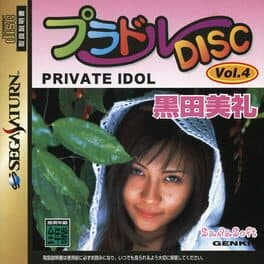
Private Idol Disc Vol. 4: Kuroda Mirei
Genki1997
Idol Digital Photobook released exclusively in Japan for Sega Saturn. Includes a Q&A interview and quiz about Kuroda Mirei.
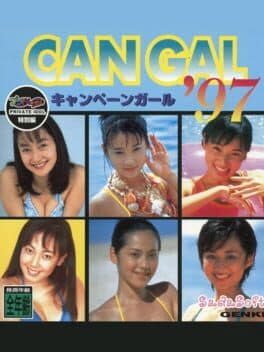
Private Idol Disc: Tokubetsu-hen Campaign Girl '97
Genki1997
Idol Digital Photobook released exclusively in Japan for Sega Saturn. Includes a quiz and cast profiles.
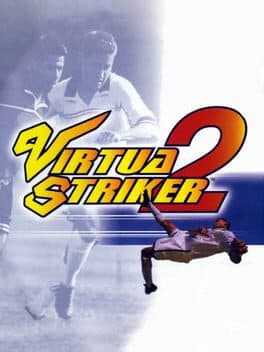
Virtua Striker 2
Genki Co. Ltd.1997
In Virtua Striker 2, you can choose from international teams with players based loosely on real-life counterparts. Play in Arcade, Tournament, or Challenge modes as you compete in Single- or Two-player head-to-head "footy" matches.
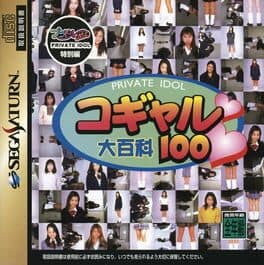
Private Idol Disc: Tokubetsu-hen Kogyaru Daihyakka 100
Genki1997
Idol Digital Photobook released exclusively in Japan for Sega Saturn. Includes an interview video and cast profiles.
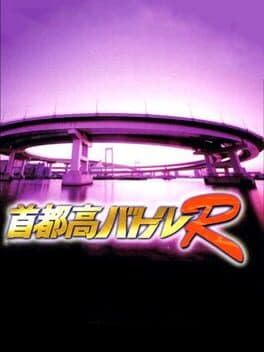
Shutokou Battle R
Genki1997
Shutokō Battle R is the third installment in the Shutokō Battle series for the PlayStation. This time, however, the action is not limited to Tokyo - it has spread to the Osaka metropolitan area. There are three game modes to choose from: Scenario: Try to beat the clock as well as your competitors to the finish line. The points you earn can be used to upgrade your car in the machine shop. Practice: You can practice driving before you try it on the real thing. Link Race: Connect another PlayStation and play against another player. The more opponents you defeat, the quicker you will be able to meet the challenge of professional driver and street legend Keiichi Tsuchiya.
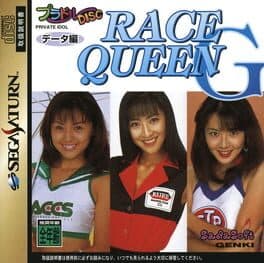
Private Idol Disc: Data-hen Race Queen G
Genki1997
Idol Digital Photobook released exclusively in Japan for Sega Saturn. Includes short videos, cast profiles, and an answering machine message collection.
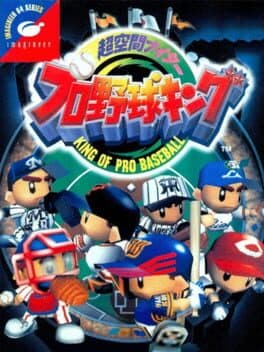
Chou Kuukan Nighter: King of Pro Baseball
Genki1997
Chou Kuukan Nighter: King of Pro Baseball is a Sports game, developed by Genki and published by Imagineer, which was released in Japan in 1996.
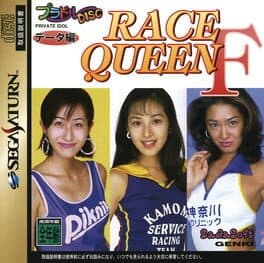
Private Idol Disc: Data-hen Race Queen F
Genki1996
Idol Digital Photobook released exclusively in Japan for Sega Saturn. Includes short videos, cast profiles, and an answering machine message collection.
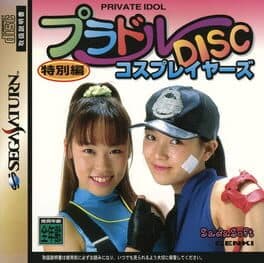
Private Idol Disc: Tokobetsu-hen - Cosplayers
Genki1996
Idol Digital Photobook released exclusively in Japan for Sega Saturn. Includes short videos and a card-based fighting minigame.
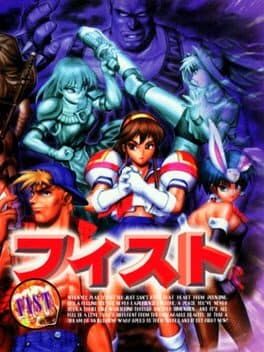
Fist
Genki1996
An obscure 3D fighting game and a sequel to the all-girl Japan-only fighting game Seifuku Densetsu Pretty Fighter.
Brahma Force: The Assault on Beltlogger 9
Genki1996
A mech-based FPS; pilot your Bipedal Robotic Assault Heavy Mechanized Armor (built by Bronx Industries, of course) through the Beltlogger 9 excavation colony... ...discover what happened to the Beltlogger 9 colony- it may be related to the events on Probe Ship Mina 3, wherein a lone person apparently under the control of an outside intelligence slaughtered his shipmates.

Private Idol Disc Vol. 3: Oshima Akemi
Genki1996
Idol Digital Photobook released exclusively in Japan for Sega Saturn. Includes short videos and a mini-game.
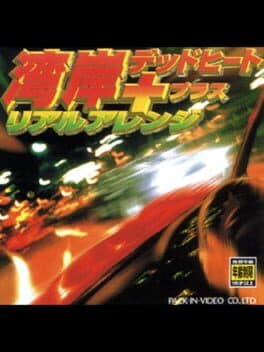
Wangan Dead Heat + Real Arrange
Genki1996
Wangan Dead Heat is a spin-off of Genki's Shutokou Battle (aka Tokyo Xtreme Racer) series. This Saturn game combines the typical arcade racing of the time with a career mode consisting of the player attempting to woo women by driving fast and safe. FMV's would play depending on how the player did, and being successful eventually leads to (supposedly) the women stripping their clothes, hence the 18 age rating. This Version includes a bonus disk jammed with more FMV's lewd enough to warrant a yellow label warning. Unfortunately, the quality of the FMV footage on the bonus disk is poor without the Saturn MPEG card being installed, but it still runs without one.

Private Idol Disc Vol. 2: Uchiyama Miki
Genki1996
Idol Digital Photobook released exclusively in Japan for Sega Saturn. Includes short videos and a mini-game.
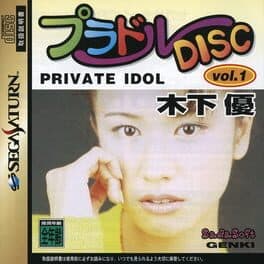
Private Idol Disc Vol. 1: Kinoshita Yuu
Genki1996
Idol Digital Photobook released exclusively in Japan for Sega Saturn. Includes short videos and a mini-game.
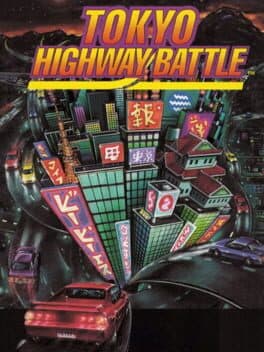
Tokyo Highway Battle
Genki1996
Players navigate through three Tokyo highway circuits driving one of 72 high-performance sports cars. While driving, players earn valuable points which are used to purchase upgrade parts for their vehicle. To ensure the most realistic gameplay, developers Bullet-Proof Software, enlisted the guidance of racing champion, Keiichi Tsuchiya and automotive specialist, Masaaki Bando Under their supervision, Bullet-Proof painstakingly recreated the physics and handling of each race car. The Saturn release, only released in Japan, included many more videos and starred the Drift King himself through these cutscenes.
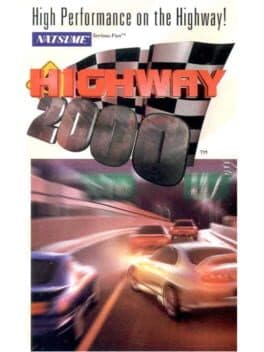
Highway 2000
Genki1996
Rev up for the road race of the century! Highway 2000 delivers driving excitement with all cylinders firing! Fly through five harrowing highway courses with your choice of three high-performance racing machines - the speed and handling of the Mad Viper, the awesome acceleration of the Dark Nebula and the stick-to-the-road grip of the Rapid Fire. Slide with all four wheels into a hairpin curve. Negotiate treacherous tunnels, narrow bridges and heavy highway traffic. Challenge a fellow racer to a winner takes all split-screen barn burner! You can see the action from above, from the road or your driver's seat. It's your road! Get out onto the highway and go! This is the Australian/European version of Wangan Dead Heat, released in Japan. This version cut all of the content relating to wooing women in the career, a large part of the Japanese release. It is a spin-off of Genki's Shutokou Battle racing series.
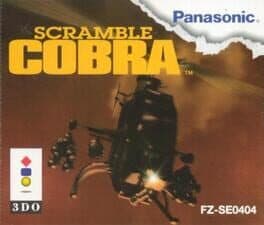
Scramble Cobra
Genki Co. Ltd.1995
Scramble Cobra is a 3-D helicopter action game, where the player takes command of a Cobra helicopter gunship, flying through various battlefields, using their Vulcan machine guns and hydra rockets to destroy enemy tanks, helicopters and other assorted units. There are ten missions in all to play through. The player has to complete each mission in an allotted amount of time. The missions mainly consist of search and destroy objectives. It also has live-action videos to tell the story and is played from the view of the helicopters cockpit.
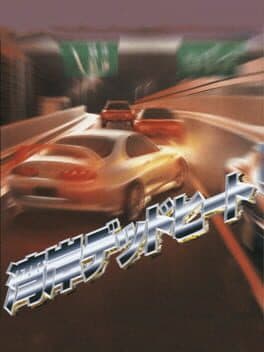
Wangan Dead Heat
Genki1995
Never dreamed having an expansive sportscar and an amazing babe at your side? If so this game is for you. Get the car and maybe the babe will come if you are good enough. And maybe she will let you see a little more of her... Depending on you... Wangan Dead Heat is a spin-off of Genki's Shutokou Battle (aka Tokyo Xtreme Racer) series. This Saturn game combines the typical arcade racing of the time with a career mode consisting of the player attempting to woo women by driving fast and safe. FMV's would play depending on how the player did, and being successful eventually leads to (supposedly) the women stripping their clothes, hence the 18 age rating. The Worldwide release, named Highway 2000, strips everything related to wooing women from the career.
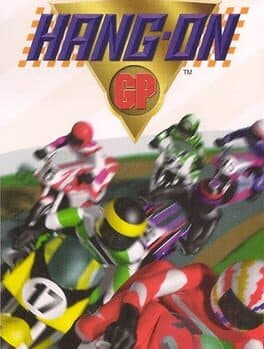
Hang-On GP
Genki Co. Ltd.1995
Hang-On GP features three tracks: Albatross Cliff Reef, Great Crimson Wall, and New Dwells. Each track contains an additional route that becomes available after a high placing. This makes a total of six possible races. Players can choose from among ten motorcycles to use during a race as well as an automatic or manual transmission for each. Players can also decide how the bike should control, highside or power slide. Placing in the top three on any of the first three tracks will release the additional routes. When players place in the top three on the additional routes an endurance mode will be available. In endurance mode players attempt to complete as many laps as they can in 10 minutes.
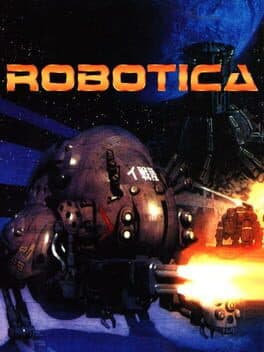
Robotica
Genki1995
Play with friends and defend The Tower from corrupt robotic organisms.
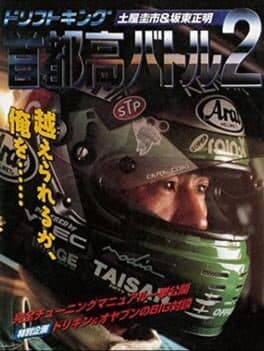
Drift King Shuto-kou Battle 2: Tsuchiya Keiichi & Bandou Masaaki
Genki1995
Drift King Shuto-kou Battle 2 is a behind-the-car driving game exclusive to the Super Famicom. It is named after and endorsed by Keiichi "Drift King" Tsuchiya, and the title refers to the Shuto Expressway near Tokyo upon which most of the races take place. Players select a car and customize it before taking it to the track to race against other street racing enthusiasts. The game maintains a split-screen regardless of whether or not a second player is involved; on single-player, the top screen's camera stays on the starting line.
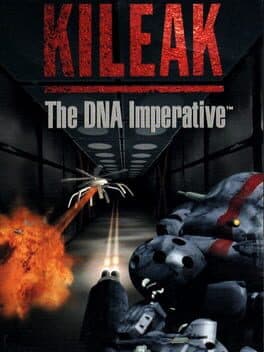
Kileak: The DNA Imperative
Genki1995
Deep beneath the South Pole permafrost, a crazed scientist has unearthed an ancient DNA code, dormant for over 2,000,000,000 years. Is this the discovery of the "ultimate evolution"? Or does he now hold the damnation of mankind in his grasp? Only YOU can stop him. * A REAL-TIME shooter where minutes are too long, hours not enough! In-future-tense! * Amazing 1st person view. You ARE a one-man assault squad. * An arsenal of weapons, ammunition and armor. Have you been doing your push-ups? * Robot assassins with even more advanced A.I. than the military's most powerful computers. * Secret rooms and strategy-oriented challenge where seconds count!
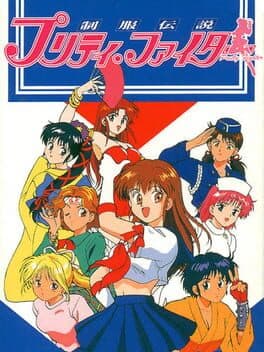
Seifuku Densetsu Pretty Fighter
Genki1994
Seifuku Densetsu: Pretty Fighter is a versus fighting game. The game features only female characters: Marin Aoki, Jyuri Akasaka, Minami Midorikawa, Kris Shiratori, Ryouko Kiori (Oryou), Keiko Konno (Kei), Ai Momoyama and Yawara Yamabuki. Players fight in a best two out of three round match. Controls are similar to Street Fighter series - six buttons, three to punch, three to kick.
GP-1 Part II
Genki1994
The sequel to GP-1, the player once again can race with motorcycles on 17 different tracks located across 14 different countries. The player also has six different bikes to choose from. Players can also upgrade their bikes by winning races and earn points, earning enough points will let the player obtain better parts for their bike. The season mode, otherwise known as the Grand Prix is present along with a Practice and Race mode, but there is also a Battle mode that allows two friends to duke it out head-to-head on the track of their choice. A password feature is also present to allow players to pick up and play at their leisure.
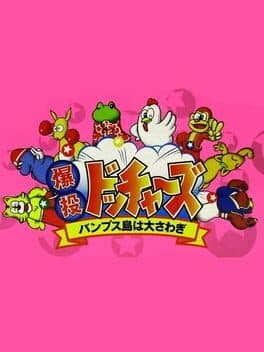
Bakutou Dochers: Bumps-jima ha Oosawagi
Genki1994
Bakutou Dochers is a Japan-only action game for up to four players. It superficially resembles Hudson's Bomberman series, with its top-down grid stages and chaotic gameplay, but rather than leaving bombs and waiting for them to explode, the player can shoot energy at blocks and each other. The goal is to sneak up behind the opponent and shoot them before they can reciprocate. Various power-ups may appear after destructible blocks are removed, which can give the player an edge or, in the case of the ? icon, a possible random negative effect like reversed controls. There are also wandering monsters that can cause damage to anyone they come in contact with. Every combatant has a health bar which depletes at a rate dependent on the attacks they are getting hit by. The single-player mode involves fighting through various worlds and removing all enemy combatants from the field to progress.
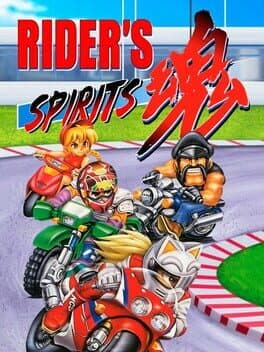
Rider's Spirits
Genki1994
The challenge of bike racing heats up and players choose their favorite machine. In five courses, aim to win the Grand Prix or go for a Chicken Run or time trial. There are four modes, including endurance race. Two players can go head to head in a split screen race.
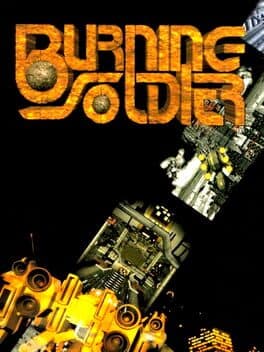
Burning Soldier
Genki Co. Ltd.1994
A high-quality, 3-D animation shooting game that takes you right into a future space battle. The TV screen becomes your cockpit! You are the ace pilot of Earth Defense Force. The blood-chilling battle you will experience aboard Strike fighter, EDF's state-of-the-art fighter unit will be one of the most challenging missions you have ever known. Smooth, fully automated navigation lets you focus on combat! Strike fighter chooses its course of flight, so that the pilot can fully focus on combat. Over 40.000 computer graphics create a super-real screen image! The scenery zips by. The visual demonstration seen between the stages makes you hold your breath. You spin your head. It's intense. The music and the visual effects are overwhelming. The BURNING SOLDIER exprience is more real than a move can ever be!
Drift King Shuto-kou Battle '94: Tsuchiya Keiichi & Bandou Masaaki
Genki1994
Drift King Shuto-kou Battle '94: Tsuchiya Keiichi & Bandou Masaaki, is a Japan-only racing game for the Super Famicom. The player controls a stock car across various circuits (highway, race track, driving school or tōge) in either the scenario or the practice mode of the game. It was published by Bullet-Proof Software (BPS). This game is the first of the long-running series of Shutokō Battle games. These games were eventually known under various names abroad including Tokyo Xtreme Racer in North America and Tokyo Highway Challenge in Europe. "Drift King" is the trademark nickname of Japanese pro racing and former street racing driver Keiichi Tsuchiya.
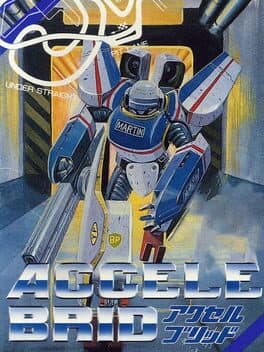
Accele Brid
Genki1993
Players progress through the game as a robot racing through a pipe, shooting everything that moves. The robot can shoot from both arms, jump, kick and punch. There are also power-ups and bonuses that can be collected to upgrade the robot's weapons and armor. There are three different types of robots to choose from: Silver Mare, Beliws, and Nitika. Weapons are chosen before each stage and every level has Mode 7 graphics. Three difficulty levels can be chosen; ranging from easy, medium, and hard.
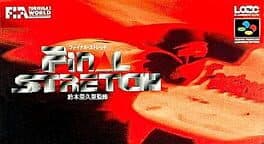
Final Stretch
Genki1993
Final Stretch is a Formula One racing game developed by Genki. It is the spiritual sequel to their earlier game Aguri Suzuki F-1 Super Driving (rebranded in the US as Redline: F1 Racer), and like that game Final Stretch is licensed by FOCA and supervised by Japanese F1 racer Aguri Suzuki. The game employs a Mode 7-enabled viewpoint close to the ground that has multiple vantage points that the player can switch between and, with the FOCA license, uses many of the then-current F1 teams and racers. Unlike Redline: F1 Racer, Final Stretch was never released outside of Japan.
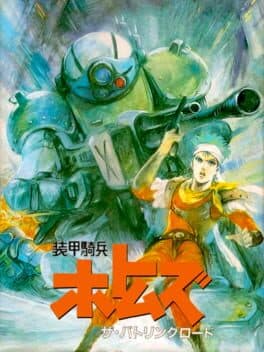
Soukou Kihei Votoms: The Battling Road
Genki1993
The Japanese animation "Armored Trooper Votoms", released in 1983, was the brainchild of N.Shioyama (Ronin Warriors) and R. Takahashi (Gasaraki). Together they created one of the most beloved (in Japan) shows in the history of Japanese Animation. The series was later released (1996) in the US by Central Park Media. The series spanned 19 videocassettes, and quickly developed a small, but devoted fan following. Its 80's style animation turned off a lot of would-be fans, but those willing to endure the animation were rewarded with one of the best storylines (and also some really cool mecha designs) available in the genre. The series was so popular in Japan that games, toys, and models are to this day being made. "Armored Trooper Votoms: The Battling Road" is, the first Votoms game created, and is an incredible game. Utilizing the DSP chip (A chip implemented into no more than 15 Super Nintendo/Famicom cartridges) to create a Pseudo-3D environment, this game looks absolutely wonderful for its time. Since its release there has been 5 Votoms PlayStation games released,
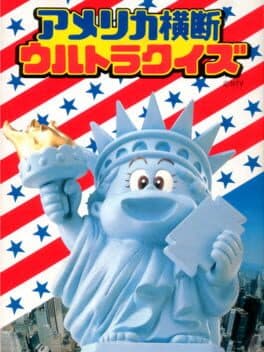
America Oudan Ultra Quiz
Genki Co. Ltd.1992
Japan-exclusive quiz game based on a TV game show. It is the fourth game in the American Oudan Ultra Quiz series. Featuring 3000 questions, aim to become the Quiz King!
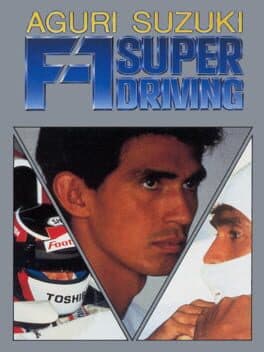
Aguri Suzuki F-1 Super Driving
Genki1992
Released as Redline F-1 Racer in North America and in Europe and Japan under its original title, is a Formula One simulator for the Super Nintendo Entertainment System. Everything from treacherous right turns to gasoline is simulated as the player tries to win the FIA World Drivers' and Constructors' Championships. The player can play a single race (non-championship Formula One race) or a season mode where the winner takes all, and the losers can wait until next year. The game allows players to customize their racing vehicle. Suspension, wings, and brakes among other things can be altered to gain lap times in addition to positions on the track. Winning is near impossible unless the player can successfully tinker with his vehicle from the beginning of the race week. Even the weather can betray the player; having the wrong tires will make the car skid out. The controls and overall gameplay are relatively simplistic for a driving simulator game. Aguri Suzuki even appears in the game as the most expert driver. The graphics in the game look like they come out of an 8-bit console system.
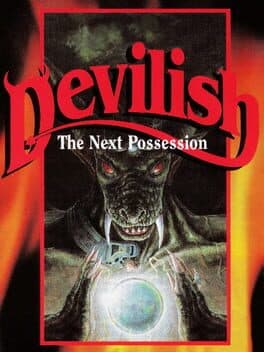
Devilish: The Next Possession
Genki1992
"Devilish" is different from other paddle games by letting you play with two paddles. The lower one behaves just like a usual paddle - you use it to prevent the ball from dropping down. The upper one can move and turn, allowing you to hit the ball from different angles and from different parts of the screen. You advance through levels by destroying bricks and enemies, going up until the level boss enemy appears.
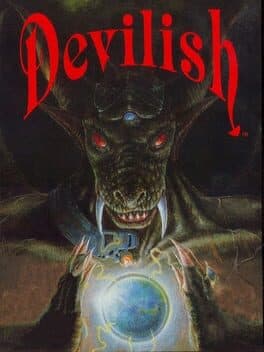
Devilish
Opera House1991
A prince and princess were in love with each other until a jealous demon turned the happy couple into a set of stone paddles; resembling that of the pinball kind.Suddenly, a ball came into existence that could use the prince and princess in order to defeat the demons that now rule over the kingdom. Players have to use two paddles; the upper one is used to defeat demons while the lower one helps to prevent the player from dropping to its demise at the bottom of the board. By defeating bad guys and smashing through breakable blocks, the player advances towards the boss of each level. Resembling a harder version of Arkanoid, the vertically scrolling screen forces the ball to move constantly forward in an attempt to reach the boss. Only the Sega Mega Drive version has a two-player option. Players can choose between three difficulty levels in the Game Gear version and can also select an option to do a time trial.