-
Average rating
80
Games
0
Votes cast
Heartbeat
Shipped Titles
Games (80)

Epoch
Epoch2024
This game is a vibrant color-matching puzzle experience.
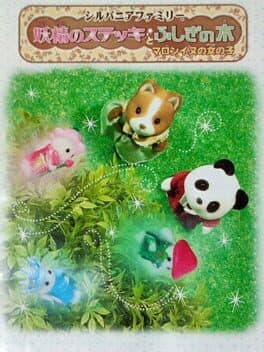
Sylvanian Families: Yousei no Stick to Fushigi no Ki Maron Inu no Onna no ko
2003
The Sylvanian Families series drops the numbering scheme for this fifth RPG.
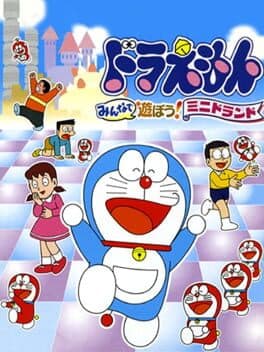
Doraemon: Minna de Asobou! Minidorando
2003
Doraemon: Minna de Asobou! Minidorando is an Action game, developed by Agenda and published by Epoch, which was released in Japan in 2003.
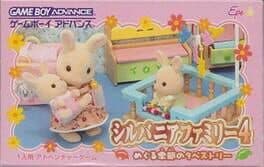
Sylvanian Families 4: Meguru Kisetsu no Tapestry
2002
The Sylvanian Families series moves to Game Boy Advance
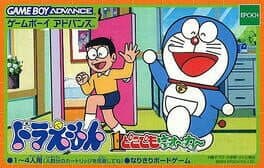
Doraemon Dokodemo Walker
2002
A Doraemon boardgame for Game Boy Advance.
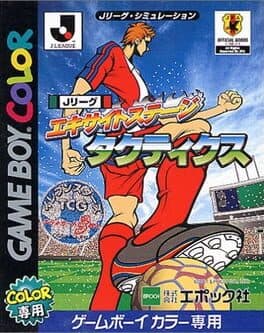
J.League Excite Stage Tactics
2001
Released in 2001 for the Game Boy Color.
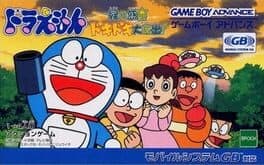
Doraemon: Midori no Wakusei Doki-doki Daikyuushutsu!
2001
A Doraemon RPG for Game Boy Advance.
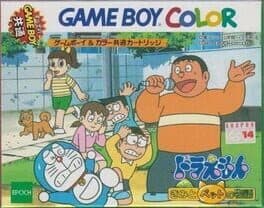
Doraemon: Kimi to Pet no Monogatari
2001
Doraemon: Kimi to Pet no Monogatari is a RPG game on Game Boy Color, released on 2001.
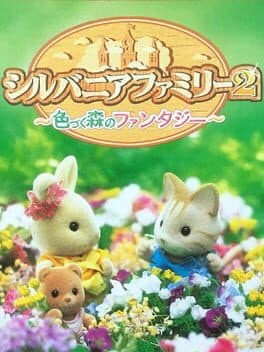
Sylvanian Families 2: Irozuku Mori no Fantasy
Epoch Co., Ltd.2000
The sequel to Otogi no Kuni no Pendant. You play as a girl from the Ivory Rabbit family, embarking on an adventure to restore the "colors" that have vanished from the fairy tale world.
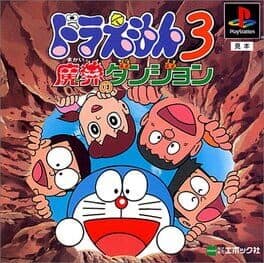
Doraemon 3: Makai no Dungeon
2000
A Doraemon RPG for the PlayStation.
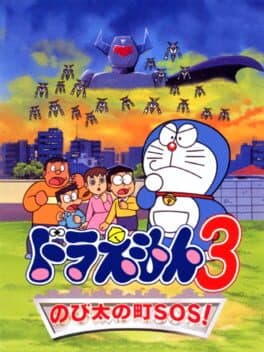
Doraemon 3: Nobita no Machi SOS!
Epoch2000
Doraemon 3: Nobita no Machi SOS! is an action game for the Nintendo 64. It was released only in Japan in 2000. The game is based on the Japanese manga Doraemon and has is the sequel to two N64 games, Doraemon: Nobita to Mittsu no Seireiseki and Doraemon 2: Nobita to Hikari no Shinden, all only released in Japan.

Sylvanian Melody: Mori no Nakama to Odorimasho!
Natsume Inc.2000
A music game based on the Sylvanian Families toy line.
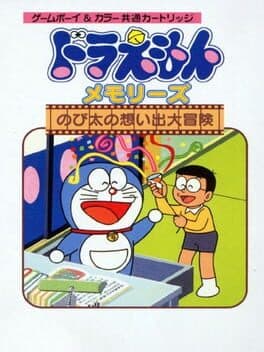
Doraemon Memories: Nobita no Omoide Daibouken
2000
The game was produced and released in conjunction with the 30 year anniversary event of Doraemon's manga. The purpose is to collect "memorial shots," which are excerpts of comics in action scenes inserted between scenes while watching dialogue between characters. The package illustrations are the anime pictures of the time, but the in-game graphics and settings such as calling Shizuka Minamoto "Shizu-chan" are in compliance with the manga, and there are dialogue scenes and quizzes that can not be understood without perusing the manga, making this a unique game that is clearly different in its target audience than before.
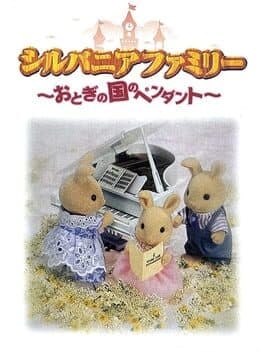
Sylvanian Families: Otogi no Kuni no Pendant
Epoch1999
An ivory rabbit called Aster Dandelion ventures into the heart of the forest during a picnic and aids an injured fairy. She is left with a magical pendant that has a mysterious power that turns reality into dreams at the stroke of six in the evening. Now Aster has a quest to return the pendant to Fairyland while she tries to carry on with her daily life. In Sylvanian Families: Otogi no Kuni no Pendant the player navigates Aster around Sylvania Village, talking to her acquaintances, interacting with objects and completing various tasks, whether she’s at home, school or at a friend’s house. Various mini-games must be won to earn seeds for growing flowers as well as furniture to decorate Aster’s bedroom. There’s also optional side quests such as sprinkling vividust on wilted flowers.
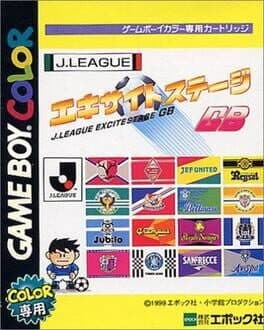
J.League Excite Stage GB
1999
J.League Excite Stage GB is a Japanese soccer game for the Game Boy Color.
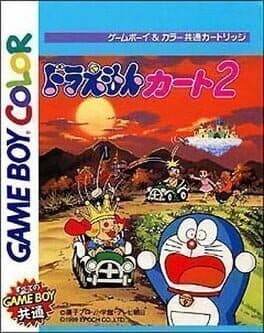
Doraemon Kart 2
1999
Doraemon, Nobita and all their friends are back on the race track! Challenge the grand prix and win the cup!
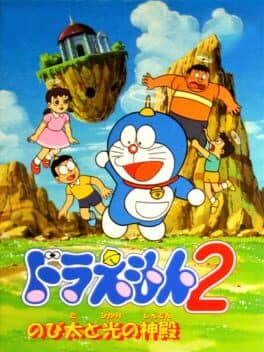
Doraemon 2: Nobita to Hikari no Shinden
Epoch1998
Doraemon 2: Nobita to Hikari no Shinden (Doraemon 2: Nobita and the Temple of Light) is an action game for the Nintendo 64. It was released only in Japan in 1998 . The game is based on the Japanese manga Doraemon and is the second in the Nintendo 64 series, it was preceded by Doraemon: Nobita to Mittsu no Seirei Ishi and followed by Doraemon 3: Nobi Dai no Machi SOS!, all only released in Japan.
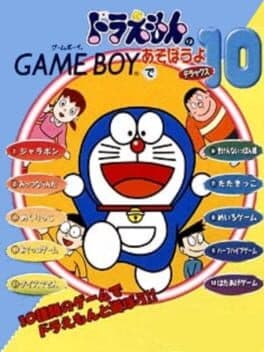
Doraemon no Game Boy de Asobou yo Deluxe 10
1998
A game software in which you can play mini games such as picture matches and flag raising. There are 10 games in all, and you can play them against each other using a Game Link Cable.
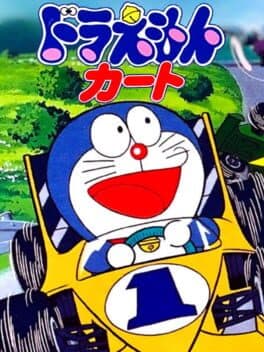
Doraemon Kart
Epoch1998
Based on the popular TV animation, Doraemon must race his friends and win the cup!
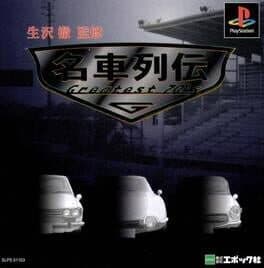
Tetsu Ikuzawa Kanshuu Meisha Retsuden: Greatest 70's
Graphic Research1997
A PlayStation racing game featuring driver Tetsu Ikuzawa and vehicles from his career in the 1960s-1970s.
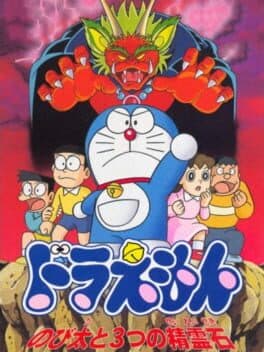
Doraemon: Nobita to 3-tsu no Seireiseki
Locomotive Corporation1997
Doraemon: Nobita to Mittsu no Seireiseki is a 3D platform action game for the Nintendo 64. It was released only in Japan in 1997. The game is based on the Japanese manga Doraemon and has two Nintendo 64 sequels, Doraemon 2: Nobita to Hikari no Shinden and Doraemon 3: Nobita no Machi SOS!, both only released in Japan.
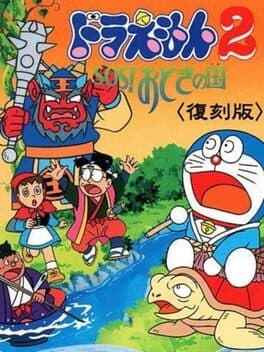
Doraemon 2: SOS! Otogi no Kuni
1997
The second Doraemon game released for the PlayStation. A side-scrolling platform action game where you control Doraemon, Nobita & friends as they take the role of famous fairy tale characters.
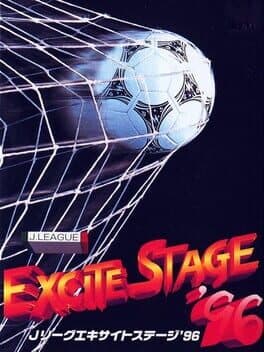
J.League Excite Stage '96
A-Max1996
J.League Excite Stage '96 is a Sports game, developed by A-Max and published by Epoch, which was released in Japan in 1996.
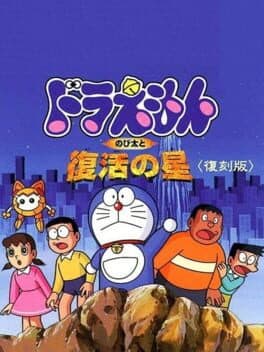
Doraemon: Nobita to Fukkatsu no Hoshi
Epoch1996
Doraemon: Nobita to Fukkatsu no Hoshi is a side-scrolling action platformer, and one of the many titles based on the long-running children's cartoon. The game is divided into short platform stages, each with a specific objective or goal that must be completed to move on. Between stages, there are voiced visual novel-style sequences which move the story forward. There are sometimes choices available in these sections, which can affect which stage the player reaches next.
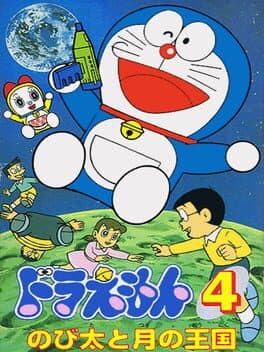
Doraemon 4: Nobita to Tsuki no Oukoku
AGENDA1995
The fourth and final Doraemon platformer for the Super Famicom. Doraemon is a blue cat robot who came from the future to protect a Japanese boy named Nobita. Nobita always gets himself in all kinds of troubles, so his grandson in the future decided to help In this game, Doraemon and friends decide to visit the moon.
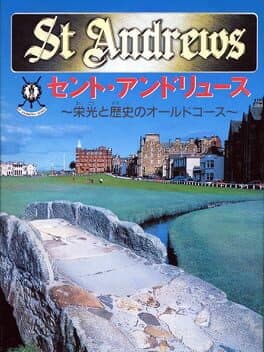
St Andrews: Eikou to Rekishi no Old Course
1995
St Andrews: Eikou to Rekishi no Old Course is a Sports game, published by Epoch, which was released in Japan in 1995.
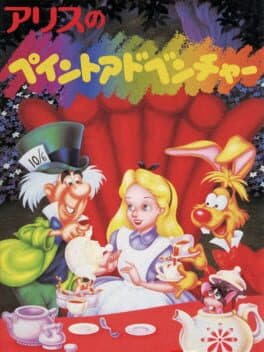
Alice no Paint Adventure
SAS Sakata1995
There is a story mode, a painting mode, and midway-style games. Story mode comes in interactive mode (with passwords) or as a short movie that can be watched in less than an hour. Although the game is directed towards children, literacy in both Japanese and English is required in order to properly enjoy the story mode and to fully understand the rules. The three arcade games present in the game include painting the roses red, whacking characters from the story, matching creatures like in the card game Concentration. The painting mode can be likened to an extremely simplified version of Mario Paint. There is only one eraser tool and paintings cannot be saved into memory or printed on a printer. Only 16 colors can be used on canvases that feature the film's characters; the full 256-color spectrum is reserved for the blank canvas. While the blank canvas allows for total creativity for older children, the "character canvases" are good for teaching hand-to-eye coordination with very young children. During the interactive adventure, the Queen of Hearts divides a magic globe into three different colored miniature globes. As a result, all the color in Wonderland turns into monochrome and Alice must find the globes in order to restore color to Wonderland. Additional content was unlocked by scanning barcodes with Barcode Battler II connected via a "Barcode Battler II Interface".
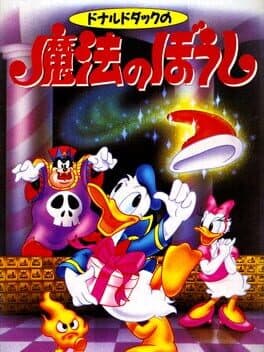
Donald Duck no Mahou no Boushi
Sakata SAS1995
A Donald Duck licensed platformer released in 1995 for the Super Famicom. Donald gets transported into a world of dreams through the use of a Magic Cap, and must stop the evil Magician Pete to save this unknown land.
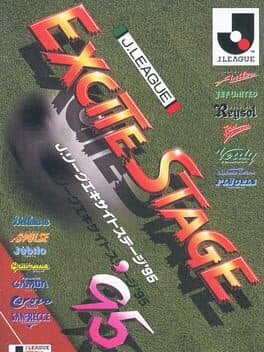
J.League Excite Stage '95
A-Max1995
J.League Excite Stage '95 is a Sports game, developed by A-Max and published by Epoch, which was released in Japan in 1995.
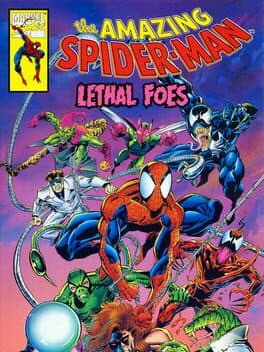
The Amazing Spider-Man: Lethal Foes
Epoch1995
The Amazing Spider-Man: Lethal Foes is an action game released in 1995 for the Super Famicom, showcasing the Marvel Comics character Spider-Man. This game, launched in Japan, seems to have drawn its title inspiration from the 1993 limited series "The Lethal Foes of Spider-Man." However, it's important to note that the game's storyline diverges from that of the comic, despite incorporating various adversaries of Spider-Man.
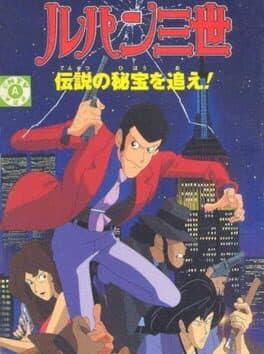
Lupin III: Densetsu no Hihou wo Oe!
Pop House1995
Lupin, Jigen, and Goemon are at their Manhattan hideout plotting their next caper, when suddenly a large masked man bursts in. The man is escorted by a woman who proceeds to tell Lupin and the others that Fujiko has been kidnapped and is being held prisoner at one of the skyscrapers downtown. In order to get her back they must find the fountain of youth. When the two leave, Lupin decides to go and rescue Fujiko himself and sets off to save her. When arrives he discovers that the building is crawling with police, all under the command of Zenigata... so Lupin must enter through the building's ventilation to find Fujiko.
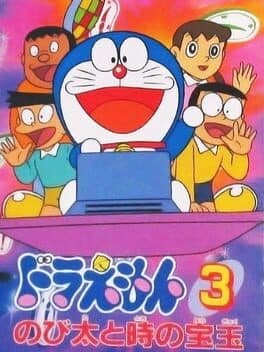
Doraemon 3: Nobita to Toki no Hougyoku
AIM Productions1994
Doraemon 3: Nobita to Toki no Hougyoku is an Action game, developed by AIM and published by Epoch, which was released in Japan in 1994.
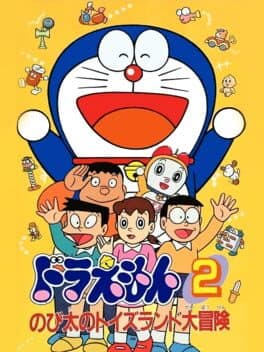
Doraemon 2: Nobita no Toys Land Daibouken
SAS Sakata1993
Doraemon 2: Nobita no Toys Land Daibouken is an Action game, developed by SAS Sakata and published by Epoch, which was released in Japan in 1993.
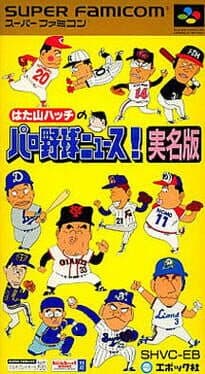
Hatayama Hacchi no Pro Yakyuu News! Jitsumei-ban
AGENDA1993
Hatayama Hacchi no Pro Yakyuu News! Jitsumei-ban is a Sports game, developed by Agenda and published by Epoch, which was released in Japan in 1993.
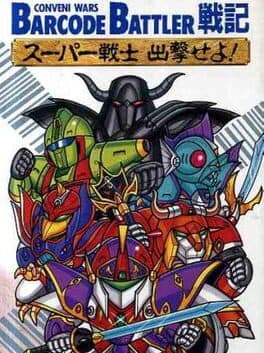
Conveni Wars: Barcode Battler Senki - Super Senshi Shutsugeki seyo!
SAS Sakata1993
Conveni Wars: Barcode Battler Senki - Super Senshi Shutsugeki Seyo! is a Strategy game, developed by SAS Sakata and published by Epoch, which was released in Japan in 1993.
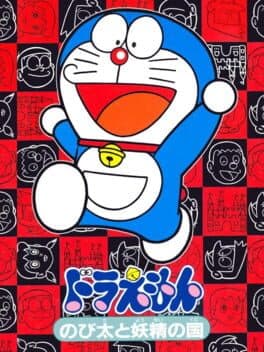
Doraemon: Nobita to Yousei no Kuni
SAS Sakata1993
Doraemon: Nobita to Yousei no Kuni is an Action game, developed by SAS Sakata and published by Epoch, which was released in Japan in 1993.
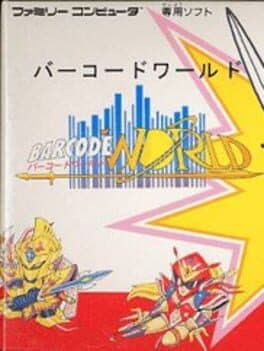
Barcode World
Epoch1992
A strategy game released in Japan on December 18th, 1992. Used in conjunction with the Barcode Battler II peripheral, Barcode World made a strategy game out of scanning a large number of Japanese consumer products.
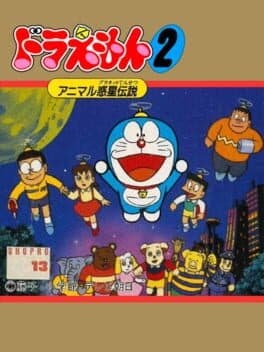
Doraemon 2: Animal Wakusei Densetsu
1992
A Doraemon action game for Game Boy.
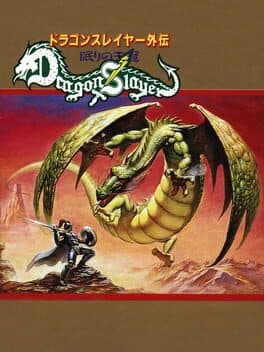
Dragon Slayer Gaiden: Nemuri no Oukan
AGENDA1992
Dragon Slayer Gaiden: Nemuri no Oukan is a spin-off from Dragon Slayer series, developed by Agenda and published by Epoch for the Game Boy platform. The game was only released in Japan. Gameplay differs somewhat from the original Dragon Slayer in that there are now outdoors areas, as well as npcs that send you on specific quests. Combat is still real-time, but a new attack button brings the game closer to other action-rpgs like Zelda.
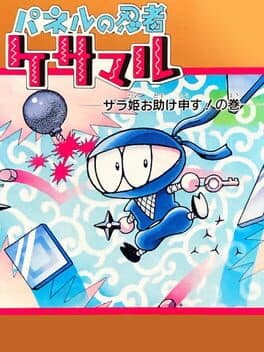
Panel no Ninja Kesamaru
SAS Sakata1992
Panel no Ninja Kesamaru is a Puzzle game, developed by SAS Sakata and published by Epoch, which was released in Japan in 1992.
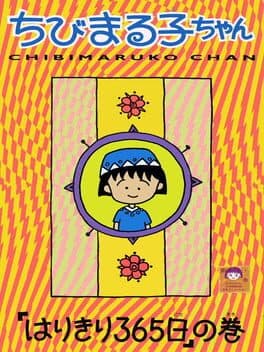
Chibi Maruko-chan: Harikiri 365-nichi no Maki
SAS Sakata1991
Chibi Maruko-Chan: Harikiri 365-Nichi no Maki is a Miscellaneous game, developed by SAS Sakata and published by Epoch, which was released in Japan in 1991.
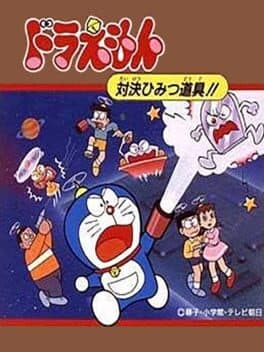
Doraemon: Taiketsu Himitsu Dougu!!
1991
Doraemon: Taiketsu Himitsu Dougu!! is a Game Boy action game on 1991. Doraemon rescues Nobita and others through a maze created by a time machine running amok. There are also shooters and bonus stages.
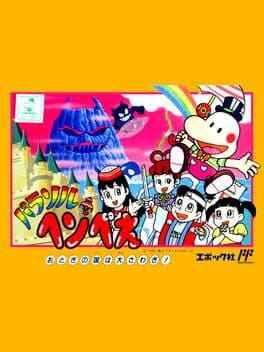
Parasol Henbee
Sakata SAS1991
This game is based on the Anime series of the same name and was released only in Japan for the Nintendo Famicom. Not to be confused with the Game Boy title of the same name.
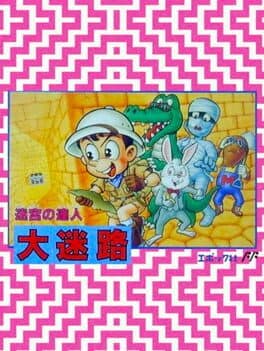
Dai Meiro: Meikyuu no Tatsujin
Epoch1990
Dai Meiro: Meikyu no Tatsujin is a grid-based dungeon crawler developed and published by Epoch. Unlike most dungeon crawlers Dai Meiro does not contain any enemies and is focused primarily on exploration. The game was released in Japan in 1990.
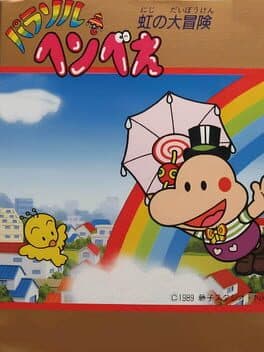
Parasol Henbee: Niji no Daibouken
SAS Sakata1990
Parasol Henbee is an Action game, developed by SAS Sakata and published by Epoch, which was released in Japan in 1990.
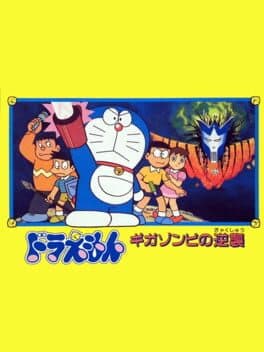
Doraemon: Giga Zombie no Gyakushuu
1990
The second video game outing for the popular Japanese children's character is a Final Fantasy style role-playing game. The player takes the role of Doraemon the robot cat and leads him on an adventure through time to stop the evil Giga Zombie.
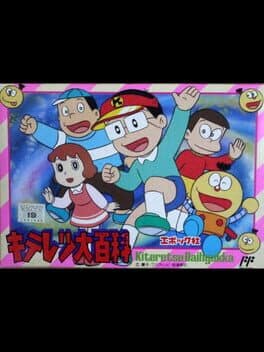
Kiteretsu Daihyakka
Epoch1990
Kiteretsu Daihyakka is an Action game, published by Epoch, which was released in Japan in 1990.
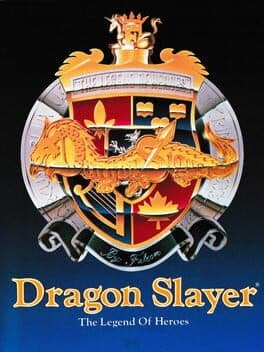
Dragon Slayer: The Legend of Heroes
Nihon Falcom1989
In this epic role-playing game, you must guide Prince Logan all accross the beautiful and dngerious world of Isrenasa in the quest to regain his throne. This game features a huge world to explore and many companions to join you on your journey. This game features one of the largest quests and most advanced interface of any role-playing game for the TurboDuo system.
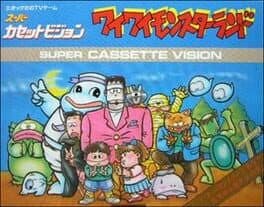
Wai-Wai Monster Land
Epoch1986
A comedic horror platformer released for the Super Cassette Vision
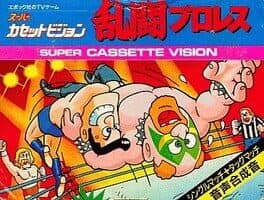
Rantou Proresu
Epoch1986
A Wrestling game for the Super Cassette Vision.
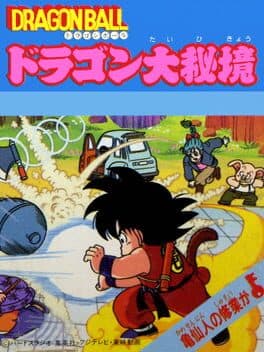
Dragon Ball: Dragon Daihikyou
Epoch1986
Dragon Ball: Dragon Daihikyou is the first Dragon Ball console video game ever released. It was developed and released by Epoch in September 27, 1986, for the Super Cassette Vision console, making it the only Dragon Ball game not produced or distributed by Bandai or the subsequent Namco Bandai.
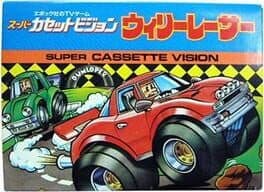
Wheelie Racer
Epoch1985
A racing game produced by Epoch for the Super Cassette Vision in 1985.
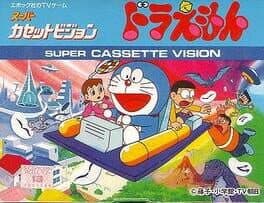
Doraemon: Nobita no Time Machine Daibouken
Epoch1985
An early Doraemon game for Super Cassette Vision.
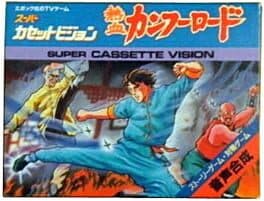
Kung Fu Road
Epoch1985
Kung Fu Road is a side-scrolling single-plane brawler for Super Cassette Vision.
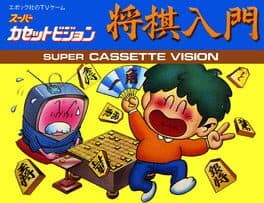
Shogi Nyuumon
Epoch1985
The objective of the game is to take the opposing king. When the king cannot avoid being caught on the next move, the game is over. They say the king is "Matt". The shogi opposes two players who take turns playing. The Shogi chess board is called Shogi Ban ("Shogi table") and has 81 squares (9 x 9), the three rows furthest from the players constituting their promotion area. At the start of the game each player has 20 pieces: a king, a rook, a bishop, two gold generals, two silver generals, two horsemen, two spears, and nine pawns.
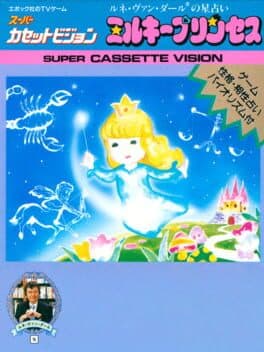
Milky Princess
Epoch1985
A horoscope fortune telling program with an game component for Super Cassette Vision. The game feature four main modes: 1. Accurate reading 2. Playful reading 3. Biorhythm 4. Game The game portion consists of guiding a prince around the screen chasing away monsters from the Princess who floats on the screen. If the monsters touch the princess her balloon deflates, if it pops she will fall and the game is over. The prince can move to the princess to inflate her balloon again. As the title implies the game is sponsored by Astrology and Pseudo Science personality René van Dahl Watanabe who also features on the cover of the game.
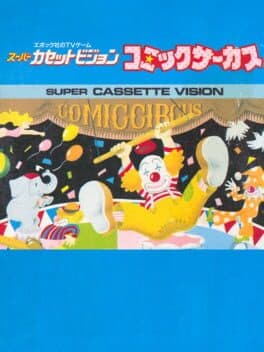
Comic Circus
Epoch1985
An arcade style game where you play as a bunch of clowns trying to perform a circus act where they use acrobatics to catch doves. The game is divided into three stages. In the first stage you control two clowns using a seesaw to catch doves. In the second stage you control two clowns bouncing the third on a trampoline to catch the doves. In the third stage you control a bouncy pillow trying to help one of your clown friends bounce to catch the doves, near the top of the screen two additional clowns are performing acrobatics and will catch the bouncing clown if he makes it up there, which will help you reach the high perching doves.
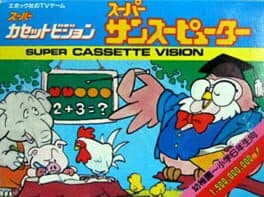
Super Sumsputer
Epoch1985
An educational math game released for the Super Cassette Vision in 1985.
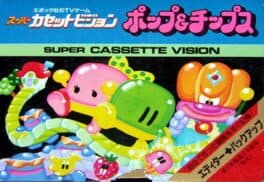
Pop & Chips
Epoch1985
The adventure of Pop and Chips begins with the fairy Pippi, who has been kidnapped by Pumpkin the Great. There are blocks that can be broken and blocks that cannot be broken on the screen. When you break the fruit block, Pippi appears and moves up and down on the screen, and when you go around and back to the original position, he returns to the original fruit block. If you touch Pippi, he will be collected at the top left of the screen. Once you return to the fruit, the movement will be faster from the second time. Clear the screen by collecting all the Pippi.
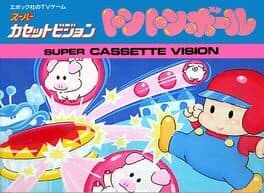
Ton Ton Ball
Epoch1985
Ton Ton Ball is a billiard style pinball game with action elements. Clear the level when you finish putting Tonton in the house within the time limit.
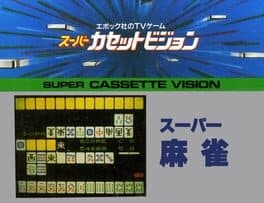
Super Mahjong
Epoch1984
Super Mahjong is a one-on-one mahjong game for one player.
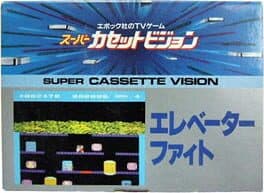
Elevator Fight
Epoch1984
A run-and-gun where players use elevators to ascend and descend between platforms.
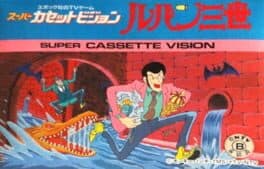
Lupin III
Epoch1984
The first home console Lupin III game, released for Super Cassette Vision in 1984.
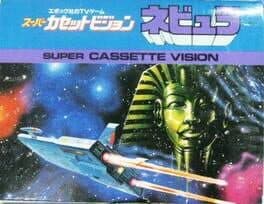
Nebula
Epoch1984
You are on the Planet NEBULA during the time of the Pharaohs in 2019. A thousand of pitfalls await you and the Gods see you when you approach their tombs. Can you use your laser beams and homing bombs to destroy them? Make no mistake, because it will be fatal! Contains four levels for one or two players.
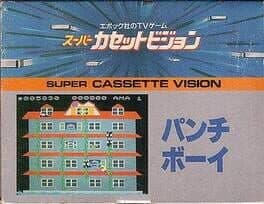
Punch Boy
Epoch1984
Armed with a mini-punch, the main character, Punch Boy, goes through a maze of various gimmicks to Monster Castle, defeats four bosses and saves the captured Lady. In the maze, monsters are born from rock-like eggs (which can be rolled with a punch). The monster does not accept mini punches from other than the front, faints with the mini punch from the front, and can be defeated with another blow. Some eggs do not hatch, and monsters and punch boys often roll eggs.
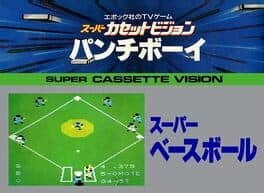
Super Baseball
Epoch1984
Super Baseball has a relatively orthodox system for an early baseball game, and the basic operation method is not much different from that of subsequent family stadiums (there are also changing balls and ball speed adjustments). It has some pioneering features as a baseball game of the pre-Family era.
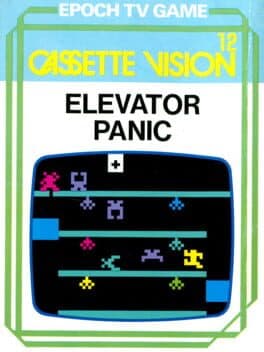
Elevator Panic
Epoch1984
The eleventh and final game to be officially released for the Epoch Cassette Vision. It is labelled 12 because game 10 (Grand Champion) was cancelled.
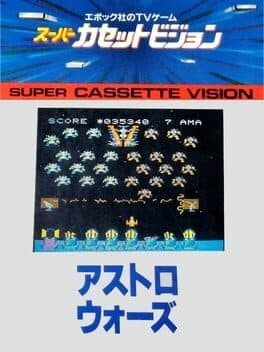
Astro Wars: Invader From Space
Epoch1984
Astro Wars (subtitled Invader From Space on the title screen) is a space shooter for the Super Cassette Vision.
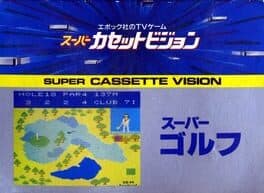
Super Golf
Epoch1984
The course has 18 holes and a total length of 5,805 meters. You have to get the ball into the hole with a minimum of strokes, despite the wind and many obstacles. You can choose the club, the direction and the force with which the ball will be sent. Challenge your friends, one to four people can play together.
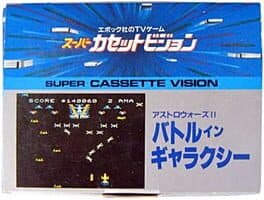
Astro Wars II: Battle in Galaxy
Epoch1984
Astro Wars II: Battle in Galaxy is the follow-up to Super Cassette Vision's previous space shooter.
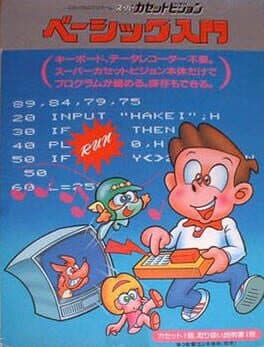
Basic Nyuumon
Epoch1984
A collection of four simple BASIC games for the Super Cassette Vision.
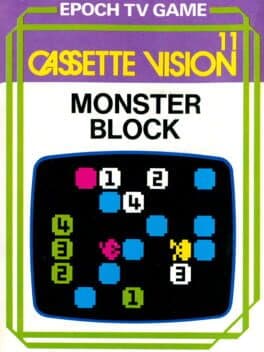
Monster Block
Epoch1984
The tenth game released for the Epoch Cassette Vision, despite being numbered 11 due to the 10th game, Grand Champion, having been cancelled. The game is a puzzle game inspired by Pengo.
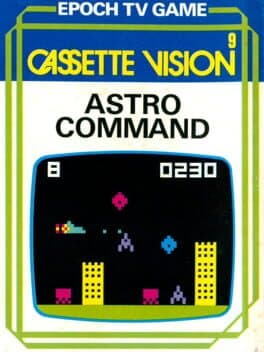
Astro Command
Epoch1983
Ninth game released for the Epoch Cassette Vision. A space game inspired by Scramble.
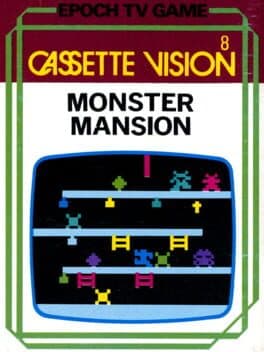
Monster Mansion
Epoch1982
The eight game released for the Epoch Cassette Vision. A Donkey Kong clone with a monster theme.
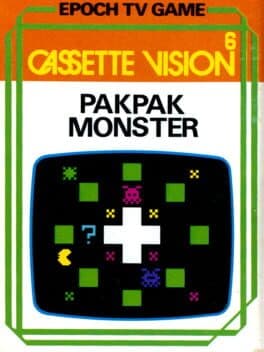
PakPak Monster
Epoch1982
Seventh game released for the Epoch Cassette Vision, despite being labelled game six, due to a delay during production. A clone of Pac-Man but with an unorthodox maze layout using a plus and blocks to make up the arena.
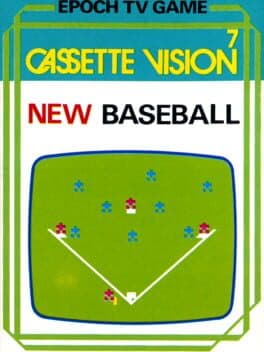
New Baseball
Epoch1982
The sixth game released for the Epoch Cassette Vision, despite being labelled 7, due to a delay to the game PakPak Monster. A new modernized version of the second game for the system, Baseball.
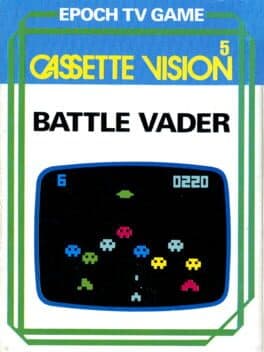
Battle Vader
Epoch1982
The fifth game released for the Epoch Cassette Vision. This time it is a clone of the game Space Invaders. Based on their previous dedicated console called the TV Vader.
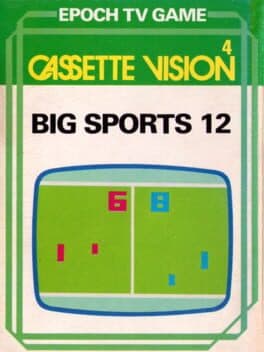
Big Sports 12
Epoch1981
Fourth game for the Epoch Cassette Vision. A collection of 12 games, including 4 which use the light gun peripheral released especially for this game. Surprisingly, the game contains three other shooting game (Shooting I, II and III) which do not use the light gun. The games are as follows: 1. Tennis 2. Volley Ball 3. Practice 4. Soccer 5. Squash 6. Shooting I 7. Shooting II 8. Shooting III 9. Gun I 10. Gun II 11. Gun III 12. Gun IV
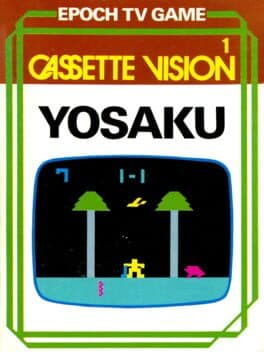
Kikori no Yosaku
Epoch1981
Launch title for the Epoch Cassette Vision. The goal of the game is to chop down trees while avoiding bird droppings and other animals. The game is an unauthorized conversion of the SNK arcade game Yosaku.

Survival Epoch
Epoch
In the post-Soviet space, among the abandoned alleys of the city, broken houses, everyone is trying to survive, in search of food, weapons and ammunition, you will stumble upon enemies or friends who will later become your companions and support in these harsh conditions.