-
Average rating
57
Games
0
Votes cast
Heartbeat
Shipped Titles
Games (57)
Hunter x Hunter: Nen x Impact
Eighting2025
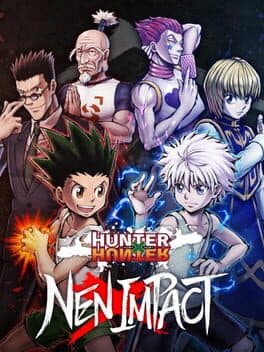
Hunter x Hunter: Nen x Impact is an upcoming Hunter x Hunter fighting game, Published by Bushiroad Games. Choose your favorite Nen User characters for the 3V3 Team Battle! The compatibility and order of the teammates are the keys to victory! Build the strongest team and battle for victory!

DNF Duel: Season Pass
Neople2023
The Season Pass for DNF Duel is set to have 5 characters released by the end of 2024, each character will also be available separately. The characters included are Spectre, Brawler, Battle Mage, Monk and a 5th to be revealed later.
Zoids Wild: Infinity Blast
Takara Tomy2020
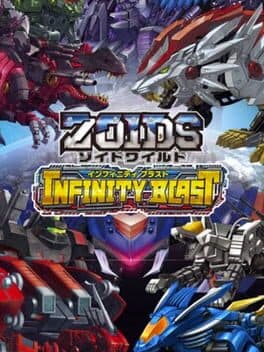
Zoids Wild: Infinity Blast is a Zoids game released for the Nintendo Switch. Gameplay is similar to Zoids Wild: Blast Unleashed, with newer Zoids and custom parts, including Zoids unrelated to the Zoids: Wild anime.
Zoids Wild: Blast Unleashed
Takara Tomy2019
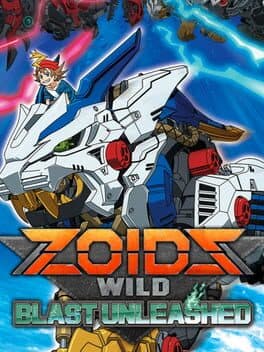
An new game based on Zoids Wild announced for the Nintendo Switch. A new anime series called Zoids Wild was announced with a toy line arriving first as well as a manga, a phone app and the Switch game.
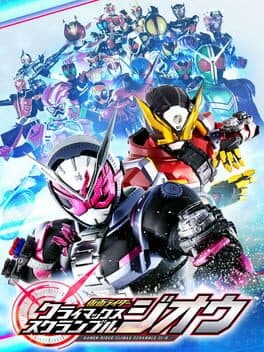
Kamen Rider: Climax Scramble
Bandai Namco Games Daewon Media (South Korea)2018
Kamen Rider: Climax Scramble, is a Japanese fighting game developed by Eighting and Bandai Namco Entertainment exclusively for the Nintendo Switch. Serving as the sequel to Kamen Rider: Climax Fighters, it is the second installment of the Climax Fighters reboot and the seventh overall installment of the Kamen Rider: Climax series. Celebrating the 20th anniversary of the franchise, the game features all the Riders within the Heisei-era that ended with Zi-O as playable characters.
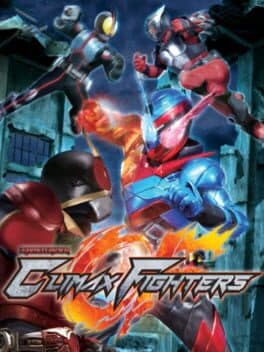
Kamen Rider: Climax Fighters
Eighting2017
Kamen Rider returns to the fighting game genre after a brief absence.
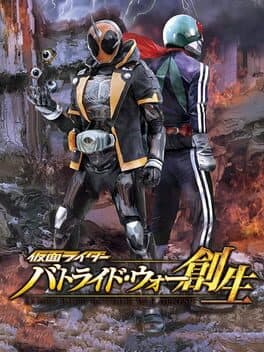
Kamen Rider: Battride War Genesis
Eighting2016
Kamen Rider: Battride War Genesis is an upcoming Japanese action game based on the long-running Kamen Rider tokusatsu superhero television series. The game is described as a "dramatic Rider action game".
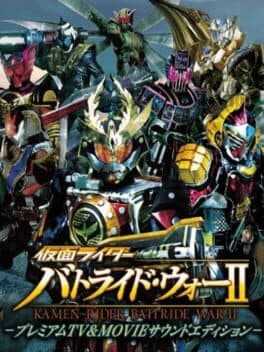
Kamen Rider: Battride War II
Eighting2014
Kamen Rider: Battride War II was released on June 26, 2014, and it features characters from the most recent TV series Kamen Rider Gaim as well as story scenarios based on the various Kamen Rider films, including the Movie Wars series. As with the original game, a limited edition version with the theme songs from the TV series and films was also released. The game was announced on February 6, 2014 in the Dengeki PlayStation magazine. In addition to the PlayStation 3, Battride War II was released on the Wii U. Kamen Rider Girls performed the game's theme song "Break the shell".
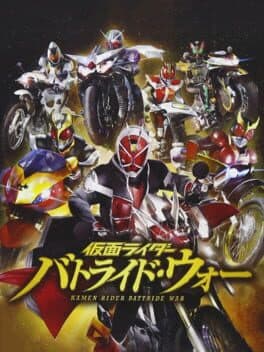
Kamen Rider: Battride War
Eighting2013
Kamen Rider: Battride War is a video game based on the Kamen Rider Series, released for the PlayStation 3 on May 23, 2013. Done in the style of Dynasty Warriors, the player controls one of the Kamen Riders as he battles through a series of enemies. The game mainly features the protagonists of the Heisei era of Kamen Rider, starting with 2000's Kamen Rider Kuuga and featuring up to 2013's Kamen Rider Wizard. Showa-era Kamen Riders were originally meant to be released as downloadable content, but only two alternate versions of characters were released instead. A limited edition of the game was released that has a soundtrack that includes the original theme songs from the TV series and films.
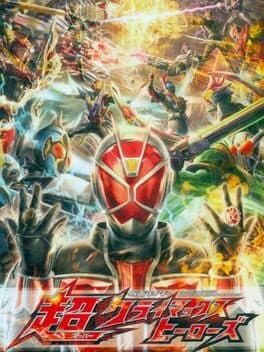
Kamen Rider: Super Climax Heroes
Eighting2012
The 2012 entry of the Climax Heroes series. The controls and mechanics have been revamped, with playstyles similar to a free-roam Marvel vs Capcom. Several tertiary Riders were added to the roster.
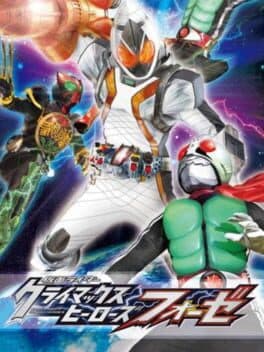
Kamen Rider: Climax Heroes Fourze
Eighting2011
Kamen Rider: Climax Heroes Fourze is a Japanese fighting game developed by Eighting and Bandai Namco Entertainment for the PlayStation Portable and Nintendo Wii. Serving as the sequel to Climax Heroes OOO, it is the fourth installment of the Kamen Rider: Climax series and celebrates the 40th anniversary of the franchise. Thus, it features all Heisei-era Riders up until Fourze, as well as a selection of Showa-era Riders as playable characters. A sequel featuring Wizard was released in 2012.
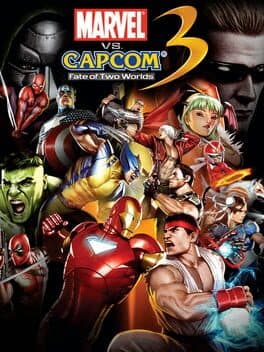
Marvel vs. Capcom 3: Fate of Two Worlds
Eighting2011
Marvel vs. Capcom 3: Fate of Two Worlds is a crossover fighting game developed by Capcom in collaboration with Eighting. The game features characters from both Capcom's video game franchises and comic book series published by Marvel Comics. It was released for the PlayStation 3 and Xbox 360 consoles in February 2011. It is the fifth installment of the Marvel vs. Capcom franchise and the first to use three-dimensional character models instead of sprites. In Marvel vs. Capcom 3, players select a team of three characters to engage in combat and attempt to knock out their opponents. It features similar tag team game mechanics to earlier games in the series, along with new methods of play designed to make the game more accessible to new players. The game was produced by Ryota Niitsuma, who had previously worked on Tatsunoko vs. Capcom: Ultimate All-Stars, which utilizes the same simplified three-button attack system. The game received generally positive reviews from critics, who praised its gameplay and character roster, while criticizing its online component and lack of features and game modes. More than 2 million units were shipped worldwide a month after its debut, rendering it a commercial success. Less than a year after its release, Capcom announced an updated version of the game, titled Ultimate Marvel vs. Capcom 3. The standalone update was released in November 2011, and featured additional characters, stages, and gameplay tweaks.
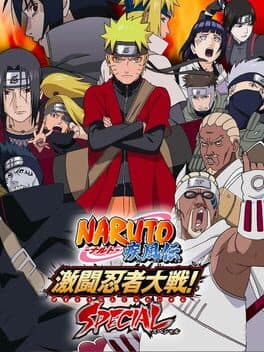
Naruto Shippuden: Gekitou Ninja Taisen! Special
Eighting2010
Naruto Shippuden: Gekitou Ninja Taisen! Special is the eighth instalment of the Gekitō Ninja Taisen series.
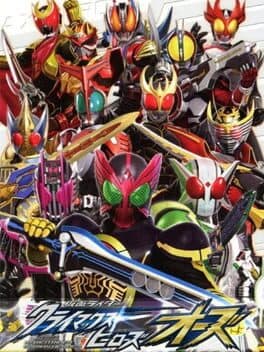
Kamen Rider: Climax Heroes OOO
Eighting2010
Kamen Rider: Climax Heroes OOO is a Japanese fighting game developed by Eighting and Bandai Namco Entertainment for the PlayStation Portable and Nintendo Wii. Serving as the sequel to Climax Heroes W, it is the third installment of the Kamen Rider: Climax series and features all Heisei-era Riders up until OOO as playable characters. A sequel featuring Fourze was released in 2011.
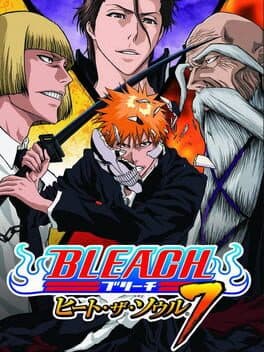
Bleach: Heat the Soul 7
Eighting2010
Bleach: Heat the Soul 7 is a newest installment in the "Heat the Soul" series released on September 2, 2010. The main change in this game is a 4-Players mode.[10] Battles against giant characters have also been confirmed. New characters that have been announced are Allon (Ayon), Coyote Starrk (Los Lobos), Baraggan Luisenbarn (Arrogante), Tia Harribel (Tiburon), Yammy Riyalgo (Ira), Ulquiorra Cifer (Segunda Etapa), Ichigo Kurosaki (Full Hollow), Muramasa, Hachigen Ushoda, Love Aikawa and Shuren (downloadable content); in all, 84 characters are playable.
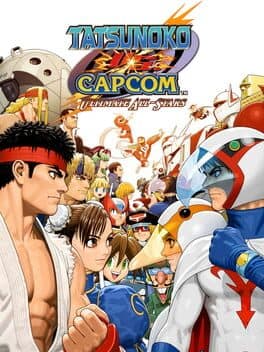
Tatsunoko vs. Capcom: Ultimate All Stars
Eighting2010
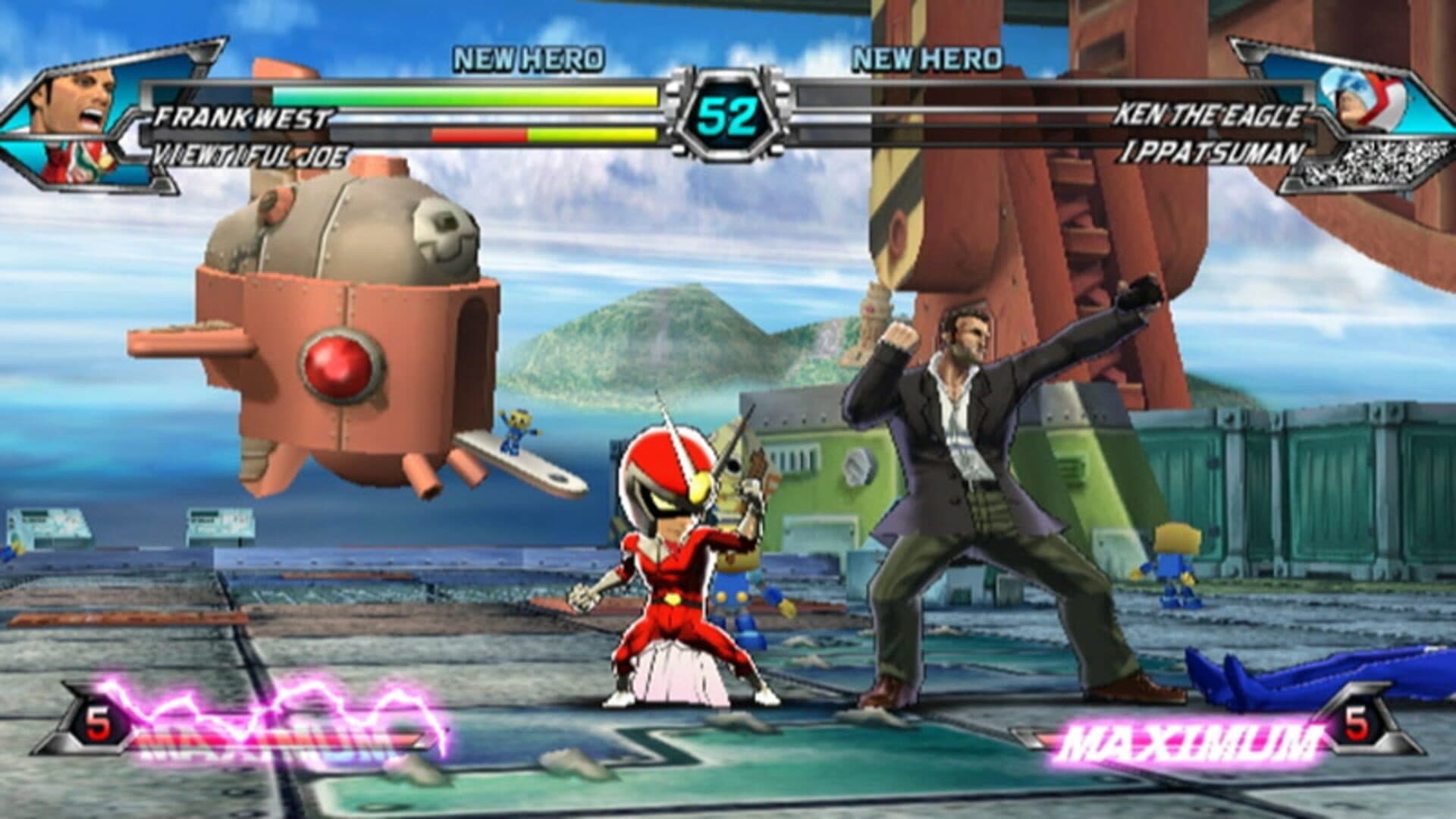
In Tatsunoko vs. Capcom, players engage in combat with teams of two characters - owned by Capcom or Tatsunoko Production - and attempt to knock out their opponents. The game is set in a 2.5D environment; characters fight in a two-dimensional arena, but character models and backgrounds are rendered in three-dimensional graphics.
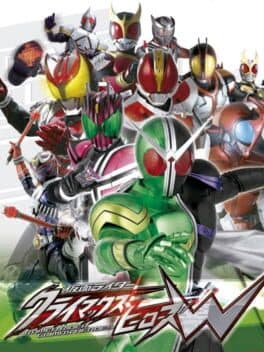
Kamen Rider: Climax Heroes W
Eighting2009
This game was announced in the October 8, 2009 issue of Weekly Famitsu and was released only in Japan. It features Kamen Rider Double from Kamen Rider W, which premiered after the release of the original Climax Heroes, as a playable character, as well as various kaijin such as Worms and Dopants. Although a reading for the letter "W" in the title is not given, it refers both to the new series W and the Wii platform for the game.
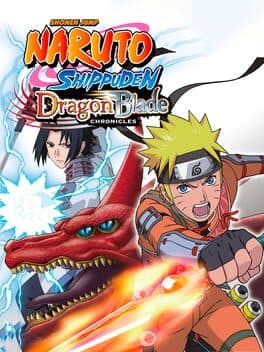
Naruto Shippuden: Dragon Blade Chronicles
Eighting2009
Take control of both Naruto and Sasuke as they go their own ways to seek out the mysteries and power behind Genryu, the mighty Elemental Dragons, in an all-new epic adventure. The world is in danger and only the power of the legendary Dragon Blade and rare elemental orbs hidden across the land can save it. As Naruto, you will use special orbs collected from the powerful Genryu to enhance your Dragon Blade with new powers, acquire new skills by finding and equipping dozens of Ninja Scrolls hidden throughout the world, and take on gigantic dragons in incredible boss battles! With two superstars in one game, you won't want to miss this amazing adventure
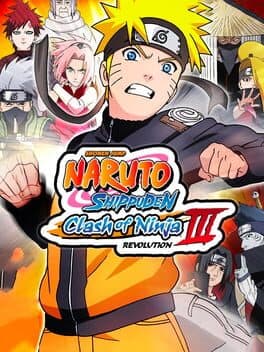
Naruto Shippuden: Clash of Ninja Revolution 3
Eighting2009
Naruto Shippuden: Clash of Ninja Revolution 3 is an exciting new fighting game based on the hit Naruto Shippuden animated series, exclusively for Wii
Kamen Rider: Climax Heroes
Eighting2009
Kamen Rider: Climax Heroes is a 3D crossover fighting game featuring the heroes of 10 different Kamen Rider TV series, from Kuuga through to Decade. The story is set in the Decade universe, where the worlds of the other nine Riders are all combining into one, and they must work together to save their worlds before they are completely destroyed. The game plays much like other 3D fighters such as Tekken, with the major addition being the so-called "Form Change" system that allows each Rider to transform during battle, and even in the middle of a combo. The main story mode is "Decade Mode", where the player must complete various missions with different characters to proceed through the story. There are also standard Versus, Survival, and Training modes. The game also includes a simple control option for younger players.
Bleach: Heat the Soul 6
Eighting2009
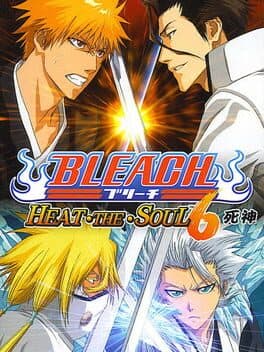
Bleach: Heat the Soul 6 is the sixth game in the Heat the Soul series based on Tite Kubo's Bleach, which was released in Japan on May 14, 2009. It includes more Arrancar Resurrections like that of Nnoitora, Szayelapporo Grantz or Nel(Gamuza). The game has a new championship mode added in which you can fight tournament style similar to Bleach Soul Carnival and a customization mode exclusive to Heat the Soul 6. The game's story mode starts from the day Ichigo got his powers to the Espada/Soul Reaper showdowns to date in the anime. It boasts an amazing character roster consisting of 74 playable characters including Senna, Sojiro Kusaka, Dark Rukia, and the Visored and Tessai in their Soul Reaper uniforms from the "Turn Back the Pendulum" arc. Its opening theme is "Koyoi, Tsuki ga Miezu Tomo" by Porno Graffitti which was also used for Bleach: Fade to Black.
Tatsunoko vs. Capcom: Cross Generation of Heroes
Eighting2008
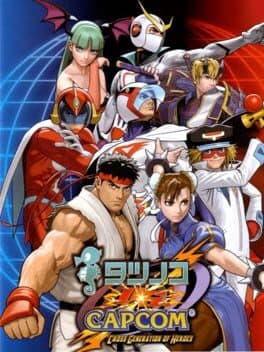
The first version of Tatsunoko vs. Capcom, released in arcades.
Naruto Shippuden: Gekitou Ninja Taisen! EX 3
Eighting2008
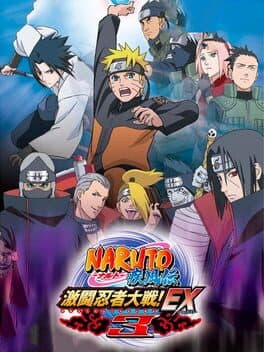
Naruto Shippuden: Gekitou Ninja Taisen! EX 3 is the seventh instalment of the Gekitō Ninja Taisen series.
Castlevania Judgment
Eighting2008
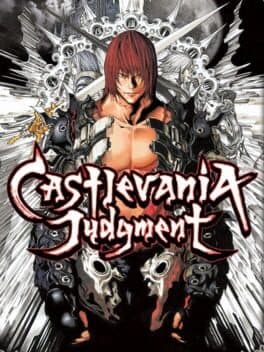
Castlevania Judgement is a first in many: it's the first Castlevania beat'em up. It's also the first time old friends of the Belmont clan meet together in a full 3D environment. Galamoth pursues to change the course of fate by resurrecting a 10,000 year old demon, Time Reaper, to destroy Dracula. Aeon, a magician who discovers Galamoth's plan, summons past and present Castlevania heroes through a time rift to stop Galamoth. Castlevania Judgement is a 3D beat em up where you go one-on-one against friends or computer foes. Several different game modes like the usual beat em up modes of story, training and versus. In addition there's a Castle mode, where you must venture through Dracula's Castle before going face to face with Time Reaper. Survival mode has you fighting for time as there are no continues.

Soul Eater: Plot of Medusa
Eighting2008
With the world order under threat from the plight of the Kishin, three teams work to hone their skills at the at the famous “Death Weapon Meister Academy”. Maka, Black☆Star and Kid are on a mission to gather enough souls to turn their partners into Death Scythes - weapons worthy of being wielded by Lord Death himself. Facing off against Witches, Zombies and Immortals, they must learn to overcome their own weaknesses, lest they become consumed by madness. Based on the series of the same name, the game follows along the first half of the anime.
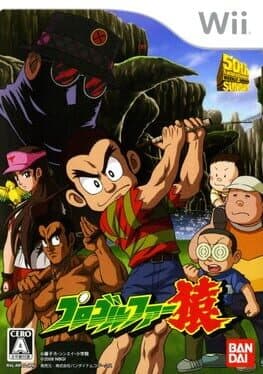
Pro Golfer Saru
Eighting2008
The Wii version of Golfer Ape is a golf game that reproduces the content of the original manga and animation. The original is a golf manga produced by Japanese cartoonist Fujiko Fujio A. The protagonist is often called "ape" because he looks like a monkey. In the game version, players have to compete with assassins organized by Shadow Golf in the natural environment. The various nirvana skills that appeared in the original work also have a very gorgeous performance in the game. Using the somatosensory operation of the Wii remote control, players will be able to experience a very realistic feeling of hitting the ball during the game.
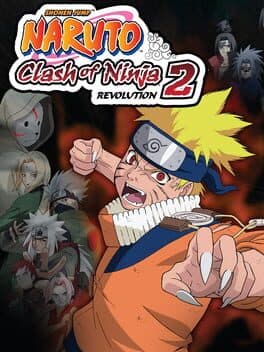
Naruto: Clash of Ninja Revolution 2
Eighting2008
NARUTO: Clash of Ninja Revolution 2 provides players with quality fighting game mechanics and a fast-paced gameplay experience on Wii. Set after Sasuke leaves the Leaf Village to gain more power from Orochimaru, the title offers a slew of playable characters, including those developed especially for the storyline. Clash of Ninja Revolution 2 features destructible stages and four-player multiplayer battles, along with gameplay modes and characters not yet seen on the Clash of Ninja series.
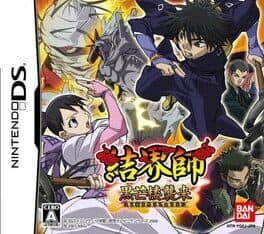
Kekkaishi: Kokubourou Shuurai
Eighting2008
Kekkaishi: Kokubourou Shuurai is based on the "Kekkaishi" manga and anime series. The story focuses on Yoshimori Sumimura and Tokine Yukimura, young heirs of rival families who possess the ability to create magical barriers known as "kekkai." They must defend the Karasumori site, a location rich in spiritual energy that attracts dangerous ayakashi, or supernatural beings. In this installment, the protagonists face a new threat from the Kokubourou, a powerful organization of ayakashi with its own sinister plans. The game combines action and strategy elements, allowing players to control Yoshimori and Tokine as they battle the Kokubourou forces. Players use the characters' kekkai powers with their stylus to capture and defeat enemies, navigate various environments, and complete missions. The gameplay emphasizes the strategic use of kekkai to overcome obstacles and defeat a variety of ayakashi with different strengths and weaknesses.
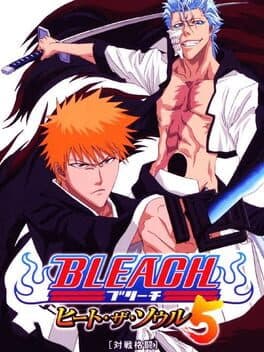
Bleach: Heat the Soul 5
Eighting2008
Bleach: Heat the Soul 5 is the fifth installment in the Heat the Soul series based on Tite Kubo's Bleach, released on May, 15th 2008 in Japan. Like previous installments it picks off where the other Heat The Soul left off, the story picks up from the entry of Hueco Mundo to the encounter between Grimmjow and Ichigo. New features include a "Tag Action" system and a new way for releasing zanpakutō. Transformations such as Bankai are now made when 2 bars of reiatsu is obtained and then pressing the L button, rather than selecting a character's Bankai form before a fight. There also seems to be 3 styles of tag action: offensive, defensive and technical. There is also a game mode called Tag Master, which lets you choose 2 characters to fight with in a series of fights. The system also includes specials which use the tagged partner's abilities. The game features 32 characters usable in Tag Battle mode, while extra characters can be obtained with Bleach: Heat The Soul 4 game save through game conversion. However, these characters are only usable in single mode with no in-game transformation. They are selected through a separate menu accessible by pressing L/R in the normal character menu.
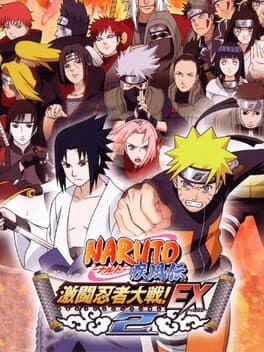
Naruto Shippuden: Gekitou Ninja Taisen! EX 2
Eighting2007
Naruto Shippuden: Gekitou Ninja Taisen EX 2 is the sixth instalment of the Gekitō Ninja Taisen series.

Bleach: Heat the Soul 4
Eighting2007
Bleach: Heat the Soul 4 is an Action game, developed by Eighting and published by SCEI, which was released in Asia in 2007.
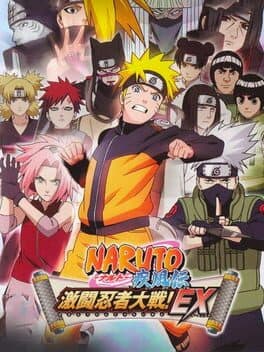
Naruto Shippuden: Gekitou Ninja Taisen! EX
Eighting2007
Naruto Shippuden: Gekitou Ninja Taisen! EX is the fifth instalment of the Japanese-exclusive Gekitō Ninja Taisen series. This game was also the first Gekitō Ninja Taisen game to be released for the Nintendo Wii as well as the first entry into the EX sub-series.
Master of Illusion
Eighting2006
Master of Illusion teaches the player how to perform selected "magic" tricks. Included with the box is a set of illusion cards which are used for many of the tricks included with the game. In all, there are over 20 illusions that you're able to learn through this software.
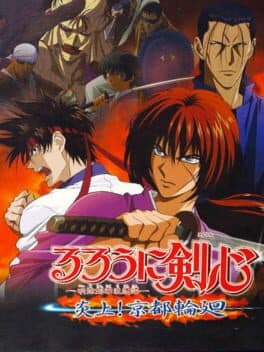
Rurouni Kenshin: Meiji Kenkaku Romantan - Enjou, Kyoto Rinne!
Eighting2006
Rurouni Kenshin: Meiji Kenkaku Romantan - Enjou, Kyoto Rinne! is a third person action game for the PlayStation 2 console which came out in Japan in 2006. The game allows players to go through the story of either Himura Kenshin, Sagara Sanosuke, Saito Hajime, or Shinomori Aoshi, who is playable once the player unlocks him, although with a smaller movelist. The plot is based entirely on the Kyōto Arc of the manga and anime. An American version was planned to be released by Bandai Namco games and developed by Dimps in 2007; however, it was cancelled due to scheduling conflicts and low profit prospects.
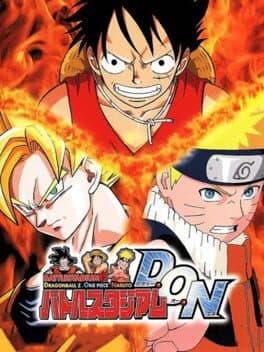
Battle Stadium D.O.N
Eighting2006
Battle Stadium D.O.N is an Action game, developed by Eighting and published by Bandai Namco Games, which was released in Japan in 2006.

Bleach: Heat the Soul 3
Eighting2006
Bleach: Heat the Soul 3 is the third installment in the Heat the Soul series, released on July 20, 2006. The game features 34 characters, covering events from the Soul Society: The Sneak Entry arc to Ulquiorra Schiffer's introduction at the beginning of The Arrancar arc. Unique to Heat the Soul 3 are "Soul Road" and "Karakura Heroes." In Soul Road, the player is to select the desired character and partner character. Afterwards, the player is set on a board game-like map where the goal is to pass through markers in order to fight enemies. After each match, the player is given an amount of "Trust points" (how many received depends on the mode's difficulty) which go towards leveling up partner characters and unlocking bonuses, such as alternate costumes and new partners. To unlock these bonuses, the player must find a blue marker to turn in their points; however, before doing so, the player must answer a multiple choice question. In Karakura Heroes, the player is put into a humorous side-story, with some extra anime scenes added. Don Kanonji leads a group of shinigami, initially Byakuya Kuchiki and Tōshirō Hitsugaya, on some sort of wacky adventure which involves battling several other characters. At the mode's completion, a scene shows the gang relaxing at an expensive hotel, doing activities that in some way fit their personalities and/or abilities (for example, Hitsugaya snowboarding).
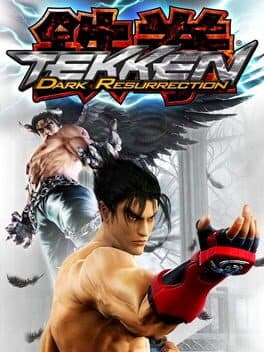
Tekken: Dark Resurrection
Eighting2006
Tekken: Dark Resurrection on PSP is a portable version of the arcade update of Tekken 5, released in 2006. It includes the full roster, additional characters, and customization options from the arcade version. The game features multiple modes, including Arcade, Story, Practice, and Ghost Battle. It also supports local multiplayer and character data sharing via wireless connectivity.
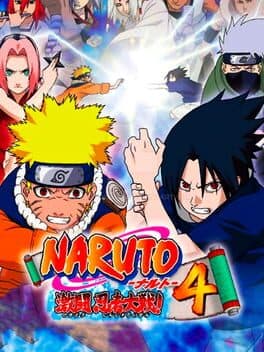
Naruto: Gekitou Ninja Taisen! 4
Eighting2005
Naruto: Gekitou Ninja Taisen! 4 is the fourth instalment of the Clash of Ninja series.
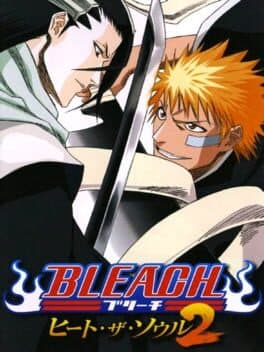
Bleach: Heat the Soul 2
Eighting2005
Bleach: Heat the Soul 2 is the second installment in the Heat the Soul series, released on September 1, 2005.[6] The theme song for this game is Chance! by Uverworld, and the music was composed by Kazuo Hanzawa, under the alias "NON", and Hitoshi Sakimoto. Continuing where Heat the Soul left off, the story mode of Heat the Soul 2 ranges from the Soul Society: The Sneak Entry arc to the end of the Soul Society: The Rescue arc[2] and features 12 playable characters. As opposed to Heat the Soul's story mode, however, this game allows you to follow the story of the selected character rather than a single, designated plot. For example, if you were to choose Ichigo Kurosaki, you would fight all his battles with the shinigami, whereas if you chose to play as Byakuya Kuchiki, you must stop Ichigo and his friends from saving Rukia Kuchiki.
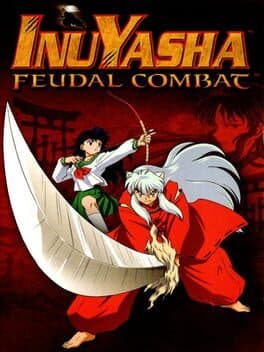
Inuyasha: Feudal Combat
Eighting2005
Featuring all your favorite characters from the hit TV show, the first Inuyasha fighting game for the PlayStation 2 features a mission mode, a battle mode for versus gameplay, practice mode and a story mode. Featuring an original battle system, the game allows you to partner with another character, select the best formation system and develop and strengthen your fighting partnership, and destroy objects around you as you battle to take out the opposition.
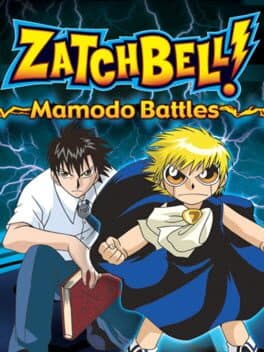
Zatch Bell! Mamodo Battles
Eighting2005
Zatch Bell! Mamodo Battles is a 3D fighting video game for the PlayStation 2 and GameCube that was published by Bandai in 2005 and is the third game of the Yūgō Tag Battle series. It was the first Zatch Bell! video game released outside of Japan.
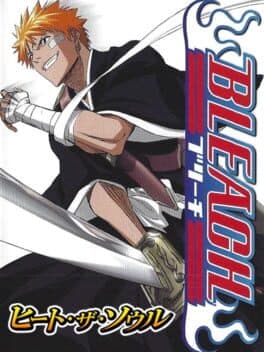
Bleach Heat the Soul
Eighting2005
Bleach: Heat the Soul is the first installment in the Heat the Soul fighting game series, released on March 24, 2005. The theme song for the game is *: Asterisk by Orange Range, which also happens to be the original opening theme for the anime. The game has a total of six characters, all of which derived from the Agent of the Shinigami arc.
Konjiki no Gash Bell!! Unare! Yuujou no Zakeru 2
Eighting2004
Zatch Bell! Electric Arena 2 is an Action game, developed by Bandai and published by Banpresto, which was released in Japan in 2004.
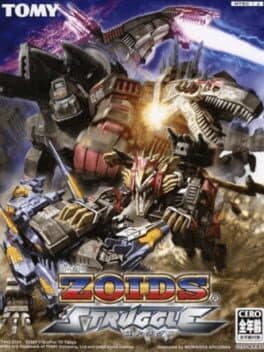
Zoids Struggle
Eighting2004
A one-on-one fighting game based on the Zoids toy series.
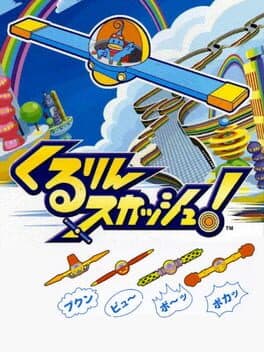
Kururin Squash!
Eighting2004
Kururin Squash! is an action-puzzle video game developed by Eighting and published by Nintendo. It was released only in Japan on October 14, 2004. The game is the successor to Kururin Paradise and is the only title of the Kururin series with 3D computer graphics.
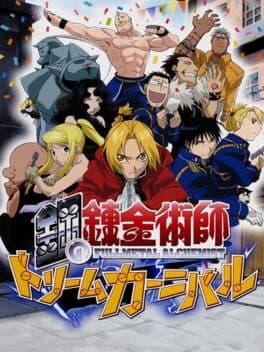
Fullmetal Alchemist: Dream Carnival
Eighting2004
Fullmetal Alchemist: Dream Carnival is the first Fullmetal Alchemist fighting game for the PlayStation 2 and is the second Fullmetal Alchemist video game for the PlayStation 2. It was released in Japan in 2004, but was never translated or sold in North America or Europe.
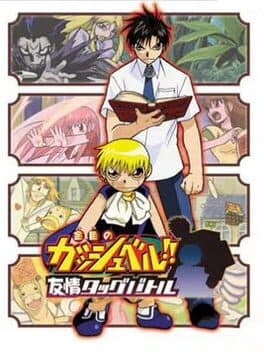
Konjiki no Gash Bell!! Yuujou Tag Battle
Eighting2004
Konjiki no Gash Bell!! Yūjō Tag Battle is a 3D fighting game. This is the first game in the Yuujou Tag Battle series, where Zatch Bell! Mamodo Battles is part of.
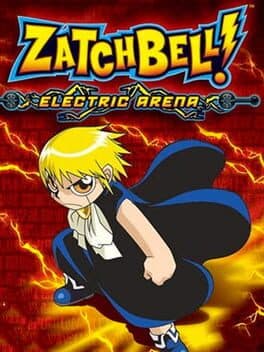
Zatch Bell! Electric Arena
Eighting2003
Zatch Bell! Electric Arena is a fighting game based on the Zatch Bell! anime/manga that was released on Game Boy Advance in the U.S. and Japan. It was developed by Banpresto and published by Bandai.
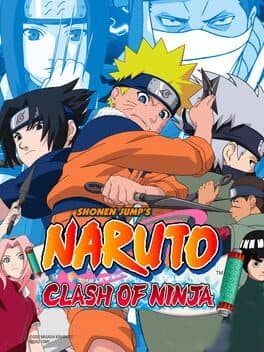
Naruto: Clash of Ninja
Eighting2003
Naruto Clash of Ninja is the first of the Naruto Clash of ninja games.It includes 8 playable characters (and 2 unlockables) from the Naruto anime.
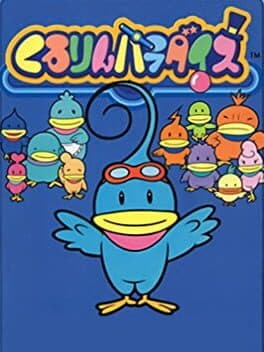
Kururin Paradise
Eighting2002
Kururin Paradise revolves around avoiding collisions as the player maneuver a robot through levels. The robot is shaped like a stick, and constantly spins. The second in the Kururin franchise, Paradise involves navigating complex levels with a constantly-rotating robot. Spring objects within levels change the direction of rotation when collided with, and an unlockable ability allows for increasing the speed of rotation. The player has three hit points. After three collisions with objects in the level (discounting the aforementioned springs), the level is re-started. Some levels have intermediate points that replenish health fully. However, they do not save progress. If the player loses all of his or her hit points, they still restart the level from the beginning. Almost all of the game is in Japanese.
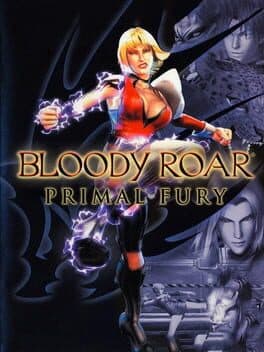
Bloody Roar: Primal Fury
Eighting2002
Bloody Roar Extreme (also known as Bloody Roar: Primal Fury outside of Japan) is a fighting game. It is an updated version of the PS2 game Bloody Roar 3. Players can control a number of characters which have the ability to morph into powerful animals, such as tigers and wolves.
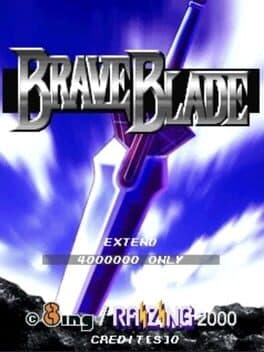
Brave Blade
Raizing2000
An vertical shooter from 8ing/Raizing.
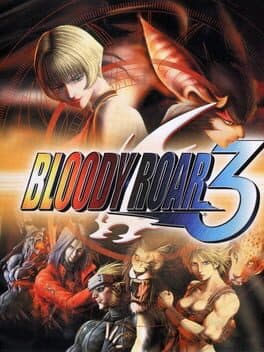
Bloody Roar 3
Eighting2000
Bloody Roar 3 pits 12 outlandish combatants against each other in one of the most ambitious 3D fighting games to grace the PlayStation 2. Returning from Hudson's widely acclaimed PS1 titles are Stun, Long and Jenny, each of who brings a unique fighting skill to the arena. During each bout, players build an energy bar based on the number of successful kicks and punches they land on their opponent. As the bar fills, players can then morph their combatant into terrifying manimals from beasts such as lions and tigers to moles. The morph, in turn, unlocks a secondary control system specifically designed with each creature's combat moves and appearance in mind. In effect, this offers players two distinct combat types within one game.
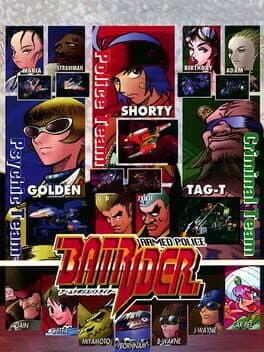
Armed Police Batrider
Raizing1997
Armed Police Batrider is a vertically scrolling manic shooter arcade game developed and published by Raizing/Eighting in 1998. The player controls teams of flying jet bikes (Batriders) each with their own pilot; players can choose up to three of nine standard characters plus another nine unlockable characters from the previous Raizing games Mahou Daisakusen and Battle Garegga. Batrider contains up to seven stages along with a large number of secrets, which are either unlockable with codes or DIP switch settings, or hidden within the game itself.
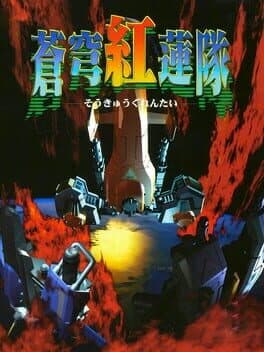
Soukyuu Guren-tai
Raizing1996
Soukyuu Guren-tai is a vertically scrolling shooter game released by Raizing in 1996 for Arcades, with a Saturn port released in 1997. The game is unusual in that, rather than using a 3:4 aspect ratio to better suit the vertically-oriented gameplay, it uses a horizontal monitor (4:3) in the style of Neo Geo vertical shooters as well as the later Radiant Silvergun and Giga Wing. There is an English version of the game titled Terra Diver, but it was never officially released.
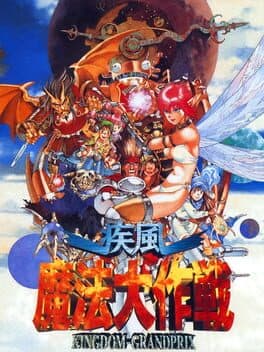
Kingdom Grand Prix
Raizing1994
Kingdom Grand Prix is a vertically scrolling shooter/racing hybrid arcade game created by Eighting/Raizing, it was later ported to the Sega Saturn. It is the second in the Mahou Daisakusen series, but the first to include the bizarre but original feature of being a shooter/racing hybrid.