-
Average rating
55
Games
0
Votes cast
Heartbeat
Shipped Titles
Games (55)
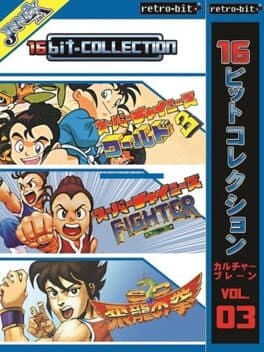
16bit-Collection Culture Brain Vol. 03
Culture Brain Inc.2017
Three more Culture Brain Classics for the Super Famicom. Included on this cartridge: Super Chinese World 3 Super Chinese Fighter SD Hiryu no Ken
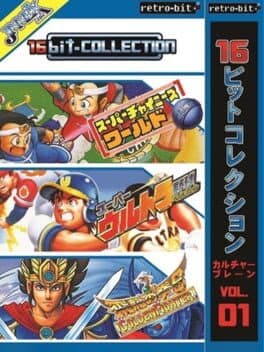
16bit-Collection Culture Brain Vol. 01
Culture Brain Inc.2017
Three Culture Brain Super Famicom classics on one cartridge. Included on this cartridge: Super Chinese World Super Ultra Baseball Hiryu no Ken S: Golden Fighter
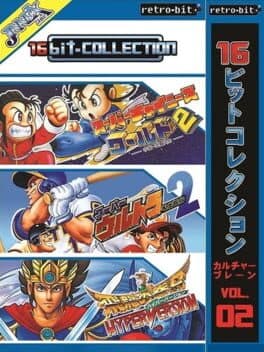
16bit-Collection Culture Brain Vol. 02
Culture Brain Inc.2017
Three additional Culture Brain classics for Super Famicom. Included on this cartridge: Super Chinese World 2 Super Ultra Baseball 2 Hiryu no Ken S: Hyper Version
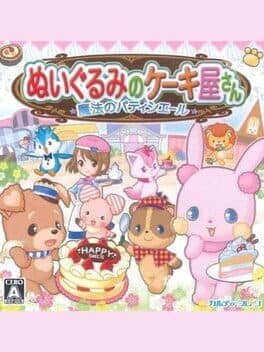
Nuigurumi no Cakeya-san: Mahou no Patissiere
Culture Brain2013
A 3DS game focused on baking.
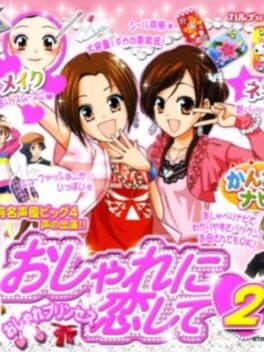
Oshare Princess DS: Oshare ni Koishite! 2
Culture Brain2008
The second DS installment of the Oshare Princess series.
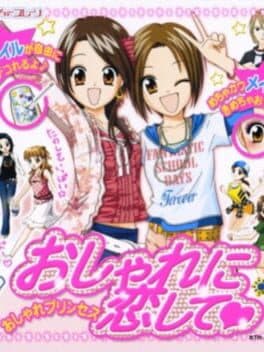
Oshare Princess DS: Oshare ni Koishite!
Culture Brain2006
The first DS installment of the Oshare Princess series.
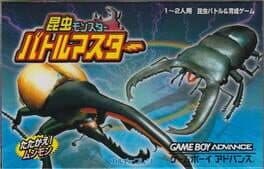
Konchuu Monster: Battle Master
2005
Konchuu Monster: Battle Master is an Action game, developed and published by Culture Brain, which was released in Japan in 2005.
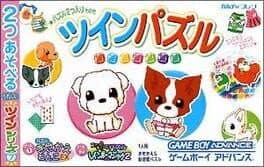
Twin Series Vol. 7: Twin Puzzle - Kisekae Wanko EX + Nyaa to Chuu no Rainbow Magic 2
Culture Brain2004
Twin Series Vol. 7: Twin Puzzle: Kisekae Wanko EX + Nyaa to Chuu no Rainbow Magic 2 is a Puzzle game, developed and published by Culture Brain, which was released in Japan in 2004.
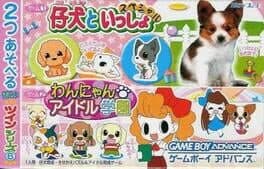
Twin Series Vol. 6: Wan Nyan Idol Gakuen + Koinu to Issho Special
Culture Brain2004
Twin Series Vol. 6: Wan Nyon Idol Gakuen/Koinu Toissho Special is a Miscellaneous game, developed and published by Culture Brain, which was released in Japan in 2004.
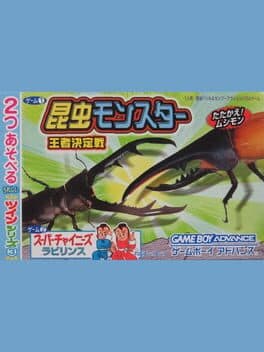
Twin Series Vol. 3: Konchuu Monster - Ouja Ketteisen + Super Chinese Labyrinth
Culture Brain2004
The third game in Culture Brain's Twin Series compiles a bug battle sim with Super Chinese Labyrinth.
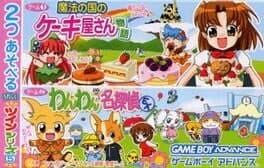
Twin Series Vol. 5: Wan-wan Meitantei EX + Mahou no Kuni no Cake-ya-san Monogatari
Culture Brain2004
Twin Series Vol. 5: Wan Wan Meitantei EX/Mahou no Kuni no Keaki-Okusan Monogatari is a Miscellaneous game, developed and published by Culture Brain, which was released in Japan in 2004.
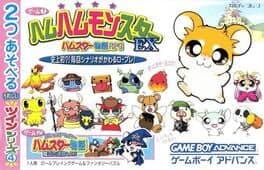
Twin Series Vol. 4: Ham Ham Monster EX + Fantasy Puzzle Hamster Monogatari Mahou no Meikyuu 1.2.3
Culture Brain2004
Two hamster-related games for Game Boy Advance.
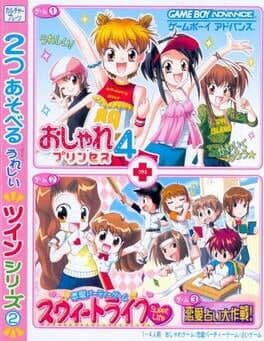
Twin Series 2: Oshare Princess 4 + Renai Uranai Daisakusen
Culture Brain2004
A second release of double-packed games from Culture Brain for Game Boy Advance.
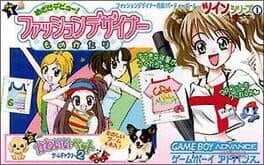
Twin Series 1: Mezase Debut! Fashion Designer Monogatari + Kawaii Pet Game Gallery 2
Culture Brain2004
A compilation of a fashion designing game and a cute animal mini-game collection.
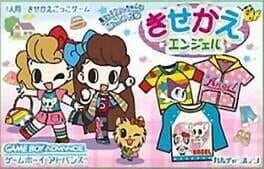
Majokko Cream-Chan Gokko Series 2: Kisekae Angel
2004
Kisekae Angel is a Strategy game, published by Culture Brain, which was released in Japan in 2004.
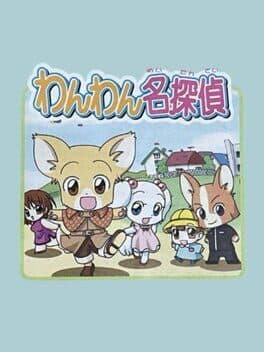
Wan-wan Meitantei
Culture Brain2003
An adventure detective game, published by Culture Brain, which was released in Japan in 2003.
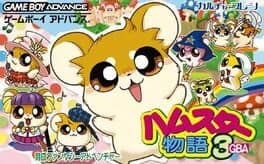
Hamster Monogatari 3 GBA
Culture Brain2002
Hamster Monogatari 3 GBA, part of the Hamster Monogatari series, is a game that allows players to care for and manage hamsters, engaging in various activities and challenges. It continues the series' theme of hamster adventures, following earlier titles on other platforms.
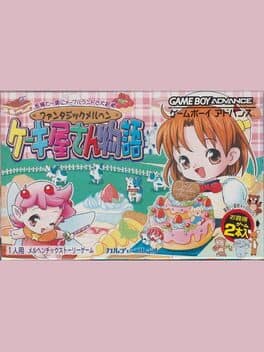
Fantastic Marchen: Cake-ya-san Monogatari + Doubutsu Chara Navi Uranai Kosei Shinri Gaku
2002
Fantastic Marchen: Cake-yasan Monogatari + Doubutsu Chara Navi Uranai Kosei Shinri Gaku is a Miscellaneous game, published by Culture Brain, which was released in Japan in 2002.
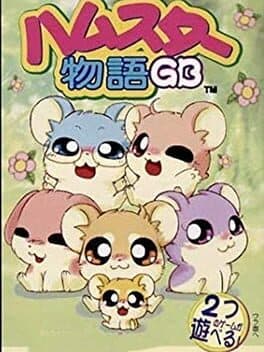
Hamster Monogatari GB + Magi Ham Mahou no Shoujo
2002
Hamster Monogatari GB + Magi Ham Mahou no Shoujo is a Strategy game, published by Culture Brain, which was released in Japan in 2002.
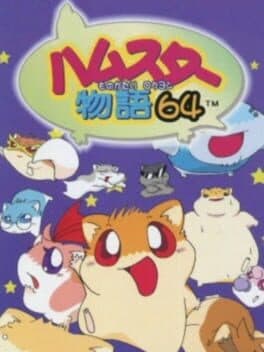
Hamster Monogatari 64
Culture Brain2001
Hamster Monogatari 64 is a life simulation game which the player raise and take care of a hamster which the hamster are placed in a cage. The player can give the hamster attention but if the player give the hamster lots of attention, the hamster will be determine what they become either a loveable one or a savage and maniac one. As the hamster grow up and evolve, they gain new abilities for the hamster competitions. Players can raise up to four hamsters which players can take care of them in a variety of ways.
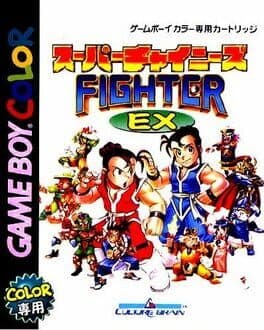
Super Chinese Fighter EX
1999
Super Chinese Fighter EX is a fighting video game for the Game Boy Color released by Culture Brain in 1999. It is part of the Super Chinese series and is the final Fighter game in the series. Unlike most of the Super Chinese games, Fighter EX is not an action game or role-playing video game. The game features several characters from the Super Chinese series, including the main characters, Jack and Ryu.
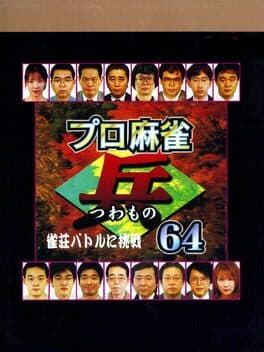
Pro Mahjong Tsuwamono 64 Jansou Battle ni Chousen
Culture Brain1999
Pro Mahjong Tsuwamono 64 Jansou Battle ni Chousen is a Mahjong game developed by Culture Brain, released for the Nintendo 64 only in Japan in 1999.
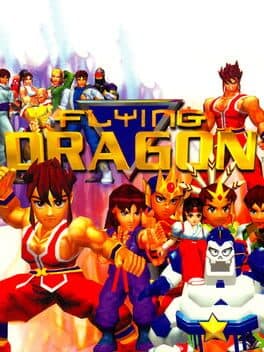
Flying Dragon
Culture Brain1997
Create your ideal fighting game using the customizable interface. Choose between RPG-style and "virtual" tournament combat. The game has over 20 different characters and 200 different items. Save your characters on a Controller Pak and play them against your friends! While the Western version calls the two distinct game styles as "modes", the original Japanese version calls them as "games" in the in-game options, and as "games" and "modes" on advertisements.
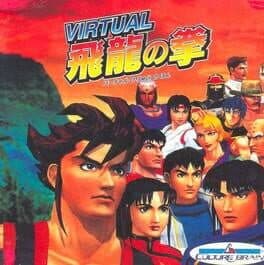
Virtual Hiryuu no Ken
Culture Brain1997
Virtual Hiryu no Ken is an entry in the Flying Dragon series for PlayStation.
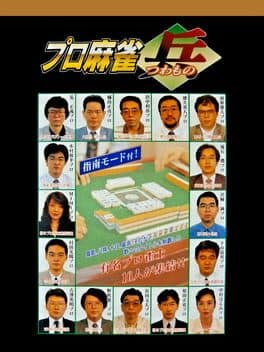
Pro Mahjong Tsuwamono
Culture Brain1997
Pro Mahjong Tsuwamono is a Miscellaneous game, published by Culture Brain, which was released in Japan in 1997.
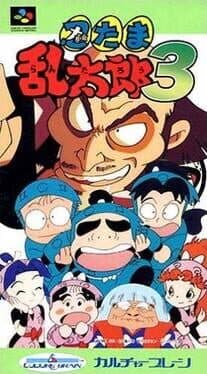
Nintama Rantarou 3
1997
Nintama Rantarou 3 is an Action game, published by Culture Brain, which was released in Japan in 1997.
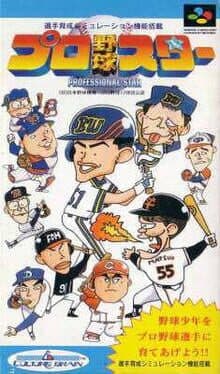
Pro Yakyuu Star
Culture Brain1997
Pro Yakyuu Star is a Sports game, developed and published by Culture Brain, which was released in Japan in 1997.
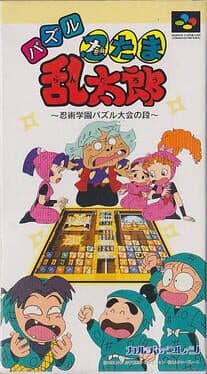
Puzzle Nintama Rantarou: Ninjutsu Gakuen Puzzle Taikai no Dan
1996
Block-stacking puzzle game developed by Culture Brain in 1996 that uses the license of the Nintama Rantarou anime.
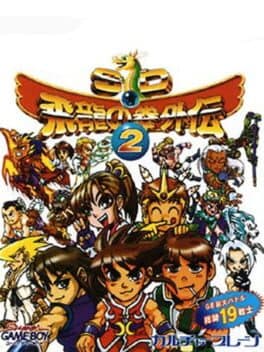
SD Hiryuu no Ken Gaiden 2
Culture Brain1996
SD Hiryuu no Ken Gaiden 2 is the sequel to SD Hiryu no Ken's Game Boy port. It features a few new characters.
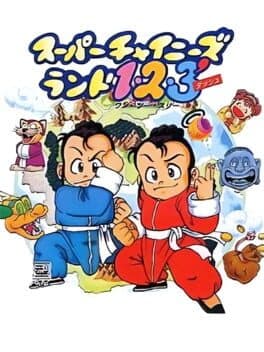
Super Chinese Land 1.2.3'
1996
Compilation of the adventures of Jacky and Lee
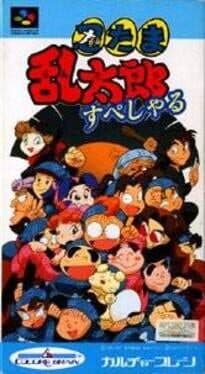
Nintama Rantarou Special
1996
Nintama Rantarou Special is an Action game, published by Culture Brain, which was released in Japan in 1996.
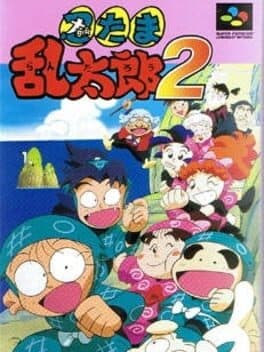
Nintama Rantarou 2
Culture Brain1996
Nintama Rantarou 2 is an Action game, published by Culture Brain, which was released in Japan in 1996. It also had a view-limited Downloadable game release for the Satellaview that was broadcast in at least 2 runs between March 29, 1998 and November 28, 1998.
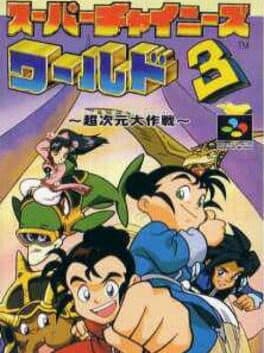
Super Chinese World 3: Chou Jigen Daisakusen
Culture Brain1995
Super Chinese World 3 is a Japanese-only action RPG developed by Culture Brain. It is the third SNES Super Chinese game, being a sequel to Super Chinese World 2. It keeps the Beat'em-up battle system from the previous games, but gives the opportunity to play with other characters than Jack and Ryu, each having a different way of fighting.
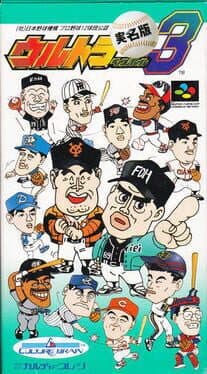
Ultra Baseball Jitsumei-ban 3
Culture Brain1995
Ultra Baseball Jitsumei-ban 3 is a Sports game, developed and published by Culture Brain, which was released in Japan in 1995.
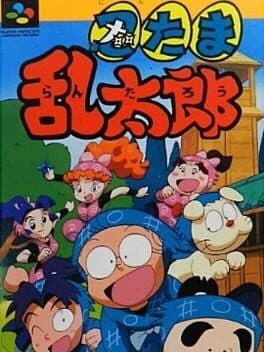
Nintama Rantarou
1995
The first game based on the Nintama Rantarou anime developed by Culture Brain in 1995. Followed by numerous sequels on multiple systems. Nintama Rantarou ("Ninja Boy Rantarou") is a platformer for the Super Famicom and the first of five games on the system to be based on the 1993 anime Nintama Rantarou, which was adapted from the manga Rakudai Ninja Rantarou, and features the lighthearted adventures of a bespectacled boy and his two best friends as they try to graduate ninja school. As Rantarou, Shinbei or Kirimaru, the player progresses through a series of stages using their ninja powers to keep out of trouble. The first part of the game ties into the school setting with classes that teach the player vital mechanics in the game, such as climbing walls and crouching under projectiles.
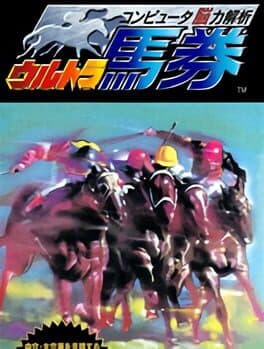
Computer Nouryoku Kaiseki: Ultra Baken
Culture Brain1995
Computer Nouryoku Kaiseki: Ultra Baken is a horse racing simulation video game for the Super Famicom where players can manipulate the lives of horses. The object is to become the wealthiest horse farmer in the world. Training and preparations are essential to producing a winning horse. When finances are low, horses can be sold to increase the player's bank account. Horses start out as ponies; these ponies must be trained in order for them to commence their horse racing career. The gender of the pony decides whether it becomes a stallion or a mare after successfully mating with a horse of the opposite gender. It is also possible for players to bet on certain horses; including the horses that they have raised during the course of the game to further profit on their success in the horse racing world.
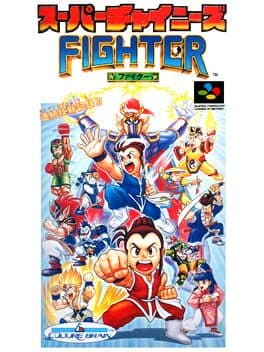
Super Chinese Fighter
1995
A fighting game starring characters from the Super Chinese series.
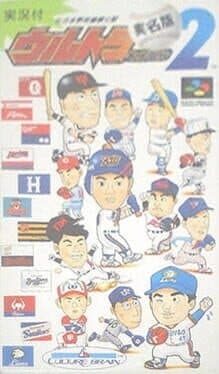
Ultra Baseball Jitsumei-ban 2
Culture Brain1994
Ultra Baseball Jitsumei-ban 2 is the fifth game in the Ultra Baseball (Baseball Simulator in the USA) series. It was released in 1994 for the Super Nintendo by Culture Brain in Japan only. These Baseball titles included some form of "Super League" where pitchers and batters would have special abilities. Baseball Simulator 1.000 (1989, NES), also known as Choujin Ultra Baseball Super Baseball Simulator 1.000 (1991, Super NES), also known as Super Ultra Baseball Ultra Baseball Jitsumei Ban (1992, SNES) NPB licensed. Super Ultra Baseball 2 (1994, SNES) Ultra Baseball Jitsumei Ban 2 (1994, SNES) NPB licensed. Ultra Baseball Jitsumei Ban 3 (1995, SNES) NPB licensed.
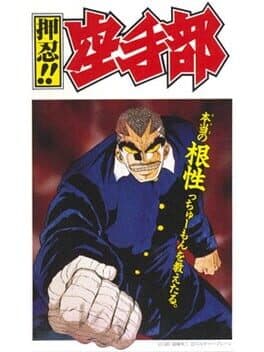
Osu!! Karate Bu
Culture Brain1994
A Super Famicom fighter game based on the delinquent martial arts manga of the same name. It was developed and published by Culture Brain in 1994. The game is a standard martial arts one-on-one fighter in most respects, though features a few uncommon aspects. The first of which is that the player's health bar does not replenish after each round, and the fight continues as each bar is depleted. The second is that the player can recover from losing all their health if they have enough on their power (or qi) gauge. The game counts to three, like in professional wrestling, and the player has the chance to recover a small amount of health in exchange for their power.
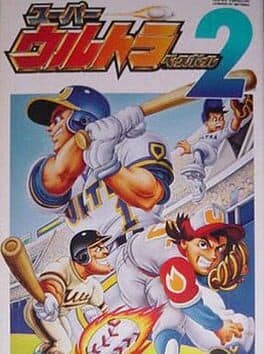
Super Ultra Baseball 2
1994
Super Ultra Baseball 2 was released in Japan only, as the fourth game in the Ultra Baseball series (known as the Baseball Simulator series in North America) These baseball titles included some form of "Super League" where pitchers and batters would have special abilities. Baseball Simulator 1.000 (1989, NES), also known as Choujin Ultra Baseball Super Baseball Simulator 1.000 (1991, Super NES), also known as Super Ultra Baseball Ultra Baseball Jitsumeiban (1992, SNES) NPB licensed. Super Ultra Baseball 2 (1994, SNES) Ultra Baseball Jitsumeiban 2 (1994, SNES) NPB licensed. Ultra Baseball Jitsumeiban 3 (1995, SNES) NPB licensed.
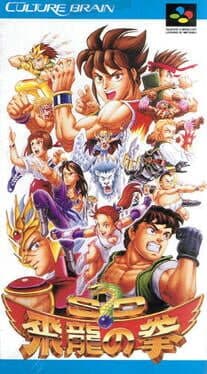
SD Hiryuu no Ken
Culture Brain1994
SD Hiryuu no Ken is an Action game, published by Culture Brain, which was released in Japan in 1994.
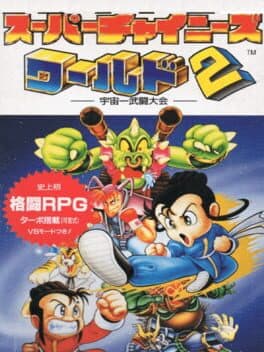
Super Chinese World 2: Uchuu Ichi Butou Taikai
Culture Brain1993
Super Chinese World 2: Uchuu Ichi Butou Taikai is a Japanese-only action RPG developed by Culture Brain. It is the second SNES Super Chinese game, being a sequel to Super Ninja Boy which was released in North America. Contrary to its predecessor, it doesn't feature any traditional turn-based battles anymore, but a couple of platforming sections still remain. Jack and Ryu are now travelling between different planets to defeat some alien invaders, who kidnapped the world leaders. The battle system was also greatly improved. Jack and Ryu now have a lot of new attacks and even a few different skills (although they still share levels and items), they can turn into giant ninjas in order to cast the most advanced spells and it is possible to use weapons or spells without going to the menu. A fighting mode has also been added, allowing to play with many other characters than the heroes.
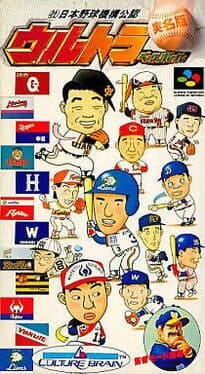
Ultra Baseball Jitsumei-ban
Culture Brain1992
Ultra Baseball Jitsumei-ban is a baseball simulator from Culture Brain and part of their Ultra Baseball series of games, which take a slightly more surreal route than other baseball franchises by giving players special abilities to use. The first two games in the series are better known in the US as Baseball Simulator 1.000 and Super Baseball Simulator 1.000. Jitsumeiban means "Real Player Version", due to the game being officially licensed by Nippon Professional Baseball, which allowed them to use actual team and player names. There would eventually be two more Ultra Baseball Jitsumeiban games for the Super Famicom, released in 1994 and 1995.
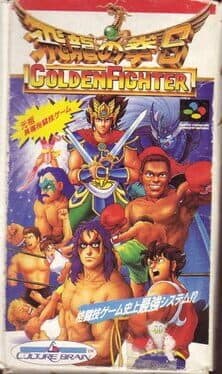
Hiryuu no Ken S: Golden Fighter
Culture Brain1992
A brawler and fighting game and the first Super Famicom game of the Hiryu no Ken (Flying Dragon) series from Culture Brain. It was followed by an updated version which would later be released in the US as Ultimate Fighter.
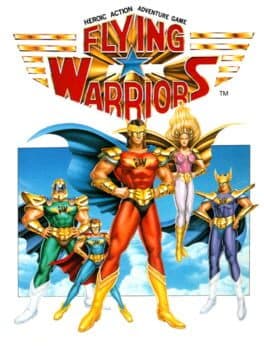
Flying Warriors
Culture Brain1991
In an unexplored region of China wrapped in mystery, Ryuhi, a boy, was born and brought up in high mountain tops. There he received instruction from his wise teacher, Juan. Though he was young, he made himself a master of Kempo. One day, his teacher Juan was attacked and robbed of the Secret Scrolls of Hiryu-no-Ken, of which he was the author. Ryuhi possessed the 6th volume of the Secret Scrolls, the Shingan-no Sho, or book of the mind's eye which Juan had managed to save. Ryuhi begins his journey to Shorinji in compliance with Juan's last request. Gengai, the bishop of Shorinji welcomed the little Ryuhi, regarded as one of the titans of Shourinji Kempo. Six years later, they received a letter of challenge from the Tusk Soldiers, a mysterious organization of enemies of the Shorinji. Ryuhi is determined to take part in the upcoming "World Tournament of Contact Sports" as a representative of Shorinji. His desire is to prevent the Tusk Soldiers from becoming champions of Contact Sports at the tournament. Ryuhi heard from Gengai that in truth it was the Tusk Soldiers who attacked his teacher and robbed him of the Secret Scrolls. As he leaves for the World Tournament, his thoughts are on his teacher Juan and keeping the fighting spirit burning. The game features combat in a variety of formats, such as kicking and using fireballs to repel monsters in scrolling stages, a system during one-on-one duels against Tusk Soldiers or a pair of martial arts tournaments where the player must attack a mark that appears on their opponent's body, or defend the area when it appears on them (this system is similar to Culture Brain's original Flying Dragon for the NES), and RPG-style command battles against monster bosses. When confronted by a Tusk Soldier or other otherworldly villain, Rick can change into a costumed superhero form or switch with one of his teammates. The player must switch to Flying Warrior form to use the characters' magic powers and defend themselves from the Tusk Soldiers' magic spells.
Super Ninja Boy
Culture Brain Inc.1991
Super Ninja Boy is an action RPG for one or two players. In a two player game, each player controls either Jack or Ryu. In a one player game, only Jack appears. A second player may join at any time by visiting a convenience store. The game contains familiar role-playing elements such as equipping differing kinds of weapons, equipment and gaining levels. The Ninja Boys are treated as a single entity and so these statistics are shared between Jack and Ryu with equal values. Battles with the enemy, either through random encounters or visible on the map is where the action starts. The characters enter a side-scrolling 'battle mode' where they may jump, fight, use their special techniques, items and spells, as well as activate various bonuses on the battlefield by breaking open the bonus boxes. A battle is over and experience points awarded when a pre-determined number of enemies are defeated or the Ninja Boys are defeated. When bosses are encountered, the gameplay changes to a turn-based system. Each turn, commands are given to Jack and Ryu, which include usage of special items and skills acquired during the game, who then perform actions based on those commands. The enemy's turn takes place the same way. The battle ends when one side of the conflict runs out of hitpoints.
Ninja Boy 2
Culture Brain1991
Ninja Boy 2 is an Action game, developed and published by Culture Brain, which was released in Japan in 1991.
Hiryuu no Ken Special: Fighting Wars
Culture Brain1991
MMA-styled fighting game where each character represents a fighting style, and each style is represented by two characters.
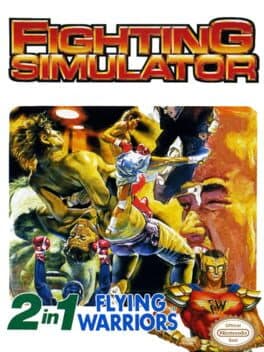
Fighting Simulator: 2 in 1 Flying Warriors
Culture Brain1990
Fighting game for the Game Boy in the Flying Dragon series. Includes a beat-'em-up mode.
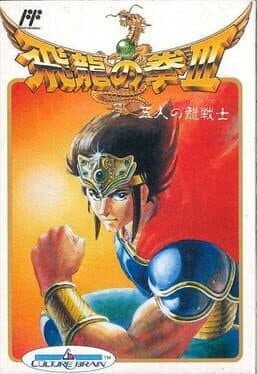
Hiryuu no Ken III: Go-nin no Ryuu Senshi
Culture Brain1990
The third NES game in the Hiryuu no Ken saga
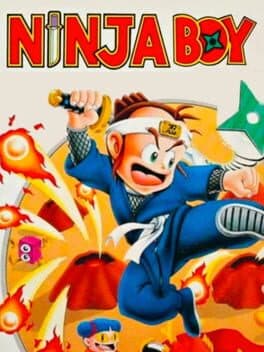
Ninja Boy
Culture Brain Inc.1990
Ninja Boy is an Action game, developed and published by Culture Brain, which was released in Japan in 1990
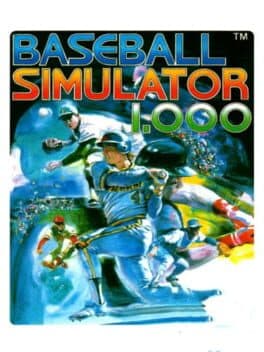
Baseball Simulator 1.000
Culture Brain1989
Baseball Simulator 1.000 was made by Culture Brain exclusively for the Nintendo Entertainment System. Released in 1989, it was praised by Electronic Gaming Monthly as the "Best Sports-Themed Video Game" of 1989. This was largely due to some unique gameplay features that helped it to set itself apart from the many other baseball games released.
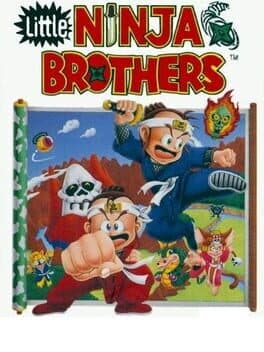
Little Ninja Brothers
Culture Brain1989
Little Ninja Brothers, known in Japan as Super Chinese 2, is a 1989 video game developed and published by Culture Brain for the Nintendo Entertainment System in 1989 in Japan, 1990 in the United States, and 1991 in Europe. It is the second game in the Super Chinese series. The plot follows two young ninjas, Jack and Ryu, attempting to find out the mysterious reason for the invasion of Chinaland by Blu Boltar. It was the second game in the series, preceded by Kung-Fu Heroes, and followed up by a sequel Super Ninja Boy, released on the Super NES. There were also two Ninja Boy spin-off games released for the Game Boy in both regions. A manga adaption of the game was serialized in early issues of video game magazine GamePro.
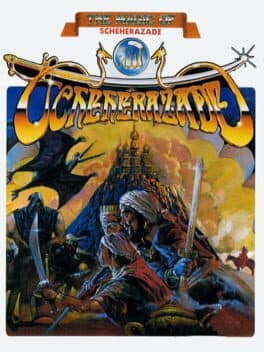
The Magic of Scheherazade
Culture Brain1987
Magic of Scheherazade is a mixture of action- and turn-based combat RPG styles. Wandering through Arabia, you'll encounter enemies whom you'll fight in real time, using various weapons. You'll also be attacked by enemies with whom you'll engage in strategic, party-vs.-party combat. You can choose from three character classes: Fighter, Saint, and Magician. Each class has its own special abilities that you'll use in battles as well as during your exploration of the game world.
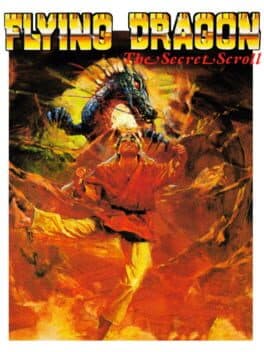
Flying Dragon: The Secret Scroll
Culture Brain1987
In a mysterious region of China, Ryuhi, was born and raised in high mountain tops. There he received instruction from his wise teacher, Juan. At a young age he became a master of Kempo. One day, his teacher Juan was attacked and robbed of the Secret Scrolls of Hiryu-no-Ken, of which he was the author. Ryuhi possessed the 6th volume of the Secret Scrolls, the Shingan No Sho, or Book of the Mind's Eye which Juan had managed to save. Ryuhi begins his journey to Shorinji as a last request from a dying Juan. Gengai, the bishop of Shorinji welcomed the little Ryuhi, and begins to train him in Shorinji Kempo. Six years later, they received a letter of challenge from the Tusk Soldiers, a mysterious organization of enemies of the Shorinji. Ryuhi is determined to take part in the upcoming "World Tournament of Contact Sports" as a representative of Shorinji. His motive is to prevent the Tusk Soldiers from becoming champions of Contact Sports at the tournament. After learning from Gengai that it was the Tusk Soldiers who attacked his teacher and robbed him of the Secret Scrolls, he leaves for the World Tournament. There are two different types of gameplay. Journey levels are side-scrolling levels where Ryuhi must defeat five bosses and find certain items valuable to the mission. The tournament levels are where the player gets to fight one-on-one against enemies in the same way as the first game in the series released in 1985, Shanghai Kid. The player must go through the game twice to get the true ending. All six scrolls must be collected the first time through to get the first ending. The second time through the player needs to collect all six scrolls again, along with four crystal balls. The crystal balls can only be found in the second quest. However, players can miss one of these items and finish the game, but the true ending will not be received.