-
Average rating
126
Games
0
Votes cast
Heartbeat
Shipped Titles
Games (126)
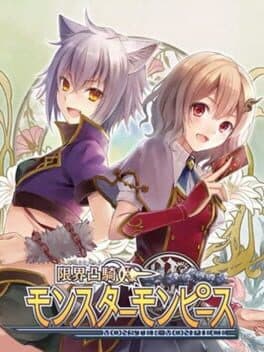
Genkai Totsuki Monster Monpiece
2013
Yafaneel is a world where the monster girls roam. To become a tamer, Mei enrols in Kunagva Academy with her friends Elza and Karen. However, an evil figure named Lost appeared and defeated Elza. The possessed Elza starts hunting down Magus Crystals from around the world. To save her, Mei brings her partner Fia on a card battle adventure. Each card has its special skills and affinity. And by scratching your character cards, you can power up their attacks and take off their heavy clothing. Turn on the ad-hoc network mode to duel with other gamers. Through these duels, you can obtain Master Rings. Play a lot of battles, obtain a lot of rings and use them to exchange rare items.
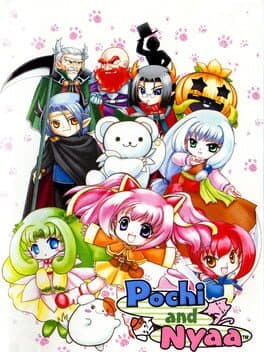
Pochi and Nyaa
Aiky2003
Pochi and Nyaa is a puzzle game made by Taito (Makers of Puzzle Bobble/Bust-A-Move) and Aiky. The story behind it is that in every 1000 years there is a Tournament held by the animal gods Pochi (the Dog) and Nyaa (the Cat) in decision who will be the top star for the next millennium, although they need the power of Earth's people to do so. The gameplay is similar to Super Puzzle Fighter and Puyo Pop, but with a few differences.
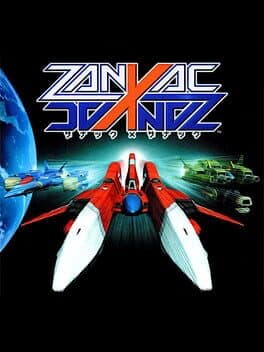
Zanac X Zanac
Compile2001
Zanac X Zanac is a shoot'em up game released by Compile to commemorate the 15th anniversairy of the original game. This title includes two games - a reimagination of the original game, called Zanac Neo and 3 different versions of the NES port of Zanac.
Guru Logic Champ
Compile2001
Guru Logic Champ is a Japanese-only Game Boy Advance puzzle game developed by Champ Team and published by Compile.
Puyo Puyo Box
Compile2001
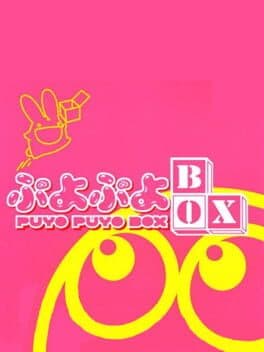
This is a compilation game consisting of modes from previous Puyo Puyo games. It is Compile's last recognized Puyo Puyo title in the series before Sega obtained the rights. Puyo Puyo Box, being a compilation, primarily consists of modes from earlier Puyo Puyo games, but also contains original content. This game has a plethora of game modes available to the user. It contains ports of "Puyo Puyo" and "Puyo Puyo 2", as well as a RPG-styled quest mode in which the player plays as Arle and battles against members of the other cast in Puyo Puyo matches. It also houses a "Stage Clear" mode in which you have to face either 10, 20, or 30 opponents, as well as two multiplayer modes which can be played with either other players or AI substitutes. For the Quest mode itself, it allowed the player to customize the armory in ways in which made Arle stronger with a double-edged sword effect. You could remove the Puyo Rings in order to beef up her attack at the expense of being unable to see your next pieces for example, and the amount of experience gained and gold won was relative to how big a chain was scored and how quickly the opponent was defeated. The key point in the Puyo Puyo gameplay of Box is that the player can choose a ruleset from either "Puyo Puyo", "Puyo Puyo 2", "Puyo Puyo Sun" and "Puyo Puyo~n". This can effectively lead to 4-player battles where each player plays with independent or mixed rules. This game also allowed for team battles to take place. A special multiplayer mode was made available in this game, known as "Treasure Mode", which was adapted in "Puyo Puyo! 15th Anniversary" as its "Excavation Mode".
Wander Wonder
Compile2000
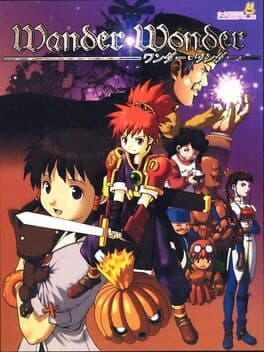
As a child, Jino's ailing uncle tells him of a powerful treasure, the Orichalcum, lying unclaimed in ancient ruins he once attempted to explore. Jino vows to grow strong enough to finish his uncle's work. Years later, the young but unprepared adventurer collapses outside the town of Encia. He recovers upon healing at the local inn, then fights further into the surroundings of the capital city Delphi. Others also want the fabled Orichalcum, from his magic-using ally Tia Chanti to the antagonistic sorcerer Thales. In the end, who among them will revive and reclaim the land's hidden power? Wander Wonder is a unique overhead 2D action-RPG by Compile, originally released in 3 episodes via their Disc Station digital magazine starting in October, 1999. Jino can jump, slash, and use a mix of items, tools, and special moves to explore and fight his way across the land. Weapons degrade with use, but are frequently found as loot or merchandise, adding an element of resource management and incentive to repair arms at blacksmiths. The game progresses in a flip-screen style a la classic Zelda or Ys; multiple complex overworlds and dungeons await you. Finally, there's considerable post-game content, from new side-quests to a 500-floor mega-dungeon!

Restaurant King
Compile2000
Restaurant King, released in Disc Station Vol 27 as Disc Station's final game, is a board game featuring Arle alongside several other Disc Station heroes.
Arle no Bouken: Mahou no Jewel
Compile2000
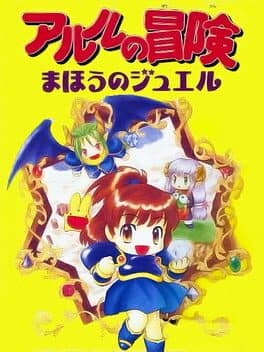
Arle no Bouken: Mahou no Jewel is a role playing game developed and published by Compile for the Game Boy Color; it was released on March 31, 2000. The game revolves around the collection of cards, each of which contains a monster. Madou Monogatari/Puyo Puyo protagonist Arle Nadja and her usual foes, such as Skeleton T and Schezo Wegey, use these monsters to assist them in battle.
Puyo Puyo Da!
Compile1999
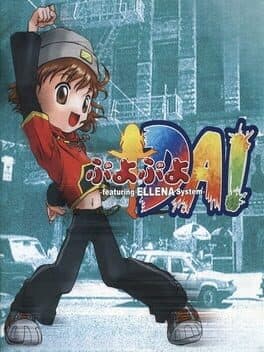
Puyo Puyo DA! is a Dance Dance Revolution based game for the Dreamcast with Puyo Puyo characters. This game is based off a Disc Station game previously featuring Ellena Stevens. In contrast to most Puyo Puyo games, a large majority of the text in this game is in English. It was Compile's last Puyo Puyo game to be released on a Sega system. (The last Compile game in the series, Puyo Puyo Box, released a year later.)

Kaiten Puyoman Kuu Carbuncle
Compile1999
Released in Disc Station Volume 25.
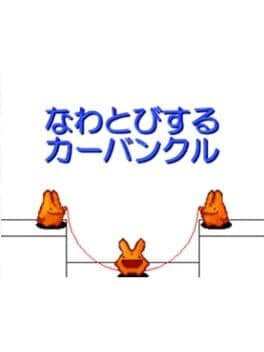
Nawatobi suru Carbuncle
Compile1999
Released in Disc Station Volume 24.
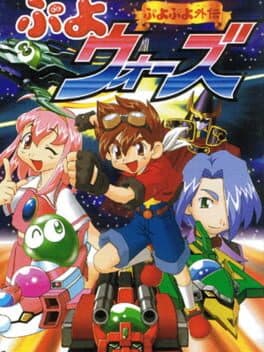
Puyo Puyo Gaiden: Puyo Wars
Compile1999
A strategy RPG very loosely based on Puyo Puyo.
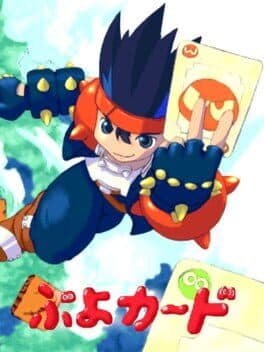
Puyo Card
Compile1999
Released in Disc Station Vol 23, Puyo Card is a stacking card game. Players place cards onto the middle of the playfield; matching four of the same color will create a chain and damage the opponent.

Magic Battle Hasamuncho
Compile1999
Released in Disc Station Vol 22, Hasamuncho is a marble puzzle game. Players aim to capture the most marbles, with special powers being available to assist them.
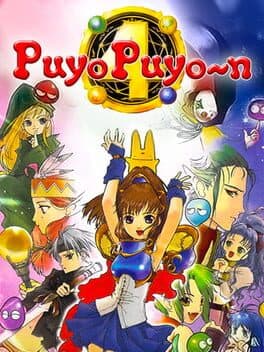
Puyo Puyo~n
Compile1999
This game was released only in Japan. It is the fourth game in the Puyo Puyo series and the last set during the Madou-era in the main series. Continuing the trend of naming the games after puns, the name comes from a pun on "yon", the Japanese word for the number 4, but this time this is the only reference to the pun. The gameplay in is similar to that of Puyo Puyo 2, but adds super attacks. Clearing chains now builds up a "charge meter" which allows players to use them. The only other addition was a new game mode which could be played with a number of different field sizes, smaller or bigger than the standard 6x12, however, it removes several game modes that were present in Puyo Puyo Sun, i.e. the tournament, task and chain training modes. The art is also vastly different to the previous game in the series and, of course, the Fever series; this style was only otherwise used for Minna de Puyo Puyo.
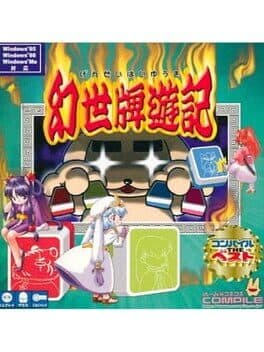
Gensei Haiyuuki
Compile1998
Released through Disc Station Vol. 20 in 1998 for Windows 95.

Comet Summoner
Compile1998
Released in Vol 20, Comet Summoner is an action platformer starring Witch. She can fly on her broom and fire comets to defeat enemies. Based on the popular Puyo Puyo/Madou Monogatari series, The player controls the Witch as she goes from stage to stage eliminating puyo blobs and fighting the typical stage boss. The player is armed with a broom that can attack enemies up close and magic ring projectiles to shoot at foes.
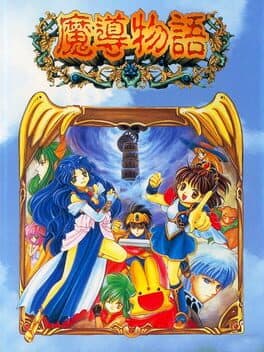
Madou Monogatari
Compile1998
The final game in the Madou Monogatari series, featuring the classic characters most players are probably more familiar with from the "Puyo Puyo" series and featuring the Lovecraftian deity Yog Sothoth as the primary antagonist.
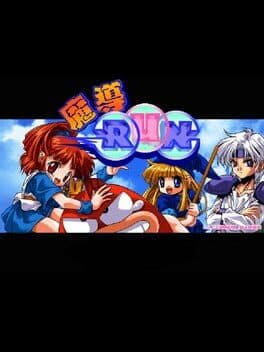
Madou Run
Compile1998
Released in Disc Station Vol 19, Madou Run is similar to the game of tag; players that obtain a bowl of curry have the ability to attack other players.
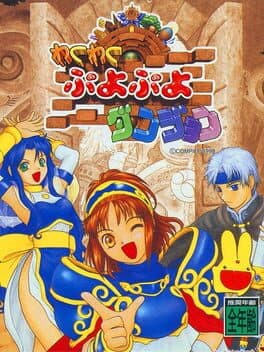
Waku-waku Puyo Puyo Dungeon
Compile1998
Waku-waku Puyo Puyo Dungeon is a roguelike dungeon crawler featuring characters from the Madou Monogatari and Puyo Puyo franchises.

Gensei Kitan Gaiden 2
Compile1998
Released through Disc Station Vol. 18.

Serilly's Happy Birthday
Compile1998
Released in Disc Station Vol 18, Serilly's Happy Birthday is a simulation game starring Serilly.

Gensei Kitan Gaiden 1
Compile1998
Released through Disc Station Vol. 17.

Shuttlecock Carbuncle
Compile1997
Released in Disc Station in 1997.
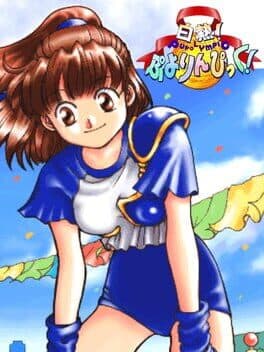
White-Hot Puyolympic!
Compile1997
White-Hot PuyoLympic is a sports game in which Arle and Witch battle in several varied events.
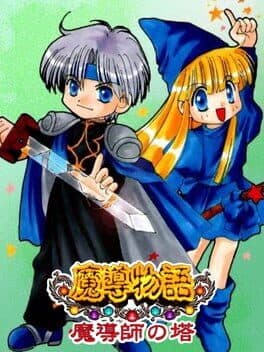
Madou Monogatari: Tower of the Magician
Compile1997
Madou Monogatari: Tower of the Magician is a first-person dungeon-crawler developed by Compile. It was first released on September 6, 1997 for Microsoft Windows 95 through Disc Station Vol. 16. Unlike most Madou Monogatari games which follow Arle, this game follows Schezo Wegey and his quest for power as he ascends Wish's tower.

Puyoman-Eating Carbuncle
Compile1997
Released in Disc Station volume 14.
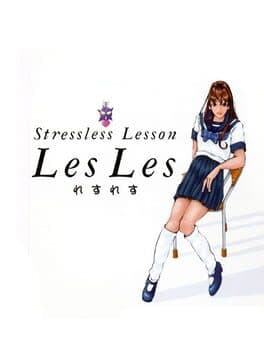
Stressless Lesson: Les Les
Compile1997
Stressless Lesson - Les Les is a puzzle game released exclusively in Japan for the Sony PlayStation. Choose the person you want to confess to from eight men and women, and finally confess to the person you like.

Gensei Suikoden
Compile1997
Gensei Suikoden is a Role-Playing game, developed and published by Compile, which was released through Disc Station Vol. 14 in 1997 for Windows 95.

Rulue's Iron-Fist Spring Break
Compile1997
Released in Vol 14, Rulue's Iron-Fist Spring Break is a visual novel starring Rulue. She is tasked to complete one of three objectives over her spring break: Find the five divine treasures, explore the "wonderful land," or gather ingredients for a recipe. This game is mentioned, using the fan title of "Rulue's Spring Break of Fists", in Sega 3D Classics Collection's English-language manual for Puyo Puyo Tsu.
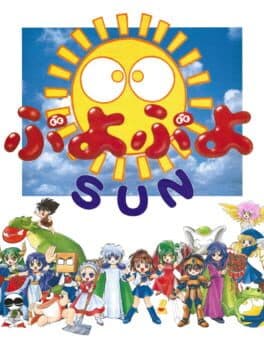
Puyo Puyo SUN
Compile1997
Satan has enlarged the sun in a devious attempt to get a perfect tan. Arle Nadja embarks on a quest to defeat him in this competitive puzzle game. This is the 3rd installment of the Puyo Puyo games series, and the sequel to Puyo Puyo Tsu. After the highly acclaimed success of its predecessor, Compile took a slightly more retro approach, so players had a more original feel to the game over that of Tsu. The name of Puyo Puyo SUN comes from a Japanese pun on san, and also indicates a new Puyo brought into the game. As Sun Puyo were used in this game, and the game itself is not only set on a tropical beach, but is the third in the series (san (三)) is the Japanese word for the number three), the name served multiple purposes. This game was released only in Japan. Following the arcade release, Puyo Puyo Sun was ported to the then-current home consoles. The Saturn version was released merely three months after the arcade release, while the other ports were released in late 1997 and throughout 1998. The Saturn, PlayStation, and Windows 95 versions feature fully voiced cutscenes unlike the original ST-V version.
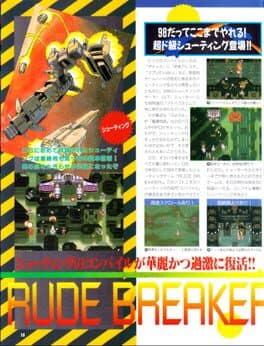
Rude Breaker
Compile1996
Rude Breaker is a shoot 'em up game and a spin-off of the Aleste series.
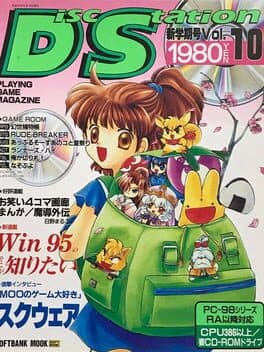
Disc Station Special Vol. 10
Compile1996
Disc Station Vol. 10 is a CD-ROM based magazine containing several games: - Rude Breaker - Gensei Torimonochou - Runner's High - Nazo Puyo - Applesauce Summer Festival - Usajaku Gaiden I'm the Trump Card!
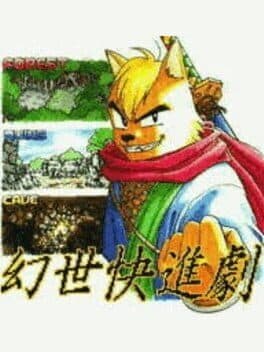
Gensei Kaishingeki
Compile1996
A game in the Gensei Kitan series released in Disc Station Vol. 12.
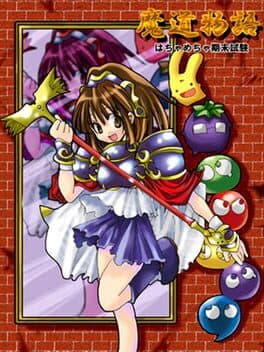
Madou Monogatari: Hachamecha Kimatsushiken
Compile1996
Madou Monogatari: Hachamecha Kimatsushiken follows the same first-person dungeon-crawler format as most other Madou Monogatari games. It tells the story of Arle seeking out a mysterious doppelganger with power greater than she has ever seen before. It was published in Disc Station (Windows 95) Vol. 12.
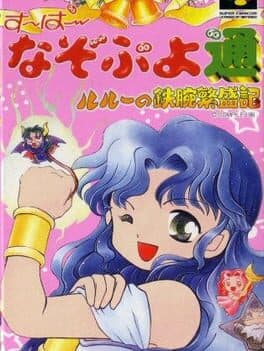
Super Nazo Puyo Tsuu: Rulue no Tetsuwan Hanjyouki
Compile1996
Super Nazo Puyo Tsuu: Rulue no Tetsuwan Hanjyouki is a Puzzle game, developed and published by Compile, which was released in Japan in 1996.

Gensei Torimonocho
Compile1996
A turn-based role playing game in the Gensei Kitan series.
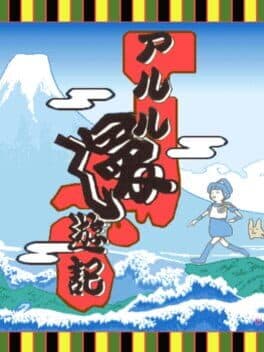
Arle's Travel Log
Compile1996
Released in Disc Station Vol 13, Arle's Travel Log is a text-adventure game where Arle is confronted by Satan on her way to magic school, who wants Carbuncle back. The three battling together accidentally cause them to be sent back in time, with Arle and Carbuncle looking for a way to return to the present. The gameplay consists of exploration similar to the Madou Monogatari series, along with elements of an adventure game. Arle can talk to characters she meets or can click on various items to progress the plot. Battles can also occur in-game, and are fought by using a click-and-point system. The game casts various Madou Monogatari and Disc Station characters as Japanese historical figures.

Madou Sugoroku
Compile1996
Released in Disc Station Vol 9, Madou Sugoroku is a board game in which characters pair up and compete.
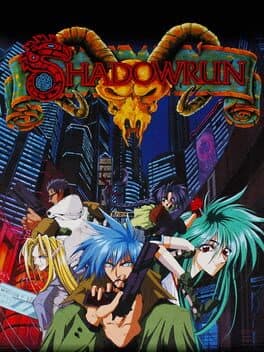
Shadowrun
Compile1996
In addition to the Genesis and SNES versions of Shadowrun, a Sega CD version was released only in Japan. This version more of an interactive fiction than an action RPG, like its counterparts.
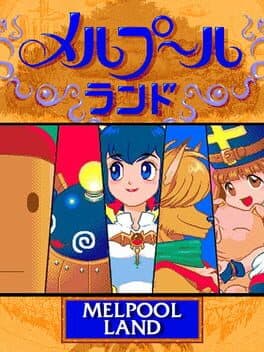
Melpool Land
Compile1995
Melpool Land is essentially an overhead fighting game between two characters in a small area. Each of the five characters is armed with two objects that they can use to hit their opponent or block attacks as if they were boxing gloves. The first player to reach three wins is the victor and it's possible to win by either emptying the opponent's life meter or by knocking them out of the stage. It is also possible to destroy the opponent's means of attack since they have their own health meters, leaving the opponent unable to do anything except try to ram their opponent off the stage. Arenas have holes and traps to look out for, such as bumpers and tiles that damage you, but there are no items or other abilities available. The story of the game is framed around a tournament hosted by a goddess that offers the winner anything they desire. Each character gets their own ending if you can complete the single player mode with them. A local multiplayer option is also available for two players.
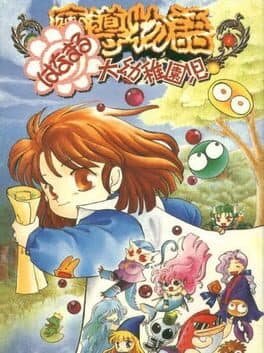
Madou Monogatari: Hanamaru Daiyouchienji
Compile1995
Madou Monogatari: Hanamaru Dai Youchienji is a role-playing video game for the Super Famicom released in Japan on January 12, 1996. The objective of the game is to collect eight gemstones hidden around the world.

Gensei Kaito Den
Compile1995
Gensei Kaitō Den is set in the same world as Gensei Kitan. Important characters from Gensei Kitan (including its protagonist, the dog Smash) appear in the game, and some of them are playable. However, the main hero is a young and very ambitious thief named Ali-Baba - who is, naturally, the leader of a band of 40 robbers. The game is divided into chapters; each one describes an episode from Ali-Baba's "career", from train robbery to treasure hunt and even discovery of the magic lamp . The game is a humorous "light" Japanese-style RPG - there is no world map, and most of the time the hero is taken to a new location automatically. Many locations have simple puzzles to solve, and some dungeon areas are maze-like. The gameplay system is nearly identical to that of Gensei Kitan, with the same interface and overall structure. Random enemies are fought in turn-based style, on a side-view battle screen. Characters use physical attacks, special techniques, and magical spells. As in all Gensei games, HP, SP, and MP are fully restored by level up.
Bayoen Wars: Daimadou Senryaku Monogatari
Compile1995
Released in Vol 5, Daimadou Senryaku Monogatari is a turn-based strategy game.
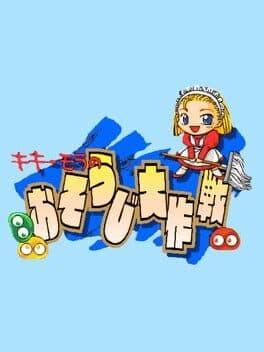
Kikimora's Clean-Up
Compile1995
Released in Vol 7, Kikimora's Clean-Up puts players in the role of Kikimora, who must completely sweep floors while facing a time limit. This game is similar to Pac-Man in nature.
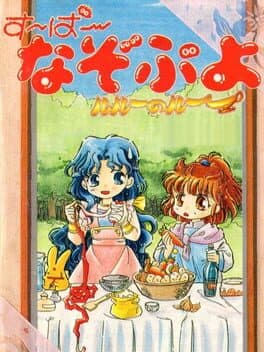
Super Nazo Puyo: Rulue no Roux
Compile1995
Super Nazo Puyo: Rulue no Roux is the sequel to Nazo Puyo: Arle no Roux. It was succeeded by Super Nazo Puyo Tsu: Rulue no Tetsuwan Hanjouki. A Nuisance Puyo variation known as Iron Puyo was introduced in this game. Super Nazo Puyo: Rulue no Roux uses the basic rules of Puyo Puyo. The game controls like a normal Puyo Puyo game with all five colors available and the ability to roate clockwise and counter clockwise, except the ability to double rotate and climb is not possible. Each puzzle gives the player different objectives to clear. The objectives range from clearing all of a specific color of Puyo, clearing all Nuisance Puyo, creating a specific chain length, clearing a certain amount of Puyo simultaneously, or simply clear the whole board. Every time the player fails to complete a puzzle, the player's health will deplete, as indicated by Arle or Rulue's expression gradually getting more distressed. If the player's health depletes completely, they'll receive a Game Over and can either choose to continue from the last save or quit back to the title. The player can recover completely if the gauges on the right side of the screen fills completely and rank up, with each cleared puzzle filling it gradually. On the pause menu, the player has the option to skip a puzzle at the cost of health. There are five game modes: Arle's Roux, Rulue's Roux, Road to Chains, Endless Puyo, and Editor. In the first three modes, the player must solve the presented tasks with a set of available Puyo. Arle's Roux focuses on a scenario with Arle, acting as the normal course with her puzzles only involving standard Puyo. Rulue's Roux is the mode that focuses on Rulue and acts as the expert mode, with her puzzles including Iron Puyo and Blocks. In both modes, the objective is to clear puzzle sets from varies characters within an area, with one character acting as a boss that cannot be challenged until the others are beaten. Once the boss of a given area is beaten, the player will progress to the next area. Road to Chains acts as a challenge mode where the player is given a series of puzzles to solve at a gradually increasing difficulty, with the player being unable to restore health. The Endless Puyo mode is a regular endless mode except that 6 next Puyo are shown instead of 1 next Puyo, and that nuisance Puyo will fall in the higher levels of difficulty. The Editor mode allows you to place Puyo freely in a manner similar to Practice Notebook in Puyo Puyo 7. You can also set a list of next Puyo and the task to be solved.
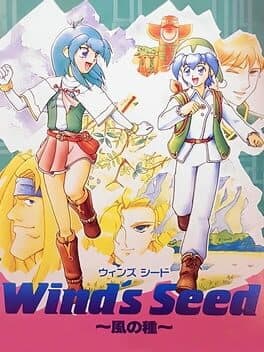
Wind's Seed
Compile1995
Wind's Seed tells the story of sister and brother, Mina and Otto, who possess the unique power of "call", allowing them to focus spiritual energy in order to cast magical spells. Once they arrive in a small village, they are asked to go to the Western forest, presumably to help gather some healing plants. However, they soon learn that it was a trap, and must defend themselves in order to survive...
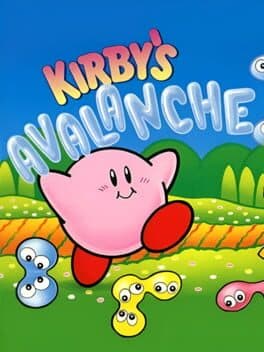
Kirby's Avalanche
HAL Laboratory1995
King Dedede has challenged Kirby and other members of Dream Land to an Avalanche Competition in the Dream Fountain. Kirby, taking on the challenge, has decided to battle his way through the forest and into the Dream Fountain to win the Avalanche Cup from King Dedede.
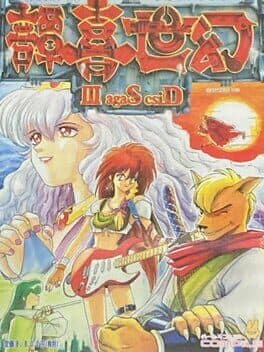
Gensei Kitan: Disc Saga III
Compile1995
The player navigates Smash and his friends through top-down locations, talking to people and fighting randomly appearing enemies in hostile areas. The turn-based battles are viewed from a side perspective. Characters can execute various "techniques", which deplete TP (technique points), or magic spells.

Broadway Legend Ellena
Compile1994
Broadway Legend Ellena is a rhythm game released in the Disc Station magazine for PC-98 computers in 1994. The title character, Ellena Stevens, would later cameo in Puyo Puyo DA! for the Sega Dreamcast.
Gensei Fukyo Den
Compile1994
Gensei Fūkyō Den is a Japanese RPG with a somewhat "light" approach, both in story-telling and gameplay. The gameplay mostly follows the standard procedure of Japanese-style RPGs, although some features are simplified: there is no "world map", and town navigation is menu-based. Most of the gameplay consists of navigating maze-like top-down dungeons, fighting random enemies in turn-based first-person perspective combat. Characters use special points (SP) for powerful attacks and magic points (MP) for spells. Released through Disc Station Vol. 4 in 1994 for PC-9801.
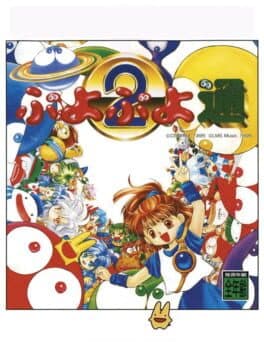
Puyo Puyo Tsuu
Compile1994
This head-to-head puzzle game tasks players with clearing their grid of falling pieces, known as puyos, by arranging four or more of the same colour into straight lines or other recognised patterns. Its competitive element comes from the fact that clearing puyos sends random filler pieces to the opponent’s grid. Larger clears generate more filler, increasing the pressure on the opposing player. A round is won by filling the opponent’s grid to the top. The game also includes a light narrative framework for solo or multiplayer play.

Nazo Puyo: Arle no Roux
Compile1994
Nazo Puyo Arle no Roux (なぞぷよ アルルのルー; also mistakenly referred to as transliterations Nazo Puyo: Aruru no ruuu and Nazo Puyo: Aruru no Ru) is a puzzle game developed by Compile for the Sega Game Gear and released exclusively in Japan in 1994. Despite being the third game in the Nazo Puyo subseries, it is drastically different from its prequels, taking a combined RPG/puzzle approach to its (now existent) storyline. It would receive two sequels, both on the Super Nintendo Entertainment System (Super Nazo Puyo Rulue no Roux, combining a retooled version of this game with a new story mode focusing on Rulue, and Super Nazo Puyo Tsu: Rulue no Tetsuwan Hanjouki, a new game focusing exclusively on Rulue).

Madou Monogatari: Michikusa Ibun
Compile1994
A first-person dungeon-crawler developed by Compile. It was first released on July 15, 1994 for PC-98. Madou Monogatari: Michikusa Ibun follows the same first-person dungeon-crawler format as most other Madou Monogatari games. It resembles Madou Monogatari 3 the most in terms of gameplay, with Arle accompanied by Carbuncle for the duration of the game. This game serves as a direct prequel to Puyo Puyo (1992), building off of the backstory presented in its manual. It was published as part of Disc Station 98 Vol. 3.
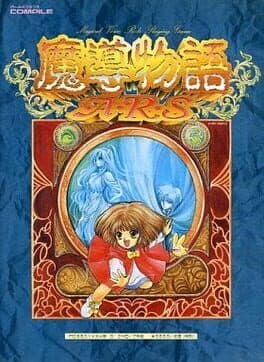
Madou Monogatari ARS
Compile1993
Madou Monogatari ARS is a prequel to Madou Monogatari 1-2-3, like Madou Monogatari 1-2-3, it is a trio of first-person dungeon crawlers. Each chapter is devoted to a different playable character.
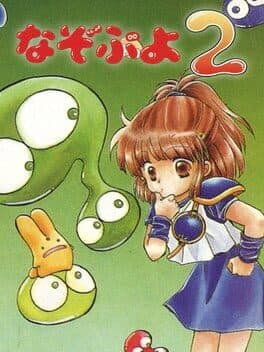
Nazo Puyo 2
Compile1993
Nazo Puyo 2 is a Puzzle game, developed by Compile and published by Sega, which was released in Japan in 1993 and is the second Nazo Puyo title for the Game Gear.
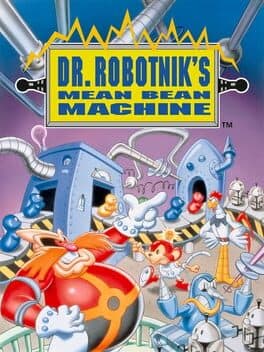
Dr. Robotnik's Mean Bean Machine
Compile1993
Dr. Robotnik is changing the jolly folk of Beanville into devious little robots that will help rid Planet Mobius of music and fun forever. Group the beans together to help them escape, and compete against Robotnik’s wily henchbots!
Sylphia
Compile1993
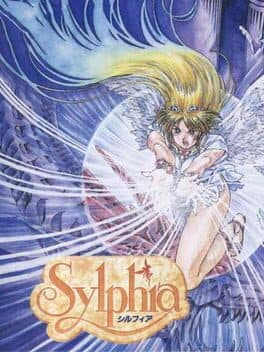
Sylphia is a vertical shooter published by Tonkin House. The game draws from Greek mythology and tells the story of Sylphia, a female warrior with a tragic destiny. Her tale starts as she lays fatally wounded in the temple of Athena - merciless monsters have taken over the city and she perished as she desperately tried to protect innocent villagers. The gods, touched by the sincerity of the young woman's devotion and love, decide to give Sylphia another chance... Now turned into a Sylphid with tremendous powers, the female warrior embarks on a long journey of revenge, ready to fight for her homeland. Sylphia starts equipped with a fairly basic fire weapon that can be upgraded in various ways - four different types based on the four basic elements are available throughout the game, from Fire (Red), Air (Green), Water (Blue) and Earth (Brown). Each weapon type is associated with an additional sub-weapon which range from Homing Fireballs (Red), Reverse Fire (Blue), Ring Blades (Green) and Rotating Rocks (Brown). Sylphia can also trigger a devastative special attack that deals great damage to on-screen enemies - this power is obviously available in limited quantities and may only be be used in desperate situations. Various other items are available for the taking, such as extra lives, Mirrors/Gems (slowly increase a health bar located at the bottom of the screen that gives the player an extra life when full) and Green Orbs (increase the active weapon's power level). Sylphia consists of eight stages and is single player only.
Power Strike II
Compile1993
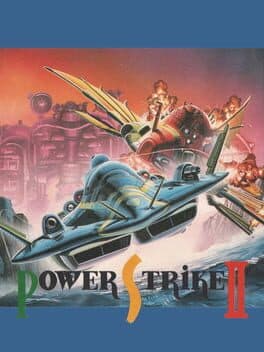
Power Strike II is a top-down vertical shoot 'em up video game developed by Compile. It was published by Sega in 1993, only released in Europe and Brazil. This game moves from the setting of previous games to a steampunk version of the 1930s, where the player controls the Falcon Flyer and fights against sky pirates. Not to be confused with Power Strike II / GG Aleste II for the Sega Game Gear.
Nazo Puyo
Compile1993
Nazo Puyo (なぞぷよ) is a 1993 game for the Sega Game Gear by Compile spinning off Puyo Puyo. It was released exclusively in bundles with specially marked Game Gears in Japan (hence its price tag) and would go on to receive two sequels on the Game Gear (the latter receiving two sequels on the Super Nintendo Entertainment System) and many PC-98 games (one retail, the others as part of the DiscStation series) and would be retooled as the Puzzle Mode of the 8-bit version of Dr. Robotnik's Mean Bean Machine.
Go!Go! Usa-chan Ressha
1993
This title was developed by Ken Takahashi and co-produced by Miya Ayako. The game is based in Konami's Loco-Motion, and the player has to collect the carrots and go through the outer tracks to clear the stages.
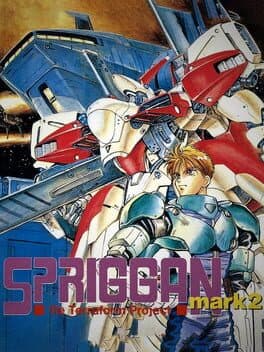
Spriggan Mark 2: Re-Terraform Project
Compile1992
Spriggan Mark 2: Re-Terraform Project is an Action game, developed by Compile and published by Naxat Soft, which was released in Japan in 1992.
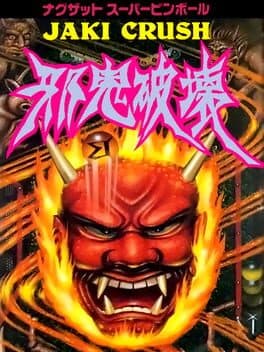
Jaki Crush
Compile1992
The game is the third in the Crush Pinball series, preceded by Alien Crush and Devil's Crush. It is considered to be very obscure and is often thought to be the forgotten entry in the series. The game features a theme revolving around the mythology of a type of Japanese demon or ogre, called a jaki. A single table is divided into three different sectors; carrying two flippers each. Moving targets must be hit for points along with targets that remain stationary. Shooting the ball into the demon's mouth allows players to access up to six bonus levels.
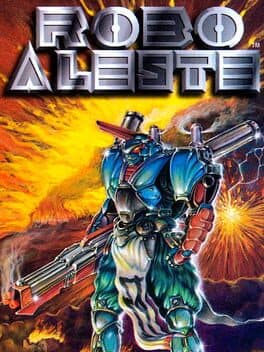
Robo Aleste
Compile1992
Pilot your massive mecha Aleste in the name of the Oda clan and seek revenge against the evil Chugoku Army for their atrocities! Robo Aleste is another title in the Aleste series by famed shoot-'em-up developer Compile where players must collect power-ups to defeat countless waves of enemies and large bosses.
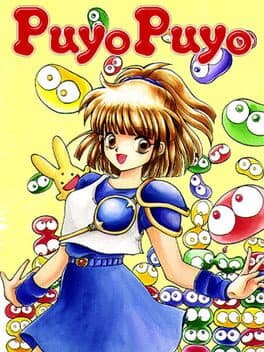
Puyo Puyo
Compile1992
Puyo Puyo (1992) is an enhanced version of the 1991 MSX2 and Famicom Disk System game of the same name. The game was developed for the Sega System C-2 arcade hardware and ported to a variety of consoles. Puyo Puyo is a puzzle game in which the player matches four or more "Puyo" of the same color together. This game is the precursor to an identically-titled arcade release. Puyo Puyo contains three modes: Endless, Mission, and Verses. In Endless Mode, players match Puyo until the top of their well is filled. If the player chooses, either a giant 2x2 green Puyo or Carbucle will periodically help the player clear space on their board. Mission mode gives the player several challenges to complete, such as clearing a set amount of Puyo or clearing all Puyo of a certain color. Verses mode allows players to battle each other.

Kotsuniku no Scotra: Banana Squash
Compile1992
A PC98 Disc Station game.

Kotsuniku no Scotra: Shain Satsu Sasaki Jigoku
Compile1992
Keep your workers focused!

Kotsuniku no Scotra: Rakkyo Kuu Carbuncle
Compile1992
Pac-man clone with Carbuncle against some Puyos. Eat some curry to defeat them! Game has two modes: Scotra Mode and Variety Mode.
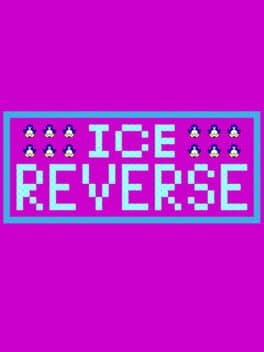
Ice Reverse
1992
Game based on Othello.
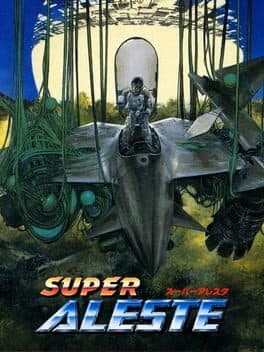
Super Aleste
Compile1992
Super Aleste (スーパーアレスタ, Sūpā Aresuta), is a vertically scrolling shooter developed by Compile. It was published by Toho in 1992 for the Super Famicom as part of the Aleste series. The player pilots a spacecraft through a variety of locales shooting enemy ships.
Disc Saga: Iraisha wa Monster?
Compile1992
First entry of the second Disc Saga series.
Bayoen Syokin Sougaku 50,000 Yen Sohdatsu Quiz
Compile1992
Arle has some questions.

Warau Salesman 1
Compile1991
Game based on the manga series The Laughing Salesman, created by Fujiko Fujio.
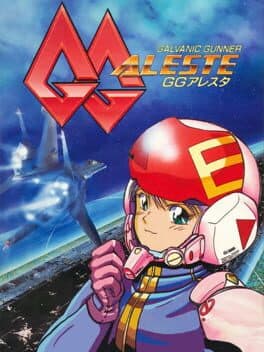
GG Aleste
Compile1991
GG Aleste is a game in Compile's Aleste series of shoot-'em-ups for the Sega Game Gear. It was only released in Japan and is one of the few Compile Game Gear games published by Compile rather than Sega.
Disc Saga: Burning Sword!
Compile1991
Third entry of the first Disc Saga series.

Akai Sumo: Ai no Dosukoi Densetsu
Compile1991
Akai Sumo: Ai no Dosukoi Densetsu is an adventure game developed by Compile. It is playable on the PC-9800 Series platform and was released on October 25, 1991.
Disc Saga: The Treasure of the Sleeping Forest
Compile1991
Second entry of the first Disc Saga series.
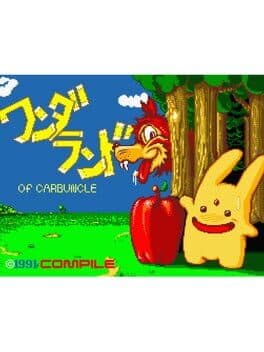
Wonderland of Carbuncle
Compile1991
This is a comical action game starring Carbuncle. Part of MSX2 Disc Station volume #25.
Puyo Puyo Love Story
Compile1991
Released in MSX2 Disc Station volume #29.
Disc Saga: Dragon's Immorality
Compile1991
First entry of the first Disc Saga series.
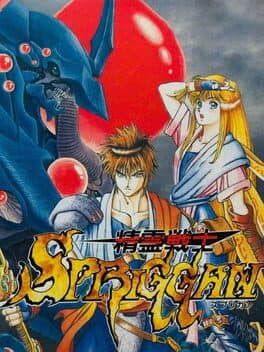
Seirei Senshi Spriggan
Compile1991
Take on the alien hordes in this vertically scrolling shoot 'em up from the people behind Aleste. The power-up system in Spriggan relies on different coloured globes - you can have three of these in stock at any one time and the order they are in will vary what style of weapon you have. This allows for a certain degree of mix-and-match until you find your preferred combination. You can also eject these orbs, which act as a smart bomb in times of need.

Marvel Putt Golf
Compile1991
A simple putt-putt golf game, where you can play a variety of courses with several players taking turns.
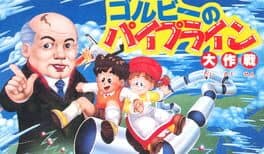
Gorby no Pipeline Daisakusen
Compile1991
In this falling-block puzzle game, a small girl—wearing a Russian national costume of sarafan, kokoshnik, and valenki—pushes tiles representing segments of water pipe down a two-dimensional, vertical shaft; this shaft is the field of play. A second girl, also in national costume, waves semaphore flags to give the impression that she guides the placement of the tiles. The player must quickly rotate and place the tiles to catch and conduct a continuously-flowing stream of water from pipes on one side of the shaft to the other. When the player successfully links an inflow pipe on one side of the shaft to an outflow pipe on the other side, a row of tiles disappears, and the player earns points. If the player routes the water to a dead end, the game adds a layer of pipe segments for the player to clear. If the accumulating pipe segments stack to the top of the shaft, the game ends. By clearing the requisite number of rows, the player proceeds to the next game level.
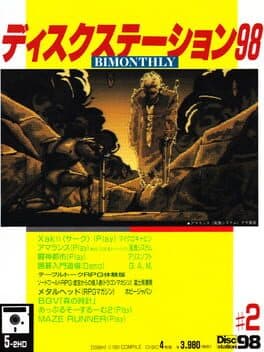
Disc Station 98 #2
Compile1991
This edition also includes Toushin Toshi (+18) and a demo for Gokichi-kun Series: Igo Nyuumon Doujou.
M.U.S.H.A.
Compile1990
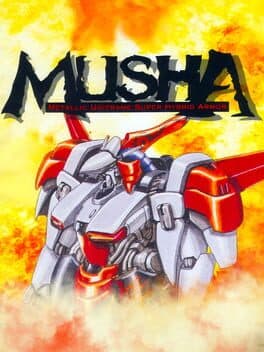
M.U.S.H.A. is a Sega Genesis vertical-scrolling shooter from Compile and Seismic originally released in 1990 and later re-released on the Nintendo Virtual Console in 2009. The game is known for its rarity and its ability to fetch high prices on auction sites.
Goronyan Puzzle: Nyanpi
Compile1990
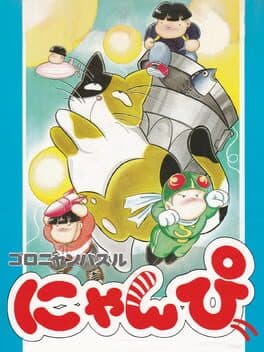
Goronyan Puzzle: Nyanpi is an action game, released for MSX2 in 1990 as Compiled Disk Station Deluxe #3. There are 40 stages in total.
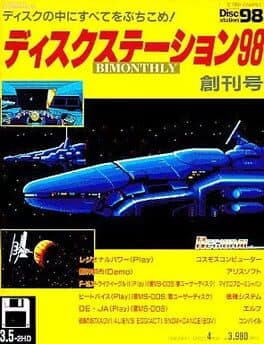
Disc Station 98 #1
Compile1990
Early Disc Station entry. Includes demos for Regional Power and Toushin Toshi.

Apple Sauce Room
Compile1990
Short point-and-click game, including animations and quiz minigames.
Cyber Knight
Compile1990
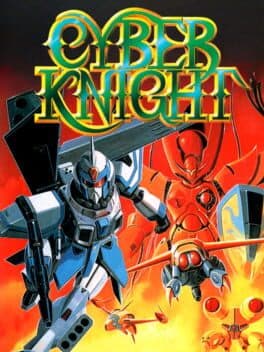
Cyber Knight is an RPG with a science-fiction theme of being lost in an alien galaxy. The game takes place in a top-down view for movement on planets and areas, a side-view for combat sequences and a first person menu system when aboard the Swordfish starship. The Swordfish can travel between stars, scanning worlds for information. If the ship is able to land on a planet, three crew members piloting three Modules (giant robots) can be selected to debark and explore the planet. Many planets will have towns or people living on them which can be talked to in order to uncover information. Different quests are assigned in order to find the items necessary to progress. There is no system of currency or buying items. Instead, many defeated Berserkers leave behind "NeoParts", which can be brought back to the Swordfish's lab. Analysis of these Neo parts unlocks enhances statistics (endurance, agility, accuracy, etc) for the Modules and new weapons for them to carry. The six modules are unique in statistics, and also the six pilots each carry different skills. Combat takes place in turn-based combat on a 6x6 squares field. Seen from the side view, the three modules can be positioned in relation to enemies in order to attack, using a variety of melee and long-ranged weaponry. Ammunition is unlimited, but each module also carries a number of "options" that are consumable attacks. Each Module has two sets of hitpoints: one for the pilot and one for the module itself. If either one of these reaches zero, the module is destroyed. In order to heal, the party carries 10 each of repair kits and first aid kits, which must when not in combat. These kits, as well as options and defeated pilots or modules can be restored by returning to the Swordfish.
Gun Nac
Compile1990
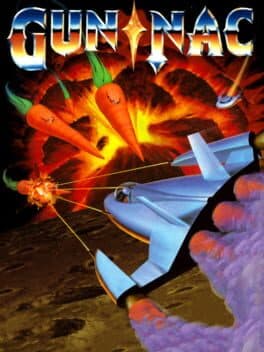
The most happening place in the universe is the trendy, upscale solar system of IOTA Synthetica, part of the Galactic Federation of artificial stars. It's as far from dirty old Earth as can be... But don't sign up to go yet! A strange cosmic energy field with a major attitude has engulfed the system, and the most outrageous things are happening. Ordinary inanimate objects are coming to life - harmless little animals are becoming rabid giants - and the freaked-out residents are under attack! The only Galactic Commander who can handle this ordeal is the eccentric renegade called Gun-Nac. He can oust this aura that's threatening the destruction of comfortable artificial life as we know it. But where in the universe is he? He could be as far away as Earth, searching for a new Game Pak. Commander Gun-Nac, if you read this, call H.Q., A.S.A.P., O.K.? We N.E.E.D. you!
Devil's Crush
Compile1990
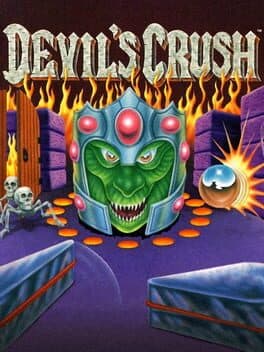
Devil's Crush (known as Devil Crash in Japan) is a pinball video game developed by NAXAT Soft for the TurboGrafx-16 and released in 1990. The second installment in the Crush Pinball series after Alien Crush, the game has an eerie occult theme with skulls, skeletons, and demons. It was later followed by Jaki Crush and Alien Crush Returns. The game was ported to the Sega Mega Drive, retitled Dragon's Fury (Devil Crash MD in Japan) which was developed by Technosoft. Devil's Crush was later released on the Wii's Virtual Console, with the European release reverting to its original title; however, the pentagram symbols were removed and replaced with 8-sided star.
Madoushi Lulba
Compile1990
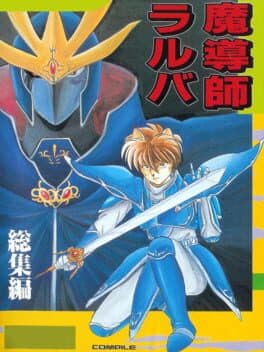
Madoushi Lulba is a fantasy adventure game for the MSX created by Compile. The game centers around the warrior of light, Cyber Cat, and his mission to thwart the ambitions of the dark wizard Lulba, who desires to conquer the world.
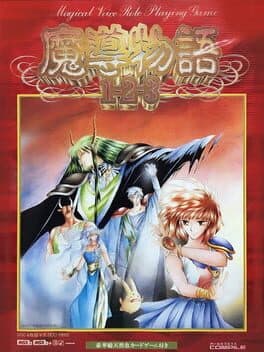
Madou Monogatari 1-2-3
Compile1990
Madou Monogatari 1-2-3 consists of three separate adventures, all of which star young magician Arle Nadja. Billed as a "Magical Voice Role Playing Game", Madou Monogatari 1-2-3 combines diverse, colorful monster design with a then-unusual amount of voice work. The game is also notable for a near-complete lack of numerical stats, instead portraying health, damage, and magic capacity using text cues and Arle's face portrait.
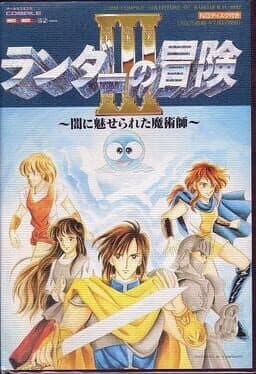
Randar no Bouken III: Yami ni Miserareta Majutsushi
Compile1990
Randar no Bouken III: Yami ni Miserareta Majutsushi is a Japanese role-playing game and the third entry in the Randar no Bouken series. It features turn-based combat and exploration in a fantasy setting. The story centres on a conflict involving dark magic and a powerful sorcerer. The game was released exclusively in Japan.
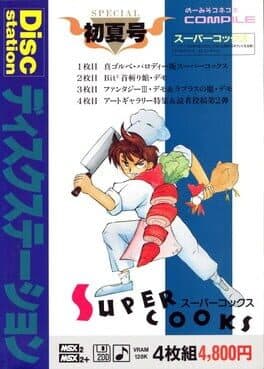
Super Cooks
Compile1989
A parody of Golvellius II released in 1989 on the Disc Station Special #2. You play as the character Kelesis who enters the world of cooking. You must learn the culinary arts in five stages, and get 4 degrees before facing Golvellius. You will find Randar, who is there to restore your vitality. Your starting weapon is the frying pan, but you will get new ones in your quest.
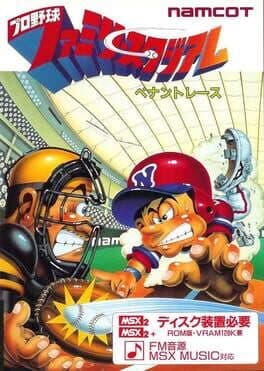
Pro Yakyuu Family Stadium: Pennant Race
Compile1989
A version of Famista with a Pennant Race mode.
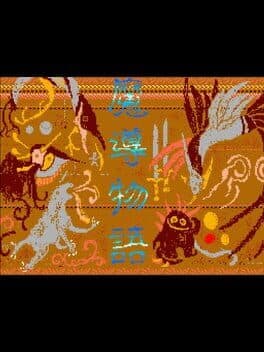
Madou Monogatari Episode II: Carbuncle
Compile1989
This prototype version of Madou Monogatari II was released in Disc Station's 1989 Special Christmas Edition to promote the then-upcoming Madou Monogatari 123, and is thus the first entry in the Madou Monogatari series.
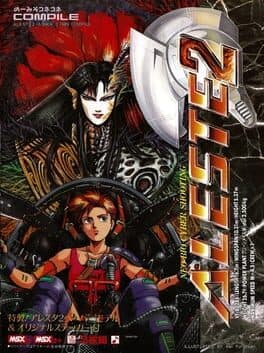
Aleste 2
Compile1989
The game takes place in the year 2039, two decades after the super computer DIA51 attacked and decimated the Earth. After the long restoration period, Earth is invaded by a race of alien plant-like humanoids called the Vagand, intent on finding a new food source on Earth. In their first attack on Earth, the Vagand destroys an Earth space cruiser commanded by the previous Earth hero, Ray Waizen. Their plan to invade Earth is challenged by the newest version of the Aleste piloted by the daughter of Ray and Yuri Waizen, Ellinor, who has vowed to avenge her father's death and to personally kill the Vagand leader Gaizel.
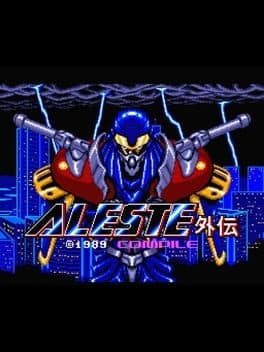
Aleste Gaiden
Compile1989
Aleste Gaiden is a vertical shoot 'em up video game developed by Compile in 1989. It was released onto MSX2 in Japan only. It was originally released as part of the Disc Station Special Vol. 4. As it's title implies, it is a spin-off which retells the story of the first game in a different setting.
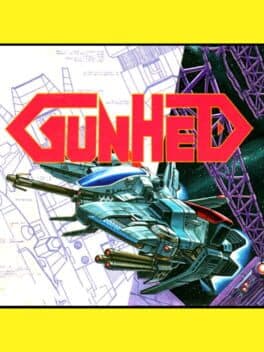
Gunhed
Compile1989
Gunhed, is a 1989 sci-fi shoot 'em up video game developed by Hudson Soft and Compile. It was released in Japan on July 7, 1989 for the PC Engine, and it was released in North America in November 1989 for the TurboGrafx-16. It was later released on the Wii's Virtual Console in North America on May 21, 2007, in Europe on May 25, 2007, in Australia on July 30, 2007, and in Japan on June 17, 2008. It was released for the PlayStation Network on July 21, 2010 and on the Wii U's Virtual Console on June 11, 2014 both in Japan. It is based on the Japanese film Gunhed (only referenced in the Japanese version). In the game, a fictional galaxy is under attack by an enemy space armada called the Dark Squadron, and this galaxy's only chance for survival is the Gunhed Advanced Star Fighter, who must destroy the Dark Squadron and its Super Weapons. The gameplay features fast vertical scrolling and a wide array of weapons for the player to use. Gunhed was part of the fifth Caravan Festival organized by Hudson Soft in 1989. A non-commercial and very limited edition of Gunhed exists - Gunhed Special Version comes as a single HuCard, and offers 2 or 5 minute Time Attack modes.
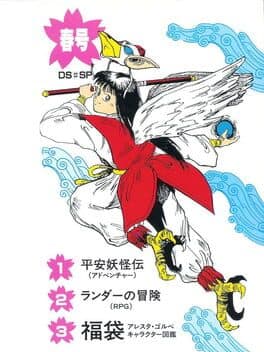
Randar no Bouken
Compile1989
Japanese RPG. First of the Randar series, included on the Disc Station Special 1 - Spring Edition compilation.
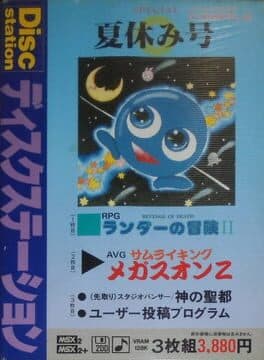
The Adventure of Randar II
Compile1989
Japanese RPG. Second of the Randar series, included on the Disc Station Special 3 - Vacation Edition compilation.
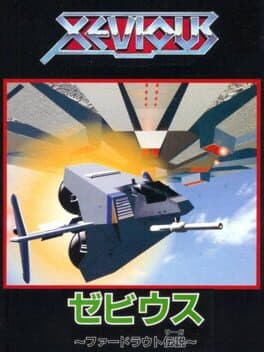
Xevious: Fardraut Saga
Compile1988
A vertically-scrolling shoot 'em up in the Xevious franchise. Adds bosses, power-ups and a story to the Xevious model.
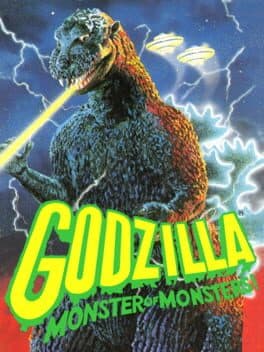
Godzilla: Monster of Monsters
Compile1988
The invaders from Planet X attack earth as part of their plan to conquer the entire universe, using a legion of space monsters. The earth sends Godzilla, the strongest monster on the earth, and Mothra, to defend itself. Godzilla advances through 8 battle stages to defeat a legion of space monsters controlled by Planet X. For the sake of the future of the earth, Godzilla's fierce battle now begin...
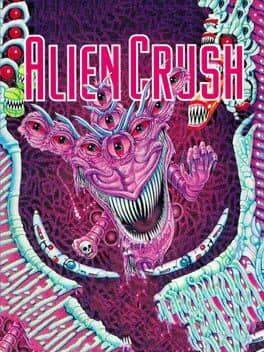
Alien Crush
Compile1988
Fight against the aliens with your pinball skills! Imagine a living pinball machine...with aliens and outlandish worlds to throw at you. And turbo-charged, speed-of-light pinball action. You control the flippers and ball speed to defeat the Slime, the Tentacloid and Scorpion. Go for the eyes! This is full-tilt, out-of-this-world action! Surrealistic graphics plus true-to-life, earsplitting arcade pinball sound. Achieve the maximum possible score of 10 less than 1 billion and the game ends with the destruction of the table and a congratulatory message. The game is the first installment in the Crush Pinball series. It was followed by three sequels, Devil's Crush, Jaki Crush, and Alien Crush Returns.
Mouse Games
1988
Game collection meant to be played with the mouse.
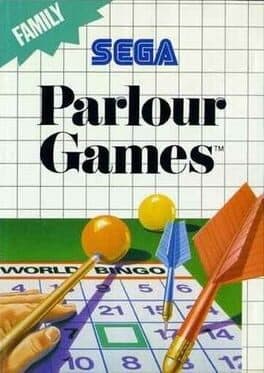
Parlour Games
Compile1988
Choose from the exciting challenges and action of Billiards, Darts or World Bingo! In Billiards, choose nine-ball or rotation. Play the Dart games 301 or 501. Or test your luck in a high-stakes game of World Bingo.
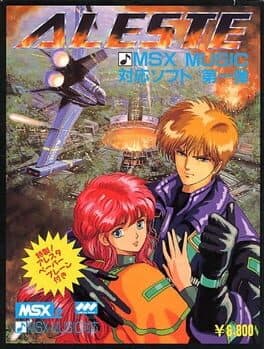
Aleste
Compile1988
Your planet has been overrun by the meanest mutant vegetation ever created in a genetics laboratory. It's taken over buildings, labs, fighter craft... even people! And it's getting bigger... and meaner... with each passing second. But it hasn't taken over you. Now, you're going in on a mission to deliver a POWER STRIKE! You have a special attack ship with the ability to use weapons you free from the ground. The action is hot and heavy. The enemy is coming faster than you could ever believe! So fight hard and fast. If you don't turn the mutated vegetation into a giant tossed salad, they'll turn you into toast!
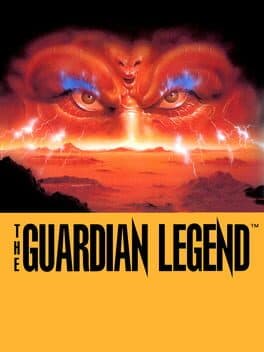
The Guardian Legend
Compile1988
In The Guardian Legend, the player controls the female guardian of Earth, a "highly sophisticated aerobot transformer". The player's mission is to infiltrate Naju, a large planet-like object which aliens sent hurtling towards the Earth. While inside, the player must activate ten safety devices in order to initialize Naju's self-destruct mechanism and destroy the alien world before it reaches Earth. Five hostile tribes of alien lifeforms are vie for control of territories within Naju,and the player needs to fight through them to successfully activate the switches and escape.
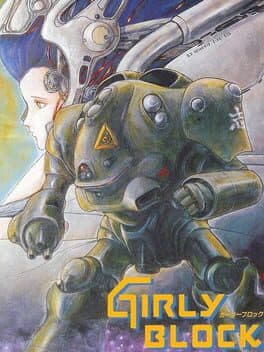
Girly Block
Compile1987
A supercomputer called "Omega" has kidnapped a valious asset. At your hands the most powerful unit to stand a chance to rescue her.
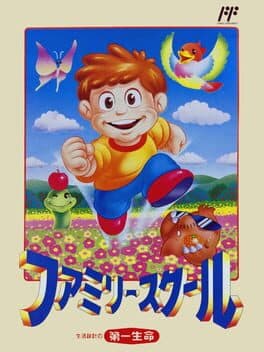
Family School
Compile1987
Family School is an action transport puzzle game, where your task is to water plants in some kind of garden so that fruit grows. Once the fruit has grown, you have to push the right fruit into the right basket at the edge of the playing field. Watch out for animals which will try to harm you. The game can be played with at least two players simultaneously. The game was apparently given as a free gift by 第一生命 (Dai-ichi life), an insurance company, to people who purchased policies from them.
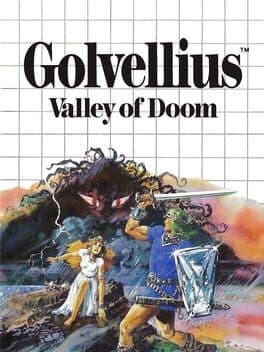
Golvellius: Valley of Doom
Compile1987
Enter the world of Golvellius. Where demons rule the valley of water...and control the creatures of land, sea and air. Where almost everyone stands against you. There is only one way in...and no way out except victory or death! It's an adventure that will take you across deserts and mountains, oceans and forests...through eerie graveyards and caves filled with danger and surprise. Golvellius has a PASSWORD SAVE feature that lets you keep all your possessions. So you never have to start an adventure empty handed!
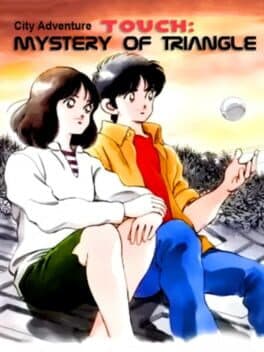
City Adventure Touch: Mystery of Triangle
Compile1987
CITY ADVENTURE touch MYSTERY OF TRIANGLE is an action game for the Famicom and NES system that was published by Toho in 1987. The game is based on the high school and baseball team themed manga Touch. City Adventure Touch is somewhat notorious in Japan for bearing absolutely no resemblance to the source material. A comic book concerning the Mystery of Triangle is included in the manual. The story appears to revolve around a character's dog who disappears into an alternate dimension, and the three children who attempt to rescue it, one of which attacks by throwing baseballs.
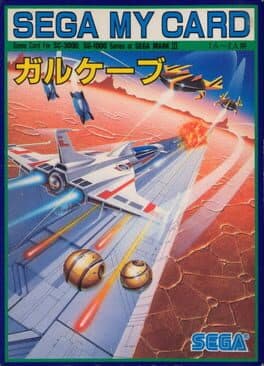
Gulkave
Compile1986
A horizontal shoot 'em up game developed by Compile and published by Pony Canyon on the MSX and Sega on SG-1000 in 1986.
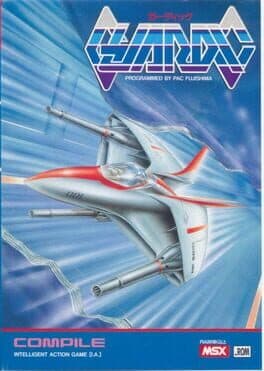
Guardic
Compile1986
Guardic is a shoot 'em up video game for the MSX computer. It was created and developed by Satoshi "Pac" Fujishima while working for Compile, the creators of other shoot 'em up games such as Zanac, The Guardian Legend, and Blazing Lazers. Guardic is unique in that the player can choose stages, which are connected by a maze. Each stage is a non-scrollable single screen and has 1 to 3 groups of different enemies. The player can "buy" ship power-ups like speed, weaponry, and special powers before each stage—a departure from the traditional scrolling-shooter power-up system. In the end of each stage, the ship could safely fly through a scrollable maze to another stage.
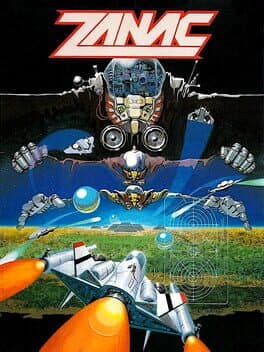
Zanac
Compile1986
The "system" was created by an organic intelligence body many milleniums ago and began attacking the human race. The earth was thrown into turmoil with only one hope for salvation. Fighter model AFX-6502 ZANAC was perfected by the 256th Riot Fleet to ward off the enemy system. It's your job, as ZANAC, to save the human race. Using eight special weapons and secret power forces buried along the way, guide ZANAC through 12 screens of enemy creatures to victory.
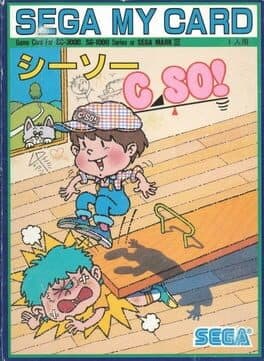
C So!
Compile1985
C-So! is a platform game in which you control a man that has to collect items like flowers, apples and cherries, while he is being chased by hostile monsters. The monsters must be crushed or hurled against the ceiling by using a hand spike. Each level also contains elastic beds and doors. The beds make it possible to jump from platform to platform and the doors make it possible to escape the monsters by leaving through one door and showing up at the other. Before you can continue to the next level all items must have been collected and all monsters killed.
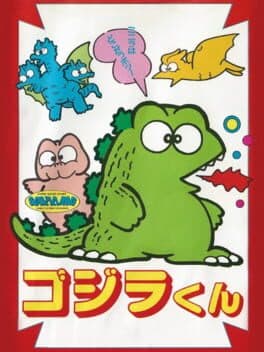
Gojira-kun
Compile1985
Gojira-kun is a game for the MSX released in 1985. The monsters are rendered in a cutesy chibi style, which was based on the Godzilland merchandise line. This game is very similar to the Gameboy Godzilla game.
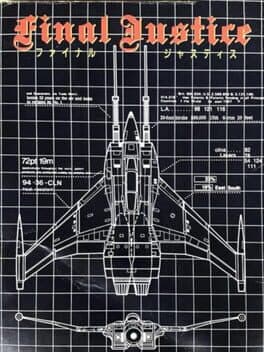
Final Justice
1985
A vertical shoot 'em up by Compile, released on the MSX.
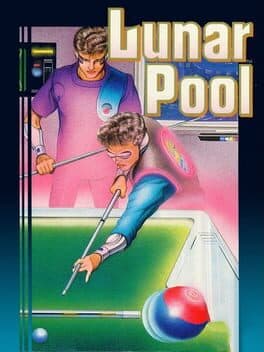
Lunar Pool
Compile1985
Lunar Pool is the first advanced home video billiards game ever. Never before has the player been able to choose among 60 different "tables." Jump around to your favorite, or master each stage consecutively. Your score is kept automatically. You set up the electronic cue stick, aim the cue ball, choose the power you need and shoot! Then watch the ball ricochet around the "table" and land in the pocket. Learn to be a "hustler" by mastering all 60 stages (an expansion over the original PC-8801 32 stages).
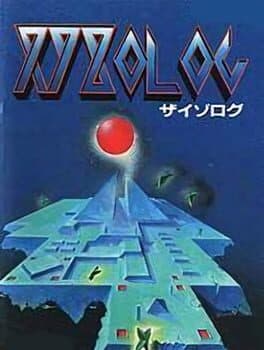
Xyzolog
Taito1984
An action puzzle game released for the MSX in 1985, developed and published by Taito Corporation.
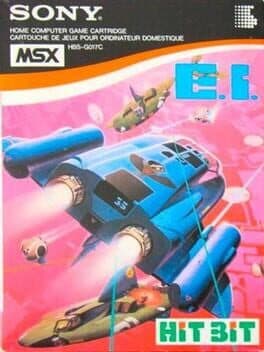
Exa Innova
Compile1984
I believe this is Compile's first vertically scrolling shooting game, and contains many elements they'd later incorporate into the Zanac / Aleste series. The title screen credits "Programmers-3" but I have seen re-releases crediting Compile. Plus, the sprite for the enemy that splits into two halves is exactly the same as the one in Zanac!
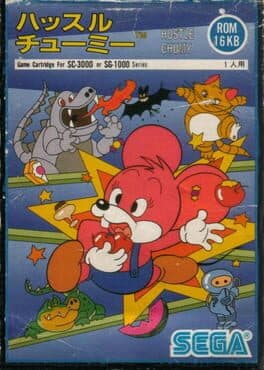
Hustle Chumy
Compile1984
Hustle Chumy is an SG-1000 and MSX game developed by Compile and released in 1984. In Hustle Chumy players control a mouse named Chumy who needs to collect apples (and other food) in a sewer, avoiding other critters as he goes. As Chumy eats more food, his speed decreases, but his fireballs are given a longer range. Levels have varying layouts. There are several types of enemies in the game, most of which can be defeated with fireballs. Bats: Bats fly over Chumy. Mecha-Dinos: Mecha-Dinos are indestructible, although Chumy can slow them down with fireballs. Gators: Gators usually sleep in one spot, but sometimes move slowly around. Cats: Cats can jump like Chumy. Ninjas: Ninjas need to be hit with three fireballs to be defeated.
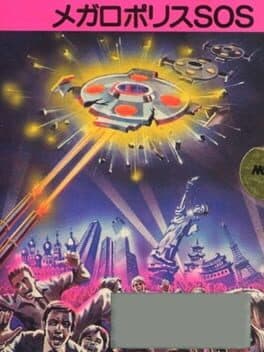
Megalopolis SOS
1983
Megalopolis SOS is a fixed-screen shooter for MSX.
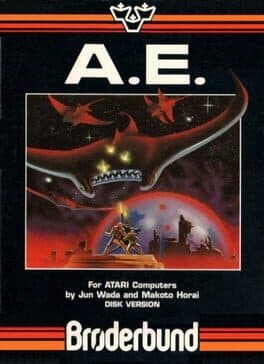
A.E.
Compile1982
A.E. is an arcade style shooting game in which you have to shoot down waves of evil flying mechanical stingrays in order to save your planet.

Borderline
Compile1981
Borderline is a free running first person adventure heavily inspired by the momentum-based gameplay from Mirror’s Edge. You are tasked with working against the city of Greyhawke’s most notorious mega corporations, uncovering their secrets while navigating through their state-of-the-art security.