-
Average rating
51
Games
0
Votes cast
Heartbeat
Shipped Titles
Games (51)
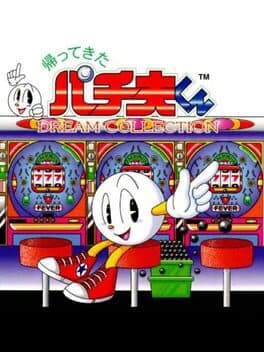
Kaettekita Pachio-kun Dream Collection
Coconuts Japan1998
Pachio-kun's second outing on the PlayStation.
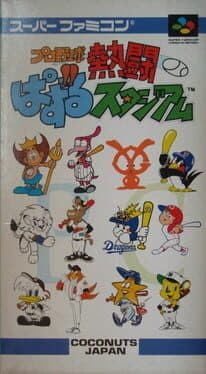
Pro Yakyuu Nettou Puzzle Stadium
1997
Pro Yakyuu Nettou Puzzle Stadium is a Puzzle game, published by Coconuts Japan, which was released in Japan in 1997.
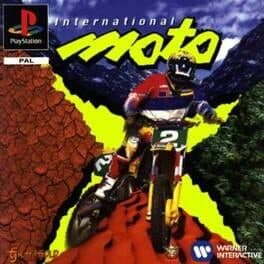
International Moto X
Graftgold1996
International Moto X is an off-road motorcycle racing game for the PS1 released in PAL regions. Wrestle with sheer drops, tackle vertical climb-outs and plunge down muddy banks. International Moto X is the most realistic and exhilarating off-road motorcycle simulation game ever! With its own unique 3D engine, it offers its players realistic bike handling, break-neck speeds and unrivalled graphics.
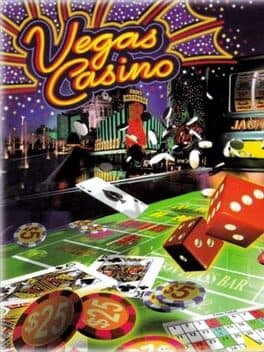
Vegas Casino
Coconuts Japan1996
Known as "Super Casino Special" in Japan, Vegas Casino is a game for up to four players via multitap comprising Baccarat, Roulette, Let It Be, Black Jack, Video Poker, Keno and Slot Machines. It can be played in two modes, Ranking play or Free Play. In Ranking mode the player enters a target amount to be reached and then plays against their opponents to see who can reach that amount. If a single player plays in this mode the game provides three opponents but the game caters for up to ten players with the game providing the additional AI opponents. Roulette,Video Poker, and Slot Machines in this game mode are played within a split screen. In Free mode there are no computer opponents and the games are the same as the games played in Ranking mode though there are minor differences, such as selecting which slot machine to play, because in this mode the split screen mode is not used at all. There are three kinds of slot machine which can be played for different stakes. Keno is the odd game here because it does not appear on the game menu, instead during any game other than Video Poker a casino hostess pops up in her own little window inviting the player to a game of Keno. If the player accepts they are shown a Keno card on which they mark their numbers after which their current game of Baccarat, Roulette or whatever resumes. A short while later the hostess window opens up again and the hostess gives the good, or more usually bad, news on how good their selections were.
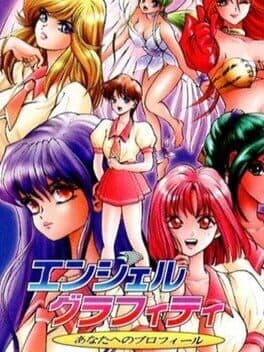
Angel Graffiti: Anata he no Profile
Astrovision1996
Angel Graffiti is a visual novel romance simulation game for PlayStation, ported a year later to Sega Saturn under the name Angel Graffiti S.
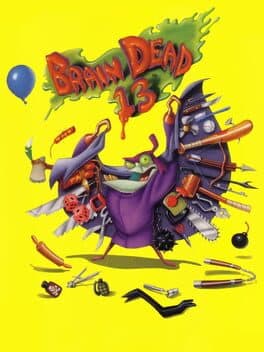
Brain Dead 13
ReadySoft1995
In Braindead 13, the player takes on the role of a young computer expert who one day is called to fix a computer at some scary castle and in no time flat, finds himself in trouble. It is up to the player to use the complex moves of an interactive movie to escape from the castle. This animated adventure is basically based on the player's judgment on which direction you think the character might go, and if the player guesses wrong, death.
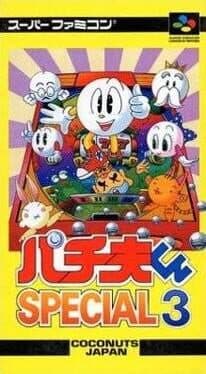
Pachio-kun Special 3
Marionette1995
Pachio-kun Special 3 is a Miscellaneous game, developed by Marionette and published by Coconuts Japan, which was released in Japan in 1995.

PO'ed
Any Channel1995
PO'ed is a first-person shooter with two simple objectives: escape the alien homeworld and kick lots of butt! There are 25 levels in all, each with a challenging array of horrific aliens to destroy, switch puzzles to solve, and platforming elements. Ox can either walk throughout the levels or utilize an ultra-powerful jetpack; use the latter in moderation as it's an important, yet limited tool.
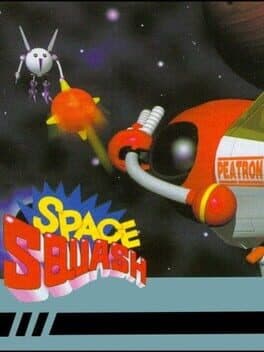
Space Squash
Tomcat System1995
Space Squash is a Sports game, developed by Tomcat System and published by Coconuts Japan, which was released in Japan in 1995.

Striker: World Cup Special
Rage Software1995
World Cup Tournament action with teams from 24 countries. You can do pass, trap, sliding tackle and more as a player. Six parameters for each player give them realistic character.
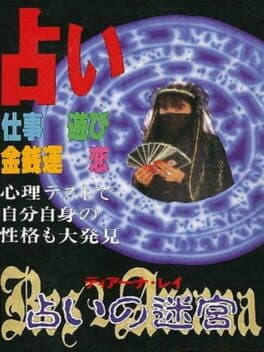
Res Arcana
Marionette1995
Res Arcana is a Miscellaneous game, developed by Marionette and published by Coconuts Japan, which was released in Japan in 1995.
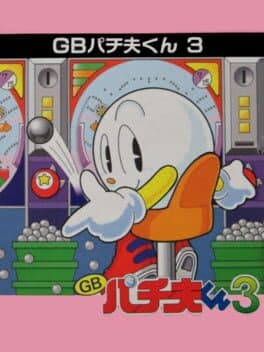
GB Pachio-kun 3
1995
The final entry in the GB Pachio-kun subseries.
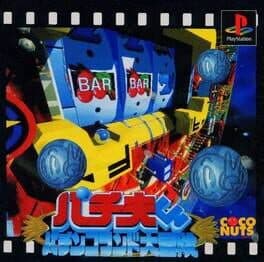
Pachio-kun: Pachinko Land Adventures
Marionette1995
Pachio-kun continues his adventures on PlayStation.
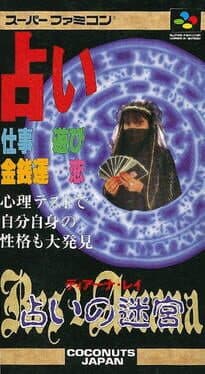
Res Arcana Diana Rei: Uranai no Meikyu
Marionette1995
A fortune-telling tool for superstitious Super Famicom owners.
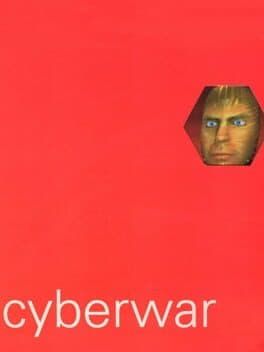
Cyberwar
Sales Curve Interactive1994
Cyberwar is a DOS game based on the film The Lawnmower Man and a direct sequel to the video game adaptation of the film, which itself takes place after the film. It was released in 1994 by SCi. Ports were announced for the Sega CD, 3DO Interactive Multiplayer, and in Japan only for the Sega Saturn and Sony PlayStation, but only the Japan-only PlayStation version was released.
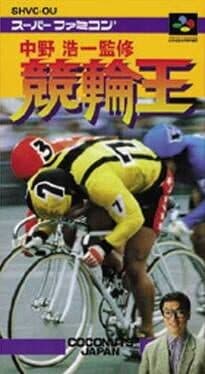
Nakano Kouichi Kanshuu: Keirin-ou
C-Lab1994
Nakano Kouichi Kanshuu: Keirin-ou is a Sports game, developed by C-Lab and published by Coconuts Japan, which was released in Japan in 1994.
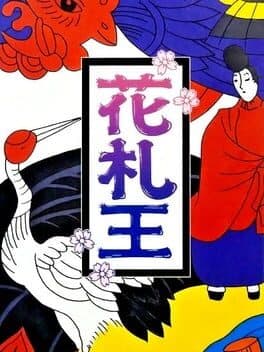
Hanafuda-ou
Electronics Application1994
Hanafuda-ou is a Miscellaneous game, developed by Electronics Application and published by Coconuts Japan, which was released in Japan in 1994.
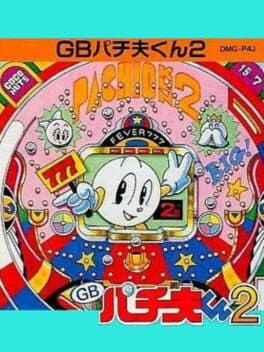
GB Pachio-kun 2
1994
Coconuts' pachinko ball mascot has a second adventure on the Game Boy.
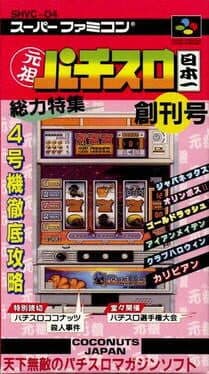
Ganso Pachi-Slot Nippon Ichi
1994
Ganso Pachi-Slot Nippon Ichi is a Miscellaneous game, published by Coconuts Japan, which was released in Japan in 1994.
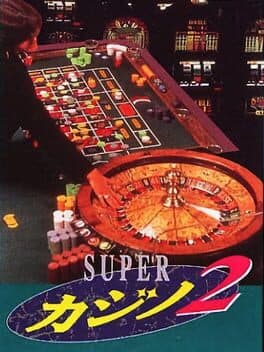
Super Casino 2
OeRSTED1994
Super Casino 2 is a Miscellaneous game, developed by OeRSTED and published by Coconuts Japan, which was released in Japan in 1994.

Elite Soccer
Rage Software1994
Elite Soccer is a Sports game, developed by Rage Software.
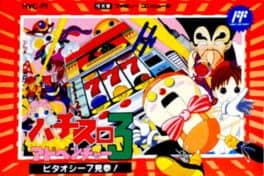
Pachi-Slot Adventure 3: Bitaoshii 7 Kenzan!
Aisystem Tokyo1994
Pachi-Slot Adventure 3: Bitaoshii 7 Kenzan! is a Miscellaneous game, developed by Aisystem Tokyo and published by Coconuts Japan, which was released in Japan in 1994.
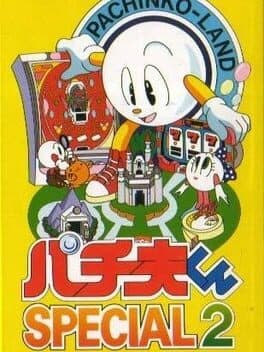
Pachio-kun Special 2
Marionette1994
Pachio-kun Special 2 is a Miscellaneous game, developed by Marionette and published by Coconuts Japan, which was released in Japan in 1994.
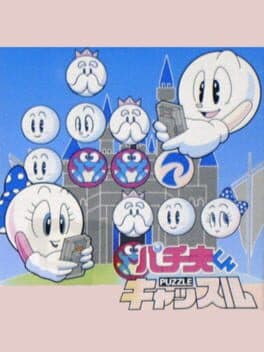
Pachio-kun: Puzzle Castle
Marionette1994
Coconuts and Marionette bring you this Pachio-kun game for the Game Boy.
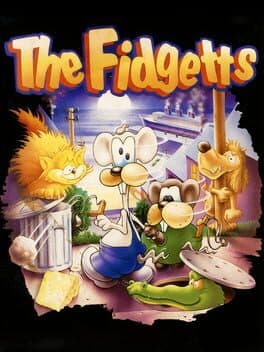
The Fidgetts
Game Over Productions1993
The Fidgetts is a puzzle side-scrolling platform game in a similar vein as 'The Lost Vikings'. The player can switch between two Fidgetts (cartoon-like animals) to get past obstacles. One of the Fidgetts can jump higher to reach objects or locations otherwise unreachable. They can also lift and drop items to help them climb over obstacles. Within each level the player must get both Fidgetts to the exit before a time runs out. There are pit traps and enemies that can cause the Fidgetts to loose lives or receive damage.
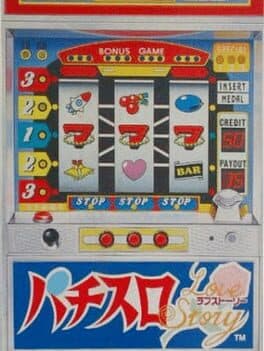
Pachi-Slot Love Story
1993
Pachi-Slot Love Story is a Miscellaneous game, published by Coconuts Japan, which was released in Japan in 1993.
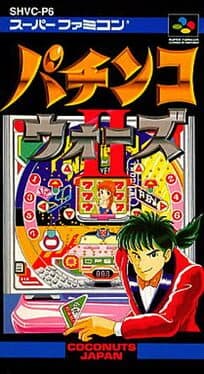
Pachinko Wars II
OeRSTED1993
Pachinko game published by Coconuts Japan in 1993 for the Super Famicom. It is the sequel to the 1992 Super Famicom game Pachinko Wars.
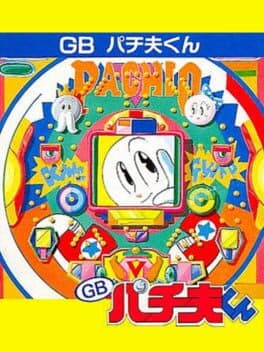
GB Pachio-kun
1993
Pachio-kun heads to the Game Boy for an adventure in pachinkoing.
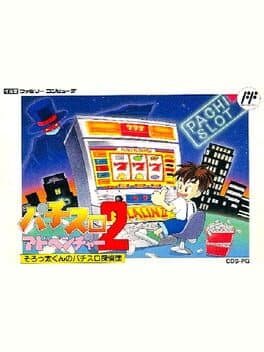
Pachi-Slot Adventure 2
Soft Machine1993
Pachi-Slot Adventure 2: Sorotta-kun no Pachi-Slot Tanteidan is a Miscellaneous game, developed and published by Coconuts Japan, which was released in Japan in 1993.
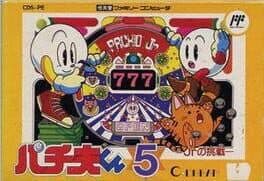
Pachio-kun 5
Color Dreams1993
The final Famicom Pachio-kun game. Pachio-kun 5 is a Miscellaneous game, developed by Color Dreams and published by Coconuts Japan, which was released in Japan in 1993.
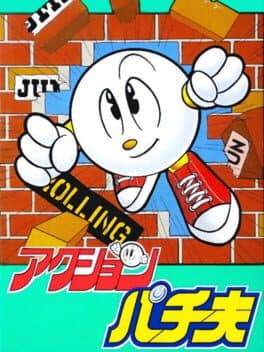
Action Pachio
C-Lab1993
The player takes control of a white Pachio and tries to make his way through all the side-scrolling levels. In between each level is a cut scene that updates the story for the player. Players can collect coins in the game; collecting 100 of them results in an extra life. They are also given a life bar with three different colors (symbolizing how "healthy" the character is), a time limit, and a relatively generic score indicator that goes up to 99 million points.
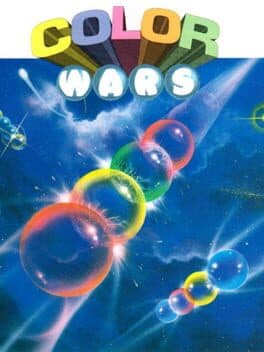
Color Wars
F21992
4-Player Puzzle game released exclusivity on PC Engine CD.
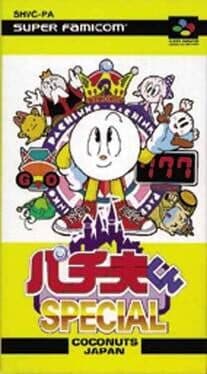
Pachio-kun Special
Marionette1992
Pachio-kun Special is a Miscellaneous game, developed by Marionette and published by Coconuts Japan, which was released in Japan in 1992.
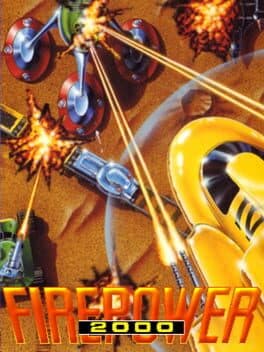
Firepower 2000
SCi Games1992
Choose between a Helicopter Gunship or an Armoured Jeep and prepare to enter enemy territory as part of the elite assault team of SPECIAL WEAPONS INTERDICTION VEHICLES. Battle against enemy 'copters, thanks, hovercraft, snowmobiles, mechanised flying fish, giant weapons installations andmuch more in this vertically scrolling shot 'em up. But beware, the enemy is armed with the latest deadly weaponry, including the lethal SILWORM IV homing missile.
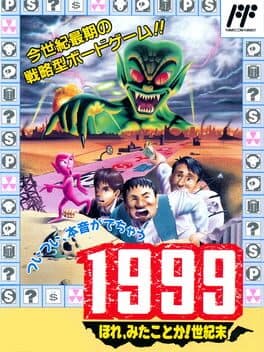
1999: Hore, Mita Koto ka! Seikimatsu
Coconuts Japan1992
1999: Hore, Mita Koto ka! Seikimatsu is a Family Computer video game that takes place in the late twentieth century right up through the year 1999. This game is similar to a crossover between Monopoly and The Game of Life. Aliens arrive to tell the players to live their lives to the fullest before it's too late because of some event that will occur at the end of 1999.Cards are used instead of dice and the players might be involved in automobile accidents, jobs, investing in the stock market, falling in love with a woman, or a single round at the slot machines
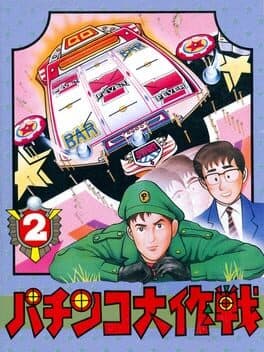
Pachinko Daisakusen 2
Color Dreams1992
Pachinko Daisakusen 2 is a Miscellaneous game, developed by Color Dreams and published by Coconuts Japan, which was released in Japan in 1992.
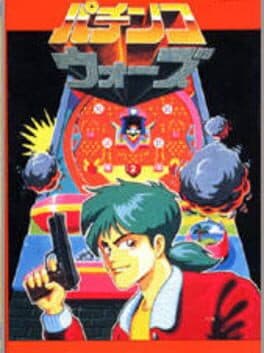
Pachinko Wars
OeRSTED1992
Pachinko Wars is a Miscellaneous game, developed by OeRSTED and published by Coconuts Japan, which was released in Japan in 1992.
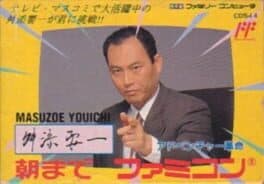
Masuzoe Youichi: Asa made Famicom
1992
Masuzoe Youichi: Asa made Famicom is an Adventure game, published by Coconuts Japan, which was released in Japan in 1992.
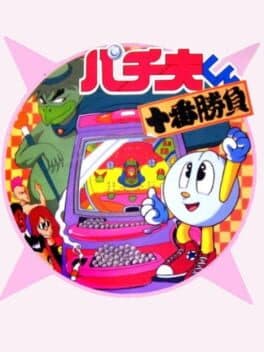
Pachio-kun Juuban Shoubu
1992
A role-playing Pachinko game.
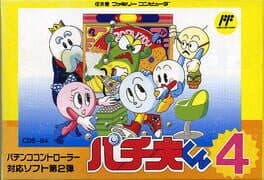
Pachio-kun 4
1991
Pachio-kun returns for a fourth outing on the Famicom. Pachio-kun 4 is a Miscellaneous game, developed by Color Dreams and published by Coconuts Japan, which was released in Japan in 1991.
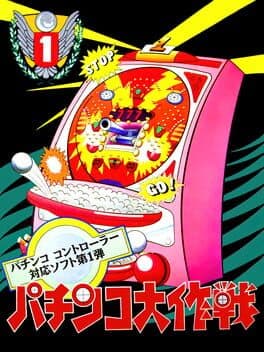
Pachinko Daisakusen 1
Color Dreams1991
Pachinko Daisakusen 1 is a Miscellaneous game, developed by Color Dreams and published by Coconuts Japan, which was released in Japan in 1991.
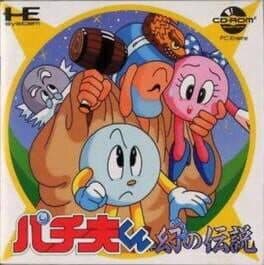
Pachio-kun: Maboroshi no Densetsu
1991
The first Pachio-kun game for PC Engine CD
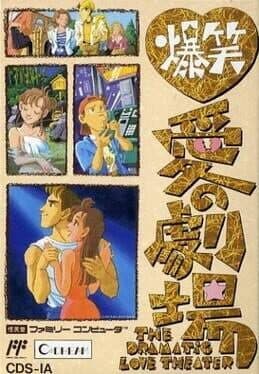
Bakushou!! Ai no Gekijou
Coconuts Japan1990
Bakushou!! Ai no Gekijou is a virtual life board game developed and published for the Nintendo Entertainment System by Coconuts Japan Entertainment on Dec 29th, 1990 in Japan. Capitalizing on the popularity of simulation and dating games from the late eighties, specifically the Bakushou!! Jinsei Gekijou series developed by Taito, this game follows many of the genre's tropes from chance rolls dictating life events, to gathering money and physical traits that benefit the player's life. Unlike the Jinsei Gekijou series however, Ai no Gekijou opts to focus on teenage life and romance in particular, rather than the wider scope seen in other life-simulation titles.
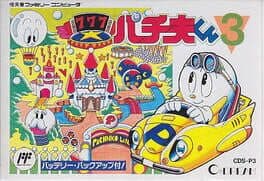
Pachio-kun 3
Color Dreams1990
The third Famicom entry in the Pachio-kun series. Pachio-kun 3 is a Miscellaneous game, developed by Color Dreams and published by Coconuts Japan, which was released in Japan in 1990.
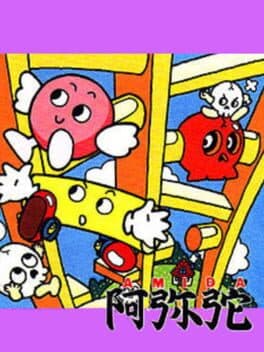
Amida
Sofix1990
Amida is a Japanese ladder climbing puzzle video game. The game requires players to navigate the main character safely across several pre-set bridges. Each bridge is composed of a number of obstacles that the character will blindly navigate into. The player can utilize an animated platform to redirect the main character as they move through the stage.
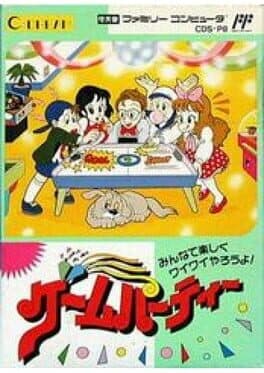
Game Party
C-Dream1990
Game Party is a game published by Coconuts Japan Entertainment Co., Ltd., which was released in Japan in 1990 for the Nintendo Famicom.
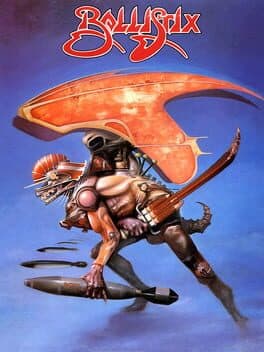
Ballistix
Reflections Interactive1989
Ballistix is a video game created by Martin Edmondson for the Amiga and Atari ST and published by Psyclapse in 1989. It was also converted to a number of other home computers in the same year and the PC Engine/TurboGrafx-16 console in 1991. It is a fictional futuristic sport involving directing a puck to a goal by shooting small balls at it.
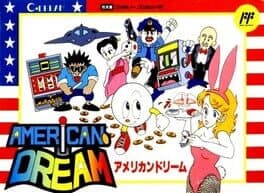
American Dream
C-Dream1989
The player must earn money in order to become the wealthiest gambler in the world. The game, set in New York City, is considered a spin-off from the Pachio-kun franchise. Al Capone has a cameo role in this game even though he lived about one thousand miles to the west (Chicago) in real life. Roads, taxis and automobiles are not portrayed in the game. However, a black limousine that escorts the player from the air force base to the final casino is portrayed as driving on grass. This is in direct opposition to the real New York City where the majority of the surface is concrete (either as roads, parking lots, or as foundations for the buildings). Only parks and some older residential districts use grass in their design in the real world. Buildings are either shown as dilapidated tenements, shiny towers, or as flashy casinos.
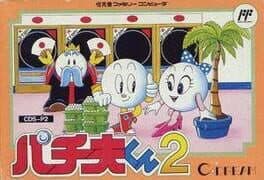
Pachio-kun 2
C-Dream1989
The second NES Pachio-kun game, about a sentient pachinko ball that loves playing pachinko. It was published by Coconuts Japan. Pachiokun 2 is the sequel to Pachiokun, and was also published by slot machine manufacturer Coconuts Japan as well as developed by contract developers Marionette and C Dream. As with the first game, the goal is to help a sentient pachinko ball named Pachio-kun bankrupt a series of pachinko parlors and liberate all his miniature brethren from their flashy mechanical gulags. The game introduces Pachio-kun's wife, presumably named Pachio-chan. If she's upset about her husband's gambling addiction, she never shows it.
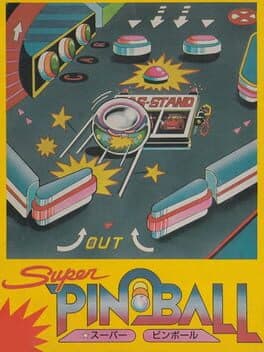
Super Pinball
C-Dream1988
At the beginning of the game the player is given an incomplete mahjong hand with one missing tile. They are then shown the tile that will complete their hand and locating that tile is the goal of the pinball game. When the tile is found the game ends immediately. The players now completed hand will determine their final score as their score from pinball will be multiplied by the strength of their hand. It features racing and sci-fi themed tables among others.
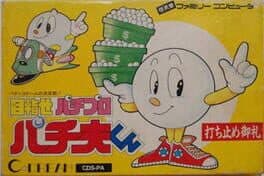
Mezase Pachi Pro: Pachio-kun
1987
The first game to feature Pachio-kun, the mascot for a series of pachinko-themed games by Coconuts Japan, Mezase Pachi Pro: Pachio-kun ("Aiming For Pachinko Pro: Pachio-kun") is simply a virtual pachinko hall with 72 different machines on which the player may try their luck. The game rewards attentive pachinko veterans by having several of the machines possess quirks, such as the frequency of payouts, certain pins being bent that will favor a ball's route to the bottom and the like. Pachio-kun simply has to lean in to examine the machines closer to ascertain how to make the machine pay out. The overall goal is to keep playing each machine, winning either through a determined strategy or simple perseverance, until all the machines have been emptied of their contents. Doing so will win the game.