-
Average rating
3
Games
0
Votes cast
Heartbeat
Shipped Titles
Games (3)
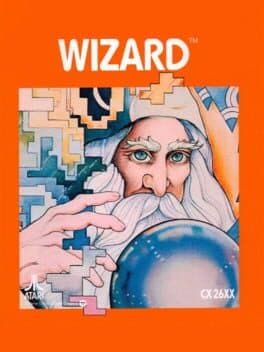
Wizard
Chris Crawford2005
The Wizard is a 2D Open World game inspired on the very good DOS Era genre titles. Talk, Run, Explore. Find secret passages and characters and discover a Dark Fantasy World full of secrets. Can you find The Wizard before your Time runs out?
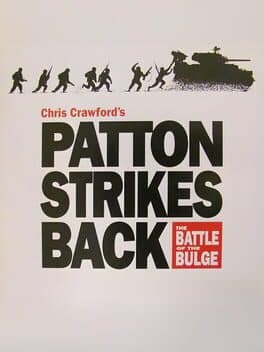
Patton Strikes Back: The Battle of the Bulge
Chris Crawford1991
Although Patton Strikes Back is unarguably the worst game of veteran wargame designer Chris Crawford's career, it was a novel (and noble) attempt to attract non-wargamers to the fray through simplified combat, colorful animations, and excellent help functions and database. A commendable effort that would not be taken up again until SSI's phenomenal Panzer General
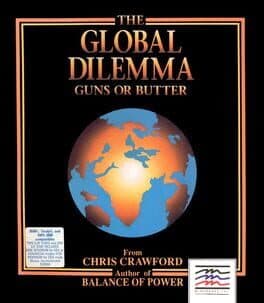
The Global Dilemma: Guns or Butter
Chris Crawford1990
Following Balance of Power, designer Chris Crawford stuck to the big-picture approach but shifted the focus from power politics to macroeconomics. In a grassroots simulation of industrial production and allocation, players balance a country’s military and social spending to survive in an environment of fictitious nations competing for land and resources. Key element in the turn-based The Global Dilemma is a basic tree of industries such as coal mines, lumber mills or gunpowder factories. The entire production chain culminates in only two results: an increase in either military strength or population. Guns or butter.