-
Average rating
44
Games
0
Votes cast
Heartbeat
Shipped Titles
Games (44)
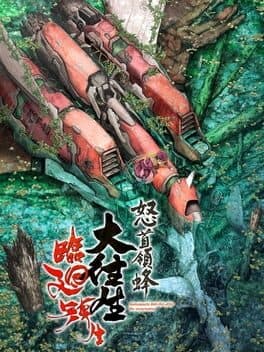
DoDonPachi Dai-Ou-Jou Re:Incarnation
M2 Co.,LTD2023
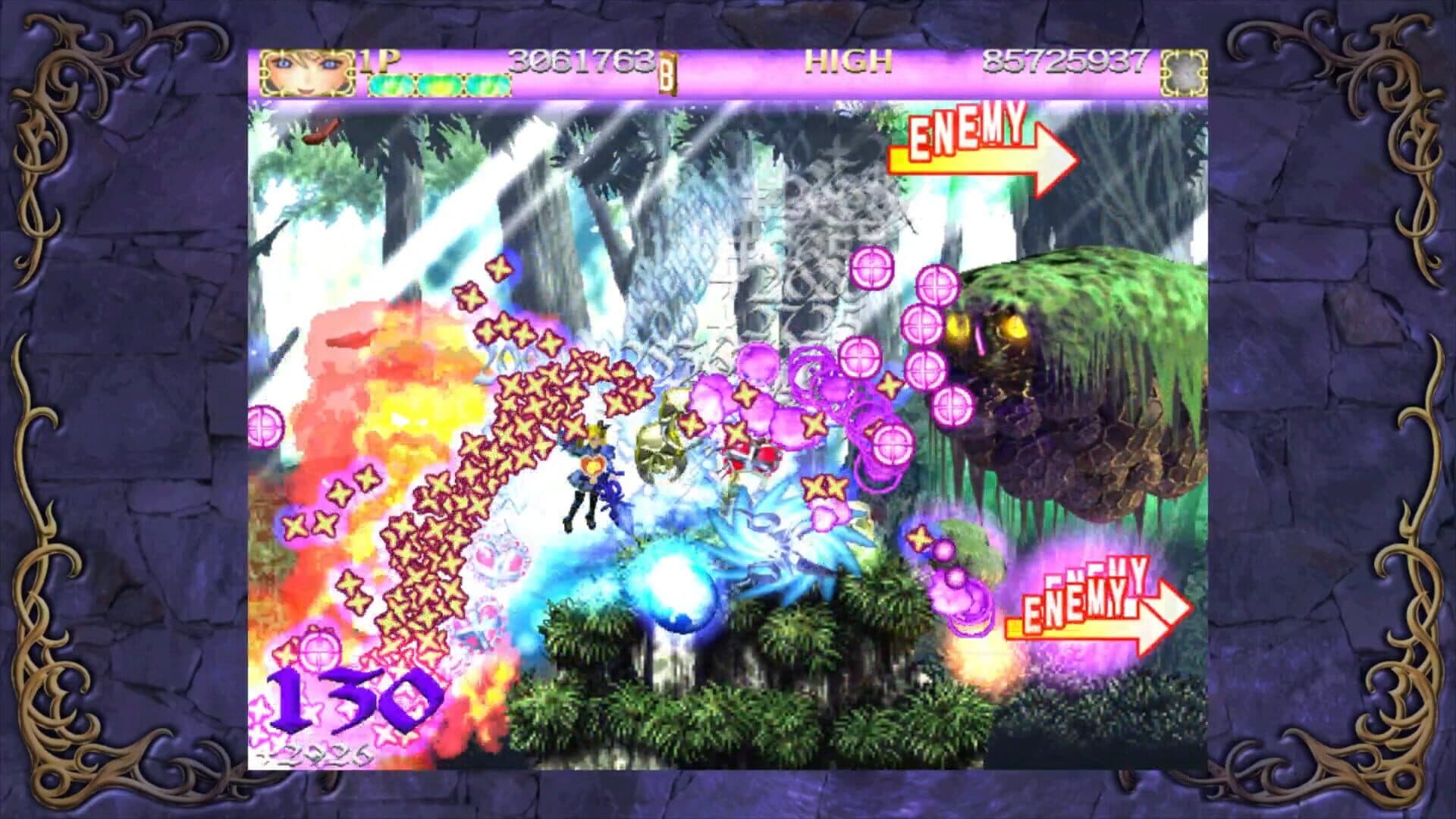
A complete re-release of the bullet hell game "DoDonPachi DaiOuJou" (Blissful Death), originally released at arcades in 2002! Besides being an authentic port to the original experience, it also includes new visuals and sounds, and the late arcade version "Black Label". Various functions that are common in the M2-Shot Triggers series are also installed in this work! "Super Easy Mode", so you can enjoy the game with casual difficulty; "Arcade Challenge Mode", that allows you to practice any stage repeatedly; "M2 gadget", that displays various useful information on the borders of the screen; And more! In addition, it supports online ranking & replay downloads; Quick save and quick load; Vertical screen monitor display (TATE mode); Settings that allow you to finely customize the game content, etc.
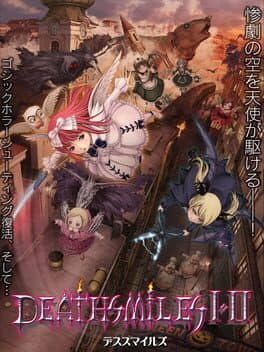
Deathsmiles I & II
City Connection2021
Deathsmiles Enter the world of Gilverado, a kingdom plagued by hideous monsters and tortured souls. Choose from four angels with unique demonic familiars and battle against a storm of enemies pouring out of Hell’s gates! Fight your way out of tight spots as you are surrounded by enemy units and bullets from both sides of the screen. The unique left/right shooting mechanic of Deathsmiles will keep you on your toes as you dodge and weave through complex enemy fire, beautifully crafted by the modern masters of shmups, CAVE. DeathSmiles II X "DeathSmiles" comes back as "DeathSmiles II X"! This time it takes place at Christmas. Angels fight at snowing Gilverado. "DeathSmiles II X" is a sequel to the Horizontal side-scrolling STG "DeathSmiles".
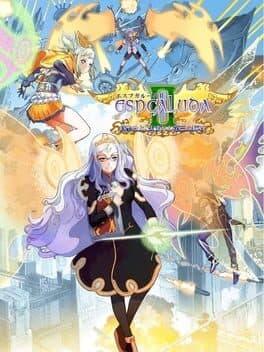
Espgaluda II
CAVE Interactive CO2021
Espgaluda II is a manic shooter originally released by Cave in the arcades in 2005 as a sequel to Espgaluda, and it has now found its way to Nintendo Switch.
Cave Shooting Collection
CAVE Interactive2013
The bullets don't let up in Cave's shooters. The developer is known for creating some of the most challenging shooting games. Take the ultimate challenge and play all 10 games in the Cave collection. All of them combine stunning visuals with intriguing stories with heart-stopping battles. The Box set includes all the download contents released, so gamers who choose this collection can spend all their time playing instead of installing packs. Since the games are known to be difficult, the box set includes strategy guides in DVDs and booklets with extra information. A reissue of this compilation called CAVE Shooting Collection Kan was released with one new game, Dodonpachi Sai-Dai-Ou-Jou. Because they were ported and published by other companies, Ketsui and Dodonpachi Dai-Ou-Jou were not included.
DoDonPachi Saidaioujou
CAVE Interactive2012
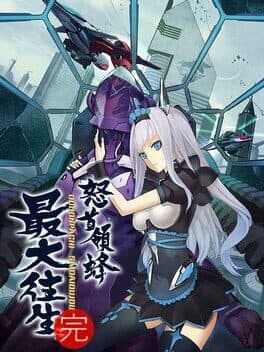
DoDonPachi SaiDaiOuJou is a vertical scrolling shoot 'em up arcade game released by Cave in 2012. It's the sixth chapter in CAVE's DonPachi series. A Japanese region-free release was released on May 30, 2013.

Instant Brain
CAVE Interactive2011
Instant Brain is an Adventure game, developed and published by Cave, which was released in Japan in 2011.
Nin2-Jump
CAVE Interactive CO2011
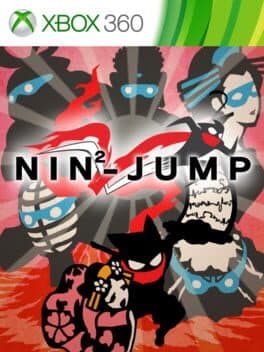
A shrewd ninja named NIN-JA stands up to rescue Princess SAKURA who was kidnapped by the evil ninja named NAMAKURA. Be the greatest ninja master in the world in Adventure Mode by flying freely with jump and chain action to clear all 50 stages while following the scenario, and in Score Attack Mode by keeping on attacking enemies appearing one after another. A high-speed shadow play, NIN2-JUMP presented by CAVE Company finally begins here! Your support fuels him up, so please back him up!

Muchi Muchi Pork! & Pink Sweets
CAVE Interactive CO2011
This compilation features ports of two Shinobu Yagawa-designed games: Muchi Muchi Pork! and Pink Sweets: Ibara Sorekara
Akai Katana
CAVE Interactive2010
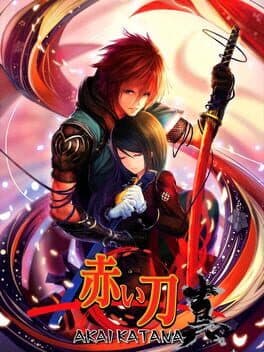
"Akai Katana" is a horizontally scrolling shooter bullet hell developed by Cave and released in Japan on August 20, 2010 for arcades. A port to the Xbox 360 with additional game modes, "Akai Katana Shin", followed on May 26, 2011 in Japan. Rising Star Games published the console release in North America and Europe on May 15, 2012 simply as" Akai Katana".

Deathsmiles II: Makai no Merry Christmas
CAVE Interactive2009
Deathsmiles II: Makai no Merry Christmas is a horizontal side scrolling shoot 'em up arcade game by Japanese developer Cave, released in 2009. It is the third Cave shoot 'em up to be played using a horizontally-oriented monitor (preceded by Progear and the original Deathsmiles). Deathsmiles II is also the first CAVE arcade game to use polygons instead of their traditional sprites for graphics.

Princess Debut
CAVE Interactive2008
Princess Debut is a rhythm otome game published by Natsume and developed by Cave for the Nintendo DS. The illustration and package design was done by Kotori Momoyuki, a manga artist serialized in Kodansha's Nakayoshi.

Deathsmiles Mega Black Label
CAVE Interactive2008
Deathsmiles Mega Black Label is a heavily altered version of Deathsmiles.
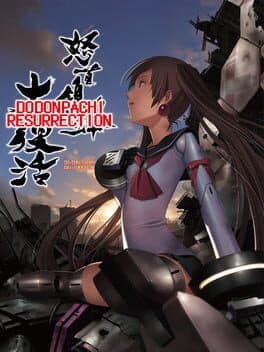
DoDonPachi Resurrection
CAVE Interactive2008
The legendary bullet-hell shoot-’em-up series has come to Steam! DoDonPachi is ressurected after a Blissful Death with enough modes to satisfy the beginner and the expert player alike. Tonight we dine in bullet hell!
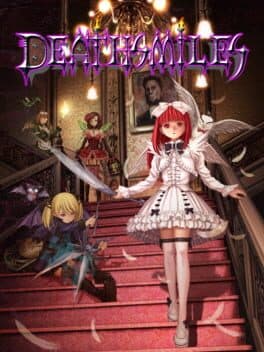
Deathsmiles
CAVE Interactive2007
Deathsmiles is CAVE's bullet-hell shoot-'em-up where you take the role of one of five Angels to defend the magical land of Gilverado from an invasion by Hell itself! Eradicate this devilish assault!
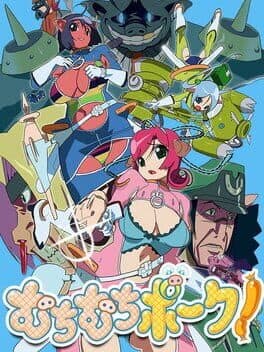
Muchi Muchi Pork!
CAVE Interactive2007
Muchi Muchi Pork! is a bullet hell vertical scrolling shooter in cute-'em-up style for one or two players. The theme of the game is pork, and there are pork heads as collectible medals, the special attack is lard attack, the names of main heroines are puns on food items, and the main villain is called General Pork Fillet. The three playable heroines were transformed by the general into plump "pig" girls, and so they ride their flying bikes to avenge the general. The game consists of 5 levels. The second loop becomes available if the player clears the game without loosing a life. The game was later released on Xbox 360 in Japan as a part of Muchi Muchi Pork! & Pink Sweets: Ibara Sorekara compilation.

Shin Megami Tensei: Imagine
GungHo Online Entertainment, Inc.2007
Shin Megami Tensei: Imagine, formerly known as Megami Tensei Online: Imagine, was a massively multiplayer online role-playing game for Microsoft Windows personal computers. It is part of the Megami Tensei series, and was developed by CAVE under license from the series creator Atlus.

Mushihime-sama Futari
CAVE Interactive2006
Mushihime-sama Futari (虫姫さまふたり Mushihime-sama Futari?, lit. "Bug Princess Duo"), a bullet hell shooter by Cave, was released in arcades on October 27, 2006 and as a sequel to Mushihimesama. Mushihimesama Futari was released on the Xbox 360 in Japan on November 26, 2009. In April 2012, Cave released a port of the game on the iOS platforms, titled Bug Princess 2 (Mushihimesama was also released on the platforms titled Bug Princess).
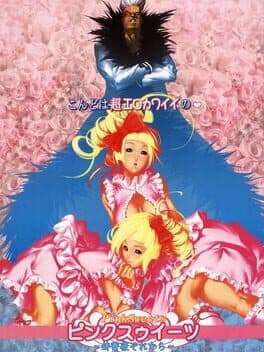
Pink Sweets: Ibara Sorekara
CAVE Interactive2006
Pink Sweets is a manic shooter. Its story presents an alternate universe version of Ibara; in this universe, none of that game's villains died, and the player controls one of the four boss characters from the previous game. It presents a similar rose-draped steampunk aesthetic which provides an excuse for the player's ships to fly through a very floral 19th century. Designer Shinobu Yagawa drew on his experience working on Raizing games such as Battle Garegga to present a game that plays a bit differently from the traditional Cave mold. The player's ship has a traditional shmup-style shot, but is also able to charge a special attack by not firing. A fully-charged, unfired special attack acts as a form of shield that can cancel certain enemy bullets; when fired, the fully-charged special attack acts as a kind of miniature bomb.
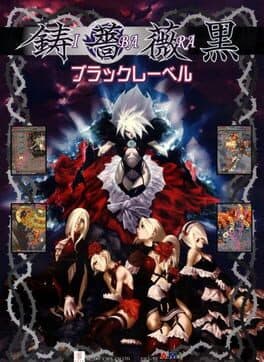
Ibara Kuro: Black Label
CAVE Interactive2006
Ibara Kuro: Black Label is a revisited version of the arcade game Ibara, featuring some changes introduced in its PlayStation 2 conversion, along with further ones. While graphics, sound, characters and plot are reproduced with no alterations, gameplay and the HUD are changed. It is now possible to choose between Bond and Dyne as one's avatar, which implies choice between two different spaceships, and four different settings power-speed balance for each of the two. Holding the fire button now makes shots more powerful, while also slowing the ships. The current player's rank, a measure of how well we are playing affecting both score multiplication and the amount of bullets fired by enemies, is now visible, indicated in a bar at the top of the screen. Extra weapons (missiles, napalm, homing missiles, sway missiles, machine gun, and burnar) are now all keepable, and switched by the press of a button (in the former version of the game, Rob and Dyne could use only the last collected one). There is an overall increase in firepower, both ours and the enemies', particularly in regards with the Guardians. Some of the background music tracks are different.
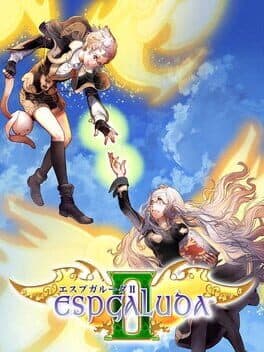
Espgaluda II
CAVE Interactive2005
Espgaluda II is a manic shooter originally released by Cave in the arcades in 2005 as a sequel to Espgaluda.

Puzzle! Mushihimetama
CAVE Interactive2005
A Cave-developed puzzle game starring Reco, the bug princess from Mushihime-sama.
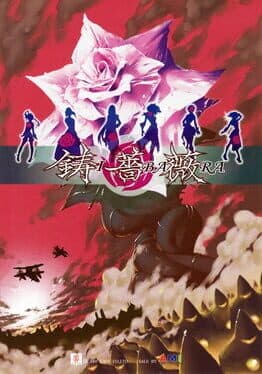
Ibara
CAVE Interactive2005
Ibara is a vertical scrolling shoot 'em up. The back story revolves around a group of sisters, led by Professor Teresa Rose, who want to destroy all technological progress in the land of Edelweiss, essentially turning it into a rose garden. Players can choose to either lead the characters Bond or Dyne and their airplanes through several levels of "bullet hell"-style gameplay in an attempt to defeat the sisters. The player's weapons arsenal consists of a main gun and bombs. Bombs must be collected in fragments, and once the player has all of them, the Hadou Cannon can be used. Staying behind the cannon will make the player invincible for the duration of the effect. Additionally, enemies drop various "options," up to two of which can be attached to the wings of the plane to further increase fire power. The game has a ranking system. If the player does really well, they go up in rank and thus boss battles will be a lot harder. Rank can be strategically decreased either by dying or by collecting roses, which are created from enemy bullets when the player sets off a bomb. Scoring works by collecting gold medals dropped by destroyed enemies. They must be quickly collected to keep up a scoring chain. Once a new medal pops up, and the medals on screen already haven't been collected yet, the chain is broken.
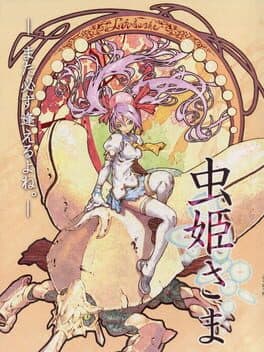
Mushihimesama
CAVE Interactive2004
Battle huge "Koju" bugs in CAVE's beautiful fantasy shooter, Mushihimesama. Experience the thrill of bullet hell from the masters of the genre as you evade visually stunning shot patterns with thousands of bullets.
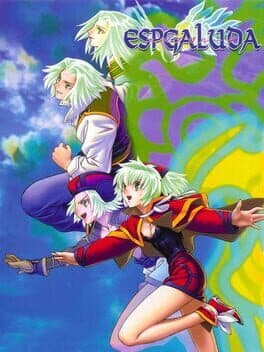
Espgaluda
CAVE Interactive2003
A great vertically scrolling manic shooter. In an otherwise peaceful world, the Shinra Empire began conquering nearby nations one by one to expand their territory gradually. Meanwhile, in the Shinra weapons lab, the Espgaluda project produced two successful prototypes: Agaha and Tateha. Fearing for their future, the project's head scientist, Hiodoshi, escaped with the two prototypes to a nearby kingdom, but time after were found by Shinra's troops and Hiodoshi was killed by the attack of the imperial army, the power of the galuda has awaken. You have the option of controlling one of two siblings each with different skills, Ageha faster but with narrower shooting capabilities or Tateha slower but with a wider attack. As you fly through the various stages various mechanical enemies attack with a high number of bullets, often nearly filling the screen. Aside from the regular shots, Ageha and Tateha also have additional abilities which help the player navigate through the numerous bullets. The first is a guard barrier; when activated the player is immune to collisions and as a bonus when the barrier button is released a more powerful laser shot is fired. A meter at the bottom of the screen indicates how much power is left in the barrier. The second ability is called the Kakusei mode; when this mode is activated your character gender is altered and is able to fire a more powerful shot. More importantly, when this mode is activated all of the enemies and their bullets slow down considerably while the players speed remains the same making it easier to navigate through a tricky pattern of bullets. Activating Kakusei mode will rapidly deplete the players supply of green gems; since the number of gems isn't limitless the player may not be able to remain in Kakusei mode for long. When not in Kakusei mode additional gems can be collected by destroying the various enemies. If the player completely runs out of gems, enemy bullets begin travelling faster than usual. Another bonus in the game is gold inguts which greatly increase the players score. These are found when in Kakusei mode; when an enemy is destroyed, all of its bullets will turn into ingots which can be collected by the player.
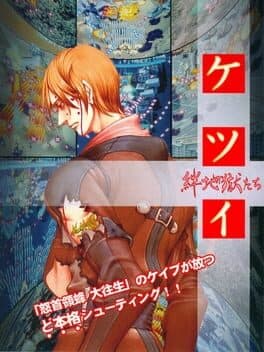
Ketsui: Kizuna Jigoku-tachi
CAVE Interactive2003
Ketsui: Kizuna Jigoku-tachi is a vertical bullet hell shoot 'em up developed by Cave and released in 2003.

Touge R
CAVE Interactive2002
A drifting-focused racing game for Xbox that pits players in narrow mountain pass (touge) duels. Emphasizing precision driving and car tuning, Touge R was only released in Japan.
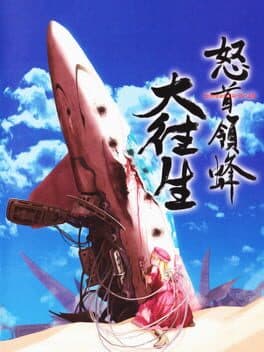
DoDonPachi DaiOuJou
CAVE Interactive2002
The fourth game in the Donpachi series.
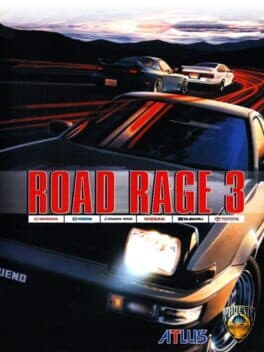
Road Rage 3
Atlus2001
Race against speed freaks and adrenaline junkies on tough mountain tracks in this fast and Furious championship. Engage in time trails and intense 400-meter races in your quest to win the "Fastest of the Pass" title. Win the Battle King mode and race against the famous Drift King. Drive 30 actual modes from six Japanese famous auto manufacturers (Honda, Mazda, Mitsubishi, Nissan, Subaru, Toyota). The game also includes a two-player mode.
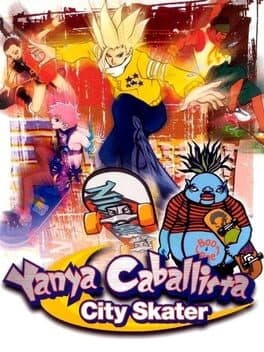
Yanya Caballista City Skater
CAVE Interactive2001
Yanya Caballista: City Skater, known in Japan as Yanya Caballista featuring Gawoo, is an extreme sports skating game for the PlayStation 2. The game is similar to Jet Set Radio in feel and look, but is more of an arcade style game.
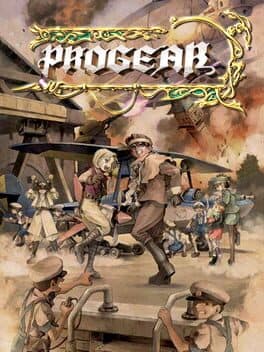
Progear
CAVE Interactive2001
Progear is an arcade video game developed by CAVE and published by Capcom on the CPS-2 arcade system board in 2001. This was Cave's only horizontal scrolling shooter until Deathsmiles in 2007. The game features a steampunk-like style and art design. This game is the second of two CAVE shoot 'em ups to be released in America with the third CAVE NTSC-U/C release being Princess Debut, and in limited print; and as a result, the US version is somewhat rare. Sometime in the past, the people of the country of Parts had found a way to become immortal, but only with elderly nobles. Five of these elders—Ballossum Pench, Gabriel Hammer, Jimchuck Spanner, Olsorro Slasher, and Leonard Drill—obtained immortality, and became known as the Motoruin sages. Eventually, they attempted to take over the Parts kingdom and start a new world order, collapsing the government and destroying parts of the country in the process. As their plans unfold, five children of one of these villages decide to battle the Motoruin using another new invention: the semi-automatic propelling engine, known as "Progear". At the start of the game, the player is given a choice between two pilots/planes and three gunners, which determines the effectiveness of their respective modes. Each character's costume can be changed by holding the start button at the selection screen.
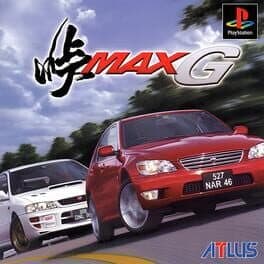
Touge Max G
CAVE Interactive2000
A touge-focused drifting racer where players compete one-on-one on narrow mountain passes with realistic handling and an expanded car roster. Modes include King Battle, Time Attack, Story, Gymkhana, and two-player versus, with night courses and customization options emphasizing racing line and drift technique.
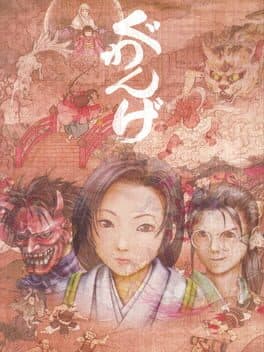
Guwange
CAVE Interactive1999
Guwange is 2D vertically scrolling shoot'em up played with a character moving on foot. The game takes place during the Muromachi period in Japan with strong fantasy elements. The shikigami demons possess the people and give them great opportunities, but they die after exactly one year. Three heroes want to get rid of the curse. They must kill the evil deity Guwange, but first they must find five elemental scrolls. The game belongs to the "bullet hell" range of shooters, with lots of bullets on the screen where precise movement and pattern detection is required. The player can choose from three characters, each with a different attack style. They can be moved around the screen and need to shoot enemies and bosses. They have access to basic weapons and special shots, but as the characters move on foot, they cannot shoot enemies on rooftops or freely move around the level when there are structures or obstacles in the way. The player can summon shikigami, increasing firepower. The Xbox 360 version has two additional game modes: Arrange Blue Mode (a more challenging version) and Arrange Xbox 360 mode (small changes in gameplay, for example shikigami is controlled separately with the right analog stick).
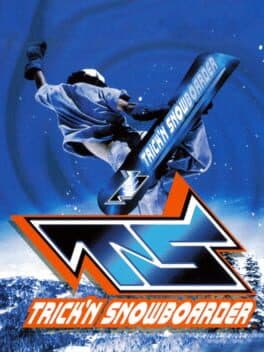
Trick'N Snowboarder
CAVE Interactive1999
With a fresh dusting of new powder on the mountain, lock on your board and head down the slope for an incredible downhill experience. Feel the speed and the icy wind on your face as you carve through killer courses and obstacles. Trick'n Snowboarder is a shred-fest of sheer speed and air-catching tricks. Race across the world on 10 international courses in 4 different modes of play.
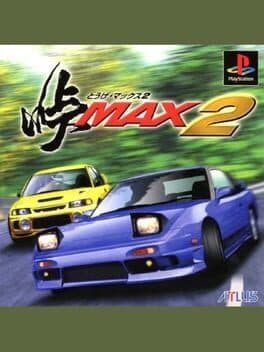
Touge Max 2
CAVE Interactive1998
A touge racing game developed by Cave.
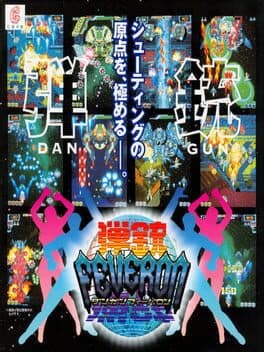
Dangun Feveron
CAVE Interactive1998
Dangun Feveron is a vertical scrolling shooter game developed by Cave and published by Nihon System Inc. in 1998. The gameplay is typical of manic shooters, with numerous swarms of enemies onscreen at any given time, and bosses that shoot intimidatingly large clusters of bullets. Unique to this title, the score of the game is disco music, which is a particularly unusual choice for a shoot 'em up.
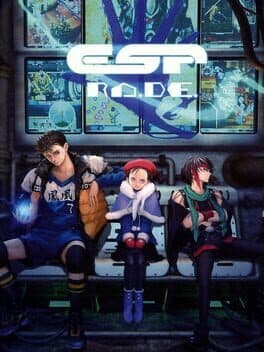
ESP Ra.De.
CAVE Interactive1998
ESP Ra.De. is a 1998 arcade game developed by Cave and published by Atlus. It is the first non-DonPachi game released by Cave. ESP Ra.De. received spiritual prequels in the form of the Espgaluda series; however, ESP Ra.De. is related to the Espgaluda series only by shared name and programmer Tsuneki Ikeda.
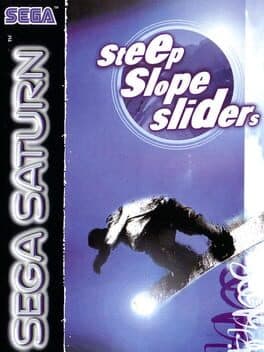
Steep Slope Sliders
CAVE Interactive1997
Steep Slope Sliders is a 1997 downhill snowboarding game by Cave and Pack-In-Soft for the Sega Saturn that was later brought to Sega Titan Video arcade hardware by Cave, Capcom, and Pack-In-Soft parent Victor Interactive Software.
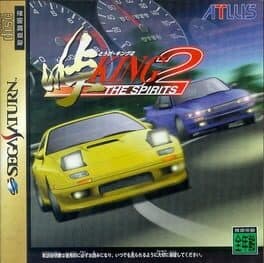
Touge King: The Spirits 2
CAVE Interactive CO1997
A touge racing game developed by Cave.
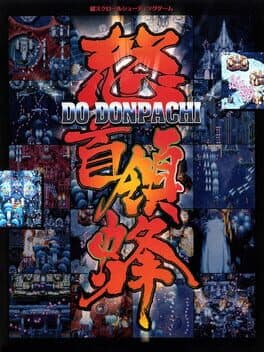
DoDonPachi
CAVE Interactive1997
Compared to DonPachi, DoDonPachi is generally known for introducing new gameplay elements while improving or changing existing ones. The overall background of the game, unlike following sequels, remains more or less centered around a supposed invasion by a mysterious race of mechanized aliens, which the player is called to face throughout its run. However, more sinister and shocking secrets lie beneath the surface, accessible only to those brave and skilled enough to clear the entire game.

Peak Performance
CAVE Interactive CO1997
PEAK PERFORMANCE is a racing game based on the Chevrolet Pikes Peak International Hill Climb. The signature course, Pikes Peak Hill Climb, is a solitary climb up a mountain, with more turns on one track than most have in an entire game. This track, as with half of the other four courses, features a combination of dirt and pavement in both urban and rural settings, providing enough variety and difficulty to keep things interesting. Each of the game's 25 cars has its own feel, giving the game a good amount of depth and keeping the replay value high. Each car can also be colored, named, and completely customized, right down to the wheels.

Delisoba Deluxe
CAVE Interactive CO1996
A driving/racing game for Sega Saturn developed by CAVE and TBS Television. It was made as a tie-in to TBS's mid-1990s Japanese game show Tokyo Friend Park, where one of the games, Delisoba ("delivery soba"), had celebrities command a virtual motorcycle trying to deliver soba to the TBS TV Studios. Deluxe is a "port" of this game to the Saturn, which adds features such as a time attack and track editor, and was not sold in stores, but rather given away at the show (either to winners or to audience members, exactly what is unknown).
Othello Derby
CAVE Interactive1995
Othello Derby is an Arcade adaptation of Othello/Reversi. The game is represented through horse racing; players choose between a white or black horse, which corresponds to their color in the game of Othello. You have the choice of three difficulties, though they all have the same set of opponents and the Medium and Hard difficulties simply start you off at the 2nd and 3rd opponents. When the race starts, the Othello board pops up and you are pitted against an animated CPU opponent. Defeat them to win the race and advance to the next, harder opponent. You only have 10 seconds to make each of your moves; if you run of out of time, the game places your piece for you.
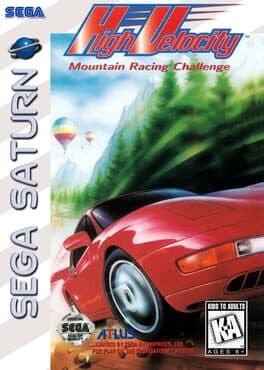
High Velocity: Mountain Racing Challenge
CAVE Interactive CO1995
A touge racing game developed by Cave.
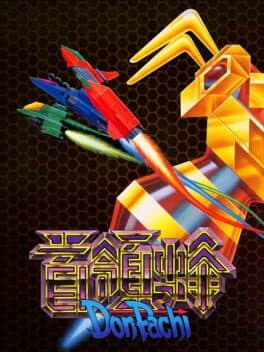
DonPachi
CAVE Interactive1995
DonPachi is a 1995 vertical manic shoot-'em-up originally in arcades and was the first game from the developer Cave. Settings are mainly woodland and enemies are military vehicles and robots, culminating in the final boss, a huge robotic bee. One of three weapon configurations is chosen at start and then leveled up through dropped power-ups. DonPachi was ported to the Sega Saturn and Sony Playstation in 1996.