-
Average rating
16
Games
0
Votes cast
Heartbeat
Shipped Titles
Games (16)

Fun! Fun! Pingu
C-Lab1999
'Fun! Fun! Pingu' is a Japanese PlayStation title based on the children's animation series 'Pingu'. The game follows Pingu in his escapades based on different episodes of the show, as he finds and picks up different items and talks with different citizens of Antartica. Alongside the release, various Pingu-branded PSX merchandise like controllers and memory cards were made.
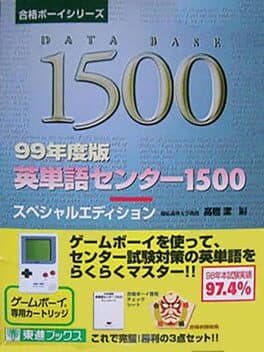
99 Nendohan: Eitango Center 1500
C-Lab1998
99 Nendohan: Eitango Center 1500 is a gameboy game that consists of a dictionary of English words for Japanese speakers. It was meant to be an affordable and portable database of English and Japanese words.
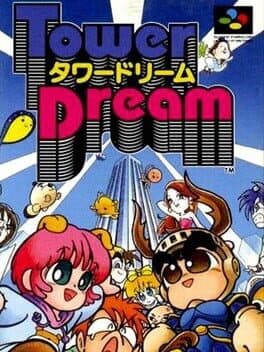
Tower Dream
C-Lab1996
A property-developing board game with a surreal sense of humor. A sequel was released in 1998 for the PlayStation.
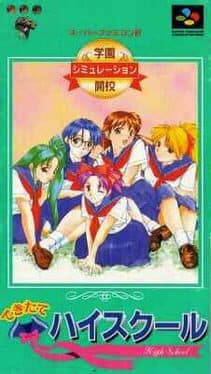
Dekitate High School
C-Lab1995
Dekitate High School is a Super Famicom video game that was released to an exclusively Japanese market in 1995 and was considered to be the first "high school simulation" video game to be released for the Super Famicom. Famed Japanese illustrator Nishiki Yoshimune would draw the cover art for the game while the actual character design was done by the in-house staff at C-Lab. The game involves going through a day of high school in Japan as a teacher while managing a star pupil to good grades and popularity. Players can even build their own high schools for the purpose of gameplay, making this game similar to SimCity. A massive amount of yen is given at the start; so players can assign all the classes and even create yards of grass for students to loiter in between classes. Socializing with an assigned student will be more than just teaching her kanji and arithmetic lessons. Menus and multiple choices are used to get through the game with a first-person perspective.
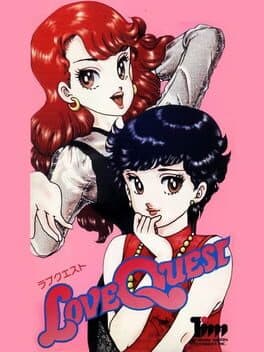
Love Quest
C-Lab1995
Love Quest is a 1995 video game for the Super Famicom that was released exclusively in Japan. Initially, the game was planned to be released for the Family Computer. A prototype copy of this game was leaked into the public and has been sold for a price of 250000 Yen at an online auction that took place in 2008. The player begins the game as a young man with an Oedipus complex who searches for his bride who disappeared during their wedding. Instead of fighting "girls" (who vary in age, occupation, and appearance) in a random encounter, the player has to "win" their heart. Some of their "special attacks" includes the girls biting their nails and using their cosmetics. Items of armor must be bought at boutiques while weapons must be earned by progressing through the story. The video game is set in the backdrop of 20th century urban Japan. There is no sex or nudity; despite the "suggestive" themes of promiscuity that are present in the game. The same girls that "attack" the player also join the play to support and heal him.
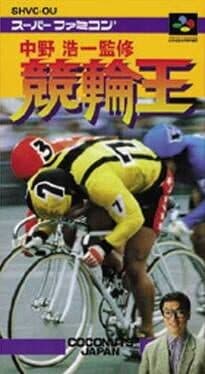
Nakano Kouichi Kanshuu: Keirin-ou
C-Lab1994
Nakano Kouichi Kanshuu: Keirin-ou is a Sports game, developed by C-Lab and published by Coconuts Japan, which was released in Japan in 1994.
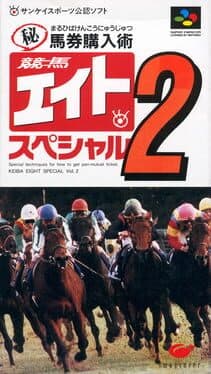
Keiba Eight Special 2
C-Lab1994
Keiba Eight Special 2 is a Sports game, developed by C-Lab and published by Imagineer, which was released in Japan in 1994.
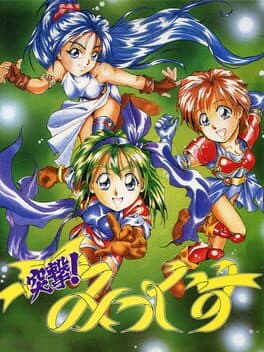
Totsugeki! Mix
C-Lab1994
Totsugeki! Mix is a cute action platform game. Choosing one of the three girls, each with their own unique weapon, the player must travel through ten different stages fighting Galuf's unreasonably cute army. There are several different special magic powers that can be collected, including a fairy familiar, magic shield, and time slow, and a boss waits at the end of each stage.
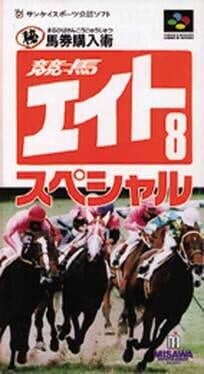
Keiba Eight Special
C-Lab1993
Keiba Eight Special is a Sports game, developed by C-Lab and published by Misawa, which was released in Japan in 1993.
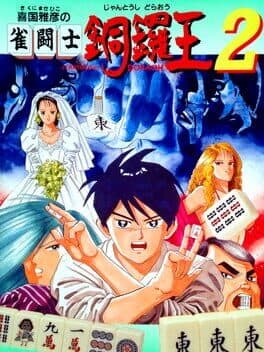
Kikuni Masahiko no Jantoushi Dora-ou 2
C-Lab1993
Kikuni Masahiko no Jantoushi Dora Ou 2 is a mahjong game with a parody supernatural superhero theme. Like its predecessor, it uses mahjong as a sort of component for its "battle" system. Kikuni Masahiko no Jantoushi Dora Ou 2 is a bit more "free", allowing the player to explore the world map. It also allows for four-person games, removing the two-person limitation of its forebear.
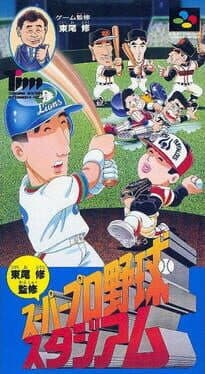
Higashio Osamu Kanshuu Super Pro Yakyuu Stadium
C-Lab1993
Higashio Osamu Kanshuu Super Pro Yakyuu Stadium is a Sports game, developed by C-Lab and published by Tokuma Shoten, which was released in Japan in 1993.
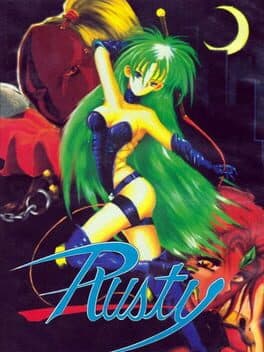
Rusty
C-Lab1993
The player plays as the vampire huntress Rusty who investigates the disappearance of a number of women, and travels through ten stages, fighting skeletons, monsters and boss characters with her whip and items.

Super Dunk Star
C-Lab1993
Super Dunk Star is a basketball game somewhat based on the NBA but with entirely fictional teams. Most of the action is depicted NBA Jam style, with a horizontal view of the court and large sprites for the athletes. Upon scoring a field goal from up close (slam dunks or otherwise), the camera briefly changes to a dynamic shot of the basket. The game was developed by C-Lab and published by Sammy Studios exclusively in Japan.
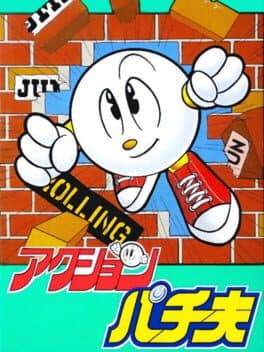
Action Pachio
C-Lab1993
The player takes control of a white Pachio and tries to make his way through all the side-scrolling levels. In between each level is a cut scene that updates the story for the player. Players can collect coins in the game; collecting 100 of them results in an extra life. They are also given a life bar with three different colors (symbolizing how "healthy" the character is), a time limit, and a relatively generic score indicator that goes up to 99 million points.
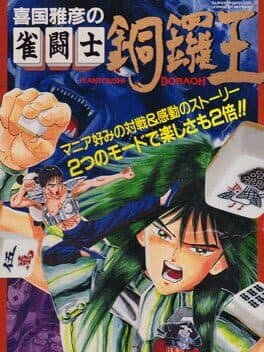
Kikuni Masahiko no Jantoushi Dora-ou
C-Lab1993
Kikuni Masahiko no Jantoushi Dora-ou is a mahjong game for the Super Famicom. It features a wide variety of strange and ridiculous characters and is largely comical in nature. It follows typical Japanese mahjong rules, although there are a few exceptions. Many characters are also capable of performing special attacks when their "cosmo" meter is full; these attacks can have many different incarnations, from simply beating the opponent unconscious for a win (surprisingly ineffective) to instantly getting a ron. The game also features a password feature which allows players to save their progress.
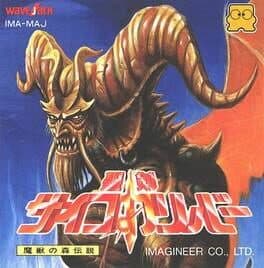
Seiken Psycho Caliber: Maju no Mori Densetsu
C-Lab1987
Seiken Psycho Calibur is an adventure game for the Famicom Disk System, developed by Imagineer and published in 1987. It is part of the Wave Jack series of games produced by Imagineer that come with more accessories than the average video game, including a story book and audio cassette tape. Seiken Psycho Calibur is, in many ways, an attempt to copy the success of The Legend of Zelda. However, it fails to inspire the same level of wonder and fascination. It also lacks a good degree of polish that made the afore mentioned title so great. Nevertheless, Seiken Psycho Calibur is a relatively fun game to play, as long as you have a fair degree of insight into how the game is played. There are some unintuitive aspects of the game that can make progress in the game quite difficult. For example, you begin the game in a town which offers a variety of goods for sale, but you only receive so much money, and you can never return to the town once you leave. Therefore, what you decide to invest your money in has a substantial impact on the difficulty of the game early on. Many items can be bought for less money later on, but only if you know the location of the hidden shops that contain them. Other less obvious points in the game require a bit of back tracking from later areas to earlier areas in order to acquire items that allow you to proceed, and boss battles that are at times incredibly difficult. This game was fan-translated into English by a user name Toma, who released the patch on December 20, 2000.