-
Average rating
22
Games
0
Votes cast
Heartbeat
Shipped Titles
Games (22)
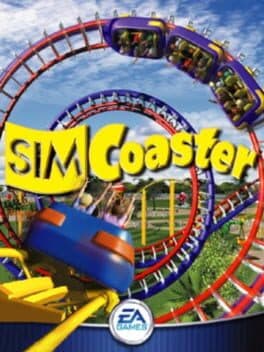
SimCoaster
Bullfrog Productions2001
SimCoaster is the third and final game in the Theme Park series. It uses the same graphic engine as the previous game Theme Park World. It is a theme park management game where players build their own theme park and attract as much visitors as possible. This time there are also grandparents of the little visitors who need to be entertained. This version focuses more on the management side of running a park. It contains various types of business related to campaigns and objectives, such as bringing in a certain number of guests to a ride. By completing these challenges, promotions can be gained. As with the previous game in the series, players can walk around in their park in a first-person mode and go on the rides.
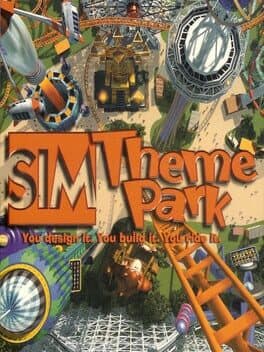
Sim Theme Park
Bullfrog Productions1999
Like the previous title, Theme Park World tasks players with managing a series of amusement parks. To do this, the player must choose how to spend their available funds, finding a way to expand the number and scope of their parks while remaining profitable. Income from the park can be used to purchase new rides or attractions, hire staff to maintain the park, and other similar functions. Various elements can be controlled by the player, such as the name of the park, the price of admission, the layout of the roller-coaster tracks, and the quality of food in the park restaurants. An ant-like announcer by the name of Buzzy, voiced by Terry McGovern in the American-tailored Sim Theme Park and Lewis MacLeod in UK release Theme Park World, helps the player with advice during gameplay.
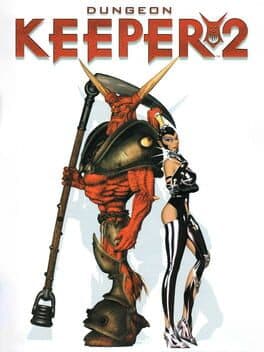
Dungeon Keeper 2
Bullfrog Productions1999
Bad guys have all the fun. Discover your dark side as you build an evil underground kingdom and defend it against the forces of good.
Aquarium
Bullfrog Productions1998
Theme Aquarium is a simulation video game in which the player creates and controls a sea life aquarium. It was originally released on 17 December 1998 for PlayStation only in Japan. The game was later ported to Microsoft Windows under the name Aquarium and was released in Europe. It was developed by Bullfrog production after the acquisition by Electronic Arts, since at the time Bullfrog was one of the most successful developer at breaching the Japanese market (with Populous and Theme Park). EA then decided to developed a Theme game exclusive to the Japanese Market. The western release did not have the Bullfrog branding.
Populous: The Beginning
Bullfrog Productions1998
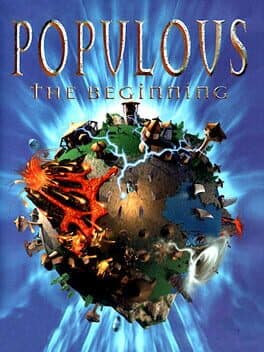
Populous: The Beginning is a strategy and god-style video game. It is the third entry in the Populous video game series, developed by Bullfrog Productions in 1998. The PC version of the game was released November 30, 1998 and a PlayStation version was later developed and released on April 2, 1999. Unlike earlier games in the series, which cast the player in the role of a god influencing loyal followers, The Beginning took a radical departure and placed the player in the role of a shaman, who directly leads her tribe against opponents. Throughout the twenty-five missions of the campaign, the player leads their tribe across a solar system, dominating enemy tribes and tapping new sources of magic, with the ultimate goal of the shaman attaining godhood herself. Populous: The Beginning was the first entry in the series to use true 3D computer graphics; Bullfrog waited four years after Populous II: Trials of the Olympian Gods so that the graphics technology could catch up to their vision for a new and different game in the series. The developers considered the addition of terrain deformation and manipulation, combined with "smart" villagers who automatically attended to tasks, to add an entirely new dimension to the series. The game's original title was Populous: The Third Coming before being changed prior to the beta release. Populous: The Beginning plays very differently from earlier titles and received mixed reviews. Reviewers positively noted the excellent graphics, while complaints were directed at the artificial intelligence and the indecision in game design between being a real time strategy title and a god game. GamePro's Peter Olafson wrote that Populous: The Beginning was not a bad game, in fact a good one; "but it's a different game—one without a quintessential quality that defined Populous."

Theme Hospital
Bullfrog Productions1998
The PlayStation port of Theme Hospital has a a different menu system to accomodate the controller, and a slightly different graphical presentation of the HUD.
Dungeon Keeper Premium
Bullfrog Productions1997
Dungeon Keeper Premium (ダンジョンキーパープレミアム) is a Japanese release and repackaging of Dungeon Keeper. It features both Japanese and English voice and text, and includes The Deeper Dungeons, the Desktop Theme, and the Direct3D version. It does not, however, include the Dungeon Keeper Level Editor. There is also no MS-DOS version; it is Windows-only, unlike western releases. The package also includes the story booklet The Dreadful Demise of Derek the Dauntless. At least some versions also feature an Electronic Arts loading cinematic, which does not exist on the western versions of Dungeon Keeper. There is also a creature 'investigative report' booklet, which shows each creature's stats and is not in western releases of Dungeon Keeper, although the information is in the English official guide book. Later releases also include trailers for other Electronic Arts games, including Dungeon Keeper 2; this is the later trailer. While at first glance, Dungeon Keeper Premium may seem to simply be the Japanese name for Dungeon Keeper Gold, the numerous differences are strongly suggestive of it being a separate release.
Dungeon Keeper
Bullfrog Productions1997
Dungeon Keeper is a strategy video game in which the player attempts to build and manage a dungeon or lair while protecting it from invading 'hero' characters intent on stealing the player's accumulated treasures and killing various monsters. This was Peter Molyneux's final project with Bullfrog before he left the company in August 1997 to form Lionhead Studios. The player uses a mouse, represented in-game as a hand, to interact with a bar on the left-hand side of the screen, allowing them to select which rooms to build and which spells to cast. The player can also use the hand to pick up creatures and objects in the dungeon and carry them around, allowing for tactics such as gathering an assault force and dropping off the creatures en masse once a foothold has been established. The hand also allows the player to "slap" objects and thereby interact with them: creatures will hurry up when slapped, some traps will be triggered and prisoners in the Torture Chamber can be tortured. The main game view is in isometric perspective; this view can be zoomed and rotated. The player also has the option of possessing one of their creatures, and seeing the dungeon from that creature's first-person perspective, as well as using their attacks and abilities. The map is divided into a grid of rectangles, most of which are invisible. A smaller part of the map is shown as a minimap in the top left corner of the screen. A world map is also available, and at the beginning of the game the player is allocated one of the 20 regions of a fictional, idyllic country to destroy. As the player progresses through these regions, each of which represents a level of the game, the areas previously conquered will appear ransacked, twisted, and evil. Before starting a new level, the Mentor will tell the player about the current region and its attributes. After completing a level, the Mentor will talk about the "improvement" of the destroyed region: "The streets run with the blood of the slain. Screams of pain and howls of anguish rip the night air like a vengeful siren's song. This really is somewhere you can take the kids for the weekend." The Dungeon Heart represents the Dungeon Keeper's own link to the world. If it is destroyed, the player loses the level, and must restart. Along with the heart, the player begins with a small number of imps, the generic work force for all dungeon activities: they can dig tunnels into the surrounding soil, capture enemy rooms and Portals, mine gold and gems, set traps, and even attack when desperate or threatened. Slapping creatures forces them to work faster for a while, but removes some of their health and happiness. Once the Imps are busily working, the player must then set up a basic infrastructure: Lairs for monsters, a Hatchery (where chickens, which serve as food for the minions, are bred), and a Treasury for storing gold. After connecting the dungeon to a "Portal", monsters will arrive. As the game progresses, the player moves along a technology tree, unlocking further rooms. The dungeon has a fleshed-out ecology: some creatures are natural enemies. Flies and Spiders are often found at odds with one another, while a Horned Reaper, if it has gone berserk, will attack all creatures in its path. The goals for each level are fairly straightforward: they generally fall along the lines of eliminating the heroic force or destroying all other Dungeon Keepers on the level.
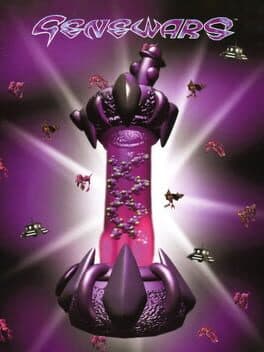
Genewars
Bullfrog Productions1996
Once the inhabitants of Planet Earth finally got it together enough space travel-wise to explore outside the solar system, they discovered that there were three other races doing exactly the same: the sneaky, reptilian Saurians, the understandably uptight, nasally gifted Schnozzoids, and the curiously laid-back Bohemians. Each of these races being just as self-important, aggressive (except for the Bohemians) and intolerant as the Earthlings, it wasn't long before an intergalactic pagga of quite exceptional proportions kicked off. Advanced technologies previously used in the fast-food, mail-order gizmo and executive leisure industries were swiftly adapted into weaponry of astoundingly destructive properties, and the suzerainty of many hundred previously quiet, green planets was disputed in a most antisocial manner.
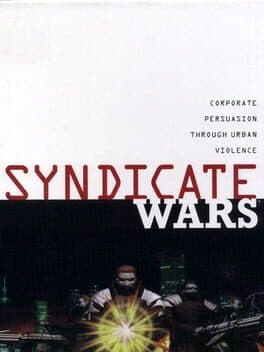
Syndicate Wars
Bullfrog Productions1996
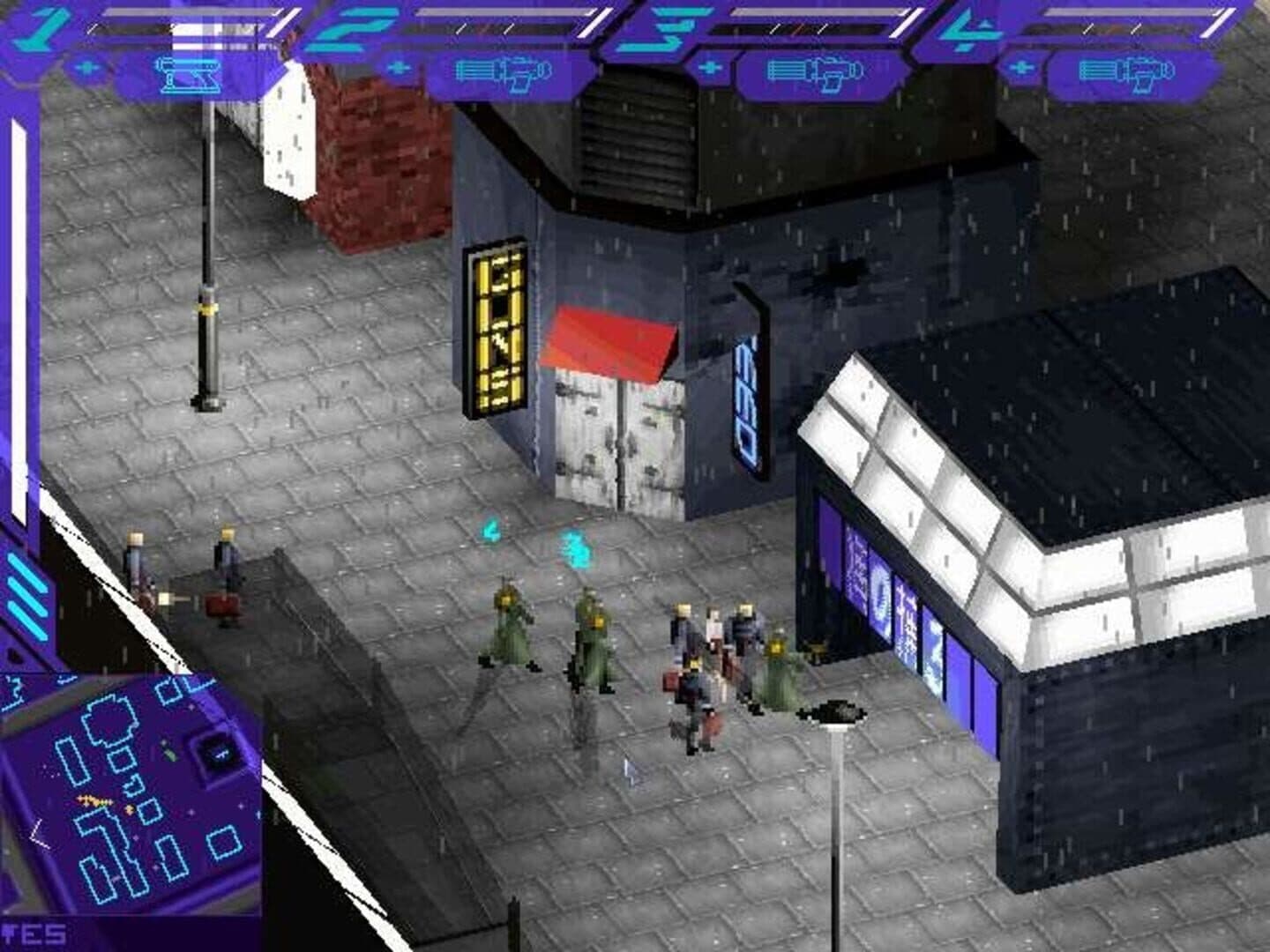
Welcome to an urban hell of ultra-violent mayhem. Welcome to Syndicate Wars where you’ll take control of a squad of cybernetically enhanced Agents and wreak havoc on the enemy. Funnel money towards research that will allow you to upgrade your team and make them into more efficient killing machines. Use the environment to assassinate, destroy, and eliminate your targets all from a classic isometric perspective. If you need cannon fodder, why not set your Agents loose armed with Persuadertrons to control huge crowds, or even enemy agents, and get them to do the dirty work for you? So whether you’re keeping EuroCorp in the black or burning infidels for the New Epoch, Syndicate Wars will have you giddily carving a path to victory. Welcome to the merciless future of violent squad-based real-time tactics!
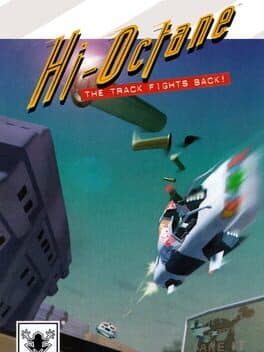
Hi-Octane
Bullfrog Productions1995
Hi-Octane is a racing/vehicular combat video game released in 1995 for the PC, PlayStation and Sega Saturn developed by Bullfrog and based upon their earlier Magic Carpet game code. It is notable amongst racing games for its wide and open tracks, and the resulting freedom offered to the player, and also for its excessive speed. It suffered in the marketplace due to thematic similarities with the better received Wipeout by Psygnosis and the generality of its graphics engine made for a very short depth of view compared to contemporary racing games. Hi-Octane is rumored to begin life as something several Bullfrog programmers coded in free time, and then decided to improve the game and market it under the auspices of Electronic Arts. Another version of the legend is: EA set Bullfrog under pressure to release Dungeon Keeper or Magic Carpet 2 - but they weren't able to. So they released Hi-Octane, a quickly done game. In a Gamasutra article it was mentioned that "PC and Saturn racing game Hi-Octane, was developed in just eight weeks using the Magic Carpet engine, as a way to “fill a quarter that didn't have enough revenue”.
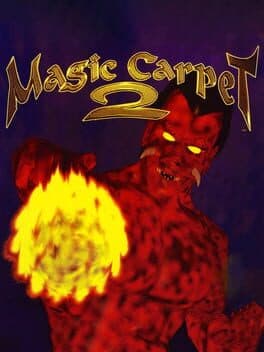
Magic Carpet 2: The Netherworlds
Bullfrog Productions1995
Magic Carpet 2: The Netherworlds was the follow-up of the successful yet underrated game, Magic Carpet. It fixed many of the design complaints present in the first Magic Carpet. The basic concept of the game remains the same as Magic Carpet, with the player being able to build a castle, collect mana, destroy creatures for their mana and battle rival sorcerers. It featured the addition of night-time levels, and underground levels, which not only helped alleviate the repetitiveness of the preceding game, but also accompanied the storyline progression, which was mapped out before each level. Underground levels, however, do not have rival wizards. There are also several secret entrances to reach hidden levels, where the player can gain more spells and experience. Also unlike its predecessor, the game proceeded by completing various missions such as reaching checkpoints and destroying specific buildings/monsters, rather than just simple accumulation of mana.
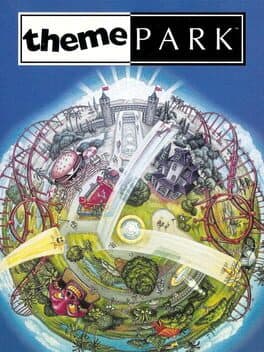
Theme Park
Bullfrog Productions1994
You have inherited a fortune from an eccentric aunt and her will states the money can be spend building the world largest and most profitable theme park. Create a wonderful theme part full of thrilling rides and greasy - but delicious - food and start to make the loads of money. You are a lucky one who can create the best theme park ever made plus make a fortune. Your park will be compared to 40 rivals all over the world every year. Your goal is to become the best park in all categories.
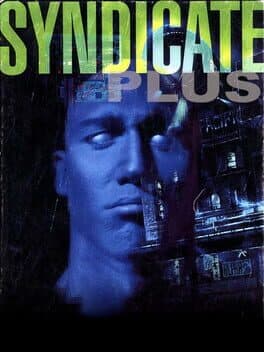
Syndicate Plus
Bullfrog Productions1994
Syndicate is Bullfrog’s masterpiece of a game in which you aren’t saving the world or protecting innocents. You just make sure that your employers get what they want. At your disposal are four cyborg agents, an impressive arsenal of weapons and gadgets, and a massive selection of cybernetic upgrades. You are free to unleash this power on a highly interactive map where you can blow up buildings, steal cars, light trees on fire, or just shoot stuff. Produced by Peter Molyneux himself, Syndicate is the essence of cyberpunk and, with its great music, stylized visuals, and mind-blowing atmosphere, it has earned its place among the best games of all time. The "Plus" release includes both the original base game and the American Revolt expansion pack.
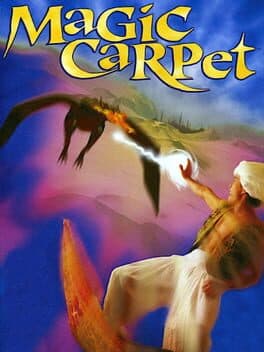
Magic Carpet
Bullfrog Productions1994
Magic Carpet is a video game released by Bullfrog Productions in 1994. Its graphics and gameplay were considered innovative and technically impressive at the time. A revised edition, Magic Carpet Plus, included the Hidden Worlds expansion pack which added 25 levels and a winter-themed tileset. The title also had a sequel released in 1995, Magic Carpet 2. Magic Carpet was considered by critics to be a revolutionary game for its time.
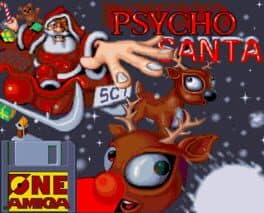
Psycho Santa
Bullfrog Productions1993
Freebie game included on a demo disk in the January 1993 issue of "The One" Amiga magazine.
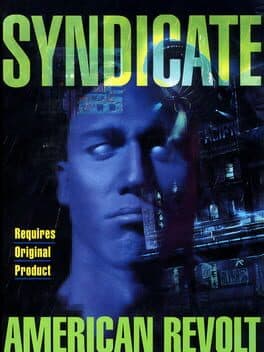
Syndicate: American Revolt
Bullfrog Productions1993
American Revolt is an add-on pack to Syndicate. It requires the original game and includes 3 new weapons, 21 new single player missions, and 10 multiplayer missions.
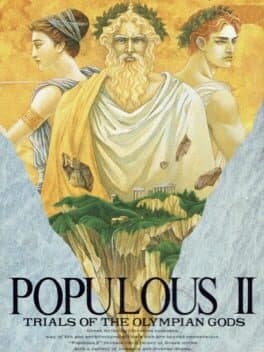
Populous II: Trials of the Olympian Gods
Bullfrog Productions1991
Become the god you were born to be.
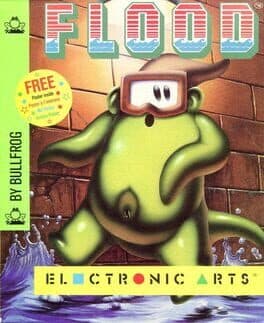
Flood
Bullfrog Productions1990
Try to get the whole grid to be the same colour within the given number of moves, by repeatedly flood-filling the top left corner in different colours.
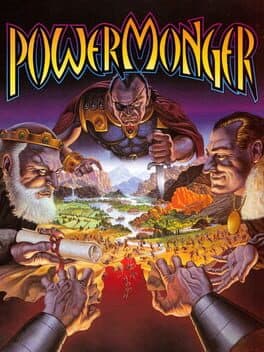
PowerMonger
Bullfrog Productions1990
In a world without kings, power is the only law. No leader controls the destiny of this new world. Yet. Can you? Unite each territory by word or by sword or face bitter defeat at the hands of the other PowerMongers. Encounter a living world. Win the loyalty of farmers, shepherds, merchants, ranchers- even thieves. Hundreds of people with individual homes, jobs, and personalities. React to changing seasons. Store food for the winter- your soldiers won't take orders on an empty stomach.

Populous
Bullfrog Productions1989
Move mountains, part the seas, and lead mortal armies to victory in Populous. Take on the powers of a mighty deity and battle for supremacy against an enemy god, using thoughtful strategy to shape the isometric world and the fate of its people.