-
Average rating
250
Games
0
Votes cast
Heartbeat
Shipped Titles
Games (250)
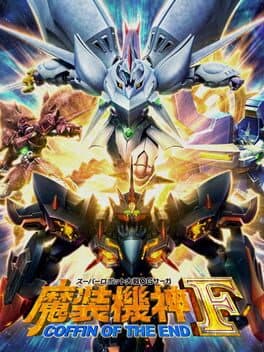
Super Robot Taisen OG Saga: Masou Kishin F - Coffin of the End
Banpresto2014
The finale of the Masou Kishsin branch of the Super Robot Wars franchise.
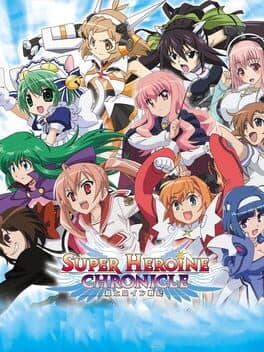
Super Heroine Chronicle
Banpresto2014
Super Heroine Chronicle is a crossover SRPG featuring characters from many different anime franchises.
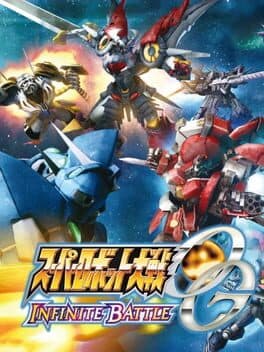
Super Robot Taisen OG: Infinite Battle
B.B. Studio2013
This entry for the famed tactical strategy RPG is breaking away from it's usual fare; Super Robot Taisen OG Infinite Battle is a third person shooting game! Infinite Battle is the exciting side story companion to Super Robot Taisen OG Saga: Masou Kishin III - Pride of Justice. Expect a brand new instance of alternate universe mech-on-mech tactical crossover battles with action oriented gameplay!
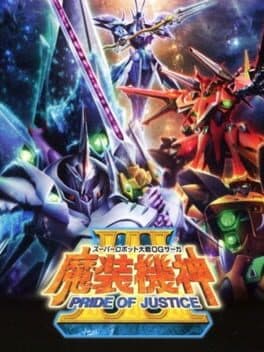
Super Robot Taisen OG Saga: Masou Kishin III - Pride of Justice
Banpresto2013
The third game in the Masou Kishin sidestory of the Super Robot Wars' classic timeline.
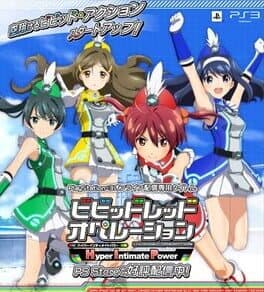
Vividred Operation: Hyper Intimate Power
Banpresto2013
A 3D action game based on the Vividred Operation anime, where group of teenage girls fight alien invaders in high-tech battle suits.
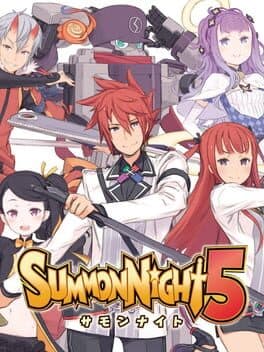
Summon Night 5
Felistella2013
Summon Night 5 is a tactical role-playing game in the Summon Night series of games. The game involves the player moving characters in a turn based fashion across a large grid from an adjustable isometric perspective. At the beginning of the game, the player can chose to play as either a male or female protagonist, and chose from 4 separate "Cross" (partner) characters. Which combinations are selected affect both the dialogue and story progression, leading to eight separate paths to take through the game. The world of Summon Night changed dramatically for this entry. Now the medieval setting changed completely to a more contemporary world mixed with many of the other cultures and tribes already present in other Summon Night games. The stage for this title is the city of Savorle, a model city in this new era where people from all the different world can coexist.
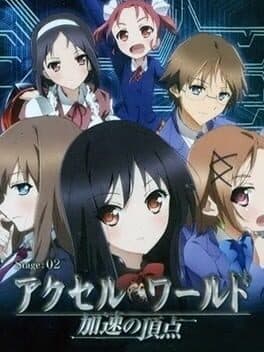
Accel World: The Peak of Acceleration
Banpresto2013
Accel World anime Series gets a PlayStation 3 and PSP follow-up.
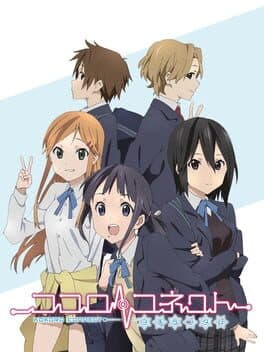
Kokoro Connect: Yochi Random
Banpresto2012
Kokoro Connect: Yochi Random is a visual novel adaption of the light novel series Kokoro Connect, which features an alternative storyline based on the original novels and features multiple routes and endings determined by the player's choices during their playthrough.
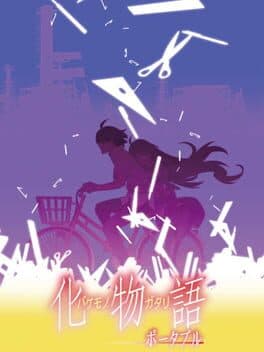
Bakemonogatari Portable
Banpresto2012
Bakemonogatari Portable is a video game adaptation of the Bakemonogatari anime series, released for the PlayStation Portable.
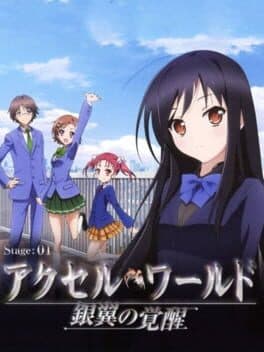
Accel World: Awakening of the Silver Wings
Banpresto2012
Accel World: Ginyoku no Kakusei is an Adventure game, developed and published by Bandai Namco Games, which was released in Japan in 2012.
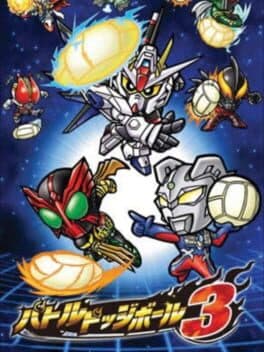
Battle Dodge Ball 3
2012
Battle Dodge Ball 3 is a Japanese PSP game by Bandai Namco.
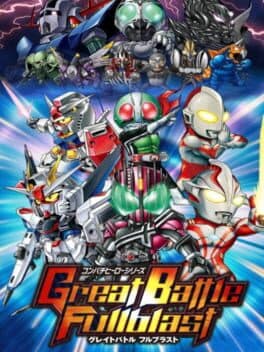
Great Battle Full Blast
Inti Creates2012
This revival of the Great Battle series of side-scrollers reunites the Ultraman, Kamen Rider, and Gundam franchises.
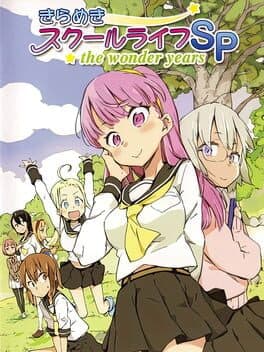
Kirameki School Life SP: The Wonder Years
guyzware2012
Kirameki School Life SP: The Wonder Years is a romance visual novel developed by guyzware and published by Banpresto. It represents a certain game that appears in the original story of the Boku wa Tomodachi ga Sukunai series and was only released in the limited edition of Boku wa Tomodachi ga Sukunai Portable.
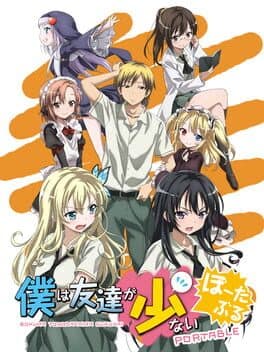
Boku ha Tomodachi ga Sukunai Portable
guyzware2012
It's a shame that these girls are going to be turned into a game. Boku wa Tomodachi ga Sukunai Portable is a romantic comedy visual novel based on the light novel, with an all-new original storyline.
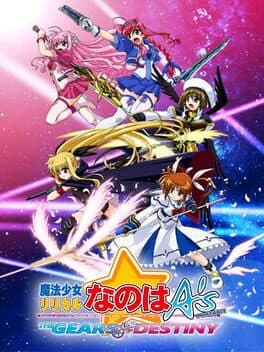
Magical Girl Lyrical Nanoha A's Portable: The Gears of Destiny
Witch Craft2011
Magical Girl Lyrical Nanoha A's Portable: The Gears of Destiny is the sequel to Magical Girl Lyrical Nanoha A's Portable: The Battle of Aces.
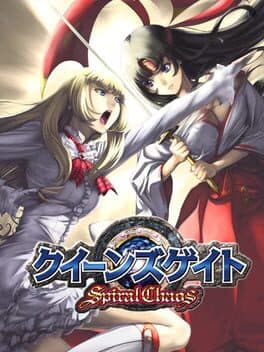
Queen's Gate: Spiral Chaos
B.B. Studio2011
This is the sequel to Queen's Blade: Spiral Chaos. It features returning game exclusive characters Jean and Cute, and introduces a new heroine, Maron Makaron. It also features characters from other forms of media, such as the Soul Calibur, Tekken, Dead or Alive, Samurai Showdown, BlazBlue, Guilty Gear, and the King of Fighters fighting game series, as well as other anime and manga series.
Kimi ni Todoke Special
Banpresto2011
A bundle of both Kimi ni Todoke games.
Kimi ni Todoke: Tsutaeru Kimochi
Banpresto2011
A sequel to the first Kimi ni Todoke game for the Nintendo DS.
Ore no Imouto Maker EX: Imouto to Koi Shiyo? Portable
Banpresto2011
Ore no Imouto Maker EX: Imouto to Koi Shiyo? Portable is a short visual novel that comes bundled with Ore no Imouto ga Konnani Kawaii Wake ga Nai Portable.
Ore no Imouto ga Konna ni Kawaii wake ga Nai Portable
Banpresto2011
Ore no Imouto ga Konna ni Kawaii Wake ga Nai Portable is a romantic comedy visual novel developed by guyzware and published by Banpresto. Unlike the original story of the light novels, Oreimo Portable expands on the story, with complete story routes for Kyousuke and each of the main female casts written by the original creator of the light novels, Tsukasa Fushimi.
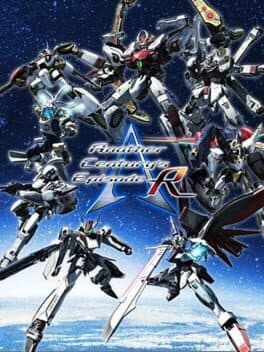
Another Century's Episode: R
FromSoftware2010
Another Century's Episode: R, abbreviated as A.C.E.: R, is a mecha action video game developed by FromSoftware and Banpresto and published by Bandai Namco Games.
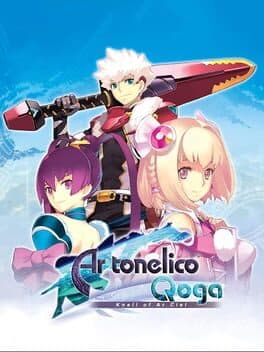
Ar Tonelico Qoga: Knell of Ar Ciel
Gust2010
The third game in the Ar Tonelico series, and the first on PlayStation 3.
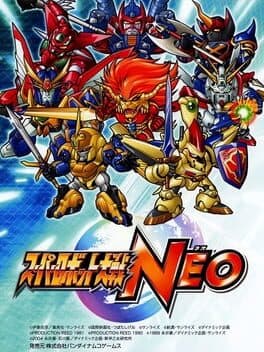
Super Robot Taisen Neo
Banpresto2009
Super Robot Taisen NEO is a Super Robot Wars video game that was released on the Nintendo Wii console on 29 October 2009. Neo was developed by Banpresto and published in Japan by Namcot Bandai Games.
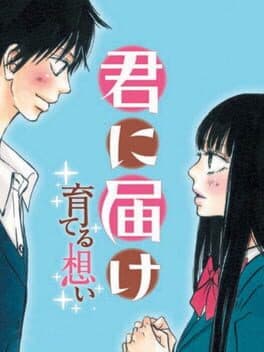
Kimi ni Todoke: Sodateru Omoi
Banpresto2009
An otome game for DS by Namco Bandai.
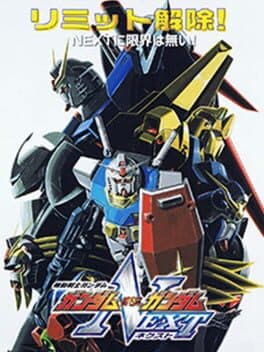
Mobile Suit Gundam: Gundam vs. Gundam Next
Capcom2009
Mobile Suit Gundam: Gundam vs. Gundam Next is the game in the Gundam VS video game series from the Namco Bandai Games, it is the sequel to Mobile Suit Gundam: Gundam vs. Gundam
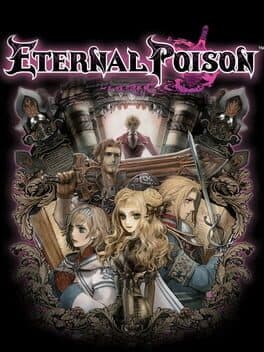
Eternal Poison
Flight-Plan2008
Eternal Poison begins in the Kingdom of Valdia where the demonic realm of Besek has suddenly appeared. This realm is home to demons called the Majin who have captured Valdia's Princess. The King of Valdia then issues a decree for her rescue which brings upon numerous adventurers of dissimilar intentions, the story of game is told from multiple perspectives of five key parties as they journey their way through the realm of Besek to rescue the princess.
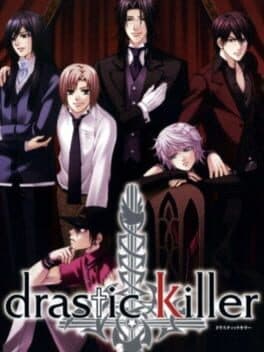
Drastic Killer
Tenky Co.2008
Drastic Killer is an otome game, developed by Tenky and published by Bandai Namco Games, which was released in Japan in 2008.
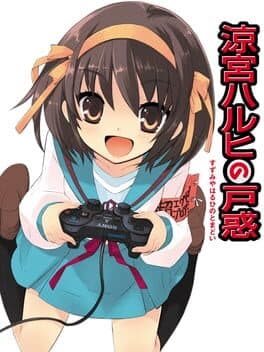
Suzumiya Haruhi no Tomadoi
Aquria2008
Suzumiya Haruhi no Tomadoi is a visual novel where you are tasked to help the super game producer Haruhi Suzumiya to create the best video game in the world! Give orders to the SOS Brigade members, manage their timetables, and create one in four weeks to make it worthy of Haruhi's tastes.
Shiju Hachi: Kari
Arcadia Project2007
A horror visual novel for the PS2, and successor title to the popular Gakkou de atta Kowai Hanashi.
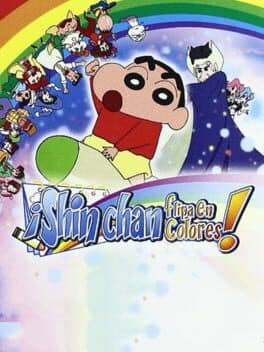
¡Shin Chan: Flipa en colores!
Banpresto Co., Ltd.2007
During the game, Shin chan will have to rescue all of Kasukabe from Tabu, who is eating everyone's sleep and Shin Chan will have to avoid him to wake up from the dream he is having.
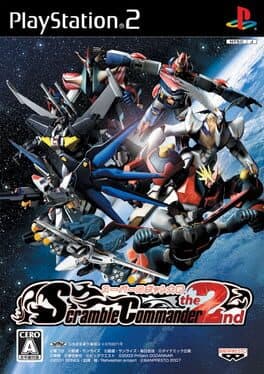
Super Robot Taisen: Scramble Commander the 2nd
2007
The second game of Super Robot Wars's "Scramble Commander" subseries. It is a real-time strategy game, unlike the rest of the franchise.
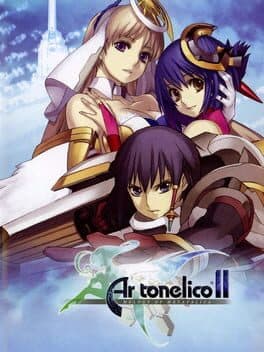
Ar tonelico II: Melody of Metafalica
Gust2007
The setting for the game is the same as the previous game: the planet of Ar Ciel, albeit centered on a different region this time. The Tower of Ar tonelico from Metafalss is different from the tower in the first game since it doesn't look like a tower initially, but still has some of the same essential facilities (Rinkernator, Plasma Bell (represented as the Lift Generators) and Musical Corridor). The Song Magics are still used like programs, but in this tower there are two Song Magic servers: the Sol Marta server and the Infel Phira Server. The Sol Marta server is located in the upper zone of the tower, acting like a stationary satellite. It is collocated with the S. P. U. and Rinkernator and is the main server for the tower. The Infel Phira server is located in a satellite that orbits the sky around the tower and shares its name with said server. The Sol Marta satellite is a relay station used to increase the range of Song Magic usage of the first tower, so it works with the same kind of hymmnos and executes the EXEC variety of hymns. Plus, it also has the function of receiving energy from the first tower and sending it to the second tower. On the other hand, the Infel Phira server works with another kind of hymmnos called the Pastalia hymmnos, and executes the METHOD variety of hymns.
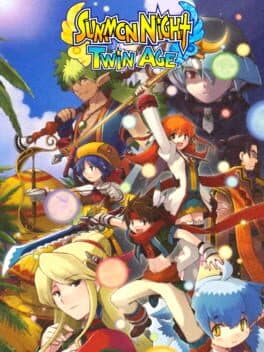
Summon Night: Twin Age
Flight-Plan2007
Reiha and Aldo grew up together as brother and sister on the tropical island of Jarazi, among a race of people with beast-like features. There they learned to commune with the Nature Spirits that surrounded them. One day, the Spirits began acting strangely, prompting Reiha and Aldo to investigate. Their quest to find out who or what is behind the corruption of the Spirits will lead them back to the human lands where the cataclysm first brought them together.
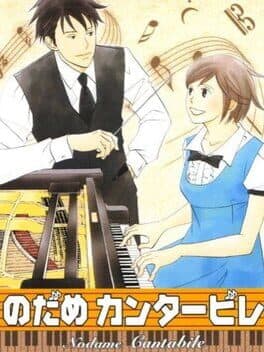
Nodame Cantabile
Metro2007
Based on the manga and anime of the same name, Nodame Cantabile follows the odd couple of Shinichi Chiaki and Megumi Noda. Both are students at the prestigious Momogaoka College of Music; Shinichi is a studious and strict conductor while Megumi is a pianist known for her loose and inventive playing style.
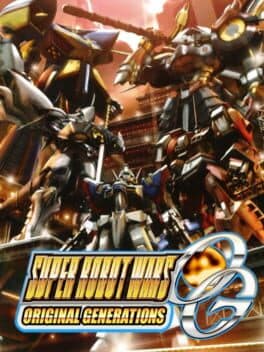
Super Robot Taisen OG: Original Generations
Banpresto2007
Original Generations is a remake of the two Original Generation games for the Game Boy Advance and is intended to celebrate the Super Robot Wars series' 15th anniversary.
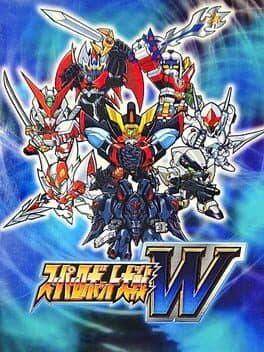
Super Robot Taisen W
Banpresto Co., Ltd.2007
Super Robot Taisen W is part of the Super Robot Wars franchise and was published for the Nintendo DS by Banpresto. It is the first Super Robot Wars game released for the Nintendo DS. Like some DS games, special features can be unlocked by starting a new game with any of the Game Boy Advance era games inserted into SLOT 2.
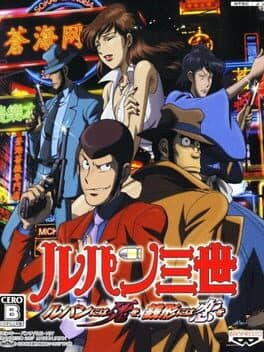
Lupin Sansei: Lupin ni ha Shi wo, Zenigata ni ha Koi wo
Nex Entertainment2007
Lupin Sansei: Lupin ni wa Shi o, Zenigata ni wa Koi o is an Action game, developed by Nex Entertainment and published by Banpresto, which was released in Japan in 2007.
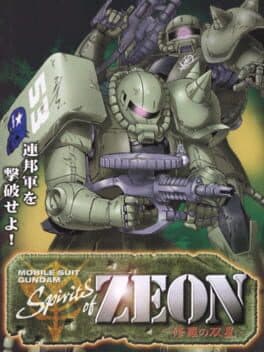
Mobile Suit Gundam: Spirits of Zeon
2006
From the attack on Jaburo to the final stand at A Baoa Qu Spirits of Zeon follows two Principality soldiers, Kurt and Robin, also known as the two Ogres, in their fight to survive. Players shoot their way through eight sequential stages starting in Jaburo, through the escape into space, the defense of Solomon, and lastly to the last outpost of Zeon. At the end of their path lies a duel with the White Devil, and hero of the One Year War, Amuro Ray. Stages are completed by shooting everything in your path until reaching a boss fight. In addition to the Zaku II's assault rifle the mobile suit is also equipped with a Heat Axe to attack nearby enemies, a high damage limited-ammunition bazooka that can blow apart shielded enemies, and a limited-ammunition mine that hits every enemy onscreen and can be thrown while ducking. Raising the gun vertically ducks, reloading the gun and avoiding marked enemy fire and melee range attacks. Additional health and ammunition are contained a item creates, and bonus points can be gained by shooting difficult to hit targets or completing secret objectives. Some stages also come with optional objectives, such as defending Solomon from a missile barrage or shooting down more targets than Char. A wide range of rare Federation technology make boss-fight appearances in the game, including a squad of RX-79, the Full Armor 78-1, and the first game appearance of the RGM Striker.
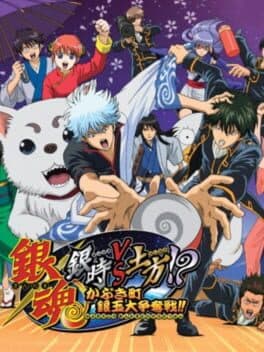
Gintama: Gintoki vs. Hijikata!? Kabukichou Gintama Dai-soudatsusen!!
Banpresto2006
Gintama: Gintoki vs Hijikata!? Kabukichou Gintama Dai Soudatsusen!! is a Japan‑exclusive Nintendo DS action‑adventure game based on the popular Gintama manga and anime series. Developed and published by Banpresto, it features a comedic storyline in which protagonists Gintoki Sakata and Toshiro Hijikata face off in a chaotic competition set in Kabukichou. Players engage in a mix of mini‑games, battles, and interactive story sequences faithful to the series’ humor and characters.
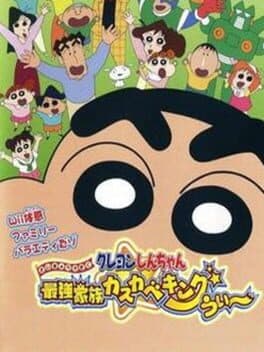
Crayon Shin-chan: Strongest Family in Kasukabe Wii King
Banpresto2006
Crayon Shin-chan: Strongest Family in Kasukabe Wii King is a videogame developed and published for the Nintendo Wii based upon the manga and anime series Crayon Shin-chan.
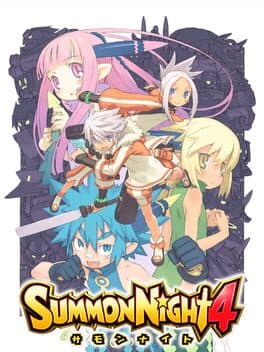
Summon Night 4
Flight-Plan2006
Summon Night 4 is a Japanese tactical RPG and the last entry in the Summon Night series developed by Flight Plan. The plot in this game focus on a parent/child relationship.
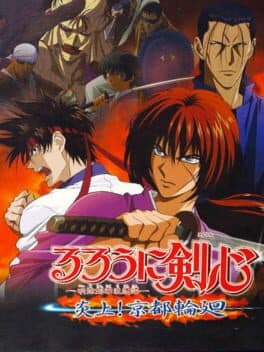
Rurouni Kenshin: Meiji Kenkaku Romantan - Enjou, Kyoto Rinne!
Eighting2006
Rurouni Kenshin: Meiji Kenkaku Romantan - Enjou, Kyoto Rinne! is a third person action game for the PlayStation 2 console which came out in Japan in 2006. The game allows players to go through the story of either Himura Kenshin, Sagara Sanosuke, Saito Hajime, or Shinomori Aoshi, who is playable once the player unlocks him, although with a smaller movelist. The plot is based entirely on the Kyōto Arc of the manga and anime. An American version was planned to be released by Bandai Namco games and developed by Dimps in 2007; however, it was cancelled due to scheduling conflicts and low profit prospects.
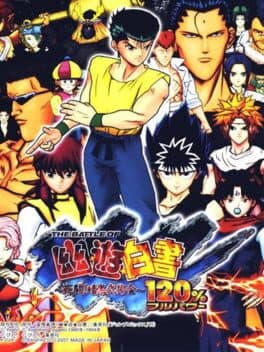
The Battle of YuYu Hakusho: Shitou! Ankoku Bujutsukai! 120%
Dimps2006
A 3D Fighting game, developed by Dimps Corporation and published by Banpresto, which was released in Japan in 2006.
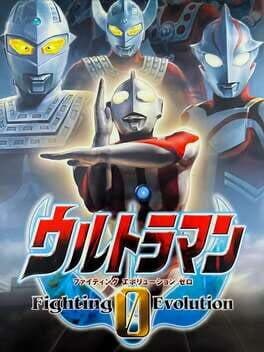
Ultraman Fighting Evolution 0
Banpresto2006
Ultraman Fighting Evolution 0 (ウルトラマン ファイティング エボリューション ゼロ) is a fighting game from the series Ultraman Fighting Evolution. It is the fifth and currently last entry in the series. The game was released to coincide with the release of the film, Ultraman Mebius & the Ultra Brothers. Both the movie and the game were created to commemorate the 40th anniversary of Ultraman. Story mode for the Ultra Brothers takes place sometime before the movie while Ultraman Mebius' story mode takes place after Ultraman, Ultraseven, Ultraman Jack and Ultraman Ace got stuck on Earth after fighting U-Killersaurus.
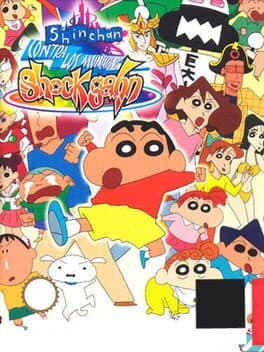
Crayon Shin-Chan: Densetsu wo Yobu Omake no to Shukkugaan!
Inti Creates2006
Crayon Shin-Chan: Densetsu o Yobu Omake no To Shukkugaan! is an Action game, developed by Inti Creates and published by Banpresto, which was released in Japan in 2006.
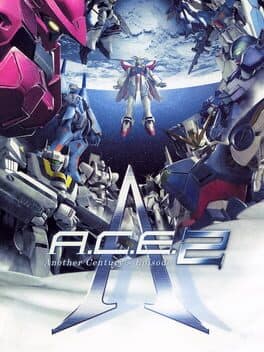
Another Century's Episode 2
FromSoftware2006
From the developers of Super Robot Wars and Armored Core, this is exactly what you'd expect: an Armored Core-style 3D action game featuring robots from a plethora of different anime series.
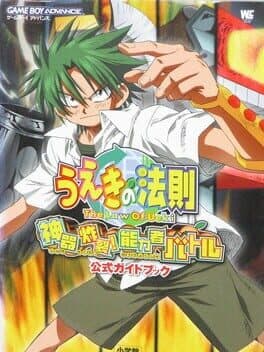
Ueki no Housoku: Jingi Sakuretsu! Nouryokusha Battle
Banpresto2006
Ueki no Housoku: Jingi Sakuretsu! Nouryokusha Battle is a 32-bit classic 2D fighter action game based on the manga and anime series The Law of Ueki (Ueki no Housoku).
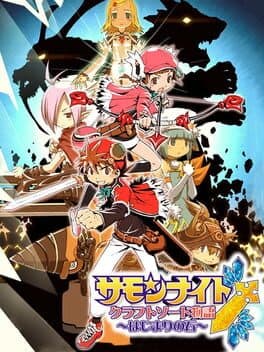
Summon Night Craft Sword Monogatari: Hajimari no Ishi
Flight-Plan2005
Summon Night Craft Sword Monogatari: Hajimari no Ishi is a Role-Playing game, developed by Flight-Plan and published by Banpresto, which was released in Japan in 2005.
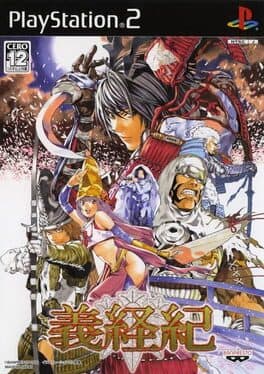
Yoshitsune-ki
Dream Factory2005
Yoshitsune-ki is a historical action game released by Banpresto on December 1, 2005 for the PS2 and was Developed by Dream Factory . The game is known for having Popular Manga artist Takeshi Obata in charge of character design. The game takes place in the late Heian period to the early Kamakura period when Minamoto no Yoshitsune was active . While controlling the main character Yoshitsune, he fights monsters and the Heike with his companions, and aims to destroy the Heike by making full use of various swordsmanship in places such as Heiankyo, Hiraizumi , and Dannoura .
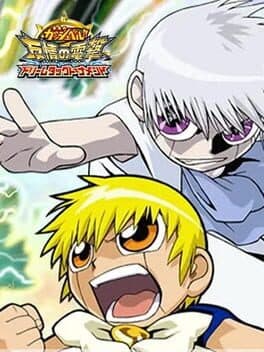
Konjiki no Gashbell!! Yuujou no Zakeru: Dream Tag Tournament
Banpresto2005
Konjiki no Gashbell!! Yuujou no Zakeru: Dream Tag Tournament is the third game in the Unare! Yūjō no Zakeru series, developed and published by Banpresto in game that released in Japan.
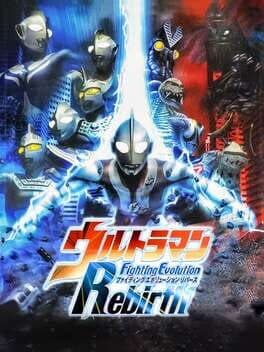
Ultraman Fighting Evolution Rebirth
Banpresto2005
Ultraman Fighting Evolution Rebirth is the 4th game in the Ultraman Fighting Evolution series. This game was released in the PlayStation 2 console. Its Story Mode involves Alien Mephilas launching a massive invasion using EX monsters (more powerful versions of the originals) and sending three 'Chaosroids' (dark versions of Ultraman, Ultraseven, and Ultraman Taro) to the Land of Light. Eventually, Mephiles fuses with his final monster, Neo Chaos Darkness. With the combined effort between Cosmos and the other Ultras, they managed to defeat him and stop his invasion.
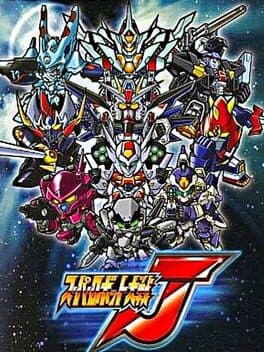
Super Robot Taisen J
Banpresto2005
Super Robot Taisen J is a tactical role-playing video game released for the Game Boy Advance by Banpresto.
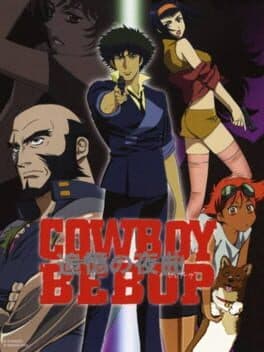
Cowboy Bebop: Tsuioku no Serenade
Chime2005
The Bebop crew go in search of criminal outlaws to capture for bounties when they get caught up in the story of a mysterious organization, space pirate treasure, and a song called "Diamonds".
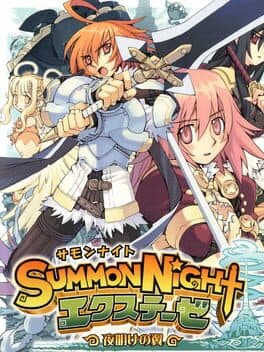
Summon Night Ex-These: Yoake no Tsubasa
Flight-Plan2005
Summon Night Ex-These is a spin-off of the Summon Night series, released for the Playstation 2 on August 4, 2005 . The player takes control of Leonus & Ainna, two adventurers that wake up in a cave to find out that not only they lost their memories, but are also sharing the same body. They go on a journey to look for the mysterious Nova, who might know something about their past. The character you choose at the start becomes the lead in the story and the true owner or the body, the other one still participates in the plot as a sub-protagonist. Normally, they are not able to talk with each others, but using the “Stone of the Everlasting Night” they can meet inside an artificial world.
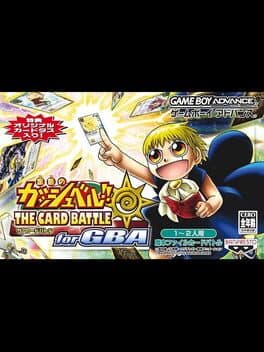
Konjiki no Gash Bell!! The Card Battle for GBA
Banpresto2005
Konjiki no Gash Bell!! Makai no Bookmark is an anime-based role-playing adventure.
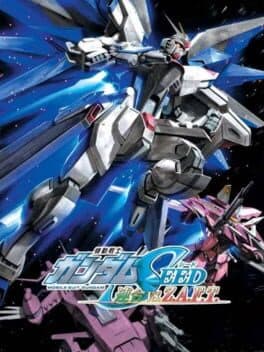
Mobile Suit Gundam Seed Destiny: Rengou vs. Z.A.F.T.
Capcom2005
Gundam SEED: Rengou (Alliance) vs Z.A.F.T. is the fourth game of the "Gundam vs" series. It covers the plot of Gundam SEED.
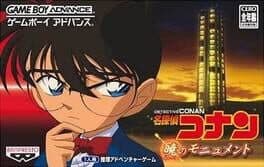
Detective Conan: Akatsuki no Monument
2005
Detective Conan: Akatsuki no Monument is an Adventure game, developed and published by Banpresto, which was released in Japan in 2005.
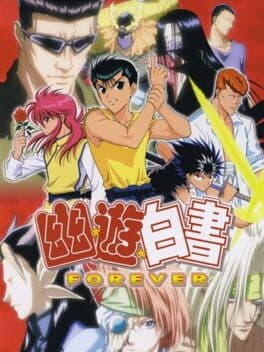
YuYu Hakusho Forever
Dimps2005
A PlayStation 2 game based on the manga and anime YuYu Hakusho.
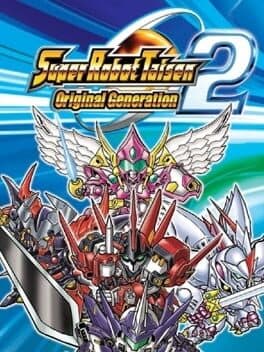
Super Robot Taisen: Original Generation 2
Banpresto2005
The battle rages on! Peace slowly settles over the planet Earth after a brutal war against the alien armada. However, the world is not able to rest for long, as new forces emerge and threaten to bring Earth to it's knees once again. Use all the cunning and tactical skill you have to command the best and brightest mech pilots the world has ever seen in saving humanity from enemies bent on dominating the human race - or worse, annihilating it's very existence. * Multiple branching pathways provide 50+ hours of strategy RPG gameplay! * New allies, new enemies, and new mechs! * Enhanced animations showcasing more extreme attacks!
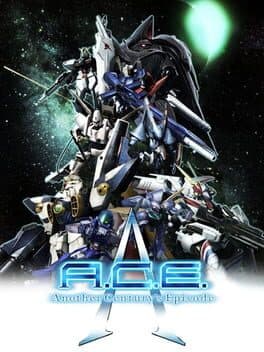
Another Century's Episode
FromSoftware2005
Another Century's Episode is the collaboration of Banpresto, best known for their Super Robot Wars franchise, and From Software, the makers behind the Armored Core series. The game is a fast-paced action title featuring characters, mecha and story elements from nine famous Japanese anime. However, while Super Robot Wars is known for combining super robots, like Mazinger Z, and real robots, like Mobile Suit Gundam, A.C.E. exclusively focuses on real robots (later games, however, have include 1-2 Super Robot series in their casts).
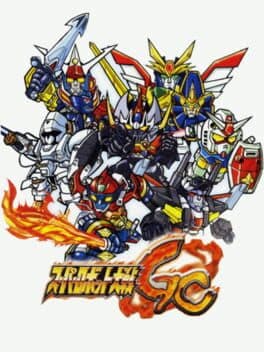
Super Robot Taisen GC
Banpresto2004
Super Robot Taisen GC is the first and only Nintendo GameCube Super Robot Wars title. It would later be ported to the Xbox 360 under the title Super Robot Wars XO, which had an online mode called "Super Robot Competition". This game received an English fan translation in 2021.
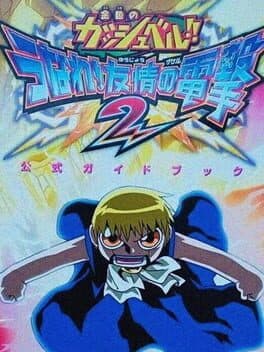
Konjiki no Gash Bell!! Unare! Yuujou no Zakeru 2
Eighting2004
Zatch Bell! Electric Arena 2 is an Action game, developed by Bandai and published by Banpresto, which was released in Japan in 2004.
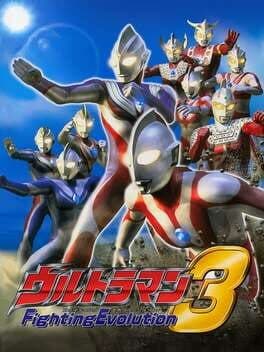
Ultraman Fighting Evolution 3
Banpresto Co., Ltd.2004
Ultraman Fighting Evolution 3 (ウルトラマン Fightingファイティング Evolutionエボリューション 3スリー Urutoraman Faitingu Eboryūshon Surī) also called "Ultraman FE3" is a Fighting game developed and published by Banpresto. it is the 3rd in the Ultraman Fighting Evolution series. The direction is provided by Yuji Machi, who acted as Ultraman Tiga's voice actor as well.
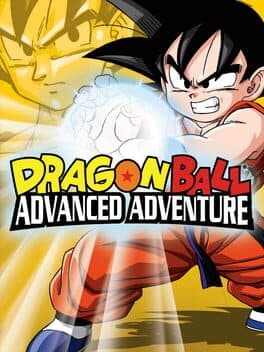
Dragon Ball: Advanced Adventure
Dimps2004
Join Goku in his very first epic adventure as he defends the earth from the relentless Red Ribbon Army. Start down his path to power, and help turn an ordinary boy into the ultimate champion.
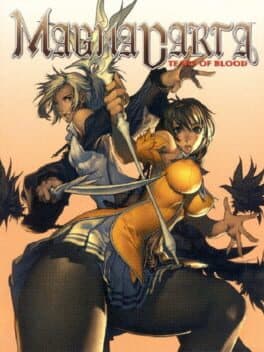
Magna Carta: Tears of Blood
Softmax2004
Magna Carta: Tears of Blood is a Korean-made RPG in Japanese style, and a sequel to Phantom of Avalanche; it is set in the same world and has the same protagonist. The game's combat system is turn-based at core, but requires the player to press buttons in a rapid succession and with precise timing to execute attacks. The characters can store up energy to unleash a stronger attack later. Using the technique named Carta, they can also perform various special moves which are based on elemental affinities.
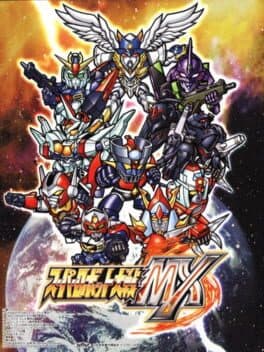
Super Robot Taisen MX
2004
Super Robot Taisen MX is a video game for the PlayStation 2. It is part of the Super Robot Wars series by Banpresto, a division of Bandai, and was released on May 27, 2004. It was later ported to the PlayStation Portable on December 19, 2005, with minor gameplay tweaks, titled Super Robot Wars MX Portable.
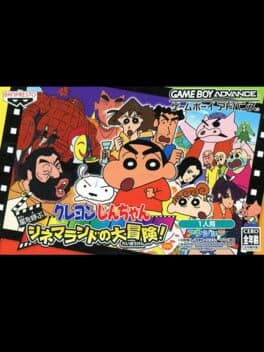
Crayon Shin-chan: Arashi no Yobu Cinema-Land no Daibouken!
Inti Creates2004
Crayon Shin-chan: Arashi no Yobu Cinema-Land no Daibouken! is an action game, developed by Inti Creates and published by Banpresto, which was released in Japan for GBA devices in 2004.
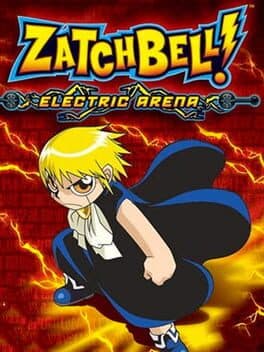
Zatch Bell! Electric Arena
Eighting2003
Zatch Bell! Electric Arena is a fighting game based on the Zatch Bell! anime/manga that was released on Game Boy Advance in the U.S. and Japan. It was developed by Banpresto and published by Bandai.
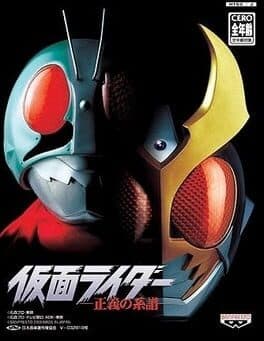
Kamen Rider: Seigi no Keifu
2003
Kamen Rider: Seigi no Keifu (仮面ライダー -正義の系譜-) is a Beat 'em up video game published by Banpresto released on November 27, 2003 for the Sony PlayStation 2.
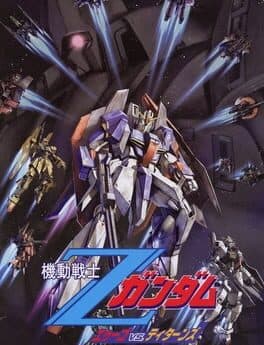
Mobile Suit Zeta Gundam: AEUG vs. Titans
Capcom2003
The second game of the "Gundam vs" series, AEUG vs. Titans covers the Gryps Conflict (the story of Mobile Suit Zeta Gundam).
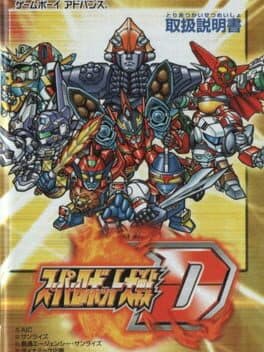
Super Robot Taisen D
Banpresto2003
The 4th Super Robot Wars on the Game Boy Advance, D (Destiny) chronicles the battle against the Ruina.
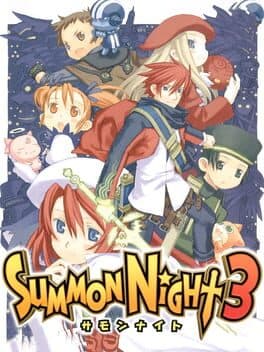
Summon Night 3
Flight-Plan2003
Summon Night 3 is a Japanese tactical RPG and the third entry in the Summon Night series. The game follows the male main protagonist Rexx and the female protagonist Aty. As with other game's in the series, it takes place in the fictional world of Linbaum. The game contains multiple difficulty levels.
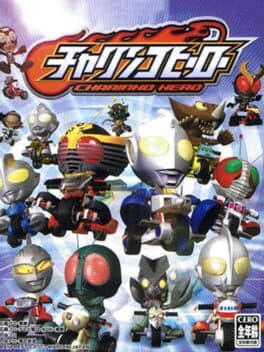
Charinko Hero
Banpresto2003
Charinko Hero is a Racing game, developed and published by Banpresto, which was released in Japan in 2003.
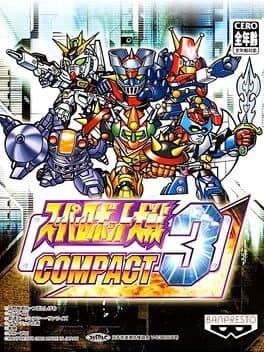
Super Robot Taisen Compact 3
Banpresto2003
Super Robot Taisen Compact 3 is a Strategy game, developed and published by Banpresto, which was released in Japan in 2003.
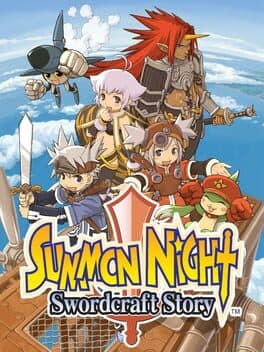
Summon Night: Swordcraft Story
Flight-Plan2003
Summon Night: Swordcraft Story is an RPG set in the strange world of Lyndbaum, a sacred land linked to four magical dimensions from which Summoners can call forth spirits called Guardian Beasts to do their bidding.
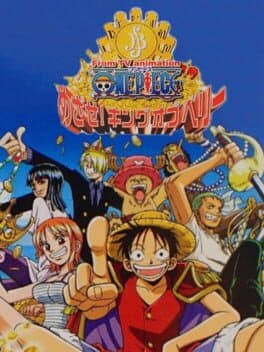
One Piece: Mezase! King of Berry
2003
From TV Animation One Piece: Mezase! King of Berry is a Japanese only game for Game Boy Advance. This game takes place from first arc in the story to the Baroque Works Saga.
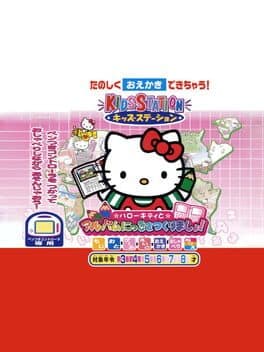
Kids Station: Hello Kitty to Album Nikki wo Tsukurimasho!
Banpresto2003
In Hello Kitty to Album Nikki wo Tsukurimasho! The player will travel with Hello Kitty to different countries around the world and play different mini-games.
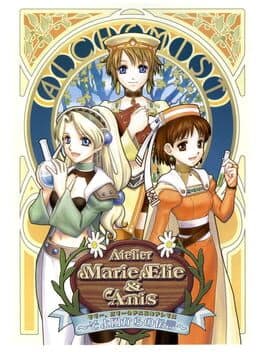
Atelier Marie, Elie & Anis: Message on the Gentle Breeze
Banpresto2003
It builds upon the story and mechanics of Marie & Elie: Two People's Atelier, and introduces a brand new protagonist named Anis Ryftchen in addition to the returning two. The main goal of the game is to create new items and recipes for several books over five years. The events and outcome of the game will differ depending on the content created for the books.
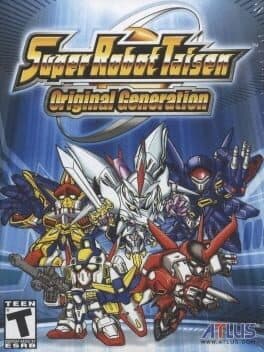
Super Robot Taisen: Original Generation
Banpresto2002
It is two hundred years after the beginning of the "Space Era", a time period when civilization began expanding into space. However, by the start of the 21st century, two meteors struck and destroyed much of the Earth, sending humanity into chaos. By year 179 of the Space Era, secret technology, dubbed Extra-Over Technology, or EOT, was discovered by the Earth Federal Government within a third meteor that had hit Earth at the Marquesas Islands in the South Pacific. Dr. Bian Zoldark, while investigating the meteor, also found out that the creators of the Extra-Over Technology were heading to Earth to reclaim it. In order to defend earth, the government starts to develop a group of humanoid mecha, known as Personal Troopers. The alien race that created Extra-Over Technology, called the Aerogaters by the Earth Federal Government, initially attacks an Earth ship sent out to investigate their presence in the far reaches of the solar system. This initial skirmish ends in a defeat for the Aerogaters, prompting them to sue for negotiations with the Earth Federation Army. Talks are arranged to take place at a secret facility in Antarctica, but the talks are targeted by a rogue faction called the Divine Crusaders. The Divine Crusaders destroys the Aerogater delegation, then turn on the Federation forces. Bian Zoldark, revealing himself to be the leader of the Divine Crusaders, announces the existence of the Aerogaters to the world and rebel against the Earth Government. As Earth spins into civil war, a new Aerogater force is on the move, seeking to reclaim their lost technology...
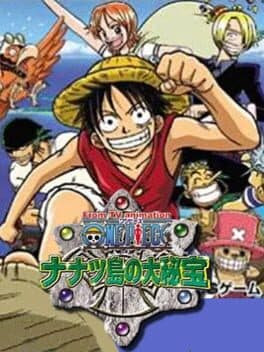
One Piece: Nanatsu Shima no Daihihou
2002
From TV Animation One Piece: Nanatsu Shima no Daihihou is an RPG game for Game Boy Advance, based on the animated television show One Piece. This game was released only in Japan in November 15, 2002 by Banpresto.
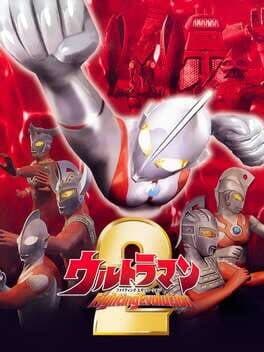
Ultraman Fighting Evolution 2
Banpresto2002
Ultraman Fighting Evolution 2 (ウルトラマン Fightingファイティング Evolutionエボリューション 2ツー Urutoraman Faitingu Eboryūshon Tsū) is a fighting game. It was released and published by Banpresto. It was the sequel of the original Ultraman Fighting Evolution series.
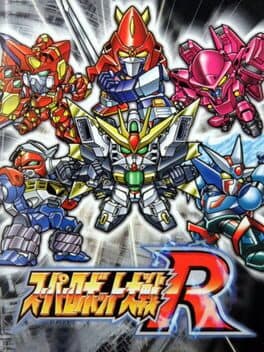
Super Robot Taisen R
Banpresto2002
The second Super Robot Wars game for the Game Boy Advance, R (Reversal) follows the battles of the "Round Knights" as they fight against various mecha anime villains.
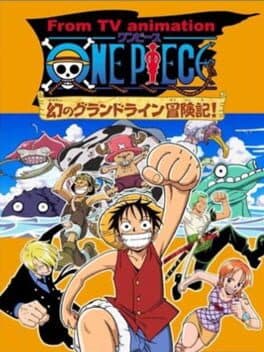
One Piece: Maboroshi no Grand Line Boukenki!
Alpha Unit2002
One Piece: Maboroshi no Grand Line Boukenki! is a Japanese Action, RPG game for the Game Boy Color.
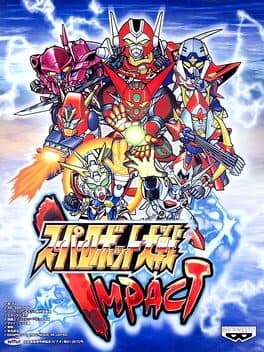
Super Robot Taisen Impact
2002
Super Robot Wars Impact is the first SRW game for the Playstation 2. It is an enhanced remake of the three chapters of Compact 2 and contains over 100 stages, making it the longest SRW to date.
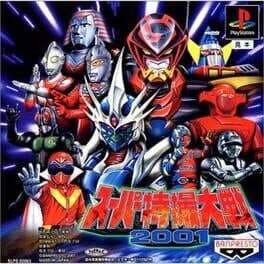
Super Tokusatsu Taisen 2001
Japan Art Media2001
A crossover strategy game featuring characters from many tokusatsu properties
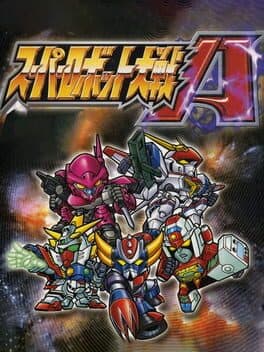
Super Robot Taisen A
Banpresto2001
Super Robot Taisen A (Advance) is the first Super Robot Wars on the Game Boy Advance. The Londo Bell forces battle against the Shadow Mirror.
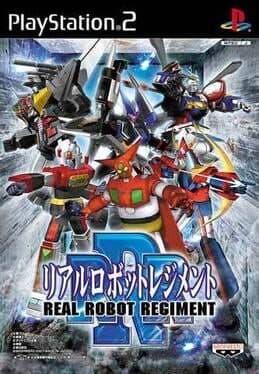
Real Robot Regiment
2001
A Banpresto published mech based action game released exclusively in Japan for the PlayStation 2.
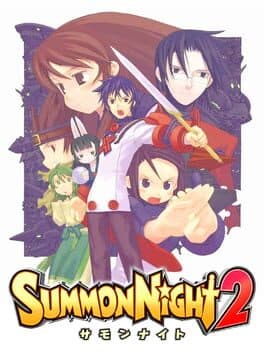
Summon Night 2
Flight-Plan2001
Summon Night 2 is a Japanese tactical RPG and the second entry in the Summon Night series. The story follows a young Summoner apprentice of the Blue faction, who has to go on a journey to be recognized as a full-fledged summoner. It’s during this journey that a war between the Old Kingdom and the Saint Kingdom that would be the start to unveil the truth behind an ancient weapon and the demon's conspiracies. The gameplay is for the most part unchanged from the first game.
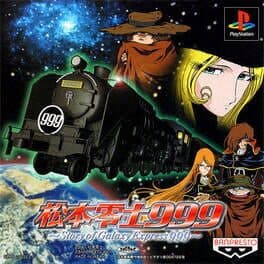
Leiji Matsumoto 999: Story of Galaxy Express 999
Polygon Magic2001
An adventure game for the PlayStation based on Leiji Matsumoto's Galaxy Express 999. You assume the role of Tetsurô Hoshino, a young boy that witnesses the murder of his mother by Count Mecha, a cyborg who hunts humans for sport. In his quest for revenge, Tetsurô meets Maetel, a mysterious lady who offers him a pass for the prestigious "Galaxy Express 999", a space train that travels from Earth to the Andromeda galaxy. There Tetsurô could get a mechanized body for free and thus be able to challenge Count Mecha.
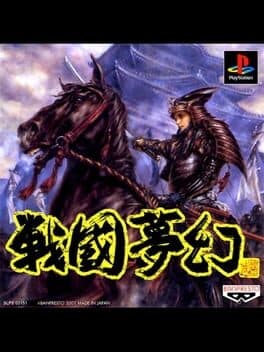
Sengoku Mugen
Alpha Unit2001
Sengoku Mugen is a strategy game set in the Warring States period that features different units, strategies, a complete help system and six different scenerarios.
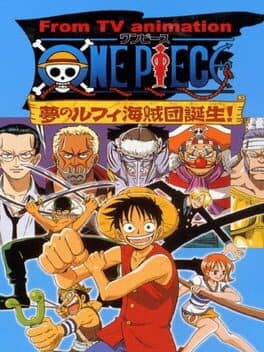
One Piece: Yume no Luffy Kaizoku-dan Tanjou!
Alpha Unit2001
From TV Animation One Piece: Yume no Luffy Kaizoku-dan Tanjou! is a tactical RPG for the Game Boy Color console based on the manga and anime series One Piece. Developed by Alpha Unit and published by Banpresto (a future subsidiary of Bandai), it was released on April 27, 2001.
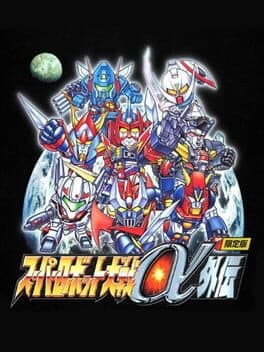
Super Robot Taisen Alpha Gaiden
Banpresto2001
Shortly after the events of Alpha, the Earth Federation has covered up many of the events in the climatic battle with the antagonist Aerogaters, but the gravity shock wave from the detonation of the Excelion (from Gunbuster) in the Battle of the Solar System's Absolute Defense is rapidly approaching the Earth, and threatens to wipe out the space colonies and the planet. The Earth's only hope is the Aegis System, which could shield the Earth Sphere from the shock wave. Unfortunately, the heroes are sent to an alternate future, where the Earth has been ravaged by the wave. Faced with a new threat in the form of the Ancestors, the heroes must find a way to return to their time and prevent this alternate, dystopic future from happening.
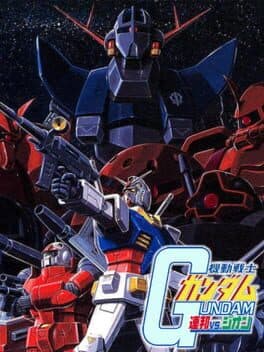
Mobile Suit Gundam Federation vs. Zeon
Capcom Japan2001
When the imperiled Earth Federation battles the notorious Zeon Forces, which side will you be on? Mobile Suit Gundam: Federation vs. Zeon forces you to choose which army to lead in furious outer-space combat. Play more than 200 missions solo or share the screen with a friend for head-to-head or team battle action. Actual actors from the TV series provide full voice-overs in the game, immersing you in Mobile Suit Gundam world.
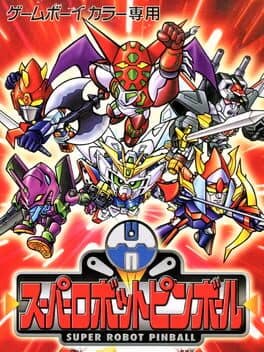
Super Robot Pinball
Jupiter Corporation2001
All of the action of the Super Robot Wars series has been condensed into pinball form.
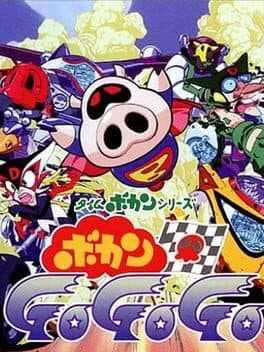
Time Bokan Series: Bokan Go Go Go
Banpresto Co., Ltd.2001
A kart racer featuring the villains of Tatsunoko's Time Bokan franchise. The game's name is derived from Mach Go Go Go (Speed Racer), also a Tatsunoko anime.
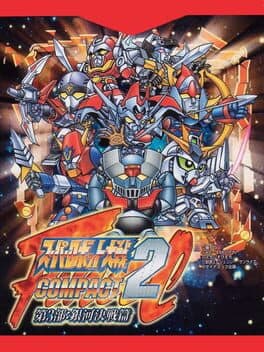
Super Robot Taisen Compact 2 Dai-3-bu: Ginga Kessen-hen
Tose2001
Super Robot Taisen Compact 2 Dai-3-Bu: Ginga Kessen-hen is a Strategy game, developed by TOSE and published by Banpresto, which was released in Japan in 2001.
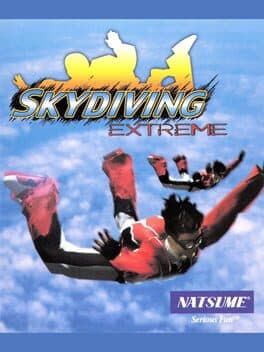
Skydiving Extreme
Metro Corporation2001
This Natsume entry into the realm of extreme sports gaming puts the player in charge of a squad of highly-trained synchronized skydivers. As in reality, there is a short period between the time the diver leaves the plane and has to open his chute and the game's challenge comes in aligning the free-falling team members to form impressive formations before the time limit expires. Players can lead their team in competition against a string of computer-controlled international contenders, or go head-to-head against a friend. Each squad can perform over 40 different formations and a practice mode allows the player to perfect his skills without the time limit.
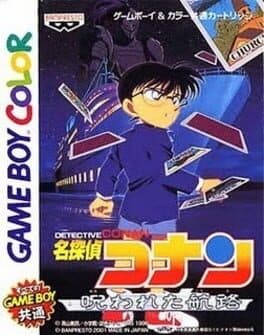
Detective Conan: Norowareta Kouro
2001
Detective Conan: The Cursed Sea Route was developed by Banpresto. It is also the third and final entry of the Conan franchise for the Game Boy Color.
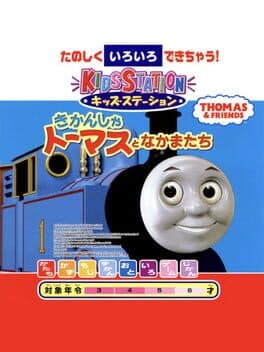
Kids Station: Kikansha Thomas to Nakama-tachi
Banpresto2000
Kikansha Thomas to Nakama-tachi is a collection of mini-games based on Thomas the Tank Engine.
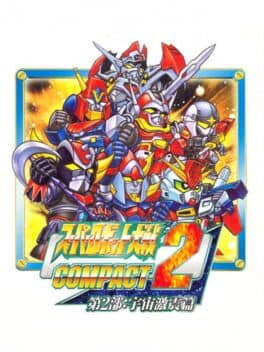
Super Robot Taisen Compact 2 Dai-2-bu: Uchuu Gekishin-hen
Tose2000
Super Robot Taisen Compact 2 Dai-2-bu: Uchuu Gekishin-hen is a Strategy game, developed by TOSE and published by Banpresto, which was released in Japan in 2000.
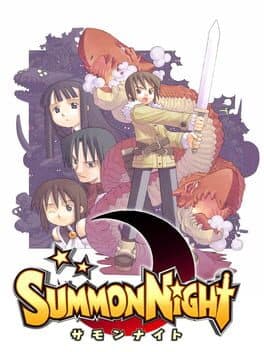
Summon Night
Flight-Plan2000
Summon Night is a Japanese tactical RPG and the first entry in the Summon Night series. This game follows the story of a Japanese high schooler, who is suddenly summoned into the world of Lyndbaum. The main character gets involved in a series of conflicts between gangs, classes, factions and worlds. He/she has to use the power of summons to solve those problems while trying to return to his or her own homeworld.
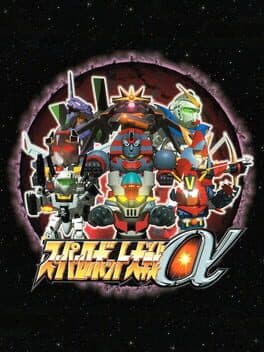
Super Robot Taisen Alpha
Banpresto2000
Super Robot Taisen Alpha is the second game in the series to be built from the ground up for the Playstation, and is the start of the Alpha series. Alpha is the first SRW to feature the highly choreographed animation that the series is known for.
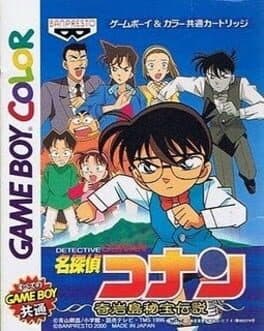
Detective Conan: Kigantou Hihou Densetsu
2000
Kigantou Hihou Densetsu (Eng. "The Legend of Treasure on a Strange Rock Island") is a top-down adventure game from Meitantei Conan series featuring Edogawa Conan (real name is Kudou Shin'ichi) as a protagonist on a case to solve the mystery on the Kigantou island. However, Conan is not the only character you can control in the game, beside him you can control Shin'ichi's girlfriend Ran, her father, the renowned detective thanks to Conan, Kogoro, Ran's high-school girlfriend, Sonoko, and Conan's classmates Mitsuhiko, Ayumi and Genta. Based on the character you control, certain areas may be accessible or inaccessible, and certain dialogues and dispositions from other characters may vary. The story starts with Togawa sisters, Satomi and Miki, receiving a golden statue. They lost their parents at an early age, never knowing what actually happened to them. One day, a letter came from a wealthy person living on an island somewhere in the western Japan Sea. Upon receiving this letter, they realized the golden statue belongs to the place from which the letter was sent. If this is a family heirloom, could the person who sent the letter be someone related to them? Can they know what happened to Satomi and Miki's parents? As Conan and the others opened the Togawa sisters' request, they decided to help uncover the mystery behind their lineage and golden statue and set off on a trip to the solitary island in question where ships travel to only twice a week. As they arrive on the island of strange shape, the notice the residents of an island village appear a bit weird, and there seem to be history behind the wealthy island family. And to top it all, the murder in front of the wealthy looking western-style estate occurred just in front on them and the murderer ran away from the scene of the crime. It's Conan's task to solve all the mysteries and catch the killer, for by his own words, the truth is always only one.
Detective Conan: Kiganshima Hihou Densetsu
Banpresto2000
Legend of the Treasure of Strange Rock Island is a game for the Game Boy Color, and the second Game Boy Color game in the series. In this game, Conan, Ran, Kogoro, Sonoko, and the Detective Boys all visit an island where a murder as occurred.
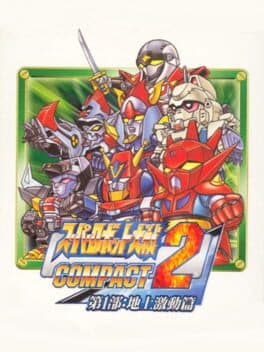
Super Robot Taisen Compact 2 Dai-1-bu: Chijou Gekidou-hen
Tose2000
Super Robot Taisen Compact 2 Dai-1-Bu: Chijou Gekidou-hen is a Strategy game, developed by TOSE and published by Banpresto, which was released in Japan in 2000.
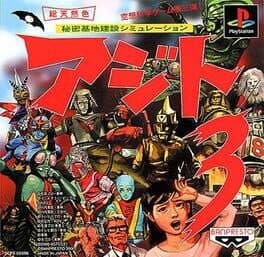
Azito 3
ASTEC212000
The final PlayStation entry in the base and super-robot building series.
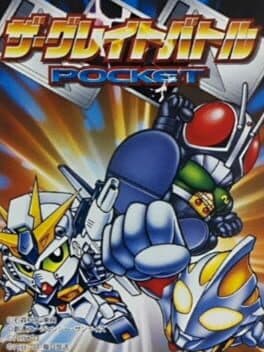
The Great Battle Pocket
Alpha Unit1999
The Great Battle Pocket is a classic game for the Game Boy Color platform. It offers exciting action, strategy, and role-playing elements to keep players engaged. With its captivating storyline and challenging gameplay, players can expect an immersive experience as they navigate through various levels. The game allows you to control a variety of characters and engage in epic battles against formidable enemies. Overall, The Great Battle Pocket delivers a thrilling gaming experience that combines multiple genres seamlessly.
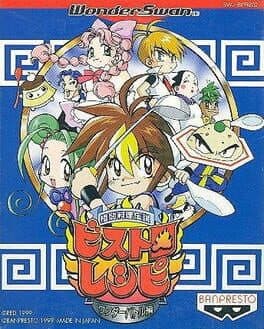
Kakutou Ryouri Densetsu Bistro Recipe: Wonder Battle Hen
Banpresto Co., Ltd.1999
Bistro Recipe is a Strategy game, developed and published by Banpresto, which was released in Japan in 1999.
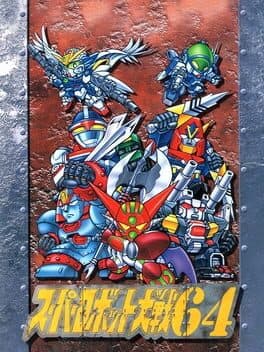
Super Robot Taisen 64
Banpresto1999
Super Robot Taisen 64 is a strategy role-playing game for the Nintendo 64. It was released only in Japan in 1999. The game can make use of the Nintendo 64's Transfer Pak with the Game Boy Color game Super Robot Taisen: Link Battler.
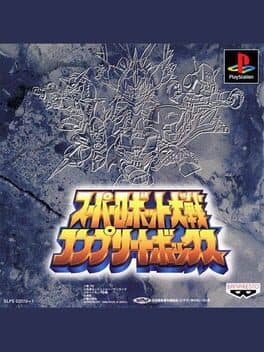
Super Robot Taisen Complete Box
Winkysoft1999
A collection of the original Super Robot Wars series consisting of Super Robot Wars 2, 3, and EX, remade for the original PlayStation. The game's graphics are enhanced and the systems and mechanics within are updated to match those of Super Robot Wars F and F Final. An included second disc is an encyclopedia, containing a collection of cut scenes and voice data from the first game along with a two player versus mode.
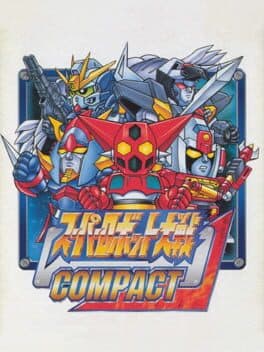
Super Robot Taisen Compact
Banpresto1999
Super Robot Taisen Compact is a Strategy game, developed by TOSE and published by Banpresto, which was released in Japan in 1999.
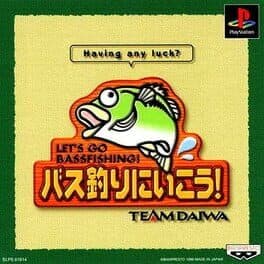
Let's Go Bassfishing!
1999
Let's Go Bassfishing is a 3d cartoon graphics fishing game with beautiful graphics and design that allows players to challenge the limits of the bassfishing on the PlayStation console. The beauty of the nature, as well as environmental changes, the habitat distribution and even the motion in the water are also accurately reproduced. The game features three play modes: 1 - Story mode: Lets you participate in professional tournaments. You can choose between a male or female character. You start in local tournament, then semiprofessional and finally compete in pro tournament 2 - Free fishing: Enjoy the freedom to fish 3 - Fish view mode: In this mode you take control of the fish and swing and try to avoid being catched.
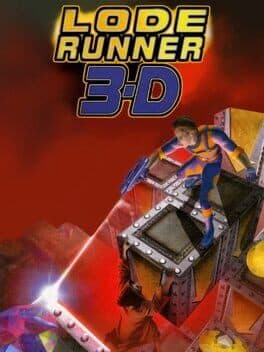
Lode Runner 3-D
Big Bang1999
The game mechanics are similar to the original; you outrun 'monsters' by using alternate routes, sliding on ropes, climbing ladders or drilling holes in the ground to trap them. This game differs from the other incarnations of games from the series because of its apparent three-dimensional perspective. While essentially running in 2-dimensional space, the player has an option to move in another direction every so often. The levels are mostly spirals that require climbing to complete. There are five worlds and each one must be unlocked by finding five cards from the previous world excluding the first. Each world is divided into five stages with each stage divided into four levels. The general goal of each level is to collect a certain amount of gold to activate a portal that allows the player to continue. As the player progresses, each world adds new interactive objects and tools as well as new obstacles.
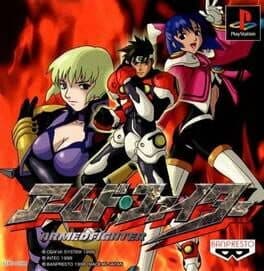
Armed Fighter
Intec1999
Get equipped with the future's enhanced body armor arms legs, "Arms", and destroy the enemy! Action 3D fighting for survival! Several game modes and story mode to explore.
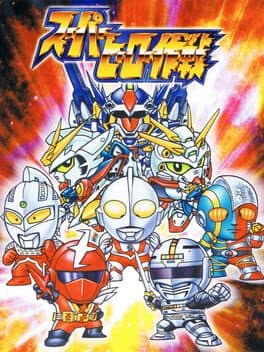
Super Hero Sakusen
Banpresto1999
Super Hero Sakusen is a turn-based RPG crossover between the Gundam, Ultra Man, and Metal Heroes series as well as various other Toei-owned tokusatsu TV shows such as Kaiketsu Zubatto.
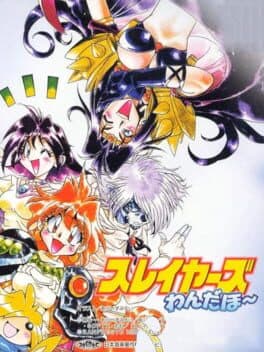
Slayers Wonderful
Tamtam1998
Slayers Wonderful is a role-playing video game developed by TamTam and released by Banpresto for the PlayStation in 1998 exclusively in Japan. It features key voice actors from the Slayers anime versions and a story supervised by the Slayers author Hajime Kanzaka. The game was a big commercial success but received mixed critical reception.
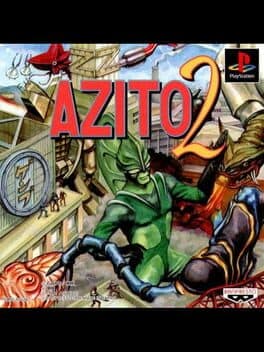
Azito 2
ASTEC211998
Azito 2 is the second game in the series, the most important difference between this game and Azito is that in Azito 2 the player can choose between the evil side or the justice side at the beginning of the game.
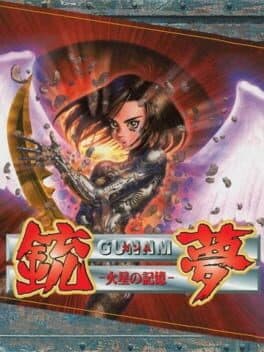
Gunnm Martian Memory
YUKITO Products Inc.1998
The winds blow the smell of oil and iron around an artificial creation, a city where people dwell between scrap and machine. In this town human beings and cyborgs live mixed-in together. Within there lives a "mostly cyborg, tuning and maintenance" cyberne doctor named Ido. One day, he came out of the town and in a mountain of scrap found a cyborg girl asleep for hundreds of years and brought her back to life.
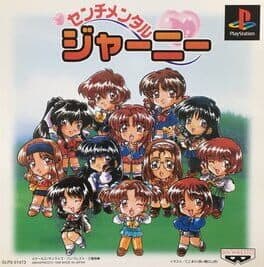
Sentimental Journey
Banpresto1998
Sentimental Graffiti is the name of a popular dating simulation series by NEC Interchannel. A TV anime based on the series was later produced, titled Sentimental Journey. Sentimental Journey is a collection of twelve short stories about twelve different girls. Though unrelated, there is one common theme that binds the episodes together: each girl's bittersweet experience of first love. In this Playstation game the player can choose a girl (or 4 of them if there are 4 players to play) and let her find the love during a board game. There are different boys to meet and different mini games and special blocs to make the game more interesting.
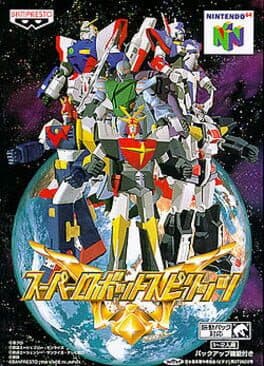
Super Robot Spirits
Banpresto1998
Super Robot Spirits is a 3D versus fighting game for the Nintendo 64, based within the Super Robot Wars line of games. It was released only in Japan in 1998.
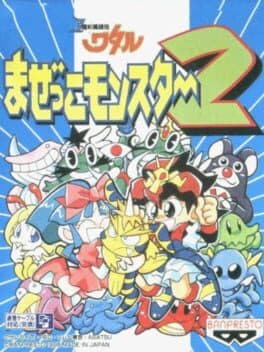
Chou Mashin Eiyuuden Wataru: Mazekko Monster 2
1998
Chou Mashin Eiyuuden Wataru: Mazekko Monster 2 is based on the anime Chou Majin Eiyuu-den Wataru and released on the Game Boy.
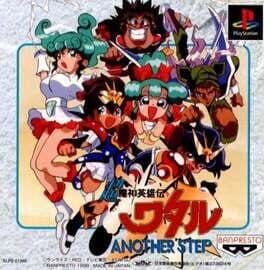
Chou Mashin Eiyuuden Wataru: Another Step
1998
Chou Majin Eiyuu-den Wataru: Another Step is a comical 2D RPG based on the TV series of the same title. Battle is rich in variety with three different modes.
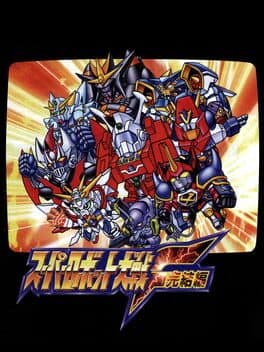
Super Robot Wars F Final
Winkysoft1998
Super Robot Wars F Final (or "Super Robot Taisen F Kanketsuhen") picks up where Super Robot Wars F left, starting at stage 35. F and F Final were originally thought as an unique game, but production delays made the producers decide to split the game in two parts. This game features the first appearance of Mazinkaiser (created by contaminating the Mazinger Z with Getter rays). Gameplay mechanics are the same of Super Robot Wars 4 (and Super Robot Wars F, of course). It's a turn strategy game, when attacked the player can decide to counter, to dodge (halves the % of being hit) and to defend (it halves the damage eventually received).
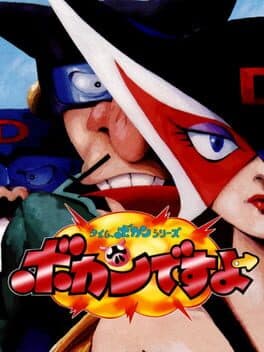
Time Bokan Series: Bokan Desuyo
Eleven1998
A scrolling shooter based on Tatsunoko's Time Bokan anime franchise. It's the sequel to Bokan to Ippatsu! Doronbo.
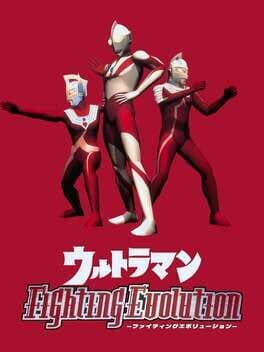
Ultraman Fighting Evolution
Metro1998
Ultraman Fighting Evolution (ウルトラマン ファイティングエボリューション Urutoraman Faitingu Eboryūjyon) is a fighting game. It was developed and published by Banpresto. It was the first Ultraman Fighting Evolution series game, spawning many sequels.
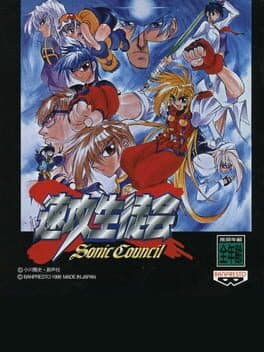
Sokko Seitokai: Sonic Council
SIMS1998
Exclusive Fighting Game on Sega Saturn.
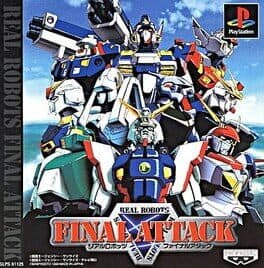
Real Robots Final Attack
1998
A mecha combat game created by the makers of the Super Robot Wars series. This game features machines from various anime.
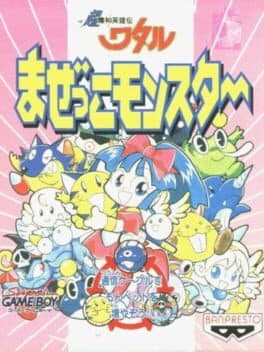
Chou Mashin Eiyuuden Wataru: Mazekko Monster
1997
Chou Majin Eiyuu-den Wataru: Mazekko Monster is based on the anime Chou Majin Eiyuu-den Wataru and released on the Game Boy.
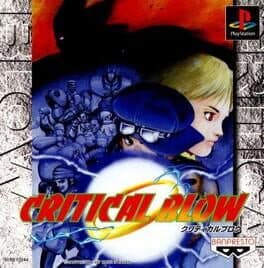
Critical Blow
Racdym1997
A legend exists among the fighters and martial artists of this world, of a mysterious scarab badge that only the most elite warriors will earn. This badge, sent out by the mysterious Merkuar, is in fact an invitation to a dangerous tournament held in England, where the contestants fight for money, power, and glory. Now, a poor young fighter from Hong Kong named Rickey Leon has just received one of these badges.
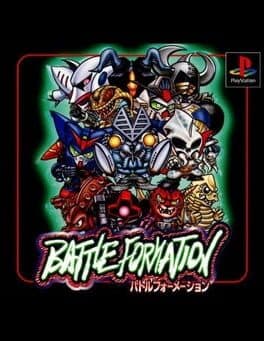
Battle Formation
Banpresto1997
Battle Formation was a strategy game for the PlayStation that used villains from the Ultraman, Gundam, and Kamen Rider franchises as playable characters. The player would use mobile suits, kaijin, and Kaiju from various entries of each franchise to conquer an island until they encountered the final boss simply known as Keeper.
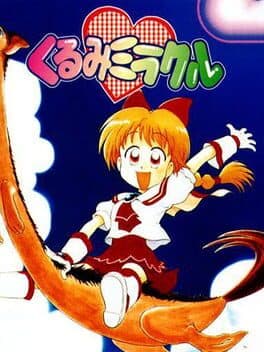
Kurumi Miracle
1997
Kurumi Miracle is a Adventure/Simulation video game published by Banpresto released on September 25th, 1997 for the Sony PlayStation.
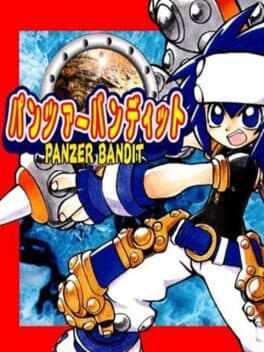
Panzer Bandit
Fill-in-Cafe1997
Full of magic and mecha fighting action takes place in a different world turns. Set in 2D with depth of field, with a comical action Ri Gemasu melee battle finishing moves and colorful quirky characters who are in disarray. In addition to story mode, and up to four people can play simultaneously mode also comes with VS.
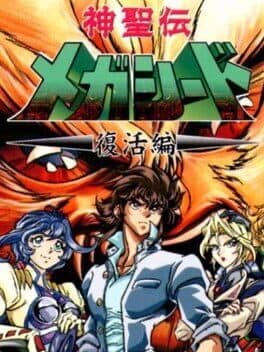
Shinseiden Megaseed: Fukkatsu-hen
Japan Media Programming1997
Shinseiden Megaseed: Fukkatsu-hen is a Strategy game, developed by Japan Media Programming and published by Banpresto, which was released in Japan in 1997.
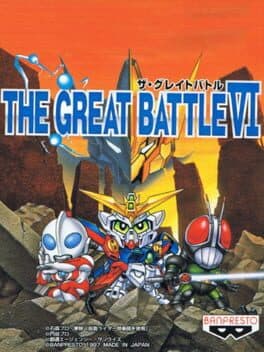
The Great Battle VI
Banpresto1997
The Great Battle VI is an entry in Banpresto’s Compati Hero series, a crossover action game title involving the characters from Kamen Rider, Ultraman, and Mobile Suit Gundam.
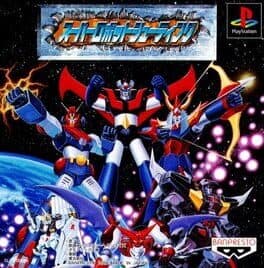
Super Robot Shooting
Banpresto1997
Rail-shooting action game featuring robots from classic manga/anime series.
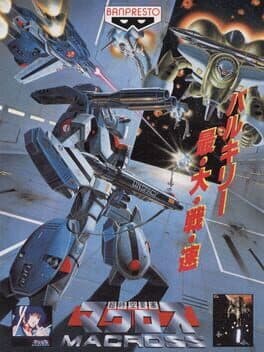
Macross Plus
MOSS Co., Ltd.1997
Macross Plus is a vertical-scrolling shooting arcade game released only in Japan on the CPS-2 arcade system board. Loosely based on the Macross Plus franchise, it was developed and published by Banpresto (video games operation absorbed by Bandai Namco Games April 1, 2008) in December 1996.
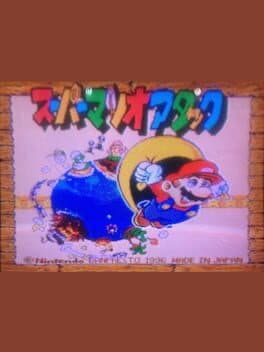
Super Mario Attack
Banpresto1996
Super Mario Attack is a redemption arcade game developed by Banpresto in 1996 based on the 1990 SNES game Super Mario World. The gameplay involves landing Cape Mario on items of different value in medals. Players have the option of doubling or tripling their bet. They must dive within 15 seconds or lose. It was only released in Japan.
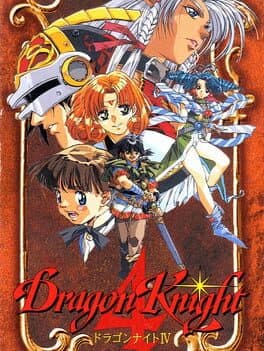
Dragon Knight 4
Vingt et un Systems1996
Dragon Knight 4 is a sequel to Knights of Xentar (Dragon Knight III). Years have passed after Takeru (a.k.a. Desmond, the hero of the previous Dragon Knight games) defeated the ultimate evil. He married his sweetheart Luna, and they had a son named Kakeru. This fifteen-year-old boy has one weakness: he likes naked female elves. But soon he learns that the evil wizard Lushifon wants to turn all people into stones and control the whole world while nobody is able to stop him. Together with the mysterious swordsman Eto and many other heroes, Kakeru must perform his ultimate quest and defeat Lushifon and his minions. The adult content (scenes which include nudity) has been removed from the console releases. The PlayStation version has updated graphics and CG animations.
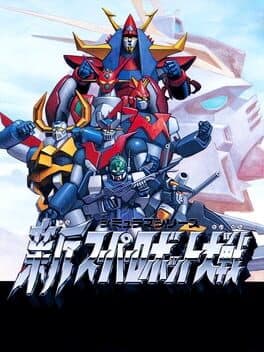
Shin Super Robot Taisen
Winkysoft1996
Super Robot Wars is a series of tactical role-playing video games produced by Banpresto, which is now a Japanese division of Namco Bandai. The main feature of the franchise is having a story that crosses over several popular mecha anime, manga and video games, allowing characters and mecha from different titles to team up or battle one another. The first original Super Robot Wars game on the PlayStation and one of the only games to use full-sized mecha. This game features the SRX plotline and is the precursor to the Super Robot Wars Alpha series. Series Premiered: Blue Comet SPT Layzner, Super Electromagnetic Machine Voltes V, Demon Dragon of the Heavens Gaiking, Invincible Robo Trider G7, New Mobile Report Gundam Wing A special disc version version released on March 28, 1997 featuring extra options such as the "Free Battle Mode".
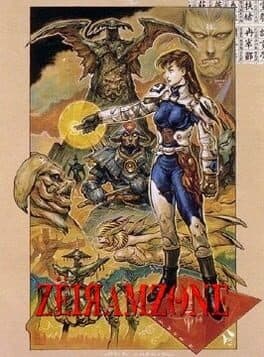
ZeiramZone
Tao Human Systems1996
Horizontal scrolling action based on the popular "Zeiram" special effects movie directed by Keita Amemiya. By using the 3D polygon characters and background appearance to achieve dramatic camera work as a movie scene, it becomes a powerful realization. Operate the Bounty Hunter Ilya, and she shall be confronted with the most powerful Zeiram combat organisms.
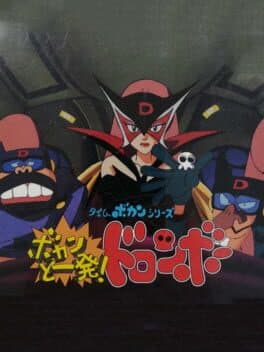
Time Bokan Series: Bokan to Ippatsu! Doronbo
1996
Time Bokan Series: Bokan to Ippatsu! Doronbo is an Action game, developed by Eleven (Japan) and published by Banpresto, which was released in Japan in 1996.
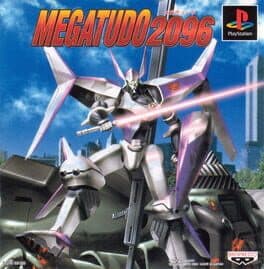
Megatudo 2096
General Support1996
It is the year 2096, and the Megatudo Grand Prix is on! 12 pilots from 12 manufacturers, each with their own unique Maneuver Wear, will fight to win the tournament. Each character has their own set of normal and special attacks, as well as the ability to dash and weave in different directions.
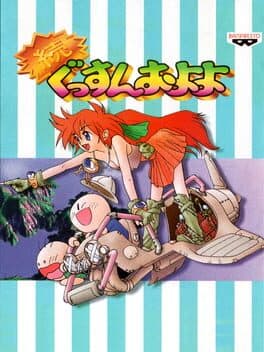
Zoku Gussun Oyoyo
NOW Production1996
Zoku Gussun Oyoyo is an action puzzle game and a sequel to Risky Challenge. The game plays essentially the same as its predecessor — position falling blocks in a well, Tetris-style, to guide the characters to the exit of each stage — but includes 100 all-new puzzles and several new game modes. Normal and Versus modes are the single-player story and two-player versus modes returning from the previous game; Tsume mode is a dedicated puzzle mode; Climbing mode is an endless climb mode where the goal is to climb upward as far as possible; and Ranking Certification mode is a trial mode where the player must complete a selection of stages to earn higher rankings. The PlayStation and Saturn versions feature slightly different puzzle layouts but are otherwise identical.
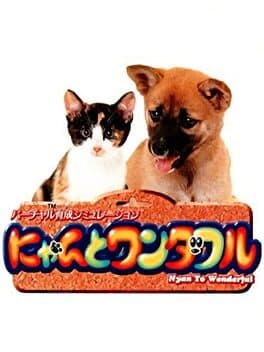
Nyan to Wonderful
Pandora Box1996
Nyan to Wonderful is a pet simulation game that is about training a cat or a dog. The game features different cat and dogs species and uses a 3D engine with different camera angles. The player can use different toys and musics to train his pet, and give him or her different kind of meals. There is a photograph mode and a gallery mode can also be unlocked. The game features other game modes that can be unlocked playing the main game.
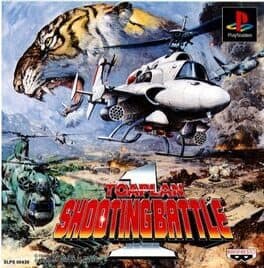
Toaplan Shooting Battle 1
Toaplan1996
Toaplan Shooting Battle 1 is a compilation of two classic shooters by Toaplan: Tiger-Heli and Kyūkyoku Tiger (Twin Cobra). Both Japanese and overseas versions of Twin Cobra are available.
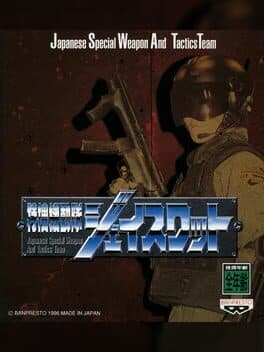
Tokusou Kidoutai J-SWAT
Japan Media Programming1996
Tokusō Kidōtai JSWAT is a police-themed, first-person shooter with live-action cutscenes and digitized graphics. For each mission, the player must select a weapon loadout and attempt to neutralize all threats. While lethal force is available as an option, subduing and arresting criminals is the preferred approach, and is reflected as such in mission rankings. The player must also be careful not to harm hostages and civilians, and pay attention to instructions received over radio during each mission.
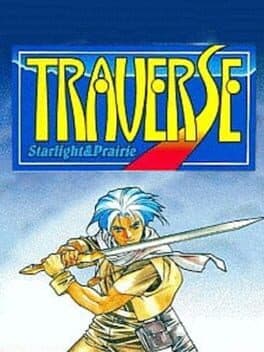
Traverse: Starlight & Prairie
Pandora Box1996
Traverse: Starlight & Prairie is a Role-Playing game, developed by Pandora Box and published by Banpresto, which was released in Japan in 1996.
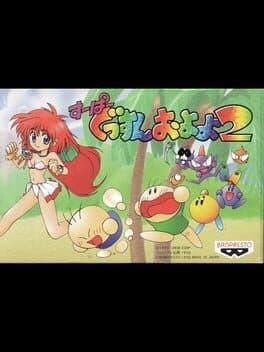
Super Gussun Oyoyo 2
Kan's1996
Released in Japan in 1996.
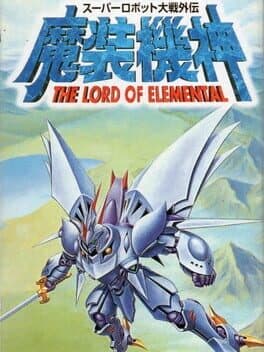
Super Robot Taisen Gaiden: Masou Kishin - The Lord of Elemental
Winkysoft1996
Only released in Japan.
Tsukikomori
Namco Bandai Games1996
Tsukikomori is an Adventure game, developed by Pandora Box and published by Banpresto, which was released in Japan in 1996.
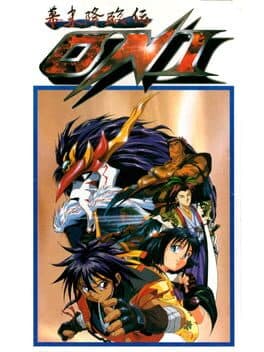
Bakumatsu Kourinden Oni
Pandora Box1996
Bakumatsu Korinden Oni is a Role-Playing game, developed by Pandora Box and published by Banpresto, which was released in Japan in 1996. This is the seventh title in the ONI series and is set in Japan approximately 670 years after the previous title, Kishin KouRinden ONI. The two titles share the same world and common characters. It is also notable for the appearance of historical figures such as the Shinsengumi, Ryoma Sakamoto, and Yoshinobu Tokugawa.
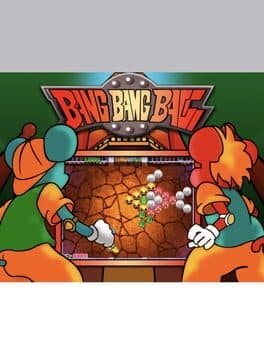
Bang Bang Ball
1996
A mouse holds a ball on his belly and must shoot the other balls of the same color on the screen. You and the groups of balls can move around anywhere on the stationary screen.
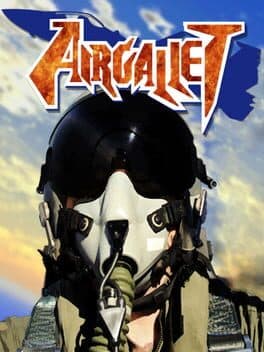
Air Gallet
Gazelle1996
Air Gallet, released in Japan as Akuu Gallet is a vertically scrolling shoot 'em up arcade game developed by Gazelle (one of the offshoots of Toaplan) and released by Banpresto in 1996. It runs on the Cave MK 1 hardware. It features the voice of narrator of Lenne Hardt and Jeff Manning.
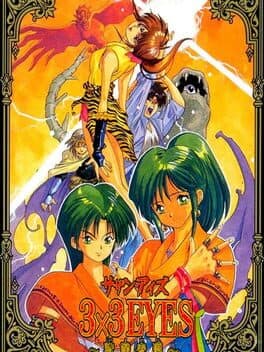
3x3 Eyes: Juuma Houkan
NOW Production1996
The second 3x3 Eyes game for the Super Famicom. This time as a side scrolling adventure game with fighting sequences instead of a JRPG.
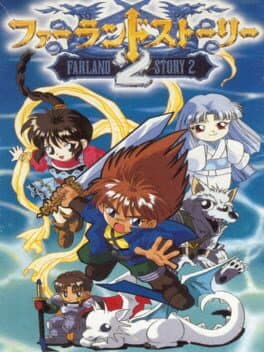
Farland Story 2
TGL1996
Farland Story 2 is an independent side-story to the Farland Story series (this game shouldn't be confused with Farland Story Denki: Arc Ou no Ensei, which is also known as "Farland Story 2"). The game is set in the same time line as the second and the third "mainstream" Farland Story games, 20 years after Arc has become a king. Peace has returned to the world, but on the continent of Ionia, an emperor is plotting an evil scheme. His son Riad refuses to accept the methods of his father, especially when he wants to use Serena, a girl he loves, for his plans of war and conquest. During a quarrel, Riad attacks the emperor's minister, and is forced to flee the castle together with Serena. The adventure of the runaway prince begins... Graphically and gameplay-wise, the game is similar to other Farland Story games, although its setting is generally more dark. The game consists of large strategic battles, during which you move your party over the battle location, attacking enemies physically when they are in range of your weapons, and casting healing and offensive magic. Like in other Farland Story games, the death of the main character (Riad in this case) means instant Game Over.
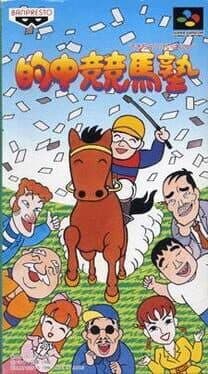
Tekichuu Keiba Juku
1996
Tekichuu Keiba Juku is a Sports game, published by Banpresto, which was released in Japan in 1996.
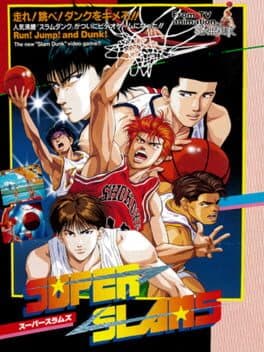
Slam Dunk: Super Slams
Video System1995
From TV Animation Slam Dunk - Super Slams , is a basketball game made by Toei Animation and released by Banpresto in 1995 in Japan. The game has a portable versions on Super Nintendo and Sega Saturn.
Mobile Suit Gundam: Final Shooting
1995
Final Shooting is a Light Gun game based on the 1979 anime.
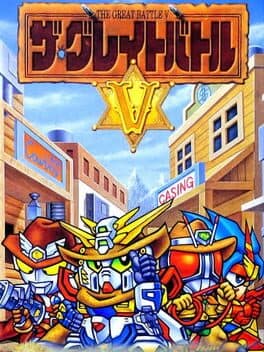
The Great Battle V
Sun L1995
A side-scrolling shooter game that is part of Banpresto's Compati Hero Series. The fifth Great Battle adopts a Western theme, with some stages inspired by Natsume's Wild Guns.
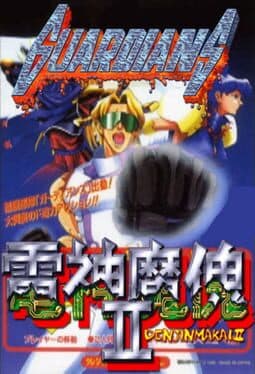
Guardians: Denjin Makai II
Winkysoft1995
Guardians, also known as Denjinmakai II, is a side-scrolling beat 'em up developed by Winkysoft and published by Banpresto that was exclusively released as a coin-operated arcade game in 1995 as the successor of the 1994 arcade game Denjinmakai.
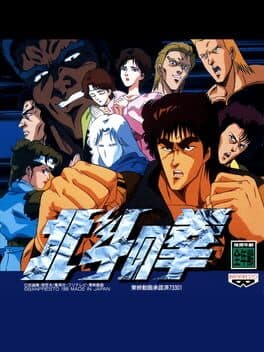
Hokuto no Ken
Banpresto1995
The Hokuto no Ken video game by Banpresto is a graphic adventure game originally released in Japan for the Sega Saturn on December 22, 1995. A PlayStation port was released on August 30, 1996. The story of this game is set after the original manga but appears to follow an alternate timeline.
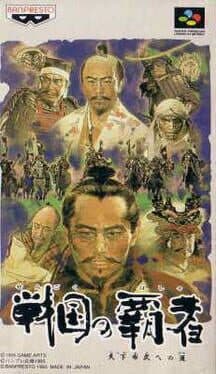
Sengoku no Hasha
Bits Laboratory1995
Sengoku no Hasha is a Strategy game, developed by Bits Laboratory and published by Banpresto, which was released in Japan in 1995.
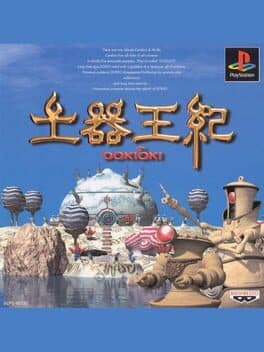
Doki Oki
Studio Dews1995
Doki Oki is a first person perspective in the style of games like Myst. In the game the player takes the role of a human that is summoned into another world by strange robotic creatures that tells him that they need his help to defeat a mysterious enemy.
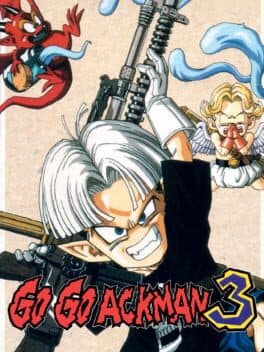
Go Go Ackman 3
Aspect1995
Go Go Ackman 3 is an Action game, developed by Aspect and published by Banpresto, which was released in Japan in 1995. It is the third and final Go Go Ackman game for the Super Famicom. This is the first game in which the series Nemesis, Tenshi, is playable. But due to the fact that Tenshi is an angel he will not collect the souls of the enemies. Go Go Ackman was created by famous mangaka Akira Toriyama, known for his work on Dragon Ball as well as games such as Chrono Trigger and Dragon Quest.
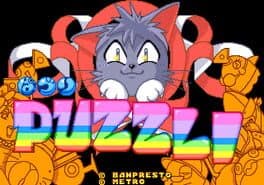
Puzzli
Metro Corporation1995
Puzzli is a colour-matching puzzle game based on fishing.
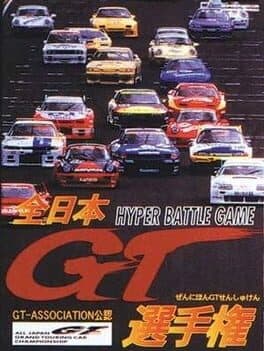
Zen-Nihon GT Senshuken
C.P. Brain1995
Zen-Nihon GT Senshuken is a racing game published by Banpresto and Kaneko, and is part of Kaneko's All-Japan Grand Touring Car Championship series based on the real-life circuit. The game rapidly switches angles depending on the direction the player is driving, often moving between horizontal, vertical and diagonal perspectives.
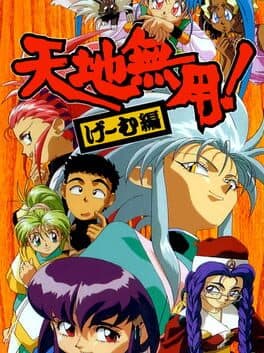
Tenchi Muyo! Game-hen
Banpresto1995
Sasami is kidnapped by a mysterious little girl with magical powers, and Tenchi and his companions must travel to rescue her, battling monsters and other creatures on the way.
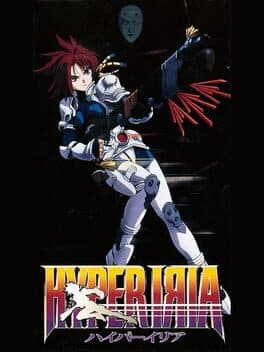
Hyper Iria
Tamtam1995
Iria is the story of a girl and the Alien being she loves to hate. The series begins with her brother, Gren, taking a job. He is a bounty hunter, and one well known for his incredible skill. Iria, being a skilled apprentice bounty hunter herself, tags along. What is the job, one might ask. It is to find out what has happened to the crew and cargo of a Space Station. Needless to say, nothing is as it seems, and the war between Iria and Zeiram begins in earnest.
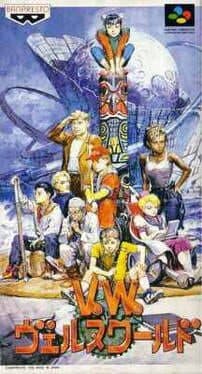
Verne World
Dual1995
Verne World is a role-playing game exclusively released in Japan. The game revolves around the main character being trapped in a theme park based around the works of Jules Verne such as 'A Journey to the Center of the Earth' and 'Twenty Thousand Leagues Under the Sea'.
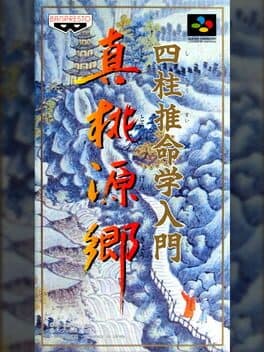
Shin Togenkyo
1995
Shin Togenkyo ("New Togenkyo", where Togenkyo refers to a mythical garden from Japanese folklore) is a game from that offers players advice and fortune telling by taking some personal details and divining various predictions from that input. The game is heavily reliant on Japanese script, and offers little in the way of visuals besides the occasional icon used to represent the player's status. It also offers a rudimentary slot machine for players to try their luck in a different manner.
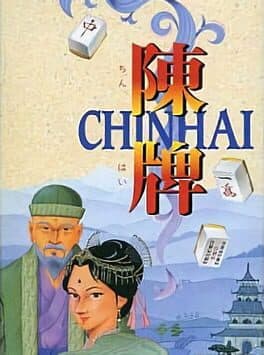
Chinhai
Pixel1995
A variant of Mahjong Solitaire, or Shanghai, where the player can only match tiles on a grid with regard to specific rules.
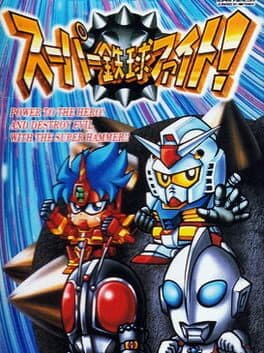
Super Tekkyu Fight!
Metro1995
Super Tekkyu Fight! is an Action game, developed by Metro and published by Banpresto, which was released in Japan in 1995.
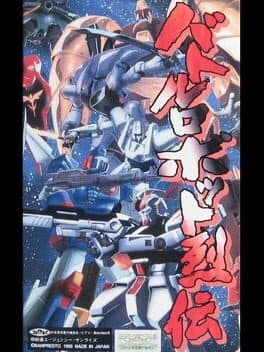
Battle Robot Retsuden
Winkysoft1995
Battle Robot Retsuden is a Strategy game, developed by WinkySoft and published by Banpresto, which was released in Japan in 1995.
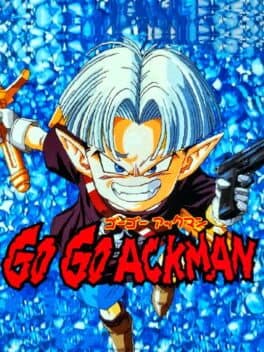
Go Go Ackman
Banpresto1995
Go Go Ackman is a maze runner for the Game Boy based on the Manga with the same name. It is the only video game adaptation of the franchise that is not a platformer. Go Go Ackman was created by famous mangaka Akira Toriyama, known for his work on Dragon Ball as well as games such as Chrono Trigger and Dragon Quest.
Gakkou de Atta Kowai Hanashi
Pandora Box1995
Gakkou de Atta Kowai Hanashi is an Adventure game, developed by Pandora Box and published by Banpresto, which was released in Japan in 1995.
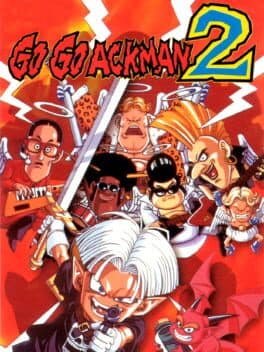
Go Go Ackman 2
Aspect1995
Go Go Ackman 2 is an Action game, developed by Aspect and published by Banpresto, which was released in Japan in 1995. The gameplay is largely the same as the first game in the series. With the exception that Ackman can now throw enemies he picks up. Go Go Ackman was created by famous mangaka Akira Toriyama, known for his work on Dragon Ball as well as games such as Chrono Trigger and Dragon Quest.
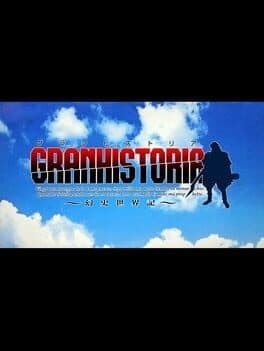
Granhistoria: Genshi Sekaiki
J-Force1995
Granhistoria: Genshi Sekaiki is a Super Famicom role-playing video game that was released exclusively for Japan in 1995. This video game is about alternate universes and time travel. Toru is about to marry his lover Lu when he is attacked by thieves and killed. After being transported a few hours before his death and resurrected, he must bring down the thieves and change history. Changing the history of the kingdom is very important and anachronisms like train stations are a part of this strange new universe that the player is cast into.
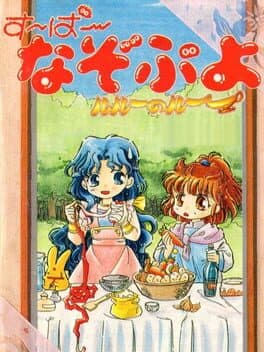
Super Nazo Puyo: Rulue no Roux
Compile1995
Super Nazo Puyo: Rulue no Roux is the sequel to Nazo Puyo: Arle no Roux. It was succeeded by Super Nazo Puyo Tsu: Rulue no Tetsuwan Hanjouki. A Nuisance Puyo variation known as Iron Puyo was introduced in this game. Super Nazo Puyo: Rulue no Roux uses the basic rules of Puyo Puyo. The game controls like a normal Puyo Puyo game with all five colors available and the ability to roate clockwise and counter clockwise, except the ability to double rotate and climb is not possible. Each puzzle gives the player different objectives to clear. The objectives range from clearing all of a specific color of Puyo, clearing all Nuisance Puyo, creating a specific chain length, clearing a certain amount of Puyo simultaneously, or simply clear the whole board. Every time the player fails to complete a puzzle, the player's health will deplete, as indicated by Arle or Rulue's expression gradually getting more distressed. If the player's health depletes completely, they'll receive a Game Over and can either choose to continue from the last save or quit back to the title. The player can recover completely if the gauges on the right side of the screen fills completely and rank up, with each cleared puzzle filling it gradually. On the pause menu, the player has the option to skip a puzzle at the cost of health. There are five game modes: Arle's Roux, Rulue's Roux, Road to Chains, Endless Puyo, and Editor. In the first three modes, the player must solve the presented tasks with a set of available Puyo. Arle's Roux focuses on a scenario with Arle, acting as the normal course with her puzzles only involving standard Puyo. Rulue's Roux is the mode that focuses on Rulue and acts as the expert mode, with her puzzles including Iron Puyo and Blocks. In both modes, the objective is to clear puzzle sets from varies characters within an area, with one character acting as a boss that cannot be challenged until the others are beaten. Once the boss of a given area is beaten, the player will progress to the next area. Road to Chains acts as a challenge mode where the player is given a series of puzzles to solve at a gradually increasing difficulty, with the player being unable to restore health. The Endless Puyo mode is a regular endless mode except that 6 next Puyo are shown instead of 1 next Puyo, and that nuisance Puyo will fall in the higher levels of difficulty. The Editor mode allows you to place Puyo freely in a manner similar to Practice Notebook in Puyo Puyo 7. You can also set a list of next Puyo and the task to be solved.
Super Pachinko Taisen
1995
Super Pachinko Taisen is a Miscellaneous game, published by Banpresto, which was released in Japan in 1995.
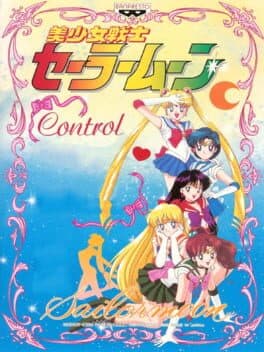
Pretty Soldier Sailor Moon
Gazelle1995
The game is a side-scrolling "beat-'em-up" game, one or two players pick their desired Senshi and travel through various stages defeating enemies. Items are sometimes dropped by enemies that can range from items that restore health, give extra points, or crystals that allow the Senshi to perform special attacks. Up to five crystals can be collected per player to power up the Senshi's special attacks. During the most difficult moments in battle, Tuxedo Mask will appear and throw a rose, which is a bonus to pick up and depart.
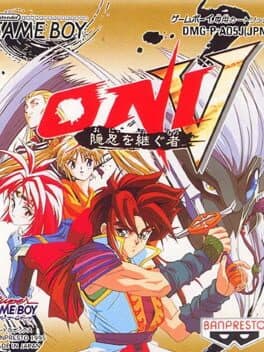
Oni V: Innin no Tsugumono
Pandora Box1995
The final Game Boy release in the Oni series.
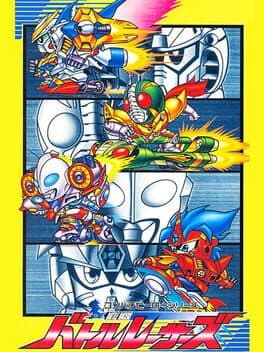
Battle Racers
Banpresto1995
Battle Racers is a Mode 7-enabled racing game and part of the Compati Hero Series, which combines characters from Gundam, Kamen Rider and Ultraman. The game takes after Super Mario Kart in its presentation and use of power-ups to get the edge in races. It also uses a similar zoomed-out view of the track for the second player's window for the game's single-player mode. Players select from four Grand Prix cups: each cup has one more track than the one before, starting with four. The final cup is locked until the others have been beaten.
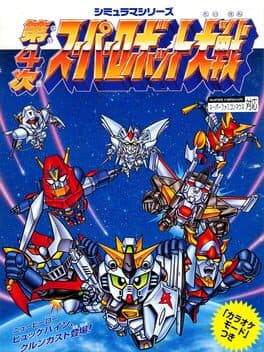
Dai-4-ji Super Robot Taisen
Winkysoft1995
Dai-4-ji Super Robot Taisen is a Sci-Fi Turn-Based Strategy game, developed and published by Banpresto, which was released in Japan in 1995.
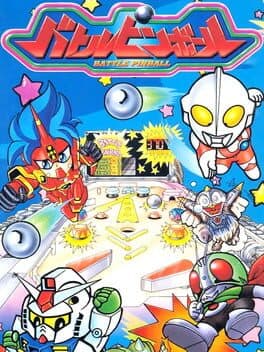
Battle Pinball
Banpresto1995
Battle Pinball is a multi-table pinball game exclusive for the Super Famicom and part of Banpresto’s "Compati Hero Series" that brings together the licenses for Ultraman, Kamen Rider and Gundam. The game contains four tables, each themed to a different hero: Kamen Rider, who fights in dusty wastelands with a number of his recurring enemies; Ultraman, who fights in a city against various kaiju; Knight Gundam, who fights in space; and Banpresto’s own original character Fighter Roar, whose stage is set under the ocean. Each table also has three screens, each with their own set of paddles, and the player attempts to earn highscores from the various features on each table.
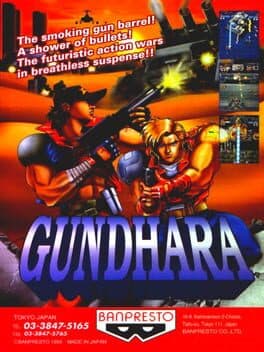
Gundhara: Juudan Arashi
MOSS Co., Ltd.1995
Gundhara - Juudan Arashi is a 2D top-down shooter, similar to Commando, Ikari Warriors or Bloody Wolf. The game has two heroes: Jerry and Jinn. Gameplay is simple and dynamic - the chosen hero shoots various enemies (like soldiers and robots) in the jungle and other location, and rescues hostages. A big boss awaits at end of each level. The heroes have guns, but can kick, upgrade their guns, and use special weapons.
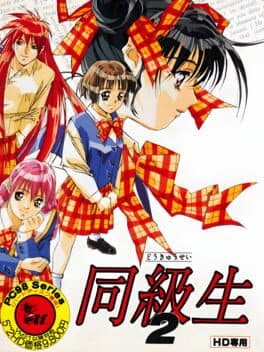
Doukyuusei 2
ELF1995
The sequel to the dating sim that rocked the world (maybe) in 1992! Doukyuusei 2 is a 1995 classic erotic love adventure, a genre that is also referred to as "dating simulations". It has a new location and new protagonist. The aim of the game is the same as the original.
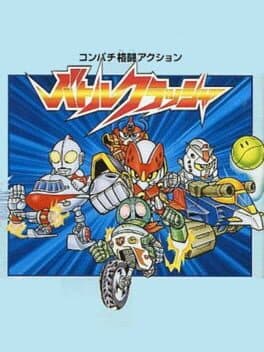
Battle Crusher
Sun L1995
Battle Crusher is a fighting game released on the Game Boy.
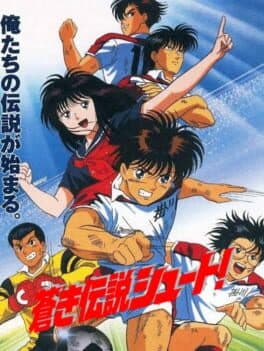
Aoki Densetsu Shoot!
KSS1995
Aoki Densetsu Shoot! is a Japanese anime produced by Toei Animation between November 9, 1990 and December 22, 1991 on the Fuji TV television network; there were fifty-eight episodes. The game has an exhibition mode, an anime-style story mode, and a variety of options, which is entirely in Japanese, so literacy in this language is strongly recommended for quality gameplay. Once the game begins, the action progresses in a side view, similar to an arcade soccer game.
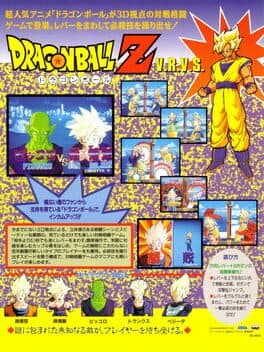
Dragon Ball Z: V.R.V.S.
Banpresto1994
Dragon Ball Z: V.R.V.S is a fighting game released in 1994 for the Sega System 32 arcade platform by Sega and Banpresto.
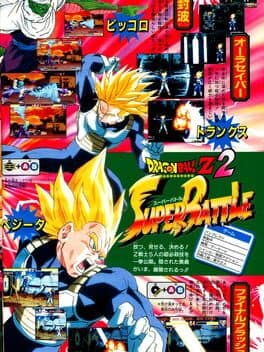
Dragon Ball Z 2: Super Battle
Banpresto1994
Dragon Ball Z 2: Super Battle is a video game for arcades based on the anime Dragon Ball Z. It was designed and manufactured exclusive in Japan by Banpresto in 1995. The game is a direct sequel the previous arcade Dragon Ball Z game, produced two years earlier.
Metamoqester
Pandora Box1994
Metamoqester (known in Japan as "Oni: The Ninja Master") is a 2D arcade fighting game, similar in concept to Red Earth or Monster Maulers. One or two players (there is a co-op mode) fight against big monsters in deadly duels. There are three different characters to choose from. The game uses four buttons - Weak Attack, Medium Attack, Strong Attack, and Shoot/Throw Weapon.
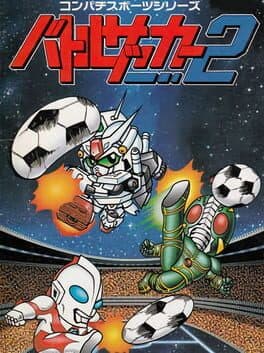
Battle Soccer 2
Pandora Box1994
Battle Soccer 2 is a football video game, developed by Pandora Box and published by Banpresto, which was released exclusively in Japan in 1994. This game is a sequel to Battle Soccer: Field no Hasha, and includes SD to Deformed appearances from the Ultraman series , Kamen Rider series , and Gundam series are teamed up to compete in soccer.
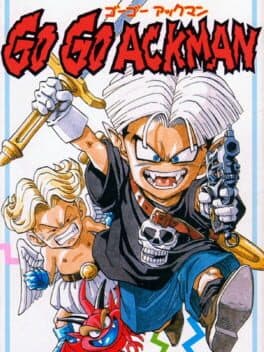
Go Go Ackman
Banpresto Co., Ltd.1994
Go Go Ackman is a scrolling platformer starring the titular Ackman. Ackman can punch and charge up a ranged wave of energy, and he can also jump on some enemies to stun them before running into them and turning them into a sliding projectile. Ackman can hold up to three bombs that can clear the screen of enemies, and can also hold a weapon, either a sword, boomerang, or pistol, but it will be lost if Ackman is hit. Levels are linear, but do allow some exploration to find weapons and items hidden off the beaten road. Go Go Ackman was created by famous mangaka Akira Toriyama, known for his work on Dragon Ball as well as games such as Chrono Trigger and Dragon Quest.
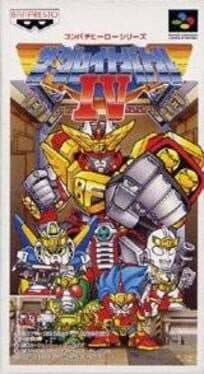
The Great Battle IV
Sun L1994
The Great Battle IV is the fourth entry in Banpresto's Compati Hero series for the Super Famicom. The game is a crossover action game title involving the characters from Kamen Rider, Ultraman, and Mobile Suit Gundam franchise respectively. Gameplay is similar to Mega Man X.
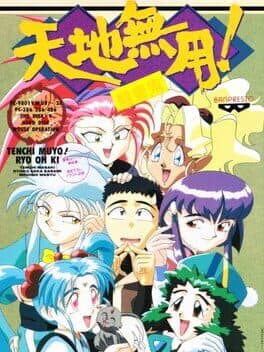
Tenchi Muyo! Ryo-Ohki
AIC Spirits1994
A Tenchi Muyo visual novel released for PC-98 and PC Engine CD/TurboGrafx-16 in Japan and for DOS in China.
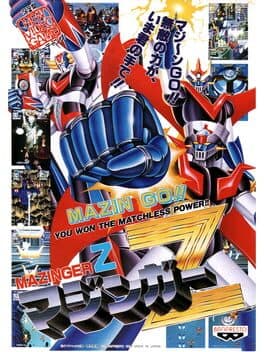
Mazinger Z
Eleven1994
Mazinger Z is an Action game, developed by Eleven (Japan) and published by Banpresto, which was released in Japan in 1994.This is shooting game in which you will be able to pick your character between Mazinger Z, Great Mazinger and Grandizer, each of them with their own strengths and weaknesses... yep, appears that although the name of the game only has one of those robots, you can control one from the 3 of them, or 2 if you will be playing in the usual 2-player game, which requires a friend of yours to spend his own coins.
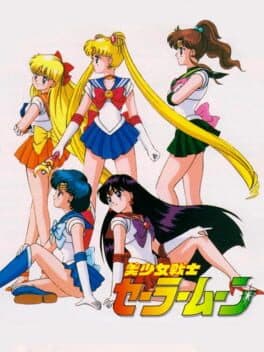
Bishoujo Senshi Sailor Moon
1994
Bishoujo Senshi Sailor Moon was the title of a video game released in Japan in 1994 for the PC-Engine console. The game was an interactive story, including characters and voice actors from the anime as well as some original characters. The songs "Koisuru Otome wa Makenai" and "Onaji Hoshi ni Umareta Futari Dakara" were written specifically for this game. A shortened version of each song appeared in the game, while full versions were available on the single "Sailor Moon: PC Engine Theme Songs".
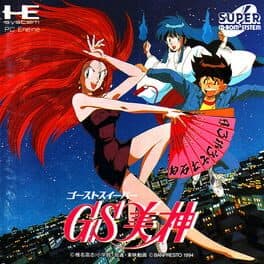
Ghost Sweeper Mikami
Banpresto Co., Ltd.1994
Ghost Sweeper Mikami (GS美神) is a video game released only in Japan for the PC Engine Super CD-ROM² in 1994 by Banpresto. It is an adventure game with card battles.
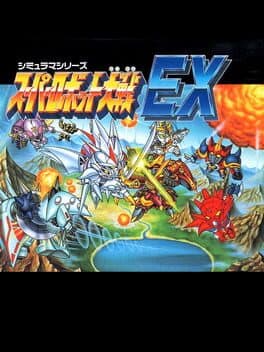
Super Robot Taisen EX
Winkysoft1994
Only released in Japan.
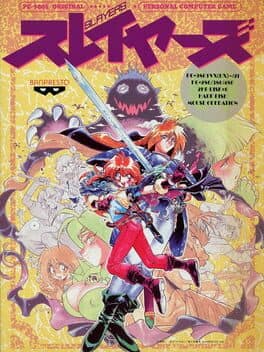
Slayers
Banpresto Co., Ltd.1994
The first video game based on the Slayers light novel series. The game follows Lina & Gourry's adventures in several places surrounding a city called Wilnan.
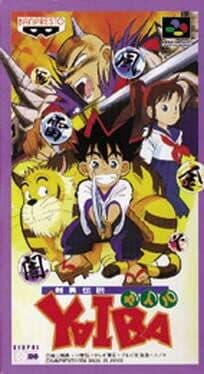
Kenyuu Densetsu Yaiba
Atelier Double1994
Kenyuu Densetsu Yaiba is a Role-Playing game, developed by Atelier Double and published by Banpresto, which was released in Japan in 1994. Based off the shōnen manga series, Legend of the Swordmaster Yaiba, by Gosho Aoyama.
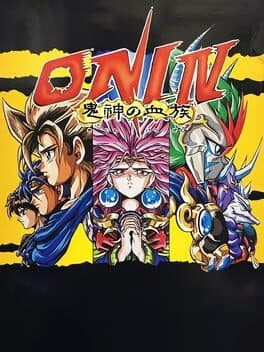
Oni IV: Kishin no Ketsuzoku
Pandora Box1994
Yet another Oni RPG for Game Boy
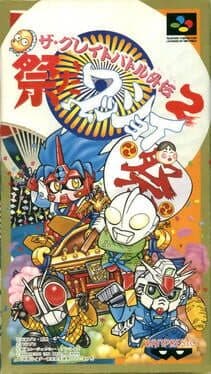
The Great Battle Gaiden 2: Matsuri da Wasshoi
1994
The Great Battle Gaiden 2: Matsuri da Wasshoi (Matsuri refers to a Japanese festival, at which "wasshoi" is regularly chanted) is an off-beat "gaiden" (side story) game in The Great Battle sub-franchise: the flagship games of the Compati Hero Series. The game is based around an alien invasion during a festival, and the four heroes (Ultraman, Kamen Rider, Knight Gundam from Gundam and Fighter Roar, a character created for The Great Battle series). The game has a mix of genres. The chief gameplay is a platformer where the player can leap up and down floors similar to Ninja-Kid or Mr. Goemon. If the player enters a flying gate, they are escorted to a shoot 'em up stage in which they control a flying lobster fighting samurai heads and Maneki Nekos. The Great Battle Gaiden 2 follows the Game Boy game Tekkyu Fight! The Great Battle Gaiden, released the previous year. Like every The Great Battle game and its Japanese pop culture-specific heroes, the game was never localized into English.
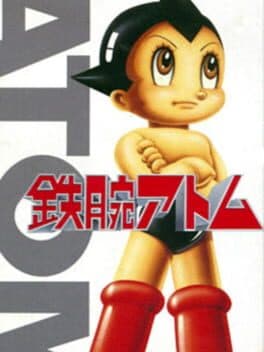
Tetsuwan Atom
Zamuse1994
Tetsuwan Atom is an action platformer video-game developed by Zamuse and published by Banpresto and released for Super Famicom on 1994 in Japan. The game is a retelling of the 1952 manga with artworks based in the 1980 series (Uran and Kid Atlas are pretty notifiable). In the story, Atom goes fighting several obstacles like evil robots and monsters.
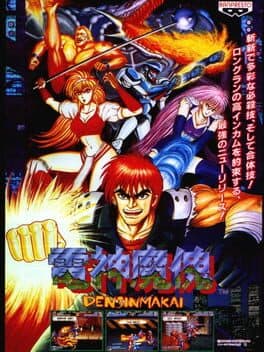
Denjin Makai
Winkysoft1994
Denjinmakai is a side-scrolling beat 'em up programmed by Winkysoft and published by Banpresto that was originally released as a coin-operated arcade game on February 1, 1994. It was later ported to the Super Famicom under the title Ghost Chaser Densei, which was released on September 23, 1994.
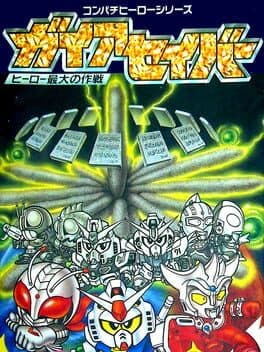
Gaia Saver: Hero Saidai no Sakusen
1994
Gaia Saver is a Role-Playing game, developed by Arc System Works and published by Banpresto, which was released in Japan in 1994.
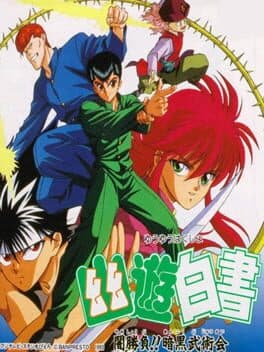
YuYu Hakusho Yamishoubu!! Ankoku Bujutsu Kai
1993
Despite its premise, which is reminiscent of a versus fighting game, Ankoku Bujutsukai is an arcade-style shooter. The player selects one of the five characters (Yusuke, Hiei, Kurama, Kuwabara or Genkai), and is then taken to a series of one-on-one shoot-outs in a pre-determined order. The enemy is viewed from a first-person perspective, and the player moves a cursor to aim and shoot. The gameplay system is fairly simple, allowing the player to execute three types of attacks: regular shots, charged shots, and special attacks of limited quantity. Points are received for winning fights and can be used to raise the characters' hit points, speed, or number of special moves.

Mario Undoukai
Banpresto1993
Mario Undoukai (Mario Sports Festival) is a Mario arcade game released only in Japan. Like Buzzing Mario, very little is known about it. The game is a dancing game geared toward small children. It is one of the only two dancing games in the Mario series and is very similar to the other one, Dance Dance Revolution: Mario Mix, but there are two neutral foot spaces and no 2-player mode.
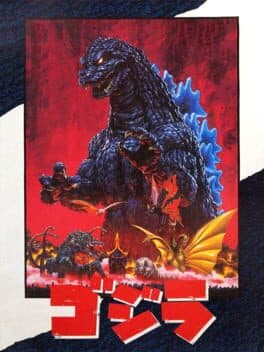
Godzilla
Banpresto1993
Godzilla is an arcade game developed by Banpresto and released to Japanese arcades in 1993.
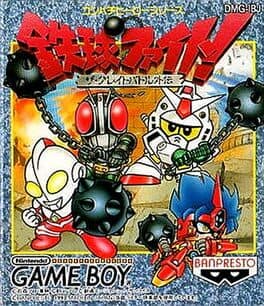
Tekkyu Fight! The Great Battle Gaiden
1993
Released in 1993 for the Game Boy.
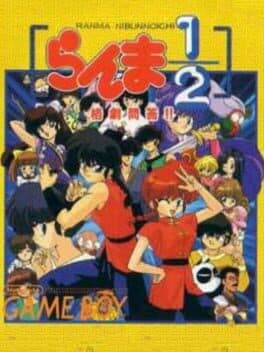
Ranma 1/2: Kakugeki Mondou!!
Sun L1993
Ranma 1/2: Kakugeki Mondou!! is a Role-Playing game, developed by Sun L and published by Banpresto, which was released in Japan in 1993.
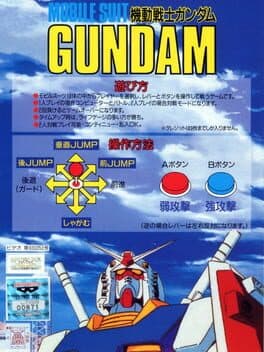
Mobile Suit Gundam
Banpresto1993
A 2D fighter based on the original Mobile Suit Gundam anime.

Buubuu Mario
Banpresto1993
Buubuu Mario (Buzzing Mario) is a common Mario arcade-ride hybrid game released only in Japan by Banpresto. Very little is known about it and can only be assumed through video playthroughs. The game is a combination kiddy ride/video game starring Mario and Yoshi. The player sits in front and must steer the car to avoid boulders in the road, while sculpture representations of Mario and Yoshi sit in back.
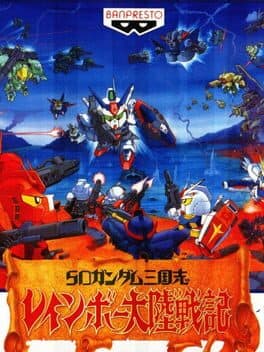
SD Gundam Sangokushi Rainbow Tairiku Senki
Bandai1993
SD Gundam: Sangokushi Rainbow Tairiku Senki is an Action run-and-gun game in the style of the Contra series, developed by Bandai and published by Banpresto. Released in Japan for the arcades in 1993.
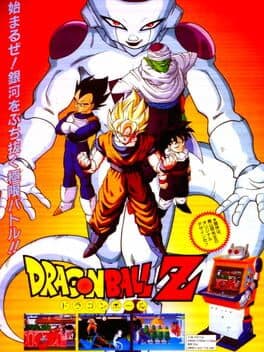
Dragon Ball Z
Banpresto1993
Dragon Ball Z is a fighting game designed and manufactured in Japan by Banpresto in 1993. The game's cabinet is shaped like a robot with markings similar to Goku's gi (suit). The game features large sprites and a color palete that is identical Toriyama's water color scheme in the manga. The environments are semi destructible as chunks of wall or ground could be destroyed. The controls are unique as most of the characters movements are flight related. The playable characters are Goku, Super Saiyan Goku, Gohan, Vegeta, Piccolo, Frieza, Captain Ginyu, Recoome, and Burter.
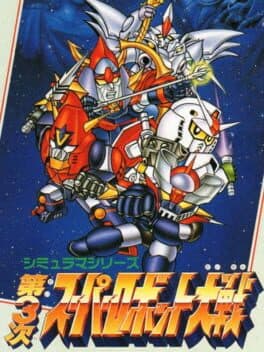
Dai-3-ji Super Robot Taisen
Winkysoft1993
Dai-3-ji Super Robot Taisen ("3rd Super Robot Wars") is the third game in Banpresto's immense Super Robot Wars/Taisen series.Six months after the DC War (as chronicled in Super Robot Wars 2), the DC seems to be regaining their former combat strength thanks to the Zabi family. In response, the United Nations has decided to reorganize itself into the Earth Federation.
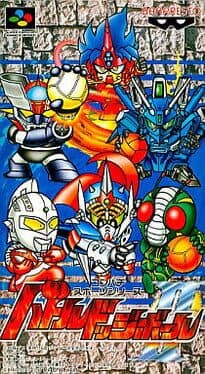
Battle Dodgeball II
Nova Games1993
A dodgeball game and part of the Compati Heroes Series that was released in 1993 for the Super Famicom. It is the sequel to 1991's Battle Dodge Ball from Sun L. The game features characters from Kamen Rider, Ultraman and Gundam. Each team is comprised of heroes or villains from each of the three universes, and have their own array of special moves that can be used to damage the opposing team. The goal is to throw a dodgeball back and forth to reduce the HP of opposing team members. Once a whole team has been eliminated from play, the other side wins.
Battle Dodge Ball II
Nova Games1993
Battle Dodge Ball II is a crossover video game in the Compati Hero series and a sequel to Battle Dodge Ball.
Sengoku Ace
APXSoftware1993
Sengoku Ace, fully titled Sengoku Ace: Tengai Episode I and also known as Samurai Aces in the English version, is a vertically-scrolling shoot 'em up video game originally released in the arcades by Psikyo in 1993. The first game by Psikyo, Sengoku Ace was designed by Shin Nakamura, the creator of Aero Fighters (Sonic Wings) and the company's founder. The game features 21 endings, different for various characters and 2-player pairings.
The Great Battle III
Sun L1993
The Great Battle III is a scrolling brawler featuring the F91 Gundam, Kamen Rider, Ultraman and the Great Battle series's original character Fighter Roar. The game is set in a fantasy world and the characters all use medieval weaponry in battle. The game is the third in the series of Great Battle brawler/shooter games, and the seventh Compati Hero Series game for the Super Famicom (of seventeen).
Oni III: Kuro no Hakaishin
Pandora Box1993
The third Oni RPG title for Game Boy.
Batsugun
Toaplan1993
Experience the epic conclusion of Toaplan's legendary shooter series with Batsugun including the lauded Special version! Choose your favorite character and spaceship in this thrilling genre-defining bullet-hell action. Now on PC with modern enhancements!
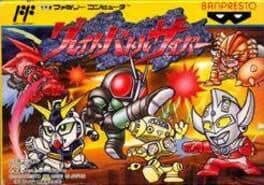
Great Battle Cyber
Arc System Works1993
Great Battle Cyber is an Action game, developed by Arc System Works and published by Banpresto, which was released in Japan in 1992.
Terebi-denwa: Super Mario World
Banpresto1992
A redemption game released by Banpresto which uses a telephone as input.
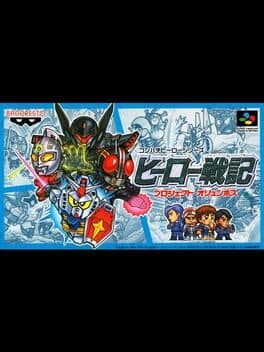
Hero Senki: Project Olympus
Winkysoft1992
Hero Senki is a Role-Playing game, developed by WinkySoft and published by Banpresto, which was released in Japan in 1992.
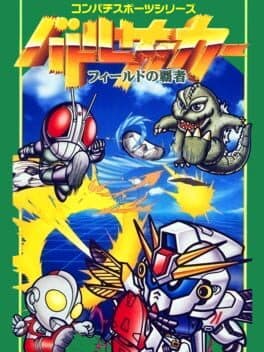
Battle Soccer: Field no Hasha
Pandora Box1992
Battle Soccer: Field no Hasha is a Soccer Sim game, developed by Pandora Box and published by Banpresto, which was released in Japan in 1992. This game features many popular Japanese franchise characters like Godzilla, Ultraman, Kamen Rider, Gundam, among others.
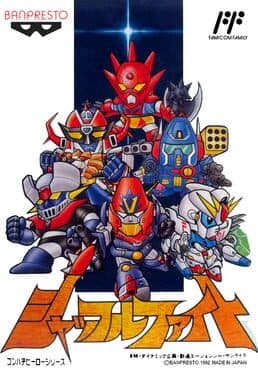
Shuffle Fight
Pandora Box1992
Shuffle Fight is a Miscellaneous game, developed by Pandora Box and published by Banpresto, which was released in Japan in 1992.
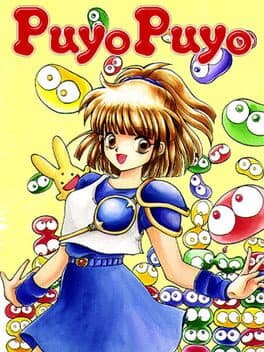
Puyo Puyo
Compile1992
Puyo Puyo (1992) is an enhanced version of the 1991 MSX2 and Famicom Disk System game of the same name. The game was developed for the Sega System C-2 arcade hardware and ported to a variety of consoles. Puyo Puyo is a puzzle game in which the player matches four or more "Puyo" of the same color together. This game is the precursor to an identically-titled arcade release. Puyo Puyo contains three modes: Endless, Mission, and Verses. In Endless Mode, players match Puyo until the top of their well is filled. If the player chooses, either a giant 2x2 green Puyo or Carbucle will periodically help the player clear space on their board. Mission mode gives the player several challenges to complete, such as clearing a set amount of Puyo or clearing all Puyo of a certain color. Verses mode allows players to battle each other.
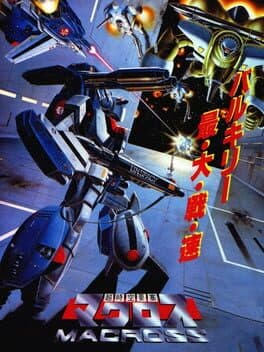
Choujikuu Yousai Macross
NMK Co. Ltd.1992
A one or two player shooter game developed by NMK and published by Banpresto in 1992.
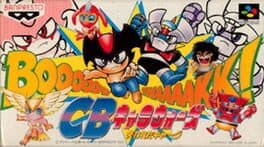
CB Chara Wars: Ushinawareta Gag
Almanic Corporation1992
CB Chara Wars is an Action game, developed by Almanic Corp. and published by Banpresto, which was released in Japan in 1992.
Ranma ½: Netsuretsu Kakutou-hen
Amorphous1992
A cure?! Ranma recieved a letter and seeks the truth! Interact with the townspeople, and fight for your survival! Immerse yourself in a day in Ranma's life.
Versus Hero: Kakutou-ou he no Michi
1992
Early crossover fighting game for Game Boy, with characters from Kamen Rider, Ultraman, and Gundam franchises.
Ultraman Club: Tatakae! Ultraman Kyoudai!!
Banpresto1992
Ultraman Club: Tatakae! Ultraman Kyoudai!! is a 2D top-down single screen arcade game, based on the superhero Ultraman, with chibi, anime-style graphic. The player controls one of 8 versions of Ultraman. Gameplay is very simple - Ultraman must kill all enemies on screen. He has two types of attack - one is very short, but has basically unlimited ammo, & the second has better range, but is very limited. Fallen enemies drop various bonuses (like extra life or bombardment special moves), & Ultraman can pick them up.
The Great Battle II: Last Fighter Twin
Sun L1992
Heroes unite! The World is plummeting into chaos. Be the hero that shines the light of hope! SD Great Battle has returned to Super Famicom, with more heroes, villains and action!
Oni II: Innin Densetsu
Pandora Box1992
The second Oni game for the Game Boy.
Macross II
NMK Co. Ltd.1992
Super Spacefortress Macross is a vertically-scrolling shoot'em up based on the 1984 theatrical film in the Macross franchise, commonly known in English as Macross: Do You Remember Love?. Players control the VF-1 Valkyrie fighters of ace pilots Max Jenius and (in two-player games only) Hikaru Ichijyo in combat against the Zentradi. The game consists of seven levels, mostly based on action scenes from the film, including confrontations over Macross City, in the rings of Saturn, the surface of the devastated Earth, and the final battle against Boddole Zer. Gameplay is similar to Raiden: the Valkyrie can transform into one of three different modes by collecting the appropriate power-up: in Fighter mode, the ship fires a spread shot, Gerwalk mode has a narrow but powerful laser that passes through enemies, and Battroid mode features homing missiles. The intensity of the attacks can be upgraded in three stages through another power-up. There are also smart bombs to pick up that clear most enemies off the screen with one shot. Each level ends with a boss battle. Besides shooting down the hordes of enemies, picking up medals and rare Minmay dolls also increases the score. In two-player mode, both players take on the enemy simultaneously. Between levels, cutscenes recreate scenes from the film to illustrate the storyline.
Dai-2-ji Super Robot Taisen
Winkysoft1991
Dai-2-ji Super Robot Taisen was the first Super Robot Wars on a console, and the first entry to contain the traditional SRW gameplay that exists to this day.
Battle Commander: Hachibushu Shura no Heihou
Arc System Works1991
Battle Commander is a Strategy game, developed by Arc System Works and published by Banpresto, which was released in Japan in 1991.
My Life My Love: Boku no Yume Watashi no Negai
Winkysoft1991
My Life My Love: Boku no Yume Watashi no Negai is a Miscellaneous game, developed by WinkySoft and published by Banpresto, which was released in Japan in 1991.
Battle Dodgeball: Toukyuu Daigekitotsu!
1991
Battle Dodge Ball is a part of the Japanese exclusive Compati Hero Series. Gundam, Kamen Rider V3, and Ultraman Taro are the main representatives of the 'heroes' side of the six teams in Battle Dodge Ball, with Zeong, Ika Devil, and Zetton rounding out as the villains. The general gist of the game is that you can choose one of the six teams. You then fight each of the other five teams once per round in a short dodgeball game, two-on-two. Unlike normal dodgeball, you are not knocked out with a single hit. Rather, in Battle Dodge Ball, each character has a specific amount of HP. Once he takes enough hits to lose all his HP, he is out of the match. The game also adds an RPG element in the ability to gain experience at the end of a match, win or lose, which can then be used to power up stats of your team's players.
Super Robot Taisen
Winkysoft1991
The first game of the series, which only features sentient robots from the Universal Century Gundam series, Mazinger series and Getter Robo series. It is one of the only independent games in the series to feature a multiplayer mode; it is not done again until the release of Super Robot Wars XO. Unlike future games, the goal is to capture the enemy army's "tower," and Spirit Commands can only be used by the unit that is designated the team's "hero." The final boss of the game was the main villain from Great Mazinger vs. Getter Robo, Gilgilgan.
Ultraman
BEC1991
A one-on-one fighting game where Ultraman battles against fierce monsters. Based on the popular television show from 1967, Ultraman directly follows the story of its source material. Cast in the role of the titular Ultraman, the player must defeat many of the same monsters that appeared in the original series. Taking the appearance of a 1-on-1 fighting game, Ultraman can punch, kick, and grapple his opponent, as well as use a variety of various special moves that must be charged. However, in order to actually defeat his opponent, Ultraman must deplete their continually-recharging life bar, and at that moment hit with his most powerful special attack: the Specium Beam. As the game continues, different enemies may even find ways to avoid this most formidable attack, and Ultraman must adapt... Each stage has a time limit of only three minutes, and there are three lives and no continues.
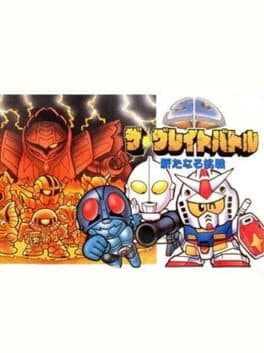
SD The Great Battle: Aratanaru Chousen
Banpresto1990
SD The Great Battle is an Action game, published by Banpresto, which was released in Japan in 1990. A North American localization was planned and marketed, but was cancelled.
Hissatsu Shigoto Nin
Arc System Works1990
Hissatsu Shigotonin (Translated: Deadly Work People] was released December 15, 1990 exclusively in Japan for the NES. It is an RPG based off of the popular historical drama TV show of the same name. The Story focuses on a group of ordinary work people who have double lives as assassins.
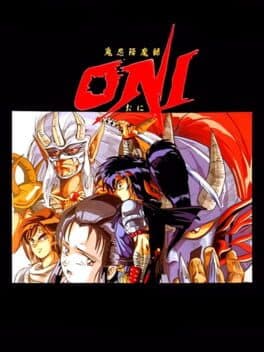
Kininkou Maroku Oni
Winkysoft1990
Kininkou Maroku Oni is a Role-Playing game, developed by WinkySoft and published by Banpresto, which was released in Japan in 1990.
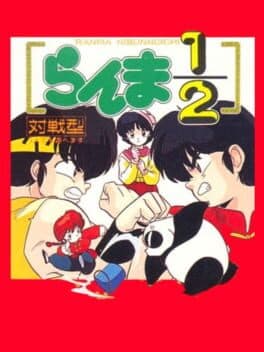
Ranma 1/2: Kakuren Bodesu Match
Banpresto1990
Ranma 1/2: Kakuren Bodesu Match or simply Ranma 1/2 is the first game in the Ranma Ranma 1/2 game series.
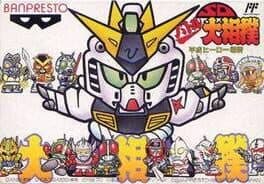
SD Battle Oozumou: Heisei Hero Basho
1990
SD Battle Oozumou: Heisei Hero Basho is a sumo wrestling game starring characters from Gundam, Kamen Rider, and Ultraman.
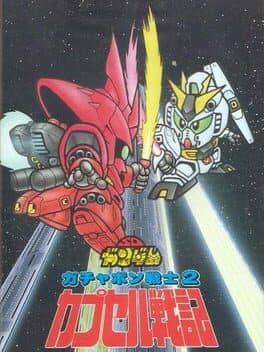
SD Gundam World: Gachapon Senshi 2 - Capsule Senki
Opera House1989
The second game in the Famicom series of turn-based strategy games based on the SD Gundam universe. SD Gundam: Gachapon Senshi 2 - Capsule Senki is the second of five SD Gundam World games for the Famicom, published by Bandai using the Gundam license from Sunrise Studios. As with its predecessor, Scramble Wars, the game is a tactical turn-based war simulation in which each side uses their Gundam mechas to defeat the other and are occasionally aided by a "gachapon" - or capsule machine - that dispenses additional Gundams in a manner similar to their toy counterparts. The game was the first of the series to be released on a Famicom cart, as Scramble Wars was a Famicom Disk System-only game. Capsule Senki was also rereleased on the Japanese Wii Shop's Virtual Console.
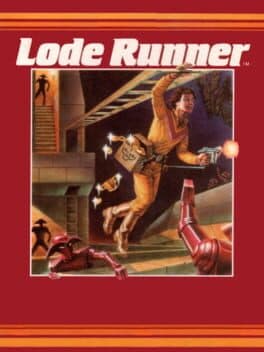
Lode Runner
Brøderbund Software1983
Lode Runner is a 1983 puzzle video game, first published by Brøderbund. It is one of the first games to include a level editor, a feature that allows players to create their own levels for the game. This feature bolstered the game's popularity, as magazines such as Computer Gaming World held contests to see who could build the best level.