-
Average rating
49
Games
0
Votes cast
Heartbeat
Shipped Titles
Games (49)
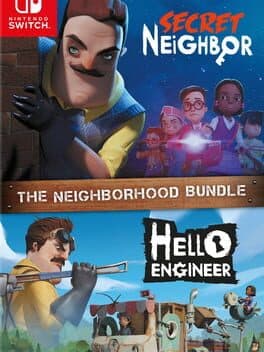
Secret Neighbor + Hello Engineer The Neighborhood Bundle
tinyBuild2025
Secret Neighbor is an ever-growing multiplayer Social Horror game set in the Hello Neighbor universe. Your group has one goal - sneak around the house, collecting the keys in order to unlock the basement door. The only problem is - one of you is the Neighbor, a traitor in disguise! Hello Engineer is a single and multi-player machinery-construction game set in a puzzling amusement park. Build incredible machines with scrap parts, challenge the creepy Neighbor and his evil bots, and overcome challenges with your creative problem-solving skills. Join up to three friends and roll, fly or bounce your way to victory.
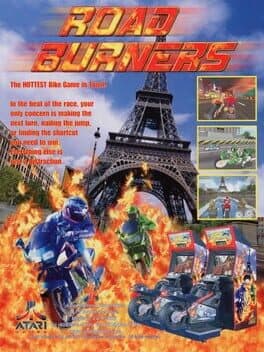
Road Burners
Atari Games1999
Road Burners is a 1999 motorcycle racing arcade game developed and released by Atari Games. It features a tilting motorcycle and the ability to be hooked to other like machines for up to 8 simultaneous players.
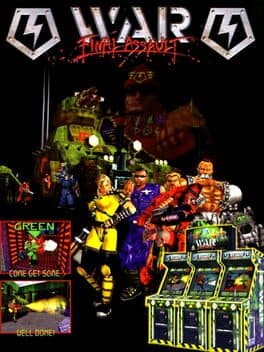
War: Final Assault
Atari Games1999
Use linked cabinets to play co-op or deathmatch in this arcade-only shooter.
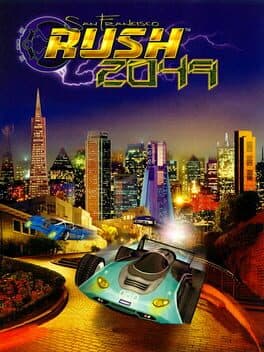
San Francisco Rush 2049
Atari Games1999
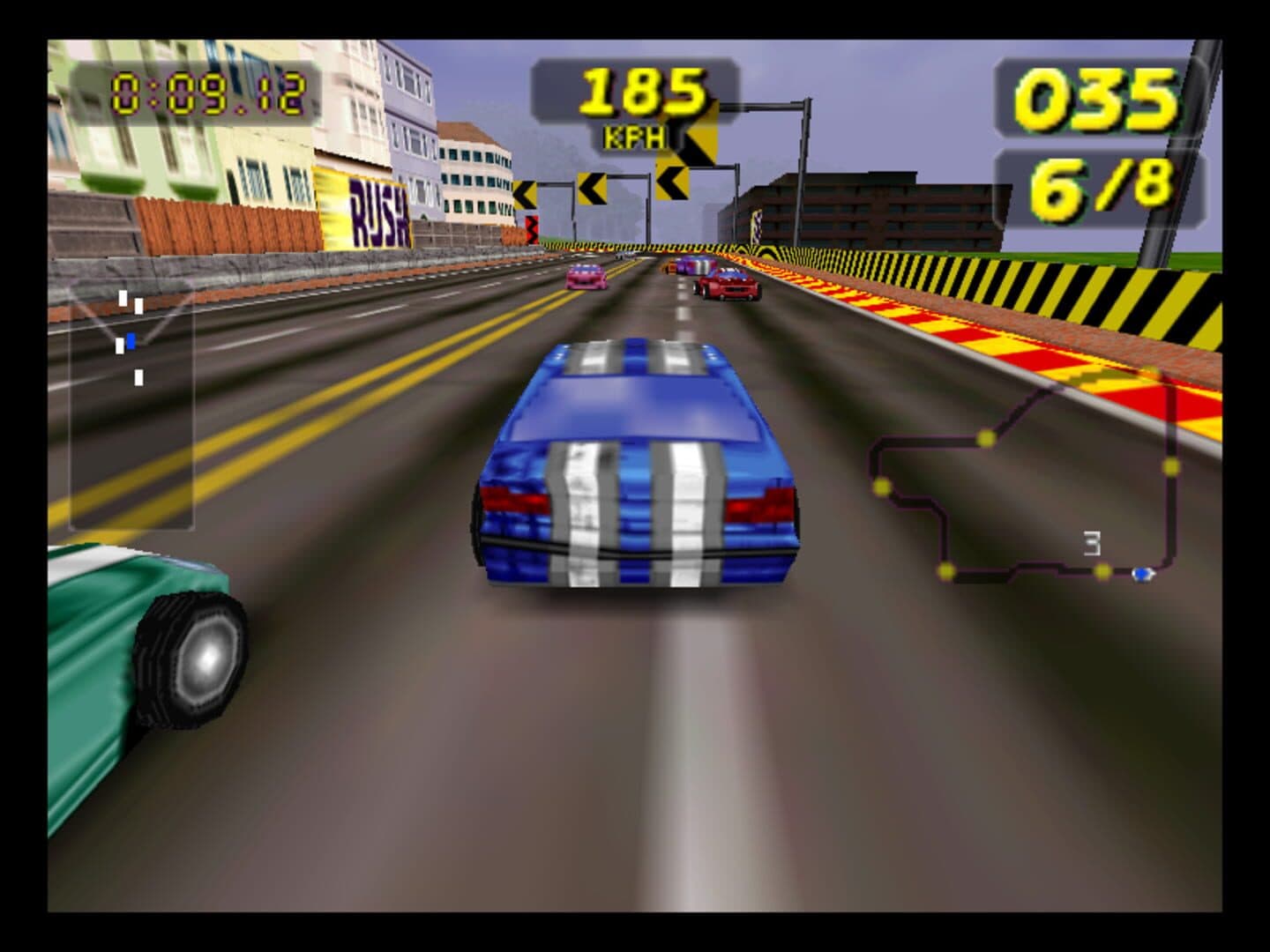
San Francisco Rush 2049 is the third game in the Rush series, sequel to San Francisco Rush and Rush 2: Extreme Racing USA. The game features a futuristic representation of San Francisco and an arcade-style physics engine. It also features a multiplayer mode for up to four players and Rumble Pak support on the Nintendo 64 port. A major difference in game play compared to predecessors in the series is the ability to extend wings from the cars in midair and glide. As with previous titles in the franchise, Rush 2049 features a stunt mode in which the player scores points for complex mid-air maneuvers and successful landings. There is also a multiplayer deathmatch battle mode. There are six race tracks, four stunt arenas, eight battle arenas, and one unlockable obstacle course named The Gauntlet. The single player race mode places emphasis on outlandish and death-defying shortcuts in each track. The game has a soundtrack mostly comprising techno music.
Vapor TRX
Atari Games1998
Vapor TRX is a futuristic racing game made for arcades.
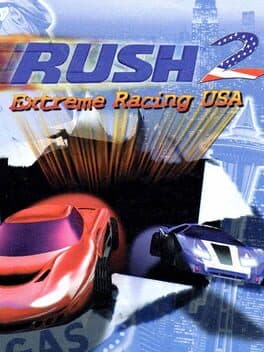
Rush 2: Extreme Racing USA
Atari Games1998
Rush 2: Extreme Racing USA is a sequel to San Francisco Rush and the second game in the Rush series. The game is notable for the high level of detail in the recreations of the various cities and states used, and for its fast arcade-style physics. The game also features a two-player mode and rumble pack support. Hidden shortcuts and jumps add to the replay value of the game. Cities used are New York (Uptown and Downtown), Hawaii, Las Vegas, San Francisco (Alcatraz), Los Angeles, and Seattle. Other tracks playable at the start of the game are Stunt, Crash, and Halfpipe. A bonus track can be won where your car is miniaturized and you drive through the offices of Midway Games. Another bonus is the full pipe level, as the last achievement to unlock.
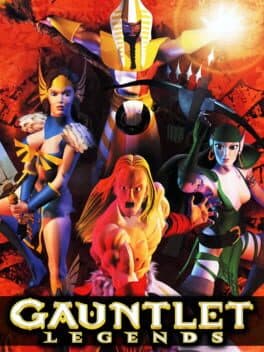
Gauntlet Legends
Atari Games1998
Gauntlet Legends is an arcade game released in 1998 by Atari Games. It is a fantasy themed hack and slash styled dungeon crawl game, a sequel to 1985's popular Gauntlet and 1986's Gauntlet II and marks the final game in the series to be produced by Atari Games. Its unusual features for an arcade game included passwords and characters that could be saved, enabling players to play over the course of a long period.
Area 51: Site 4
Atari Games1998
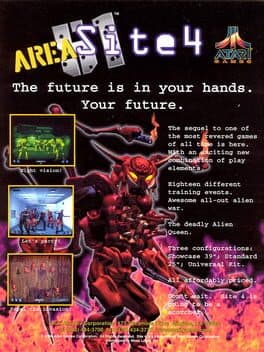
Area 51: Site 4 is a light gun arcade game developed by Atari Games in 1998. It is a sequel to the original Area 51, picking up where that game left off. Though the graphics have been improved, they rely on the same FMV streaming technology as the original, and the gameplay remains largely the same as the original game.
Radikal Bikers
Gaelco1998
Radikal Bikers is set in a Mediterranean environment, and is based on delivering pizza on a rare Italian scooter called Italjet Dragster in heavy traffic before your AI opponent does, while getting points. It has three difficulty levels, which correspond to each of the different places: Capricciosa (medium, set in Rome), Margherita (easy, set in Milan) and Diabola (hard, set in Naples). If you beat all four races in a level, you get to play the next level free.
California Speed
Atari Games1998
California Speed features racing through California, with a range of different and unique tracks based on the real life maps of the US state, with short-cuts and branching elements adding elements of strategy when racing to the finish line.The car pool includes the usual collection of fast cars, as well as F1 racers and golf-carts.
Mace: The Dark Age
Atari Games1997
Mace: The Dark Age is a fighting video game released by Atari for arcade machines in 1997 and ported by Midway to the Nintendo 64 in 1997. The game is similar to Bio F.R.E.A.K.S. and the Mortal Kombat series. Like in Mortal Kombat, when a character wins both rounds, they can perform an execution move on the enemy. Methods included severing an opponent's limbs and torso (Al Rashid), beheading (The Executioner), repeated stabbing (Koyasha), impaling the opponent with a sword (Lord Deimos), breaking an opponent's back by hoisting them on top of a Viking helmet and throwing them to the ground, causing their body to explode (Ragnar), and some more far-fetched methods including pulling out an opponent's heart (Xiao Long), shrinking (Namira), transforming the opponent into a chicken (Taria), and entering an opponent's body and bursting them from inside (Dregan). Note: Heavily borrowing from the arcade game Soul Edge (1995)--first of the Souls Series. Which borrowed heavily from the framework WeaponLord (1995) laid out. Visual Concepts (developers of WeaponLord) would send builds of the game to Namco (the publisher of WeaponLord) to playtest.
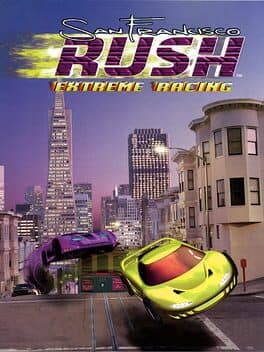
San Francisco Rush: Extreme Racing
Atari Games1996
San Francisco Rush: Extreme Racing is the first game in the Rush series. Tne N64 version contains six regular tracks and two hidden tracks. The regular tracks can be run in either reverse or mirrored modes and feature added collectible hidden keys throughout the track that can be used to unlock hidden vehicles. It also contains a Practice Mode and a Death Race mode where the game ends if the player crashes. The N64 port of Rush also includes a Circuit Mode and a save system for Fast Times, circuit progress, and hidden keys that the player can find on secret spots to unlock new cars.
Final Doom
Williams Entertainment1996
Final Doom is a compilation of two standalone episodes: TNT: Evilution and The Plutonia Experiment, which include full sets of new levels (both of them use the same level structure as Doom II with 30 regular levels and 2 secret levels), new graphics and textures, and new text interlude screens in addition to most of the resources from Doom II and some from Doom.
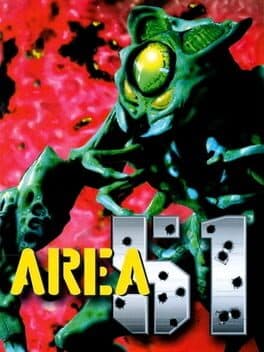
Area 51
Mesa Logic1995
Area 51 is a light gun arcade game released by Atari Games. It takes its name from the Area 51 military facility.
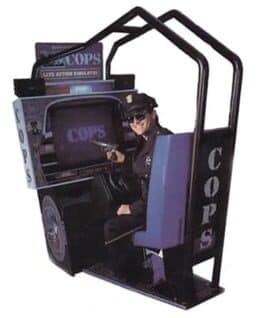
Cops
NOVA Production1994
Full-motion-video shooter/driving game based on the reality TV series, featuring the iconic Bad Boys song.
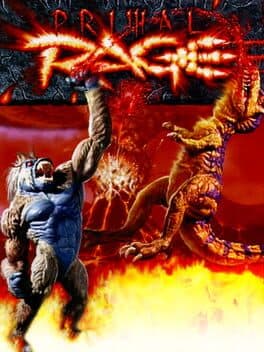
Primal Rage
Atari Games1994
Primal Rage is a one-on-one fighting game featuring dinosaurs and giant apes as the fighters. The graphics are done with digitized stop-motion animation. Gameplay is similar to Mortal Kombat in that it is viewed from a side perspective, and features deadly finishing moves at the end of the match.
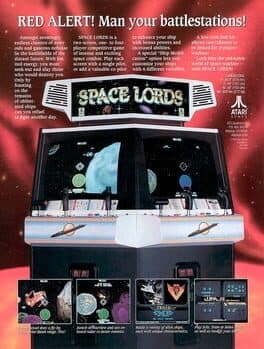
Space Lords
Atari Games1992
Space Lords is a video game released in arcades by Atari Games in 1992. It is a first-person perspective space combat video game which allows the player to fly in any direction.
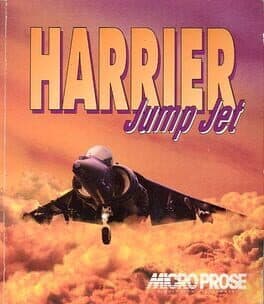
Harrier Jump Jet
MicroProse Software, Inc.1992
The classic flight sim from Sid Meier and Microprose. Harrier Jump Jet allows players to pilot one of the most unique fighter jets ever made in three challenging, “what-if” scenarios.
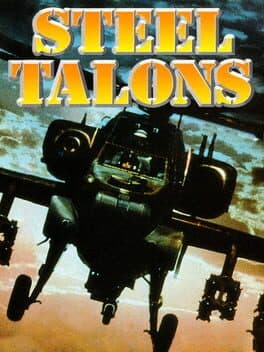
Steel Talons
Atari Games1991
Steel Talons brought realism-oriented helicopter combat to the arcades, and later to home systems. The action is viewed from behind your helicopter, with the 3D polygon world rotating around you, taking in mountains, rivers and deserts. There are 12 missions in total, each of which requires you to destroy targets in a set time limit. There are also training and head-to-head (against a CPU-controlled drone) modes. You have a limited number of automatically-targeting missiles as well as a cannon. A tracking map tells you where you are on the level, and where the enemies are.Contact with the ground, mountains or other vehicles will damage or destroy your helicopter.
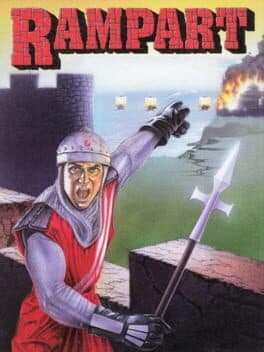
Rampart
Atari Games1990
Build and upgrade towers, defend your fortress from the growing onslaught. With each wave, the challenges become more difficult, but a smart strategy and the right decisions will help you endure and prevail!
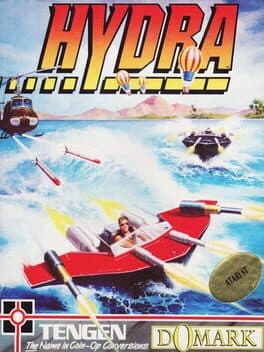
Hydra
Atari Games1990
If being the best speedboat racer in the world were all there was to life, you'd live on easy street. But when the government of Hydra has asked for your help in defeating Hydra's enemies by couriering parts to a secret weapon, and those enemies know you're coming... well then, life gets interesting. Race down narrow swamp lanes to deliver parts of a secret weapon to bases at the finish of each section. Enemies will be shooting at you, but you can shoot back with Uzi Cannons and Nukes. Collect crystals along the way to boost your speed or shields.
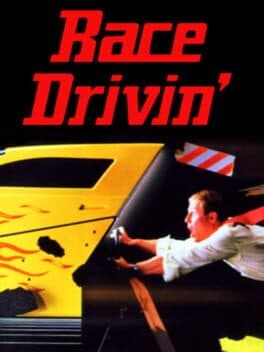
Race Drivin'
Atari Games1990
Race Drivin' is a sequel to the arcade driving simulator Hard Drivin'. Game play is similar to the first game. The player must complete laps around the race track before a timer expires. There are several checkpoints around the track which increase player's time as he passes.
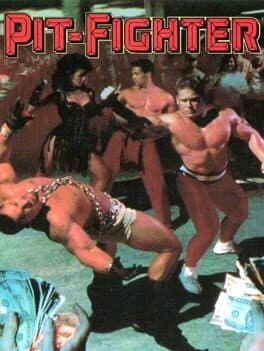
Pit-Fighter
Atari Games1990
The gameplay is similar to Taito's Violence Fight and SNK's Street Smart. The player must jump, punch, and kick their opponent until his/her energy runs out. If the player presses all three of the buttons at a time, the character will perform a "super move". The player begins Pit-Fighter by choosing one of the three playable characters, who all have different moves, speed, and power. In the player select screen in the arcade version, each player has a color to select the fighters with: for player one it's blue, for player two it's red and for player three it's yellow. As many as three people can play at a time, but there will be extra opponents to fight during any of this game's 15 different matches. Every third fight is a bonus round known as a Grudge Match.[1] In a Grudge Match, the player must fight against a CPU controlled clone of his or her fighter (if playing alone) or the other players in a multiplayer game. Getting knocked down three times eliminates a player from the Grudge Match, the winner is the last man standing. Losing the Grudge Match does not eliminate a player, but the winner gets bonus money. The final battle, the "Championship Match", is between the player and the mysterious entity that taunts between matches every once in a while, the Masked Warrior. If more than one person is playing the game before this match, they must fight each other to the death until only one becomes victorious and can fight him. Sometimes during matches the player will come across foreign objects such as knives, crates, sticks, motorcycles, and bar stools that can be thrown at you or your opponent. The player may also come across a power-up known as the "power pill". If the player or the opponent grab this item, one will become temporarily stronger and take less damage from hits. At times even the crowd will interfere in the fights. Two characters, known as Knife Man (Milt Loper) and Knife Woman (Dianne Bertucci), will come out of the crowd and stab the player with their daggers. The player can take these nuisances out with one hit. Sometimes there is also a fat bearded man with a stick. If the player knocks him down, the player can take the stick and use it against the current opponent. The audience will also push any fighter that ends up among them, and stays there more than a few seconds. They will be forced back into the fighting area.
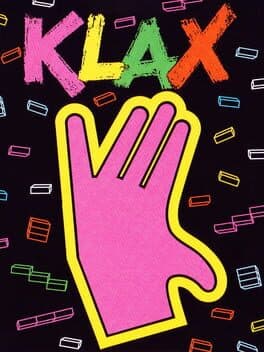
Klax
Atari Games1990
Klax is a 1989 computer puzzle game designed by Dave Akers and Mark Stephen Pierce. The object is to line up colored blocks into rows of similar colors to make them disappear, to which the object of Columns is similar. Atari Games originally released it as a coin-op follow up to Tetris, about which they were tangled in a legal dispute at the time.
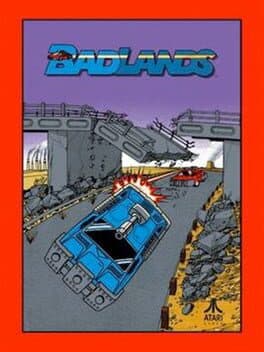
Bad Lands
Atari Games1990
Bad Lands is effectively the spiritual successor to Atari's previous racing games Super Sprint and Championship Sprint. Similarly to the Sprint titles, Bad Lands pits three cars against each other in a three lap race around a small, single-screen circuit. Bonuses are present in the form of wrenches which can be traded for goods such as extra speed, extra acceleration or better tires.
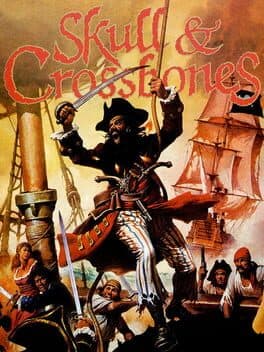
Skull & Crossbones
Atari Games1989
Two pirates battle against a variety of enemies while picking up treasures in a quest to find and kill The Evil Wizard.
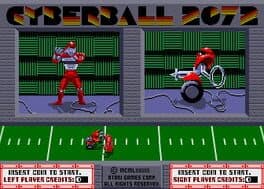
Cyberball 2072
Atari Games1989
In 1989, Atari Games released a sequel to the original Cyberball in both the same large dual-monitor cabinet, titled Tournament Cyberball 2072, as well as a standalone two-player cabinet titled Cyberball 2072. The sequel included improved gameplay, which included refined player movements and more offensive plays and defensive formations, and changed its setting to 2072.
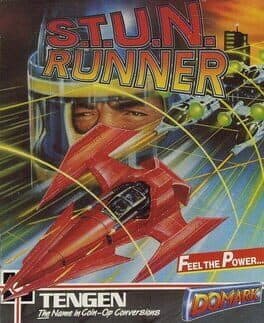
S.T.U.N. Runner
Atari Games1989
You are a S.T.U.N. Runner doing time trials. Shoot or avoid other vehicles that hinder you while driving the optimal path for best speed. The Shockwave will destroy all adversaries on the screen and the Boost pads give you invulnerability while increasing your speed.
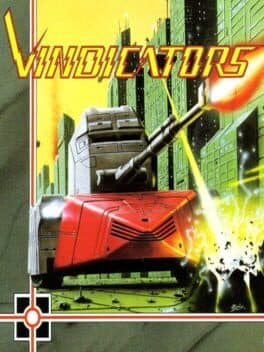
Vindicators
Atari Games1988
The game begins by asking the player(s) to choose a difficulty level, not only making the enemies more difficult and the players weaker, but higher difficulties start the players in a later set of levels (called "galaxies") and with some powerups. The easiest difficulty level starts the player(s) in the first level with no bonuses. The player controls a tank with constantly draining fuel, and must navigate through multiple levels (14 stations in the arcade version) from bottom to top, encountering obstacles and enemies. Along the way, a player may find powerups including tank fuel, stars (currency), shields, and two types of sub-weapons: smart shots (homing missiles) and bombs (powerful rockets). Each level has a key that will open a door at the top of the level, which will either take the player to the next level or to a special hub with multiple powerups that must be escaped in 10 seconds or less. If the player is unable to escape, the tank will lose half its fuel. After escaping the hub, the player(s) then proceeds to the next station. Occasionally, the player(s) will face a boss that must be defeated to advance. Normal shots are ineffective however, and the player must decide/guess the appropriate time to buy sub-weapons to greatly raise the chance of victory. After destroying a boss, the player(s) can continue to the end of the level. Between levels, the player is taken to a shop where items and upgrades to tank speed, power, etc. may be purchased with stars. Any damage caused to the player's tank will decrease the shield level. Purchasing a shield drastically reduces damage down to a mere pixel worth of the fuel gauge per hit. When the fuel depletes, the speed of the tank is reduced to a crawl and a countdown begins from 10. If no fuel is gained before the timer reaches zero, or if the player is shot during the countdown, the tank explodes and a life is lost. The arcade version, in addition to having special two-joystick controls for each player, contained three special contest levels, with one contest star in each. With three contest stars and nine normal stars, the player(s) could compete in a special time-limited contest level in which the player could win a T-shirt. A later version of the game was released which eliminated the contest levels and stars.
Vindicators Part II
Atari Games1988
Vindicators Part II is a sequel to the arcade version of Vindicators, it was released as a conversion kit for Gauntlet. There are only a few minor differences as the gameplay is nearly identical to the first, even keeping 10 of the 14 original stations of the first Vindicators. It even keeps the old graphics, music and sound. Though the in-game voice was changed to a less robotic sounding male, and several tank upgrades were added that are picked up as powerups and expire after a level is finished. Only approximately 400 units were made.
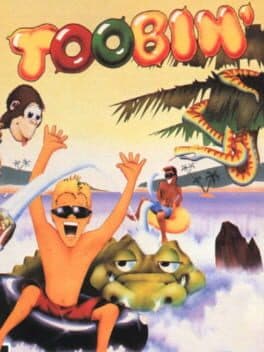
Toobin'
Atari Games1988
Toobin' involves Biff and Jet racing their way down the rapids of a river, riding on tires. You rotate your tyre left or right, and drift as the current sends you, making sure to avoid the banks of the river, and the dividing lines in the middle. Hazards include crocodiles, stray logs and branches, and fishermen - you are armed with a limited supply of tin cans to take care of these. There are gates to slide through on the way down - these give you a points bonus. Each level has a strict time limit to adhere to, although there's a kickin' party at the end if you succeed.
Cyberball
Atari Games1988
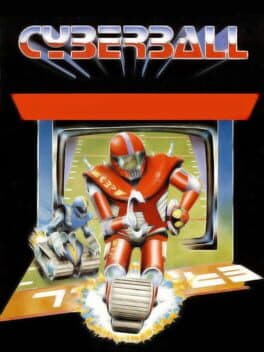
Cyberball is an Atari Games arcade game of 7-man American football, using robotic avatars of different speeds, sizes, and skill sets. The game replaced the standard downs system with an explosive ball that progresses from "cool" to "warm", "hot", and "critical" status as it is used. Players can only defuse the ball, resetting it from its current state back to "cool" by crossing the 50 yard line or by change of possession, whether through touchdown, interception or fumble. A robot holding a critical ball while being tackled is destroyed along with the ball. The robots also possess finite durability. As offensive units are tackled, they wear down, finally issuing smoke and then flames after a number of hits. A flaming robot will explode when hit, thereby fumbling the ball. Players can upgrade robots with faster and more durable units using money bonuses they earn during play.
RoadBlasters
Atari Games1987
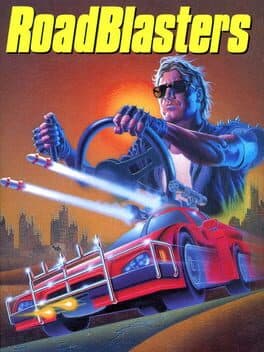
The objective of the game is to complete all 50 rallies without running out of fuel. There is no limit to how many vehicles a player can receive to complete a rally, as long as they have fuel. However, the destruction of the vehicle will subtract a small amount from the player's fuel tank. In the arcade, Genesis and Lynx versions, players could start the game at a higher rally, with additional opportunities to jump several levels from time to time. Players can continue their game from where they left off; however, the player has only one chance to complete the 50th and final rally. For completing the final rally the player gets one million points as a bonus. Players can get fuel in four ways: green globes, red globes, a checkpoint, and the rally point.
Blasteroids
Atari Games1987
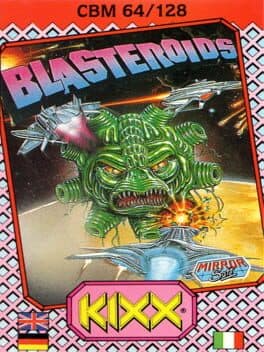
Blast your way through waves of space debris in order to reach what is waiting for you on the other side. Find your fighting style with multiple unlockable ships in this fast paced space adventure!
Xybots
Atari Games1987
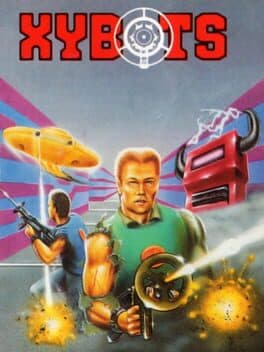
Xybots is a sci-fi shooter with pseudo-3D environments explored from a third-person perspective. The game can be played by one or two players; the two-player mode takes place on a split screen. The hero(es) must move through a series of Gauntlet-style underground mazes, killing the bad guys and collecting health and other bonuses from flying saucers. It's designed to be played co-operatively, although bullets from one player can harm the other.
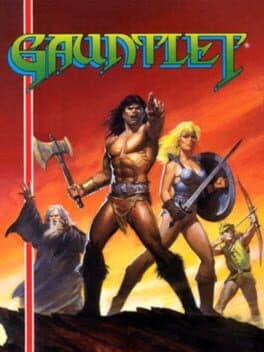
Gauntlet
Atari Games1987
The NES port of the classic arcade title Gauntlet, which itself made it to Arcades via the PlayChoice-10 machine.
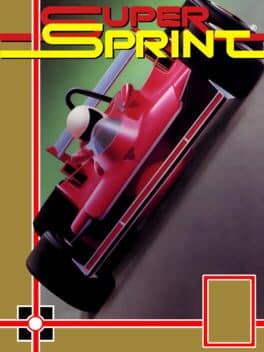
Super Sprint
Atari Games1986
Super Sprint is a racing video game released by Atari Games and Midway Games in 1986. Up to three players drive Formula One-like cars on a circuit that is viewed from above. The game is a successor to Gran Trak 10 and the Sprint series, which were black-and-white games from the 1970s. A sequel, Championship Sprint, was released later in the same year.
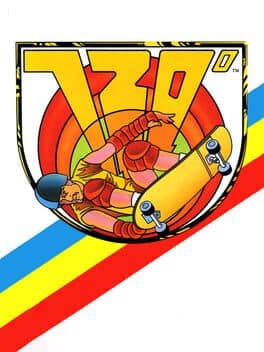
720 Degrees
Atari Games1986
720 Degrees is a 1986 arcade game by Atari Games. 720°, a skateboarding game, is notable in that along with BMX Simulator, it is one of the first extreme sports video games, and has a unique timed structure that requires the player score points in order to keep the game going.
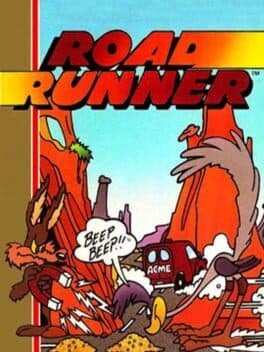
Road Runner
Atari Games1986
The player takes on the role of the Road Runner - from the much-loved Warner Bros. cartoon series - and must outrun and outsmart the villainous Wile E. Coyote, in this abstract sideways-scrolling racing game from Atari. A variety of traps and pitfalls await the Road runner (such as a cannon, land mines, cliff-top drop etc.) which must be carefully avoided. It is possible, however, to lure Wile E. Coyote into these traps to put some valuable distance between the Road Runner and his pursuer. Road Runner must also eat the piles of seed that appear at various points throughout the stages, as missing five bird seeds will cause Road Runner to faint and result in the player losing a life. Road Runner's colourful, beautifully-drawn graphics capture the spirit and humour of the legendary cartoons perfectly. The music and sound effects are also faithful to the cartoon series.
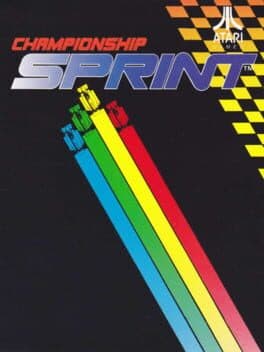
Championship Sprint
Atari Games1986
Championship Sprint is an arcade game that was released in 1986 and was the sequel to Super Sprint
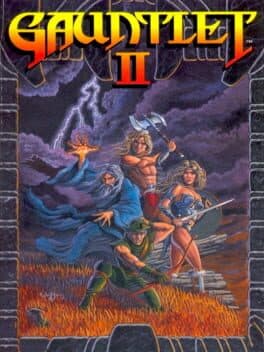
Gauntlet II
Atari Games1986
The gameplay is very similar to the original Gauntlet, a topdown dungeon crawl supporting up to four players. The biggest difference from the original game is that players can choose identical classes, instead of being limited to a particular one for each joystick; each player is differentiated by color. Thus, instead of having a "warrior", "wizard", and "valkyrie" (for instance), in Gauntlet II there could be a "red wizard", a "blue elf" and a "green warrior". In addition to the new "class" system, new level designs were added, including the possibility of encountering them in altered ways by having the play-field turned in steps of 90°. Other new features included the enemy "It", which upon contact would make a player "It" and draw all enemies towards him/her. The only way to release this curse is by touching another player or entering the exit, turning any level containing "It" into a fantasy filled game of tag. Other notable additions include the ability to ricochet shots off walls by means of a special pick-up, acid puddles that caused large, predetermined amounts of damage and a large dragon which would occupy multiple squares and require multiple hits to destroy. New level elements were also added, adding more variety to the original game. These included "all walls are invisible", "magic walls" which changed into monsters or items when hit, "stun tiles" which stunned the player, and fake exits. Another challenge in the game is the possibility to find a "secret room". This can be found by completing specific achievements within the level (e.g., "don't be fooled", means that you must find the real exit first). The secret room contains items such as food and magic potions (extra shot power, extra shot speed, extra magic power, extra speed, extra armor and extra fight power). This sequel was also the first to feature what is now known as the Gauntlet theme tune, which resembles a simplified Baroque fugue.
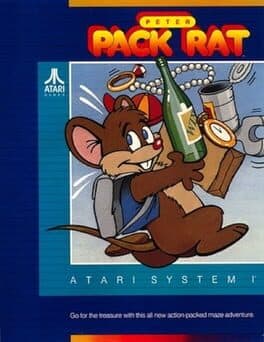
Peter Pack Rat
Atari Games1985
The player maneuvers Peter, a cartoon rodent, through various environments to collect objects and take them back to his nest within a designated time. Enemies, referred to as "The Gang", include cats, dogs, owls, and spiders, and must be avoided or stunned by throwing gems or collected objects. Each successive stage increases the number of objects to collect, reduces the allotted time to collect them, and adds more enemies.
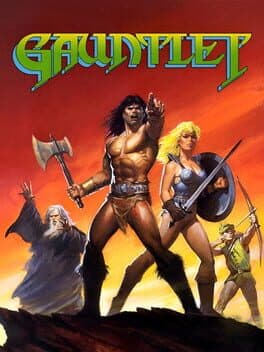
Gauntlet
Atari Games1985
Working as a common grunt for CannoSec, you have been chosen by the owner to be a candidate as a distinguished Elite. A position thousands in CannoSec work hard to attain. However, you have to show CannoSec that you are a worthy candidate through the Certification Run. Are you meant for this?
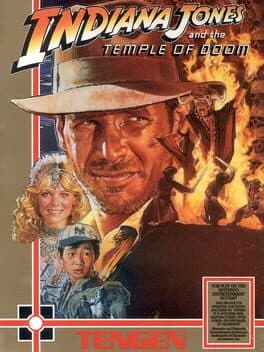
Indiana Jones and the Temple of Doom
Atari Games1985
As Indy, the player must complete several cycles of the following three types of levels: 1.Mine level: Whip your way through a mine in order to free children that are held captive. Use your whip to swing across chasms, climb ladders, ride along conveyor belts and defend yourself against attacks from Thuggee guards, bats, snakes and the fireball-throwing Mola ram. Escape with the mine cart after you've freed all children. 2.Mine cart level: Pick the right route through a network of tracks while riding in a mine cart. Avoid potholes, broken tracks & guards in carts and safely reach the end of the track. 3.Temple level: Make your way to the altar and grab the Sankara stone while Mola Ram, bats and Thuggee guards attack you. Watch out for that lava.
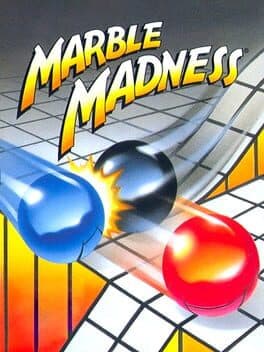
Marble Madness
Atari Games1984
Marble Madness is a tense and exciting pinball card building game. Using pinball collision as the main gameplay, supplemented by card construction, each game has a different experience, so experience the exhilaration of each collision.
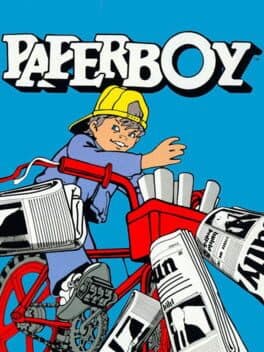
Paperboy
Atari Games1984
Paperboy is a 1985 arcade game by Atari Games originally developed in 1984 . The players take the role of a paperboy who delivers newspapers along a suburban street on his bicycle. The game was ported to numerous video game consoles and personal computers. Paperboy was innovative for its theme and novel controls. The player controls a paperboy on a bicycle delivering newspapers along a suburban street which is displayed in a cabinet perspective (or oblique projection) view. The player attempts to deliver a week of daily newspapers to subscribing customers, attempts to vandalize non-subscribers' homes and must avoid hazards along the street. Subscribers are lost by missing a delivery or damaging a subscriber's house.
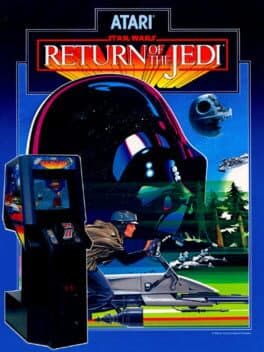
Star Wars: Return of the Jedi
Atari Games1984
The Return of the Jedi completes the Trilogy of games based on the Star Wars films. Each one is a conversion of the Arcade game and Return of the Jedi picks up the action of the movie where the rebel forces begin their attack against the Imperial Death Star. In the first lever you control Princess Leia on her Speederbike through the forest of Endor to safety of the Ewok village. You leave Leia there and go to another part of the forest to control Chewbacca's Scout Walker. There, Hans Solo is waiting to deactivate the shields protecting the Death Star. On the second and third levels, you control Chewbacca and Lando Calrissian as he flies the Millennium Falcon. Lando flies close to the Death Star fighting off a mighty attack from the T.I.E. fighters. The Millennium Falcon enters the Death Star and travels down a dangerous tube towards the central reactor. Blast the reactor and then turnaround to get away from the Death Star as it blows up.
I, Robot
Atari Games1984
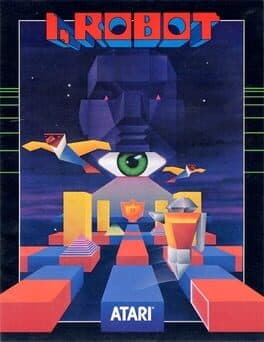
The game play consists of moving robot1984 over all of the red tiles while avoiding objects flying at you from the back of the screen. Eliminating the red tiles diminishes the shield at the back of the playfield which prevents you from flying to the next level. To get to all the red tiles, players sometimes need to leap across empty space which creates a permanent bridge between the two points. Leaps across empty space have to be timed so that the "eye" of Big Brother in the back of the playfield, which randomly opens and closes, does not see robot1984 and destroy him.
Star Wars
Atari Games1983
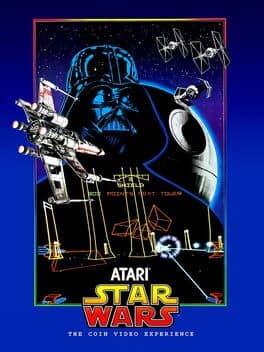
Star Wars is a first-person shoot 'em up based around the original Star Wars film. You take on the role of Luke Skywalker, aiming to destroy the Death Star - which, as any fan knows, involves attacking the 'weak spot' near the exhaust. To even get to this you have to pass swarms of TIE Fighters. Complete the game and it loops back around at ever-increasing difficulty. The game uses vector graphics, which allow lots of action at high speed on comparatively slow systems.