-
Average rating
23
Games
0
Votes cast
Heartbeat
Shipped Titles
Games (23)
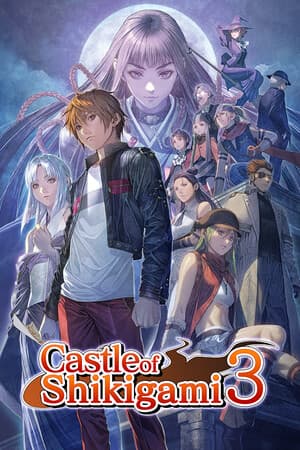
Castle of Shikigami 3
Cosmo Machia2025
・A culmination of character shooting games set in a unique worldview! ・A wide variety of newly added playable characters and attack methods, as well as a 2P scenario that is different from 1P play. ・Features a high-tension MAX system that will satisfy your insatiable passion for shooting games!
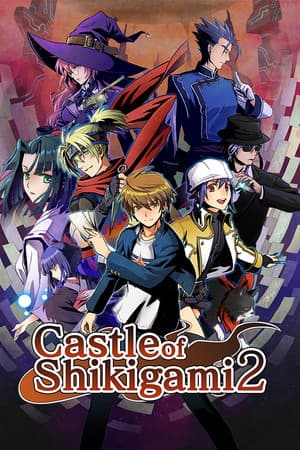
Castle of Shikigami 2
Cosmo Machia2021
The second installment of the dramatic shooter that gained popularity in the arcades is now coming to Steam with +α elements!
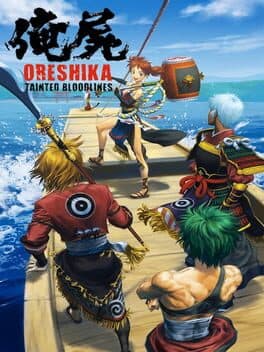
Oreshika: Tainted Bloodlines
Alfa System2014
Guide your clan over multiple generations on an epic quest to lift a curse against your bloodline, battling cruel enemies and spectacular bosses in this turn-based RPG set in ancient Japan.
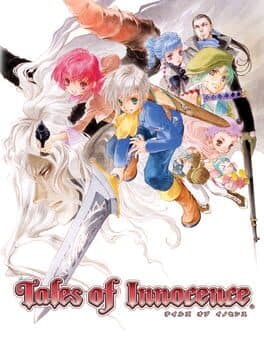
Tales of Innocence
Alfa System2007
The Imperial Capital of Regnum kept itself in peace during the long-lasting world war. Slowly, people with a "special power" began to appear. Feared by normal people, Regnum set out a law to capture all people with special powers. One day, Ruca, the son of a merchant in Regnum, realizes the special power within him...
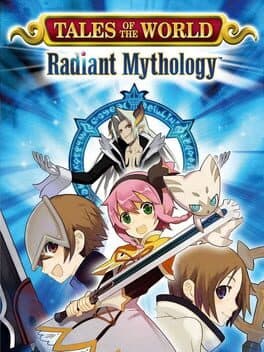
Tales of the World: Radiant Mythology
Alfa System2006
The world of Terresia is under assault by a "devourer", which seeks to consume its mana and leave it barren. Although the residents of the planet are unaware, this is actually a result of the actions of two entities named Widdershin and Aurora, the descenders of other worlds. As a last resort, the world's life-giving tree (the World Tree) uses the last of its power to create a defender - the player's own character. The hero, after being awakened by a strange creature named Mormo whose own world was destroyed by the same threat, learns of the danger to this world's World Tree. Upon hearing a scream, the player rushes to discover that a girl is being attacked by a soldier. After rescuing the girl, she introduces herself as Kannono, a member of an organization named Ad Libitum. This guild seeks to help the people of the world, fighting injustice and oppression. With no better leads, the player and Mormo set out to join Ad Libitum, hoping to learn more about the location of the devourer.
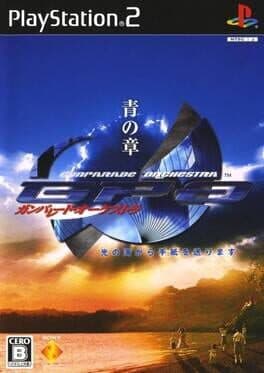
Gunparade Orchestra: Ao no Shou
Alfa System2006
Gunparade Orchestra: Blue Chapter ~Send a letter from the Sea of Light~ ( ガンパレード・オーケストラ 青の章 〜光の海から手紙を送ります〜) is a Japanese game co-developed by io-spiral, Dice Corporation and Alfa System. It was the final game of the Gunparade Orchestra game trilogy to be released for Playstation 2 on July 20, 2006.
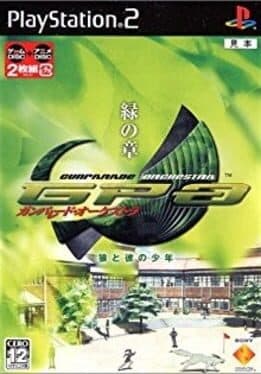
Gunparade Orchestra: Midori no Shou
Alfa System2006
Gunparade Orchestra: Green Chapter ~Samurai and his Boy~ (ガンパレード・オーケストラ 緑の章 〜狼と彼の少年〜) is a Japanese game co-developed by io-spiral, Dice Corporation and Alfa System. It was the second fo the Gunparade Orchestra game trilogy to be released for Playstation 2 on March 30, 2006. The game continues the story from the White Chapter. The player character appearing in the white chapter can be transferred. However, the transfer character can only be used as a player character and can not be transferred as an NPC. Also, in the blue chapter, it has been improved so that it can be transferred as an NPC.
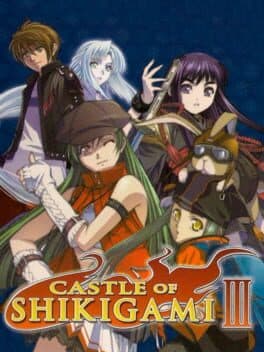
Castle of Shikigami III
Alfa System2006
Castle of Shikigami III is a vertical scrolling shoot-'em-up game in the Castle of Shikigami series. Your proximity to enemy units and gunfire determines your score and firepower. Each character has their own specialized weapons and powers, anything from chain lightning to psychic blades. Experience a wide variety of scenarios with fully voiced dialogue. Dodge a never-ending barrage of bullets alone or with a friend. Switch between two characters in the middle of the fight to improve your chances for survival!
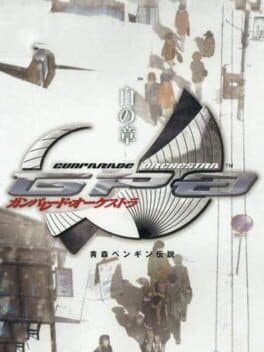
Gunparade Orchestra: Shiro no Shou
Alfa System2006
Gunparade Orchestra White Chapter ~Aomori Penguin Legend~ (ガンパレード・オーケストラ 白の章 〜青森ペンギン伝説〜) is a Japanese game co-developed by io-spiral, Dice Corporation and Alfa System. It was the first of the Gunparade Orchestra game trilogy released for PlayStation 2 on n January 12, 2006.
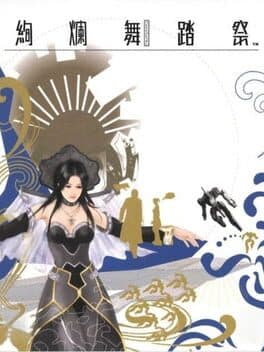
Kenran Butou Sai: The Mars Daybreak
Alfa System2005
An Alfa System and Sony Computer Entertainment PlayStation 2 exclusive adventure game Kenran Butou Sai (絢爛舞踏祭), translates to "The Mars Daybreak", is a real-time simulation adventure game published in Japan by Sony Computer Entertainment for the PlayStation 2 on July 7, 2005. The title is a spiritual successor to Gunparade March containing the same style of hybrid gameplay where the player interacts with AI controlled NPCs and then participates in combat segments with them. Sony's Prokion and Alfa System developed Kenran Butou Sai with the title being a part of the studio's larger interconnected universe known as Unkown World. A television anime based off the world of Kenran Butou Sai, but focusing on a different story and characters, aired a year before the game's launch in 2004 called Mars Daybreak. The show was produced by Bones and was later released in North America by Bandai Entertainment in 2006.
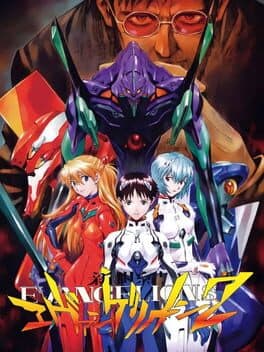
Neon Genesis Evangelion 2
Alfa System2003
Neon Genesis Evangelion 2 (新世紀エヴァンゲリオン2 lit. "Shinseiki Evangelion 2") is a Japanese video game for the PlayStation 2 developed by Alfa System and published by Bandai. It has role-playing video game and world-controlling elements, and allows the player to follow a number of characters (such as Asuka Langley Soryu, Shinji Ikari, Pen², etc.) through multiple versions of the main plot of the anime Neon Genesis Evangelion. The PlayStation Portable port was released 2006-04-27 as Neon Genesis Evangelion 2 -Another Cases-
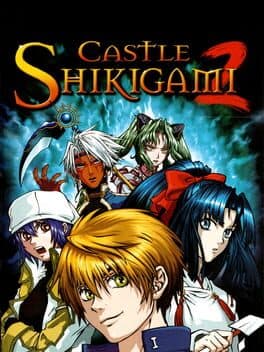
Castle Shikigami 2
Alfa System2003
Sequel to Shikigami no Shiro, SS2 is a vertical-scrolling shooter with sci-fi elements. As in most games in the genre, the game puts you in control of a small fighter as you attempt to make your way past several stages filled with enemy ships charging and attacking you in different patterns. The game features 7 distinct characters with psychic powers (which manifest in-game as bomb-type attacks and other special moves) and unique fighters, and the game features a story mode for each character, in which they have different dialogue and plot-sequences for each boss fight. Also included is a weapon system similar to Psyvariar's in which you can enhance your power and rate of fire by scraping incoming bullets.
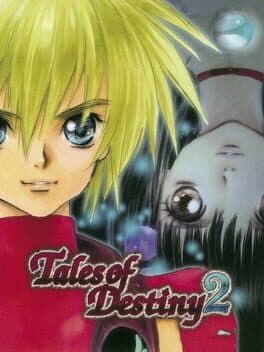
Tales of Destiny 2
Alfa System2002
Tales of Destiny 2 is a direct sequel to the Playstation's Tales of Destiny. The game's battle system retains the same fluid, fast-paced action combat of its predecessor Tales of Eternia, but adds a range of experimental features including a stamina gauge and a fairly high level of character, equipment, and skill customisation.
Gunparade March
Alfa System2000
Koukidou Gensou GPM - Gunparade March is a Japanese video game that was later turned into a 3 volume manga and a 12 episode anime. The video game, Koukidou Gensou Gun Parade March was released on September 28 of 2000, for the PlayStation video game console. It was developed by Alfa System and published by Sony Computer Entertainment. Due to its creativity and attention to detail, it won the prestigious Seiun Award in 2001. The manga by Hiroyuki Sanadura was serialized in the magazine Dengeki Daioh. The three volumes published by MediaWorks between 2001 and 2003 were translated by ADV Manga between 2004 and 2005.

Ore no Shikabane wo Koete Yuke
Alfa System1999
Ore no Shikabane wo Koete Yuke (roughly, "over my dead body,") is a dungeon crawler RPG where the player controls a clan of warriors, cursed to die young, over several generations as they try to defeat the demon that cursed them. Aside from combat, the player must also manage the clans resources, and ensure a new generation is ready to take over when the curse kills their parents. Set in ancient Japan, the game is heavily influenced by traditional Japanese art and mythology.
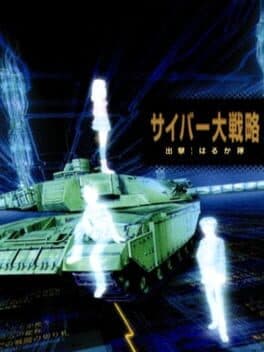
Cyber Daisenryaku
Alfa System1999
Cyber Daisenryaku is a Tactical RPG game in which the player will control a high school student.
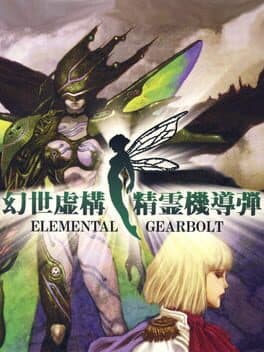
Elemental Gearbolt
Alfa System1997
Elemental Gearbolt is your typical "save the world from the evil lunatic who wishes to destroy all of mankind for his own tyrannical reasons" story. In this case, a power hungry prince is plotting this scenario by using the Neural Network Computer, which happens to keep the world in balance. He wishes to destroy this machine, which feeds on volunteers, or Elementals. Once you die, your soul is fed to this machine which makes you an Elemental. Such is the case with the two sisters' Nell and Seana. But what the prince did not know is that he caused their death and now the two Elementals are out for his blood and to save all of mankind.
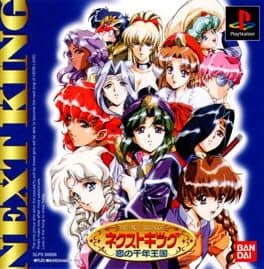
Next King: Koi no Sen-nen Oukoku
Alfa System1997
A board game developed by Alfa System and MARS Corporation for the PSX and Saturn.
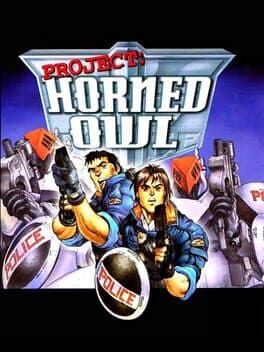
Project: Horned Owl
Alfa System1995
An invasion of mechanized terrorists turns your city into an urban battleground! Time: the future- Metro City is under attack from legions of robots directed by a twisted dictator. Your squad of mech-suited cops hits the ground, transformed into deadly defense unit. Your city is buckling, street by street - can you stop a total mech takeover? -A non-stop action shooter exclusively for the PlayStation game console. -Two player co-op mode and KONAMI ENFORCER Gun support double the destruction! -Interactive backgrounds allow you to blast cars, obliterate walls and annihilate mech suits on factory conveyors. Watch out-innocent civilians are everywhere! -Incredible Japanese anime sequences connect battle scenes into an all out urban war! -Rapid fire combat packed with futuristic war machines including cybercops, armored mechs with automatic weapons, tanks, missiles, bombs, energy scans and high-tech Heads-Up-displays.
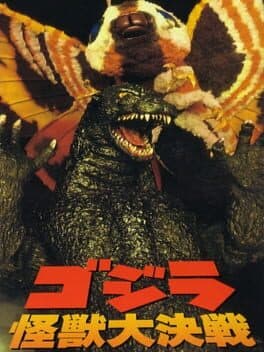
Godzilla: Kaijuu Daikessen
Alfa System1994
A 2D fighting game for the Super Famicom. It was the sequel to Godzilla: Battle Legends, and the second Godzilla game released for the Super Famicom platform, the other being Super Godzilla. In the game, players select from one of eight different monsters from the Godzilla movies and battle in a variety of locations. The game was released in Japan only. According to Nintendo Power, the game was planned to be released in North America in April 1995 under the title Godzilla: Destroy All Monsters. However, it was never released.
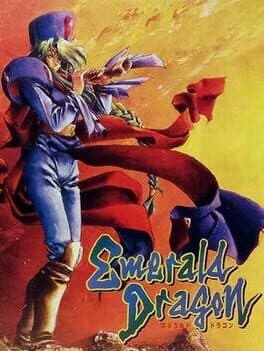
Emerald Dragon
Alfa System1994
Emerald Dragon is a Role-Playing game, developed by Alfa System and published by Media Works, which was released in Japan in 1995.
Godzilla: Battle Legends
Alfa System1993
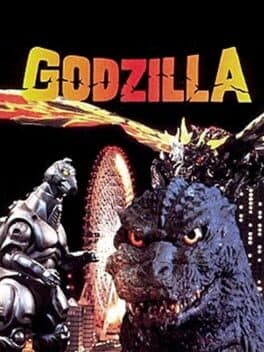
Godzilla: Battle Legends (simply referred to as "Godzilla" in North America) is a fighting game based on the Godzilla film franchise, made for the Turbo Duo in 1993, developed by Alfa System and published in the United States by Hudson Soft. When Godzilla fights a certain foe, his appearance changes to reflect the era when he battled in certain films. For example, Godzilla looks like as he did in 1955 when he fights Anguirus, and as in 1964 when he fights Rodan. This game's sequel, Godzilla: Monster War for the SNES, features fewer monsters, with the inclusion of Biollante as a playable character and Mothra. In single player mode, only Godzilla is playable.
Shanghai II
SystemSoft1989
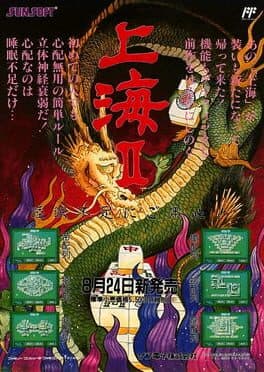
Shanghai II is a Puzzle game, developed and published by SunSoft, which was released in Japan in 1990.