Dispatch
To Remaster or to Be Original?

Remakes, Remasters and occasionally a reboot are common. But are they helpful, or could we be served by orignality
Remaster vs. remake vs. reboot - what should we do with old games?
So Mass Effect Legendary Edition has arrived. Gamers who played the original get to ride the mass relay straight to nostalgia, while Bioware gets to preserve their game for an entirely new generation of players. Surely it’s a win for everyone?
The question that some people are asking is: should Bioware have done more? They certainly didn’t think so. The developer made a point of not creating a remake of their beloved trilogy, only a remaster, sticking firmly in the star system of Unreal Engine 3.
Bioware’s character and environment director Kevin Meek said that it wasn’t only a question of time and effort.
"It was like a Ship of Theseus type thing of, ‘How far can you change this before it's not the same as it was?’" he told Gameinformer. "In a remake, you start off with some line in the sand, like ‘this is not the same ship that it used to be.’"
It’s an argument for game preservation and, flawed or not, it’s the approach many developers have taken - though financial reasons are definitely a part of it too. It’s much cheaper to give old code spit and polish than it is to make something new. Sometimes releasing a remaster is also a way to gauge the appetite of players for an entirely new game in the same franchise without risking money and time on guesswork.
But what about the players themselves? Are remasters actually what we want? Or are we better off with a remake, a reboot, or simply leaving old games in the past and making new games?
Compare and contrast the original Tomb Raider with the remake/reboot and maybe the question answers itself, but let's go further.
A quick note on definitions
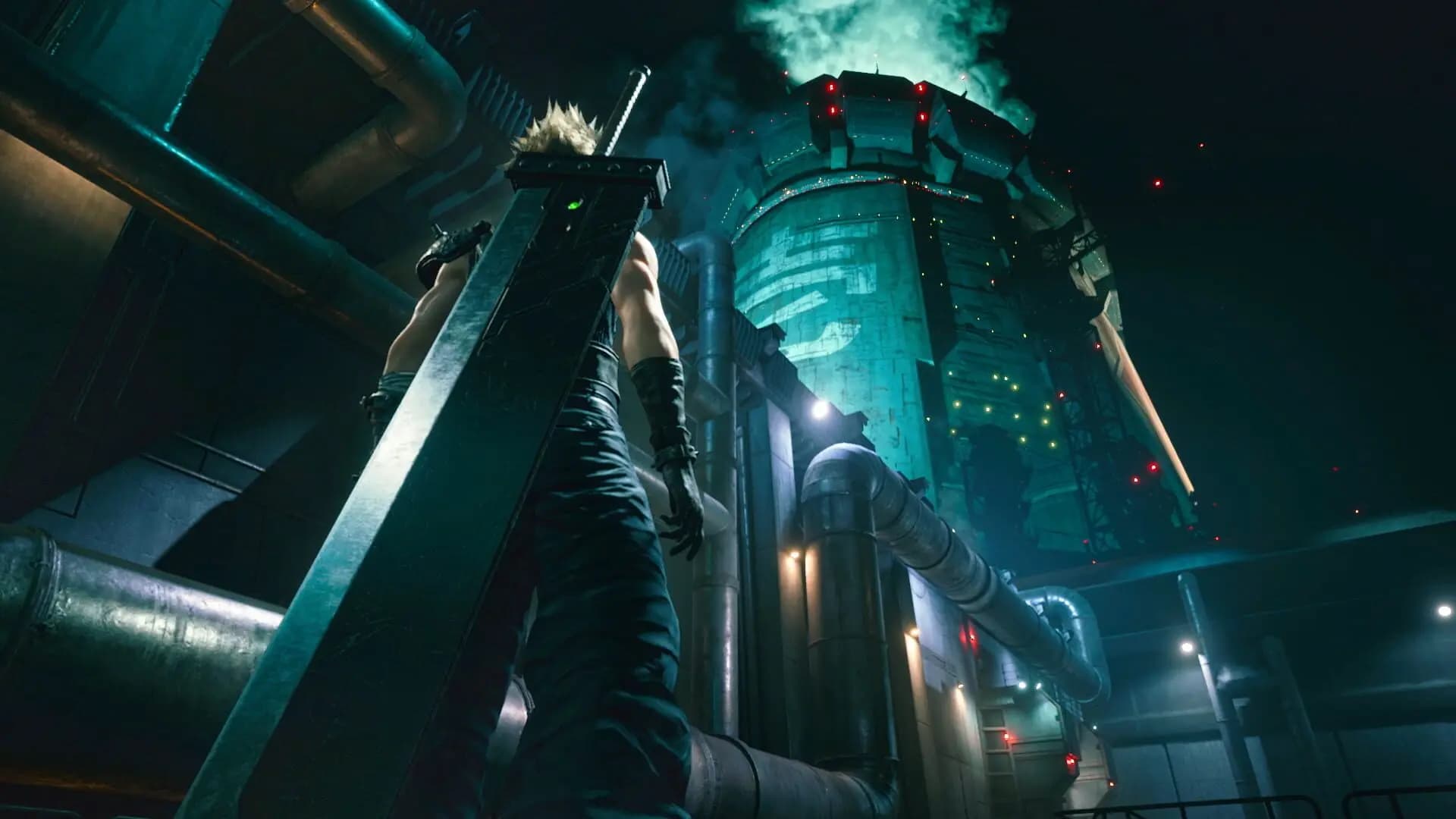
Now, definitions of remasters and remakes are sometimes contested and more than a little confusing. We’re calling a game a remaster if it uses the original game’s code, while a remake is a from-the-ground-up affair. A reboot is a wholly original game in the same franchise or a remake of an older game that deviates or changes the original significantly (we can only think of Final Fantasy VII Remake in this category if we are honest)
When are remasters worth it?
Remasters are sometimes little more than intergenerational ports, with a small amount of polish thrown in to justify the resale.
This was what Bluepoint Games did a lot before Sony moved them onto more ambitious projects. They released Uncharted: The Nathan Drake Collection and Gravity Rush on new consoles and while these remasters were an upgrade, they were remastered in the softest sense of the word.
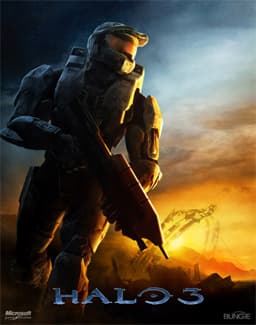
A similar level of polish can be seen in Halo: The Master Chief Collection, Final Fantasy XII, The Elder Scrolls V: Skyrim - Special Edition, Tomb Raider: Definitive Edition and The Last of Us Remastered. They’re worth getting for a smoother, slightly prettier experience, but not much else about the core game gets changed.
We’ve seen fewer of these kinds of remasters in the PS5/Xbox Series era. Now, many gamers who bought the original games are getting free next-gen versions instead. This is good news on one level, but it poses a different question: are we playing next-gen games or last-gen games with a fresh coat of paint?
Is it better to have a graphical overhaul?
What’s truly worth remastering though? To give gamers a big improvement, you need to go back more than one generation. You need to pull games out of the deep past - and to make them playable today, you often need a complete visual overhaul. It’s at this point where we leave Mass Effect Legendary Edition territory.
Tony Hawk’s Pro Skater 1 + 2 uses Neversoft’s original handling code but remade the art assets so they could display at 4K, though they were careful to replicate the old skate lines 1:1. The result is a stunning overhaul that makes the game feel as revolutionary as it did in the 90s - and the soundtrack is as good as ever.
Shadow of the Colossus was Bluepoint’s first foray into remake territory, and it’s a masterpiece of design. It uses the original game’s code and engine to run the game logic, while Bluepoint’s own engine handles the rendering, sound and loading. The developers didn’t rewrite code unless they thought it was necessary and the result is a game that both feels faithful and new at the same time.
They gave the same glorious treatment to Demon’s Souls. The original code runs stealthily beneath it all, keeping combat timing identical so long time fans could twitch through the game like it was 2009. Almost every other asset though is made from the ground up, which brings us to the question...
Should a game just be remade from the ground up?
There’s no doubt, the remakes of Resident Evil 2 and 3 are something special to look at. These games completely refined the original experience, using the old games as more of a template than a definitive guide.
Link’s Awakening, meanwhile, plays faithful to the original while taking an 8-bit game into a 3D, high definition future. There isn’t a way to make Game Boy code feel modern. From the ground up though, this game doesn’t just remake the game but the magic too. (Can we say from the ground up if this is a top-down game?)
Full remakes have a place in the world, but it’s a tough gig to make the game relevant to a new audience while paying service to old fans. Final Fantasy VII Remake is almost a reboot in its story ambitions, completely overhauled combat system and scope. Does it succeed or not? Review the game for us and make your opinion known.
By the time you get to this end of the remake spectrum, it’s not a question of making an old game feel fresh, it’s a question of making a new game good. So maybe you’d be better off with a soft reboot, following in the likes of New Pokemon Snap, Doom (2016), God of War, Tomb Raider (2013) or even Streets of Rage 4 (which is a reboot dressed like a sequel).
So what’s best for players?
Should developers remaster, overhaul, remake or reboot the games and franchises we love? Are they monetising our nostalgia or are they creating something worthwhile? Games feel different to every player, so no doubt there will be differences of opinion over every title that’s released.
Reimagined games may get our money, which is no doubt what publishers are betting on, but it’s the games that make old magic new again that will get our hearts too. They might even give new players the chance to find the game that speaks them.