Dispatch
The Day Activision Killed British Arcade Racing

game
Blur
Dispatch
game
Blur
Keep Reading
 Bombjack
Sixteen years on, it's still the poster child for a brilliant game released into a perfect storm of bad timing, worse marketing, and a publisher that had already made up its mind.
Bizarre Creations was one of those studios that seemed incapable of putting a foot wrong. Founded in Liverpool by Martyn Chudley (originally under the gloriously rejected name "Raising Hell Software" - Sega told them to bin it), they'd built their reputation on Metropolis Street Racer for the Dreamcast and the Project Gotham Racing series for Xbox. They also found time to make Geometry Wars, which is still one of the finest twin-stick shooters ever made and probably kept more Xbox 360s running than Microsoft care to admit.
In 2007, Activision bought them for $107.4 million. The plan was straightforward: take the studio that defined Xbox racing and make them build the next big thing. What they built was Blur.
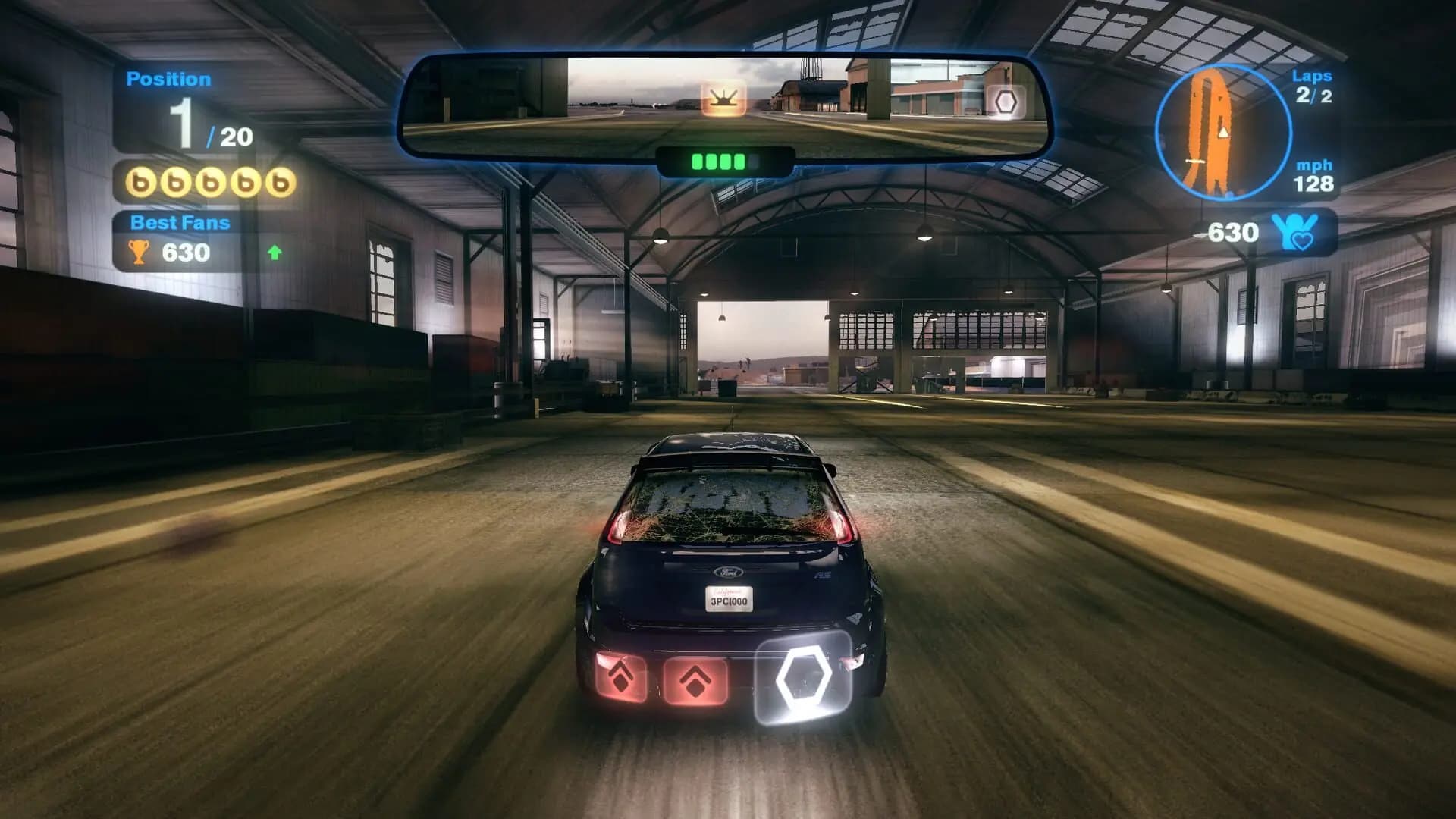
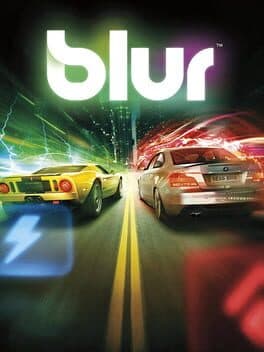
The pitch was beautifully simple. Take real licensed cars - actual metal, not cartoon karts - and give them Mario Kart-style power-ups. Nitro boosts, mines, homing missiles, defensive shields. Twenty players online at once. Split-screen for four. Tracks weaving through real-world locations, including London and Los Angeles. It was Project Gotham Racing meets Wipeout, with a dash of proper bumper-car chaos.
The reviews were good. Not mind-blowing, but properly, substantively good. Metacritic scores in the low 80s. Edge gave it an 8. Praise for the handling, the multiplayer, the sheer fun of it.
Then the sales figures landed.
Blur sold 31,000 copies in the United States in its first five days. For context, that is not "disappointing". That is catastrophic. The game would eventually crawl to about 500,000 units worldwide, but by any measure it was a commercial failure, and the reason wasn't the quality of the game.
It was timing. Blur launched in May 2010 into a month absolutely stacked with arcade racing games. Split/Second, Disney's explode-the-track racer, came out the same week. ModNation Racers, Sony's kart-building answer to LittleBigPlanet, arrived days earlier. Three arcade racers, all fighting for the same audience, all cannibalising each other. Nick Davies of Bizarre later acknowledged the obvious: "It came out at a very busy time for racing games."
But it's hard to escape the sense that Activision had already moved on. The marketing spend was anaemic. The game had no real chance to build an audience before the axe started hovering. On November 16, 2010, barely six months after Blur's release, Activision announced it was "exploring options" for Bizarre Creations, including a potential sale. By January 20, 2011, the decision was final. The studio would close on February 18.
The statement from Activision was corporate euphemism at its most brutal: "Over the past three years since our purchase of Bizarre Creations, the fundamentals of the racing genre have changed significantly." Translation: we bought a racing studio, racing isn't selling the way we'd like, and we're done.
Bizarre marked the closure with a two-minute farewell video, edited by in-house editor Eamon Urtone. It's still on YouTube. If you can watch it without feeling something, you're made of sterner stuff than me.
The real gut-punch came later. Work-in-progress footage of Blur 2 surfaced online: an Audi R8 tearing through a rain-soaked Brighton, a race through Dubai with cars driving sideways up curved skyscrapers, an Ultima GTR screaming down a mountain during an avalanche. It looked extraordinary. It was never finished.
The people behind it landed on their feet, mostly. Former Bizarre staff founded Lucid Games in Liverpool, which went on to handle the Geometry Wars franchise and develop Destruction AllStars for PlayStation. Martyn Chudley, the founder, largely stepped away from the industry. A free-to-play mobile spinoff, Blur Overdrive, quietly appeared in 2013 and disappeared just as quietly.
Blur itself is hard to play today. It was delisted from digital storefronts years ago. The servers are long dead. Physical copies still float around on eBay, but this is a game that's been slowly erased, and that feels like a particular injustice. We preserve the art that sells. We lose the art that doesn't.
On this day in 2010, a studio in Liverpool shipped one of the best racing games of its era. Nine months later, it was gone. Play it if you can find it. It's better than you remember, and far better than 31,000 copies would suggest.
Sources:
- Wikipedia: "Blur (video game)" - May 2026
- Wikipedia: "Bizarre Creations" - May 2026
No comments yet. Be the first.